Poverty: analysis of 14 November 2026
Back to the Chronology · Current news in this section
Analysis
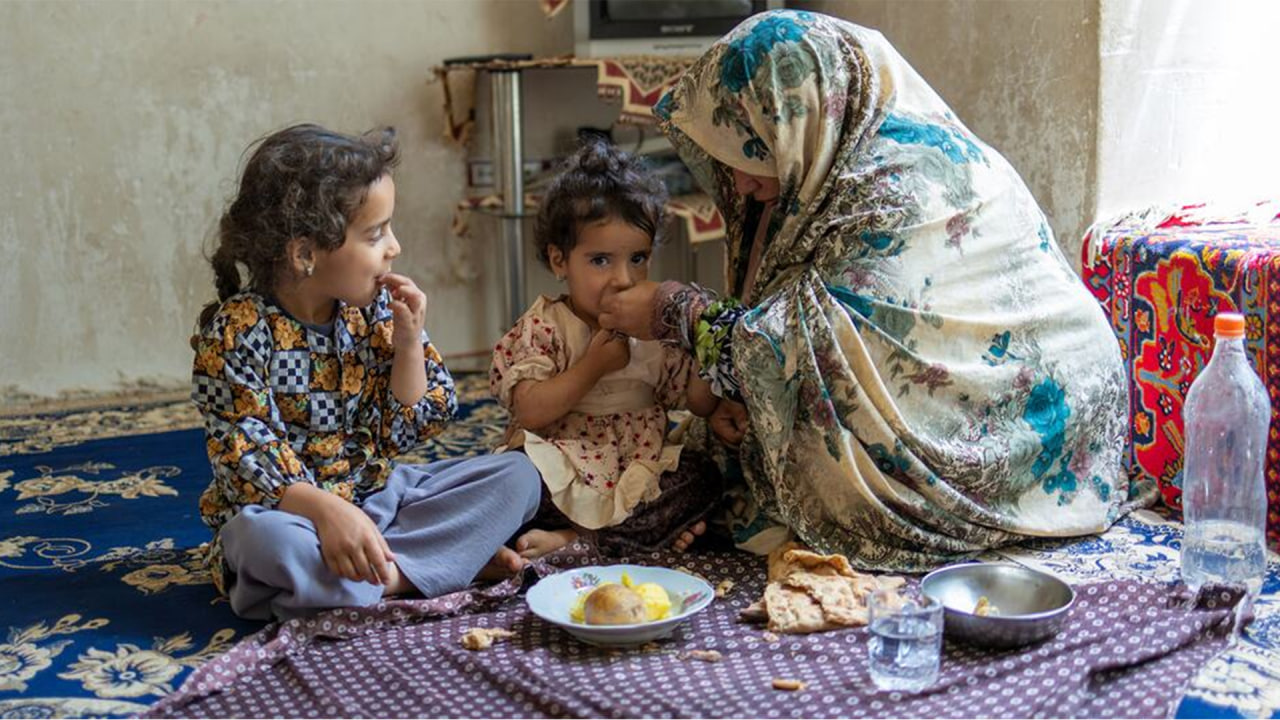
Aid cuts and funding shortfalls are forcing rationing of food and nutrition assistance just as UN agencies report rising child malnutrition in Afghanistan, an approaching El Niño peak and escalating conflict-driven displacement in Sudan, Yemen and Haiti.
The fortnight's reporting is dominated by the collision between growing humanitarian need and shrinking resources. UNICEF reports acute child malnutrition in Afghanistan rising to 12% in the third quarter of 2026 from 9.3% the previous quarter, while the UN warns that rights restrictions, mass migrant returns and declining international assistance are deepening the crisis there 12. WFP has begun prioritising only the most vulnerable refugees in Malawi because it cannot feed everyone, and donors meeting at the Paris Peace Forum framed new malnutrition commitments explicitly against the backdrop of aid cuts threatening millions of children 2026. Meanwhile El Niño is forecast to peak around December 2026, drought is already driving needs in Asia-Pacific, and conflict in Sudan, Yemen, Haiti and eastern DRC continues to displace people and obstruct relief 1013242730.
Key developments
- Afghan child malnutrition climbs sharply. UNICEF reports that acute malnutrition among Afghan children rose to 12% in the third quarter of 2026, up from 9.3% in the previous quarter, amid deepening food insecurity [2]. The UN links the worsening picture to restrictions on women's rights, mass returns of migrants, economic hardship and declining international assistance, and a UN official warns that poverty is leaving children vulnerable to recruitment into Taliban ranks [1][6]. 126
- WFP rations refugee food aid in Malawi. From November, WFP will prioritise food assistance for the most vulnerable refugees in Malawi, including at Dzaleka camp, because funding shortfalls and a growing refugee population make it impossible to assist everyone in need [26]. It is a concrete example of the aid-cut dynamic that Save the Children and partners highlighted at the Paris Peace Forum, where governments, philanthropists and international organisations crystallised new commitments against child malnutrition as resources tighten [20]. 2026
- El Niño peak looms over food security. IOM says El Niño is expected to peak around December 2026 and persist into early 2027, citing WMO guidance from 26 October, with effects already visible in Latin America and droughts and floods anticipated elsewhere, including Niger and Somalia [30]. A joint UN snapshot says drought is already driving needs across Asia and the Pacific, including Papua New Guinea, and ECHO has issued a seasonal forecast for December 2026 to February 2027 [8][27][28]. 8272830
- Conflict displacement in Sudan, Yemen and Haiti. INGOs in Sudan issued their sixth alarm on drone strikes, calling October one of the deadliest months for civilians in 2026, while the Central African Republic now hosts 41,039 Sudanese refugees, most arriving via Am Dafock in Vakaga Prefecture [10][11][12]. IOM reports more than 340,000 people displaced in Yemen with transport-route restrictions threatening aid delivery, and OCHA counts 1,100 people killed by violence in Haiti between July and September, with 4-5 million expected to need humanitarian assistance [4][5][13]. 45101112
- Gaza winter appeal and DRC Ebola obstruction. The UN and partners issued an urgent appeal for winter supplies to enter Gaza after deadly rainfall, saying 'lives are at stake' [23]. In eastern DRC, six months into the Ebola outbreak, UN responders say repeated deadly attacks by armed groups on civilians and frontline health workers are obstructing efforts to stop transmission, even as UNICEF notes progress in expanding the response [24][25]. 232425
- US SNAP rule delay for corner stores. New York City mayor Zohran Mamdani struck a deal with Donald Trump for a 90-day delay on new Supplemental Nutrition Assistance Program rules, giving bodegas and convenience stores across the country more time to comply [3]. It sits alongside a Jacobin review of Annie Lowrey's The Time Tax arguing that US public-service bureaucracy harms poor and working-class people [9]. 39
Where poverty and hunger are worst
- Afghanistan. Acute child malnutrition reached 12% in Q3 2026, up from 9.3% the previous quarter [2]. The UN cites women's rights restrictions, mass migrant returns and aid cuts as drivers, and 3,941 Afghan nationals were registered entering the Western Balkans between January and August 2026 [1][14][15]. 1261415
- Sudan and Central African Republic. October was one of the deadliest months for civilians in 2026 amid escalating drone strikes [10]. CAR hosts 41,039 Sudanese refugees, most arriving through Am Dafock in Vakaga Prefecture [11][12]. 101112
- Haiti and Latin America. OCHA reports 1,100 people killed by violence in Haiti between July and September and 4-5 million people expected to need humanitarian assistance [4][5]. El Niño effects are already visible in the region, and Venezuela's protection cluster reports on a 2026 earthquake emergency response [7][30]. 45730
- Yemen. More than 340,000 people have been forced to flee their homes amid continued hostilities, and restrictions on key transport routes threaten delivery of life-saving assistance [13]. IOM also tracks migrant arrivals from Djibouti, Ethiopia and Somalia [19]. 1319
- Malawi. WFP will prioritise food assistance for the most vulnerable refugees from November because funding shortfalls and a growing refugee population mean it cannot assist everyone, with Dzaleka camp named [26]. 26
- Nepal and Asia-Pacific. The 26 August floods caused widespread damage in Rasuwa and downstream districts, with the government estimating US$2.7 billion in disaster effects [29]. Drought linked to El Niño is driving needs across Asia and the Pacific, including Papua New Guinea [27][28]. 272829
Aid, policy and money
- WFP prioritisation in Malawi. Funding shortfalls prompted WFP to restrict refugee food assistance to the most vulnerable from November [26]. The decision illustrates how aid cuts translate into direct reductions in rations for displaced populations. 26
- Paris Peace Forum malnutrition commitments. Governments, philanthropists and international organisations met on 13 November to accelerate action against child malnutrition as needs rise and resources shrink [20]. Save the Children framed the effort as a collaborative response to aid cuts threatening millions of children. 20
- US SNAP rule delay. A 90-day delay on new SNAP rules for corner stores was agreed between Mayor Mamdani and President Trump, applying to bodegas and convenience stores nationwide [3]. It postpones compliance burdens on small retailers serving low-income shoppers. 3
- Anticipatory action for El Niño. IOM is urging early action to strengthen readiness for El Niño-related displacement before shocks intensify, with a December peak expected [30]. ECHO's seasonal forecast and the Asia-Pacific snapshot support planning for drought-driven needs [8][27]. 82730
Themes
- Need rising as funding falls. Across Afghanistan, Malawi and the global malnutrition agenda, the same pattern recurs: agencies document growing need while explicitly citing declining or constrained international assistance as a driver of deterioration [1][2][20][26]. The response is triage, with WFP prioritising the most vulnerable and donors seeking collaborative mechanisms rather than new scale [20][26]. 122026
- Climate and conflict compounding hunger risk. El Niño's expected December peak overlaps with active conflicts in Sudan, Yemen, Haiti and eastern DRC, and with flood recovery in Nepal where the government estimates US$2.7 billion in disaster effects from the 26 August floods [10][13][24][29][30]. Agencies are urging early action on displacement before shocks intensify, suggesting the coming months could see several crises escalate at once [27][30]. 1013242729
- Poverty driving migration and recruitment. Afghan economic hardship is linked both to children's vulnerability to Taliban recruitment and to onward movement, with 3,941 Afghan nationals registered entering the Western Balkans between January and August 2026 [6][14][15]. Similar monitoring of flows through Montenegro, Yemen and Ukraine shows IOM tracking how deprivation and insecurity shape mobility [16][18][19]. 614151618
What to watch
- Whether the Paris Peace Forum commitments translate into funding that reverses rationing decisions such as WFP's in Malawi, or whether further prioritisation follows [20][26]. 2026
- The next UNICEF or IPC-style data on Afghanistan, given the jump from 9.3% to 12% acute child malnutrition in one quarter [2]. 2
- Early-warning updates as El Niño approaches its expected December peak, particularly for Niger, Somalia, Latin America and Papua New Guinea [27][28][30]. 272830
- Whether Gaza winter supplies are admitted after the UN's urgent appeal, and whether Yemen's transport restrictions ease [13][23]. 1323
Stories this analysis is based on (27)
- UN: Afghanistan Faces Deepening Humanitarian Crisis Amid Rights Restrictions and Aid Cuts KabulNow
- UN: Acute Child Malnutrition Rises to 12% in Afghanistan Amid Deepening Food Insecurity KabulNow
- Mamdani and Trump agree to 90-day delay on new food assistance rules for corner stores The Guardian World
- Panama: Latin America & The Caribbean Weekly Situation Update as of 13 November 2026 ReliefWeb
- Panama: Latinoamérica y El Caribe Resumen de Situación Semanal al 13 de noviembre 2026 ReliefWeb
- Poverty Leaves Afghan Children Vulnerable to Taliban Recruitment, UN Official Warns KabulNow
- Venezuela: Reporte Mensual - Septiembre 2026 ReliefWeb
- World: El Niño | Seasonal temperature and rainfall multi-model forecast (December 2026 – February 2027) - DG ECHO Daily Map | 13/11/2026 ReliefWeb
- US Government Bureaucracy Is Designed to Punish the Poor Jacobin (socialist)
- Sudan: INGOs Issue 6th Alarm on Drone Strikes as October Marks One of the Deadliest Months for Civilians ReliefWeb
- Central African Republic: Sudan Situation (as of November 10, 2026) ReliefWeb
- CAR: République Centrafricaine: Situation du soudan (Au 10 novembre 2026) ReliefWeb
- Displacement Tops 340,000 in Yemen as Restrictions Hamper Humanitarian Response ReliefWeb
- Albania: Europe — Afghan nationals travelling to and through the Western Balkans in 2026 ReliefWeb
- Afghanistan: Europe — Afghan nationals travelling to and through the Western Balkans in 2026 ReliefWeb
- Ukraine Returns Report - General Population Survey, Round 25 (June - August 2026) ReliefWeb
- Montenegro — Migration Data and Routes Q3 (July – September 2026) ReliefWeb
- Yemen: Flow Monitoring Registry Dashboard | Incoming and Outgoing Migrants (October 2026) ReliefWeb
- World: New commitments crystallised for a bold collaborative effort to combat malnutrition as aid cuts threaten millions of children ReliefWeb
- ‘Lives are at stake’: Humanitarians call for swift entry of winter supplies in Gaza UN News Humanitarian Aid
- DR Congo Ebola outbreak: armed groups unrest hold back response UN News Humanitarian Aid
- DR Congo: Fast facts: Ebola's toll on children six months into the outbreak and response – UNICEF ReliefWeb
- Funding Shortages Force WFP to Prioritise Food Assistance for Refugees in Malawi ReliefWeb
- World: Asia and the Pacific: Snapshot of El Niño & Middle East Crisis (as of 12 November 2026) ReliefWeb
- PNG: Asia and the Pacific: Snapshot of El Niño & Middle East Crisis (as of 12 November 2026) ReliefWeb
- WFP Nepal Country Brief, November 2026 ReliefWeb
- World: El Niño 2026–27 · October 2026 · Update #1 - Preparing for displacement impacts before crises escalate: Acting early to strengthen readiness before El Niño-related shocks intensify. ReliefWeb
Written by Claude Fable 5.1 (Anthropic), based on 36 recent headlines and excerpts in this section, 6d ago. AI analysis can misread or miss things: the numbers link to the original reporting, which is the authority.