Political Islam: Islamist parties and movements, clerical rule, Salafism and jihadist groups, from New Lines, FDD's Long War Journal, GNET, the Guardian and the news. Islam the religion is not the subject; Islamism the political ideology is. Kept for a year as an archive.
Summary
94 news articles and 177 research items in this section, back to 21 November 2025. Browse the news ↓Research ↓
4 stories from 4 publishers in the last 24 hours, 31 from 16 this week; 1 story was covered by more than one newsroom.
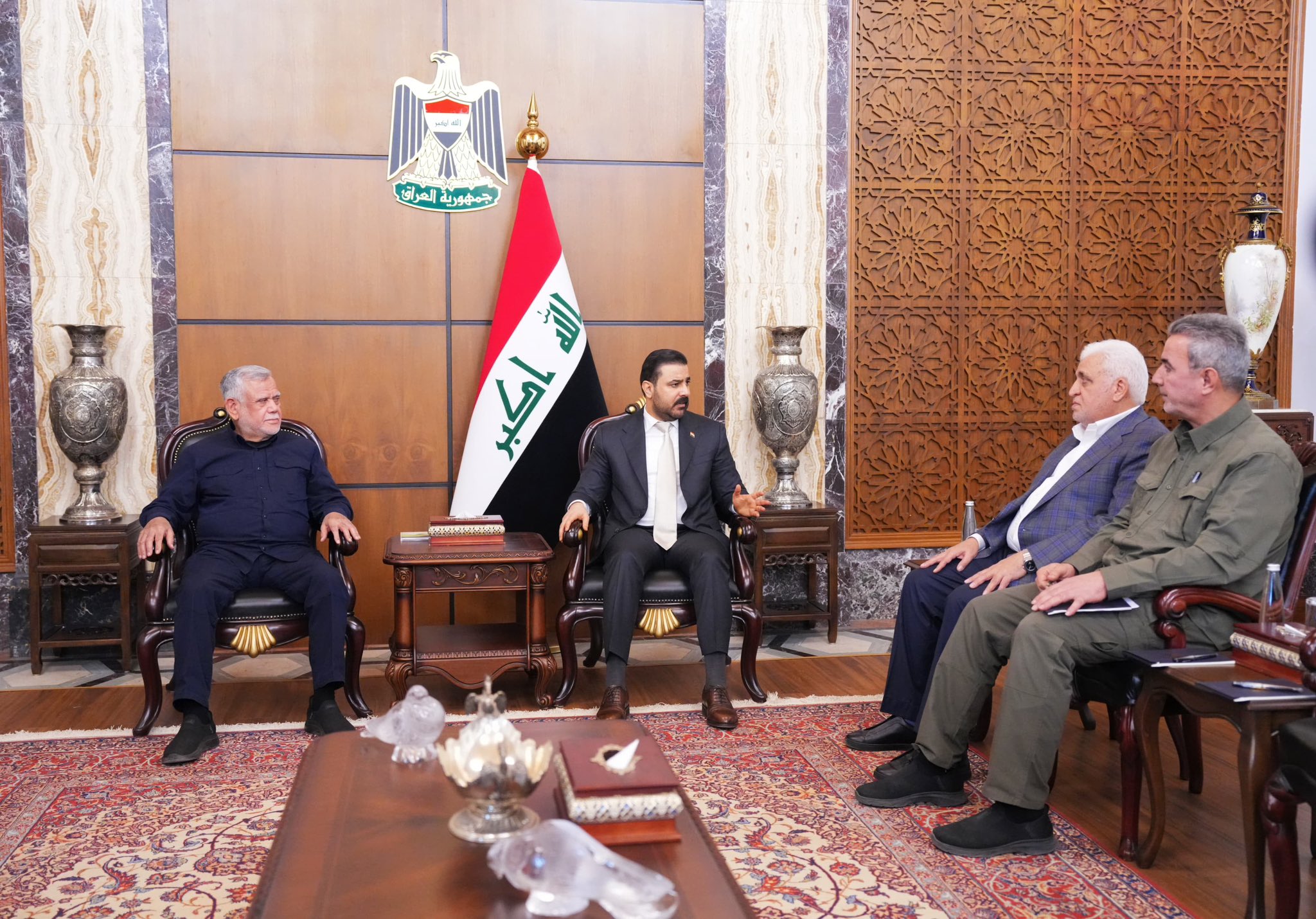
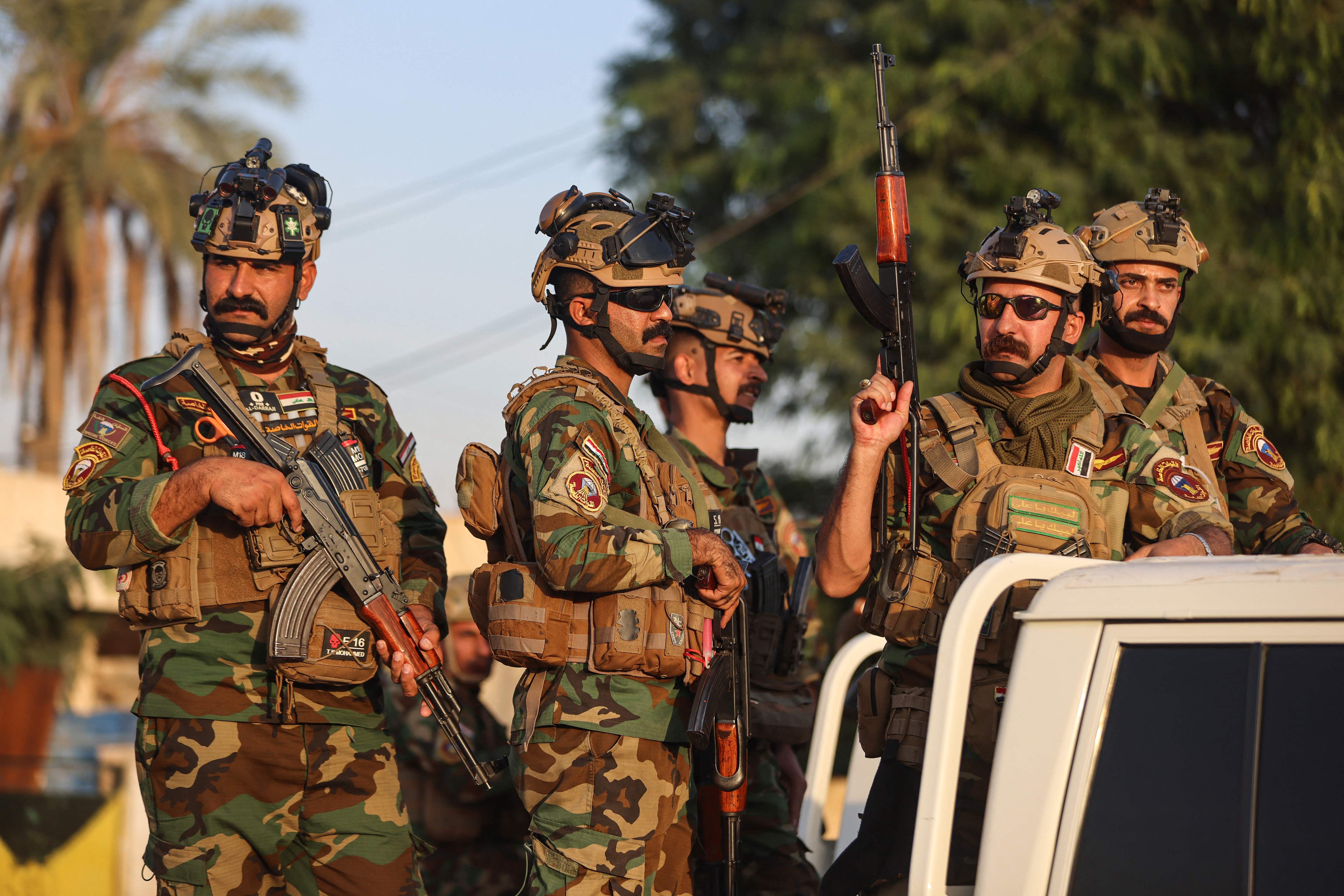
In Iraq, Prime Minister Ali Al-Zaidi has reportedly given Kata'ib Hezbollah until the end of this week to hand over its Jurf Al-Sakhar base to government forces.
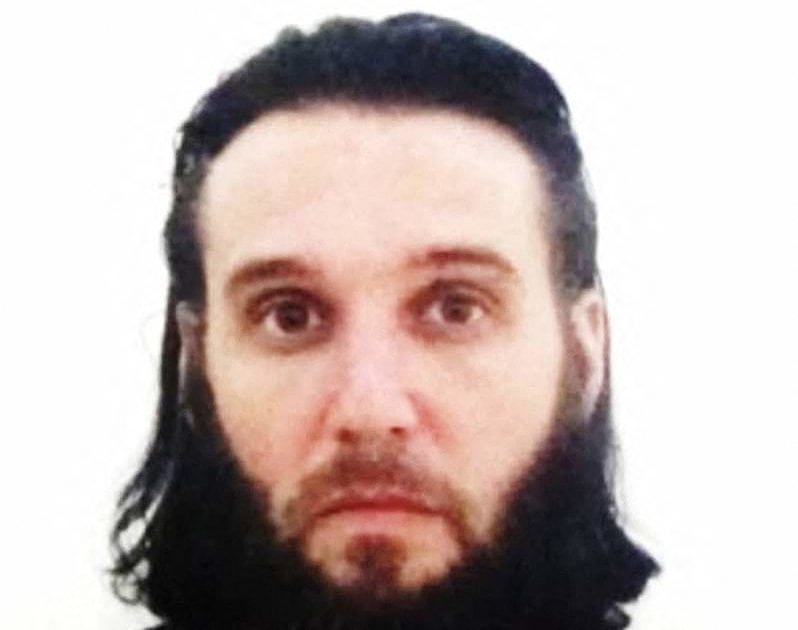
Adrien Guihal, the voice ISIS chose to broadcast its claim of responsibility for the 2016 Nice lorry attack that killed 86 people, stood in a Baghdad courtroom on Thursday and insisted he was not a…
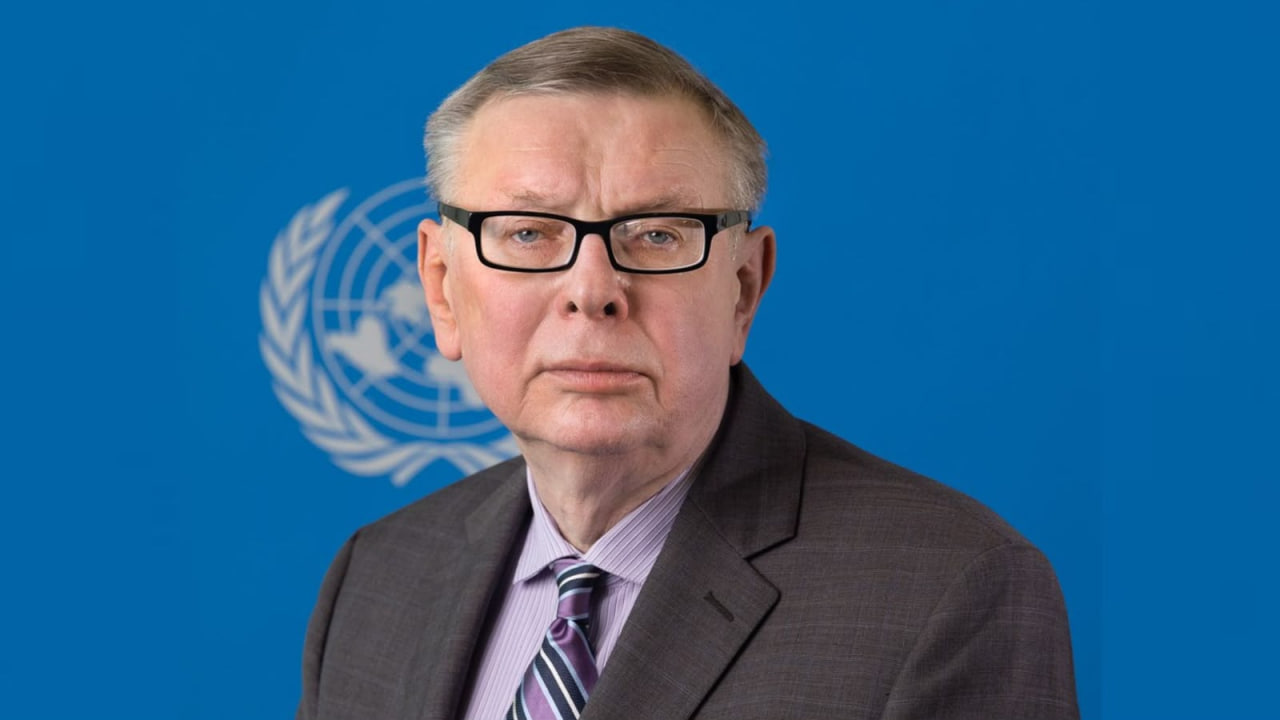
The Islamic State’s affiliate in Afghanistan, Islamic State Khorasan Province (ISIS-K), has acquired modern tactical equipment, including drones, and is seeking to carry out attacks within…
The week's reporting shows Islamist actors governing and jihadists franchising: Islamic State is reported to be paying its West African affiliate for raids on military stockpiles, while Syria's new rulers and the Taliban confront the gap between seizing a state and commanding religious authority.
Two distinct dynamics run through the items. On one side, jihadist organisations remain networked, transactional and adaptive: Islamic State is described as incentivising ISWAP to attack Nigerian military bases for payment 4, US strikes hit its positions in Puntland 12, and online recruitment continues to generate arrests in the West 610 and meme-driven radicalisation in Indonesia 18. On the other, Islamist movements that have captured states face the ordinary problems of rule: Syria's former Salafi-jihadist leadership cannot simply convert political victory into religious authority 7, the Taliban administer property claims under Sharia pretexts while instrumentalising the ISKP threat 913, and the Houthis owe their regional weight as much to their enemies' mistakes as to Tehran 15. Meanwhile, in Western politics the Muslim Brotherhood 'infiltration' thesis advanced by a hawkish think tank 2 is contested by a pro-democracy journal arguing that Muslim officeholders' records do not support fears of an Islamist takeover 19, a debate with echoes in Cairo 17 and in Britain's turn against Kurdish migrants 1.
Key developments
Islamic State pays ISWAP to raid Nigerian military stockpiles. An Institute for Security Studies analysis carried by AllAfrica reports that the Boko Haram faction ISWAP is targeting military bases for payment from Islamic State's core, rather than mounting opportunistic ambushes [4]. If accurate, this indicates a principal–agent relationship in which the centre buys specific tactical outcomes (weapons capture) from an affiliate, sustaining the network's materiel without territorial control. It connects to Benin's appointment of a new chief for Operation Mirador on its northern border [5] and to the broader picture of a decentralised but still coordinated Islamic State system [6][12]. 45612
Syria's Salafist question: victory without religious authority. New Lines argues that asking whether Syria is becoming Salafist is unavoidable but misleading, because those who captured the state emerged from an Islamist trajectory yet cannot remake society in their own religious image; political victory is not religious authority [7]. The analytical point is that a jihadist-origin movement in government must now negotiate with existing scholarly networks, sectarian diversity and public expectations rather than impose doctrine. This parallels the Taliban's attempts to clothe property seizures in Sharia and administrative language [9], suggesting that Islamist rulers legitimate ordinary state coercion through religious vocabulary rather than through doctr 79
Taliban governance: Sharia pretexts and the uses of ISKP. Residents of Kabul's Omar Gulistan Township report that the Taliban Ministry of Justice has declared their purchased homes 'usurped' property and demanded rent or eviction, citing Sharia, registration and administrative rules [9]. A separate Hasht-e Subh analysis argues that ISIS-Khorasan is a genuine threat but also a political opportunity, since the Taliban's handling of it shapes their domestic and international standing [13]. Both items come from an Afghan outlet critical of the Taliban, so the framing should be read as such, but together they describe a regime using legal-religious idiom for expropriation and a rival jihadist group as a bargaining asset. 913
Gaza strike on Nasser hospital targets Hamas figure. An Israeli strike on Nasser hospital in southern Gaza killed six and wounded nearly thirty according to Gaza health officials, the deadliest single strike since Israel's election last month; the military said it targeted a senior Hamas figure and others [3]. The casualty figures and target claim come from opposed parties and are not independently confirmed in the item. The episode shows that the Hamas–Israel conflict continues post-election, with the targeting of an Islamist movement's cadres inside civilian infrastructure remaining the central legal and political fault line. 3
Houthi power as a product of adversaries' choices. New Lines contends that the Houthis' rise owes less to Tehran than to their foes: former President Saleh's shifting allegiances, the Saudi–Emirati rift and a Western response that has normalised the Red Sea threat [15]. This cuts against the common framing of the movement as merely an Iranian proxy and instead explains it through local alliance politics and the failure of containment. It sits alongside Iranian drone strikes on Kurdish opposition groups in northern Iraq [16], a reminder that Tehran's regional reach is real but variably decisive. 1516
Muslim Brotherhood influence debate in the United States. FDD's Long War Journal frames the Brotherhood's 'long game' as infiltration of Western politics and institutions raising free speech and security concerns [2], while the Journal of Democracy argues that the election of Abdul El-Sayed and other Muslim officeholders has stirred fears of an Islamist takeover that their records do not support [19]. The first is a national-security-hawkish viewpoint, the second a liberal-democratic one; neither item provides evidence of Brotherhood direction over elected officials. Egyptian reactions to El-Sayed's Senate win, ranging from celebration to rejection [17], show the same ambivalence refracted through a state that has suppressed the Brotherhood and now 2111719
Currents of political Islam
Is 'Islamisation' of post-conflict states a category error?. New Lines argues that inferring societal Salafisation from the ideological origins of Syria's new rulers confuses political control with religious authority [7]. The Taliban items complicate this: religious idiom can be deployed coercively even without doctrinal hegemony [9], suggesting the debate should distinguish state use of Sharia language from genuine shifts in belief. 79
Dialogue with jihadists as governance. A scholarly article treats talks with jihadist groups in Mali and Niger as a mechanism of governance and a site where reformist-Salafi and Sufi-Maliki repertoires are localised or refracted [23]. This stands in tension with the kinetic approach seen in Puntland [12] and Benin [5], and raises the question of whether negotiation entrenches jihadist authority or domesticates it. 51223
Brotherhood 'long game' versus inclusion. The FDD framing of Brotherhood infiltration [2] and the Journal of Democracy's rebuttal that democracy can survive any group's participation [19] rehearse the inclusion–moderation debate in a US setting. Egypt, which crushed the Brotherhood and is now arresting fact-checkers [11], shows the exclusionary alternative and its costs for press freedom. 21119
Sharia-based punishment and gendered enforcement. The reported sentence of 100 lashes for a Kenyan woman in Saudi Arabia for giving birth outside marriage, condemned by rights groups, is presented by the Guardian as evidence that women bear disproportionate criminal liability under the kingdom's Sharia system [8]. A linguistic study of Saudi judgments shows how such rulings construct authority through chains of intertextual citation [20], which helps explain their resistance to external criticism. 820
Themes
Islamism in power is constrained by the state it inherits. Across Syria [7], Afghanistan [9][13] and Yemen [15], Islamist movements that have taken territory are shown bargaining with pre-existing social, religious and property structures rather than remaking them at will. The recurring finding is that doctrinal vocabulary becomes an instrument of administration and legitimation, not evidence of societal transformation. 791315
Jihadism as a networked, incentivised and online enterprise. Islamic State's reported payments to ISWAP [4], the Puntland strikes [12], eight arrests or indictments across five countries [6], an 18-year US sentence [10] and jihadist meme culture on Indonesian platforms [18] together depict a movement sustained by transactions and digital subcultures rather than a caliphate. The Sahel dialogue literature [23] adds that where states cannot defeat such groups, they negotiate with them, making jihadists part of local governance. 46101218
Securitisation of Muslim political participation and migration. The Brotherhood 'infiltration' thesis [2], the counter-argument on Muslim officeholders [19], and Jacobin's socialist reading of Kurds shifting from anti-ISIS heroes to demonised migrants in Britain [1] show how identity groups move in and out of the security frame according to political need. Egypt's reactions to El-Sayed [17] indicate that this ambivalence is not confined to Western publics. 121719
By region
Middle East. Syria's rulers face the limits of converting jihadist origins into religious authority [7]; Israel struck Nasser hospital targeting a Hamas figure, the deadliest strike since the election [3]; the Houthis' regional rise is attributed to their enemies' errors [15]; Iranian drones hit Kurdish opposition groups in northern Iraq amid Islamic State operations and Sinjar disputes [16]. Saudi Arabia's reported flogging sentence [8] and Egypt's press crackdown [11] show the contrasting coercive faces of a monarchy governing by Sharia and a republic that suppressed the Brotherhood. 3781115
Africa. Islamic State is reported to be paying ISWAP for raids on Nigerian military stockpiles [4], Benin has named a new commander for its northern anti-jihadist operation [5], and US strikes hit Islamic State positions in Puntland [12]. Scholarly work on Mali and Niger finds states negotiating with jihadists as a form of governance [23], indicating that the Sahelian security order mixes coercion and accommodation. 451223
North America. An Idaho man received 18 years for an Islamic State support plot [10], part of a wider pattern of online-driven arrests [6]. The election of Abdul El-Sayed has triggered a debate between a hawkish 'Brotherhood infiltration' thesis [2] and a liberal rebuttal that Muslim officeholders' records show no Islamist agenda [19], with Egyptians reacting ambivalently [17]. 26101719
Europe. France has put an Ingush man on trial for the 2023 murder of a teacher, with relatives previously suspected now cleared [14], a reminder of North Caucasus-linked jihadist violence in Western Europe. In Britain, a socialist outlet argues Kurds have shifted from celebrated anti-ISIS allies to demonised migrants [1], illustrating how security framing of a group can reverse. 114
East Asia. In Southeast Asia, GNET documents a 'meme-to-radicalisation pipeline' on Indonesian TikTok and Instagram, with jihadist networks borrowing the far right's edgy-humour tactics to normalise extremist content [18]. This suggests convergence in digital extremist methods across ideologies and regions, consistent with Islamic State's continued online recruitment [6]. 618
Analytical lenses
Rebel governance and the legitimacy gap. Rebel-governance theory holds that insurgents who take power must build legitimacy through service provision, law and symbolic authority, not just coercion. It explains why Syria's rulers cannot simply Salafise society [7], why the Taliban wrap expropriation in Sharia and administrative language [9], and why the Houthis' power rests on alliance management [15]. It misses the degree to which external actors, from Israeli strikes [3] to Iranian drones [16], shape these regimes' room for manoeuvre. 3791516
Principal–agent and franchise models of jihadism. Treating Islamic State as a principal paying affiliates for outcomes explains the reported ISWAP arrangement [4], the persistence of the Somali branch under US strikes [12], and the diffuse online recruitment producing arrests in five countries [6][10][18]. The model clarifies incentives but says little about why local populations tolerate or negotiate with these groups, which the Sahel dialogue literature addresses [23]. 46101218
Securitisation theory. Securitisation describes how political actors move an issue from ordinary politics into an existential security frame. It illuminates the Brotherhood 'infiltration' discourse [2], its rebuttal [19], and the reframing of Kurds in Britain from heroes to threats [1]. What it cannot settle is the empirical question of whether any Brotherhood influence exists, which none of the items demonstrates. 1219
What to watch
Whether Nigerian and regional forces alter base defence in response to the reported Islamic State–ISWAP payment scheme, and whether Benin's new Mirador commander changes the northern border posture [4][5]. 45
How Syria's leadership handles religious institutions and scholarly authority, since the New Lines argument implies that friction with established ulema, not doctrine, will determine whether 'Salafisation' is real [7]. 7
Whether the Taliban's handling of ISKP produces international security cooperation, and whether property expropriations in Kabul provoke organised resistance [9][13]. 913
Whether the Brotherhood-influence narrative gains traction in US policy following El-Sayed's election, and how Cairo exploits or resists it [2][17][19]. 21719
Written by Claude Fable 5.1 (Anthropic), based on 24 recent headlines and excerpts in this section, Nov 13. AI analysis can misread or miss things: the numbers link to the original reporting, which is the authority.
Research 177
Journal articles, academic blogs, think-tank reports and papers, kept apart from the news below.
Welcome to The Adversarial. Every other week, we’ll provide you with expert analysis on America’s greatest challengers: China, Russia, Iran, North Korea, and jihadists.
Researchers often examine online violent extremism through the content, accounts, and interactions visible on individual digital platforms. This approach helps identify extremist material and enforce platform rules, but offers only a partial view of how online activity develops over time. Past research has already documented movement between mainstream platforms and more private or encrypted spaces. The question is therefore not
Across global digital subcultures, extremist networks are increasingly weaponising edgy internet humour and memes to spread covert propaganda. In the West, the far-right extremist movement has successfully exploited the culture of shitposting and internet memes to normalise hate speech in the public sphere. This practice of meme hijacking and the exploitation of pop culture has also been used by ISIS
The election of Abdul El-Sayed and other Muslim officeholders has stirred fears of an Islamist takeover. But their records tell a different story. Our democracy can survive any group’s participation. Source
Abstract This article examines how evidential authority is textually constructed in contemporary Saudi legal judgments. Instead of treating evidentiality as a narrowly grammatical category, it develops a discourse-level account of how Arabic legal judgments encode source, reliability, institutional standing, and normative force through citation, attribution, and genre sequencing. The corpus comprises Volume 2 of the Collection of Judicial Rulings 1435 H, including 90 case…
Executive Summary The concept of asylum is not modern: it has deep historical and religious roots that far predate modern legal frameworks. This paper traces that lineage from the Ancient Near East and classical antiquity through Jewish, Christian, and Islamic traditions, showing how each conveys a shared duty to welcome the stranger. In the contemporary world, asylum is legally established under the 1951 Geneva Convention and international refugee law, with primary…
In Iraq, Prime Minister Ali Al-Zaidi has reportedly given Kata'ib Hezbollah until the end of this week to hand over its Jurf Al-Sakhar base to government forces. The Shiite armed faction has held the site, located south of Baghdad, since it was liberated from the Islamic State group (IS) in 2014. The state has since been barred from entering. The surrounding town’s mostly Sunni residents, who fled during the fighting, have not been allowed back either. Amid the standoff, who…
Adrien Guihal, the voice ISIS chose to broadcast its claim of responsibility for the 2016 Nice lorry attack that killed 86 people, stood in a Baghdad courtroom on Thursday and insisted he was not a leader, only a translator. Mr Guihal, code-named Abu Osama Al Faransi inside ISIS, is among 47 French ISIS members transferred from north-eastern Syria to Iraq in July 2025 to face trial under Iraq’s Anti-Terrorism Law. For much of his hearing session, he argued, interrupted and…
The Islamic State’s affiliate in Afghanistan, Islamic State Khorasan Province (ISIS-K), has acquired modern tactical equipment, including drones, and is seeking to carry out attacks within Afghanistan and beyond its borders, a senior UN counterterrorism official has warned.
A senior United Nations counterterrorism official has warned that Islamic State Khorasan Province (ISIS-K) is rebuilding its operational capabilities in Afghanistan and has gained access to modern military equipment, including drones, raising concerns about potential attacks inside and beyond the country. Alexander Zuev, Acting UN Under-Secretary-General for Counter-Terrorism, made the remarks in an interview with
Alexander Zuev, Acting Deputy Head of the United Nations Office of Counter-Terrorism, has said that the group known as the Islamic State Khorasan Province (ISKP) is seeking to carry out operations both inside Afghanistan and beyond its borders. TASS reported early Thursday, November 19, that Zuev made the remarks in an interview with the news
Militants fired mortars at a Puntland army base in Somalia’s Bari region on 18 November 2026. Troops chased the attackers and no casualties are reported.
Hibatullah Akhundzada, the Taliban Supreme Leader, claims that implementing Islamic Sharia in Afghanistan is impossible without Taliban rule, and that no one can act on the Quran and the Sunnah without the existence of the group’s regime. The Taliban Supreme Leader also likens the people to a flock of sheep and says the emir is
Iraqi Prime Minister Ali Al Zaidi gave a nod on Wednesday to a proposal made by the Popular Mobilisation Forces (PMF) chief for a joint deployment plan in Jurf Al Sakhar in a sign of easing tensions with an influential Iran-backed militia. Jurf Al Sakhar, about 60km south-west of Baghdad in Babil province – is the stronghold that Kataib Hezbollah which has controlled it since driving out ISIS fighters in 2014. On Monday, Mr Al Zaidi gave Kataib Hezbollah until Friday to…
In Promise Me, America, the former US president says assurances on the Afghan government’s survival and on airport security proved wrong, yet writes that he would make the same decision again. Former US President Joe Biden writes in his new memoir that military and intelligence officials assured him the Afghan government would be able to
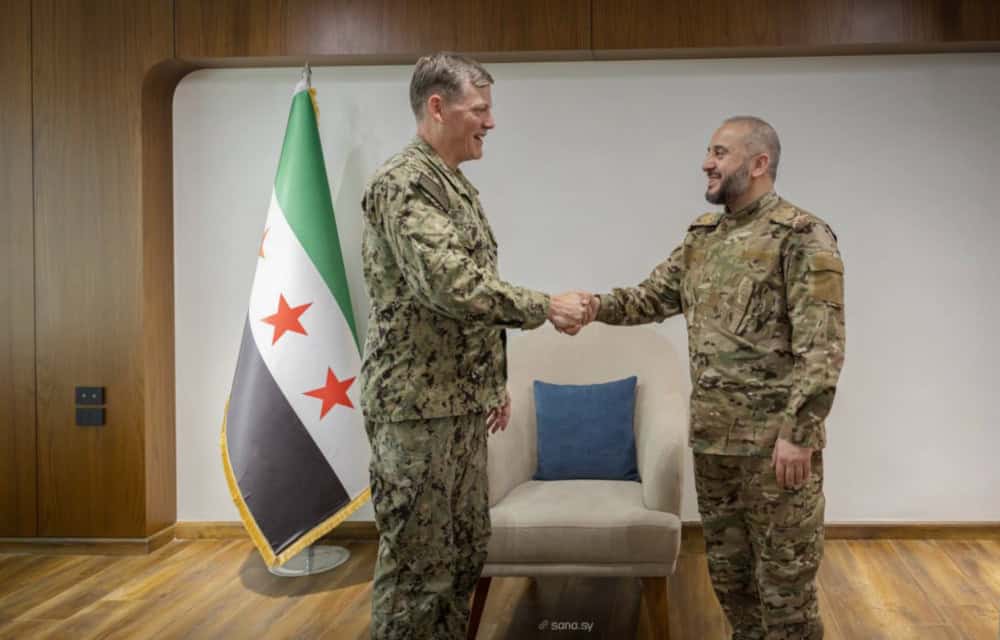
Syria expanded diplomatic and military engagement with Western countries in mid-November, hosting a European Union coordination forum, a French naval delegation, and a senior US anti-Islamic State coalition commander. The outreach comes as Damascus faces continued Islamic State threats, Kurdish protests over university integration, and tensions with Israel along the Golan border.
[Shabelle] Hudur, Somalia -- Somali government forces have killed an Al-Shabaab commander during a planned military operation near Moora Hagar Guudale, about 20 kilometres south of Hudur in the southwestern Bakool region, the Defence Ministry said.
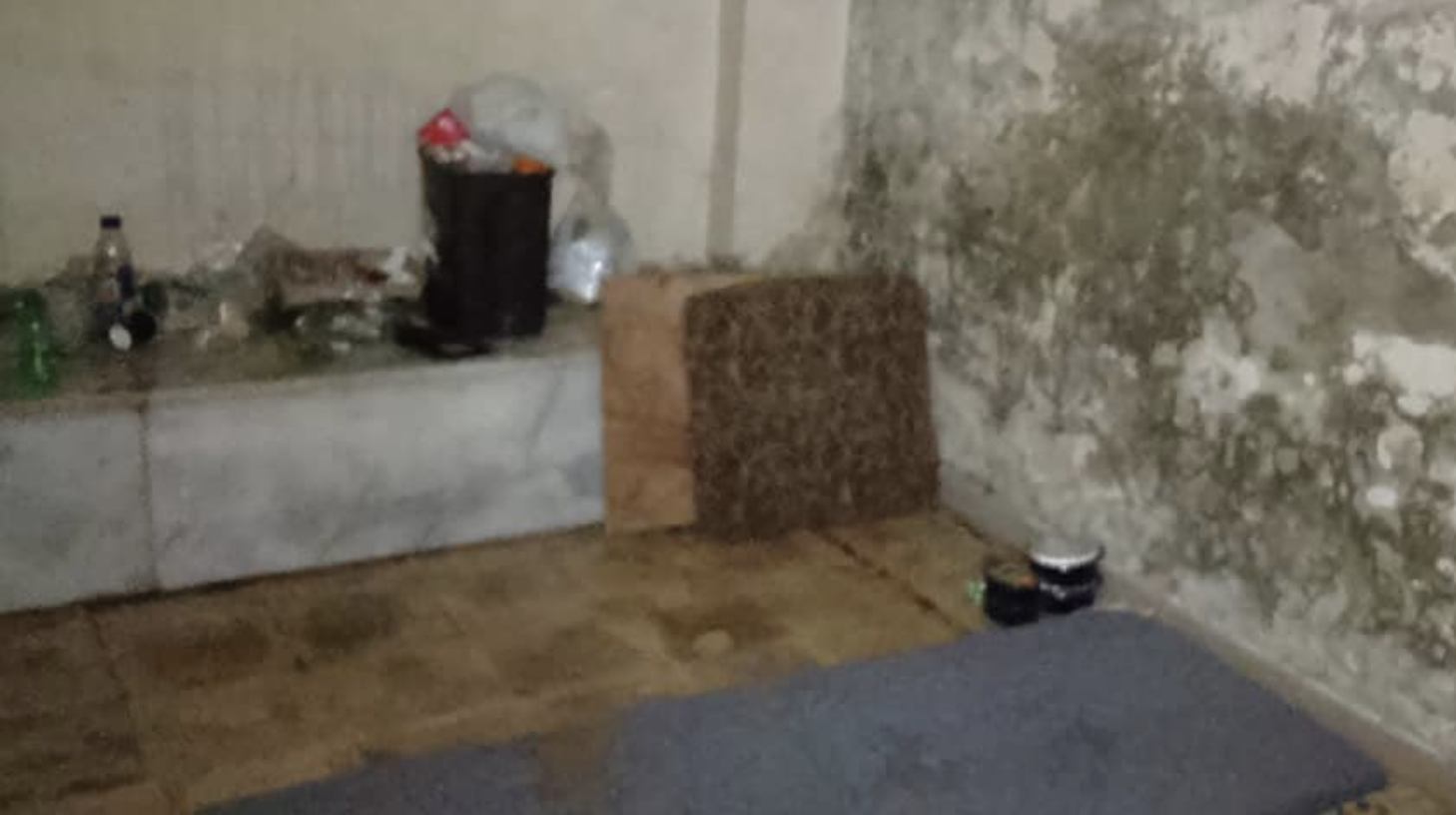
Authorities removed the 33 women and children from Roj camp and are holding them in poor conditions in a basement cell in Damascus, where they face possible deportation to Somalia.
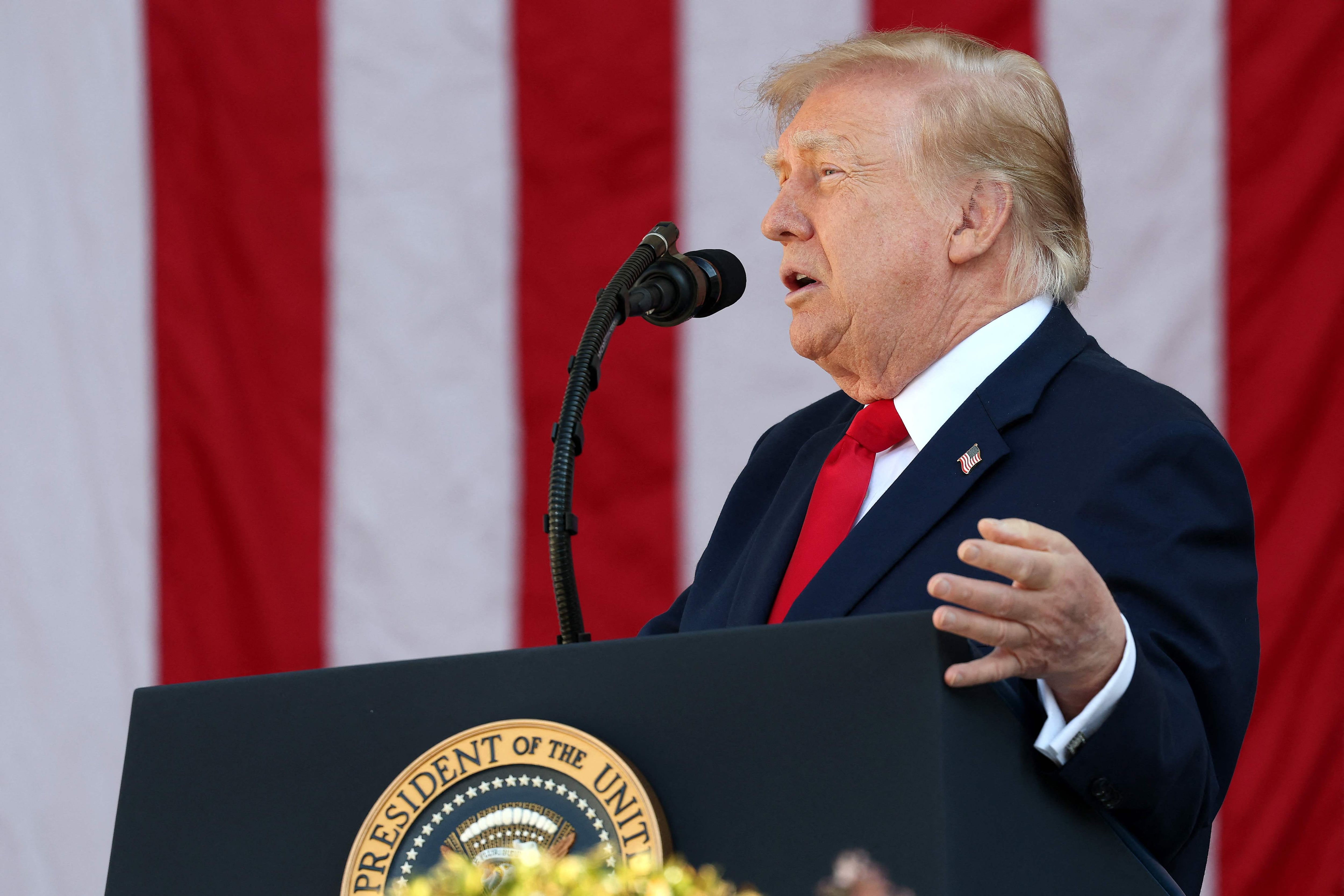
Trump said a blanket Muslim Brotherhood terror designation “could happen” and that CAIR is being watched, but announced no new listing on 16 November 2026.
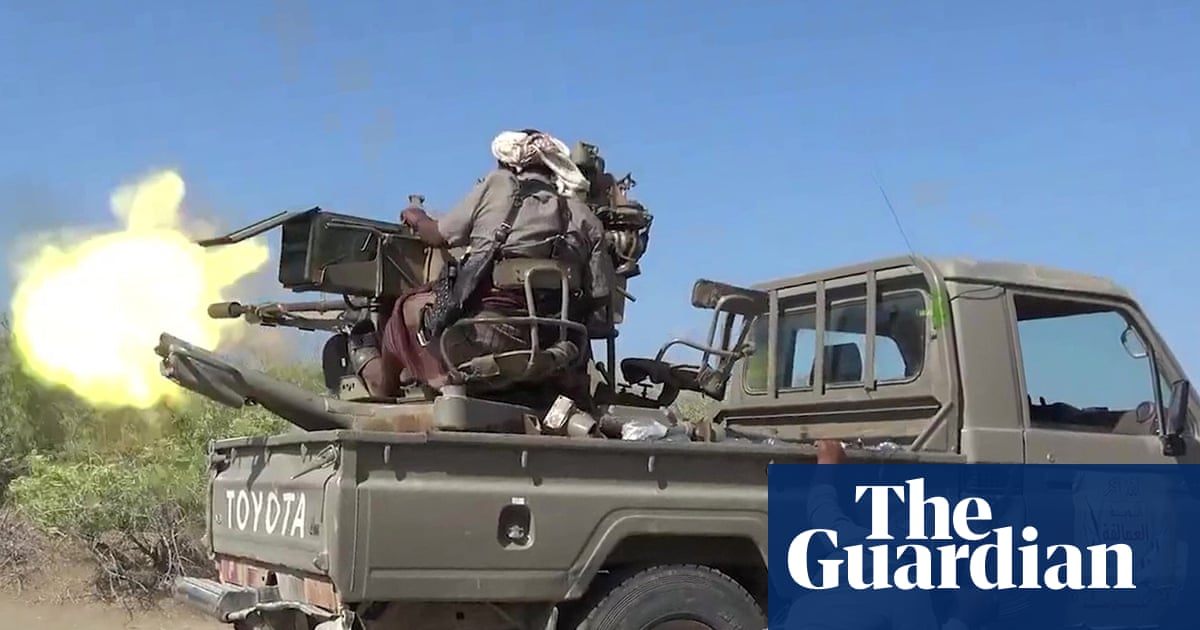
Strategy of redeploying forces to try to relieve siege of Taiz and protect Aden comes as Islamist group makes steady gains Saudi Arabia has been accused by anti-Houthi forces over its military strategy after its Yemeni allies withdrew troops from the strategic Bab al-Mandab strait and pulled back forces from parts of Marib in the central part of the country. The Saudi-backed government explained the repositioning by saying the strategic priority was to break the attritional…
[Shabelle] Lower Shabelle -- International partners carried out airstrikes targeting locations allegedly used by Al-Shabaab to store weapons and explosives in Leego village in Somalia's Lower Shabelle region, following planned military operations by Somali special forces.
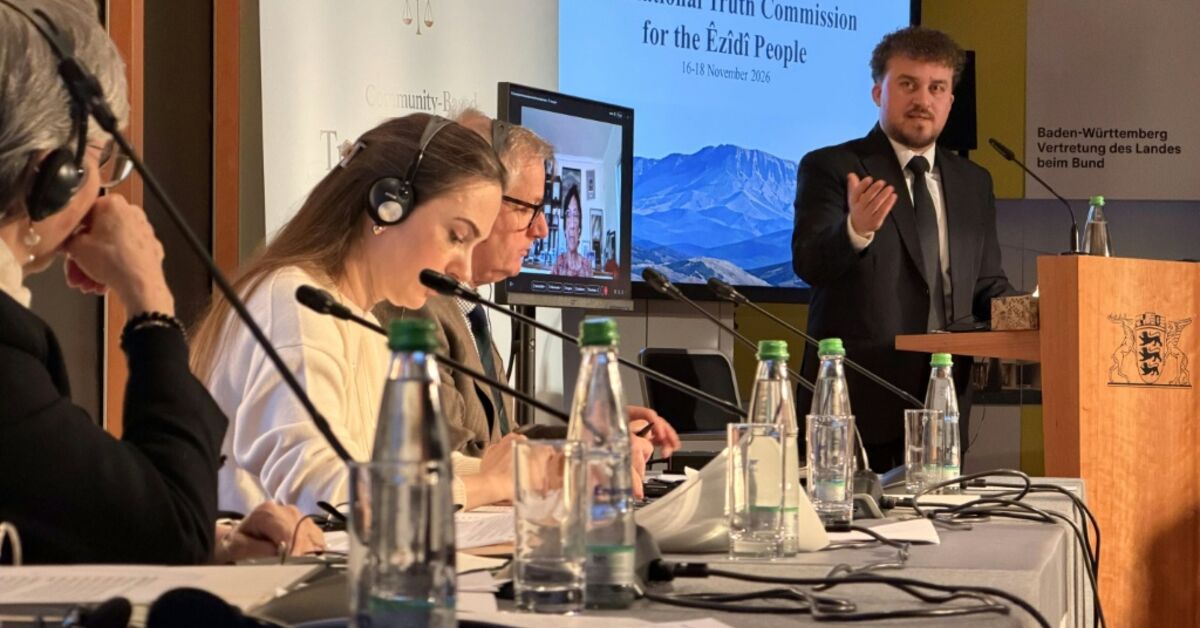
Ardawan Abdi was just 14 when Islamic State (IS) group jihadists seized the ancestral homeland of his Yazidi people in northern Iraq's Sinjar Mountains and locked him up for seven months. "In that time, I saw everything, from blood to death," he told AFP in Berlin on Monday on the sidelines of a first-of-its-kind "truth commission" for survivors of the Yazidi genocide that started in 2014.
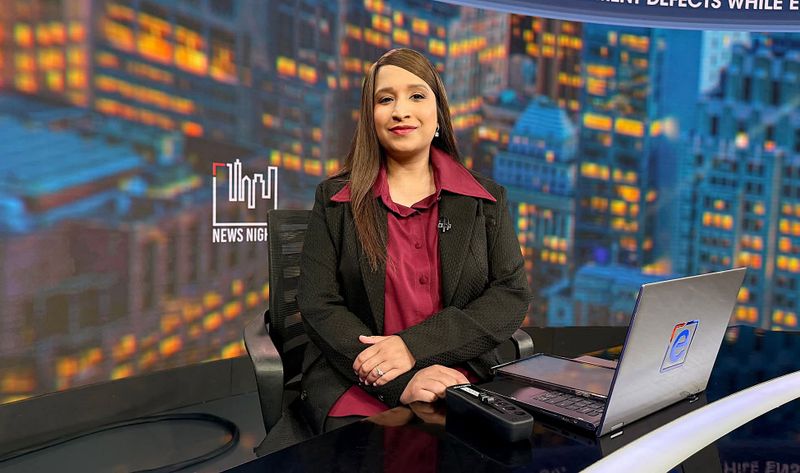
She was a journalist who won a regional award at 23 for tracing how Islamic State recruited South Africans, then built her career in television news. Her death came soon after she joined eNCA’s investigations team and less than two weeks after announcing her second pregnancy.
Abdul Hakim Shara’i, the Taliban’s Minister of Justice, has claimed that the Quran is the group’s constitution. Shara’i said on Monday, November 16, that the Taliban’s laws are derived from Islamic Sharia. He also claimed that man-made laws are contrary to Islam. Afghanistan is currently the only country in the world without a legitimate and
The Al-Qaeda-linked Al-Shabaab has been fighting the Somali government for two decades and continues to control large swathes of central Somalia despite the African Union military campaign, which was unlikely to be able to continue without UNSOS support.
The International Criminal Court (ICC) has suspended part of its investigation into alleged war crimes in Afghanistan, including accusations against US forces and Islamic State Khorasan (IS-K), prompting an appeal from the court’s prosecution. The judges’ decision concerns a case involving allegations against US forces and IS-K. The partial suspension of the investigation was made
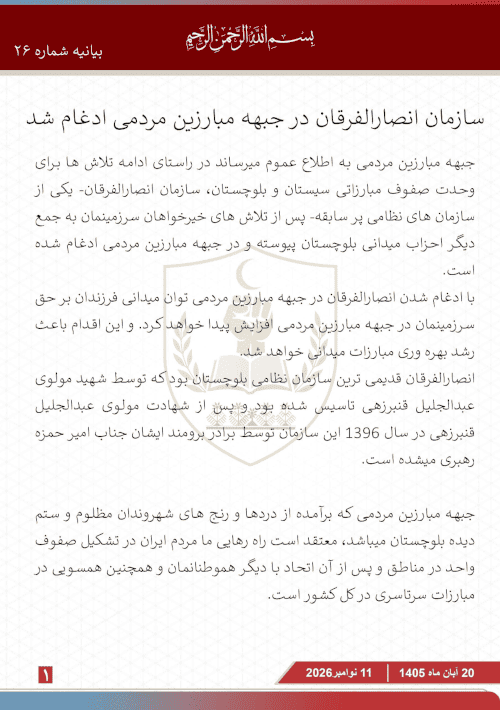
Ansar al Furqan, a Sunni Baluch insurgent group with a history of Islamist militancy, announced on November 11 that it had joined a coalition of Baluch armed factions fighting the Islamic Republic. The merger comes as the country’s Baluch insurgency has evolved from sectarian violence and attacks on civilians toward a nationalist movement targeting regime security forces.
Ruled by a military junta since a 2023 coup, Niger is battling violence by jihadists linked to Al-Qaeda and the Islamic State group. Thousands have been killed in the violence over the last decade
The current Syrian government, in place since Islamist-led fighters overthrew Bashar al-Assad in December 2024, has allowed Westerners to obtain entry visas at Damascus airport or border crossings
US President Donald Trump has described the Muslim Brotherhood as “more dangerous" than communism and said the Islamist movement had to be "neutralised". Washington moved to designate three Muslim Brotherhood chapters as terrorist organisations in January. They were the Lebanese, Egyptian and Jordanian branches of the group. The latter was accused of “providing material support to Hamas”. In an interview with conservative radio host Hugh Hewitt, Mr Trump compared the threats…