Biotechnology

Biotechnology: gene and cell therapies, gene editing, mRNA, biologics and new drugs, clinical trials and FDA decisions, and the biotech companies and investors behind them, from BioPharma Dive, STAT, GEN and the news, with research from Nature Biotechnology and journals.

Summary

152 news articles and 115 research items in this section, back to 13 October 2026. Browse the news ↓ Research ↓

11 stories from 5 publishers in the last 24 hours, 76 from 15 this week.

Most mentioned in Biotechnology headlines, last 3 days: STAT 9FDA 8Drug 8China 5Disease 4Cancer 4Mice 3biotech 3Isomorphic 3Genetic 3

Most active this week: GEN (Genetic Engineering & Biotechnology News) (22), BioPharma Dive (21), STAT Biotech (19), The Hill (2). Built automatically from headlines; the top items are the stories the most newsrooms covered in the last three days.

Analysis

Alphabet's Isomorphic Labs closes a $5 billion raise, the biggest biotech cash infusion of the year, as AI-driven drug discovery draws capital even while late-stage results and regulatory decisions remain mixed.

The week was dominated by capital flows into AI-enabled drug discovery: Isomorphic Labs secured $5 billion led by Greenoaks and Sequoia with a 'significant' contribution from Alphabet, described as the two largest cash infusions in biotech this year, and Flagship committed £100 million to build 'AI-native platform companies' in the UK 156. Dealmaking by large pharma continued apace, with Lilly's $1.5 billion purchase of Calytrix marking its 15th announced acquisition of the year and J&J paying $2.2 billion for Ollin's vision-loss drug 2024. Regulators sent contrasting signals, approving Roche's breast cancer pill but refusing Summit's PD-1/VEGF drug ivonescimab over its failure to extend survival 417. Meanwhile, strong trial data from CG Oncology and Sellas contrasted with a STAT analysis noting that positive clinical results are not being uniformly rewarded by investors 8192123.

Key developments

  • Isomorphic's $5B raise anchors AI drug-discovery boom. Isomorphic Labs closed a $5 billion investment led by Greenoaks and Sequoia Capital, joined by more than half a dozen backers including parent Alphabet, which made a 'significant investment' [1]. BioPharma Dive notes this gives Isomorphic the two largest cash infusions in biotech this year, even as the wider AI industry faces turmoil [6]. It sits alongside Flagship's £100 million UK outpost for AI-native platform companies and trade commentary stressing that infrastructure and environment, not just models, determine whether AI pilots succeed [5][27][28]. 1562728
  • FDA splits: Roche approval, Summit rejection. The FDA cleared Roche's breast cancer pill Wilserdly, which analysts call a 'key first step' for a launch Roche says could become its top-selling product [4]. In contrast, the agency refused to overlook ivonescimab's failure to initially extend survival in a form of lung cancer, rejecting Summit's PD-1/VEGF drug and setting back its first chance at US approval, sending shares lower [17]. The decisions suggest the FDA is holding firm on survival endpoints in oncology even for closely watched mechanisms [17]. 417
  • Pharma buyout streak continues with Lilly and J&J. Lilly announced a $1.5 billion purchase of Calytrix, centred on a precision therapy for myeloproliferative neoplasms, its 15th announced acquisition this year and by far the most in the sector [24]. J&J committed $2.2 billion for Ollin's vision-loss drug, which could complement its eye-care franchise but faces a crowded, competitive market [20]. Lilly is also seeding startups, backing Seawolf (which disclosed an up to $1.2 billion Sanofi partnership) and a $100 million Versant-led gene therapy venture [26][30]. 20242630
  • Strong oncology data from CG Oncology and Sellas. CG Oncology's cretostimogene cut the risk of bladder cancer recurrence by 68% when given after surgery, far exceeding Wall Street expectations and lifting shares, with STAT suggesting the results may change how physicians treat certain patients [19][23]. Separately, Sellas' experimental blood cancer immunotherapy reduced the risk of death in a clinical trial [8]. Yet STAT notes the biotech rebound is not lifting all boats equally, with investors not consistently rewarding positive data [21]. 8192123
  • Sickle cell startup Marrow challenges gene therapy. Marrow launched with $173 million in venture funding, positioning its approach as a more accessible alternative to gene therapy and gene editing for sickle cell and beta thalassemia [9][10]. The pitch is a treatment as effective as gene therapy without its drawbacks, though the reports describe the entrepreneur's view rather than demonstrated clinical results [10]. It lands as the field confronts gene therapy's challenges, including a patient death in a brain-disease trial and a new $100 million startup targeting one of gene therapy's 'thorniest issues' [11][26]. 9101126
  • Gene therapy safety and delivery under scrutiny. After an unexpected patient death in a gene therapy trial aimed at crossing the blood-brain barrier, researchers report progress on better ways to mitigate risk [11]. A Nature Biotechnology analysis of FDA IND submissions from 1995 to 2025 shows rapid AAV growth over three decades and highlights common issues in submissions, while a CD7-targeted AAV variant enabled in vivo T and NK cell engineering [31][33]. New tools such as Superb-seq, which tracks on- and off-target Cas9 effects at single-cell resolution, could sharpen safety assessment [25]. 11253133

Themes

  • Capital concentrating in AI and platform plays. Investment is flowing heavily into AI-centred discovery and platform builders, from Isomorphic's $5 billion and Flagship's UK outpost to Novo Nordisk's use of Amazon Bedrock for manufacturing documentation [1][5][6][18]. Vendor commentary stresses that infrastructure, trust and traceability, not the models themselves, are the binding constraints [14][27][28]. 1561827
  • Big pharma as serial acquirer and venture backer. Lilly's 15 acquisitions this year plus its stakes in Seawolf and a Versant-led gene therapy startup, alongside J&J's Ollin deal and Sanofi's Seawolf partnership, show large companies sourcing innovation through both buyouts and early-stage funding [20][24][26][30]. This supports startup formation even as public-market reaction to clinical data remains selective [21]. 2021242630
  • Rethinking disease biology: immunity, microbiome, enhancers. Several items challenge established models, from ImmunoBrain's immunotherapy approach to Alzheimer's that departs from the amyloid-tau framework, to studies linking gut viral communities and bile-acid modification to IBS and longevity [2][7][15]. Enhancer-targeted CRISPR in autism organoids and genetic barcoding of transplanted stem cells likewise point to more nuanced mechanistic understanding [3][12]. 2371215

What to watch

  • Whether Summit can chart a regulatory path for ivonescimab after the FDA's rejection on survival grounds, and how Roche's Wilserdly launch progresses toward its stated top-seller ambition [4][17]. 417
  • How Isomorphic deploys its $5 billion and whether the AI-discovery capital surge translates into clinical candidates, given commentary that infrastructure and environment, not models, are the bottleneck [1][6][27][28]. 162728
  • Follow-up on gene therapy safety, including the brain-disease trial death and whether Marrow's non-genetic sickle cell approach produces data to match its positioning [9][10][11]. 91011
  • Safety scrutiny of Helus' psychedelic depression drug, which improved symptoms but reported a number of serious adverse events, and the market's response to CG Oncology's and Sellas' positive readouts amid uneven investor rewards [8][19][21][22]. 8192122
Stories this analysis is based on (28)
  1. Alphabet’s Isomorphic Labs raises $5B to accelerate drug discovery with AI SiliconANGLE AI
  2. Beyond Amyloid and Tau: Alzheimer’s Drug Developer Sees Early Clinical Success for Immunotherapy-Based Approach GEN (Genetic Engineering & Biotechnology News)
  3. Genetic Barcoding Reveals How Pre-Bone Marrow Transplant Conditioning Impacts Immune System Regeneration GEN (Genetic Engineering & Biotechnology News)
  4. Roche breast cancer pill cleared by FDA BioPharma Dive
  5. STAT+: Flagship opens biotech-creation outpost in the U.K. STAT Biotech
  6. AI drugmaker Isomorphic restocks with $5B fundraise BioPharma Dive
  7. Mapping the Hidden Viral Communities of the Human Gut Microbiome GEN (Genetic Engineering & Biotechnology News)
  8. STAT+: Sellas’ experimental blood cancer immunotherapy reduced risk of death in clinical trial STAT Biotech
  9. Marrow sets out to challenge genetic medicines for severe blood diseases BioPharma Dive
  10. STAT+: With $173 million, new startup takes aim at sickle cell STAT Biotech
  11. STAT+: After death in gene therapy trial for a brain disease, progress is reported STAT Biotech
  12. Enhancer-Targeted CRISPR Turns Up Healthy Gene Copy in Autism Organoid Model GEN (Genetic Engineering & Biotechnology News)
  13. Gut Microbome and Bile Acid Modification Linked with Longevity GEN (Genetic Engineering & Biotechnology News)
  14. Summit shares fall as FDA rejects closely watched PD-1/VEGF drug BioPharma Dive
  15. Novo Nordisk modernizes manufacturing process documents with Amazon Bedrock AgentCore AWS Machine Learning Blog
  16. CG Oncology drug delivers ‘exceptional’ results in key bladder cancer trial BioPharma Dive
  17. J&J bets $2.2B on Ollin’s vision loss drug BioPharma Dive
  18. STAT+: Biotech’s rebound isn’t lifting all boats equally STAT Biotech
  19. STAT+: Helus’ psychedelic drug improved depression in study but faces safety questions STAT Biotech
  20. STAT+: Bladder cancer immunotherapy from CG Oncology reduced risk of tumor recurrence STAT Biotech
  21. Lilly adds to buyout streak with $1.5B purchase of startup Calytrix BioPharma Dive
  22. Single-Cell Method Reveals On- and Off-Target Effects of Cas9 Edits on Gene Expression GEN (Genetic Engineering & Biotechnology News)
  23. STAT+: Versant, Lilly put $100 million behind new startup aimed at solving one of gene therapy’s thorniest issues STAT Biotech
  24. The infrastructure decisions that will enable tomorrow’s biggest breakthroughs BioPharma Dive
  25. Your AI pilots aren’t stalling because of the AI – they’re stalling because of your environment BioPharma Dive
  26. Big-name investors pour $100M into DNA therapeutics developer Seawolf BioPharma Dive
  27. A CD7-targeted AAV variant enables efficient T and NK cell engineering in vivo Nature Biotechnology
  28. A comprehensive analysis of CBER experience with AAV gene therapy IND submissions Nature Biotechnology

Written by Claude Fable 5.1 (Anthropic), based on 34 recent headlines and excerpts in this section, 2d ago. AI analysis can misread or miss things: the numbers link to the original reporting, which is the authority.

Research 115

Journal articles, academic blogs, think-tank reports and papers, kept apart from the news below.

Nature Biotechnology Thomas Burger

A unified and practical taxonomy for false discovery rate control in omics research

Nature Biotechnology, Published online: 13 November 2026; doi:10.1038/s41587-026-03379-8 False discovery rate (FDR) control is central to omics research, yet the diverse procedures used rely on different assumptions. This Comment proposes a 2 × 2 matrix that helps sequencing-based and mass-spectrometry-based omics researchers choose the appropriate family of FDR procedures, or alternative methods that may be more rigorous, depending on data and study design.

Read at Nature Biotechnology

Nature Biotechnology Sojin Bing

A comprehensive analysis of CBER experience with AAV gene therapy IND submissions

Nature Biotechnology, Published online: 12 November 2026; doi:10.1038/s41587-026-03378-9 An analysis of Investigational New Drug (IND) submissions to the US Food and Drug Administration (FDA) from 1995 to 2025 reveals a rapid growth in adeno-associated virus (AAV) development over three decades and highlights common reasons for regulatory holds that should be considered for successful product development.

Read at Nature Biotechnology

arXiv (research papers) Dingshuo Chen SI

Binding Mode Matters: Hotspot-Aware Drug Discovery via Explorative Preferences

Discovering hit molecules requires not just high binding affinity, but also the identification of diverse binding modes, which are critical for experimental assays. Existing generative approaches have predominantly relied on optimizing a scalar docking score, obscuring the distinct contributions of key binding determinants. To this end, we introduce a paradigm shift by formulating target-based drug design as a multi-objective exploration task, where each objective explicitly…

Read at arXiv (research papers)

All 115 research items in this section

All news 152

GEN (Genetic Engineering & Biotechnology News) Uduak Thomas

Former Verily Leaders Build AI Platform to Get More from Proteomics Data

Tesorai’s AI platform reanalyzes massive proteomics repositories, letting researchers mine raw mass spectrometry data instead of condensed forms. In an Alzheimer’s project, it found phosphorylated tau 217 in four datasets where the original authors did not report it.

Read at GEN (Genetic Engineering & Biotechnology News)

GEN (Genetic Engineering & Biotechnology News) Sophia Ktori

Type 1 Diabetes Delayed in Mice by Stem Cell-Derived Vesicles That Calm Immune Response

Extracellular vesicles produced by certain types of pluripotent stem cells (PSC) were found to help reduce immune attacks on insulin-producing cells in the pancreas and delay the onset of diabetes in a mouse model.

Read at GEN (Genetic Engineering & Biotechnology News)

The Hill Eric Wargotz, opinion contributor Geopolitics

The GLP-1 blind spot: Why the FDA’s new eye stroke warning matters

It forces the medical community to treat these therapies with clinical gravity instead of casual enthusiasm.

Read at The Hill

BioPharma Dive Delilah Alvarado

Sanofi gains FDA clearance for Gaucher disease pill

The approval culminates a winding development journey for Infilbray, and provides Sanofi with a new source of income ahead of Dupixent’s looming patent expiration.

Read at BioPharma Dive

STAT Biotech Meghana Keshavan

STAT+: Lawmakers want U.S. biotech to outcompete China

Lawmakers leading the congressional BIOTech Caucus say Washington needs to act in the sector — and fast:

Read at STAT Biotech

STAT Biotech Sarah Todd and Katie Palmer

STAT+: Peptide market poised to explode with new Hims and Noom launches

Two telehealth giants rolled out peptide programs this week after HHS made it easier for compounding pharmacies to offer drugs like BPC-157.

Read at STAT Biotech

BioPharma Dive Jonathan Gardner

China could ‘corner’ biopharmaceutical sector with new plan, US panel warns

A commission called on U.S. lawmakers to act quickly to prevent an “overdependence” on China that could leave American patients “vulnerable to supply chain weaponization.”

Read at BioPharma Dive

BioPharma Dive Ben Fidler

With FDA nod, Regeneron brings an RNAi drug to autoimmune disease

The product of a collaboration with Alnylam, Livsayis is now Regeneron’s first marketed RNAi drug and will compete against established medicines from AstraZeneca and Argenx.

Read at BioPharma Dive

STAT Biotech Katherine MacPhail

Merck, Isomorphic Labs partner to develop oncology drug candidates

Merck and Isomorphic Labs said they are entering into a research collaboration to discover small molecule candidates in oncology.

Read at STAT Biotech

STAT Biotech Adam Feuerstein

STAT+: In cancer drug development, the spotlight shifts onto Erasca’s KRAS-targeted treatment

Did the biotech company Erasca find a more potent, better-tolerated pan-RAS cancer drug than Revolution Medicines?

Read at STAT Biotech

Axios Adriel Bettelheim

New alarm over China controlling drug supply chains

China is intensifying efforts to control the entire drug supply chain, putting the U.S. at risk of being cut off from future lifesaving treatments, the National Security Commission on Emerging Biotechnology warns in a new analysis out Thursday. Why it matters: Western drug giants have invested huge sums in Chinese biotechs to boost their product pipelines. But sharing capital and expertise could give Beijing more control over critical pharmaceutical technologies. Concerns…

Read at Axios

GEN (Genetic Engineering & Biotechnology News) Sophia Ktori

Alzheimer’s Disease and Aging Linked to Changes in the Hypothalamus

Researchers combined measurements from brain images and single cell transcriptome maps to build a resource, HypoAD, as an atlas of the human hypothalamus in aging and AD, which they have made available to the research community.

Read at GEN (Genetic Engineering & Biotechnology News)

GEN (Genetic Engineering & Biotechnology News) Sophia Ktori

CRISPR Screening Reveals How Genetic Variants Drive Neurodegenerative Risk

Researchers studying human induced pluripotent stem cell-derived microglia-like cells showed how genetic variants can impact cell behavior and used CRISPR gene editing to show how one gene’s effect depends on its cellular context.

Read at GEN (Genetic Engineering & Biotechnology News)

GEN (Genetic Engineering & Biotechnology News) Julianna LeMieux, PhD

Targeting Folate Receptor Reverses Colorectal Cancer’s Resistance to Immunotherapy in Mice

Targeting FOLR1 with an approved antibody-drug conjugate restored anti-tumor immunity and enhanced anti-PD-1 effectiveness in colorectal cancer, overcoming immune evasion in mouse models.

Read at GEN (Genetic Engineering & Biotechnology News)

GEN (Genetic Engineering & Biotechnology News) Alex Philippidis

London Calling: Flagship Expands in U.K. to Build AI-Native Platform Companies

Flagship expects to recruit and train an initial team of approximately 50 U.K.-based scientist-entrepreneurs and operators for the new Origination Lab, U.K., which will build on three years of experience partnering and conducting R&D across the kingdom.

Read at GEN (Genetic Engineering & Biotechnology News)

STAT Biotech Margaret Manto

STAT+: 7 burning questions about the FDA’s post-Overton future

STAT tackles the most important questions about the FDA's uncertain future.

Read at STAT Biotech

BioPharma Dive Rebecca Pifer Parduhn

‘Selling and marketing snake oil’: The debate over compounded GLP-1s

Proponents of compounding argue it increases access, lowers prices and helps patients who may need individualized versions of a drug. But there are serious concerns, experts said at the HLTH conference.

Read at BioPharma Dive

GEN (Genetic Engineering & Biotechnology News) Corinna Singleman, PhD

The Advent of Automated, Gene-Engineered TIL Manufacturing

Automating engineered TIL manufacturing in a way that maintains their tumor-fighting capabilities may move this emerging therapeutic class into a commercially reproducible, economically viable therapeutic option.

Read at GEN (Genetic Engineering & Biotechnology News)

GEN (Genetic Engineering & Biotechnology News) Corinna Singleman, PhD

Tuning Extracellular Vesicle Production and Analytics for Compliance

The complexity of extracellular vesicle products developed from umbilical cord blood can potentially be reduced through production processes and simplified quality control strategies, helping to boost this new product class.

Read at GEN (Genetic Engineering & Biotechnology News)

GEN (Genetic Engineering & Biotechnology News) Corinna Singleman, PhD

One Record, From Factory Floor to Patient

ParkourSC acquired manufacturing-AI company Quartic to track a drug’s quality across its whole lifecycle. CEO Mahesh Veerina explains how linking factory and shipping data could flag at-risk batches before problems reach patients.

Read at GEN (Genetic Engineering & Biotechnology News)

GEN (Genetic Engineering & Biotechnology News) Corinna Singleman, PhD

Growing Apart: Culture-Based Sterility Test Alternatives

Growth-based sterility testing works for traditional biopharma but is too slow for the cell therapy sector. A new parallel testing pathway and rapid, molecular assay-based testing are a better option.

Read at GEN (Genetic Engineering & Biotechnology News)

BioPharma Dive Jonathan Gardner

White House pulls nomination for FDA nominee Overton

The sudden end of Heidi Overton’s candidacy likely ensures a Democrat-controlled Congress will choose the FDA’s next leader — but shouldn’t disrupt the agency, analysts say.

Read at BioPharma Dive

BioPharma Dive Kristin Jensen

Pfizer leaps into ‘in vivo’ CAR-T with latest China deal

The potentially $2.6 billion collaboration puts Pfizer into a competitive race to treat autoimmune conditions by reprogramming cells inside the body.

Read at BioPharma Dive

STAT Biotech Elaine Chen and Adam Feuerstein

STAT+: FDA discloses reasons for rejecting Summit drug

The FDA published its complete response letter to Summit Therapeutics explaining why it rejected the biotech's closely watched lung cancer drug:

Read at STAT Biotech

BioPharma Dive BioPharma Dive staff

FDA publishes rejection letter for Summit drug; Nuvalent buyout pays more dividends for GSK

The FDA had several issues with ivonescimab, according to the letter. Elsewhere, Sellas shares rocketed on results for a leukemia vaccine and Biogen and Lilly struck up new R&D pacts.

Read at BioPharma Dive

South China Morning Post Xinmei Shen Geopolitics

China still has ‘catching up to do’ to become biotech powerhouse, JPMorgan says

A lag in foundational research and looming geopolitical risks will weigh on China’s bid to build a world-class biotechnology innovation ecosystem, even as the sector’s overseas momentum remains strong, according to JPMorgan. “In China, there is still some catching up to do in basic research, particularly in biological and pharmaceutical research,” said Yang Huang, head of China healthcare research at JPMorgan, during an interview on Wednesday. To meet the “ambitious goal”…

Read at South China Morning Post

South China Morning Post Zoe SL Chan Geopolitics

Yicura BioMed eyes IPO as CEO says Hong Kong biotech scene needs more patient capital

Hong Kong needs more “patient capital” and more talent capable of commercialising research and development to sustain the city’s biotechnology ecosystem, according to a senior executive at a local biotech start-up. Yicura BioMed, based in the Hong Kong Science Park, is heading towards an initial public offering (IPO) in the city as soon as practicable, CEO Xian Jin said in an interview. “Biotech start-up fundraising in Hong Kong is never an easy game to play,” Jin said…

Read at South China Morning Post

SiliconANGLE AI Maria Deutscher SI

Alphabet’s Isomorphic Labs raises $5B to accelerate drug discovery with AI

Isomorphic Labs Ltd. today announced that it has closed a $5 billion investment led by Greenoaks and Sequoia Capital. The venture capital firms were joined by more than a half-dozen other backers. The group included Isomorphic parent Alphabet Inc., which made a “significant investment.” The search giant provided the capital through its GV and CapitalG startup

Read at SiliconANGLE AI

GEN (Genetic Engineering & Biotechnology News) Savannah Wiegel

Alcohol Suppresses Some T Cells, Boosts Others, Blunting Anti-PD-1 Response in Mice

In mice, alcohol cut the efficacy of anti-PD-1 immunotherapy by roughly 50%, suppressing tumor-infiltrating and memory T cells while boosting TIGIT-carrying ones. Blocking TIGIT restored the response.

Read at GEN (Genetic Engineering & Biotechnology News)

GEN (Genetic Engineering & Biotechnology News) Alex Philippidis

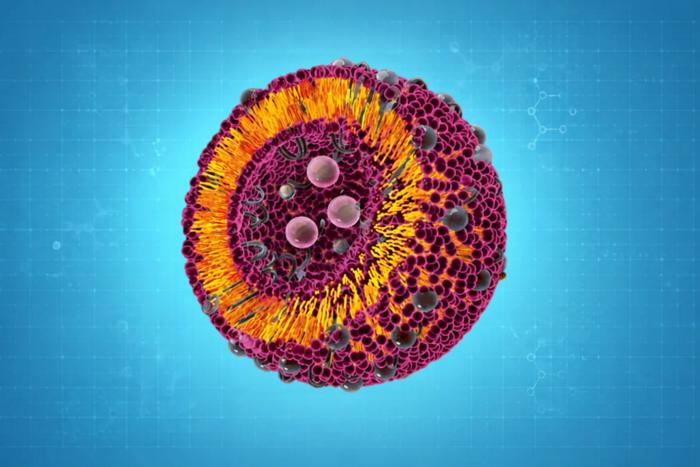
Beyond Amyloid and Tau: Alzheimer’s Drug Developer Sees Early Clinical Success for Immunotherapy-Based Approach

ImmunoBrain's approach contrasts with decades of conventional thinking among researchers, which held that Alzheimer’s was a disease of toxic proteins—an outgrowth of thinking that immune activity in the brain was in itself a sign of pathology.
Read at GEN (Genetic Engineering & Biotechnology News)

Older stories