Across the research topics, Russia's war shapes both the buffer zone and great-power bargaining, as US-led talks resume while spying and hybrid attacks spread in Europe.
This page brings together the research-project sections on geopolitics and buffer zones, international relations and great-power competition, and Cuba. This week one story links them: the war in Ukraine. In Abu Dhabi the US mediated the first Russia–Ukraine talks since February, called for a new European security order and pressed Russia to let Europe join, but the talks made little headway. In the belt of states between Russia and NATO, Poland and Ukraine set up joint drone working groups, Russia and Moldova expelled each other's diplomats, and Serbia shut a bank used by Russian exiles. Russian spying and hybrid attacks are spreading, from a US soldier arrested in Britain to arrests in Poland and a contest for the High North. With China, the Nvidia spy affair and Beijing's courtship of US tech bosses test relations, while China, Russia and the US try to agree an agenda on AI in nuclear weapons. Research examines Russia's arms industry, great-power competition in the Sahel and the Indo-Pacific, and strategic stability with China.
Essay
One war, many arenas
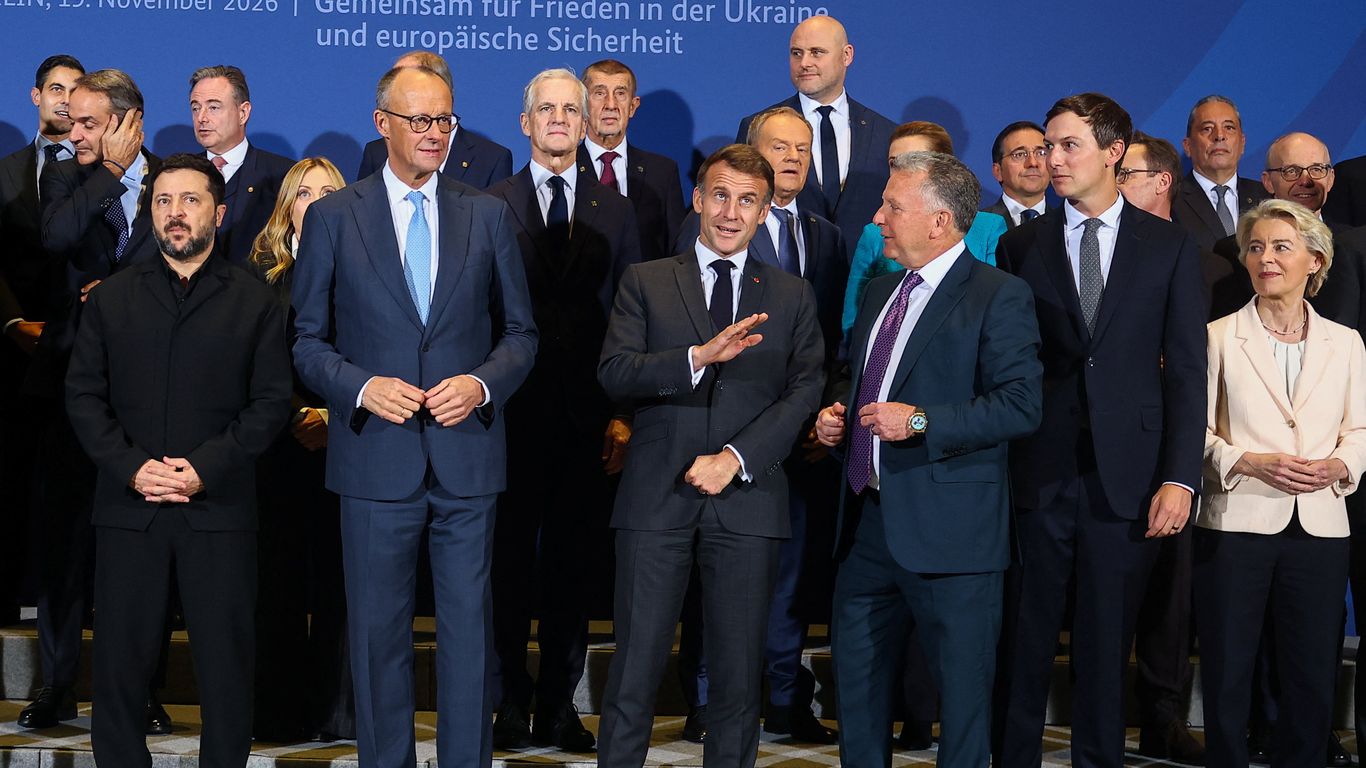
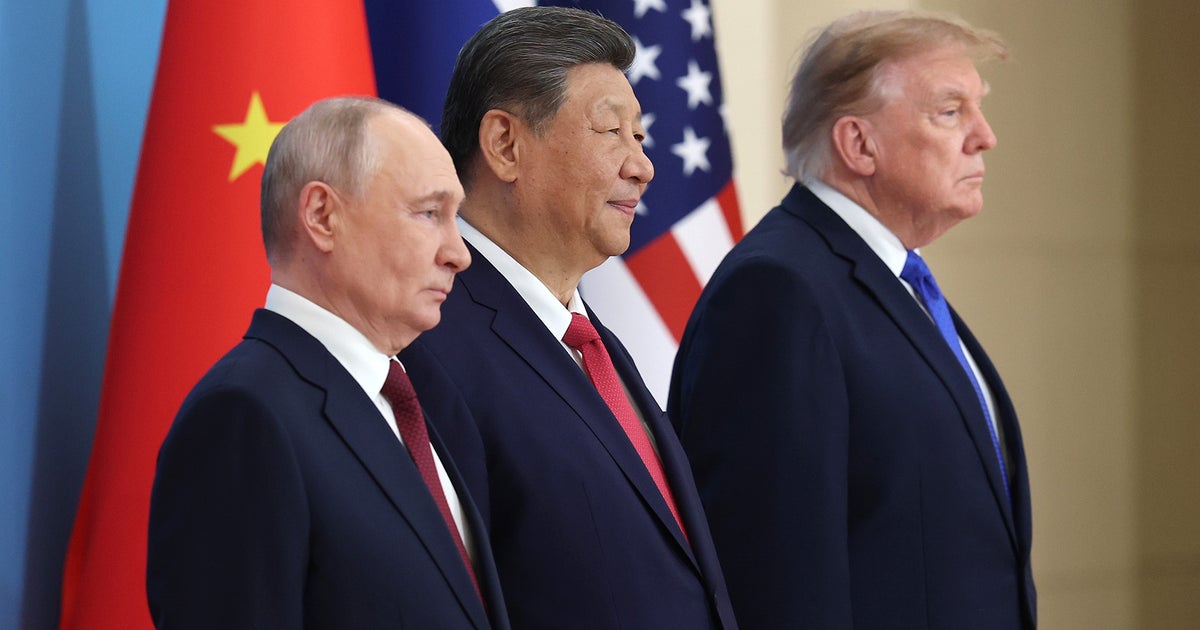
The four research topics on this page, buffer zones in Europe, great-power competition, Cuba and Chile, seem far apart. This week they are connected by one fact: the war in Ukraine and the competition it has sharpened between the United States, Russia and China. In Abu Dhabi the US mediated the first trilateral talks since February 14, calling for a new European security order 3 and pressing Russia to let Europe join 9. The talks made little progress 25, but they show Washington trying to manage the war while it competes with both Moscow and Beijing elsewhere.
The same competition shapes small states far from Ukraine. In Cuba, Chinese deals and US sanctions meet; in Chile, a right-wing government keeps close financial ties with China. Great-power rivalry is global, and each research topic is a different lens on it.
The vanishing buffer
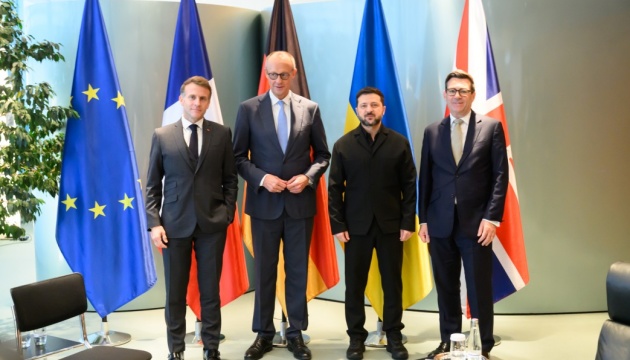
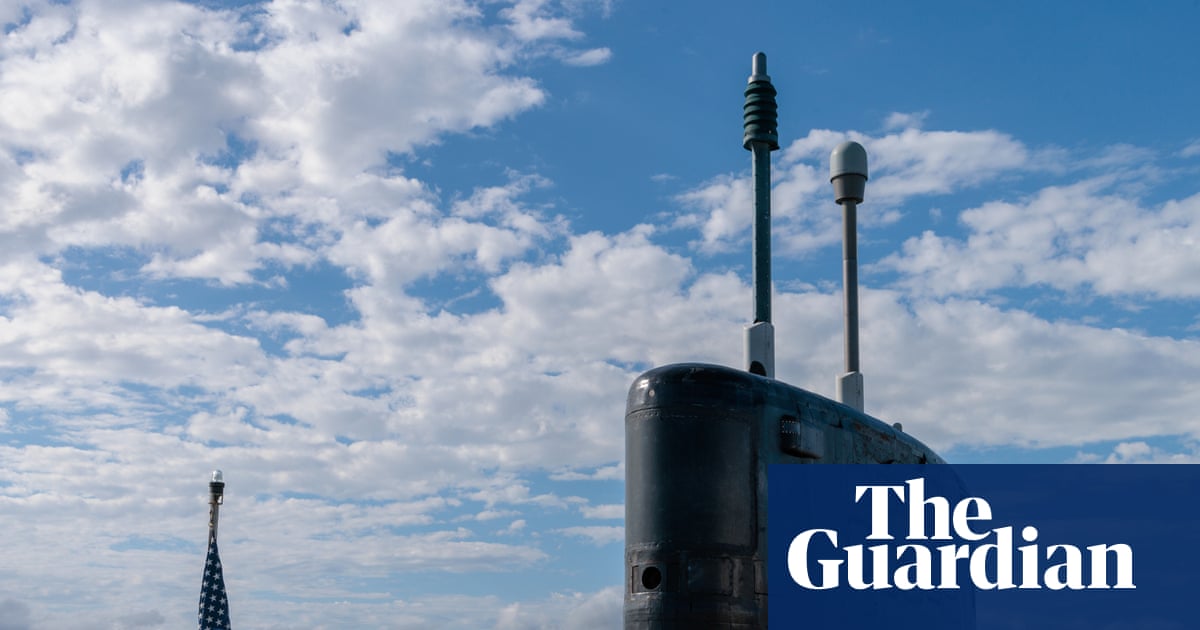
In Europe, the states between Russia and NATO have moved from buffer to frontline. Poland and Ukraine are setting up joint drone and counter-drone working groups 26, and Russia expelled a Moldovan diplomat in a tit-for-tat move 20. Serbia, which still hedges between Russia and the EU, closed a bank used by Russian exiles 30. Russian spying and sabotage spread, from a senior US soldier arrested in Britain 222 to arrests in Poland 5 and a surge of hybrid incidents across Europe and the High North 3236.
These developments suggest that the security-dilemma logic, in which arming one side makes the other feel less safe, now runs in one direction: the frontline states judge Russia's intentions as hostile and are arming regardless of how Moscow reacts.
Washington, Beijing and Moscow
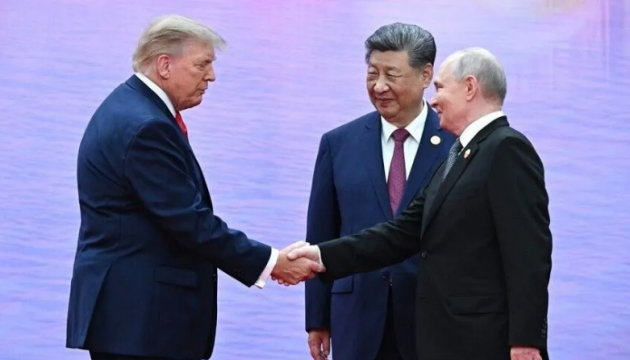
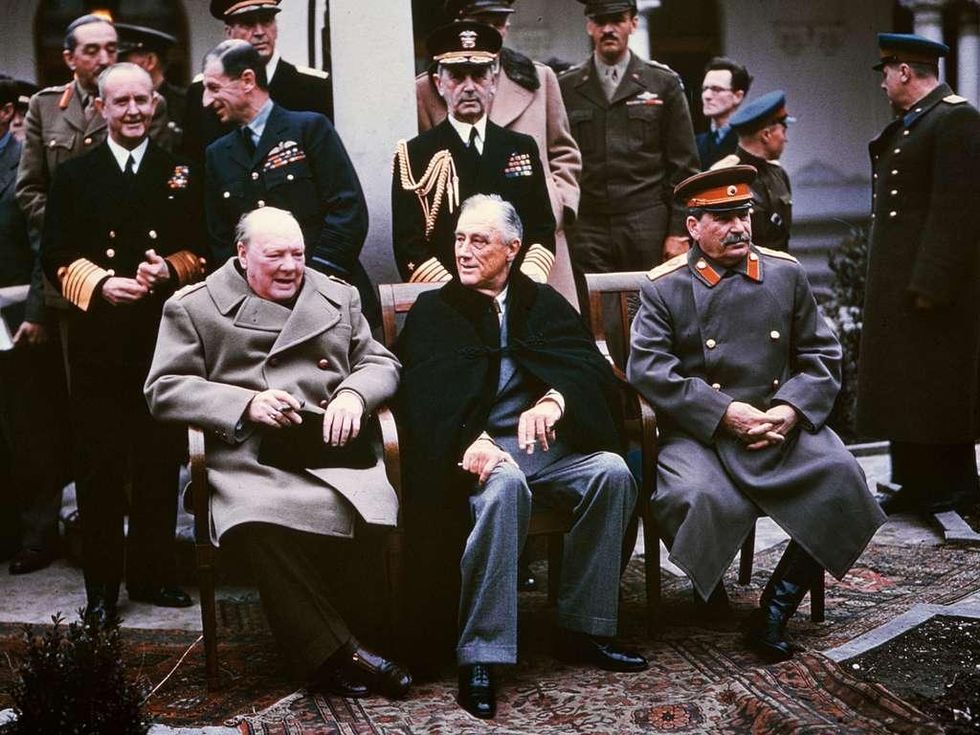
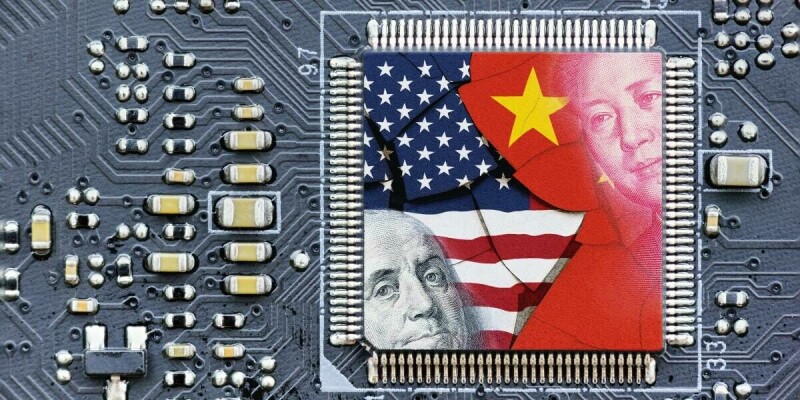
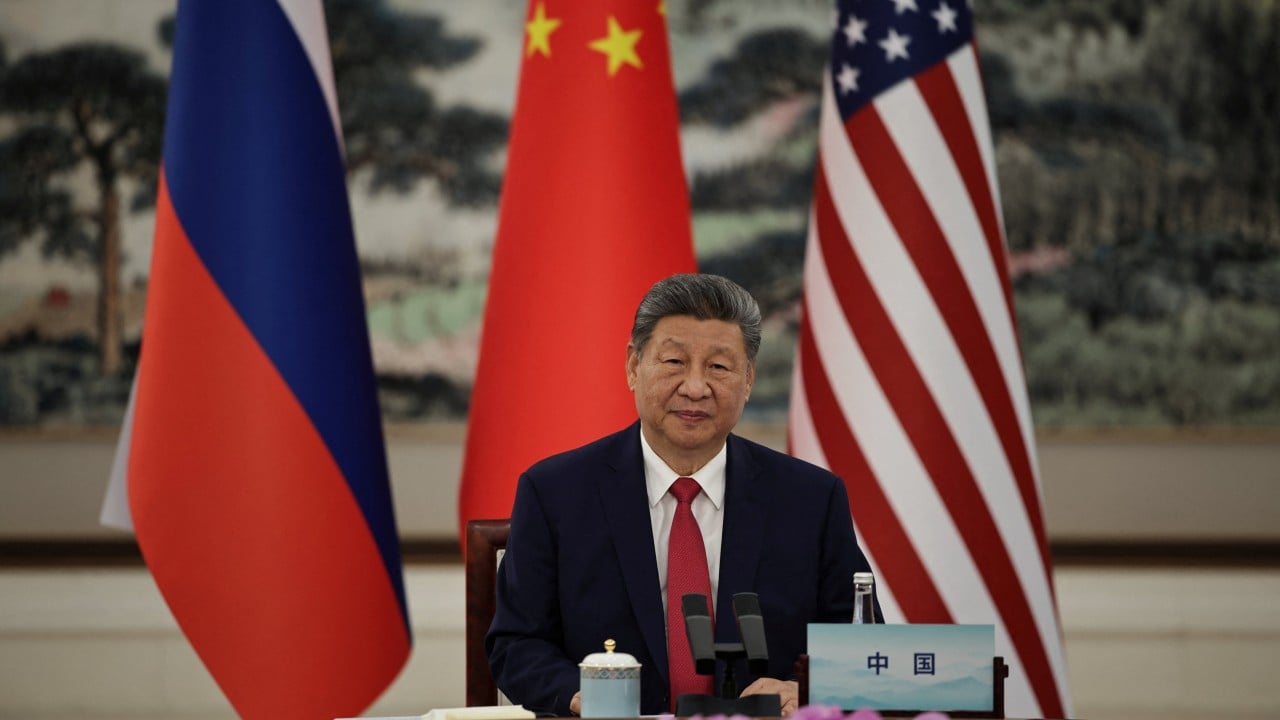
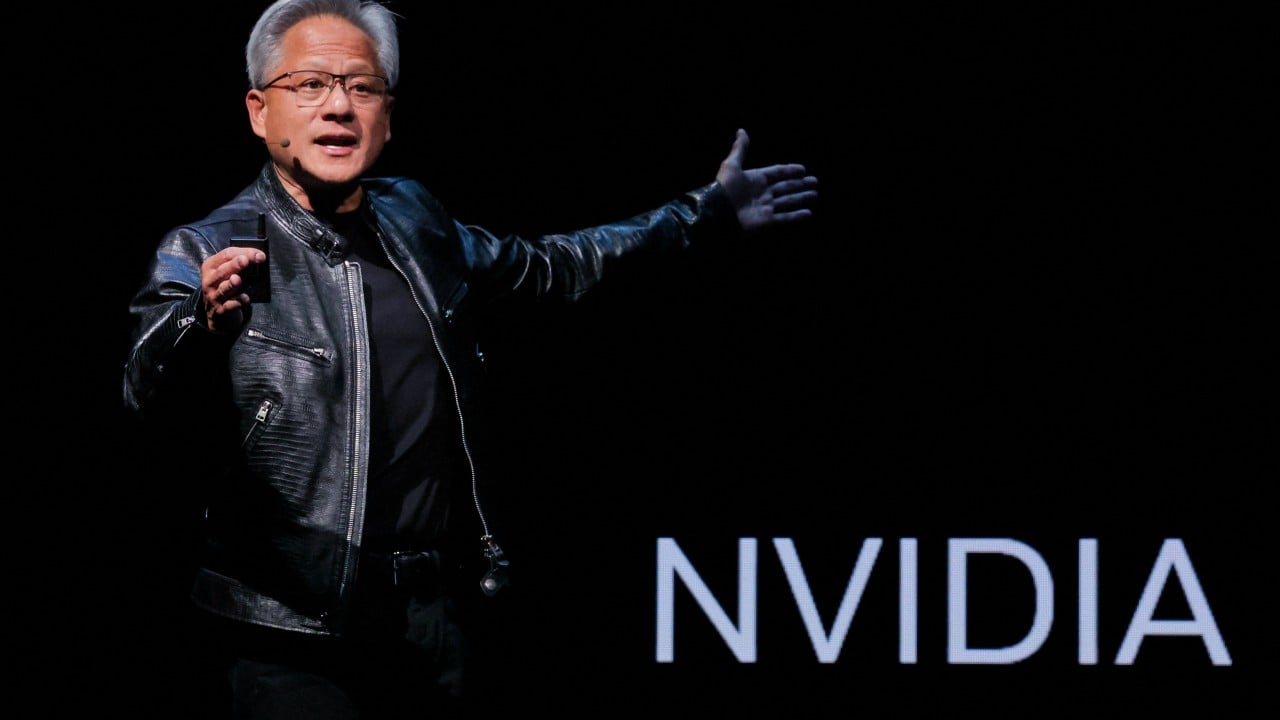
Relations among the three great powers mix rivalry and limited cooperation. The FBI is looking into Nvidia chief Jensen Huang's affair with an alleged Chinese agent 1112, and China courts US technology bosses as Trump looks weakened 14. At the same time, China, Russia and the US are trying to agree an agenda on AI in nuclear arsenals before APEC 15. Analysts warn that a Trump–Xi–Putin 'Yalta 2.0' would have little upside for Beijing 38 and call for rethinking strategic stability with China 41.
Research adds depth: scholars describe how Russia and China present themselves as anti-colonial powers while pursuing imperial identities 31, and how great-power competition is reshaping the Central Sahel 42 and the Indo-Pacific 34.
Small states between giants
Cuba and Chile show two ways small and middle states respond. Cuba, under US sanctions, depends on China and other socialist partners for survival, while its domestic crisis deepens. Chile, under President Kast, aligns politically with the US and the global right but keeps trade and financial ties with China open. Both cases show that great-power competition narrows the options of smaller states but does not remove their agency: each government chooses how to hedge.
For Viet Nam, both cases are instructive. Cuba is a close political partner whose economy is in distress; Chile is an important trading partner in Latin America whose government is ideologically distant but economically pragmatic. Viet Nam's own strategy of balancing among the great powers is reflected, in different forms, in both.
What to watch across the topics
The coming weeks will test whether the Abu Dhabi talks produce a framework for security guarantees 25, whether Russian hybrid attacks in Europe continue to grow 32, and whether the APEC agenda on AI and nuclear weapons is agreed 15. Each outcome will affect the buffer states, the great powers and smaller countries such as Cuba and Chile.
A useful way to read the news on these pages is to ask three questions of every story: who gains leverage, who loses room to manoeuvre, and which theory, such as balance of power, the security dilemma or hedging, best explains the behaviour described. The essays on each topic page apply those questions in more detail.