International relations: great-power competition: analysis of 11 November 2026
Back to the Chronology · Current news in this section
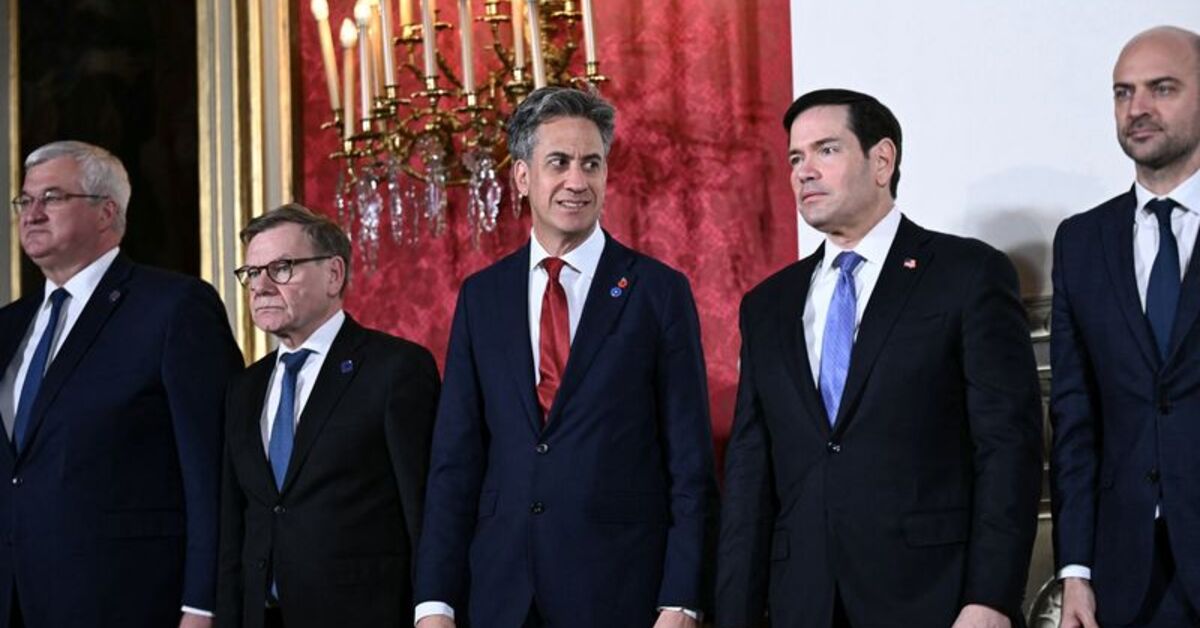
Analysis
Great-power rivalry runs through US-led Ukraine talks, a Russian spy case in Britain, the Nvidia affair with China, and a three-way bid to set rules on AI in nuclear weapons.
This week shows the US dealing with Russia and China at once. In Abu Dhabi, the US mediated the first Russia–Ukraine talks since February, called for a new European security order and pushed for Europe's inclusion, though talks made little headway. A senior US soldier was arrested in Britain on suspicion of spying for Russia, and a Trump–Putin deal to ship Russian diesel to the US faltered as tankers found no buyers. With China, the FBI is looking into Nvidia chief Jensen Huang's affair with an alleged Chinese spy, and analysts wonder if it will become another 'spy balloon' saga. Beijing is courting US tech bosses as Trump looks weaker. The US, China and Russia are trying to agree an agenda on AI in nuclear arsenals before APEC. Against Iran, the US promises 'devastating' costs.
Essay
Mediation as a tool of power
The most visible great-power event this week was US mediation between Russia and Ukraine in Abu Dhabi 1. The talks made little headway 20, but the role itself matters. By hosting and shaping the agenda, Washington called for a new European security arrangement 2 and pushed Russia to accept Europe at the table 740. Mediation allows a great power to define the problem, decide who participates and claim credit for any outcome, even when it is also a party to the wider conflict through its support for Ukraine.
The ambiguity of the US position is clear. It promises 'devastating' costs to Iran at the G7 5 while seeking a deal with Russia, and it explored an energy deal with Moscow that faltered when tankers of Russian diesel found no buyers off the US coast 2527. Great-power competition is not a simple contest of blocs; it is a set of overlapping bargains in which rivals can be partners on one issue and adversaries on another.
Espionage and the limits of détente
Rivalry continues underneath diplomacy. British counterterrorism police arrested a senior US Army soldier near Gloucester on suspicion of assisting Russian intelligence 172228. The case is a reminder that even while Washington talks to Moscow, Russian services target the American military in allied countries. It also tests the US–UK intelligence relationship at a time when trust in US policy is already questioned in Europe.
With China, the FBI investigation into Nvidia chief Jensen Huang's affair with an alleged Chinese agent 91011 has become a political issue in its own right. Analysts ask whether it will become another 'spy balloon' saga that freezes US–China contacts 28. The episode shows how technology, personal networks and national security have merged: the head of the world's most important AI chip firm is now a subject of counterintelligence concern.
China reads a weakened Washington
Beijing appears to read Trump's midterm defeat as an opening. Nikkei reports that China is courting US technology executives in search of a new 'Kissinger moment' 12, while mocking US pressure on Chinese firms in the Dominican Republic 19. This is a classic wedge strategy: engage business elites who favour stable trade, isolate security hawks, and present China as the reasonable partner.
Yet analysts warn that a Trump–Xi–Putin 'Yalta 2.0' would offer little to Beijing and could cost it dearly in Europe 33. China needs European markets and technology, and being seen to carve up spheres of influence with Russia would undermine that. Research on 'anti-colonial colonialism' notes how both Russia and China present themselves as champions of the Global South while pursuing imperial identities of their own 31. Their partnership is real, but it is not identical in its aims.
Managing rivalry: AI, nuclear weapons and stability
One area of possible cooperation stands out. China, Russia and the US are trying to agree an agenda on AI in nuclear arsenals before APEC 13. Strategic stability theory suggests that even rivals share an interest in avoiding accidental escalation, especially when new technologies compress decision time. Commentators also ask how Washington and Beijing can build confidence around AI 42 and whether stability with China should move from coercion towards a more constructivist approach based on shared norms 36.
The obstacles are serious. AI is central to the economic and military competition between the US and China 39, and verification of any commitment would be hard. But arms-control history shows that limited, symbolic agreements can still create channels of communication that matter in a crisis.
A multipolar contest beyond the core
Great-power competition also plays out far from Washington, Moscow and Beijing. Research on the Central Sahel describes a multipolar order in which Russia, China, Western states and regional powers compete for influence through security assistance and investment 37. In the Indo-Pacific, scholars trace how major powers and regional institutions respond to political change 32. Iran and Russia coordinate over the Caspian Sea against US 'unilateral actions' 23.
Taken together, these items suggest a world in which no power can dominate every region. Power-transition theory explains the tension between a rising China and the US; it explains less well why Russia, a power in relative decline, still sets so much of the agenda. The answer may be that in great-power politics, the willingness to use force can matter as much as economic weight.
Key developments
- US-mediated Ukraine talks. The US called for new European security at the Abu Dhabi talks and pressed Russia to let Europe join, but the talks made little headway. 12720
- Russian spying in Britain. British counterterrorism police arrested a senior US Army soldier near Gloucester on suspicion of helping Russian intelligence. 31722
- A faltering energy deal. Tankers carrying Russian diesel under a Trump–Putin deal found no US buyer and turned back. 2527
- The Nvidia affair. The FBI is investigating Jensen Huang's affair with an alleged Chinese agent, which could become another spy-balloon crisis in US–China ties. 91128
- China's opening. China courts US tech bosses as Trump weakens, and mocks US pressure on Chinese firms in the Dominican Republic. 1219
- AI and nuclear stability. China, Russia and the US are trying to agree an agenda on AI in nuclear arsenals before APEC, while analysts ask how to build confidence on AI. 134236
The great-power relationships
- US–Russia. Talks on Ukraine, a spy case and a failed diesel deal show cooperation and rivalry at once. 1325
- US–China. Espionage fears around Nvidia and Chinese courting of US tech bosses. 912
- China–Russia. Both seek a role in the AI and nuclear agenda and present themselves as anti-colonial powers. 1331
- US–Iran. The US promises devastating costs, while Iran and Russia coordinate in the Caspian. 523
Themes
- Triangular diplomacy. Talk of a Trump–Xi–Putin 'Yalta 2.0' worries analysts, who say it has little upside for Beijing and could cost it Europe. 3340
- Multipolar competition. Research tracks great-power rivalry in the Sahel and the Indo-Pacific, and identities of Russia and China as anti-colonial powers. 373231
Analytical lenses
- Power transition. A rising China and a weakened US shape bargaining, explaining Beijing's courtship of tech bosses. It misses how Russia, a declining power, still drives the agenda in Europe. 121
- Strategic stability. Arms control on AI and nukes can manage rivalry even without trust. It explains the APEC talks; it may overrate how binding such pledges are. 1336
Stories this analysis is based on (26)
- U.S.-mediated talks on ending Russia-Ukraine war begin in Abu Dhabi NPR
- U.S. calls for new Europe security at Russia-Ukraine talks The Japan Times
- Senior US soldier arrested in UK on suspicion of spying for Russia Financial Times Russia
- Rubio tells G7 US will keep imposing 'devastating' costs on Iran, diplomats say Al-Monitor
- US Urges Russia to Let Europe Join Ukraine Talks Kyiv Post
- Trump says FBI looking into Nvidia CEO Jensen Huang's affair with 'Chinese agent' The Hindu International
- Trump says FBI investigating Nvidia boss's affair with alleged Chinese spy BBC World
- Trump says Huang had ‘no idea’ lover was alleged Chinese spy Inquirer Global Nation
- With Trump weakened, China courts US tech bosses as it seeks new Kissinger moment Nikkei Asia
- China, Russia and US try to nail down AI nuclear agenda in time for Apec talks South China Morning Post
- British police arrest senior U.S. Army soldier near Gloucester on suspicion of spying for Russia Meduza
- China mocks US ‘congratulations’ over Dominican closure of Chinese-run factory South China Morning Post
- U.S.-Mediated Russia-Ukraine Talks Make Little Headway Foreign Policy
- Senior U.S. Army soldier arrested in U.K. on suspicion of assisting Russian intelligence NBC News
- Gharibabadi and Russian ambassador discuss US unilateral actions in Caspian Sea IRNA (Iranian state media)
- Last tanker carrying Russian diesel under Trump-Putin deal turns back from U.S. coast Meduza
- First tanker carrying Russian diesel arrives off US coast but finds no buyer – Reuters Ukrainska Pravda
- Will Nvidia CEO Jensen Huang’s affair become another ‘spy balloon’ saga for US-China ties? SCMP China
- Anti‐Colonial Colonialism: Imperialist Identities of Russia and China in Their Quest for Post‐Subalternity Nations and Nationalism (journal)
- Regional Security and Political Change in the Indo-Pacific: Major Powers, Institutional Responses, and Implications for International Cooperation Journal articles (OpenAlex)
- Yalta 2.0: A Trump-Xi-Putin summit has little upside for Beijing The Interpreter (Lowy Institute)
- Rethinking Strategic Stability with China: From Coercion to Constructivism War on the Rocks
- Great power competition in the Central Sahel and the multipolar order Journal articles (OpenAlex)
- Asia Power Snapshot: China, the United States, and the race for AI dominance Lowy Institute publications
- To settle Russia’s Ukraine war, Europe needs to let Kyiv in. Trump can help (really). Atlantic Council
- Can Washington and China Build Confidence Around AI and Stability? War on the Rocks
Written by Claude (Anthropic), based on 45 recent headlines and excerpts in this section, Nov 11. AI analysis can misread or miss things: the numbers link to the original reporting, which is the authority.