In 2024 alone, the global area planted with GM crops reached 218.7 million hectares, an increase of nearly 3.7 million hectares from 2023 and the highest level since the technology was first commercialised.
The workshop highlighted the increasingly important role of biotechnology in agricultural innovation, helping improve productivity and crop quality while strengthening resilience to climate change.
Emerging from stealth, Helsinki-Cambridge biotech startup Switchpoint Bio has raised $5.3 million in a pre-seed financing round, including a $5 million investment from Treehouse Delmar Investments.Mo...
Efferon, a biotech company developing hemoadsorption devices designed to remove endotoxins and excessive inflammatory mediators from the bloodstream, has raised €4.3 million from existing private inve...
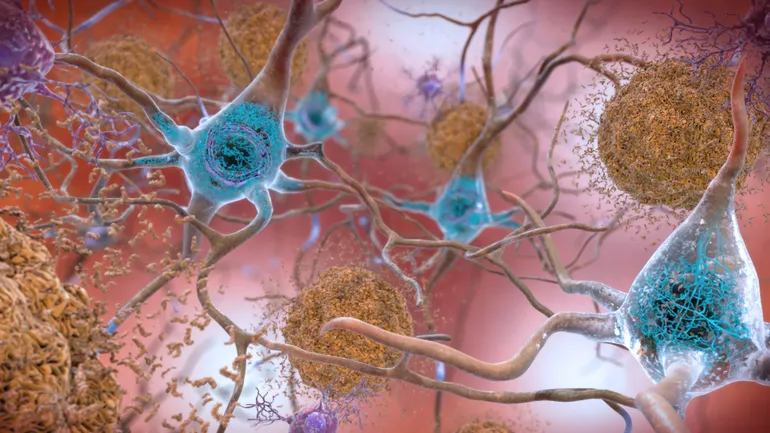
Oyster says a tweak it's made to traditional protein degrading technology can help break down tau, which has long been a focus of Alzheimer’s drug research.
A seven-part proposal from the prominent lobbyist lays out a series of initiatives to accelerate drug development in the U.S. and counter China’s fast rise.
WuXi AppTec’s shares jumped on Tuesday after the Pentagon removed the company from a list of entities allegedly linked to the Chinese military, marking a win for the biotech service giant and raising hopes among other mainland firms…
Nature Biotechnology, Published online: 10 November 2026; doi:10.1038/s41587-026-03370-3 Recent patents relating to biotechnological solutions to mitigate or adapt to climate change.
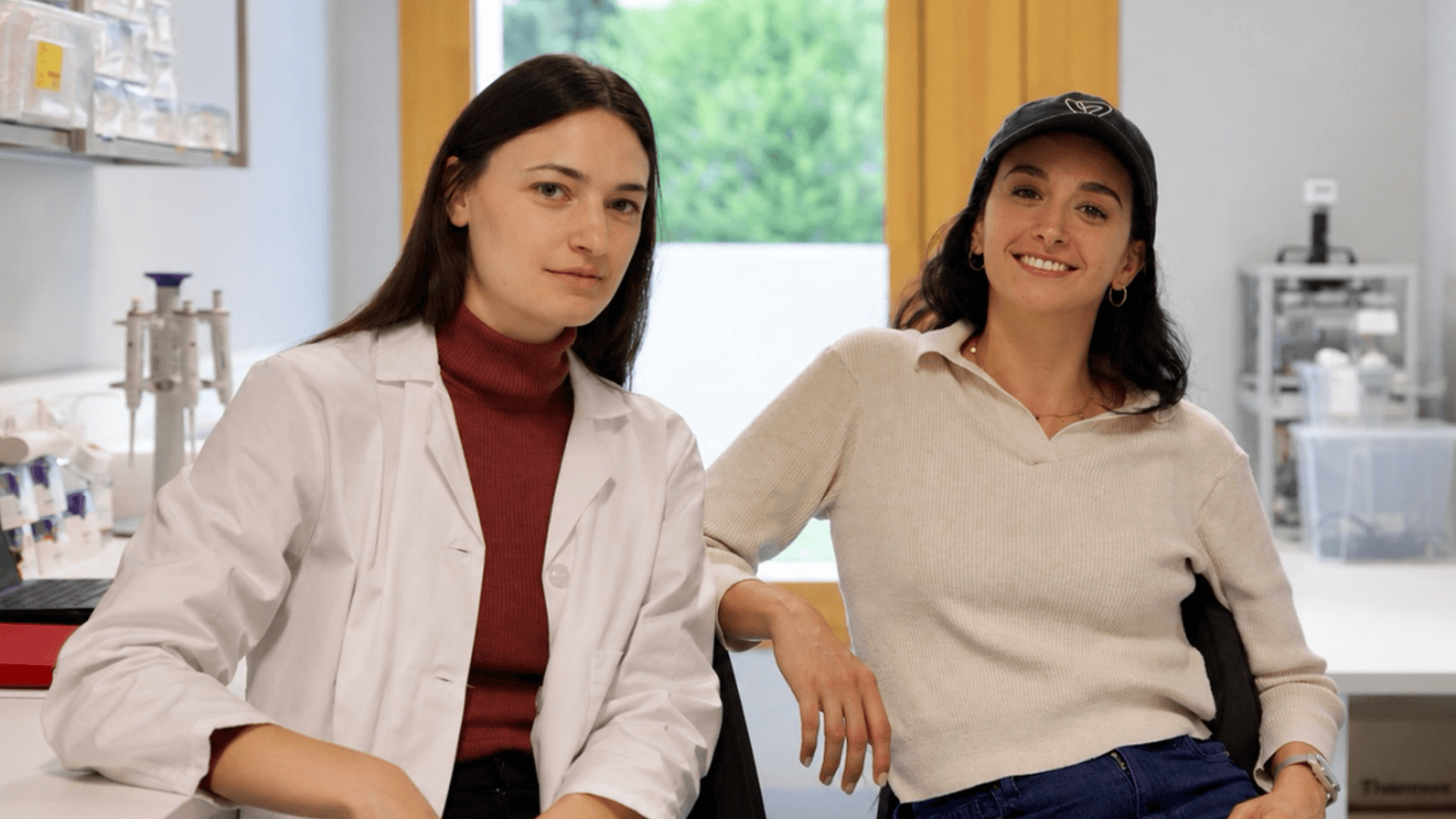
Biotech startup Vale Biolabs has received€164,000 (CHF 150,000) from Venture Kick to advance its platform for studyingbrain diseases and evaluating potential treatments.Founded by Ilaria Incaviglia, A...
Cuba and China signed three biotechnology agreements in Shanghai on 6 November, a day after the US sanctioned two Chinese firms over military supplies to Cuba.
A study of bacterial xylanases from Streptomyces prunicolor, Streptomyces carpinensis, and Streptomyces venezuelae was conducted. The xylanase-encoding genes were cloned from bacterial genomes. Recombinant producers based on E. coli M15(Rep4) and the pQE-30 vector were obtained, and the expression and purification of the recombinant proteins were carried out. Electrophoretically homogeneous preparations of four xylanases from the GH10 and GH11 families were obtained. The…
Mary Brunkow helped crack an immune-system mystery — and earned a Nobel Prize for it. Her path took her from a fruit fly lab at the University of Washington to a Seattle-area biotech, where she helped identify a gene crucial to keeping the…
Following patient deaths, China restricts investigator-initiated biotech trials, leaving rare disease families and US investors facing an uncertain future.
Abstract Precision medicine (PM) tailors healthcare to individual genetic and molecular signatures to achieve more-effective treatments, while also guiding targeted drug development. Advances in bioinformatics have greatly accelerated the discovery of novel therapeutics and have played a pivotal role in the progress of PM. For biochemistry and pharmacy undergraduates preparing for careers or research in the life sciences, acquiring knowledge and skills in PM is essential…
Scaling up magnetic affinity purification from small-scale bead handling to automated preparative processing requires integrated control of particle retention and liquid exchange. A fully automated low-gradient magnetic separation (LGMS) platform was developed for protein purification from Escherichia coli lysates using micrometer-sized magnetic beads functionalized with Strep-Tactin (STMBs). Movable neodymium permanent magnets enable bead retention and resuspension without…
GLP-1 weight-loss drugs are one of the biggest biotech breakthroughs of the last decade. But to some clinical psychologists, they can represent something more sinister—a potential trigger for eating disorders. A new report suggests that…
Oleaginous microorganisms are generally defined as microorganisms capable of accumulating more than 20% of their dry biomass as lipids, with lipid accumulation reaching substantially higher levels in some strains under optimized conditions. Various yeasts, filamentous fungi, bacteria and microalgae are of industrial interest, producing lipid products ranging from triacylglycerols (TAGs) to polyunsaturated fatty acids (PUFAs). Commercial microbial lipid production dates to…