Results for “Genetic”

Phys.org: Agriculture

Modified genetic method allows researchers to quantify roots growing underground

Plant scientists know that what grows above the soil doesn't offer enough information to understand an entire plant community. Different species contribute differently to belowground biomass, and those differences matter for soil health and ecosystem functioning. However, digging up roots to separate and identify them by species, especially when many plants are growing together underground, can be difficult and time-consuming, according to a team of researchers in the…

Read at Phys.org: Agriculture

GEN (Genetic Engineering & Biotechnology News) Sophia Ktori

CRISPR Screening Reveals How Genetic Variants Drive Neurodegenerative Risk

Researchers studying human induced pluripotent stem cell-derived microglia-like cells showed how genetic variants can impact cell behavior and used CRISPR gene editing to show how one gene’s effect depends on its cellular context.

Read at GEN (Genetic Engineering & Biotechnology News)

Phys.org: Agriculture

Wild barley's genetic diversity opens up new avenues for research and breeding

For the first time, an international research team coordinated by the IPK Leibniz Institute has characterized genomic diversity across the agriculturally important genus Hordeum. The study reveals how the genomes of barley and its wild relatives have evolved. These findings open up new avenues for systematically investigating this diversity and, in the long term, utilizing it for plant breeding. The results are published in the journal Nature.

Read at Phys.org: Agriculture

Phys.org: Agriculture

Can natural soybean varieties handle dicamba drift? New study tests promising lines

Some soybean growers who plant genetically modified dicamba-resistant soybeans have no intention of spraying the herbicide. Among other reasons, they're hedging against damaging dicamba exposure arising from neighboring fields.

Read at Phys.org: Agriculture

GEN (Genetic Engineering & Biotechnology News) Sophia Ktori

Genetic Barcoding Reveals How Pre-Bone Marrow Transplant Conditioning Impacts Immune System Regeneration

Researchers used genetic barcoding to track human blood-forming stem and progenitor cells transplanted into mice, revealing how the different cell types regenerate the blood and immune system, and how different forms of pretransplant conditioning affected blood and immune cell recovery.

Read at GEN (Genetic Engineering & Biotechnology News)

BioPharma Dive Gwendolyn Wu

Marrow sets out to challenge genetic medicines for severe blood diseases

Armed with $173 million in venture funding, the startup is developing what it’s positioning as a more accessible alternative to gene therapy and gene editing treatments for sickle cell and beta thalassemia.

Read at BioPharma Dive

South China Morning Post Victoria Bela Geopolitics

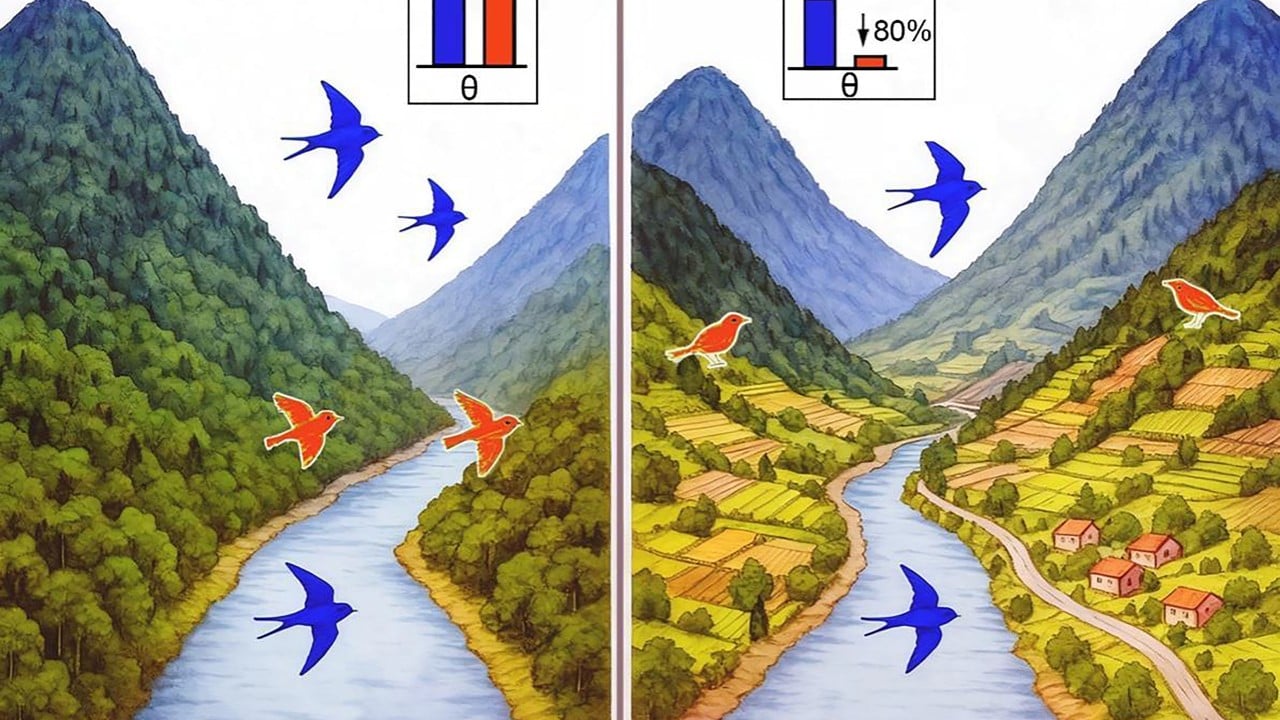
Evolutionary threat: Chinese mountain birds lost nearly half genetic diversity in 50 years

Genetic diversity is nature’s insurance policy – an evolutionary safety net that provides the building blocks for natural selection. While members of the same species share a mostly identical genome, a sliver of unique genetic variants determines their individual traits. When this diversity erodes, and a population becomes more uniform, it could leave them vulnerable to the same threats and unable to adapt when new ones emerge. In China, scientists have found that common…

Read at South China Morning Post

GEN (Genetic Engineering & Biotechnology News) Julianna LeMieux, PhD

How Vancomycin-Resistant Enterococcus Evolved in a Danish Hospital

A genomic study reveals how genetic mutations, recombination, and resistance-carrying plasmids shaped the evolution, diversification, and decline of vancomycin-resistant Enterococcus faecium in Danish hospitals between 2012 and 2020.

Read at GEN (Genetic Engineering & Biotechnology News)

Phys.org: Agriculture

New genetic atlas reveals traces of 10,000 years of sheep breeding

For around 10,000 years, humans have selectively bred sheep for desirable traits. Generation after generation, we have chosen animals for their wool, size and reproductive characteristics and gradually left our mark on their DNA.

Read at Phys.org: Agriculture

GEN (Genetic Engineering & Biotechnology News) Savannah Wiegel

Reference Genomes of Malaria-Causing Plasmodium Parasites Completed

Using DNA sequenced from patient blood samples, researchers assembled complete reference genomes of neglected malaria parasites, uncovering genetic regions potentially involved in immune evasion and providing new tools for disease surveillance.

Read at GEN (Genetic Engineering & Biotechnology News)

GEN (Genetic Engineering & Biotechnology News) Sophia Ktori

High Frequency of Drug-Impacting Gene Variants Found in All of Us Cohort

A study finds that everyone in a diverse, nearly 100,000-person sample carried at least one genetic variant that affects how their body processes medications, and a quarter of those people had been prescribed a medication that is known to be impacted by the variant they carried.

Read at GEN (Genetic Engineering & Biotechnology News)

The Decoder Alan Truly SI

Google Deepmind shifts genomics AI from bulk tissue predictions to single cell type resolution with AlphaGenome 2

Google Deepmind has unveiled AlphaGenome 2, an AI model that analyzes genetic variants for individual cell types rather than across bulk tissue. Trained on more than 107 million cell profiles, it identifies nearly twice as many disease-relevant gene changes as its predecessor. The model is available for noncommercial research through an API and is set to be integrated into Google's agentic platform Antigravity. The article Google Deepmind shifts genomics AI from bulk tissue…

Read at The Decoder

ScienceDaily: Agriculture and Food

A butterfly that fooled scientists for 200 years finally reveals its secrets

Researchers have discovered that a familiar tropical butterfly actually belongs to three nearly identical species, including one previously unknown to science. Hidden ultraviolet wing patterns and DNA differences revealed the truth, leaving scientists puzzled about how the butterflies remain genetically separate despite living side by side.

Read at ScienceDaily: Agriculture and Food

STAT Biotech Jason Mast

STAT+: PepGen says early trial for muscular dystrophy drug looks promising

PepGen says its candidate is correcting more of the genetic stutter found in myotonic dystrophy type 1.

Read at STAT Biotech

arXiv (research papers) Jakub Cebula SI

Tailoring Optimization Approaches with Domain Knowledge in Industry Process for Meta-heuristic Development

The paper presents an Industry Process for Meta-heuristic Development (IPMD) schema, a systematic methodology for applying meta- and hyper-heuristic applications to optimization problems. In this context, we present a case study of Balancing Non-dominated Tournament Genetic Programming (BNTGP) applied to solve two NP-hard multi-objective optimization problems: routing (Capacitated Vehicle Routing Problem with Time Windows) and scheduling (Multi-Skill Resource Constrained…

Read at arXiv (research papers)

GEN (Genetic Engineering & Biotechnology News) Sophia Ktori

How Cancer-Associated Gene Triggers Cell Division Without Unpacking the Genome

A study showed how E2F1 can trigger cell division without having to unpack the cell’s genetic material. Instead, it takes a shortcut path by binding directly to a small area of the DNA that remains tightly packaged inside the cell.

Read at GEN (Genetic Engineering & Biotechnology News)

Phys.org: Agriculture

Genetic hitchhikers make Aspergillus infections even harder to treat

Resistance to antifungal medicines in the pathogenic fungus Aspergillus fumigatus is proving more persistent than previously thought. Research by Wageningen University & Research (WUR), published in Current Biology, shows that fungicides used in agriculture, even those with a different mode of action from these medicines, can help maintain this resistance. This is because different resistance genes "hitchhike" together.

Read at Phys.org: Agriculture

Journal articles (OpenAlex) Shinichi Kinoshita, Yuwei Xie, Haruto Mizukai et al. · Scientific Reports

Efficient generation of non‑mosaic genetically modified marmosets via CRISPR/Cas9 delivery into unfertilized MII oocytes

The common marmoset ( Callithrix jacchus ) is a small nonhuman primate (NHP) with a relatively high reproductive capacity due to its short gestation period and early sexual maturation, making it well suited for producing genetically modified primates. Unlike rodents, marmosets take several years to produce second generation offspring; therefore, analyzing founder-generation animals is especially desirable. However, the frequent occurrence of mosaicism is a major obstacle to…

Read at Journal articles (OpenAlex)

WIRED Jorge Garay

Chernobyl’s Dogs May Be Evolving, but Scientists Don’t Know Why

A new study found evidence of natural selection in the dogs of Chernobyl, but it’s still unclear what drove these genetic differences and what evolutionary advantages they may provide.

Read at WIRED

Phys.org: Agriculture

Study maps Nelore cattle microbiota to reduce methane emissions

Researchers at the Brazilian Agricultural Research Corporation (EMBRAPA) are studying the relationship between the genetics of Nelore cattle and the microorganisms in their guts (microbiota). Nelore cattle are the most widely raised beef breed in Brazil. The goal is to develop strategies that reduce emissions of methane—a major greenhouse gas—and improve the animals' feed efficiency.

Read at Phys.org: Agriculture

Journal articles (OpenAlex) Jin Yan Huang, Yuhui Zhang, Zhaomin Xu et al. · Journal of Chemical Education

Application of Bioinformatics Tools and Cell Biotechnology in Case Studies of Precision Medicine: A Comprehensive Experimental Practice for Upper-Division Undergraduates

Abstract Precision medicine (PM) tailors healthcare to individual genetic and molecular signatures to achieve more-effective treatments, while also guiding targeted drug development. Advances in bioinformatics have greatly accelerated the discovery of novel therapeutics and have played a pivotal role in the progress of PM. For biochemistry and pharmacy undergraduates preparing for careers or research in the life sciences, acquiring knowledge and skills in PM is essential…

Read at Journal articles (OpenAlex)

Journal articles (OpenAlex) Irmantas Mogila, Dalia Smalakytė, Gintautas Tamulaitis · FEMS Microbiology Reviews

Expanding arsenal of type III CRISPR-Cas antiviral defense

CRISPR-Cas systems are adaptive immune systems that protect prokaryotes from invading genetic elements through acquisition of foreign nucleic acid sequences and RNA-guided recognition of target molecules. Among the diverse CRISPR-Cas families, type III systems represent a highly complex and versatile branch that couples sequence-specific interference with nucleotide-based signaling and activation of diverse downstream immune responses. Recent discoveries have substantially…

Read at Journal articles (OpenAlex)

Sixth Tone Jiang Xinyi

China Clears New Formula for Patients Who Must Limit Protein

The nutritional powder, tailored to patients with a genetic disease limiting protein intake, contains less fat and carbohydrates than past formulas.

Read at Sixth Tone

Journal articles (OpenAlex) Min Kyung Park, Oxana V. Gorbatenko, Aaron Schone et al. · Journal of Chemical Education

Hands-on CRISPR-Cas9 Experiments for Undergraduate Biochemistry Students: Plasmid DNA Digestion Using the Cas9 Ribonucleoprotein and Restriction Enzymes

Abstract The development of the CRISPR-Cas9 technology has profoundly impacted a wide range of biological fields. Derived from bacteria and archaea, the CRISPR-Cas9 system enables genome editing. It is used as a research tool and has significant promise for the treatment of genetic diseases and for plant engineering. Given the growing number of applications for CRISPR-Cas9 systems, the curriculum for undergraduate biochemistry students must be updated to provide a conceptual…

Read at Journal articles (OpenAlex)

Journal articles (OpenAlex) Leilei Shi, Weichen Wang, Dongyao Wang et al. · Journal of the American Chemical Society

Split Intein Enables Ultralarge Dual-Phage Display for Drug Discovery

Abstract Phage display, a powerful ligand discovery technology, is limited by library capacity, with practical diversity typically ∼109 variants. This bottleneck stems from each phage requiring individual host cell propagation, making ultralarge libraries (1012–1014) impractical due to massive cell/culture volume demands. We introduce X-phage, a dual-phage display system using split-intein-mediated ligation to combine two genetically distinct phages into a single functional…

Read at Journal articles (OpenAlex)

Journal articles (OpenAlex) Takanori Nishimura, Yuya Kunisada, Hongmei Lisa Li et al. · Neuroscience Research

PRKN-independent mitophagy regulators in dopaminergic neurons identified by genome-wide CRISPR screening

Parkinson's disease (PD) is characterized by the progressive loss of dopaminergic neurons in the substantia nigra pars compacta. Genetic and epidemiological studies have suggested that mitochondrial dysfunction is implicated in the development of PD. PRKN/Parkin is known to play an essential role in mitochondrial quality control and mitophagy. Indeed, mutations and inactivation of this gene are associated with hereditary and idiopathic forms of PD. Despite extensive studies…

Read at Journal articles (OpenAlex)

Journal articles (OpenAlex) Niels Nguedia Kaze, Irrinus Fonyuy Kintung, Aurélie Cailleau et al. · JCO Global Oncology

Development of a Non-Invasive CRISPR-Cas12a-LAMP Assay for Rapid Detection of ARHGAP21 and BARD1 Methylation Signatures in Nigerian Prostate Cancer Patients

PURPOSE Prostate cancer (PCa) presents a severe mortality burden in Sub-Saharan Africa, especially in Nigeria, due to late clinical presentation, lack of population-specific markers for early detection, and the limitations of standard screening tools. To improve cancer management, understanding the population's genetic or epigenetic profile is vital for biomarker identification, reason why this study aimed to develop an affordable, non-invasive CRISPR-Cas12a-LAMP diagnostic…

Read at Journal articles (OpenAlex)

Journal articles (OpenAlex) Hanmo Wang, Yaxin Li, Yanming Chen et al. · International Journal of Immunogenetics

Integrating Immunogenetics, Single‐Cell Transcriptomics, and AI‐Assisted Drug Discovery Reveals CXCL10 ‐Associated Immune Remodelling in Breast Cancer

Breast cancer is a heterogeneous malignancy shaped by genetic alterations and cytokine-mediated immune interactions. However, integrative characterization of cytokine-related regulators using genetic, single-cell, and computational approaches remains limited. This study aimed to identify genetically supported cytokine-related candidates in breast cancer, characterize their immune and cellular contexts, and explore their potential regulatory and therapeutic relevance. Bulk…

Read at Journal articles (OpenAlex)

Older stories