Results for “Voyager”

Space.com Chelsea Gohd Space

Voyager 1 team, unbowed by communications glitch, celebrates epic 1-light-day distance milestone

The Voyager 1 team celebrated the probe's big distance milestone on Thursday (Nov. 19), even while dealing with a communication anomaly that recently cropped up on the probe.
Read at Space.com

South China Morning Post Associated Press Geopolitics

Nasa’s Voyager 1 phones home from an awe-inspiring 1 light-day away

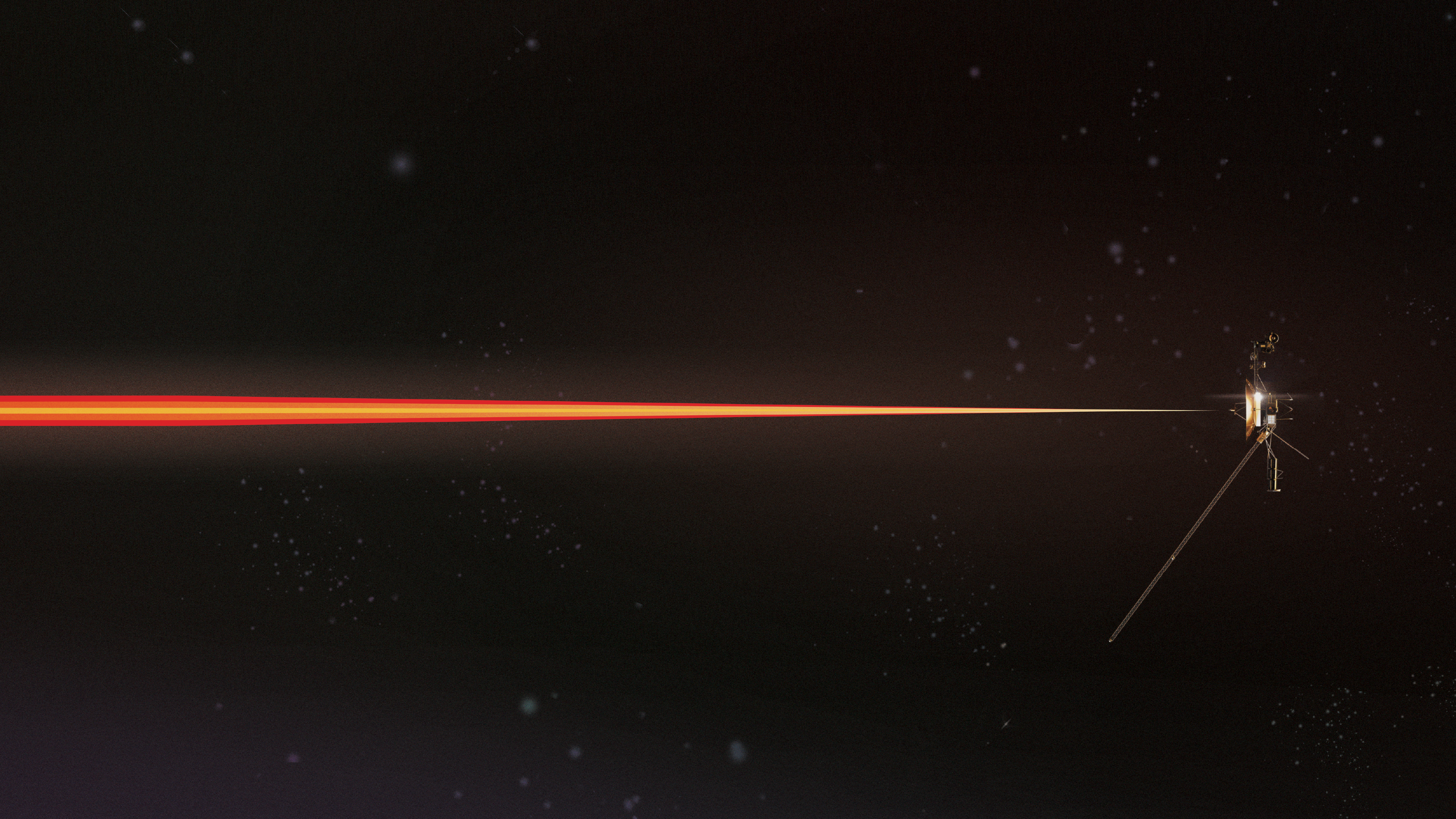
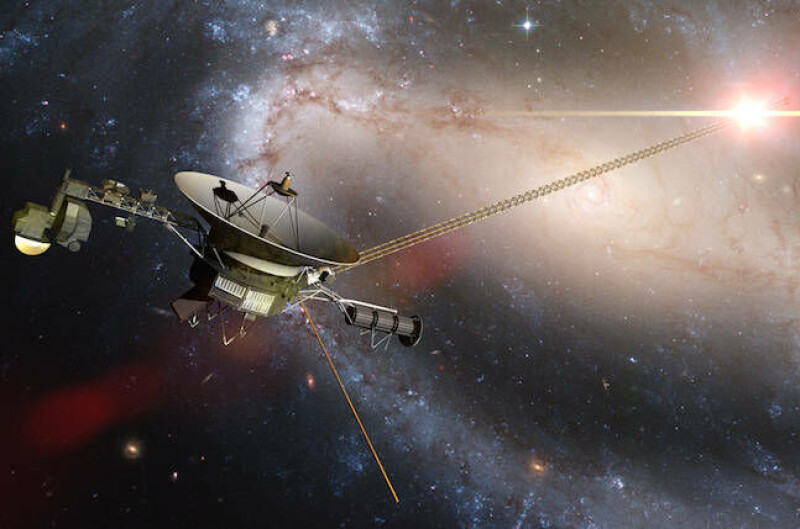
Nasa’s Voyager 1 has phoned home from one light-day away, humanity’s first emissary to cross this monumental threshold way out in interstellar space. Flight controllers received the spacecraft’s call on Thursday, exactly 24 hours after it was sent. That is how long it took for the radio signal to traverse the more than 16 billion miles (26 billion kilometres) at the speed of light. “Travelling a light-day is a singular feat for a spacecraft, but Voyager is so much more than…

Read at South China Morning Post

Phys.org Space Space

NASA's Voyager 1 phones home from an awe-inspiring 1 light-day away

NASA's Voyager 1 has phoned home from one light-day away, humanity's first emissary to cross this monumental threshold way out in interstellar space.

Read at Phys.org Space

Space.com Chelsea Gohd Space

Empire State Building glows gold for NASA's Voyager spacecraft | Space photo of the day for Nov. 19, 2026

The Empire State Building is illuminated in gold to celebrate Voyager 1 hitting one light-day from Earth.

Read at Space.com

NASA Jessica Taveau Space

NASA’s Voyager 1 Makes History Reaching One Light-Day From Earth

NASA’s Voyager 1 probe, humanity’s farthest-flying spacecraft, has reached one light-day from Earth, after more than 49 years of constant travel. A light-day is the distance light travels in 24 hours, equaling about 16.1 billion miles (25.9 billion kilometers). The spacecraft achieved the milestone at 2:16 a.m. PST (5:16 a.m. EST) Nov. 18. Voyager team

Read at NASA

The Register Richard Speed

Voyager 1 celebrates one light-day with a nice lie-down

Carrier signal still reaches Earth, but science and engineering data have gone AWOL

Read at The Register

WIRED Rhett Allain

Voyager Is a Light-Day Away. Here’s How Far That Really Is

The distance and forces shaping the venerable craft’s trajectory are mind-boggling reminders of the vastness of space.

Read at WIRED

Space.com Elizabeth Howell Space

What's next for NASA interstellar Voyager 1 probe after passing 1 light-day from Earth?

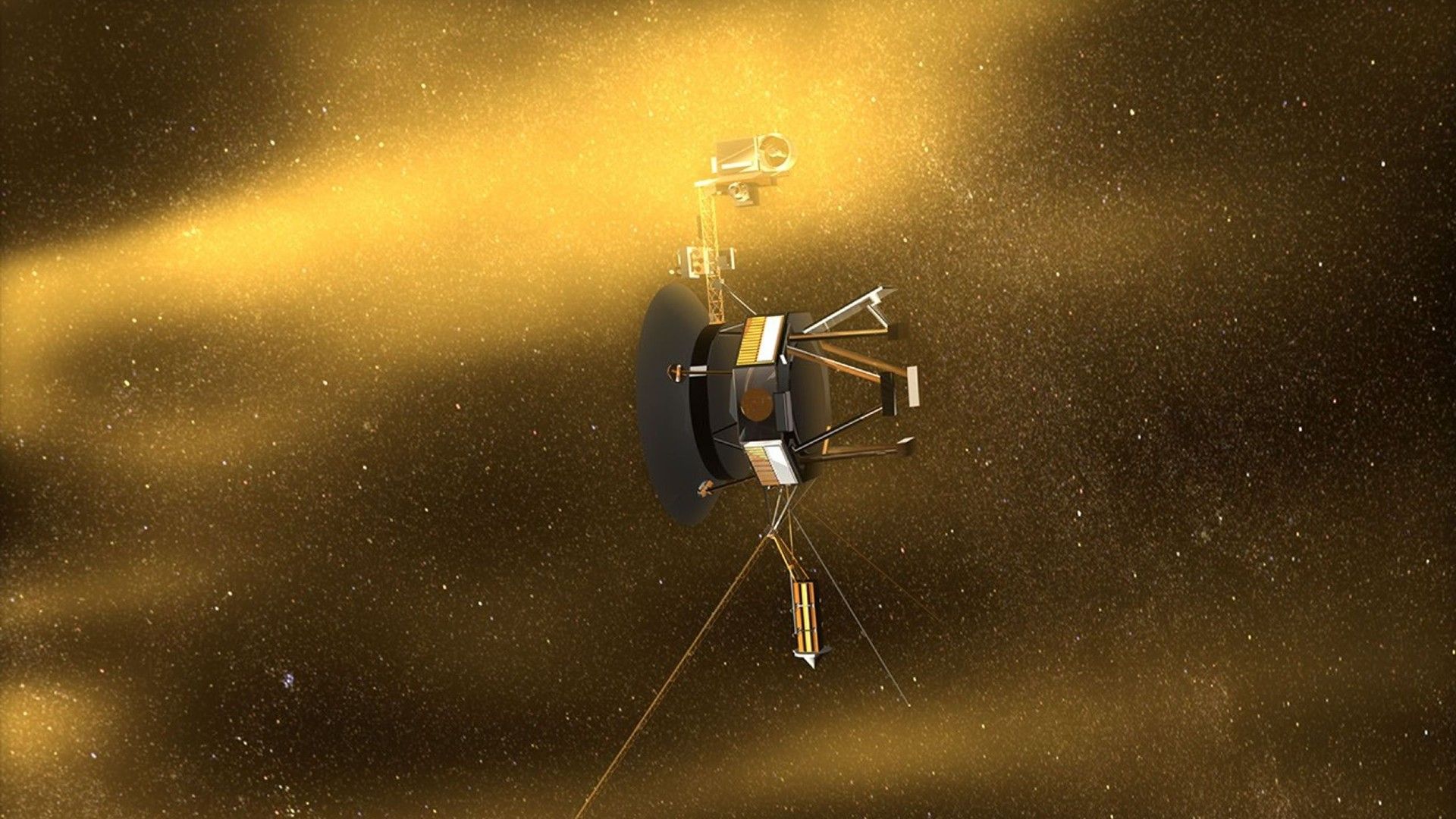
The Voyager 1 probe continues to fly out into interstellar space after its historic distance milestone. NASA expects it to keep working until at least 2027.

Read at Space.com

SpacePolicyOnline Marcia Smith Space

Voyager 1 Reaches New Milestone: One Light-Day from Earth

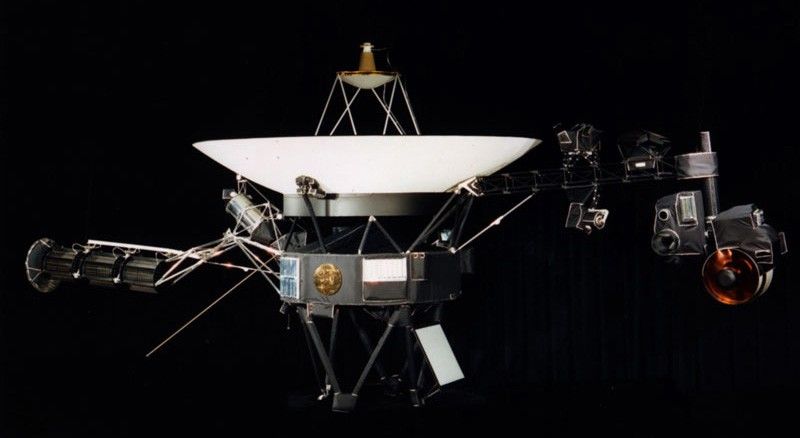
NASA’s Voyager 1 spacecraft achieved another milestone this morning. Launched in 1977, it became the first human object to pass into interstellar space in August 2012 and is so far

Read at SpacePolicyOnline

NASA Science Amanda Barnett Space

Voyager 1 Engineers Analyze Data Issue, Ready to Confirm Light-day

On Nov. 14, the Voyager 1 mission team became aware that the spacecraft had stopped sending science and engineering data after a NASA Deep Space Network (DSN) antenna in Canberra, Australia, “locked on” to the spacecraft and received a carrier signal, which is used to carry science and engineering data from the spacecraft to ground

Read at NASA Science

Al Jazeera Geopolitics

NASA’s Voyager 1 hits record one light-day distance, 50 years after launch

Voyager 1 reaches one light-day from Earth, marking a historic milestone nearly 50 years after its 1977 launch.

Read at Al Jazeera

Al Jazeera Geopolitics

Voyager 1 reaches one light-day from Earth after 49 years in space

NASA’s Voyager 1 has reached a record distance of more than 16 billion miles from Earth, 49 years after its launch.

Read at Al Jazeera

NASA HQ Web Team Space

Empire State Building Goes Gold for Voyager

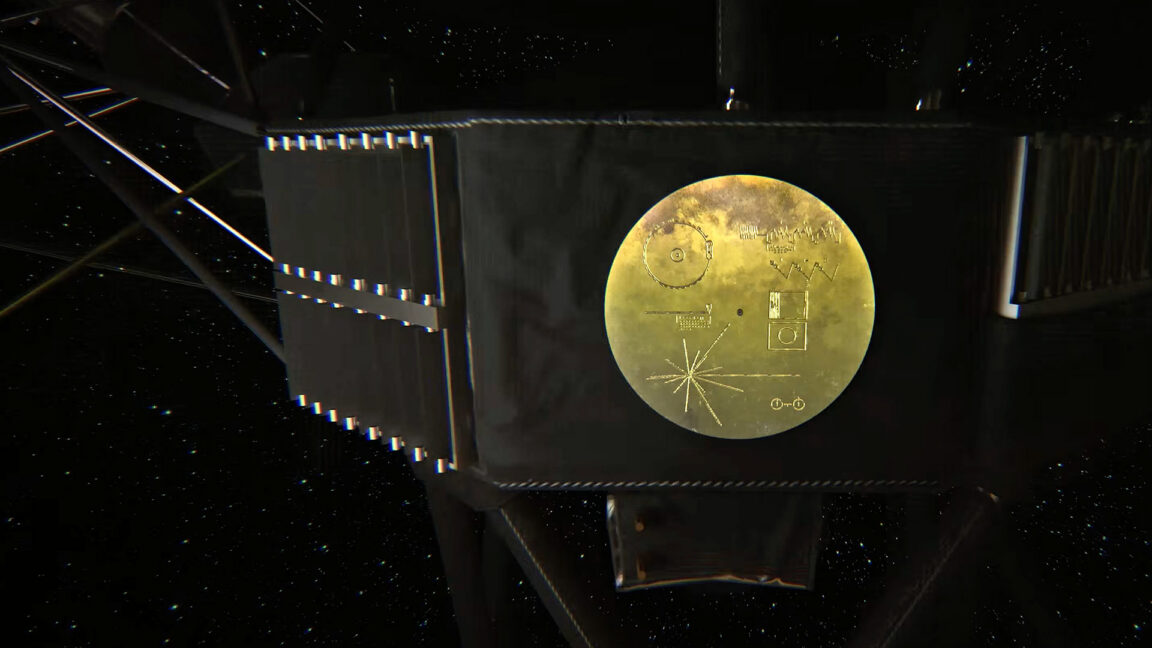
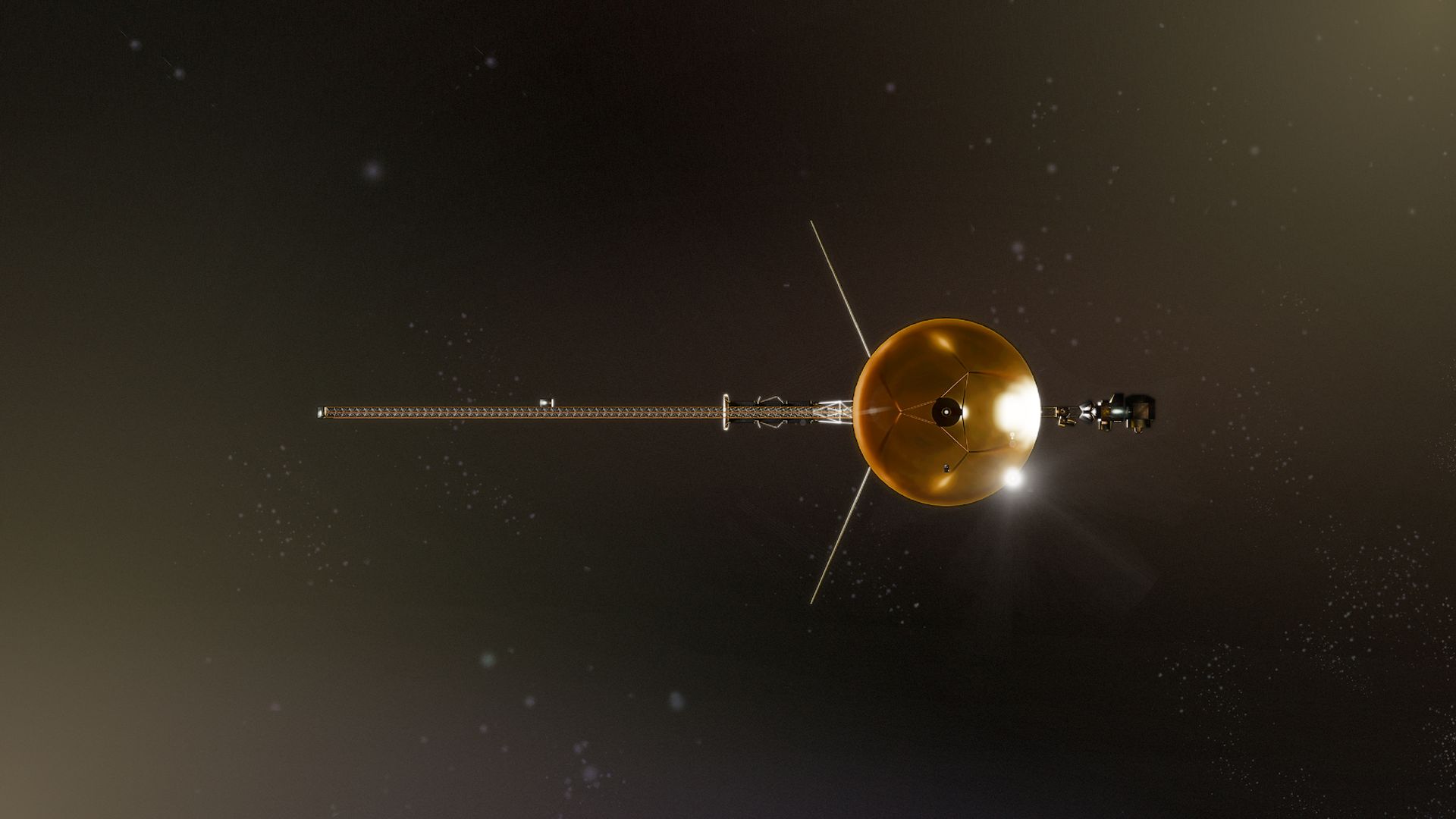
The Empire State Building is seen illuminated in gold to celebrate NASA’s Voyager 1 spacecraft as it was about to pass one light-day away from Earth, a distance reached by no other human-made object, Nov. 17, 2026. The color gold represents the gold-plated copper phonograph record that is flying on Voyager; the Golden Record contains

Read at NASA

Spaceflight Now Houston Harwood Space

NASA’s Voyager 1 is one light-day from Earth

NASA's Voyager 1 spacecraft became the first human-made object to reach a distance of one light-day from Earth early Wednesday, crossing the threshold at 5:16:07 a.m. EST (10:16:07 UTC) as it sped away from the sun at nearly 38,000 mph.

Read at Spaceflight Now

Phys.org Space Space

Voyager 1 spacecraft reaches one light-day milestone

NASA's Voyager 1 probe, which has been traveling through space for nearly 50 years, hit a milestone distance of one light-day away from Earth on Wednesday.

Read at Phys.org Space

The Register Richard Speed

Space robot legend Voyager 1 is now more than 1 light-day away

As the world is hit by IT snafu after IT snafu, Voyager sails on, almost half a century after launch

Read at The Register

NBC News

NASA Voyager Reaches One Full Light Day From Earth

After 49 years of traveling in space, NASA’s unmanned Voyager spacecraft has become the first human object to reach a full light day from Earth, meaning it would take a full 24 hours to reach the spacecraft traveling at the speed of light — 670 million miles per hour! NBC’s Tom Costello reports for TODAY on the spacecraft’s remarkable journey.

Read at NBC News

Ars Technica Robert Pearlman

Voyager 1 at one light-day: Historian revisits Golden Record's forgotten details

"They are pretty confident that it's going to last a long, long, long time..."

Read at Ars Technica

The Verge Jess Weatherbed Space

NASA’s Voyager 1 probe is now one light-day away

After traveling through the void of space for 49 years, Voyager 1 has hit a momentous milestone: the spacecraft is now officially one light-day away from Earth, which is, as NASA put it, "very, very far." The probe crossed the milepost on Wednesday at 5:16AM ET, and is now 16.094 billion miles away from our

Read at The Verge

Space.com Chelsea Gohd Space

1 light-day from Earth! NASA's Voyager 1 probe hits huge milestone in interstellar space

It now takes 24 hours for even a single particle of light to reach Voyager.

Read at Space.com

WIRED Jenna Ahart Space

Voyager 1 Beat the Odds and Is Still Working a Light-Day Away From Earth

The spacecraft stores data on an eight-track tape, but it’s managed to stay in contact with scientists for decades. Now, it’s the first human-made object to travel a light-day away from Earth.

Read at WIRED

The Guardian US Kim Heacox

After 49 years, Nasa’s Voyager 1 is one light-day away from us. Can we save this ‘pale blue dot’? |

Since the spacecraft’s 1977 launch, our wonderful and terrible species has done great damage to our planet. Voyager has offered us a clear view of ourselves Imagine traveling nonstop for 49 years, alone in the dark with no destination in sight, powered by curiosity and engineering. Further imagine making that journey not at bullet train or jet plane speed, but much faster: at 37,800 miles per hour, free from friction in a vast sea of cold, soundless space, bombarded by…

Read at The Guardian US

Space.com Elizabeth Howell Space

NASA's Voyager 1 launched second, so how did it beat Voyager 2 to a light-day by nearly a decade?

Voyager 1 just reached a light-day in space, but Voyager 2 won't do the same until 2035, due to speed choices made throughout their 50-year missions.

Read at Space.com

Space.com Samantha Mathewson Space

NASA wants you to 'shine bright' today for Voyager 1's light-day milestone. Here's how

NASA invites the public to shine lights in Morse code after sunset today (Nov. 17) to celebrate Voyager 1 reaching a historic distance of one light-day from Earth.

Read at Space.com

NASA Science Space

What Voyager Teaches Us From One Light-Day Away

Almost 50 years after launch, NASA’s Voyager mission is exploring space beyond the Sun’s protective bubble. No other human-made object has traveled that far. Now, Voyager 1 reaches a new milestone: it will be one light-day from Earth. Explore the distant shores of interstellar space with Jamie Rankin, the Voyager deputy project scientist. Jamie helps us understand what Voyager is revealing about our corner of the universe and how NASA keeps a nearly 50-year-old mission…

Read at NASA Science

Space.com Samantha Mathewson Space

What exactly is a light-day? Here's what Voyager 1's latest milestone means for the interstellar probe

Voyager 1 is approaching a distance of one light-day from Earth, a milestone that highlights the enormous distances involved in deep-space exploration.

Read at Space.com

Space.com Elizabeth Howell Space

NASA's interstellar Voyager 1 probe is about to reach 1 light-day from Earth after nearly 50 years in space

Voyager 1 is celebrating a big milestone as it approaches its 50th birthday: reaching one light-day away from Earth.

Read at Space.com

South China Morning Post dpa Geopolitics

Nasa’s Voyager 1 to make history by reaching a light-day from Earth

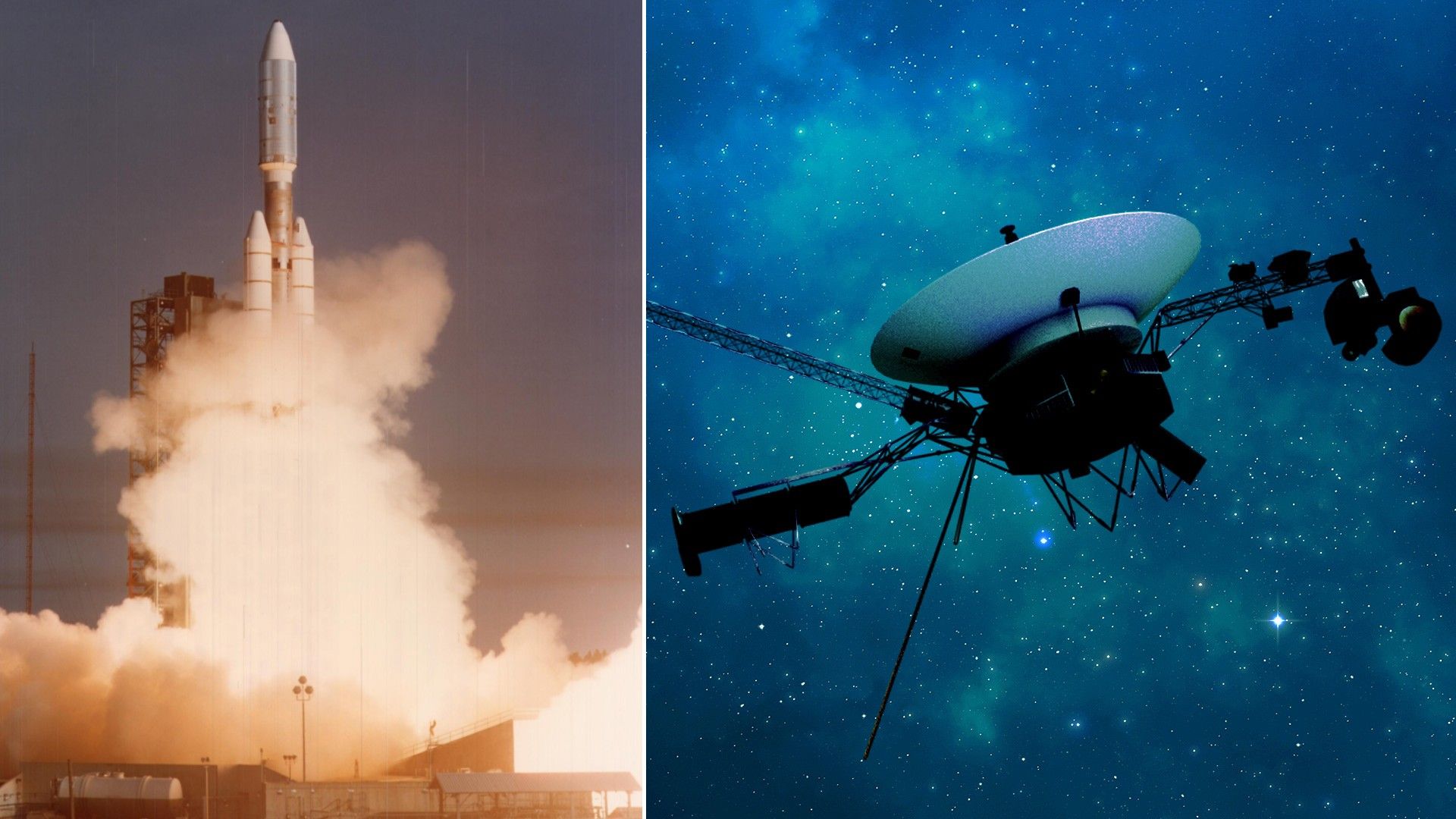
On Wednesday, November 18, almost half a century after it lifted off from Cape Canaveral, the Voyager 1 spacecraft will cross a technological and astronomical milestone when it hurtles beyond one light-day’s travel time from Earth. It’s also a 26-billion-kilometre milestone, as that is the approximate distance light covers in 24 hours and how far Voyager 1 has now travelled in what Nasa has described as an “epic” journey since launching on September 5, 1977. The…

Read at South China Morning Post

NPR Ava Pukatch

Far from home. Voyager 1 is now farther than anything man has sent into space

NASA's Voyager 1, which is the furthest man-made object from Earth, is set to reach a new milestone this week. On Wednesday, the probe will be roughly 16 billion miles from Earth.

Read at NPR

Phys.org Space Space

NASA's Voyager 1 closes in on a light-day in interstellar space for a new distance record

NASA's Voyager 1 is about to become humanity's first object to reach one light-day from Earth as it pushes ever deeper into interstellar space.

Read at Phys.org Space

Older stories