NASA Researchers Create 3D Maps of California to Assess Wildfire Risk
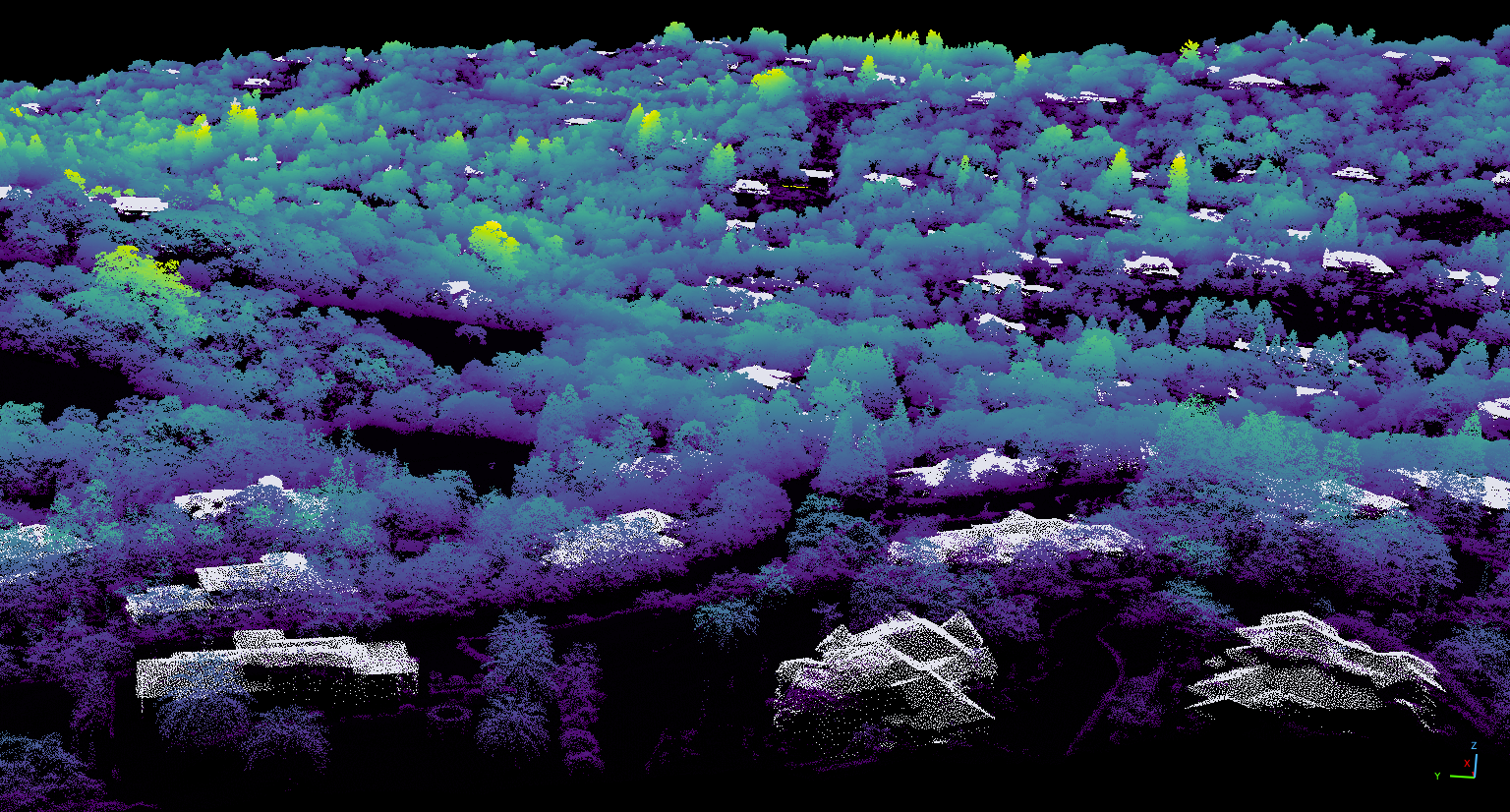
NASA researchers have produced detailed 3D topography maps for all of California, down to the scale of a single tree.
Recent stories from NASA Science.
NASA researchers have produced detailed 3D topography maps for all of California, down to the scale of a single tree.
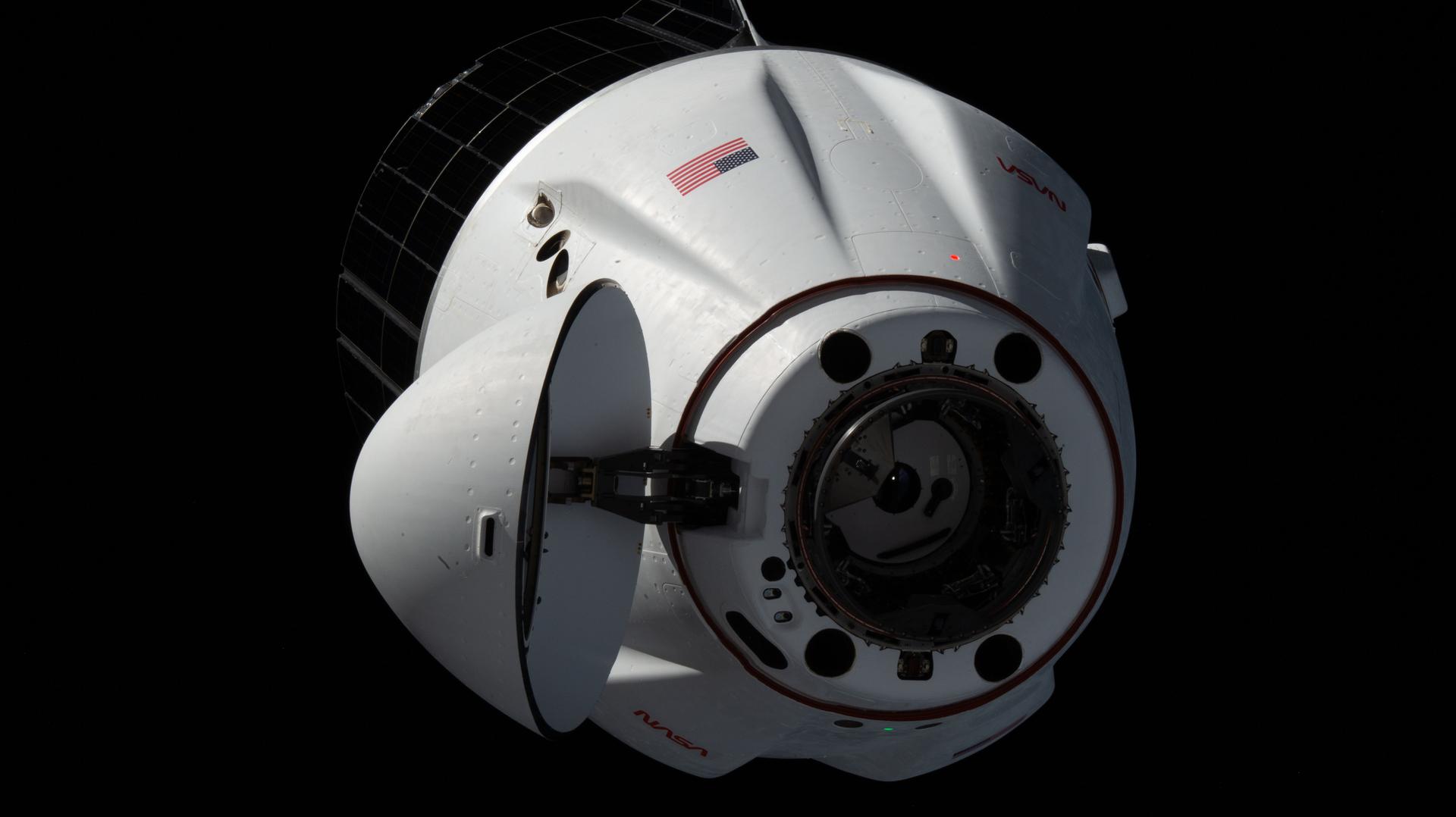
Due to unfavorable weather, NASA and SpaceX are standing down from Wednesday’s undocking opportunity of the Dragon cargo spacecraft that arrived at the International Space Station on Oct. 15.
ROSES-25 D.11 U.S. Contributions to Ariel Preparatory Science (Ariel US CAPS) is the second U.S. Community participation call, the prior one having been solicited in ROSES-24. This incarnation of Ariel US CAPS is strongly oriented toward gathering data (e.g., time series photometry, high resolution imaging, high resolution spectroscopy, and precision radial velocity) necessary for confirmation
It’s Thanksgiving time, and we’re giving thanks to you for doing NASA Science with us! You and NASA’s other volunteers have enabled an incredible banquet of discoveries—by taking data, analyzing data, writing code, writing papers, and even inventing your own science projects. Whether you’re an expert participant or someone who’s just started your science journey,
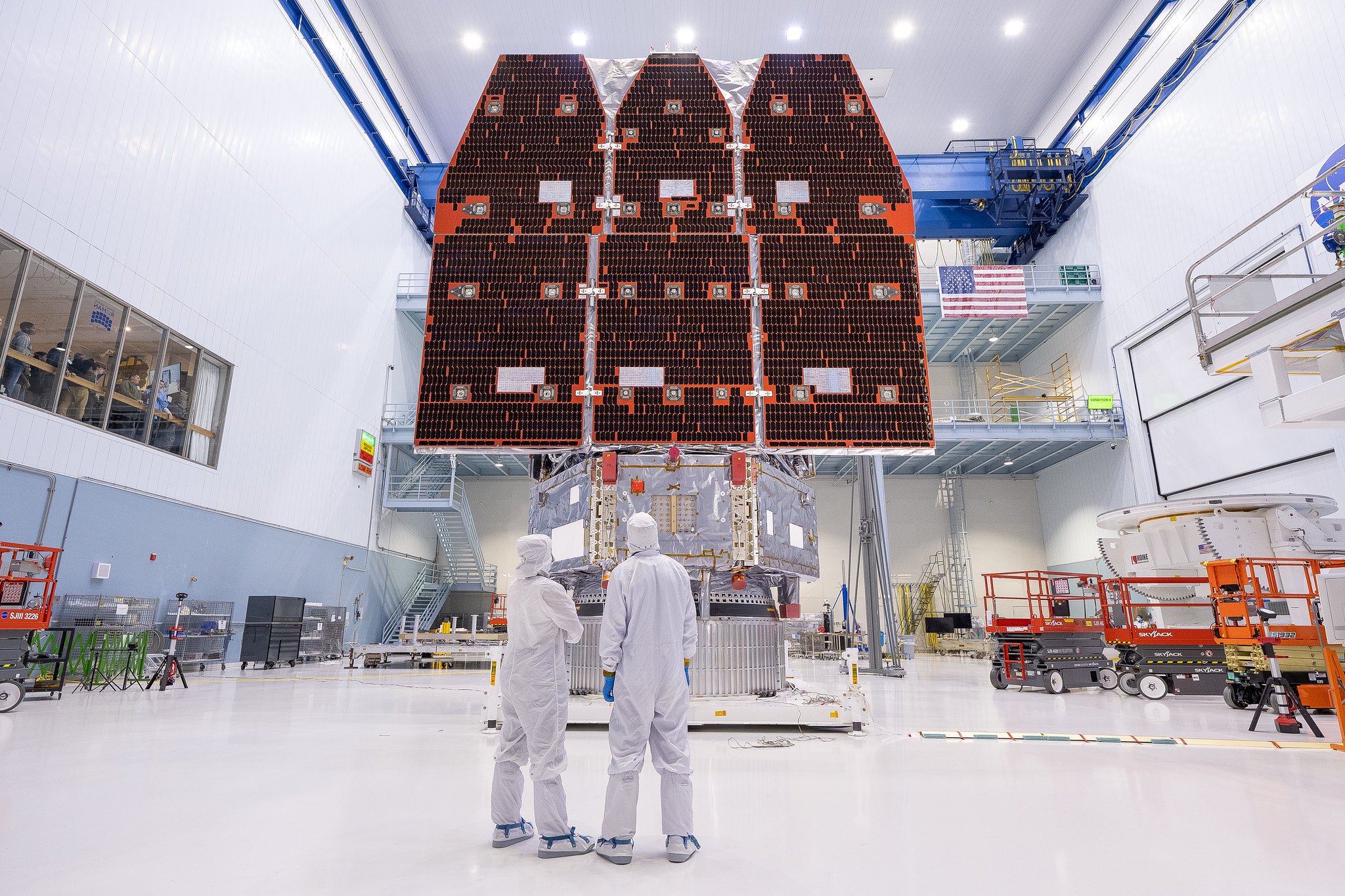
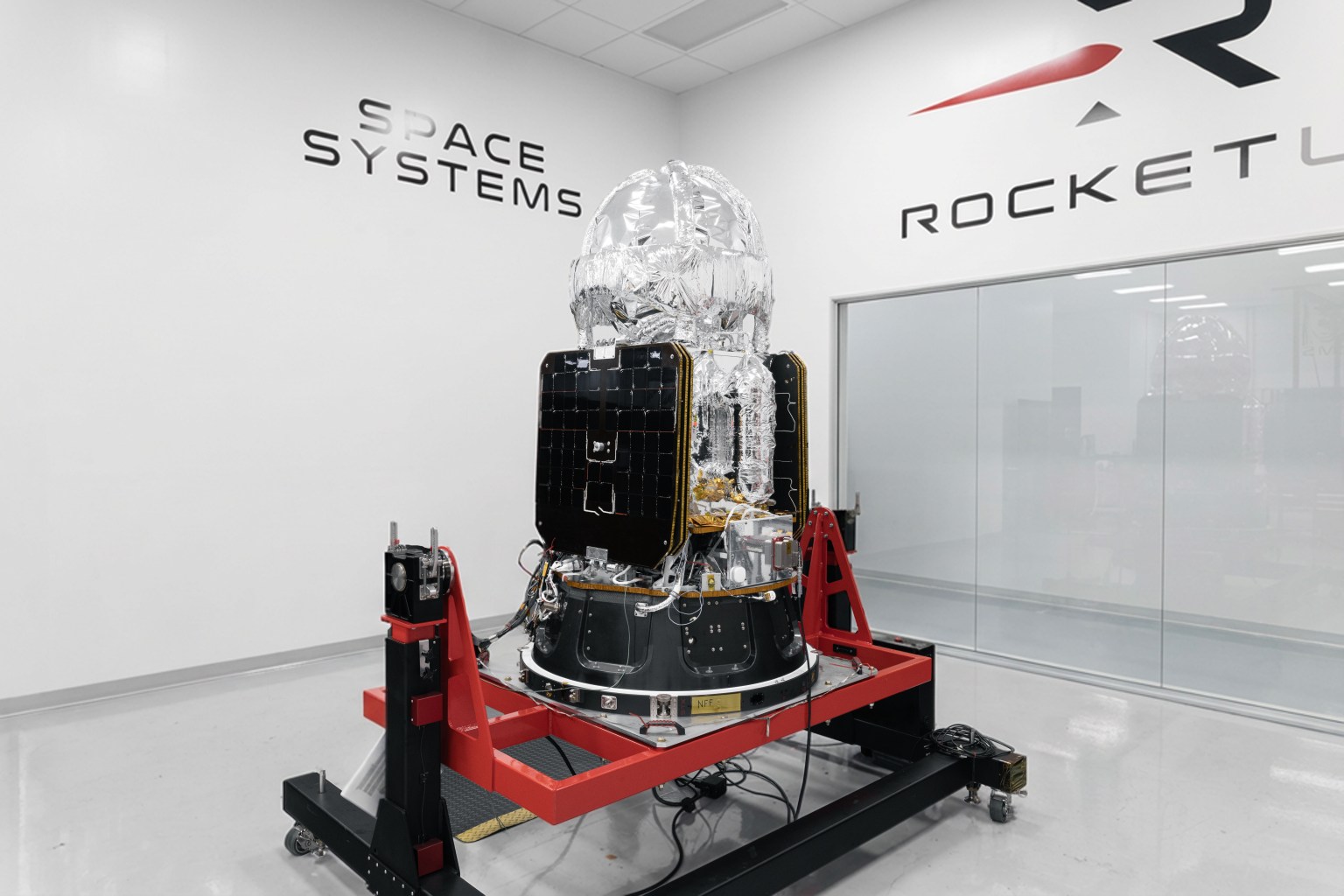
Satellites designed to track water dynamics and temperature changes across Earth’s surface launch in 2027
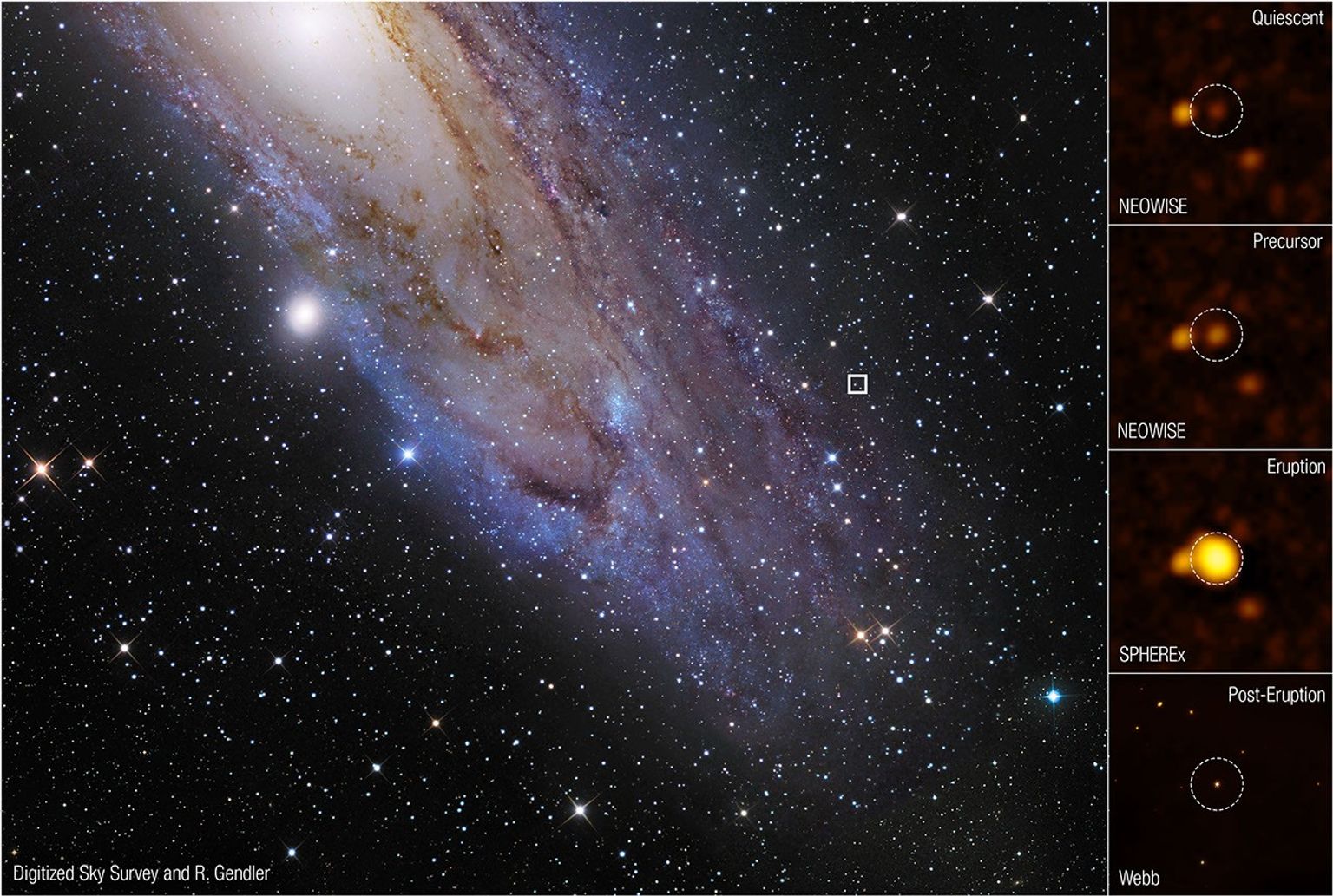
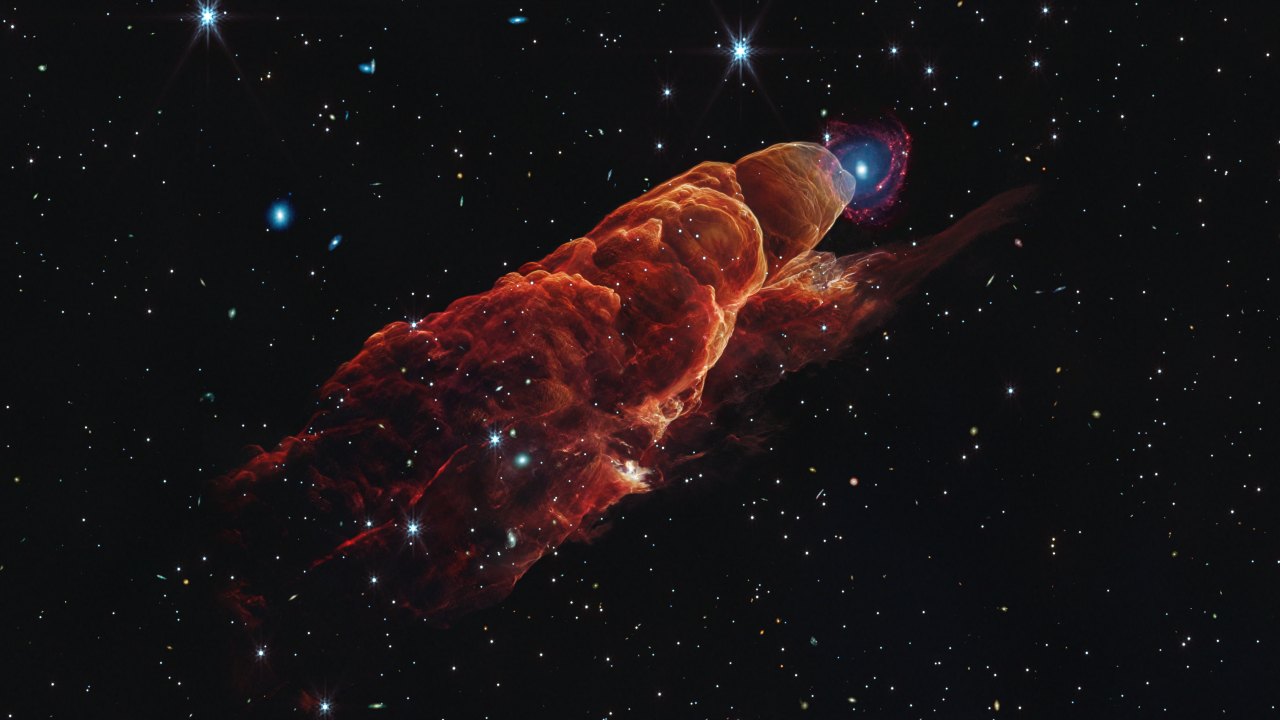
Researchers recently identified a first of its kind: A star slightly less massive than the Sun spiraled into and merged with a puffy supergiant star at the outskirts of our neighboring Andromeda galaxy. They nicknamed the newly single, potentially “rejuvenated” star Bao. Their NASA-funded discovery was then bolstered by quick-turn observations from NASA’s James Webb
Scott Poll serves as the Deputy Chief of the Intelligent Systems Division at NASA Ames Research Center, where he supports the development of technologies that reason, adapt, solve problems, and make timely, safety-critical survival and operational decisions. He joined Ames in 1992 as a cooperative education student in the Aerodynamics Division. Over the following decades,
NASA and SpaceX are standing down from Wednesday’s Dragon undocking opportunity from the International Space Station due to unfavorable weather conditions at the splashdown sites off the coast of California.
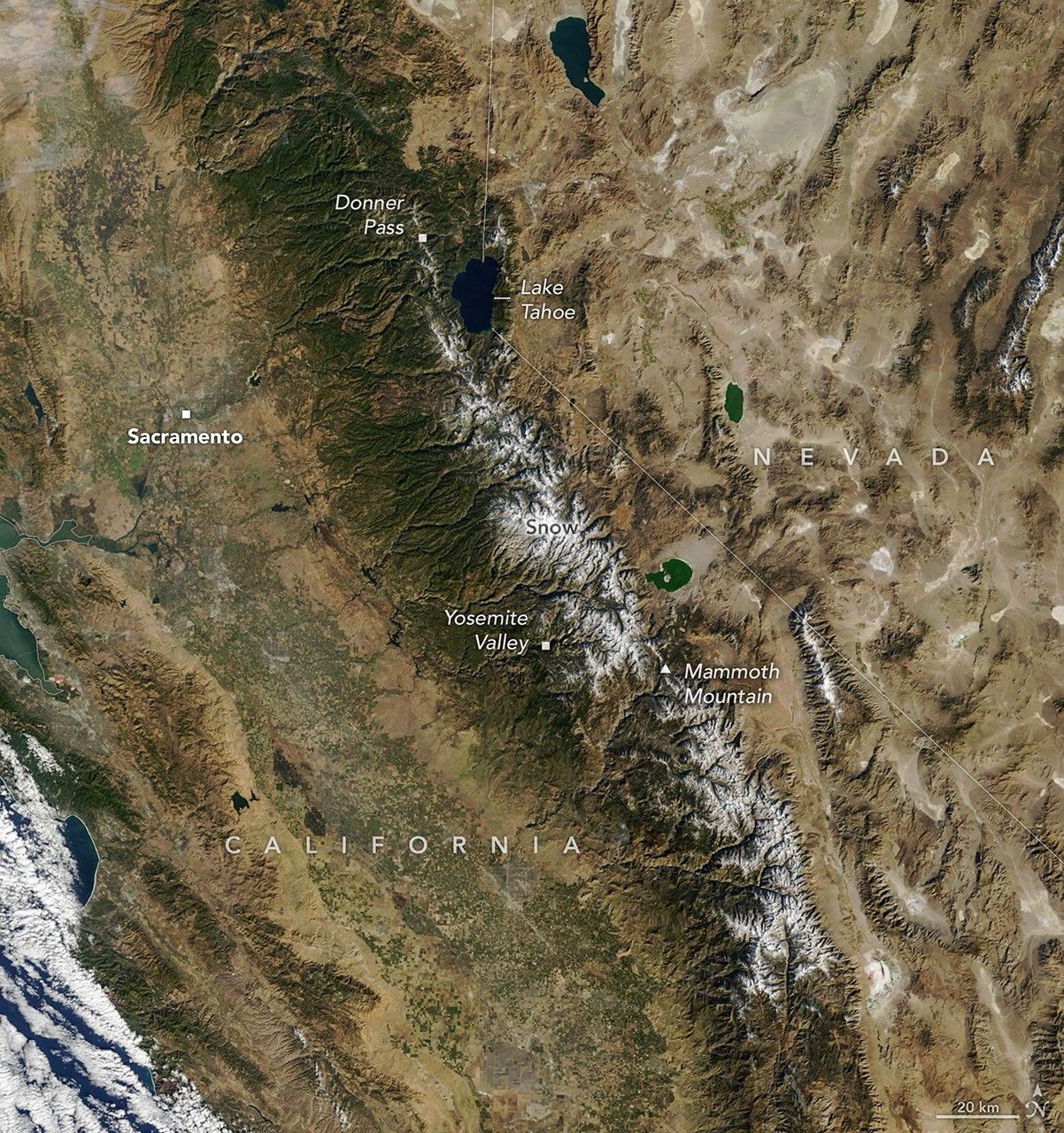
A widespread, early-season snowstorm blanketed California’s mountains in white in mid-November 2026.
NASA’s Power to Explore Student Challenge kicked off Tuesday, Nov. 17. The science, engineering, technology, and mathematics (STEM) challenge invites kindergarten through 12th grade students in the United States to learn about space nuclear power systems and illustrate how these nuclear “batteries” could help power their lunar exploration vision. Students are also invited to write
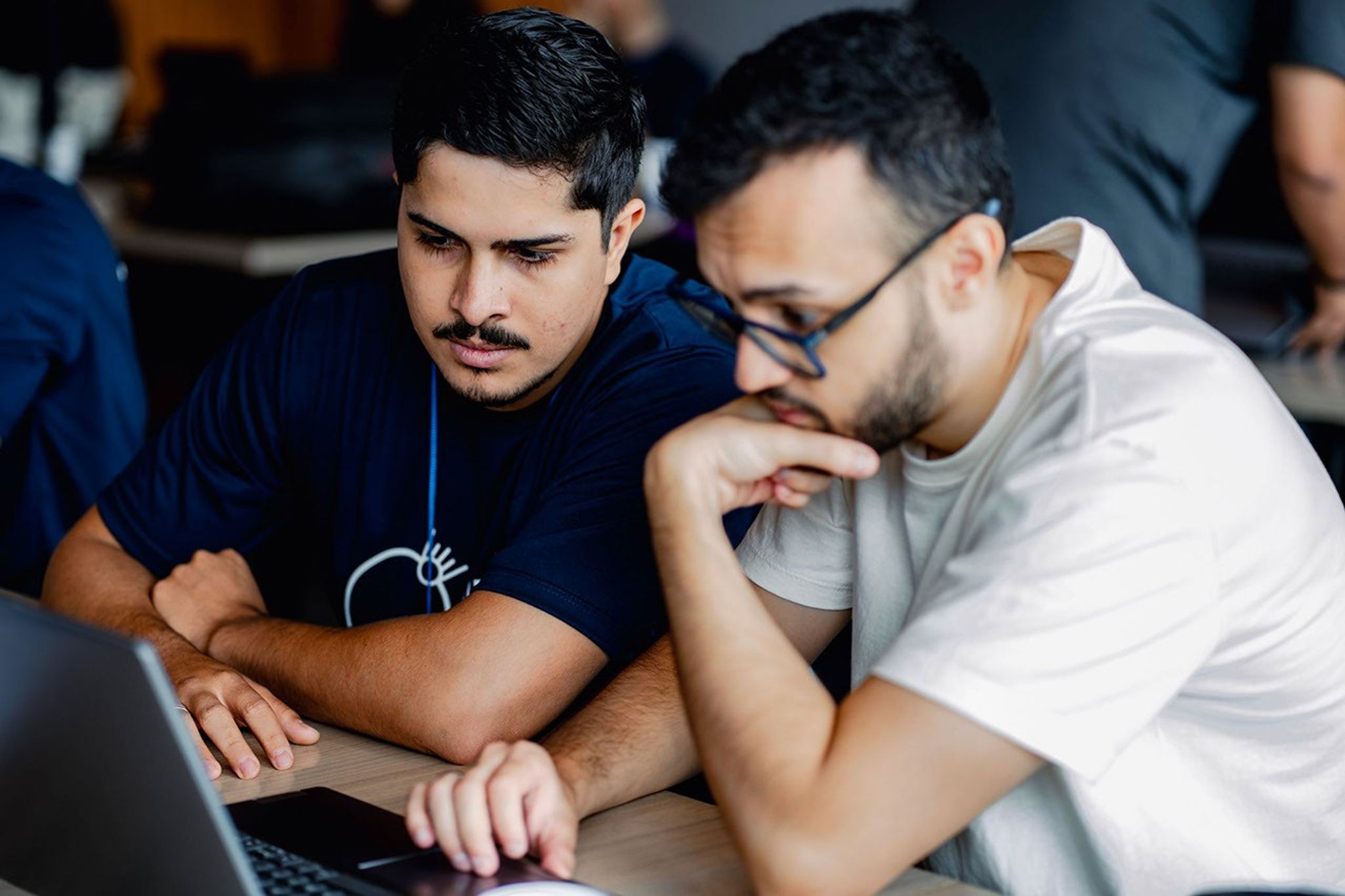
On Nov. 14 and 15, NASA held the annual Space Apps Challenge with a record-breaking 181,835 registered participants taking part in 593 events around the world. The annual hackathon invites participants to use NASA’s open data to address one of 14 challenges focused on space exploration or Earth science. This year, the hackathon drew 59%
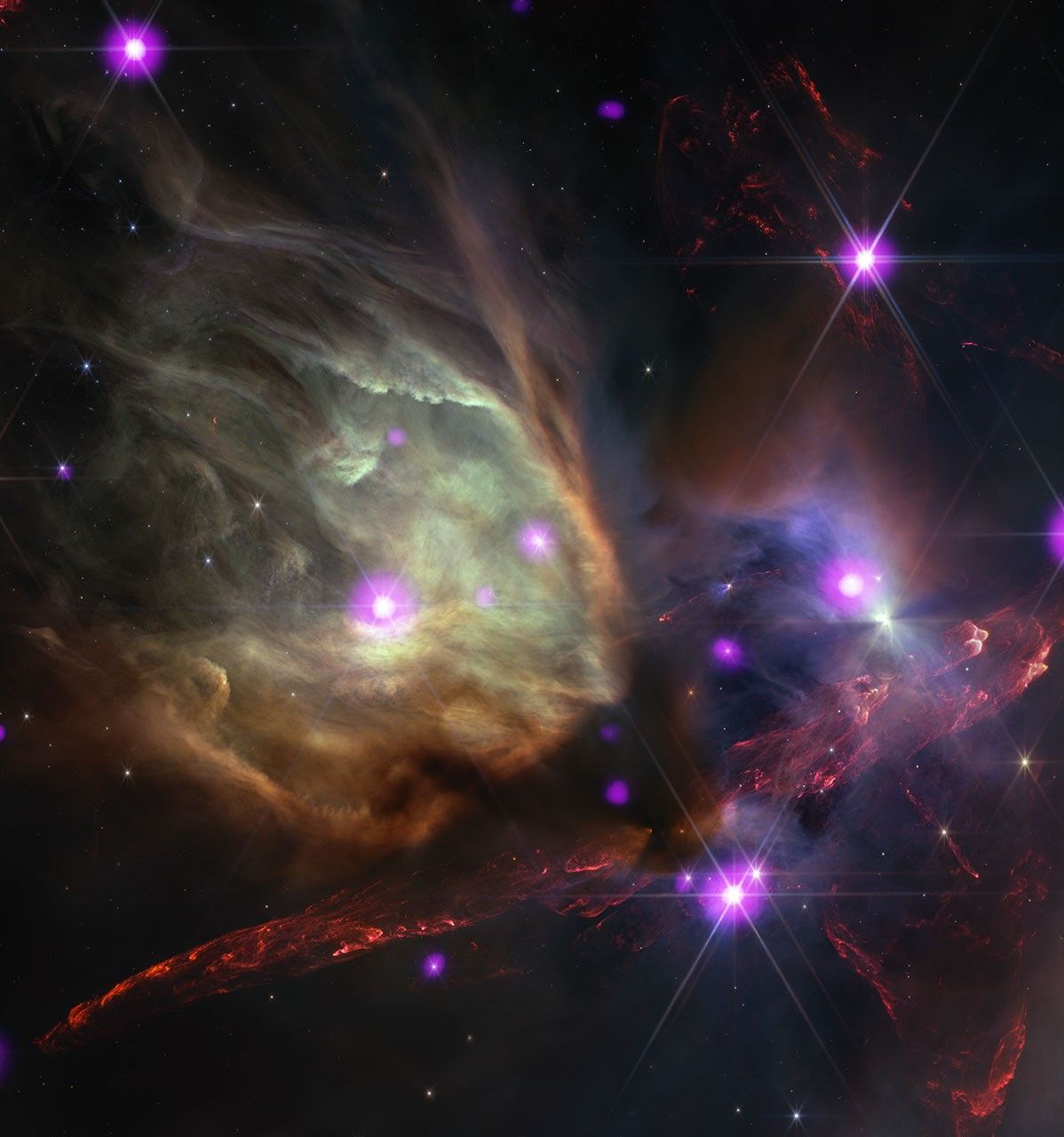
A new album from NASA’s Chandra X-ray Observatory collects snapshots of baby stars across the galaxy and beyond and transforms that data into sound. Four new sonifications use data of stars that are actively forming, captured by Chandra and other NASA telescopes By studying places in the universe where stars are currently being born and
The chairs of the three associated Program Analysis Groups – PhysPAG, COPAG, and ExoPAG – will jointly present community prioritizations to the head of the NASA Astrophysics Division.
Moon Radio Interferometer for Science and Exploration (MoonRISE) Speakers Saptarshi Bandyopadhyay, Alex Hegedus, and Marin Anderson Seminar Connection TBA
The chairs of the three associated Program Analysis Groups – PhysPAG, COPAG, and ExoPAG – will jointly present community prioritizations to the head of the NASA Astrophysics Division.
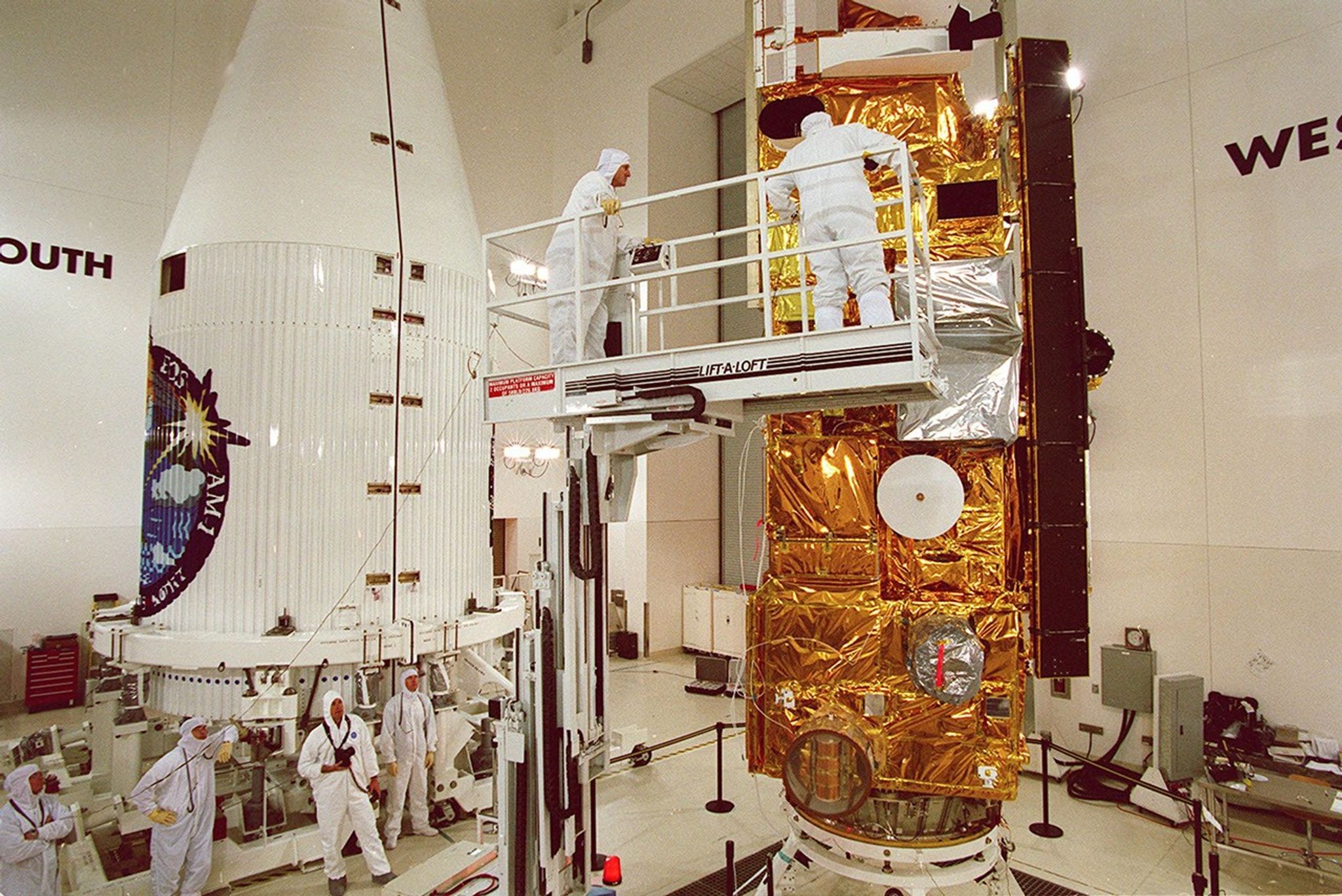
After 27 years of providing insights into Earth’s interconnected atmosphere, lands, oceans, and biology, NASA’s Terra satellite will stop collecting science data on Dec. 1. Terra, a workhorse of the Earth Observing System, was designed for a six-year mission. After operating for more than four times that, the spacecraft’s systems are aging and its orbit is
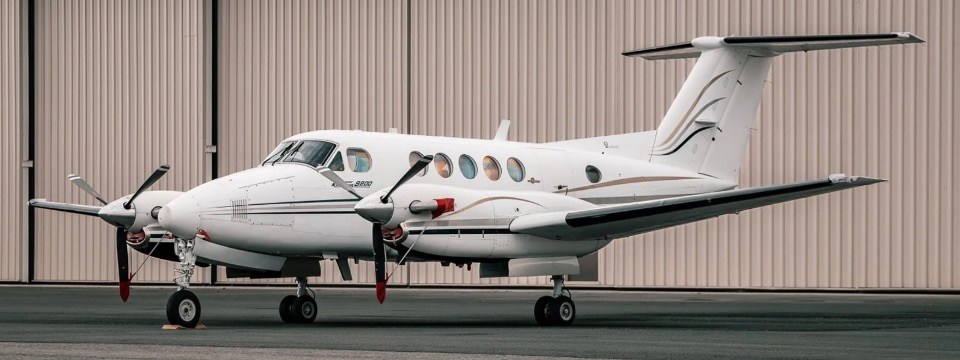
Editor’s Note: This article was originally published on Oct. 15, 2026, and has been updated to correct the location and update the duration of the flight deployment. A NASA Dynamic Aviation A200 aircraft will conduct low-flying research flights over farmland near Amarillo, Texas, from Thursday, Oct. 22, through Monday, Nov. 2. These flights will measure
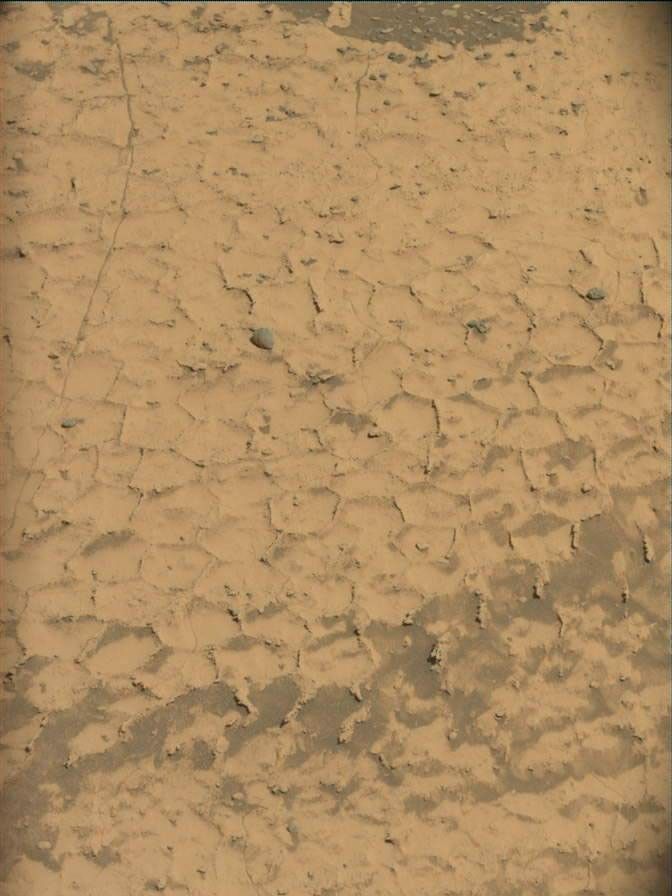
Written by Abigail Fraeman, Deputy Project Scientist, Jet Propulsion Laboratory, California Institute of Technology Earth planning date: Friday, Nov. 13, 2026 Curiosity’s past several weeks have been very focused on drilling and analysis of the “Basque Lakes” and “Nazca” samples. We learned a lot from those drilled samples, but it’s time to hit the Martian
NASA will release the first images from its Nancy Grace Roman Space Telescope during a live stream from the American Geophysical Union (AGU) Annual Meeting in San Francisco at 3:30 p.m. EST (12:30 p.m. PST) Monday, Dec. 7. The images will showcase the unique scientific capabilities of Roman, which will soon capture deep, panoramic, never-before-seen
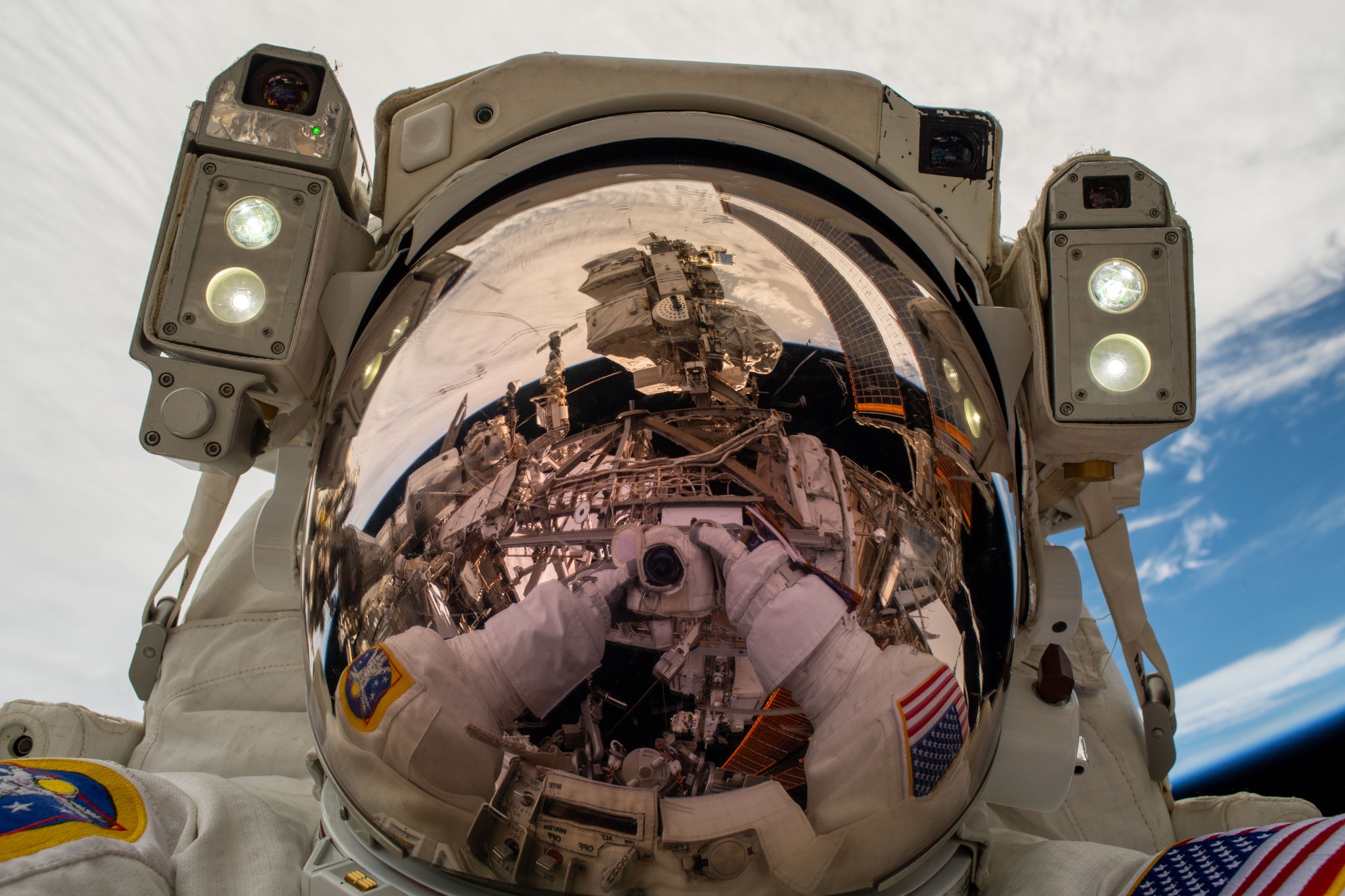
NASA astronaut Anil Menon took this selfie during a spacewalk on Oct. 29, 2026. He and CSA (Canadian Space Agency) astronaut Joshua Kutryk installed a new roll-out solar array on the International Space Station. Get daily updates from the space station. Image credit: NASA/Anil Menon
Dr. Meghan Saephan is the Associate Chief for Research and Technology in the Intelligent Systems Division at NASA Ames Research Center. In this role, she supports multidisciplinary research and technology development focused on creating intelligent tools and capabilities that enable NASA missions to operate in increasingly complex, autonomous, and data-rich environments. This work spans artificial
NASA relies on the science community to identify and prioritize leading-edge scientific questions each decade
Almost 50 years after launch, NASA’s Voyager mission is exploring space beyond the Sun’s protective bubble. No other human-made object has traveled that far. Now, Voyager 1 reaches a new milestone: it will be one light-day from Earth. Explore the distant shores of interstellar space with Jamie Rankin, the Voyager deputy project scientist. Jamie helps us understand what Voyager is revealing about our corner of the universe and how NASA keeps a nearly 50-year-old mission…
What are the challenges of managing cryogenic propellants? Why is overcoming these challenges important to NASA? Use of cryogenic, or ultra-cold, propellants in space presents several challenges. They include propellants boiling into a vapor if not kept extremely cold — around minus 300 degrees Fahrenheit minimum in the case of liquid oxygen. The other major
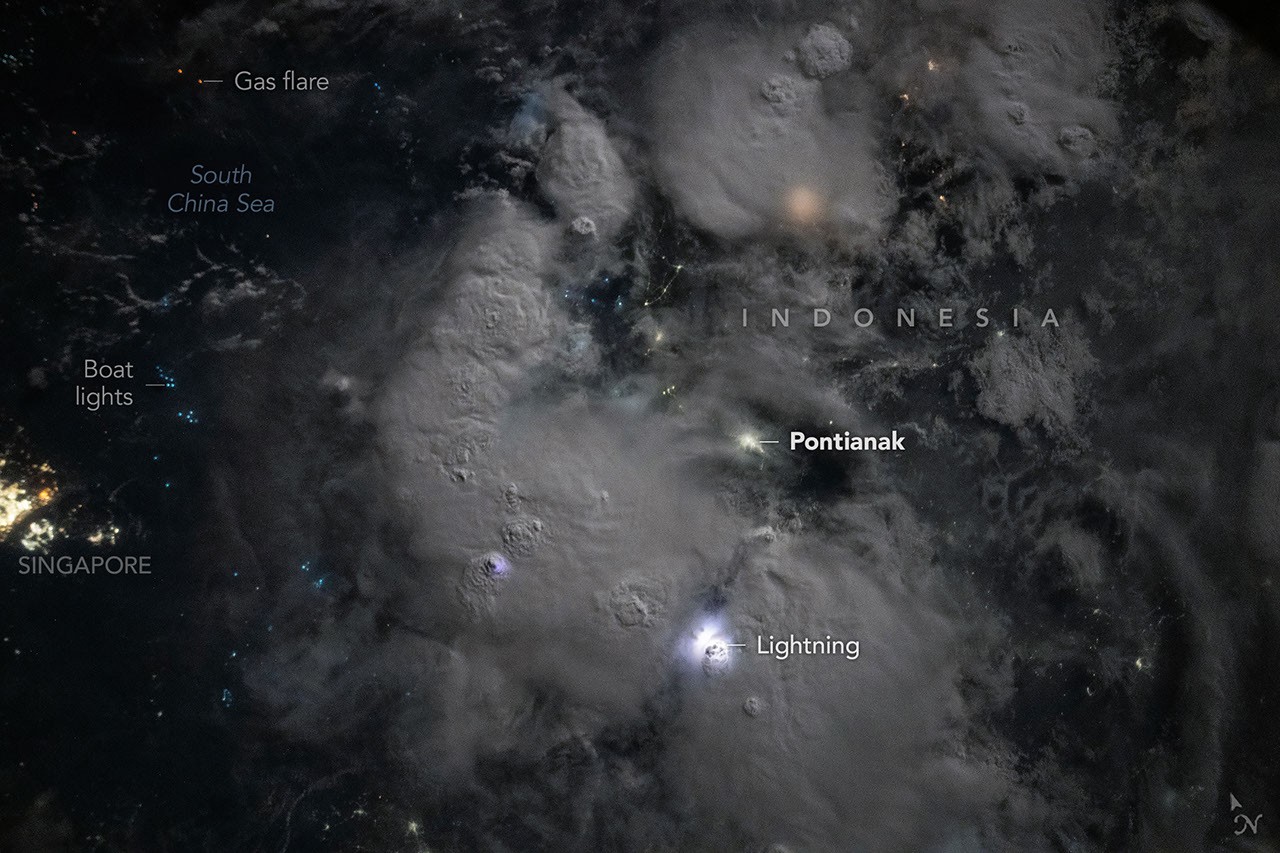
For many astronauts, the spectacular sight of lightning stands out when looking back at Earth from the International Space Station.
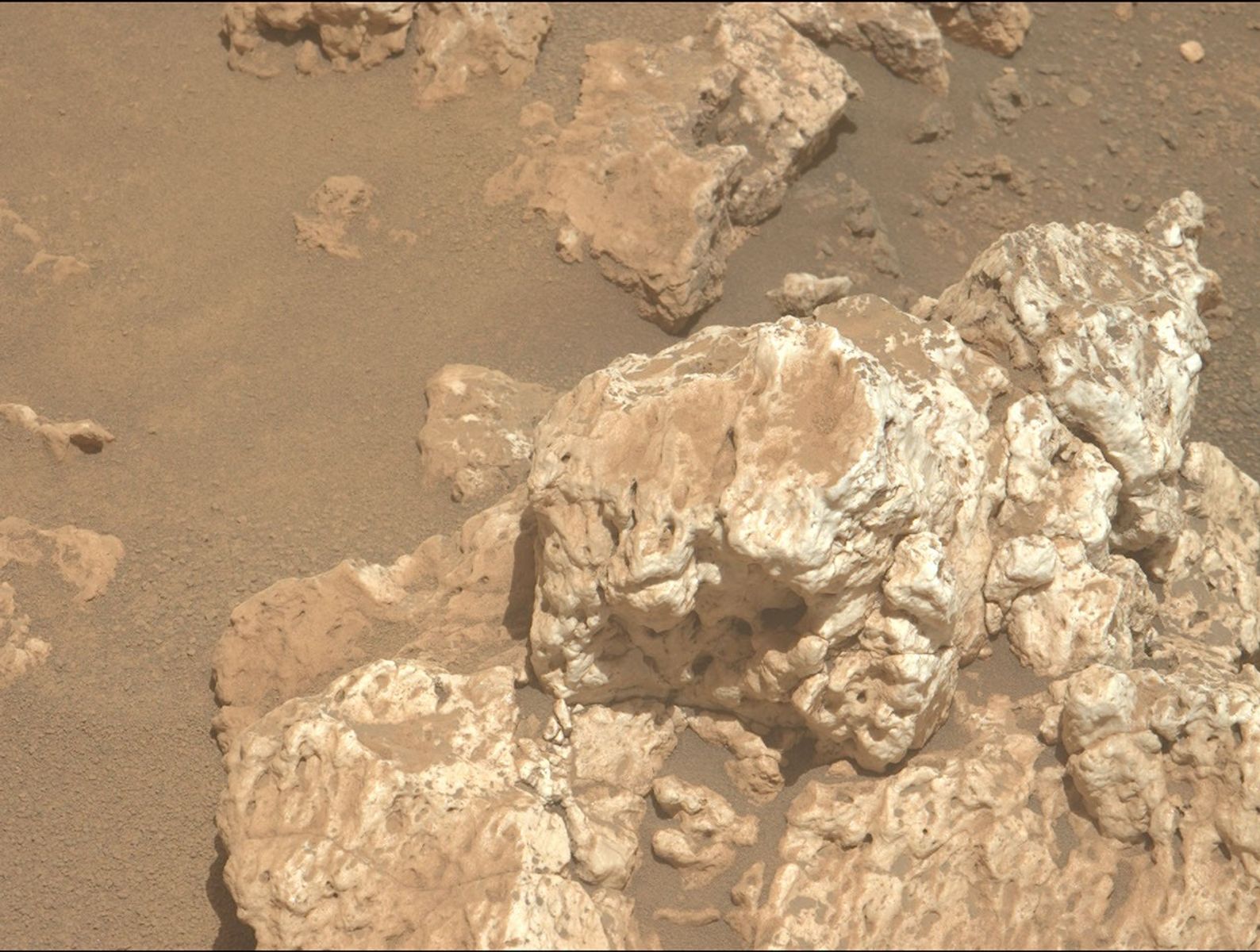
Written by Candice Bedford, Research Scientist at Purdue University Date: Nov. 16, 2026 During the Perseverance rover’s investigation of “Idubi” — an area of ancient Martian crust exposed in the “Lac de Charmes” region, outside of Jezero crater — the Perseverance rover team has been captivated by a cluster of eerily bright, light-toned rocks in
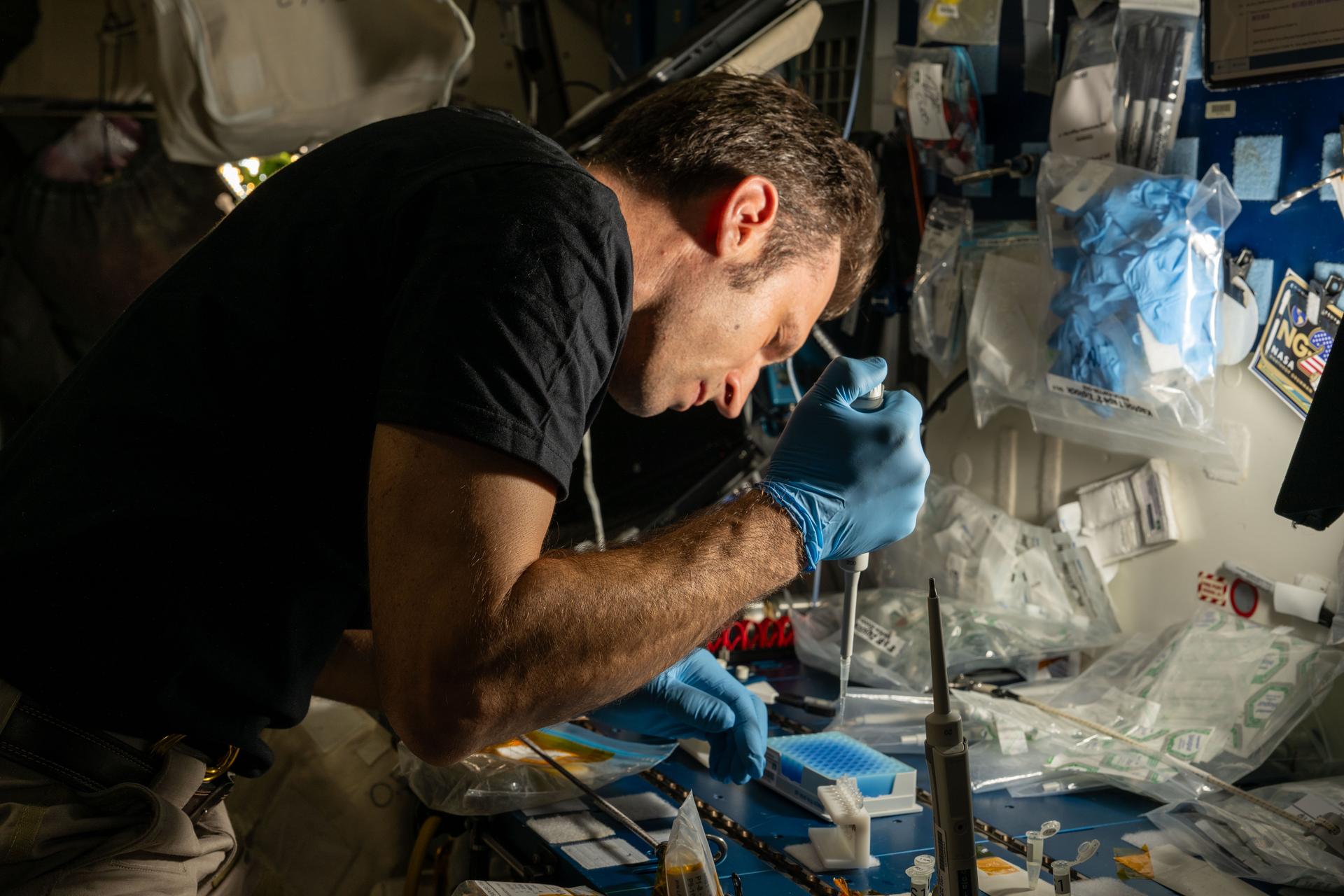
Biotechnology research including growing human lung cells and managing blood flow in space awaited the Expedition 75 crew on Monday. Spacesuit checks, cargo packing, and Earth observations rounded out the busy schedule aboard the International Space Station at the beginning of the week.
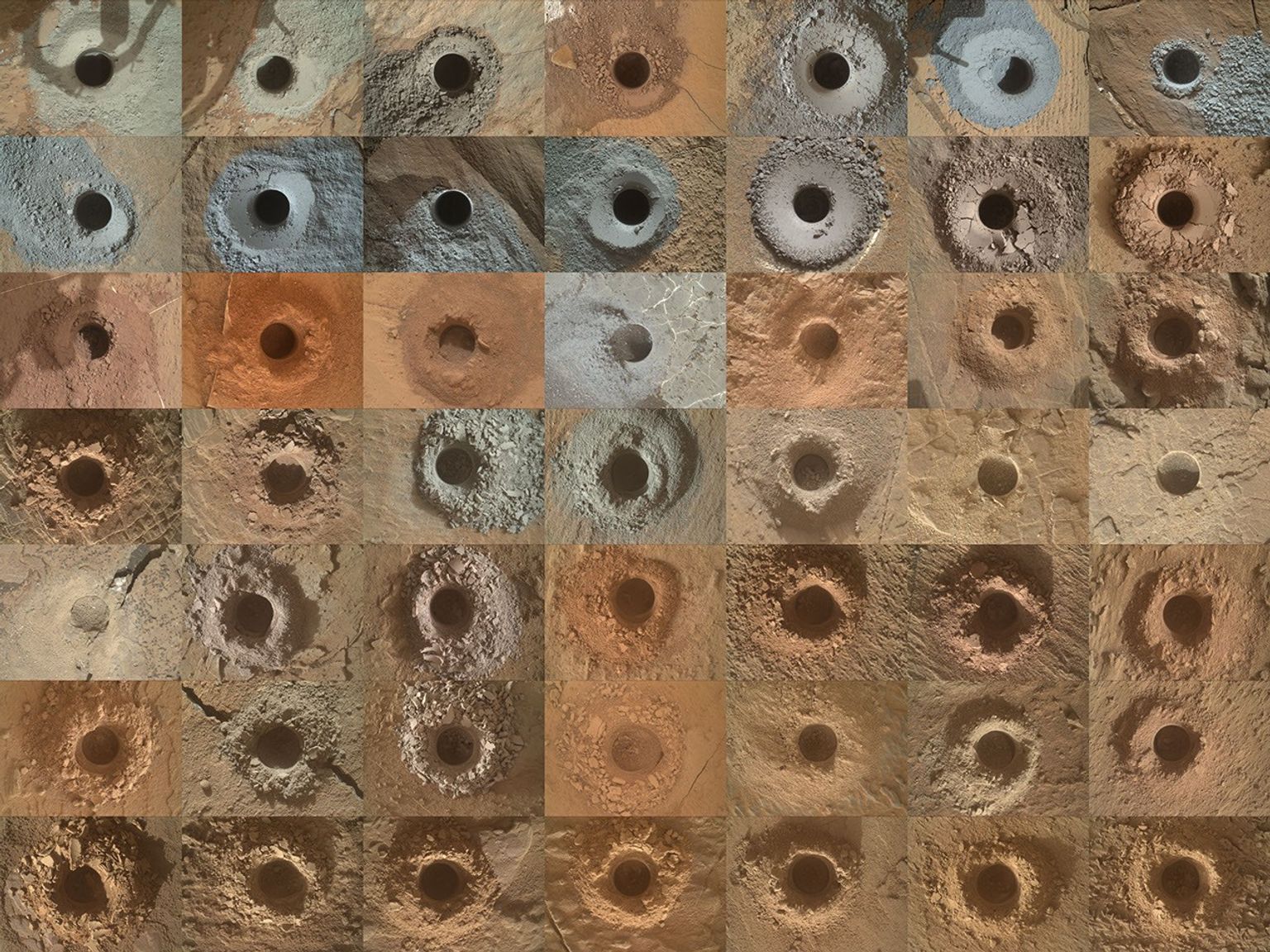
Description This collage shows 49 drill holes captured by NASA’s Curiosity Mars rover as of November 2026. Each hole represents a sample collected from rocks on the Martian surface; Curiosity’s drill, located on the end of its robotic arm, drops pulverized rock samples into instruments in its belly that analyze their composition. These images were