Meta rolls out Muse voice and expressive avatars in the US
Meta’s Muse adds real-time conversations, reactive avatars and hundreds of voice options, with US access on mobile, web and Mac.
Recent stories from TestingCatalog.
Meta’s Muse adds real-time conversations, reactive avatars and hundreds of voice options, with US access on mobile, web and Mac.
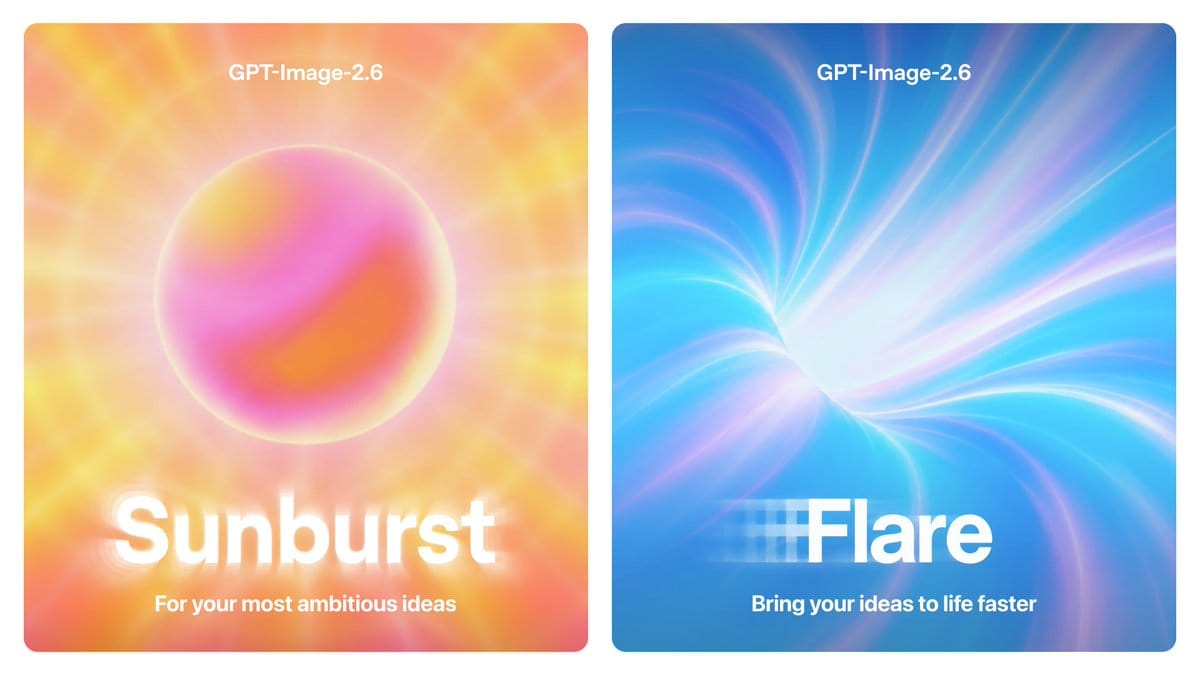
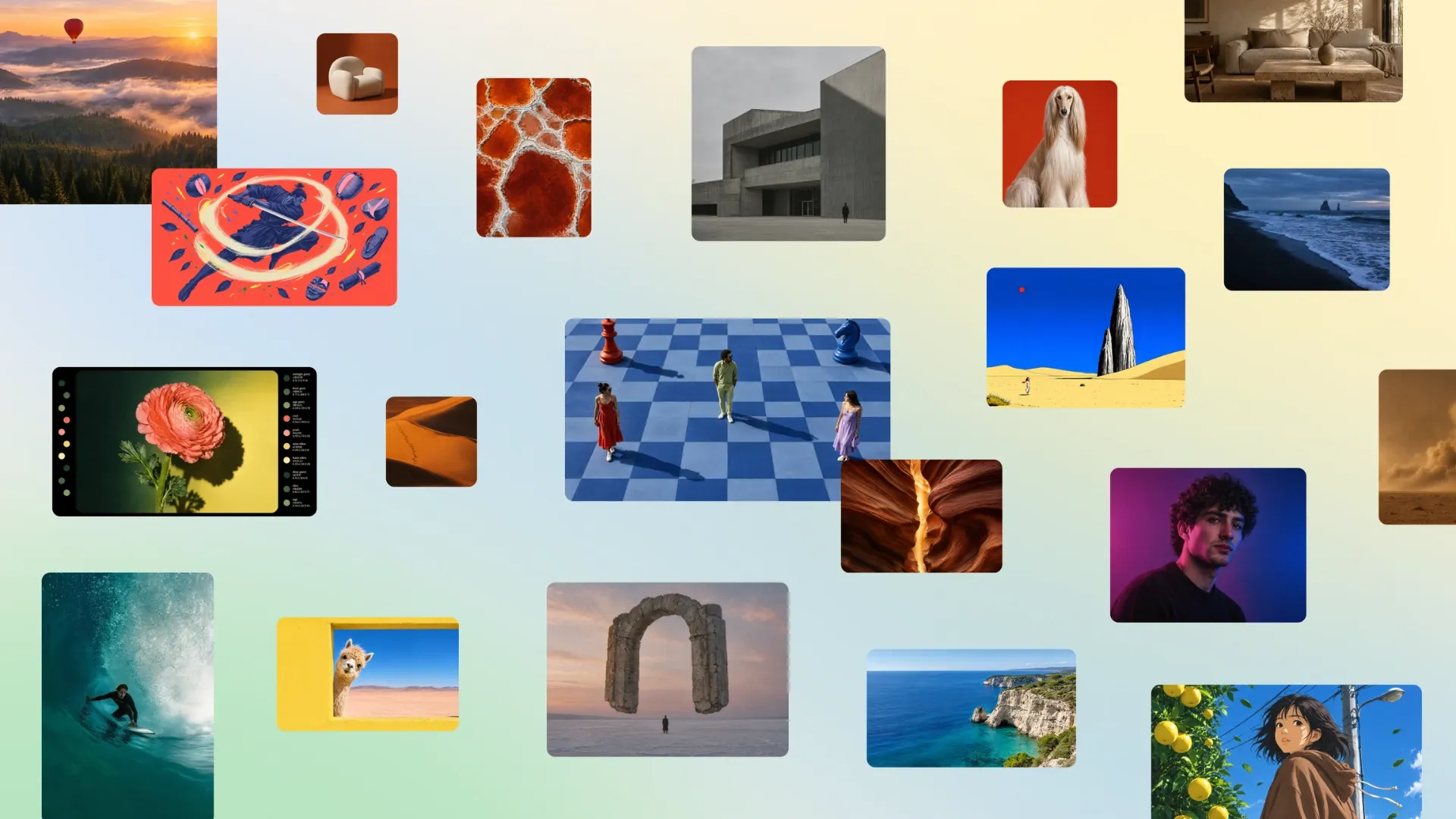
OpenAI Images 2.6 brings animated GIFs, faster image generation, Flare and Sunburst API models, and more precise editing controls.
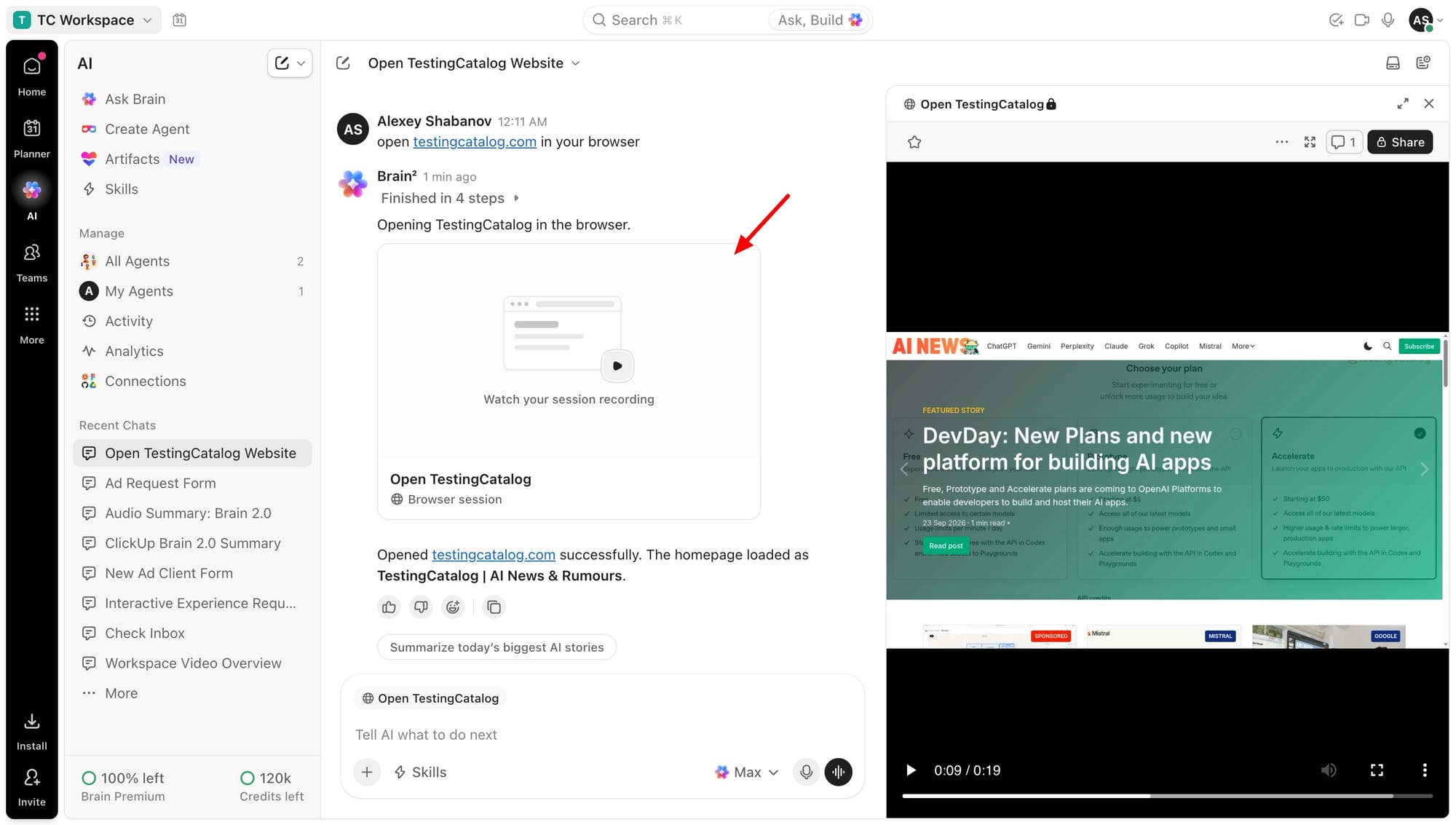
ClickUp is rolling out browser use in Brain, letting its workspace AI open websites, work through them and bring the results back into ClickUp.
GPT-6.2-astra is showing up in Codex usage analytics for several users, hinting OpenAI is quietly serving a new Astra model.
Claude Mythos 5.5 appears on Anthropic's site, raising questions about a near-term release, Fable 5.5, and who may get access.
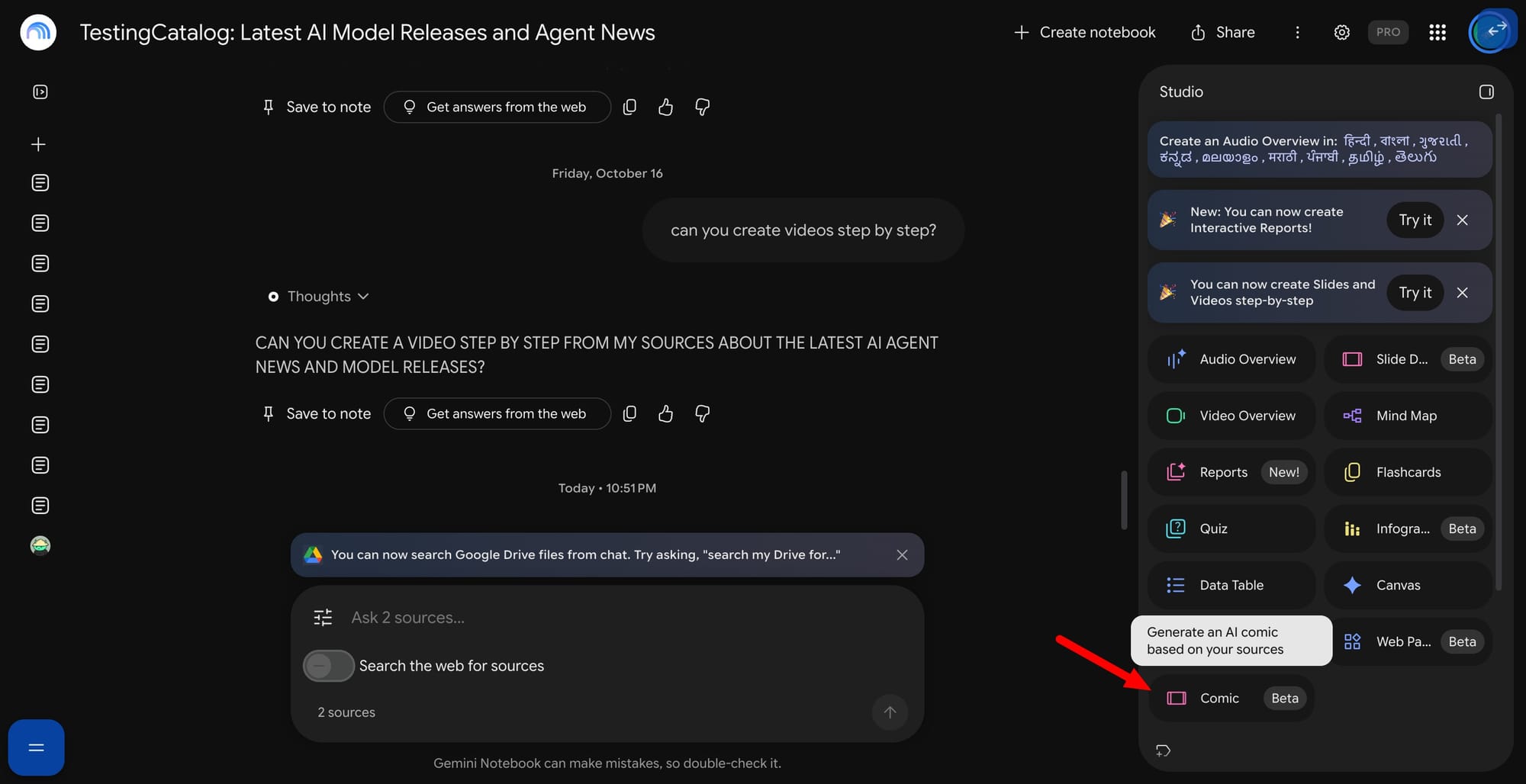
Google is developing a Comics artifact for Gemini Notebook, with four visual styles, language and orientation controls, but no release yet.
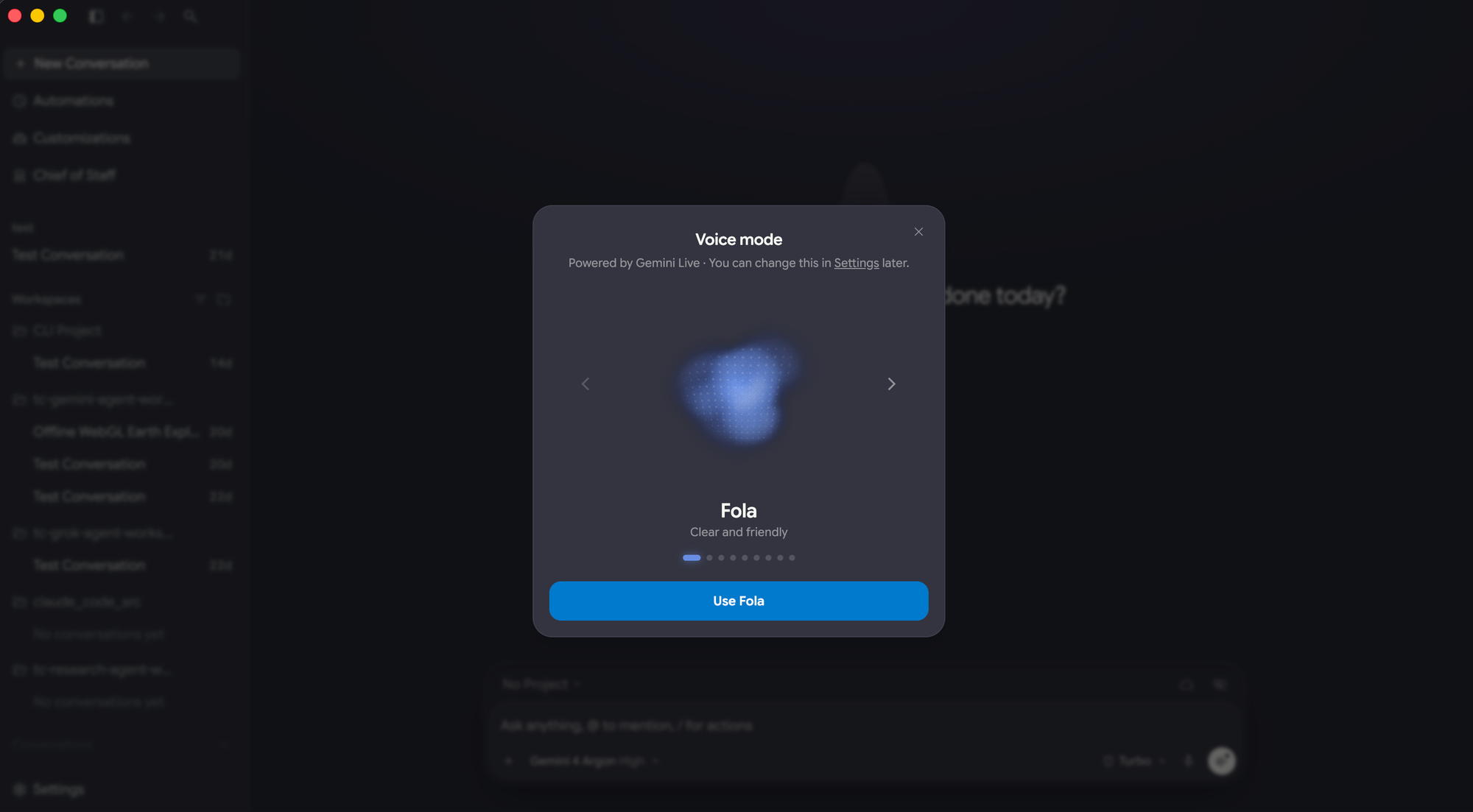
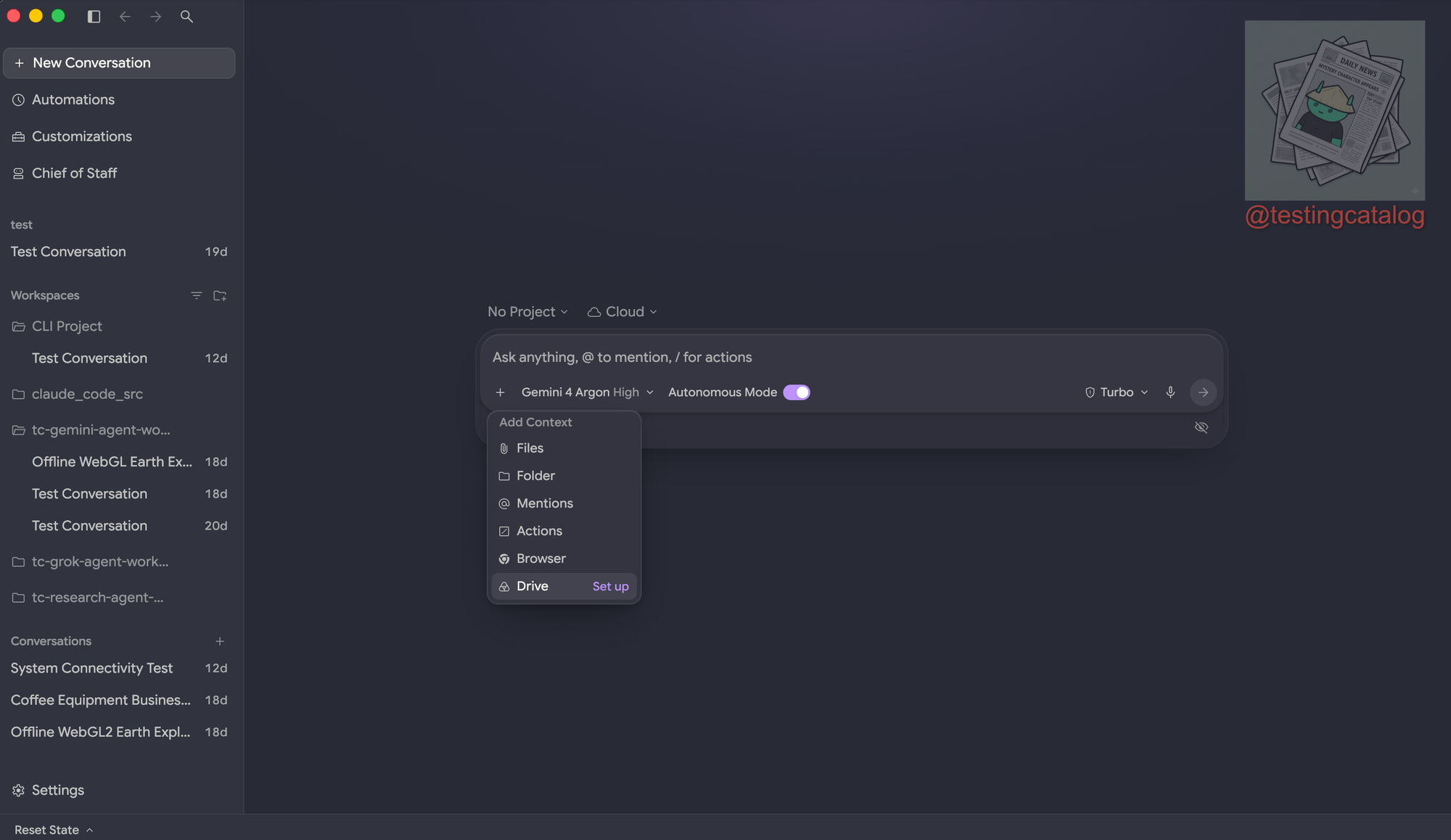
Google's latest Antigravity build points to a Chief of Staff agent with live voice chat, voice controls and a dashboard for managing tasks.
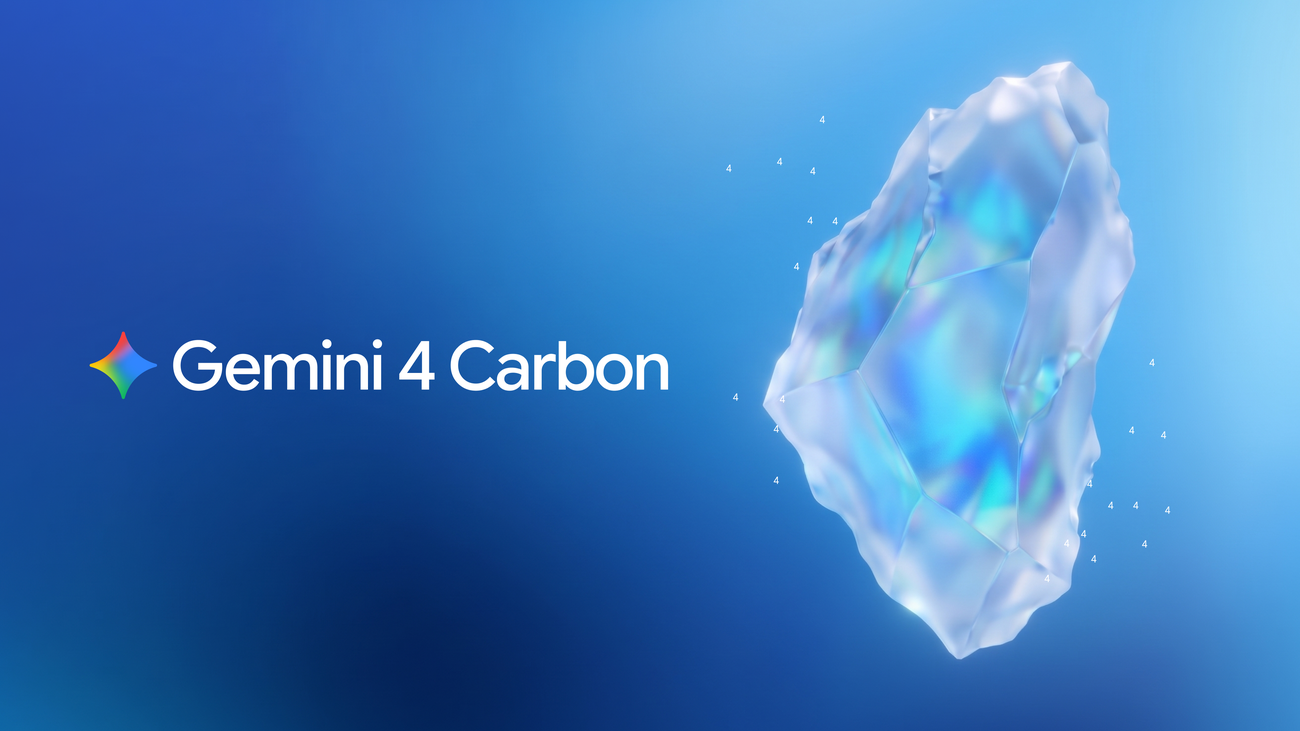
A new Gemini 4 Carbon checkpoint is showing up on Arena. Early testers say it's faster and much stronger at 3D and Three.js work than Argon.
Google is winding down Jules as an Antigravity build reveals a local/cloud toggle, Running Jobs section, and Google Drive attachments.
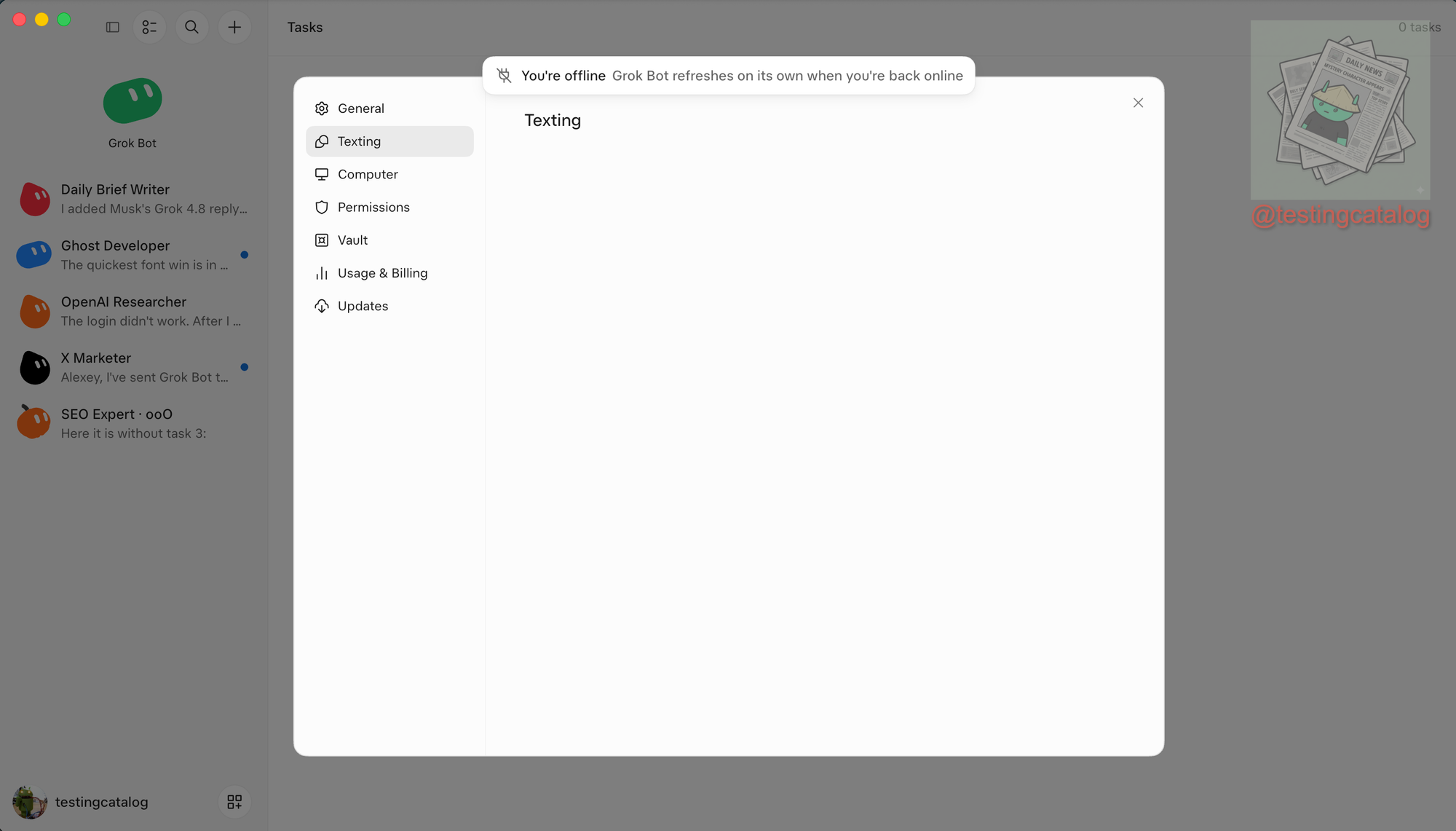
Grok Bot 1.0.0 is downloadable before its official rollout, while SpaceX AI develops Teams access, a Tasks tab and possible texting support.
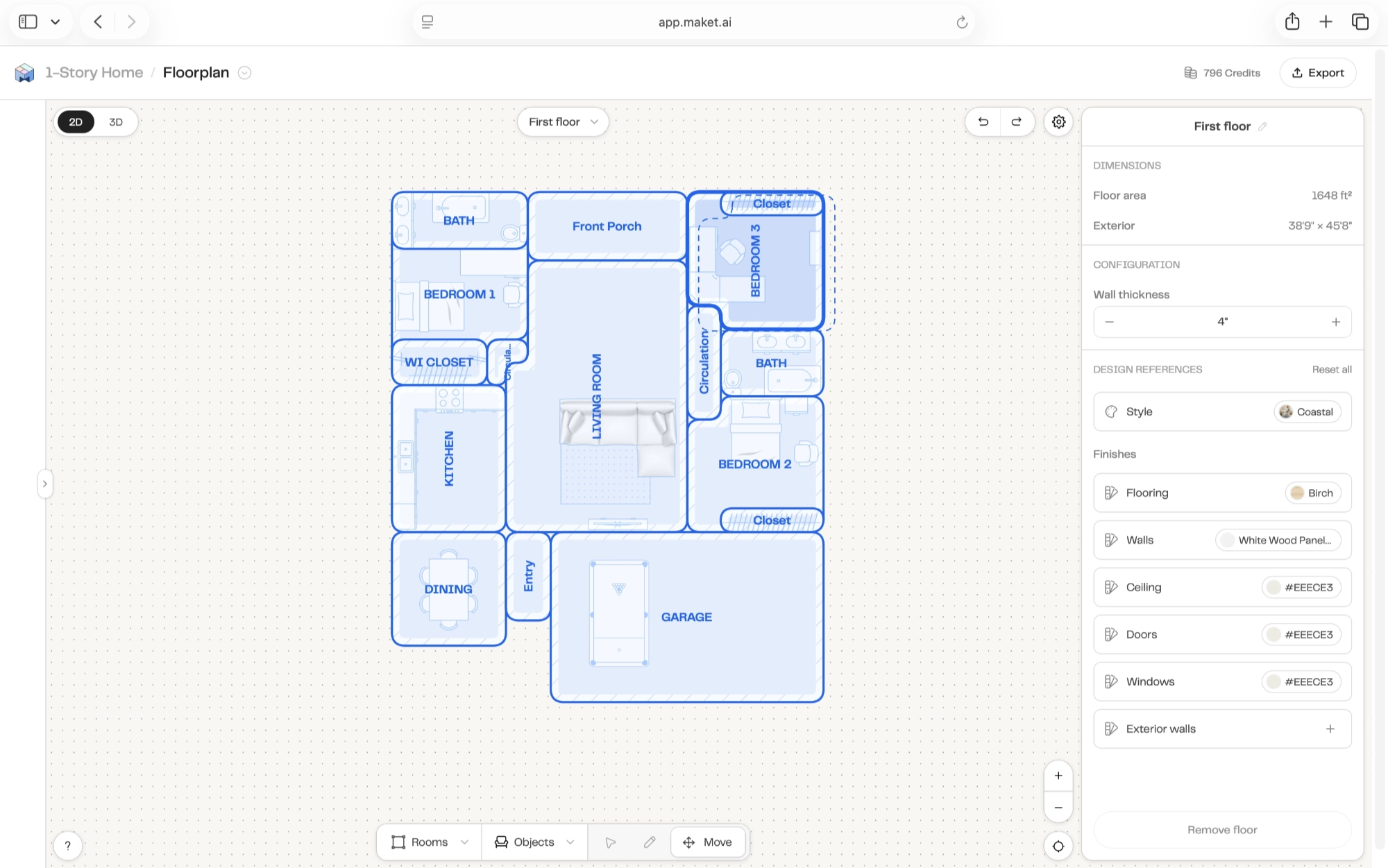
Maket has launched Move Rooms, a floor plan feature that drags whole rooms into new positions while reshaping walls, doors and circulation.
Mistral Large 4's open weights bring coding and cyber gains, self-hosting options, and a license requiring separate terms for model services.
XREAL AURA pairs Android XR and Gemini with 70-degree see-through glasses and a compute puck, with orders open in the US, Canada and Korea.
Google's Gemini 4 Carbon leads cyber benchmarks and begins a phased rollout to trusted defenders before wider access.
Google DeepMind previews Genie 4, a real-time world model with native audio, live scene steering and Gemini-guided simulations.
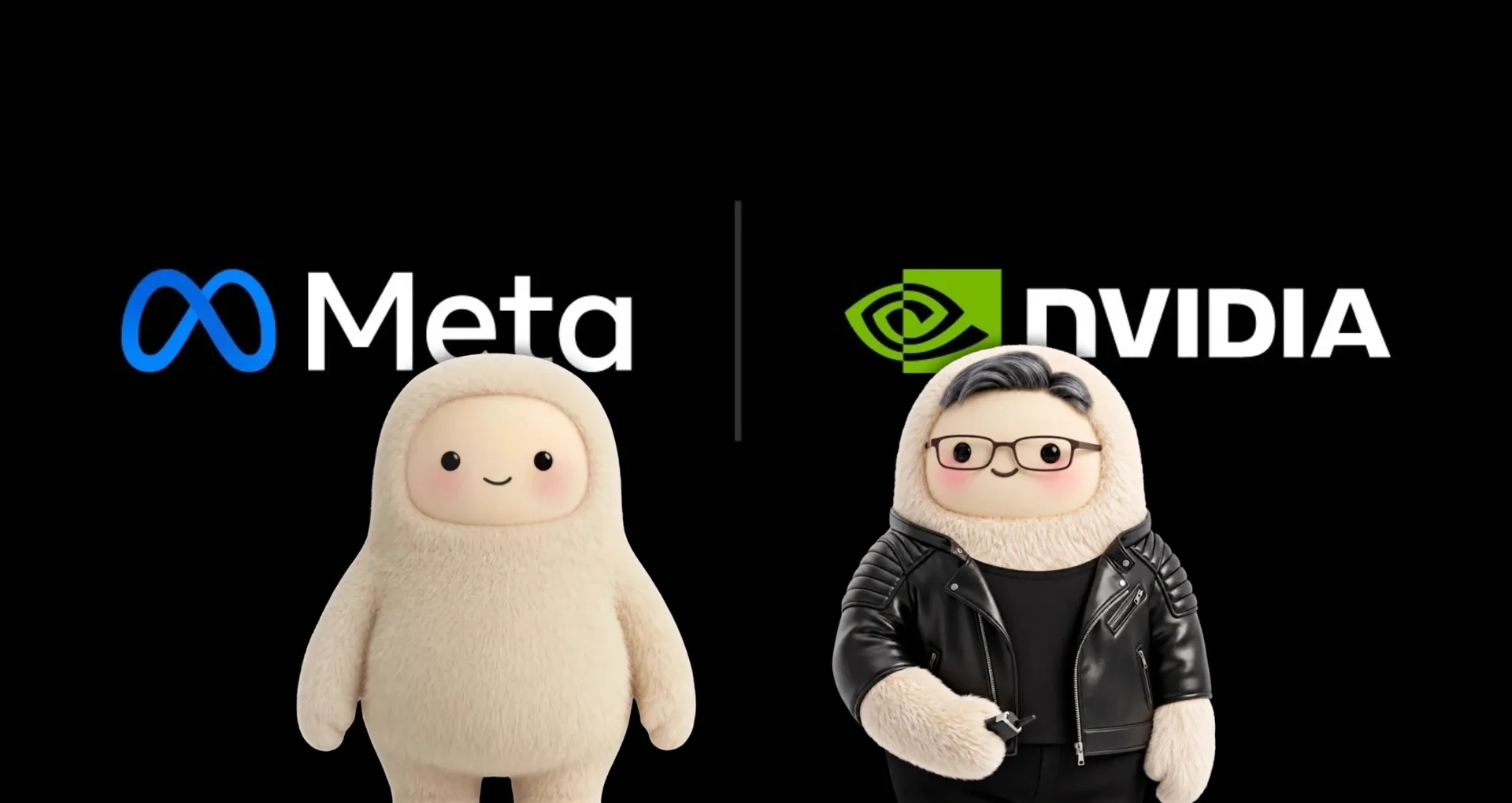
NVIDIA and Meta plan to optimize Muse models and agent infrastructure, consider OpenShell security work, and expand Vera Rubin deployments.
Glasser gives AI agents one key to 2,000+ paid data endpoints for SEO, company, and social data, with the price shown before every call.
OpenAI's GPT-6.1 Terra adds stronger visual reasoning and computer use, with lower API pricing and access in ChatGPT Work and Codex.
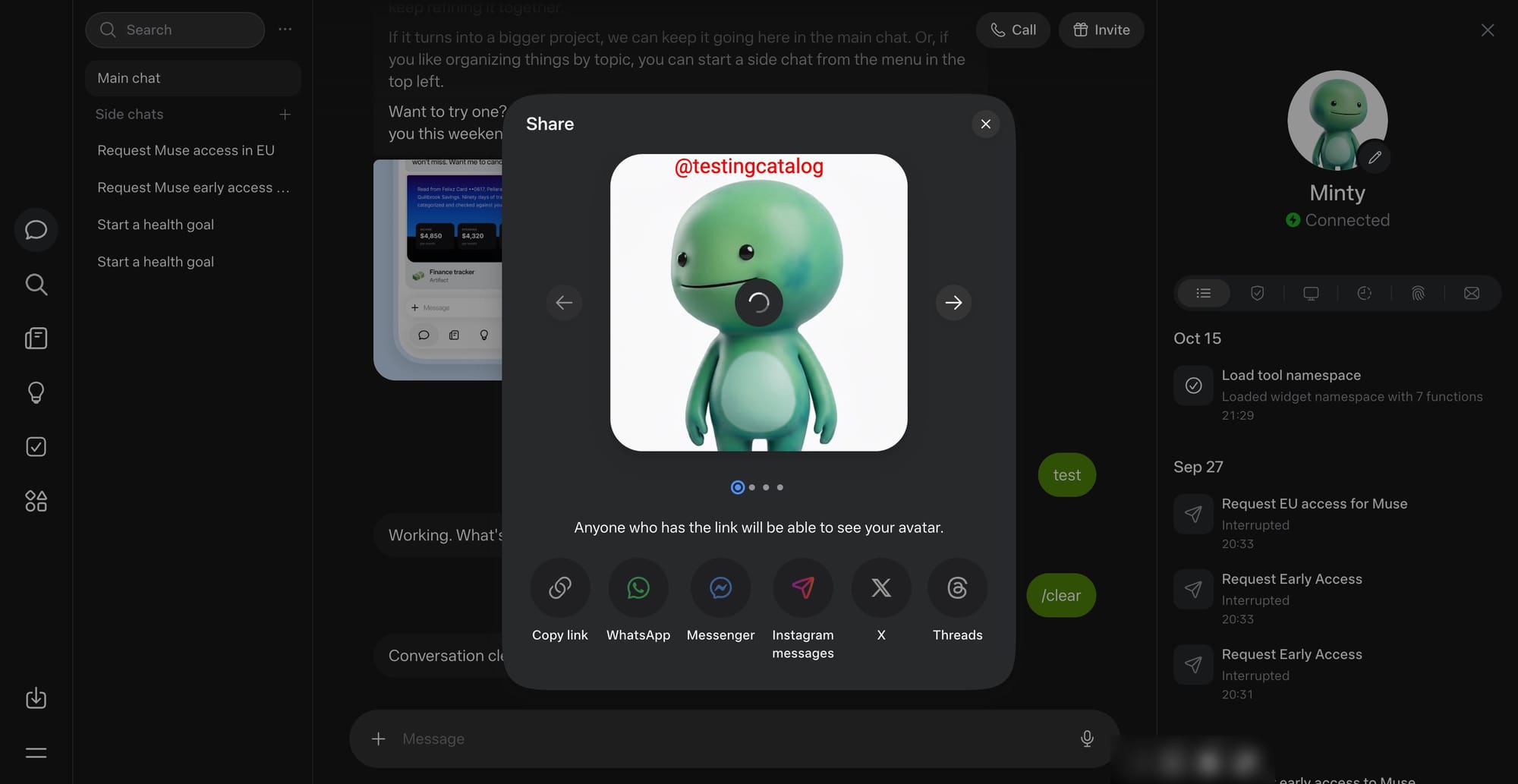
Meta is developing avatar sharing for Muse, with social links and four preview states appearing in its web interface ahead of release.
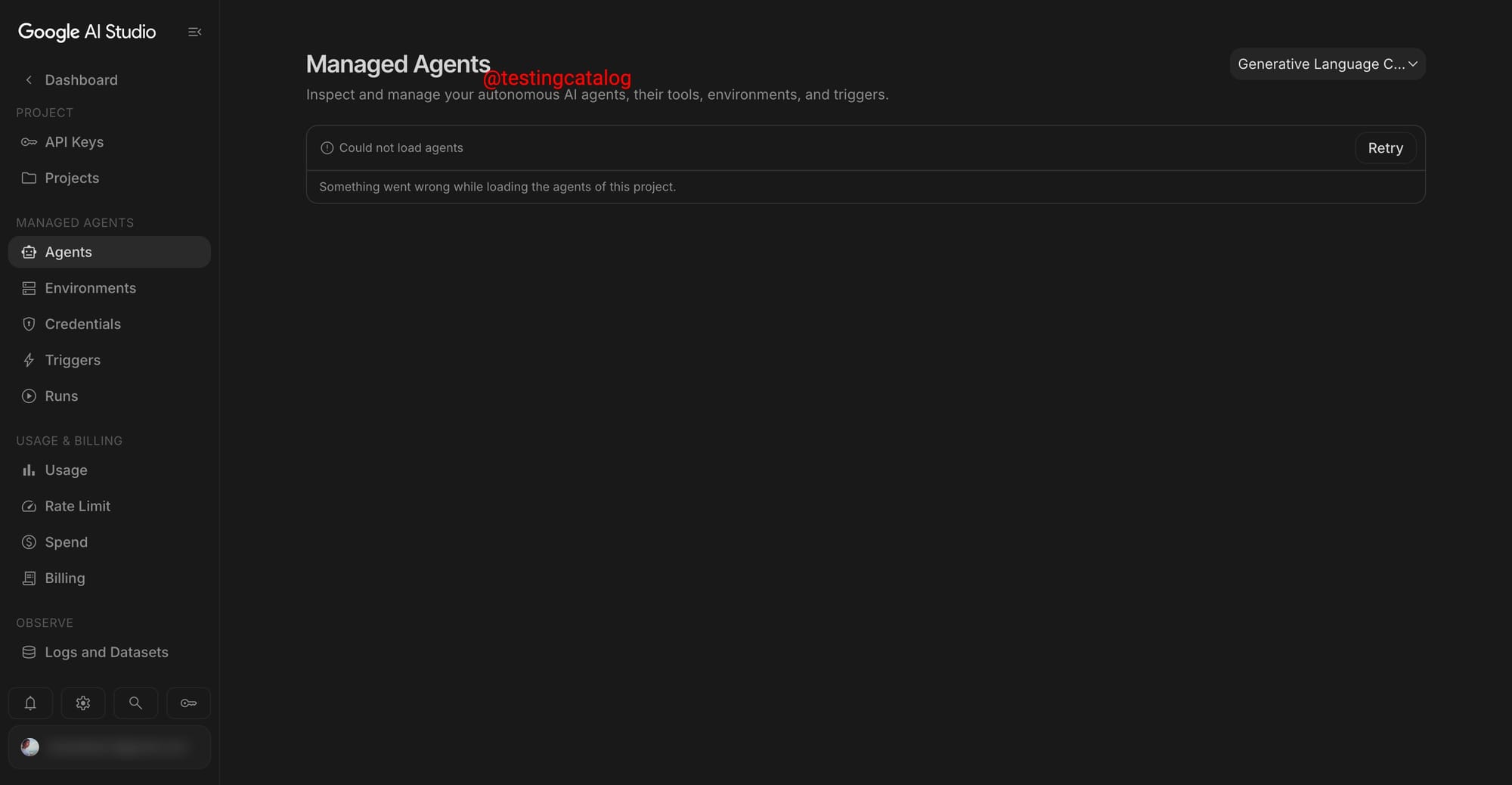
Google AI Studio is preparing a Managed Agents hub for configuring agents, tools, triggers and runs, though no rollout date is confirmed.
Gemini 4 Carbon is reportedly in early access with partners and on LMArena. Early testers say it beats Argon at 3D work but runs much slower.
Kimi K3.1 appears to be testing on Arena as Kibitz. Early outputs look strong on 3D and drawing work, and a release could come soon.
Canva Craft generates 2K images with planned layouts, text in 55 languages and editable elements through Dream Lab and a public API.
Anthropic adds automatic monitoring, editable threat models, and API/MCP integrations to Claude Security for Enterprise customers.
Google Cloud brings GPT-6 Astra, GPT-6.1 Sol, and GPT-6 Luna to select enterprises, with unified billing and Codex support.
Recursive’s Flint pairs open weights with fast local coding, a 512k-token context window and an optimized inference engine for Apple Silicon.
Claude Duet uses Opus 5.5 for morning briefs and background tasks, with connected apps, shared plan limits and approval before key actions.
Voxtral 3 pairs multilingual transcription and expressive speech with LiveKit voice agents, tool calling, and private deployment options.
Run private files and Mac app workflows on device with Perplexity Computer, using Qwen 3.6 or PPLX Pro and optional cloud access.