Cuba and the great powers: analysis of 11 November 2026
Back to the Chronology · Current news in this section
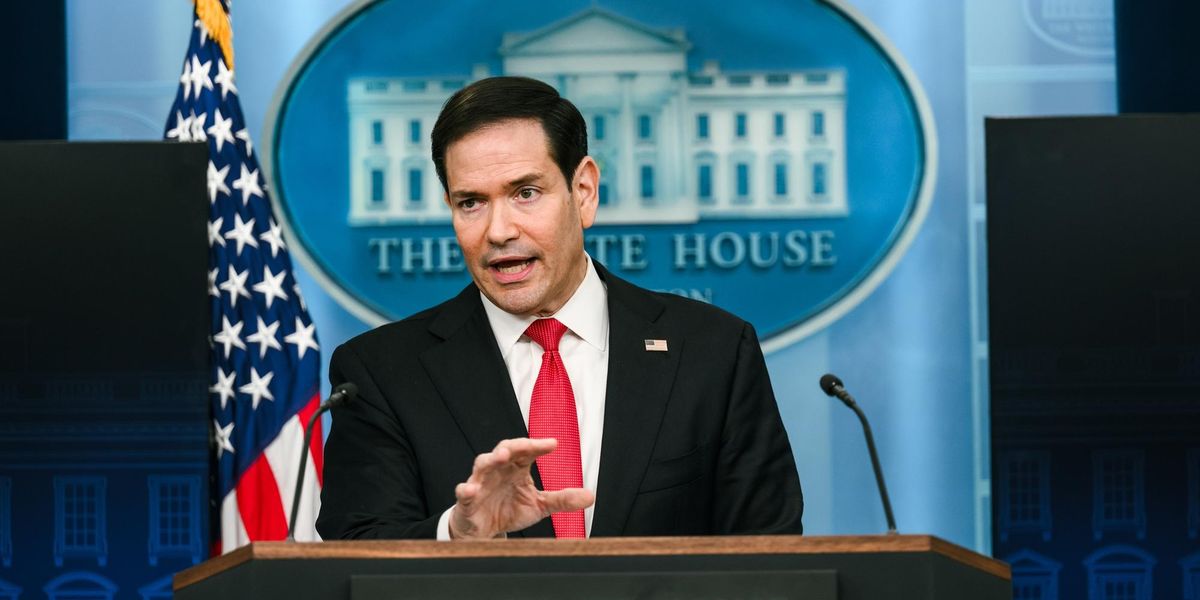
Analysis
Cuba draws closer to China and its socialist allies as US pressure continues, but the midterms raise doubts about Rubio's regime-change strategy.
Over the past two weeks, Cuba has leaned further on its socialist partners. Its foreign minister visited China, where the two sides signed three biotech deals and pledged more business cooperation, and Beijing says its cooperation is 'legitimate and transparent'. Belarus sent medicine and food, and Havana congratulated Cambodia. US pressure continues: Díaz-Canel condemned new coercive measures, and analysts describe a sanctions strategy that isolates Cuba's energy supply. But after the midterms, writers ask whether Rubio can still pursue regime change. Inside Cuba, the electricity and water crises deepen, tourism and beaches are being privatised, and protests in Santiago demand an activist's release. In Latin America, Brazil holds a solidarity mass for Cuba and Havana reaffirms Ibero-American cooperation.
Essay
A country under siege
Cuba enters the winter of 2026 in deep crisis. Electricity and water shortages have worsened 23, tourism and even beaches are being privatised to raise money 25, and protesters in Santiago de Cuba demand the release of an activist who feeds the poor 18. The government blames the US embargo and new 'coercive measures' 11, while critics argue that the embargo does not explain repression or the regime's refusal to recognise political prisoners 2135. Both claims can be true: sanctions raise the economic cost of every policy, and the state's choices determine how that cost is shared.
Analysts describe a new US sanctions strategy aimed at Cuba's energy supply, with a heavy humanitarian cost 33. This is a shift from broad embargo to targeted pressure on the most vulnerable point of the economy: fuel for power plants.
Cuba and the United States after the midterms
US policy towards Cuba has been driven by Secretary of State Rubio's goal of regime change. After the Democratic midterm victory, commentators ask whether that goal is still achievable 2, and analysts examine what the elections mean for Cuba policy and for Latin America more broadly 2634. Divided government may limit new sanctions legislation, but much of Cuba policy is set by executive action, so the administration keeps considerable freedom.
Migration ties the two countries together. ICE deportations continue to separate Cuban families 9, and each wave of departures from the island is both a sign of the crisis and a pressure valve for the government. The UN's annual vote against the embargo shows broad international opposition to unilateral sanctions 32, but it has not changed US policy.
Cuba and the socialist countries
Facing the US, Havana leans on its socialist partners. Cuba and China signed three biotech deals and committed to deeper business cooperation during the foreign minister's visit 17135, and Beijing insists its cooperation is 'legitimate and transparent' 29. Belarus sent medicine and food 30, and Cuba congratulated Cambodia on its liberation anniversary 14, maintaining symbolic ties across the old socialist world.
The limits are clear. China provides deals, credit and political cover, but not a rescue of the Cuban economy on the scale of Soviet support before 1991. A balancing lens explains why Cuba seeks Chinese help; it overstates how far Beijing is willing to go in a region where it wants good relations with the US and with large Latin American economies.
Cuba and Latin America
In Latin America, Cuba relies on solidarity networks rather than state alliances. A Mass of solidarity with Cuba was held at the Cathedral of Brasília 4, and Havana reaffirmed its commitment to Ibero-American cooperation 27. Governments of the left, such as Lula's Brazil, offer political sympathy, but even they avoid steps that would put them in direct conflict with Washington.
Cuba's cultural institutions, from the Casa de las Américas to film festivals 16, remain an important tool of soft power. They help Havana keep a presence in the region at a time when its economic model has little appeal.
What the evidence suggests
Three conclusions follow. First, US pressure has deepened the crisis but has not produced political change, which is consistent with research showing that sanctions rarely change regimes. Second, China's support is real but bounded. Third, Cuba's own reforms, such as privatising tourism 25, are driven by necessity and remain cautious.
The next months will show whether blackouts and protests force faster change 2318, whether Washington adjusts its strategy after the midterms 2, and whether new Chinese investment arrives 17. For students of great-power competition, Cuba is a case of a small state trying to survive between a hostile neighbour and a distant partner, with shrinking room to manoeuvre.
Key developments
- China's support. Cuba and China signed three biotech deals and pledged business cooperation during the foreign minister's visit, and Beijing defends its cooperation as legitimate. 1713529
- Other socialist partners. Belarus donated medicine and food, and Cuba congratulated Cambodia on its liberation anniversary. 3014
- US pressure. Díaz-Canel condemned new US coercive measures, and analysts say a new sanctions strategy is isolating Cuba's energy. 1133
- After the midterms. Writers ask whether Rubio can still achieve regime change after the midterm defeat, and what the elections mean for US policy towards Cuba. 226
- Crisis at home. Cuba faces electricity and water crises, has begun privatising tourism and beaches, and protesters in Santiago demand an activist's release. 232518
- Latin American solidarity. Brazil's cathedral hosts a mass of solidarity with Cuba, and Havana reaffirms Ibero-American cooperation. 427
Themes
Cuba and the United States
Cuba and the socialist countries
Cuba and Latin America
Analytical lenses
- Balancing. Cuba balances US pressure with Chinese support. It explains the biotech deals; it overstates China's willingness to rescue Cuba's economy. 1733
- Sanctions effectiveness. Sanctions raise costs but rarely change regimes, which explains doubts about Rubio. It misses how they deepen the humanitarian crisis. 23323
Stories this analysis is based on (22)
- After midterm disaster, can Rubio still get Cuba regime change? Responsible Statecraft
- Mass of solidarity with Cuba to be held at Cathedral of Brasilia Prensa Latina (Cuban state media)
- Cuba and China to strengthen special friendship with FM’s visit Prensa Latina (Cuban state media)
- ICE continues to leave children without parents Granma (Cuban state media)
- Díaz-Canel on new U.S. coercive measures against Cuba: Granma (Cuban state media)
- Cuba and China commit to strengthening business cooperation Prensa Latina (Cuban state media)
- Cuba congratulates Cambodia on liberation anniversary Prensa Latina (Cuban state media)
- Yuli to screen at European Film Festival in Cuba Prensa Latina (Cuban state media)
- Cuba and China Sign Three Biotech Deals The Rio Times
- Protesters in Santiago de Cuba Demand Freedom for Activist Who Feeds Those Most in Need Havana Times
- It Doesn’t Take Much to be Put on the Cuban Gov. Blacklist Havana Times
- Why the Embargo Does Not Explain Repression in Cuba Havana Times
- Cuba’s Current Electricity and Longstanding Water Crisis Havana Times
- Cuba Begins to Privatize its Tourism Industry and Beaches Havana Times
- The US Elections and the Policy Towards Cuba Havana Times
- Cuba reaffirms its commitment to Ibero-American cooperation Granma (Cuban state media)
- China: cooperation with Cuba is legitimate and transparent Granma (Cuban state media)
- Belarus delivers donation of medicines and food to Cuban Public Health institutions Granma (Cuban state media)
- The UN Annually Votes on Ending the US Embargo on Cuba. What Does it Mean for Unilateral Sanctions and Their Impact on Human Rights? Stimson Center
- Cuba’s energy isolation: The humanitarian cost of a new sanctions strategy Latinoamérica21
- What Will the U.S. Midterms Mean for Latin America? Inter-American Dialogue
- Why Cuba denies its political prisoners Latinoamérica21
Written by Claude (Anthropic), based on 35 recent headlines and excerpts in this section, Nov 11. AI analysis can misread or miss things: the numbers link to the original reporting, which is the authority.