Nuclear weapons, arms control and strategic stability: analysis of 11 November 2026
Back to the Chronology · Current news in this section
Analysis
Nuclear risks rise on several fronts: attacks near Zaporizhzhia, China's faster missile build-up, Iran's enriched uranium and a contested US missile-defence plan.
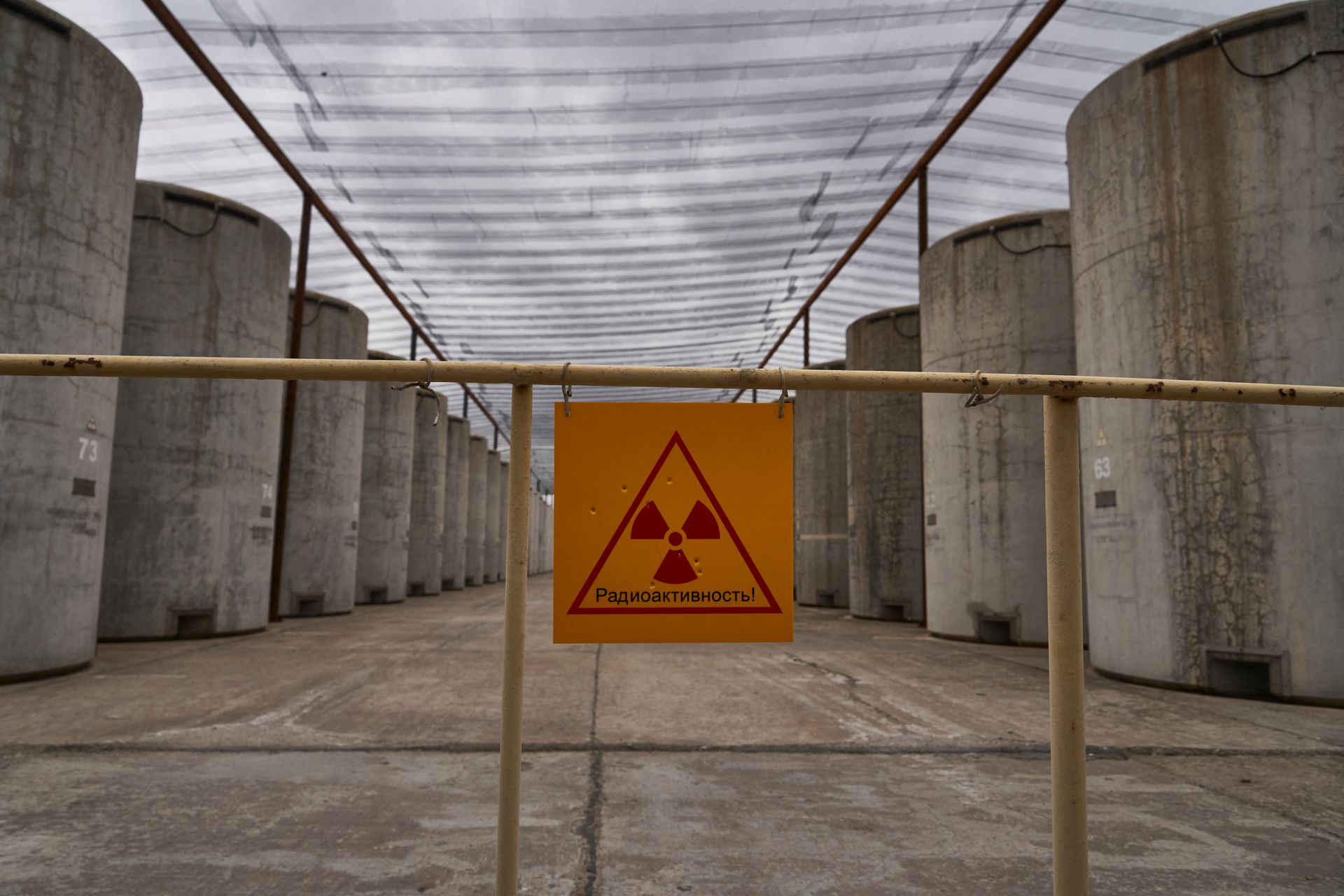
This week's nuclear news spans war, deterrence and diplomacy. A drone strike killed a worker at the Russian-occupied Zaporizhzhia nuclear power plant, the IAEA says. China is reported to be fast-tracking a mobile ICBM and integrating new nuclear missiles into its forces more quickly. Iran says transferring its enriched uranium abroad is 'off the table', while a Qatari plan links nuclear inspections to reopening the Strait of Hormuz. In Washington, the new Democratic Congress is likely to cut Trump's Golden Dome missile-defence plan, which critics call destabilising. The US, China and Russia cannot yet agree on a format for a leaders' meeting, even as they discuss AI in nuclear arsenals.
Essay
A more dangerous nuclear landscape
The nuclear order built during and after the Cold War rested on three pillars: deterrence between the great powers, arms control treaties that limited their arsenals, and the Non-Proliferation Treaty that kept most states from building the bomb. All three are under strain. New START, the last US–Russia treaty limiting deployed strategic warheads, expired in February 2026 with no follow-on treaty agreed. China is building up its arsenal. Iran's programme remains unresolved, and war has come close to nuclear plants in Ukraine.
This week's news shows each pressure point. A drone strike killed a worker at the Zaporizhzhia nuclear plant 12, and China is fast-tracking a mobile ICBM to strengthen its second-strike capability 4.
China and the end of bipolar arms control
For decades, arms control was a two-party game between Washington and Moscow. China's growth into a major nuclear power makes it a three-party problem. Analysts note that China appears to be integrating new nuclear missiles into its forces more quickly 7, and its push for mobile ICBMs aims to ensure its forces can survive a first strike 4. Beijing has so far refused to join trilateral limits, arguing its arsenal is much smaller. The difficulty of even agreeing a format for a leaders' meeting among the three 3 shows how far there is to go, though talks on AI in nuclear command offer one possible area of agreement.
Missile defence and stability
Missile defence is a classic cause of instability. If one side believes it can shield itself from retaliation, the other side may build more or faster missiles to make sure deterrence holds. Critics argue that Trump's Golden Dome plan is destabilising for exactly this reason 10, and the new Democratic Congress is likely to cut its funding 6. Supporters see it as protection against North Korea, China and new hypersonic weapons. The debate shows how technology can undermine the mutual vulnerability on which deterrence rests 9.
Iran and proliferation
Iran is the most urgent proliferation case. Tehran says sending its enriched uranium abroad is 'off the table' 5, while a Qatari plan would link nuclear inspections to reopening the Strait of Hormuz 8. After months of war, the question is whether coercion has slowed Iran's programme or convinced its leaders that only a bomb can guarantee survival. Datasets such as the new Nuclear Arms Control Index help researchers track how the regime of treaties and institutions is designed and how it changes 11.
Key developments
- Zaporizhzhia. A drone strike killed a worker at the occupied Zaporizhzhia nuclear plant, a reminder of the risks of war around nuclear facilities. 12
- China's build-up. China is fast-tracking a mobile ICBM to secure its second-strike capability and appears to be integrating new missiles faster. 47
- Iran's uranium. Iran says moving its enriched uranium abroad is off the table, while a Qatari plan would tie nuclear inspections to reopening Hormuz. 58
- Golden Dome. The new Democratic Congress will likely cut Trump's Golden Dome missile-defence plan, which War on the Rocks calls destabilising. 610
- Three-way diplomacy. The US, China and Russia cannot agree on a format for a leaders' meeting; Beijing has its own preferences. 3
Themes
Stories this analysis is based on (11)
- Drone strike kills worker at Zaporizhzhia Nuclear Power Plant, IAEA says The Kyiv Independent
- Drone kills Russian-occupied Zaporizhzhia nuclear plant electrician on his way to work, but the IAEA names no attacker Euromaidan Press
- U.S., China, and Russia can’t agree on format for leaders’ meeting, WSJ reports. Beijing wants scripted statements and no nuclear arms talks. Meduza
- China fast-tracks mobile ICBM to lock down second-strike edge Asia Times
- Transfer of enriched uranium out of Iran ‘off the table’, FM spox says IRNA (Iranian state media)
- New Democratic Congress will likely strip the gilding from Trump's Golden Dome Ars Technica
- Is China getting faster at integrating new nuclear missiles into its forces? SCMP China
- Strait of Hormuz could reopen as part of Qatari plan for Iran nuclear inspections The Guardian Iran
- A counter-revolution in military affairs: Rancièrian theory of international politics and the introduction of humanitarian dissensus into the police order of the Non-Proliferation Treaty Journal articles (OpenAlex)
- The Golden Dome Proposal is Destabilizing and Dangerous War on the Rocks
- The Nuclear Arms Control Index (NACI): A dataset on the design of the nuclear regime complex Journal articles (OpenAlex)
Written by Claude (Anthropic), based on 11 recent headlines and excerpts in this section, Nov 11. AI analysis can misread or miss things: the numbers link to the original reporting, which is the authority.