Nuclear weapons, arms control and strategic stability
Nuclear weapons, arms control and strategic stability: arsenals and modernisation, deterrence and doctrine, missile defence, the end of New START, proliferation risks from Iran to North Korea, and talks on AI in nuclear command, from the news and journal research. Kept for a year as an archive.
Summary
65 news articles and 54 research items in this section, back to 9 December 2025. Browse the news ↓ Research ↓
12 stories from 10 publishers in the last 24 hours, 42 from 21 this week; 1 story was covered by more than one newsroom.


The world’s most powerful frenemies talk nuclear weapons
This story appeared in Today, Explained, a daily newsletter that helps you understand the most compelling news and stories of the day.

Update 376 – IAEA Director General Statement on Situation in Ukraine
Country: Ukraine Source: International Atomic Energy Agency As Ukraine enters the winter period, the challenges facing Ukraine’s power system are becoming even more acute, with the electrical grid in…
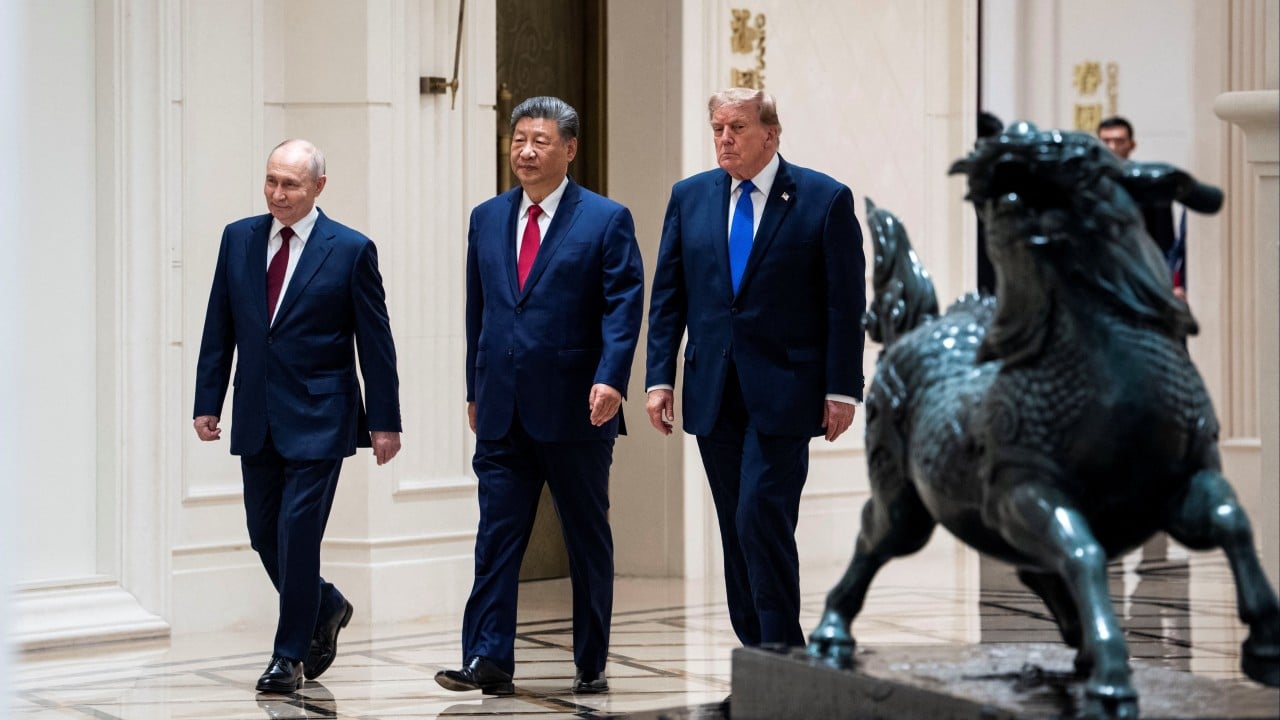
Nuclear arms, energy supplies - but no Kim: the main takeaways from a historic Apec summit
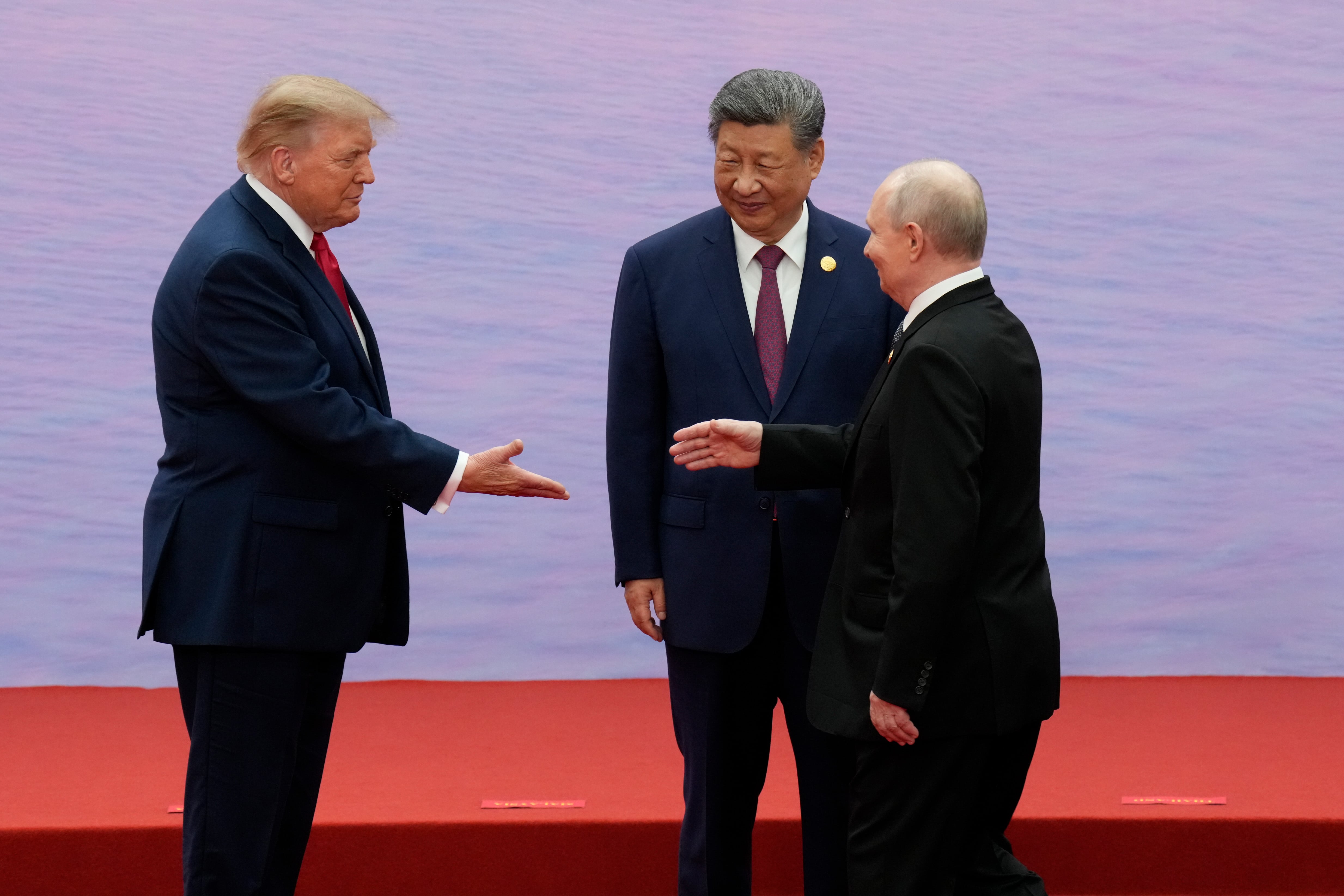
Thursday’s Asia-Pacific Economic Cooperation (Apec) summit in Shenzhen saw unprecedented three-way talks between Xi Jinping, Donald Trump and Vladimir Putin as well as separate bilateral meetings between the presidents.
Most mentioned in Nuclear weapons, arms control and strategic stability headlines, last 3 days: Nuclear 13IAEA 10Trump 8arms 5Putin 5World 4summit 4Iran 4meeting 4China 4
Most active this week: Al-Monitor (6), South China Morning Post (5), IRNA (Iranian state media) (5), Tehran Times (Iranian state-aligned) (3). Built automatically from headlines; the top items are the stories the most newsrooms covered in the last three days.
Analysis
Nuclear risks rise on several fronts: attacks near Zaporizhzhia, China's faster missile build-up, Iran's enriched uranium and a contested US missile-defence plan.
This week's nuclear news spans war, deterrence and diplomacy. A drone strike killed a worker at the Russian-occupied Zaporizhzhia nuclear power plant, the IAEA says. China is reported to be fast-tracking a mobile ICBM and integrating new nuclear missiles into its forces more quickly. Iran says transferring its enriched uranium abroad is 'off the table', while a Qatari plan links nuclear inspections to reopening the Strait of Hormuz. In Washington, the new Democratic Congress is likely to cut Trump's Golden Dome missile-defence plan, which critics call destabilising. The US, China and Russia cannot yet agree on a format for a leaders' meeting, even as they discuss AI in nuclear arsenals.
Essay
A more dangerous nuclear landscape
The nuclear order built during and after the Cold War rested on three pillars: deterrence between the great powers, arms control treaties that limited their arsenals, and the Non-Proliferation Treaty that kept most states from building the bomb. All three are under strain. New START, the last US–Russia treaty limiting deployed strategic warheads, expired in February 2026 with no follow-on treaty agreed. China is building up its arsenal. Iran's programme remains unresolved, and war has come close to nuclear plants in Ukraine.
This week's news shows each pressure point. A drone strike killed a worker at the Zaporizhzhia nuclear plant 12, and China is fast-tracking a mobile ICBM to strengthen its second-strike capability 4.
China and the end of bipolar arms control
For decades, arms control was a two-party game between Washington and Moscow. China's growth into a major nuclear power makes it a three-party problem. Analysts note that China appears to be integrating new nuclear missiles into its forces more quickly 7, and its push for mobile ICBMs aims to ensure its forces can survive a first strike 4. Beijing has so far refused to join trilateral limits, arguing its arsenal is much smaller. The difficulty of even agreeing a format for a leaders' meeting among the three 3 shows how far there is to go, though talks on AI in nuclear command offer one possible area of agreement.
Missile defence and stability
Missile defence is a classic cause of instability. If one side believes it can shield itself from retaliation, the other side may build more or faster missiles to make sure deterrence holds. Critics argue that Trump's Golden Dome plan is destabilising for exactly this reason 10, and the new Democratic Congress is likely to cut its funding 6. Supporters see it as protection against North Korea, China and new hypersonic weapons. The debate shows how technology can undermine the mutual vulnerability on which deterrence rests 9.
Iran and proliferation
Iran is the most urgent proliferation case. Tehran says sending its enriched uranium abroad is 'off the table' 5, while a Qatari plan would link nuclear inspections to reopening the Strait of Hormuz 8. After months of war, the question is whether coercion has slowed Iran's programme or convinced its leaders that only a bomb can guarantee survival. Datasets such as the new Nuclear Arms Control Index help researchers track how the regime of treaties and institutions is designed and how it changes 11.
Key developments
- Zaporizhzhia. A drone strike killed a worker at the occupied Zaporizhzhia nuclear plant, a reminder of the risks of war around nuclear facilities. 12
- China's build-up. China is fast-tracking a mobile ICBM to secure its second-strike capability and appears to be integrating new missiles faster. 47
- Iran's uranium. Iran says moving its enriched uranium abroad is off the table, while a Qatari plan would tie nuclear inspections to reopening Hormuz. 58
- Golden Dome. The new Democratic Congress will likely cut Trump's Golden Dome missile-defence plan, which War on the Rocks calls destabilising. 610
- Three-way diplomacy. The US, China and Russia cannot agree on a format for a leaders' meeting; Beijing has its own preferences. 3
Themes
Stories this analysis is based on (11)
- Drone strike kills worker at Zaporizhzhia Nuclear Power Plant, IAEA says The Kyiv Independent
- Drone kills Russian-occupied Zaporizhzhia nuclear plant electrician on his way to work, but the IAEA names no attacker Euromaidan Press
- U.S., China, and Russia can’t agree on format for leaders’ meeting, WSJ reports. Beijing wants scripted statements and no nuclear arms talks. Meduza
- China fast-tracks mobile ICBM to lock down second-strike edge Asia Times
- Transfer of enriched uranium out of Iran ‘off the table’, FM spox says IRNA (Iranian state media)
- New Democratic Congress will likely strip the gilding from Trump's Golden Dome Ars Technica
- Is China getting faster at integrating new nuclear missiles into its forces? SCMP China
- Strait of Hormuz could reopen as part of Qatari plan for Iran nuclear inspections The Guardian Iran
- A counter-revolution in military affairs: Rancièrian theory of international politics and the introduction of humanitarian dissensus into the police order of the Non-Proliferation Treaty Journal articles (OpenAlex)
- The Golden Dome Proposal is Destabilizing and Dangerous War on the Rocks
- The Nuclear Arms Control Index (NACI): A dataset on the design of the nuclear regime complex Journal articles (OpenAlex)
Written by Claude (Anthropic), based on 11 recent headlines and excerpts in this section, Nov 11. AI analysis can misread or miss things: the numbers link to the original reporting, which is the authority.
Research 54
Journal articles, academic blogs, think-tank reports and papers, kept apart from the news below.
The U.S.-Chinese-Russian Summit and the Future of Trilateral Nuclear Talks
U.S. President Donald Trump, who has sought nuclear arms control with Russia and China since his first term, may finally have his chance. The first-ever U.S.-Chinese-Russian leaders’ summit is set to take place in Shenzhen, with nuclear issues potentially on the agenda. Regardless of whether the summit yields substantive progress, it could make the prospect of trilateral nuclear arms control seem somewhat less remote than before. For Beijing, however, the summit’s symbolism…
A counter-revolution in military affairs: Rancièrian theory of international politics and the introduction of humanitarian dissensus into the police order of the Non-Proliferation Treaty
The article shows how Jacques Rancière’s theory of politics can be used to analyze the politics of nuclear weapon possession, the most extreme form of great power symbolism and hierarchy. This approach to order and its disruption within international organization runs counter to the Schmittian nomos of the Earth and its spatialized imaginary that rests on notions of sovereignty and of the political as defined by enmity and amity. Accordingly, this understanding of politics…
The Golden Dome Proposal is Destabilizing and Dangerous
Editor’s Note: This is the second article in a two-part series exploring the Golden Dome for America proposal. Please also read the first, “Golden Dome Is Technologically and Financially Infeasible.”Golden Dome is an ambitious proposal for a comprehensive, layered defense, with ground, sea, and space-based elements. It is supposed to protect the United States, its allies, and deployed forces from attacks by ballistic missiles, cruise missiles, hypersonic boost-glide…
The Nuclear Arms Control Index (NACI): A dataset on the design of the nuclear regime complex
Scholarship on legalization and nuclear proliferation often relies on aggregate measures of institutional design that obscure variation across provisions. We introduce the Nuclear Arms Control Index (NACI), a dataset of 91 nuclear arms control and nonproliferation instruments (1945–2025), and an original nuclear weapons capability life-cycle framework that categorizes the different stages of nuclear control. NACI codes 53 variables capturing life-cycle stages and additional…
Modern strategic conventional weapons as an alternative to nuclear weapons
Nuclear weapons are commonly regarded as the ultimate deterrent. The Nuclear Nonproliferation Treaty (NPT) requires the nuclear weapon states – the US, Russia, the UK, France, and China – to eliminate their nuclear weapons. More recently, the Treaty on the Prohibition of Nuclear Weapons (TPNW) has declared nuclear weapons illegal. The nuclear-armed states – including India, Pakistan, Israel, and North Korea (that are not part of the NPT) – are reluctant to give up their…
Information, Not Execution: Generative AI, the Two Barriers to CBRN Terrorism, and the Limits of Arms Control
Chemical, biological, radiological, and nuclear (CBRN) terrorism has been deterred by barriers running from knowledge to execution. This article argues that generative AI acts on only one: it collapses the information barrier to CBRN-relevant activity, not the execution barrier for physical attacks. Across a structured comparison of six institution-verified AI-enabled cases (2022–2025), the information barrier degrades in every case, whereas the execution barrier gives way…
All news 65
The world’s most powerful frenemies talk nuclear weapons
This story appeared in Today, Explained, a daily newsletter that helps you understand the most compelling news and stories of the day. Subscribe here. President Donald Trump is on his way back from China after a four-day Asia trip that included taking in a surreal cover of “Y.M.C.A.,” heaping praise on a noted kleptocrat, and making earnest —
Update 376 – IAEA Director General Statement on Situation in Ukraine
Country: Ukraine Source: International Atomic Energy Agency As Ukraine enters the winter period, the challenges facing Ukraine’s power system are becoming even more acute, with the electrical grid in its worst condition since the start of the conflict, IAEA Director General Rafael Mariano Grossi informed the IAEA Board of Governors this week. Fluctuations in the power output of operating units at Ukraine’s nuclear power plants (NPPs) continued this week due to the grid…
Nuclear arms, energy supplies - but no Kim: the main takeaways from a historic Apec summit
Thursday’s Asia-Pacific Economic Cooperation (Apec) summit in Shenzhen saw unprecedented three-way talks between Xi Jinping, Donald Trump and Vladimir Putin as well as separate bilateral meetings between the presidents. Here are some of the key events from this important day of China diplomacy. Nuclear pledge In a peace declaration after the three-way summit, the three heads of state reaffirmed that a nuclear war “cannot be won and must never be fought”. They also pledged to…
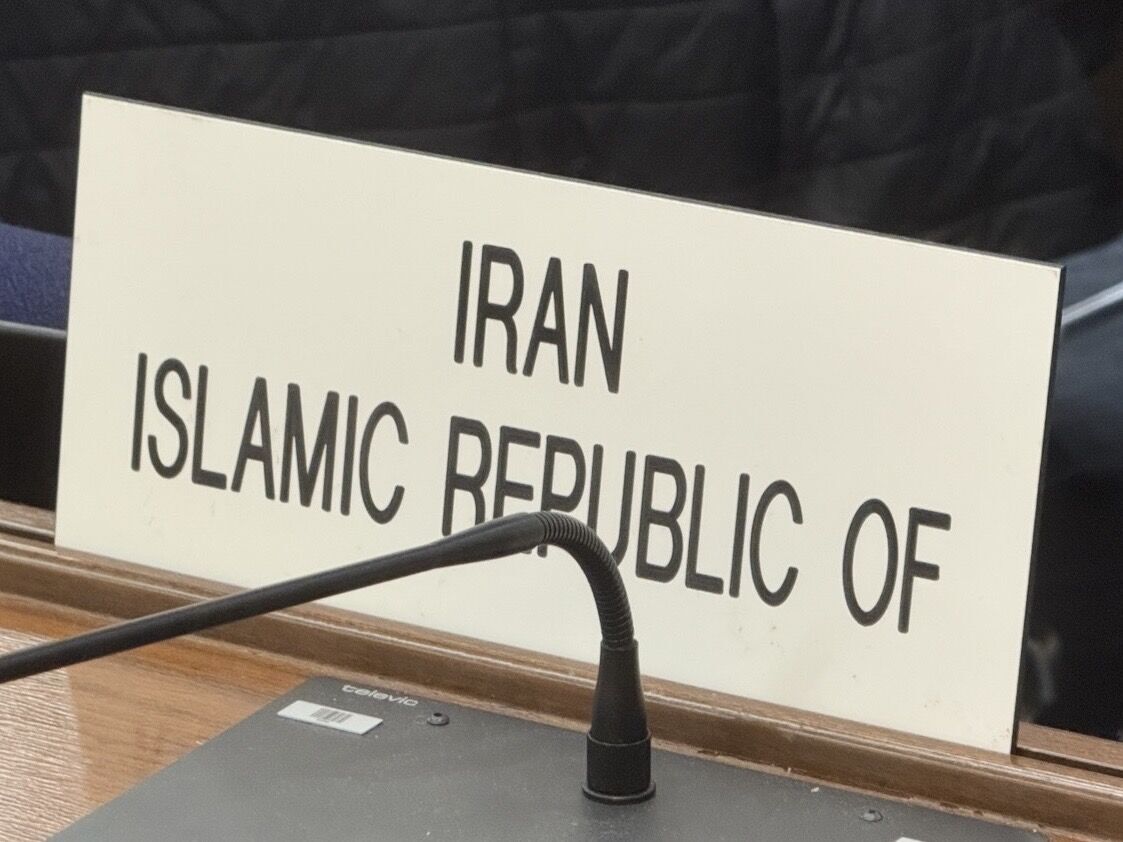
Iran slams US, E3 over “hypocrisy and double standards” at IAEA Board
London, IRNA — Iran has strongly criticized the United States and the European troika (E3) for applying “hypocrisy and double standards” regarding the International Atomic Energy Agency (IAEA) safeguards system.
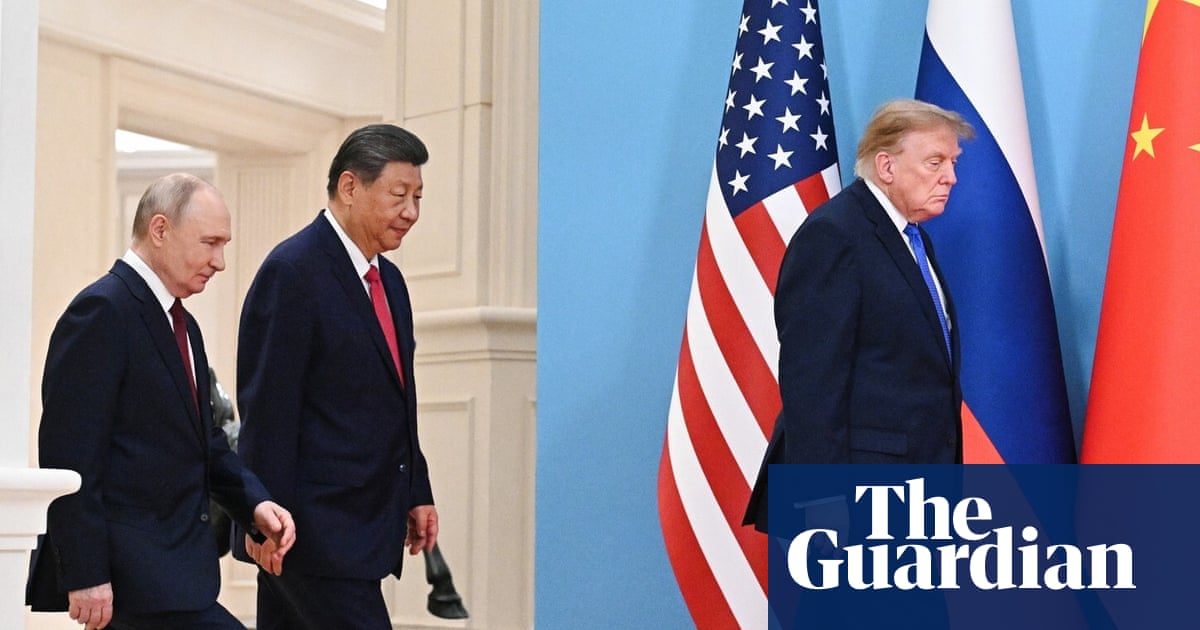
‘Really making history’: five takeaways from the meeting between Trump, Xi and Putin
Leaders focused on nuclear weapons and international courts at their unprecedented gathering in Shenzhen Apec summit live – latest updates The presidents of the US, China and Russia met on Thursday for an unprecedented trilateral gathering on the sidelines of the Apec summit in Shenzhen. The session lasted more than an hour and Donald Trump, Xi Jinping and Vladimir Putin touched on nuclear weapons, the war in Ukraine and wider international security. The trio lead the…
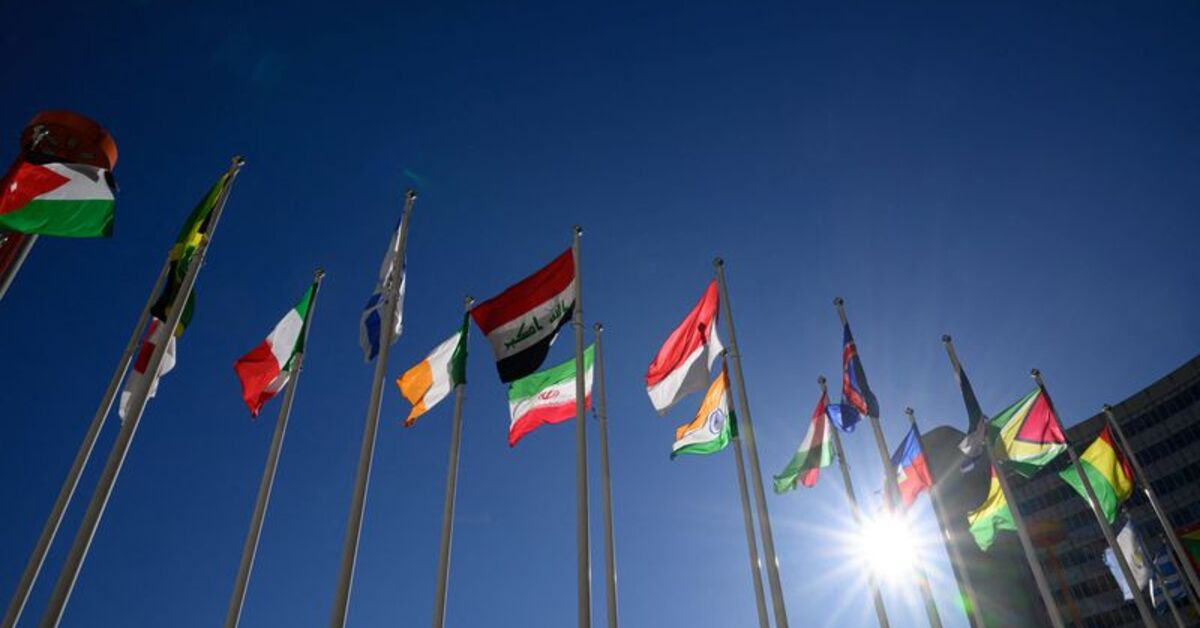
West presses Iran at IAEA to let inspections resume at bombed nuclear sites
By Francois Murphy VIENNA, Nov 19 (Reuters) - The United States, Britain, France and Germany jointly pressed Tehran at a meeting of the UN atomic watchdog's board on Thursday to let inspectors return to its nuclear sites bombed by the US and Israel last year, accusing Tehran of "stonewalling". Iran has not granted the International Atomic Energy Agency access to those nuclear facilities since the military strikes against them in June 2025.
Xi Jinping calls for total elimination of nuclear weapons at meeting with Trump and Putin
Chinese President Xi Jinping called for nuclear weapons to be banned and destroyed entirely, speaking at a meeting with U.S. President Donald Trump and Russian President Vladimir Putin.


Trump puts nuclear weapons in spotlight at unprecedented summit with Xi and Putin
The Chinese and Russian leaders didn't mention the topic in their remarks — a sign of the challenges likely to await.

North Korea expanding uranium enrichment facility, UN nuclear watchdog says
North Korea can produce both highly enriched uranium and weapons-grade plutonium at its facilities, according to IAEA.
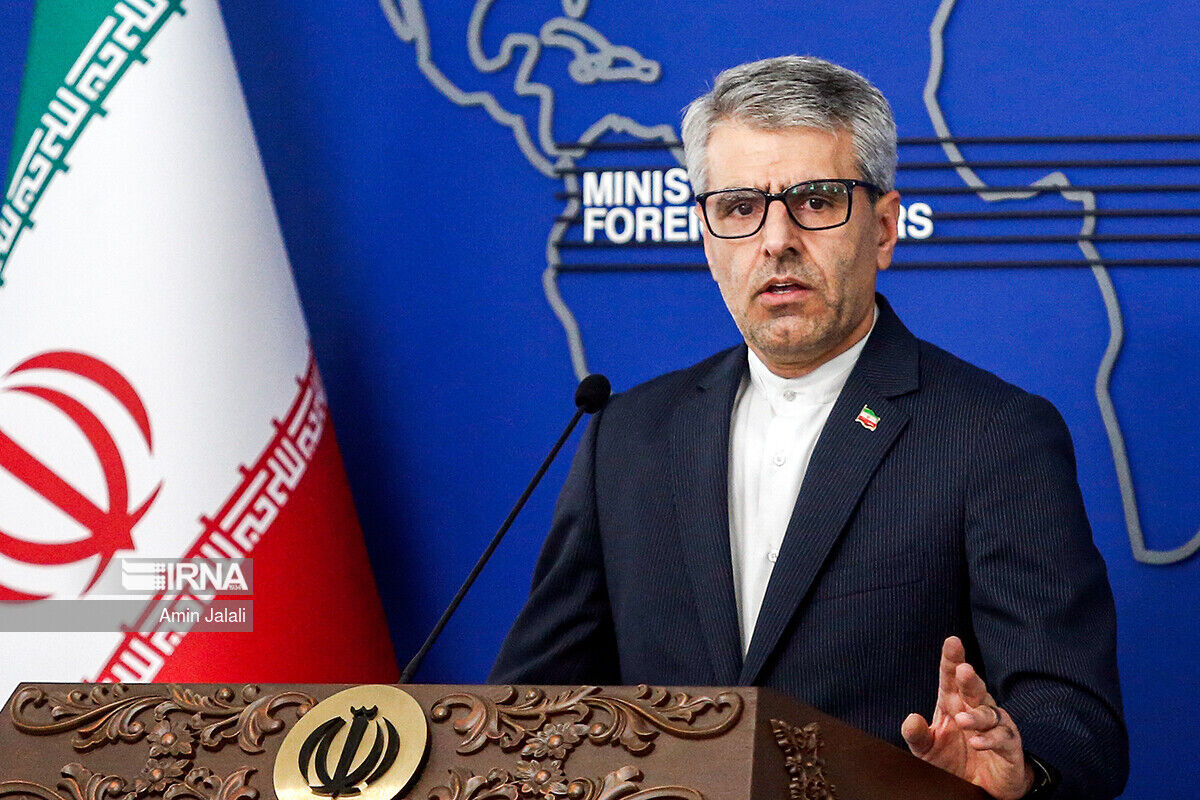
Grossi cannot conceal IAEA’s double standards toward Iran: Baqaei
Tehran, IRNA – Iranian Foreign Ministry spokesperson Esmaeil Baqaei says that Rafael Grossi cannot use Israel’s non-membership in the Non-Proliferation Treaty (NPT) to cover up the International Atomic Energy Agency’s indifference toward the Israeli regime’s nuclear arsenal and its double standards toward Iran’s nuclear program.
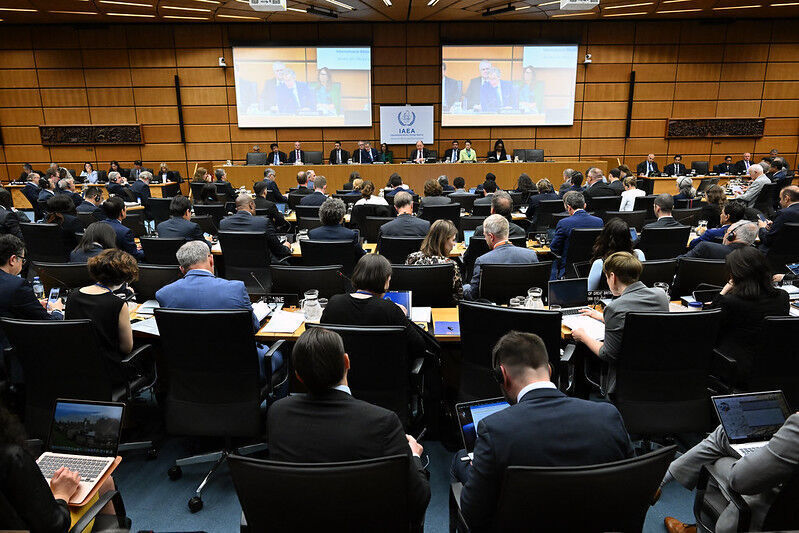
Iran, China, Russia set conditions for resumption of IAEA verification activities
London, IRNA – Iran, China and Russia say that a complete end to hostile acts, the removal of military threats and credible guarantees against further attacks are prerequisites for the full resumption of the International Atomic Energy Agency’s (IAEA) verification activities in Iran.
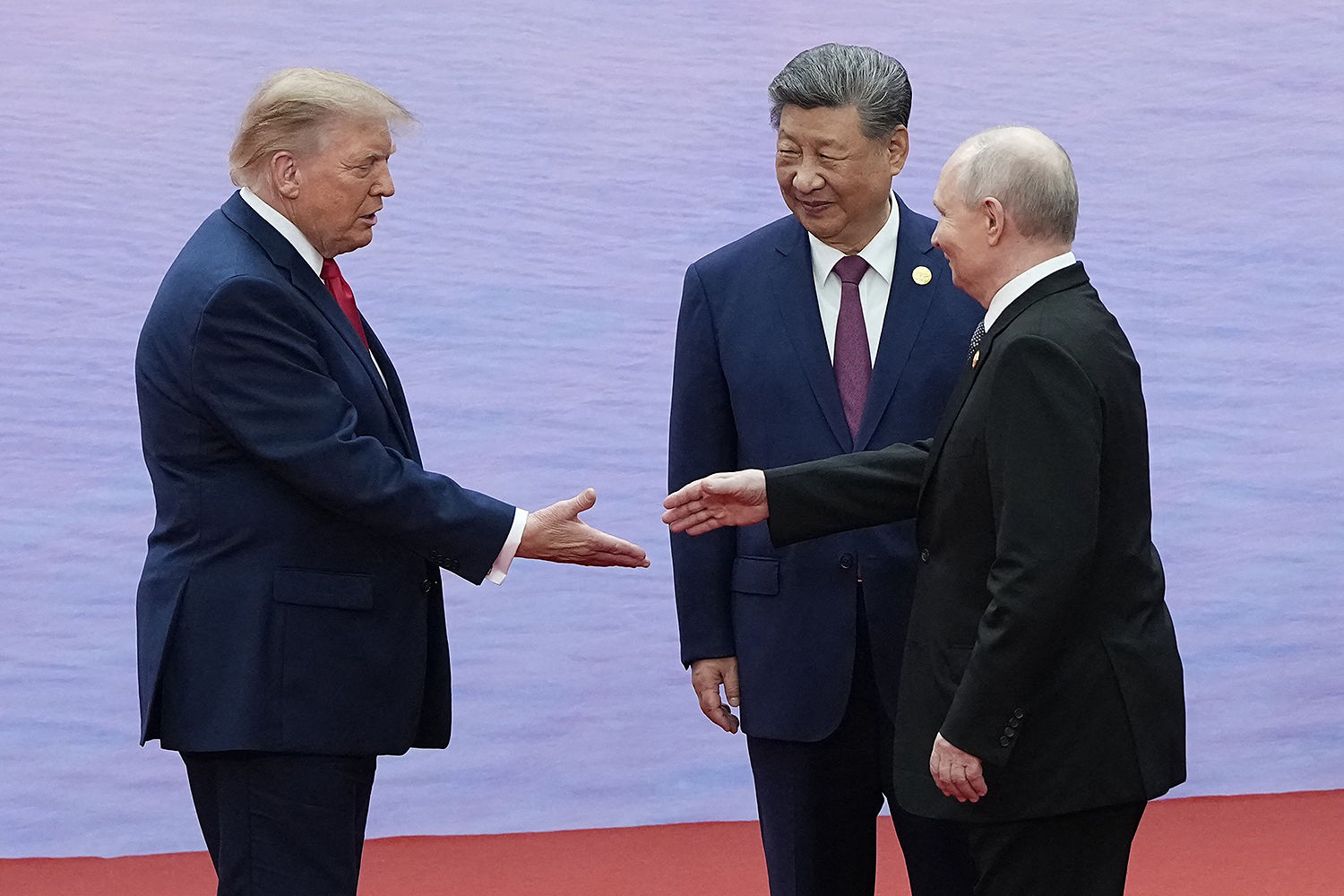
Trump pushes for three-way nuclear deal as Russia and China show little interest
President Donald Trump has repeatedly placed nonproliferation near the top of the agenda for his unprecedented trilateral meeting Thursday with Chinese President Xi Jinping and Russian President Vladimir Putin, but his counterparts have expressed little interest in committing to new limitations on their nuclear arsenals.

Xi-Trump-Putin trilateral meeting LIVE: Leaders meet with nuclear arms and two wars on table
The Chinese President opened the two-day APEC gathering with an address to a CEO Summit, where he made a pitch for openness and stable supply chains
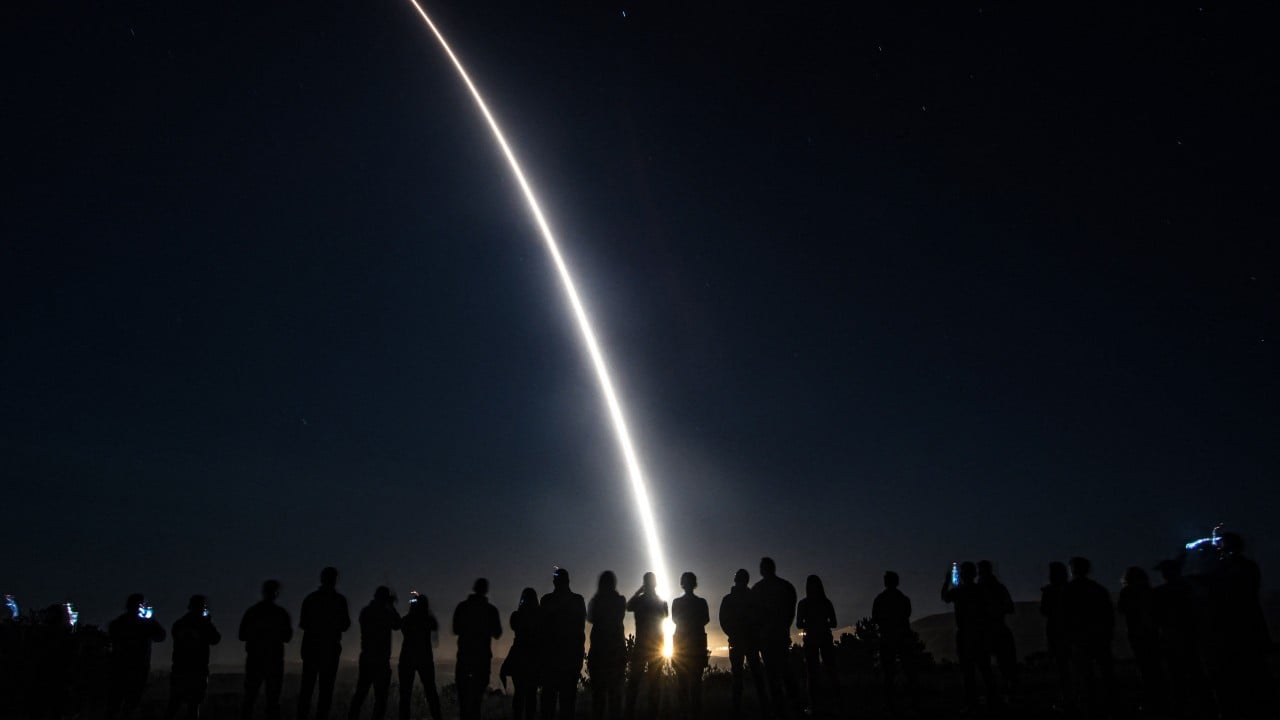
US launched unarmed ICBM test hours before Trump’s Air Force One landed in China
The United States conducted an intercontinental ballistic missile test less than two hours before President Donald Trump landed in China on Wednesday for the Apec summit and a high-stakes trilateral meeting with his Chinese and Russian counterparts. According to a statement from the US Air Force Global Strike Command, an unarmed Minuteman III missile was launched at 11.01pm Pacific Time on Tuesday from Vandenberg Space Force Base, California, in a test designated Glory Trip…
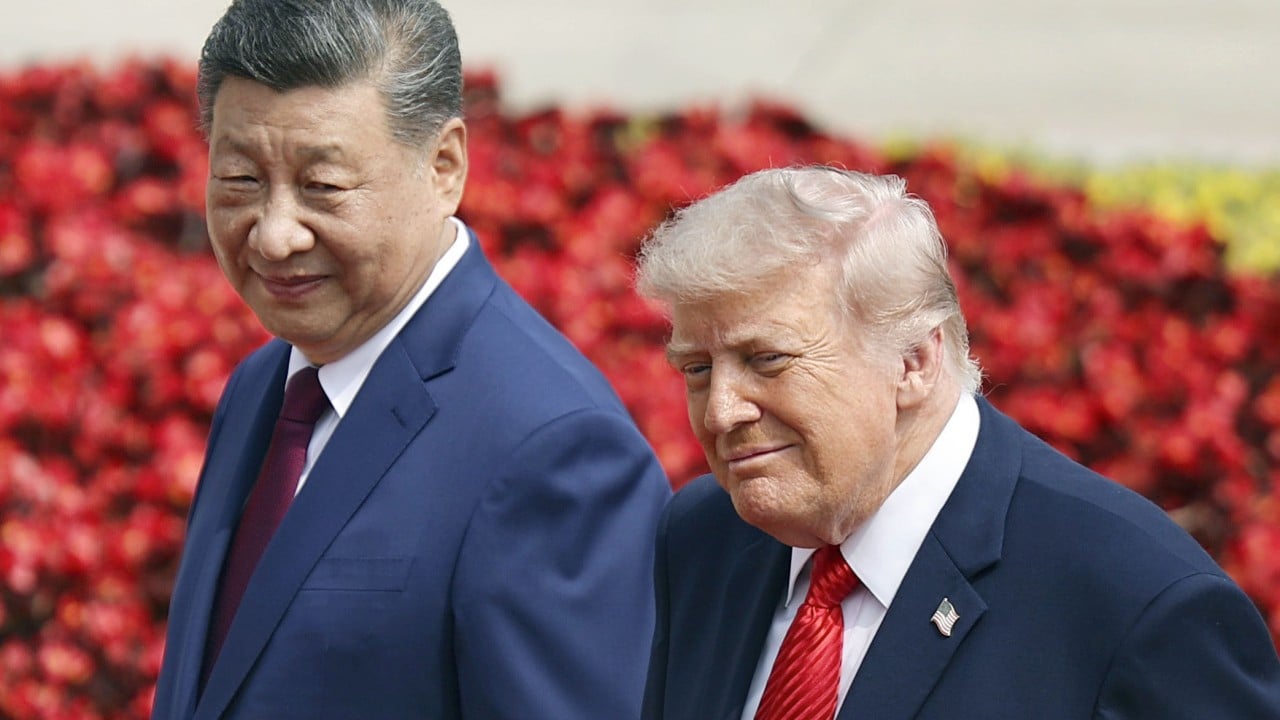
World leaders gather to talk trade and investment at Apec in China’s tech hub, Shenzhen
This live article is freely available to our registered users. Please log in or create an account. World leaders are gathering in Shenzhen on Thursday for the Asia-Pacific Economic Cooperation (Apec) plenary, looking for ways to promote trade and investment at a time of rising global uncertainty. Chinese President Xi Jinping, US President Donald Trump, Russian President Vladimir Putin, Canadian Prime Minister Mark Carney and Australian Prime Minister Anthony Albanese are…
World waits as Trump, Xi and Putin prepare for high-stakes meeting
SHENZHEN, China — What these three men might decide has the potential to reverberate across the globe.
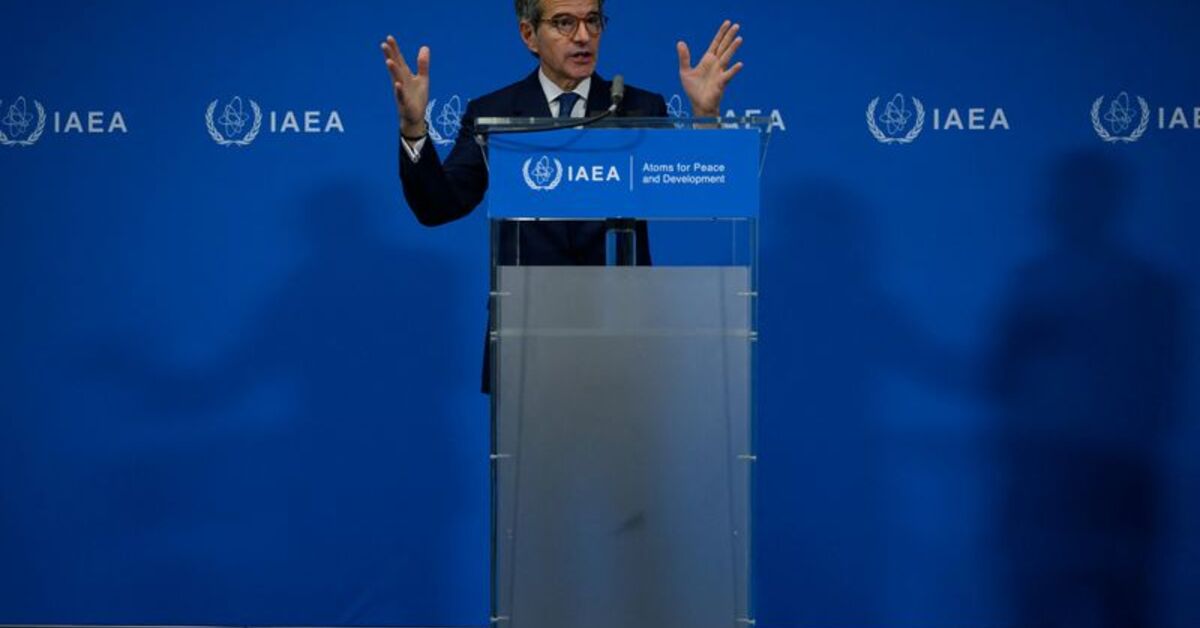
IAEA chief says planned US-Saudi nuclear deal 'very satisfactory' on inspections
By Francois Murphy VIENNA, Nov 18 (Reuters) - The provisions in a planned US-Saudi nuclear deal for inspections in Saudi Arabia are "very satisfactory" even though they do not include the gold-standard Additional Protocol, the UN nuclear watchdog's chief said on Wednesday. The proposed deal on civil nuclear cooperation, known as a 123 agreement, has yet to be approved by US lawmakers and has been criticised by nonproliferation experts for not barring Riyadh from enriching…
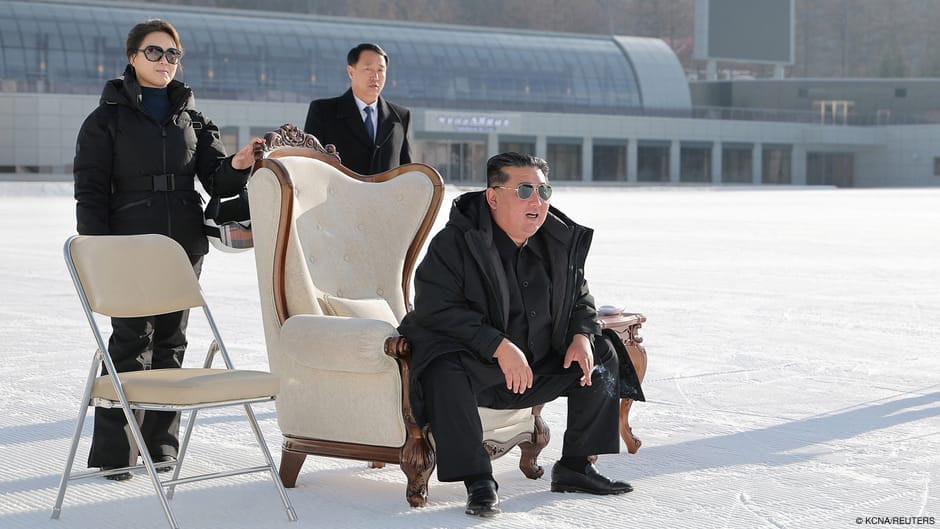
North Korea expanded uranium enrichment plant, says IAEA head
IAEA chief Rafael Grossi has said the ongoing expansion of North Korea's uranium enrichment program remains "a cause for serious concern."
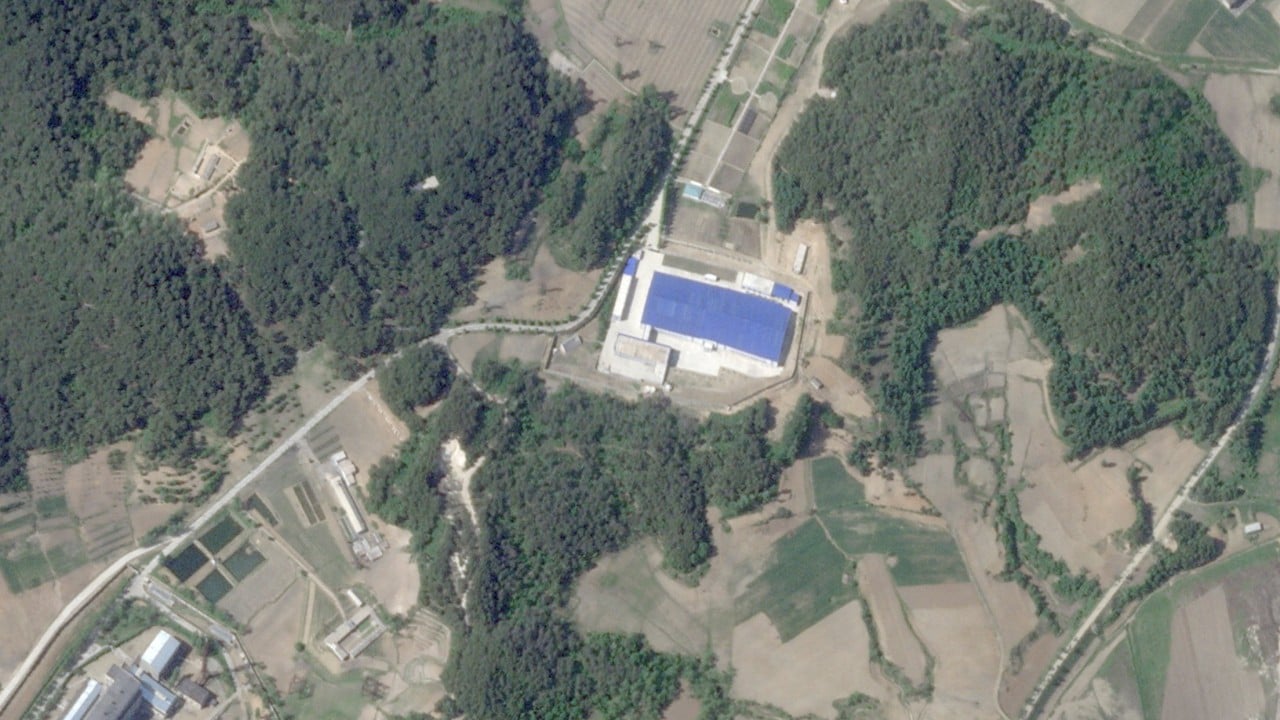
North Korean enrichment facility extension ‘externally complete’: IAEA
A further extension of an enrichment facility in North Korea has been “externally complete” since last month, UN nuclear watchdog head Rafael Grossi has said. Inspectors of the International Atomic Energy Agency (IAEA) have not had access to North Korea since 2009, with the agency relying on satellite imagery and open sources to monitor the country’s nuclear programme. “Since mid-September 2026, a further extension to the original Yongbyon enrichment facility has been under…
The world cannot afford another nuclear arms race
That Donald Trump, Xi Jinping and Vladimir Putin will be together in the same room for the first time, when they meet for three-way talks in the Chinese city of Shenzhen, certainly makes their summit unprecedented. But the prospect of the American, Chinese and Russian presidents sitting around the same table to discuss denuclearisation is of even greater import – if only because the alternative is increasingly alarming. The leaders of the world’s three largest nuclear powers…
US Saudi nuclear agreement 'satisfactory': IAEA
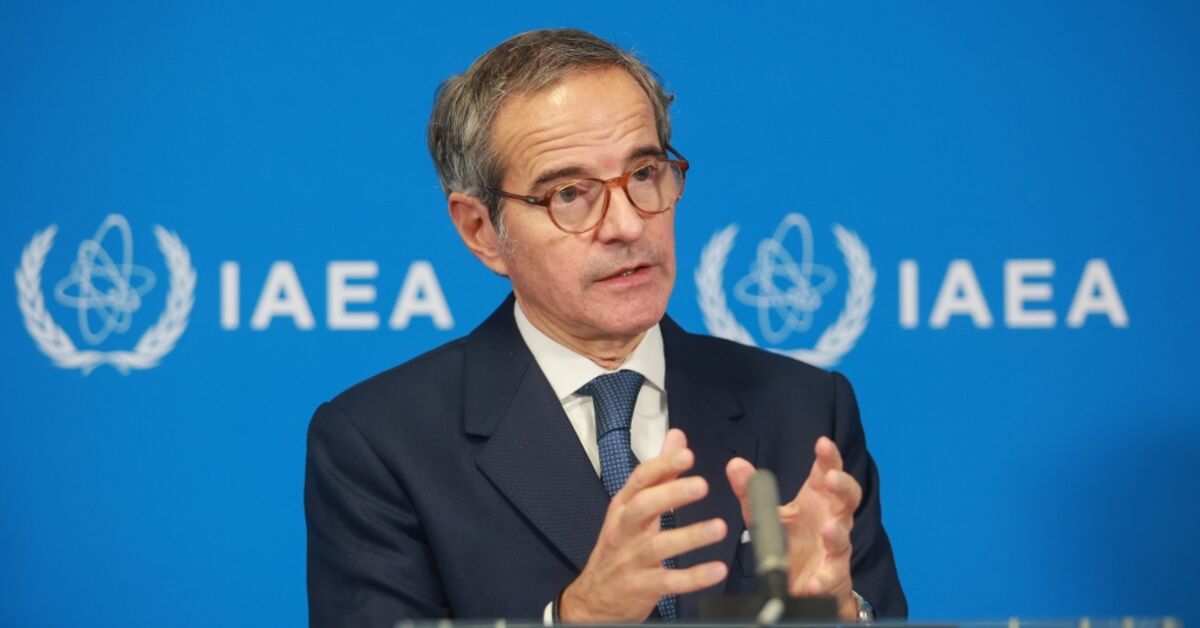
UN nuclear watchdog head Rafael Grossi on Wednesday welcomed a deal between the United States and Saudi Arabia on equipping the kingdom with a civilian nuclear programme. The deal announced in July has provoked questions about the risks of nuclear proliferation. "It's a very satisfactory outcome that we have with this agreement," Grossi told reporters after opening an International Atomic Energy Agency board of governors' meeting. Once nuclear power development gets under…

Ukraine protests IAEA chief's plan to appoint sanctioned Russian official as deputy
Ukraine's Foreign Ministry released a statement on Nov. 17 protesting International Atomic Energy Agency (IAEA) Director General Rafael Grossi's intention to appoint a sanctioned Russian official as the international body's Deputy Director General and head of the Department of Nuclear Energy. The official in

With US alliance less certain, Seoul needs to fix missile defense
The changing strategic environment in Northeast Asia demands a fundamental reassessment of South Korea’s air and missile defense capabilities. Seoul can no longer afford to treat missile defense as a secondary component of national security at a time when North Korea is rapidly expanding its missile arsenal, China is developing increasingly sophisticated missile systems –

China’s new missile shield rewrites Indo-Pacific escalation math
China’s latest live-fire missile interception exercise highlights a major doctrinal shift as the People’s Liberation Army (PLA) races to protect its mainland leadership, nuclear arsenal and growing aircraft carrier fleet from US precision strikes, Indian submarine-launched nuclear missiles and allied anti-ship networks. The PLA successfully demonstrated the simultaneous interception of two new-type missile targets, including
5 steps China, US and Russia could take at Apec to defuse nuclear risk
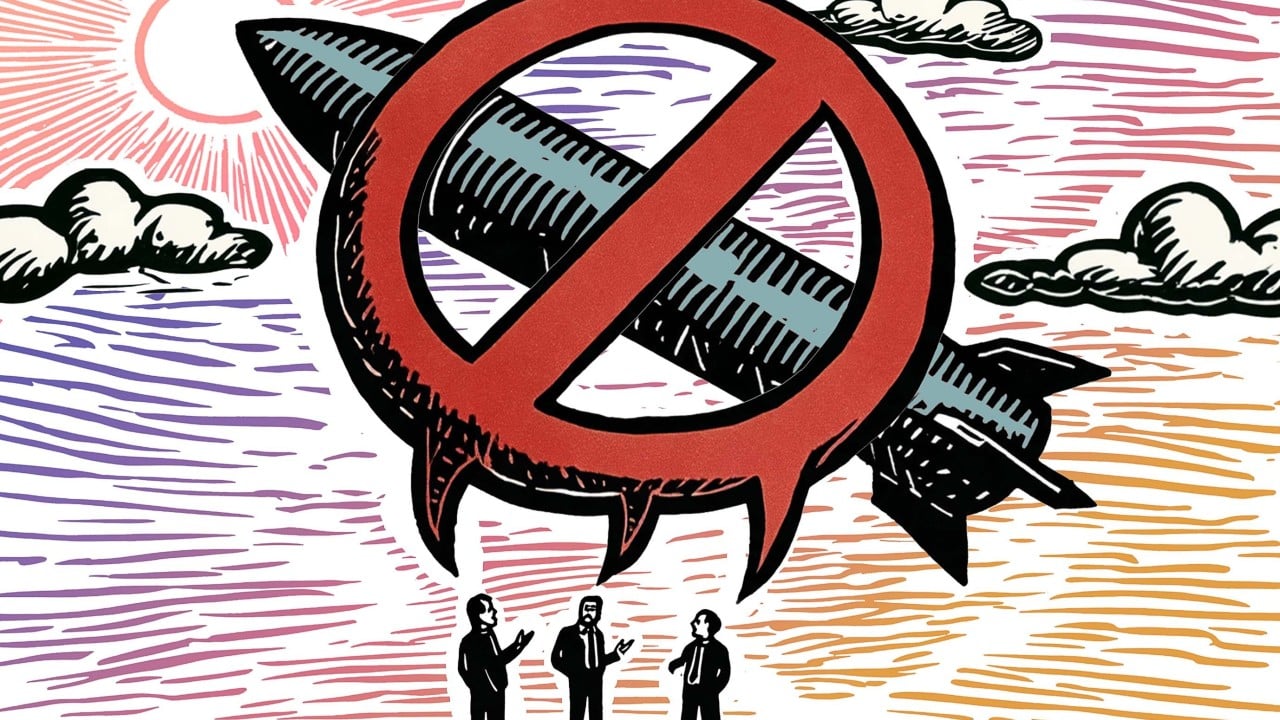
Is a trilateral summit between China, Russia and the United States possible during the Asia-Pacific Economic Cooperation forum in Shenzhen? If so, it is striking that US President Donald Trump sees such a meeting focusing less on Ukraine, saying: “we would have it to talk about nuclear weapons and denuclearisation.” How might this start? The US says China is the fastest-growing nuclear power in recent years. But even if Beijing’s warhead stockpile reached 600 by the end of…

Iran says IAEA is yielding to US pressure
TEHRAN – Iran has warned that any renewed military aggression against the country will be met with a forceful response, while criticizing the International Atomic Energy Agency (IAEA) for a 'biased approach' under US influence, saying the agency’s conduct has undermined its credibility and further strained relations with Tehran.

Russia says Western pressure on Iran undermines IAEA impartiality
London, IRNA – Russia has criticized Western countries for exploiting the International Atomic Energy Agency’s (IAEA) safeguards system to exert political pressure on Iran, warning that their actions are undermining the agency’s impartiality and escalating tensions over Tehran’s peaceful nuclear program.

UK Rejects Russian Demands on European Security, Nuclear Deterrent
British Prime Minister Andy Burnham has rejected Russian demands to negotiate Europe’s security architecture or restrict allied defense arrangements following talks with European leaders in Dublin, affirming that continental security is for Europe alone to decide as the UK commits its submarine-based nuclear deterrent to NATO. Ukraine’s Foreign Minister Andrii Sybiha mocked Vladimir Putin’s “Yalta 1945” ambitions given over 1.6 million Russian casualties, while Finnish…