Results for “NASA”

SpacePolicyOnline Marcia Smith Space

Senate Appropriations CJS Subcommittee Proposes $24.9 Billion for NASA in FY2027

The Senate Appropriations Committee released five more FY2027 bills this evening, including the Commerce-Justice-Science bill that funds NASA. The CJS subcommittee is proposing $24.874 billion for NASA, slightly more than
Read at SpacePolicyOnline

SpacePolicyOnline Marcia Smith Space

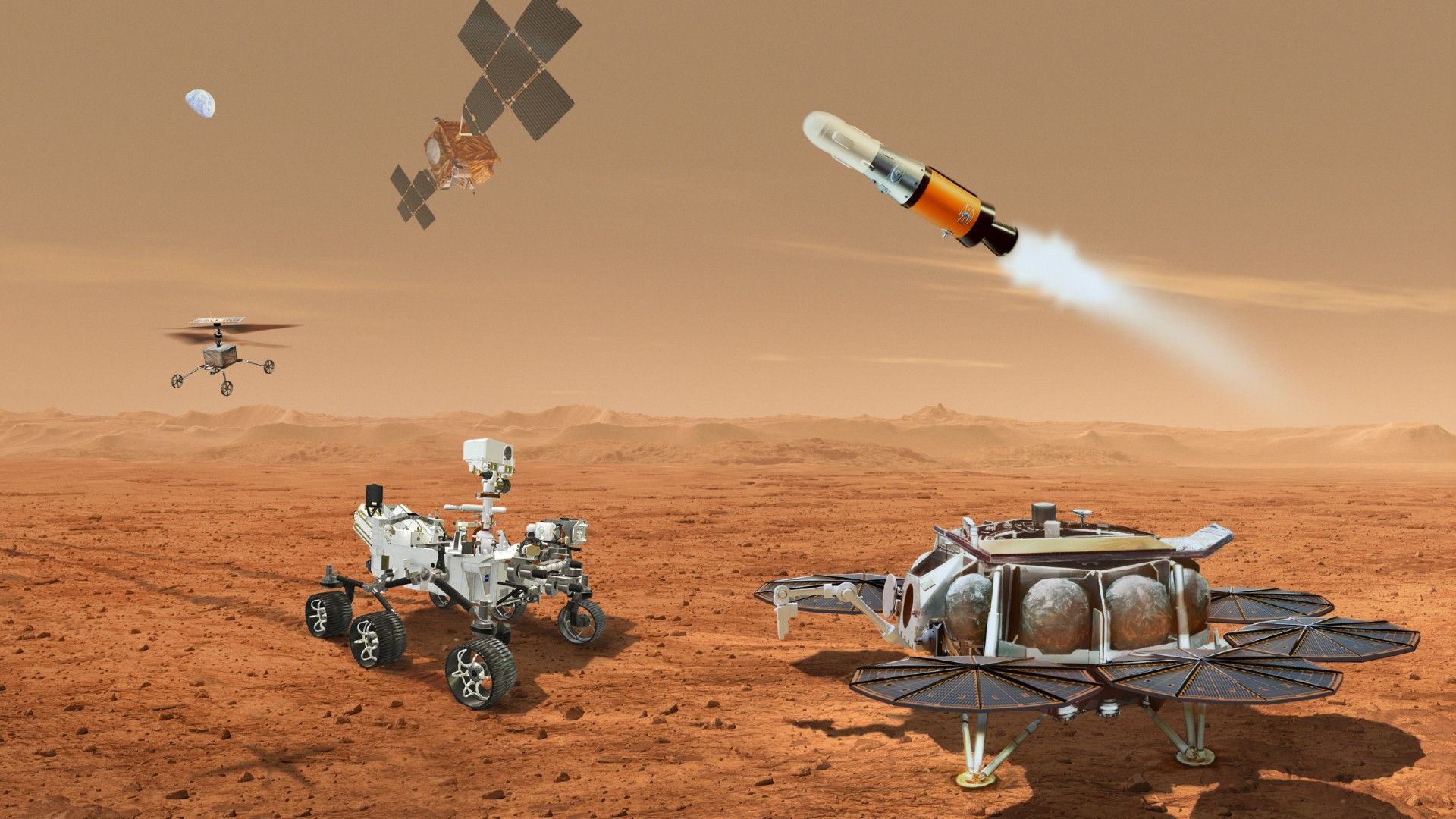
NASA Looking for New Ways to Return Perseverance Samples From Mars

In January, NASA will begin assessing new strategies to return the samples now being collected by the Mars Perseverance rover to Earth. The agency ended an earlier Mars Sample Return

Read at SpacePolicyOnline

Phys.org Space Space

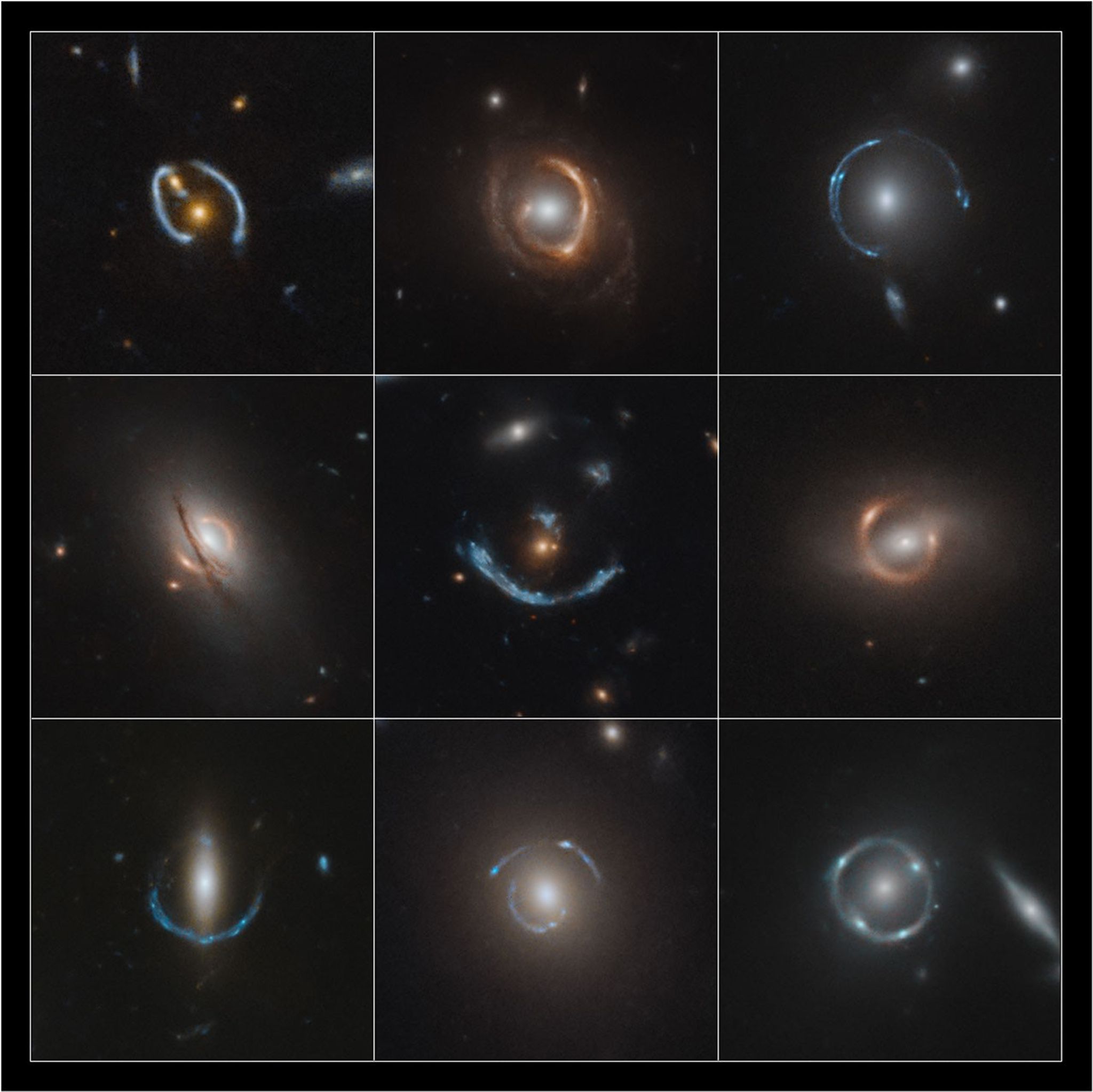
Hubble offers cosmic sampler of targets for Roman

A gallery of gravitational lenses captured by NASA's Hubble Space Telescope showcases the diversity of this cosmic phenomenon and lays the groundwork for follow-up observations by the new Nancy Grace Roman Space Telescope.

Read at Phys.org Space

NASA Lee Mohon Space

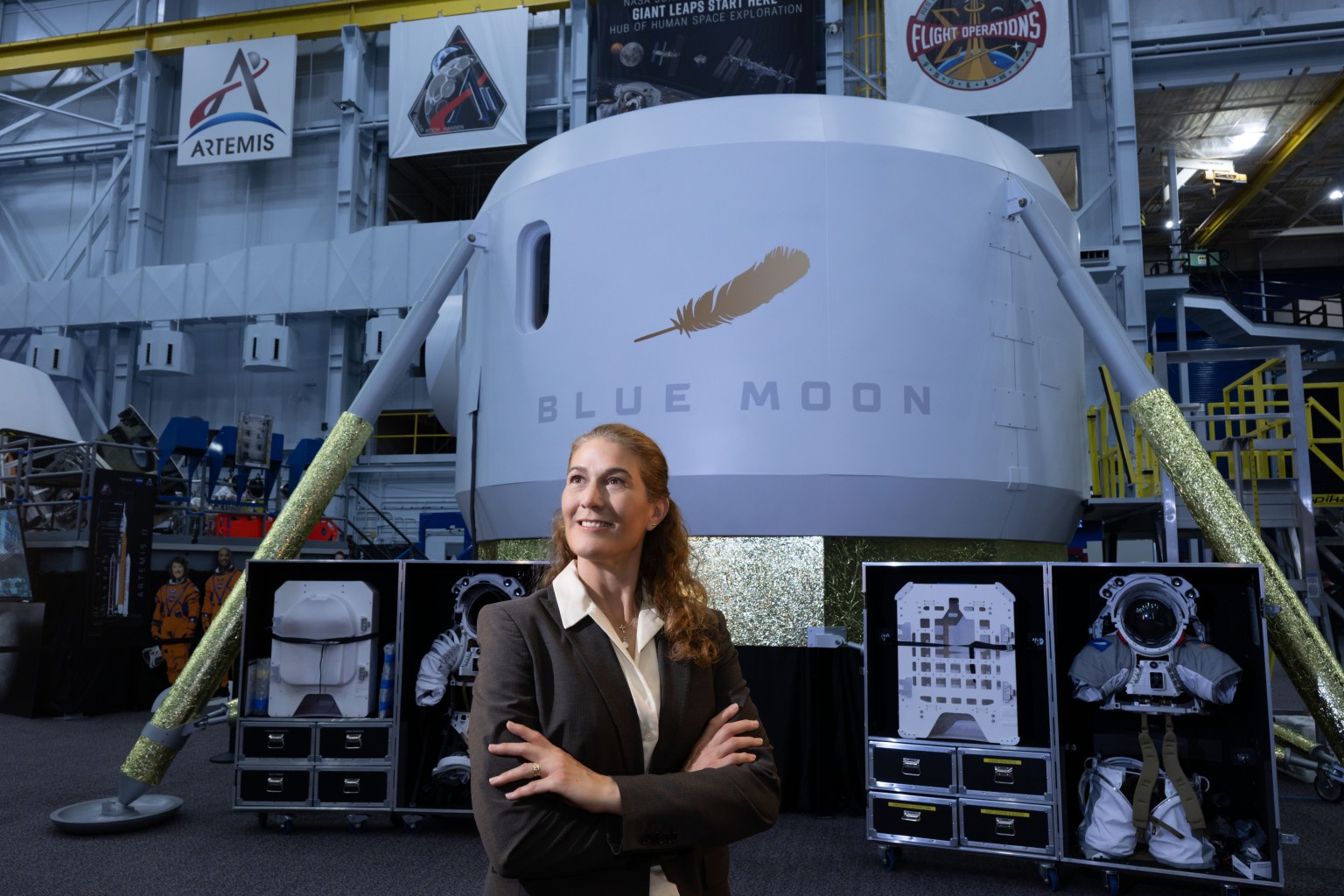
I Am Artemis Katie Spicer

For Katie Spicer, embracing opportunity and challenge has led to giant leaps during her time at NASA. Now as the NASA lander integration lead for Blue Origin’s Blue Moon Mark 2 lander, one of the commercially provided human landing systems for NASA’s Artemis program, Spicer will have her handprint on history. Spicer works in the

Read at NASA

NASA Science Space

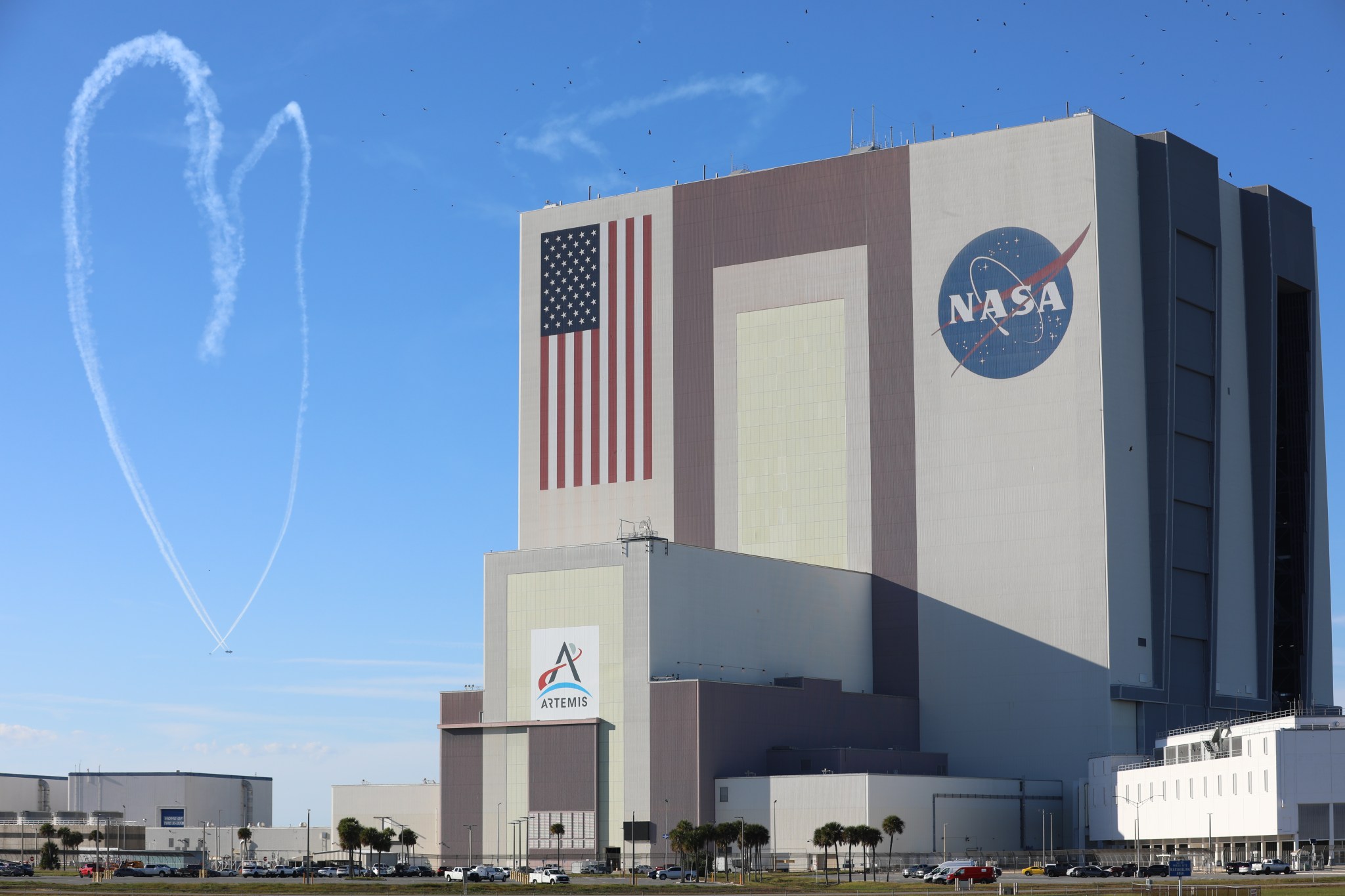
Heart in the Sky at NASA Kennedy

The U.S. Air Force Thunderbirds create a heart-shaped smoke trail during a flight maneuver near NASA’s Vehicle Assembly Building during the agency’s MAX POWER expo and air show on Sunday, Nov. 8, 2026, at NASA’s Kennedy Space Center in Florida. NASA’s MAX POWER is an aerospace festival celebrating the past, present, and future of flight

Read at NASA Science

Universe Today Andy Tomaswick Space

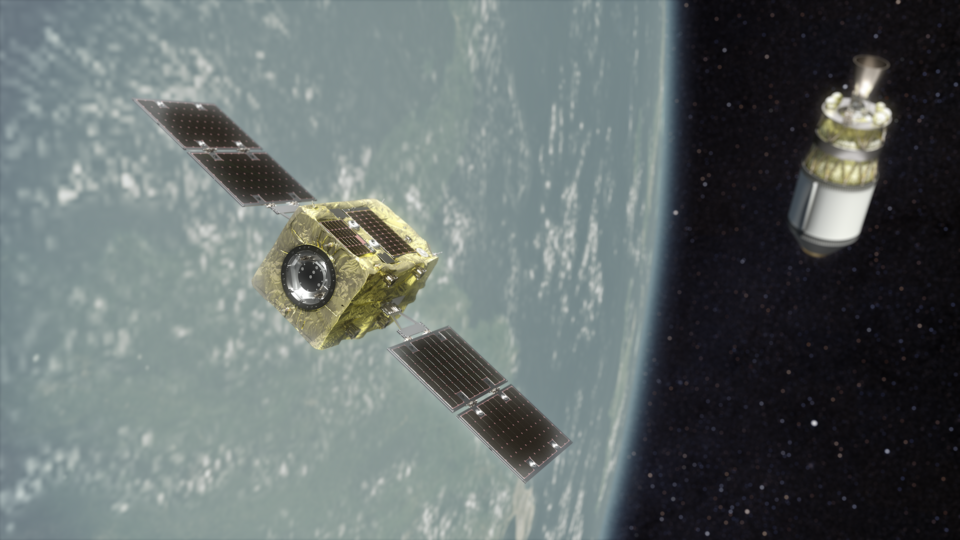
Solving the Space Junk Crisis Isn't Just About Counting Trash—It’s About Control and Economics

If people ever think about cleaning up space debris, they typically think of something equivalent to a giant garbage truck in the sky, collecting lost astronaut tools and dead satellites then hauling them back down to Earth to be deposited in a landfill. But dealing with space debris doesn’t work that way, and a new paper, available in pre-print on arXiv from Dr. Slava Turyshev of NASA’s Jet Propulsion Laboratory, who we typically cover for his work on the Solar…

Read at Universe Today

NASA Aaron McKinnon Space

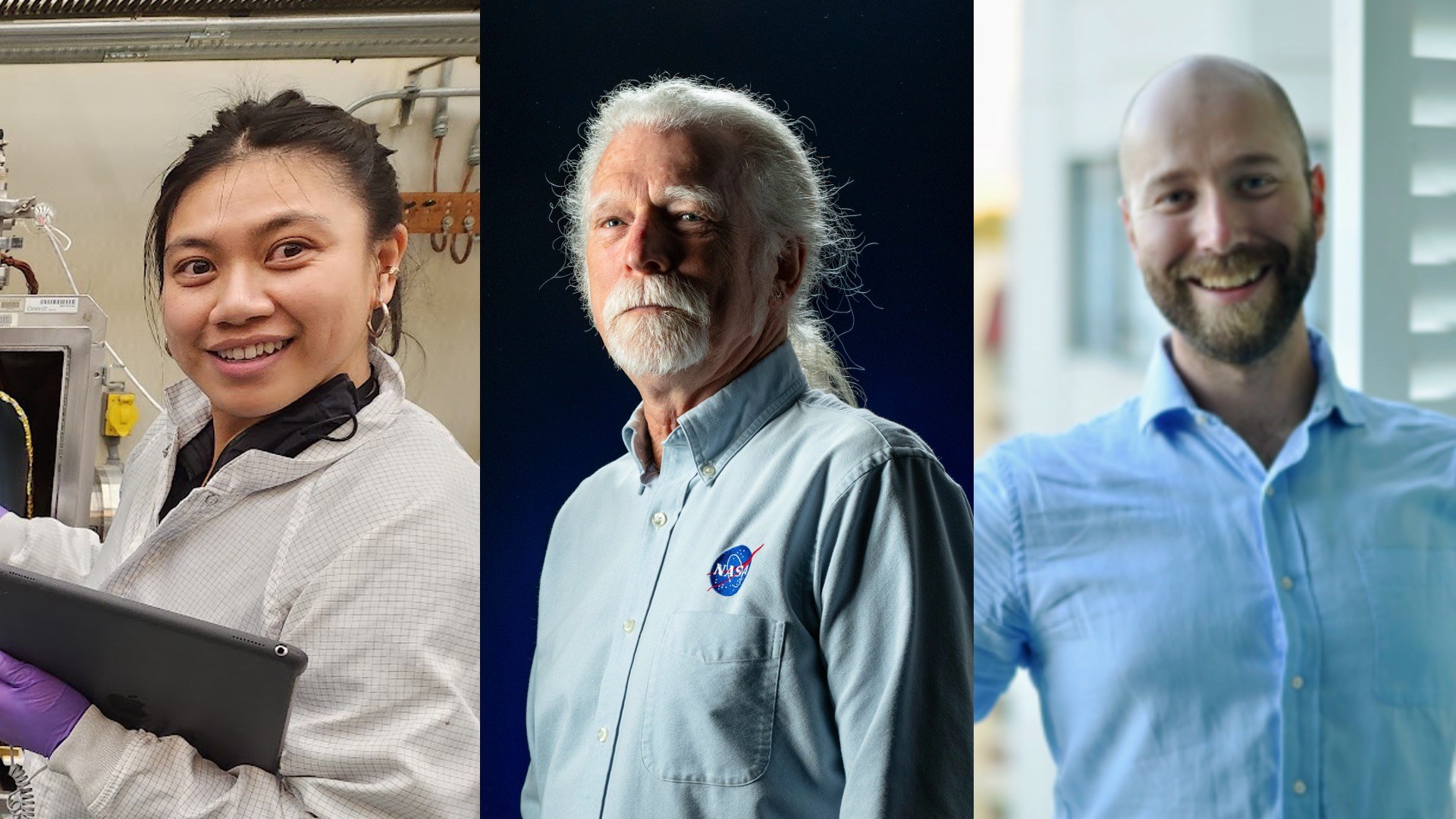
NASA Ames Stars of the Month: November 2026

The NASA Ames Science Directorate recognizes the outstanding contributions of (pictured left to right) Alyssa Villanueva, Steve Howell, and Samuel LeBlanc. Their commitment to the NASA mission represents the entrepreneurial spirit, technical expertise, and collaborative disposition needed to explore this world and beyond. Space Biosciences Star: Alyssa Villanueva Alyssa Villaneuva is an engineer at Blue

Read at NASA

Phys.org Space Space

A new view of the gamma-ray gap: 14 years of Fermi data reveal around 450 sources in a largely unexplored energy range

The universe is filled with light at many different energies. Some of it is invisible to our eyes, including extremely energetic gamma rays, which can only be produced in the most extreme environments in our universe, for example supermassive black holes, exploding stars or astrophysical jets. To "see" gamma rays, astrophysicists use particle experiments in space, such as the Fermi-Large Area Telescope (Fermi-LAT). This instrument was launched into space by NASA in 2008, and…

Read at Phys.org Space

NASA Science Jeanette Kazmierczak Space

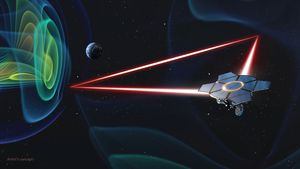
LISA Stories

All the latest LISA news from NASA

Read at NASA Science

The Planetary Society Space

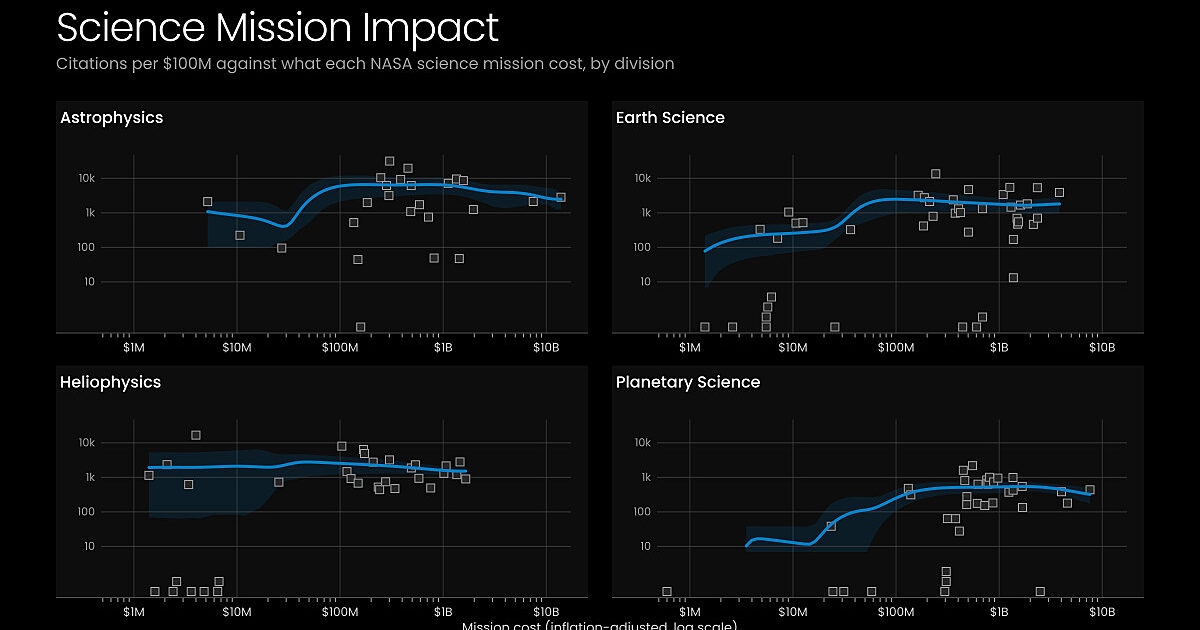
NASA is betting on cheaper missions as a way to sustain science. We built a database to check whether it works.

Our new Science Mission Impact study and dashboard examine 143 NASA science missions and 148,534 peer-reviewed papers. Our main finding: In every science division, the cheapest missions can’t replace the science return of larger ones.

Read at The Planetary Society

NASA Space

NASA’s Hubble Offers Cosmic Sampler of Targets for Roman

A gallery of gravitational lenses captured by NASA’s Hubble Space Telescope showcases the diversity of this cosmic phenomenon and lays the groundwork for follow-up observations by the Nancy Grace Roman Space Telescope.

Read at NASA

NASA Dede Dinius Space

Through NASA’s Lens: Capturing Space Shuttle Endeavour’s Move to LA

As a new exhibit opens showcasing NASA’s space shuttle Endeavour, NASA photographers look back at the final mission. These photographers documented the iconic images shared around the world on Sept. 21, 2012, while millions watched space shuttle Endeavour fly on top of the agency’s 747 Shuttle Carrier Aircraft for the last time. Endeavour’s new home

Read at NASA

Phys.org Space Space

Europe's Hera spacecraft begins close inspections of an asteroid rammed by NASA in a 2022 test

A European spacecraft has begun close inspections of an asteroid rammed by NASA four years ago in a planetary defense test.

Read at Phys.org Space

SpaceNews Jeff Foust Space

Senate committee takes up nominees for NASA chief financial officer and inspector general

A Senate committee is set to advance nominations for NASA’s chief financial officer and inspector general.

Read at SpaceNews

Space.com Leonard David Space

NASA kick-starts a fresh push to bring Mars samples home

NASA is kickstarting a new initiative for Mars Sample Return (MSR), called the Perseverance Sample Retrieval Architecture.

Read at Space.com

Space.com Hanneke Weitering Space

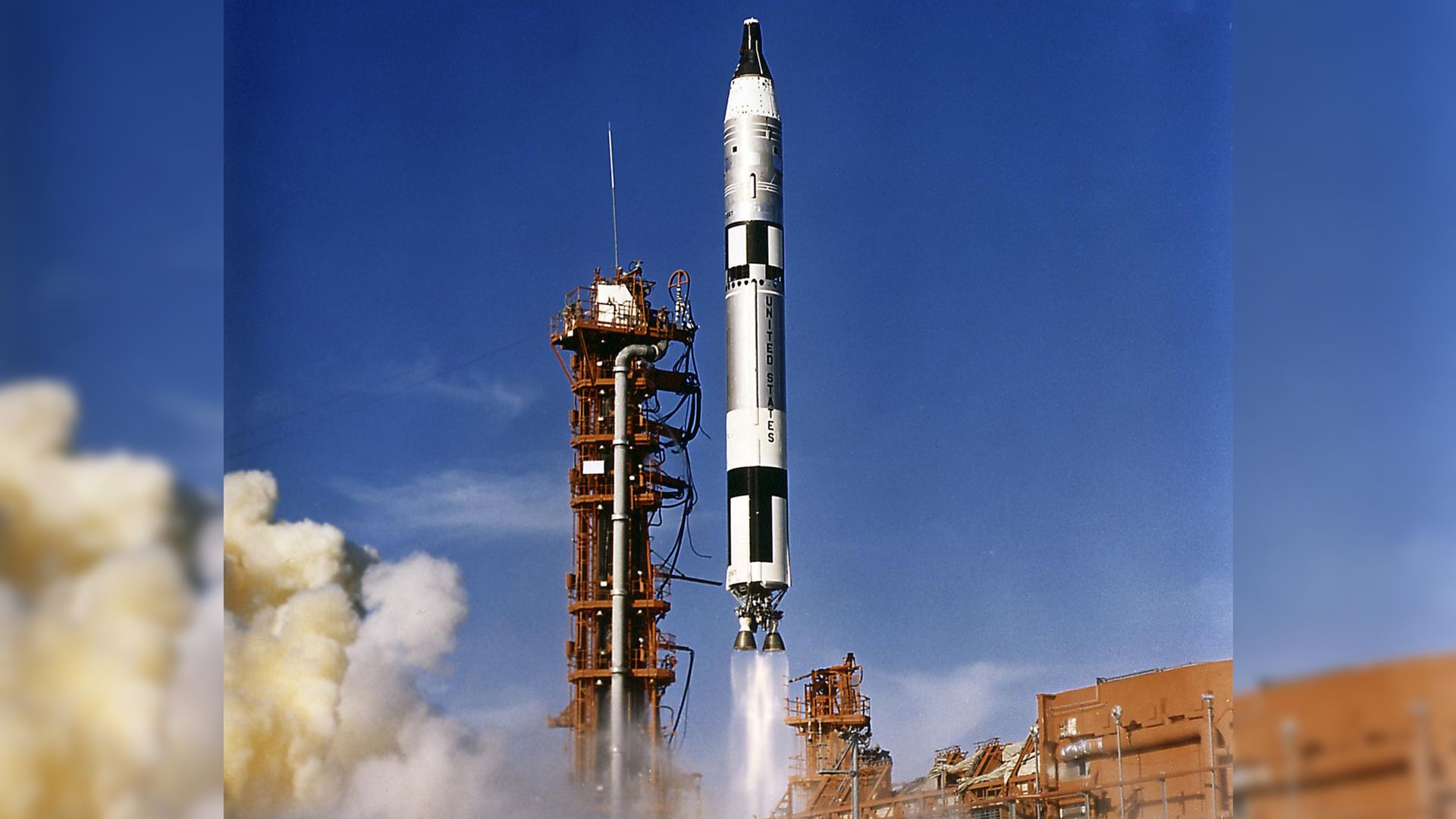
On this day in space! Nov. 11, 1966: NASA launches Gemini 12 mission with astronaut icons Buzz Aldrin and Jim Lovell aboard

On Nov. 11, 1966, the Gemini 12 mission launched an astronaut crew into orbit and set the stage for NASA's Apollo program. Here's why it mattered.

Read at Space.com

Ars Technica Eric Berger Space

NASA's secret weapon in the lunar space race may be ... procurement reform?

"The pace that's occurring, and the nature of the procurements, is unprecedented."

Read at Ars Technica

The Register Richard Speed Space

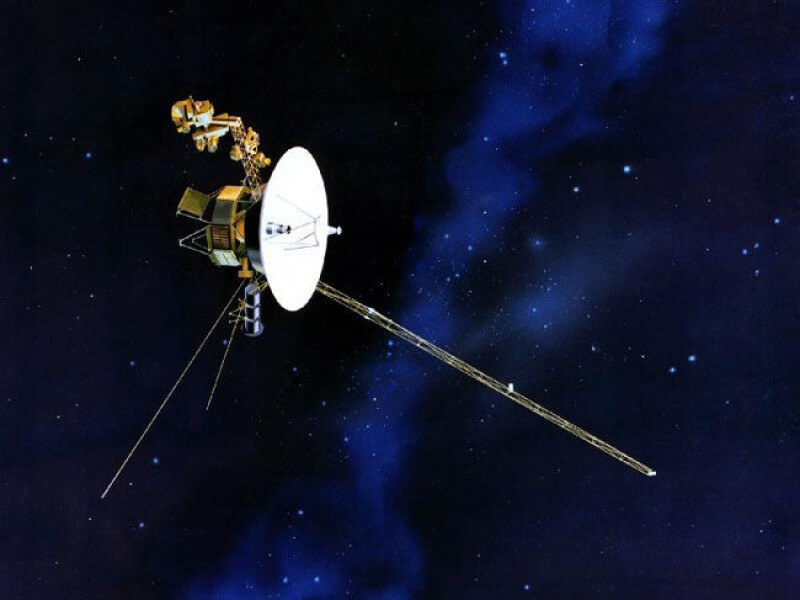
NASA asks Earthlings to wave as Voyager 1 reaches a light-day away

Flash VGR in Morse code on November 17 to salute the veteran probe – just don't expect it to see you

Read at The Register

NASA Science Space

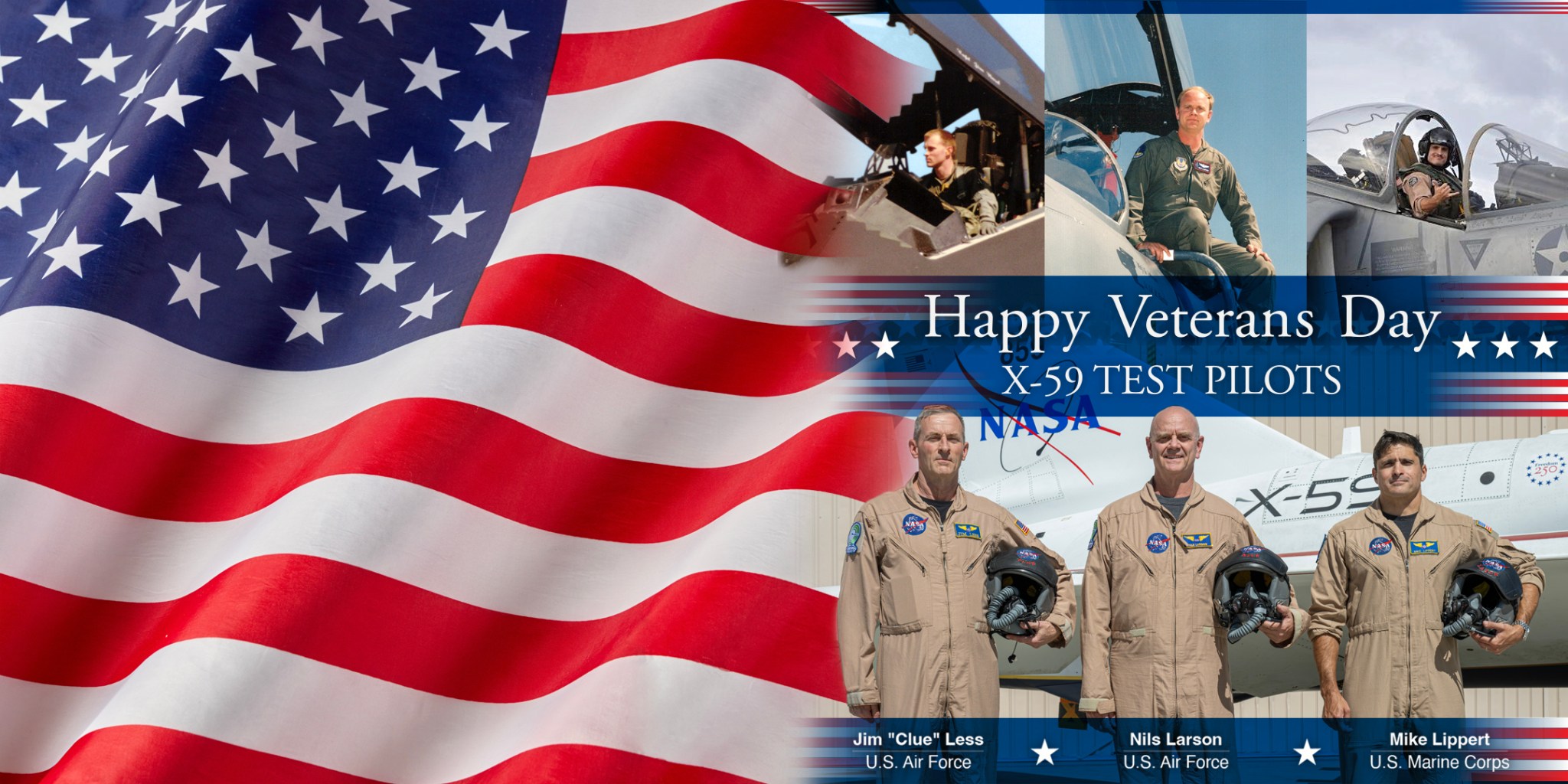
Honoring NASA’s X-59 Test Pilots on Veterans Day

Seasoned pilots, aerospace engineers, and U.S. military veterans, NASA’s X-59 test pilots bring decades of service, technical expertise, and flight experience to the agency’s Quesst mission. NASA X-59 pilots Jim “Clue” Less and Nils Larson served in the U.S. Air Force, while Mike Lippert served in the U.S. Marine Corps. Today, the three pilots continue

Read at NASA Science

Space.com Robert Lea Space

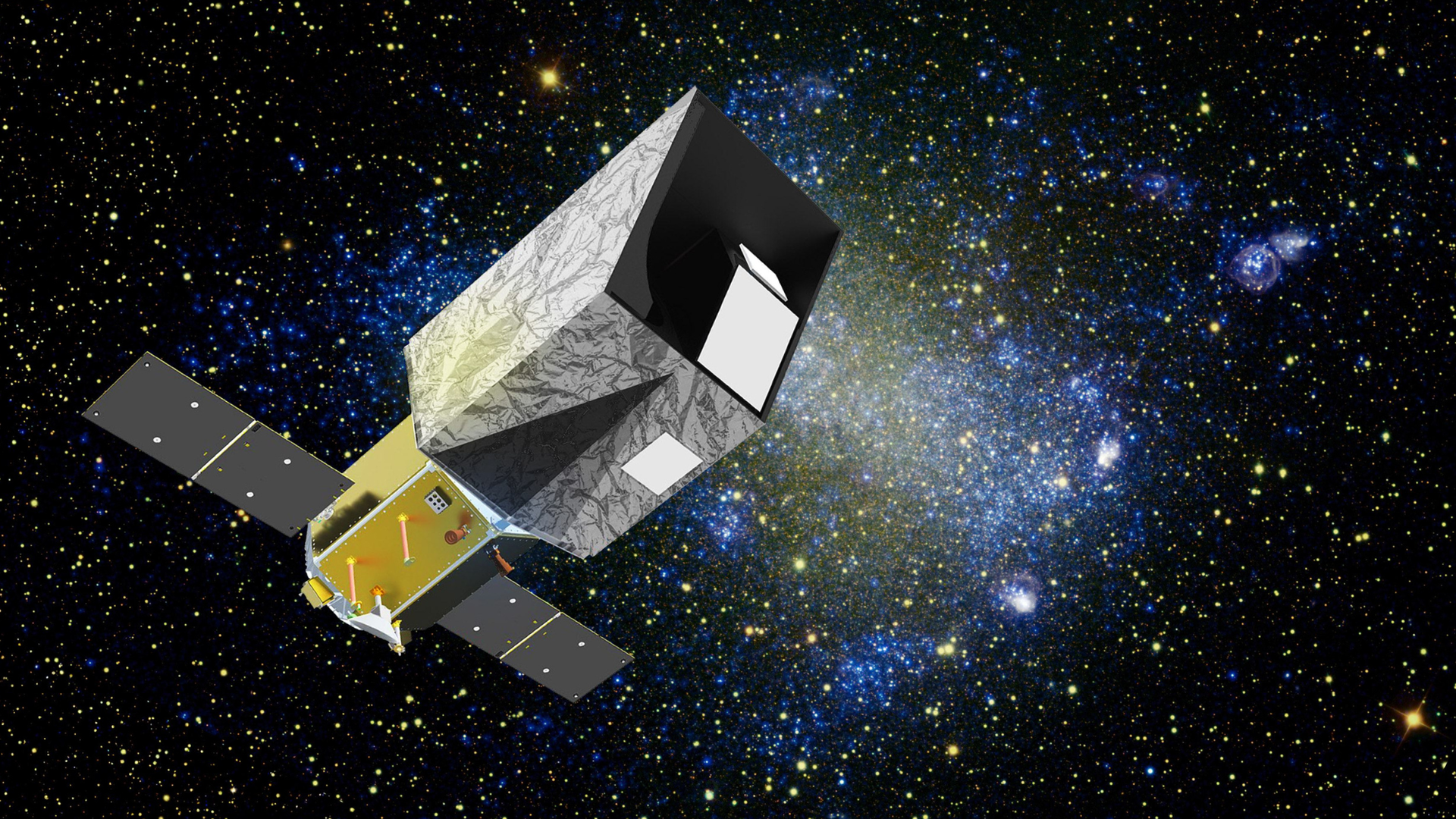
NASA's new UVEX space telescope will peer deep into the universe's most violent events

NASA's new UVEX space telescope will study the universe in ultraviolet light to reveal the violent and turbulent events that bubble under what appears to be a cosmic sea of tranquility.

Read at Space.com

Phys.org Space Space

How ripples in space-time can reveal new exoplanets

The LISA (Laser Interferometer Space Antenna) observatory, now in development, will detect gravitational waves, the tiny ripples in space-time caused by orbiting masses. Now two studies led by NASA astrophysicists show in new detail how LISA could reveal a new and unique population of exoplanets—worlds beyond our solar system—throughout our galaxy.

Read at Phys.org Space

NASA Science Space

Episode 186: Supercomputing

Dr. Marian Nemec, chief of the Computational Physics Branch at NASA Ames Research Center in Silicon Valley, California, takes us inside the world of NASA Advanced Supercomputing.

Read at NASA Science

Phys.org Space Space

Webb's controversial 'little red dots' may finally have an explanation

Astronomers may have solved one of the biggest mysteries uncovered by NASA's James Webb Space Telescope (JWST), using sophisticated simulations to show that enigmatic objects known as "little red dots" (LRDs) are likely the birthplaces of the first supermassive black holes.

Read at Phys.org Space

NASA Science Space

NASA Invites Media, Public to Join Voyager 1 One-Light Day Activities

Launched nearly 50 years ago in 1977, NASA’s Voyager 1 on Wednesday, Nov. 18 will have traveled one light-day from Earth, which is more than 16 billion miles (25.9 billion kilometers). Voyager 1 is the most distant human-made object, and any light from Earth would take 24 hours to reach the spacecraft. NASA will highlight

Read at NASA Science

Payload Victoria Woodburn Space

Rep. Mike Haridopolos on NASA’s Future After the Blue Wave

Rep. Mike Haridopolos survived the Blue Wave—and he’s optimistic bipartisan support for NASA’s Artemis program means the program will survive the political upheaval on Capitol Hill as well.

Read at Payload

NASA Wendy K. Avedisian Space

NASA to Welcome Expedition 74 Astronauts Home at Space Center Houston

NASA will welcome home the Expedition 74 crew during a public event at Space Center Houston following their return from a long-duration mission aboard the International Space Station. NASA astronauts Jessica Meir, Jack Hathaway, and Chris Williams; ESA (European Space Agency) astronaut Sophie Adenot; and Roscosmos cosmonauts Sergey Kud‑Sverchkov and Sergei Mikaev will share mission

Read at NASA

Phys.org Space Space

Simulated moon dust turned into LEGO-like blocks for settlements

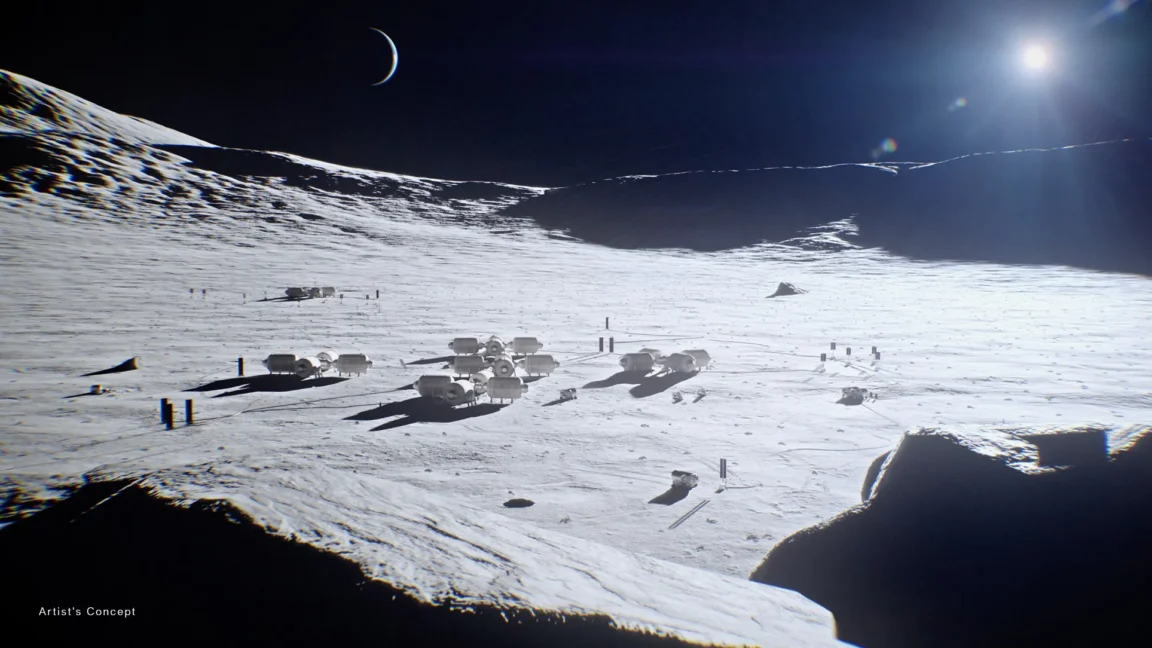
Permanent structures on the moon could start with something already there: lunar dust. New research from the University of Arkansas shows that pure regolith, the loose material that covers the moon, could be 3D-printed into LEGO-like bricks. Using it for construction could reduce what NASA needs to send from Earth as it works toward future lunar settlements.

Read at Phys.org Space

Ars Technica Eric Berger Tech policy

One space station company sues another for copying its work

"NASA advised that Vast’s submission in some locations substituted 'the PAM Provider' for Axiom"

Read at Ars Technica

NASA Science Francis Reddy Space

NASA Scientists Show How Gravitational Waves Can Reveal New Worlds

The LISA (Laser Interferometer Space Antenna) observatory, now in development, will detect gravitational waves, the tiny ripples in space-time caused by orbiting masses. Now two studies led by NASA astrophysicists show in new detail how LISA could reveal a new and unique population of exoplanets — worlds beyond our solar system — throughout our galaxy.

Read at NASA Science

NASA Science Space

NASA’s Discovery Program: Competitive Planetary Exploration in the 21st Century

By David W. Brown Velocity and audacity defined the Discovery Program at its inception in the early 1990s, when it emerged in response to limited flagship mission opportunities and budget uncertainty. Designed for focused, low-cost planetary exploration, Discovery marked a shift from traditional directed missions. The early history of the program is covered in NASA’s

Read at NASA Science

Older stories