Universe Today

Recent stories from Universe Today.

Universe Today Evan Gough Space

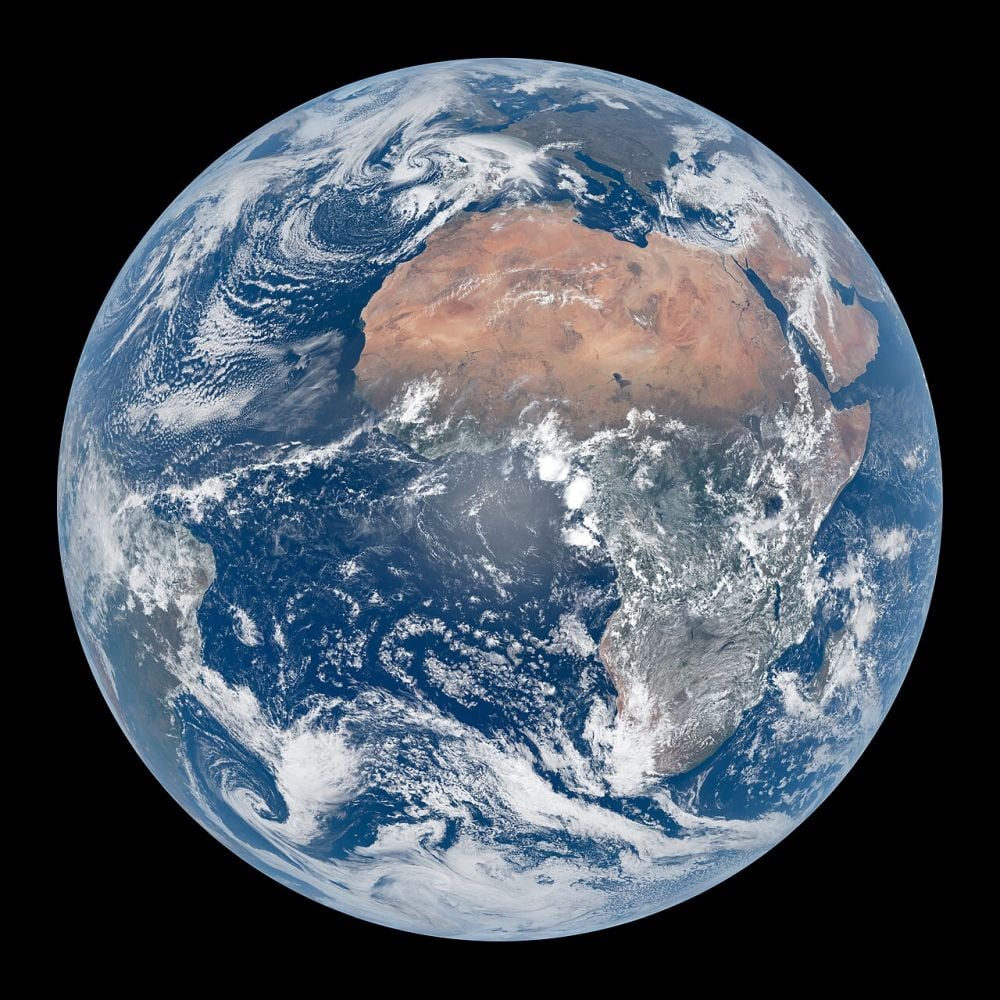
Earth's Atmosphere Took Three Deep Breaths of Oxygen Before the Oceans Caught Up

The accumulation of oxygen in Earth's atmosphere and oceans was a multi-stage process that played out over geologic timescales. Scientists have worked hard to understand all the details of this complex process. New research writes a revised timeline for how it all played out.
Read at Universe Today

Universe Today Andy Tomaswick Space

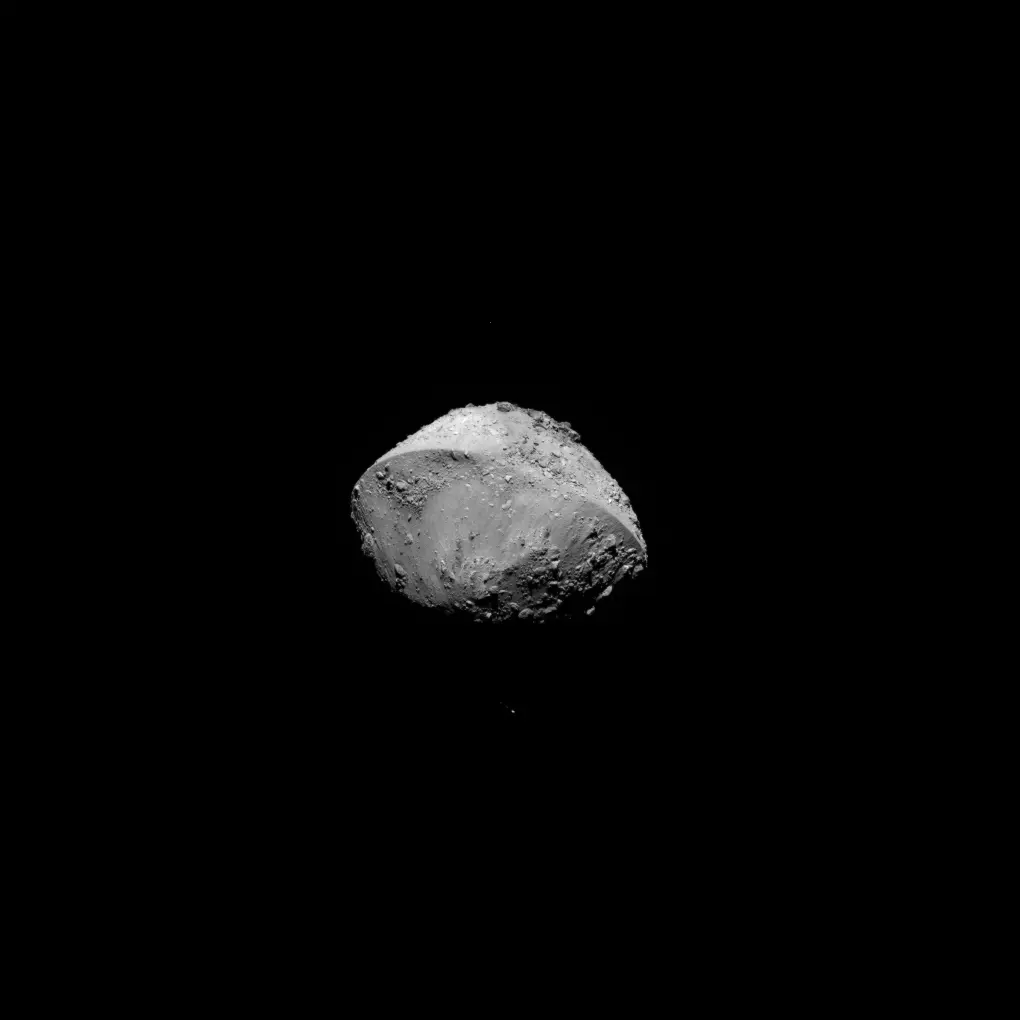
ESA's Hera Probe Uses "Superhuman" Vision to Inspect NASA's Asteroid Crash Site

Around four years ago, humanity intentionally hit an asteroid. The Double Asteroid Redirection Test (DART) was by pretty much all measures a resounding success when it struck the asteroid moonlet Dimorphos going more than 22,000 kilometers per hour. However, we still don’t know just how much of a success it actually was - DART was a one-way mission with no real way to track the results of the impact close up. Enter Hera, the European Space Agency (ESA) mission that recently…

Read at Universe Today

Universe Today Evan Gough Space

Euclid's Hunt for Strong Gravitational Lenses is Off to a Strong Start

Euclid was launched to build a 3D map of the sky to probe cosmic structure and the Universe's expansion. Part of its job is to hunt for strong gravitational lenses, important probes of dark matter. So far it's off to a great start. It found 15,000 strong gravitational lens candidates in its first data relase.

Read at Universe Today

Universe Today David Dickinson Space

Feast Your Eyes on Uranus at Opposition This Thanksgiving 2026

The outer planets are ever so slowly starting to sneak back into the evening sky this month. First, Saturn crossed this mark last month on October 4th, then Neptune followed suit on September 26th. Now, the planet Uranus makes the transition, crossing opposition next week.

Read at Universe Today

Universe Today Matthew Williams Space

Reconstructing Cosmic History and Earth's Evolution From Cosmic Explosions

The European Research Council (ERC) announced the winners of its latest Advanced Grant competition. Among the awardees is Prof. Anton Wallner from the Helmholtz-Zentrum Dresden-Rossendorf (HZDR), whose project SUPREME attempts to reconstruct the history of nearby cosmic explosions over the past 500 million years and shed light on how nature creates its heaviest elements.

Read at Universe Today

Universe Today Evan Gough Space

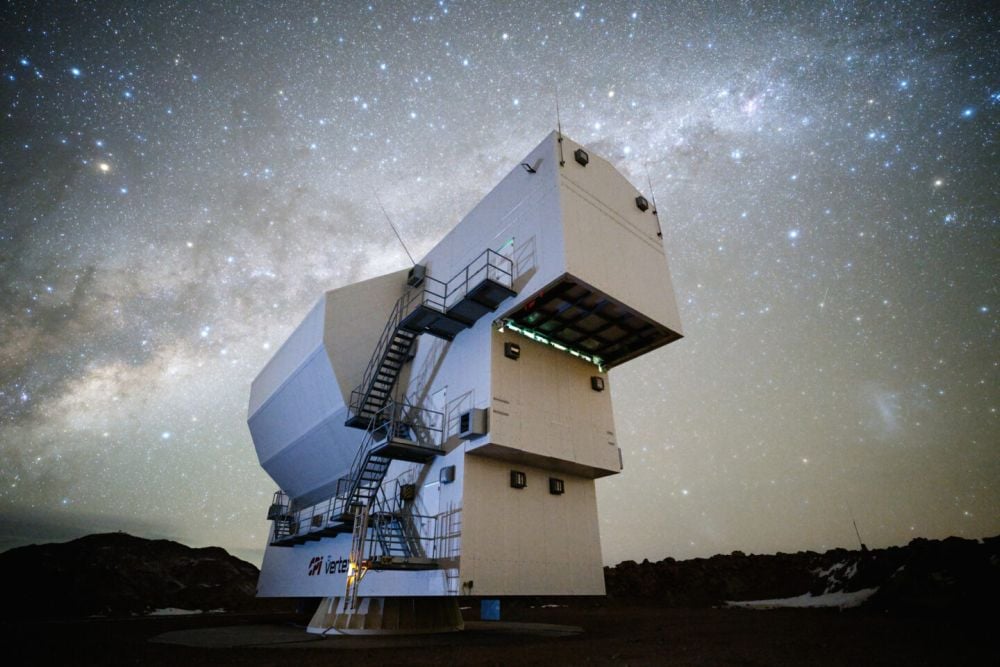
The Simons Observatory is Online and Surveying the Cosmic Microwave Background

The Simons Observatory is online and surveying the Cosmic Microwave Background (CMB) in greater detail than ever before. It's looking for tiny fluctuations in the CMB caused by primordial gravitational waves. These waves, if detected, would be as close to slam-dunk evidence for the Big Bang that we can expect to find.

Read at Universe Today

Universe Today Andy Tomaswick Space

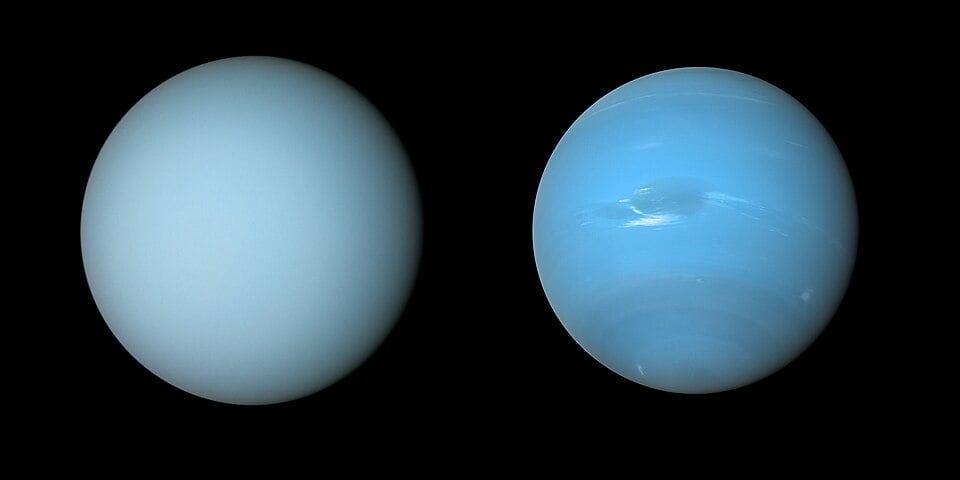
Are Uranus and Neptune Secretly "Rock Giants"? A Noble Gas Might Hold the Answer

For decades, astronomers have divided the planets in the outer solar system into two distinct camps. Jupiter and Saturn were the “gas giants” made up primarily of hydrogen and helium. Uranus and Neptune were the “ice giants”, and were much smaller but were packed with heavier elements. A new paper from Olivier Mousis of the Southwest Research Institute and his co-authors, available in The Planetary Science Journal, explores whether we can use an isotope of a noble gas…

Read at Universe Today

Universe Today Evan Gough Space

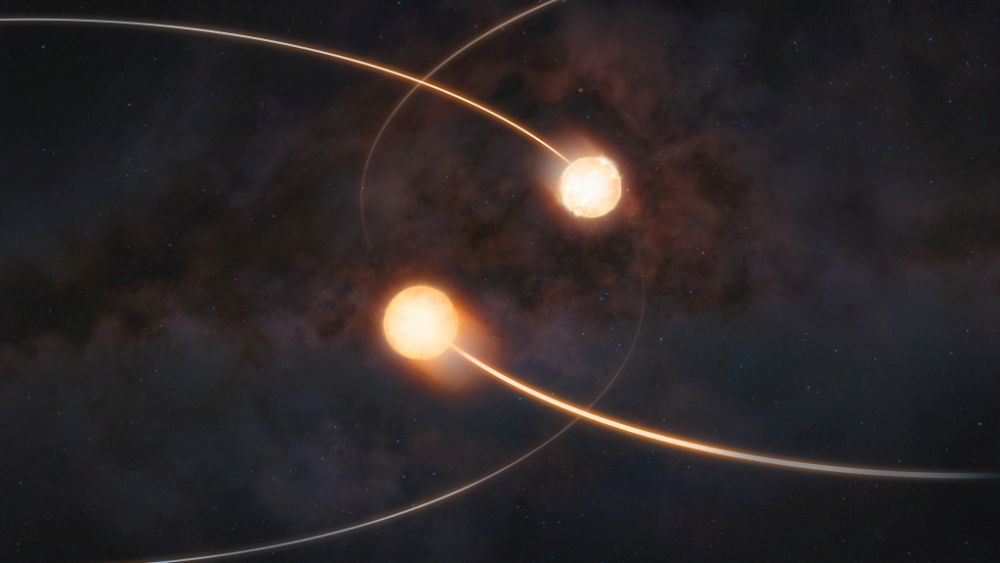
Extremely Accurate Measurements of a Pair of Flaring Red Dwarfs

Astronomers used the Very Large Baseline Array of radio telescopes to measure a pair of active red dwarfs with extreme precision. One of the stars is an extreme type of red dwarf called a Complex Periodic Variable. This is the first time one of these stars has been measured accurately in a binary system.

Read at Universe Today

Universe Today Andy Tomaswick Space

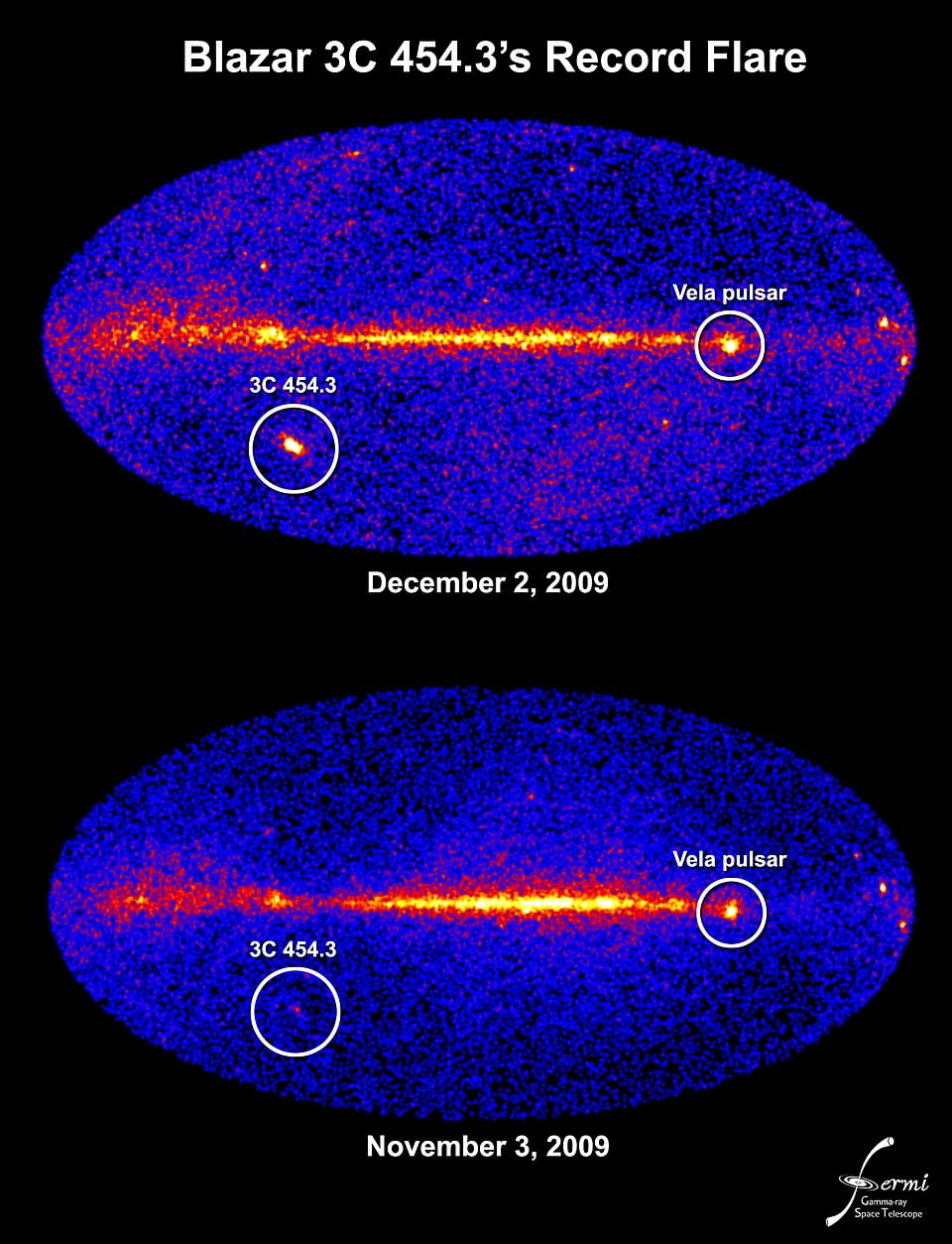
Fermi’s 14-Year All-Sky Map Bridges Astronomy’s Elusive "MeV Gap"

Gamma rays, the most high-energy type of electromagnetic radiation in the universe, have always had a blind spot. We’ve always had trouble measuring them in the “mega-electron volt” (MeV) energy range, which astronomers have taken to calling the “MeV gap”. But a new paper from an international group of scientists working with the Fermi Large Area Telescope (LAT) Collaboration recently published a paper in The Astrophysical Journal Supplement Series that takes a stab at…

Read at Universe Today

Universe Today Andy Tomaswick Space

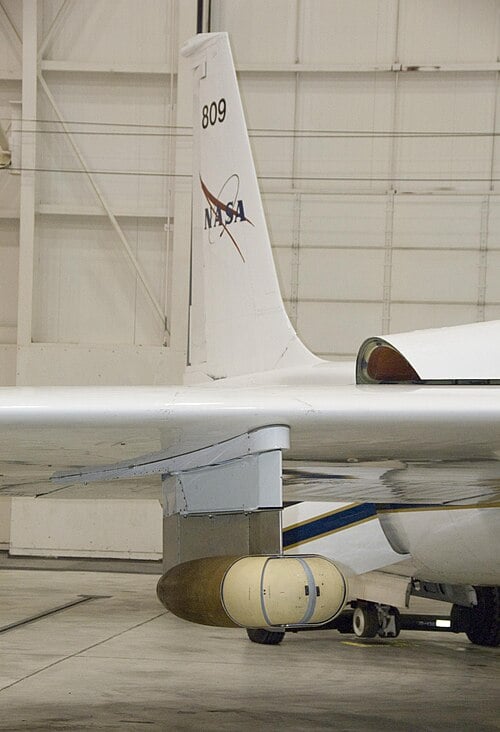
Microscopic Space Dust Reveals A Hidden Reservoir Of "Heavy Water" Beyond Neptune

Astronomers can find valuable information in even the tiniest objects. That was certainly the case recently when twelve dust grains collected by a high-altitude aircraft helped solve a mystery about the birth of our Solar System. Or at least that is the argument in a new paper published in Science Advances by researchers at NASA’s Johnson Space Center and UCLA. According to the paper, the region beyond Neptune once had a massive isolated reservoir of “heavy water” that never…

Read at Universe Today

Universe Today Matthew Williams Space

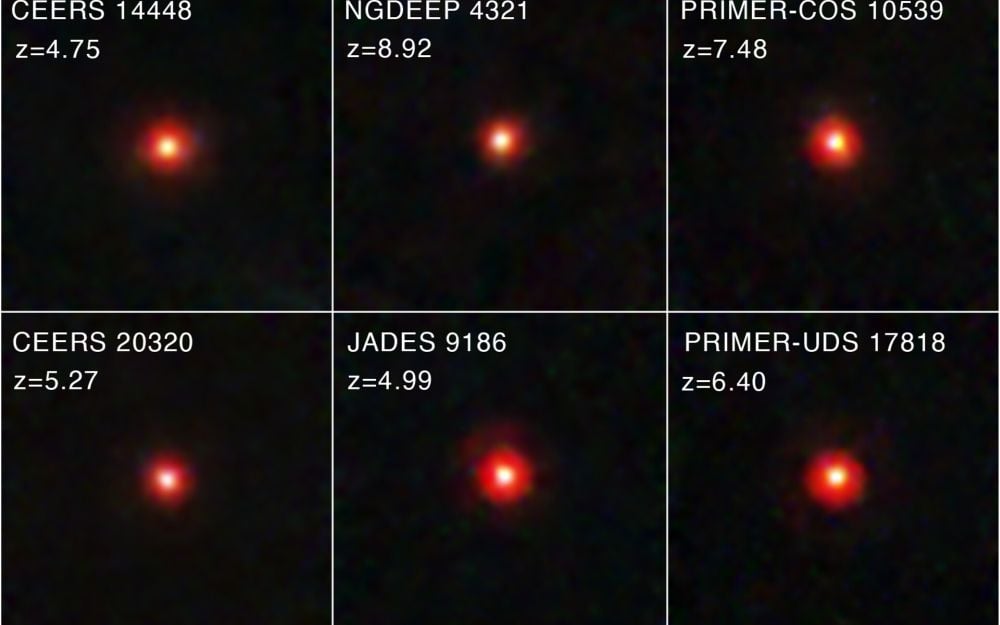
Computer Simulations Provide the Best Explanation for Those "Little Red Dots" Yet!

Tiny ‘Little Red Dot’ galaxies found by the James Webb Space Telescope are revealed to be the remnants of supermassive primordial stars surrounded by dense gaseous envelopes.

Read at Universe Today

Universe Today Evan Gough Space

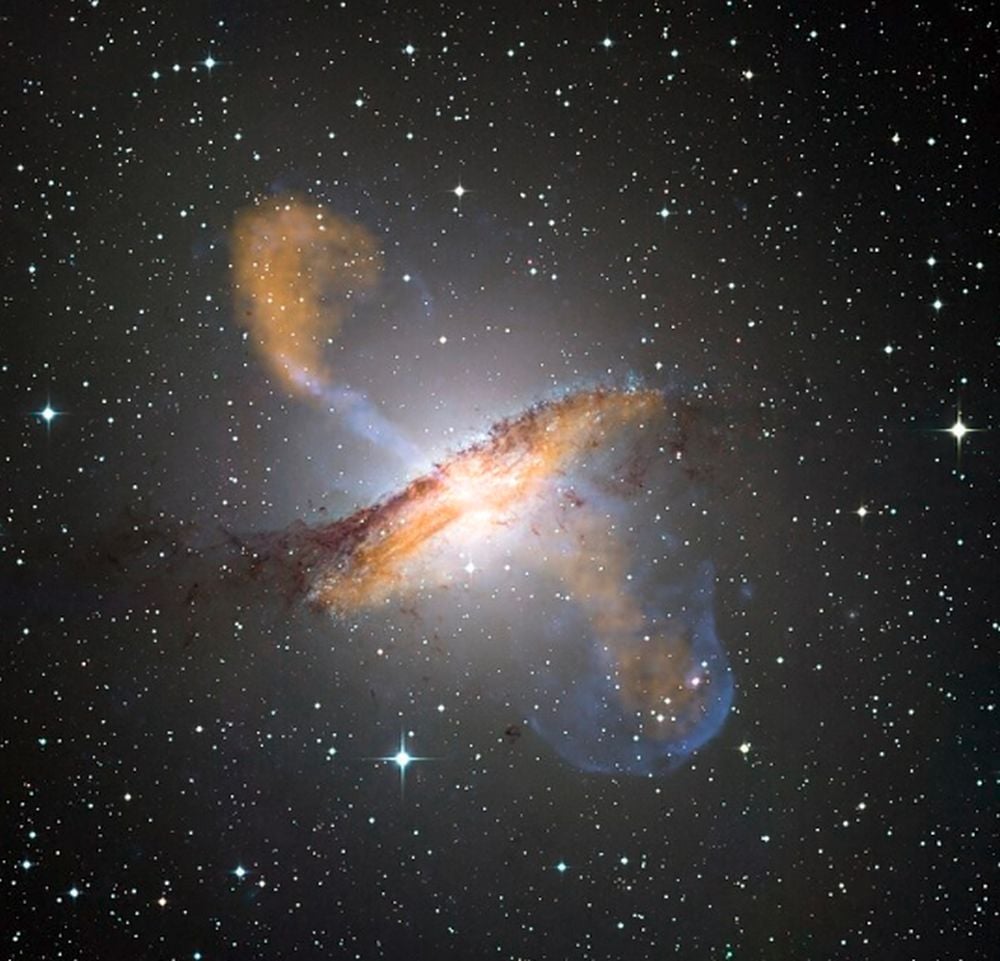
Black Holes and Their Mysterious Bright Structures Explained

Black hole jets from the SMBH in Centaurus A, and from some other SMBH, are brighter on their edges than in their centers. It's called limb brightening, and it's unexpected, and astrophysicists want to know what causes it. They found their answer in detailed plasma physics simulations, and the results could also help efforts to develop fusion power.

Read at Universe Today

Universe Today Evan Gough Space

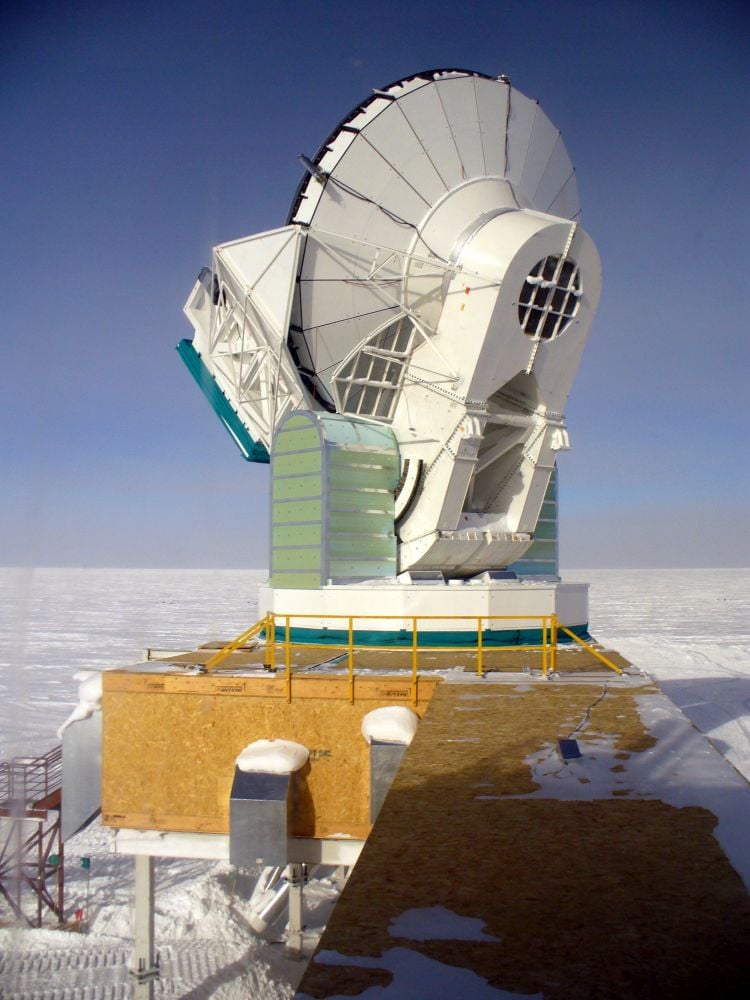
Searching for Elusive Signals in the Cosmic Microwave Background from the South Pole

As the Universe's very first light, the Cosmic Microwave Background holds clues to the very foundation of the cosmos. But, of course, the cosmos doesn't give up its secrets to a casual observer. Only years of work by dedicated scientists with purpose-built tools can make progress.

Read at Universe Today

Universe Today Brian Koberlein Space

Did The First Quarks and Gluons Experience Brownian Motion? Sometimes.

The quark-gluon plasma of the early universe experienced Brownian motion, but a new theory predicts how a particle moving at close to the speed of light is likely to be pushed and pulled by a fluid as it flies through it. The result shows that Brownian statistics doesn't always apply.

Read at Universe Today

Universe Today Evan Gough Space

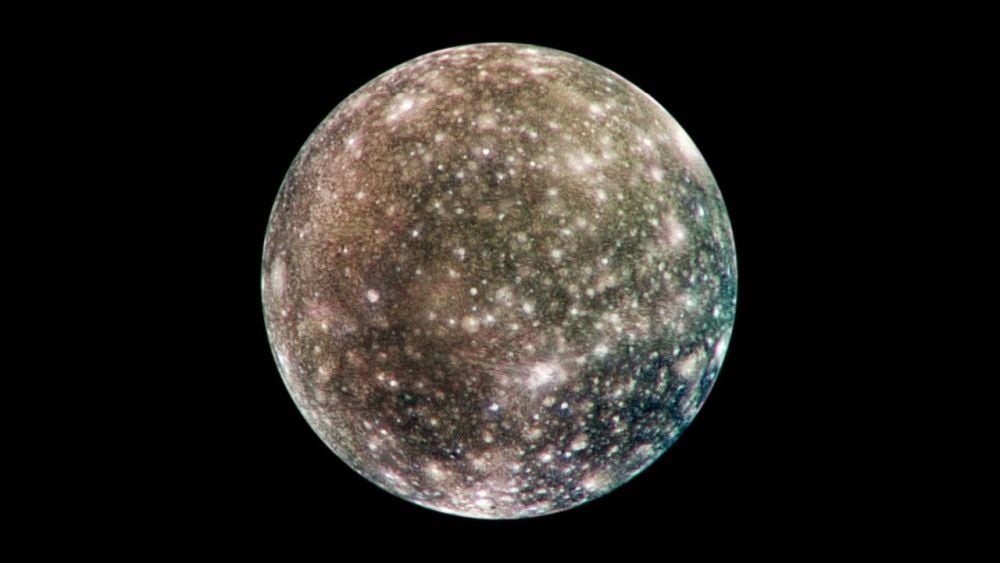
China Signals Its Intention to Land on Jupiter's Moon Callisto

China is outlining plans to place a small lander on the surface of Jupiter's moon Callisto, the outermost of the four Galilean moons. It's an ambitious plan, and would be only the second time anything's landed on a Solar System body beyond Mars. But the payoff would be huge, even if the lander only carries its two proposed instruments.

Read at Universe Today

Universe Today Bruce Dorminey Space

Galaxy Outflows Likely Regulate Star Formation At ‘Cosmic Noon’ NASA’s Webb Reveals

A galaxy’s ultimate habitability is likely linked to massive gaseous outflows that regulate star formation.

Read at Universe Today

Universe Today Laurence Tognetti, MSc Space

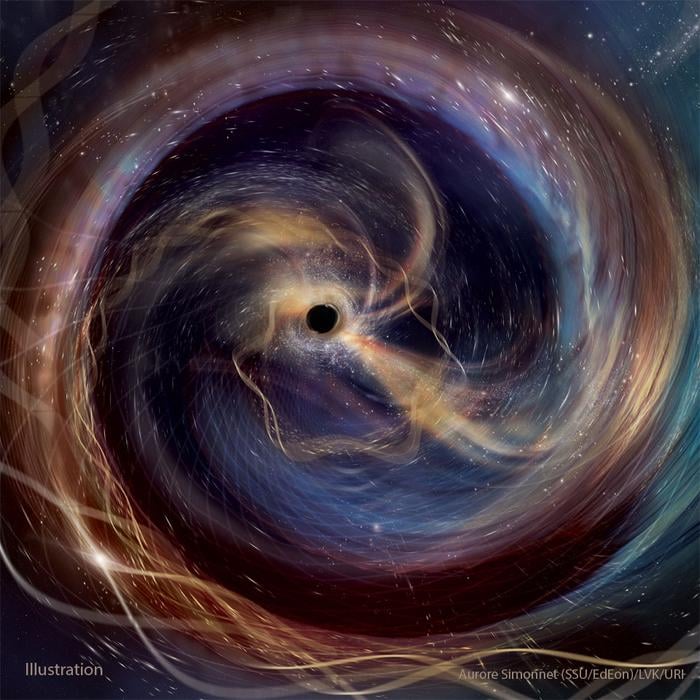
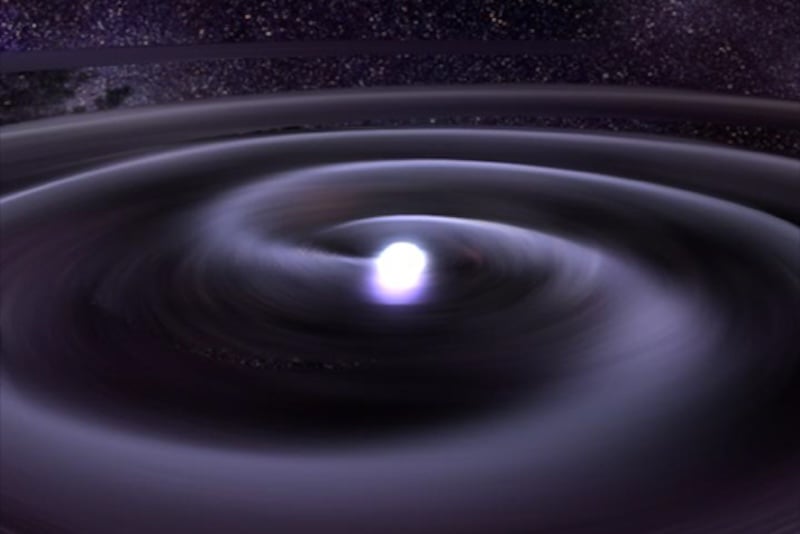
Ringing Black Holes Offer Precision Tests of Relativity

Black holes remain some of the most mysterious and awe-inspiring celestial objects ever studied. This primarily comes from the fact that they literally can’t be observed unless they interact with something in its surrounding environment, most notably a star. Adding to their mystery, several types of black holes exist, including free-floating black holes that drift independently throughout space, stellar-mass and are produced from exploding stars, and supermassive black holes…

Read at Universe Today

Universe Today Evan Gough Space

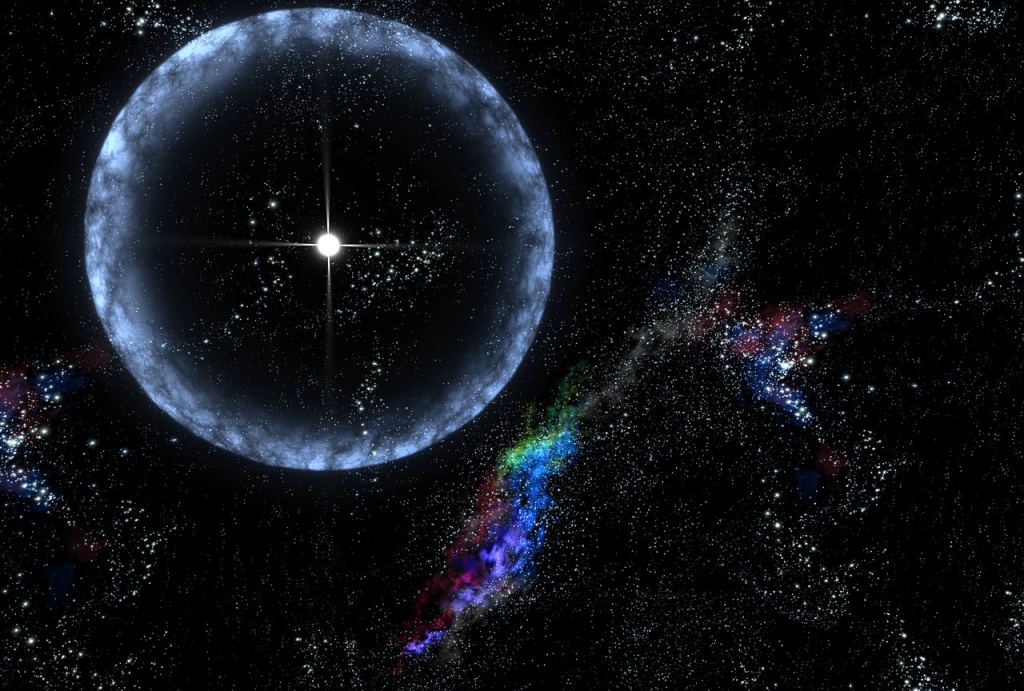
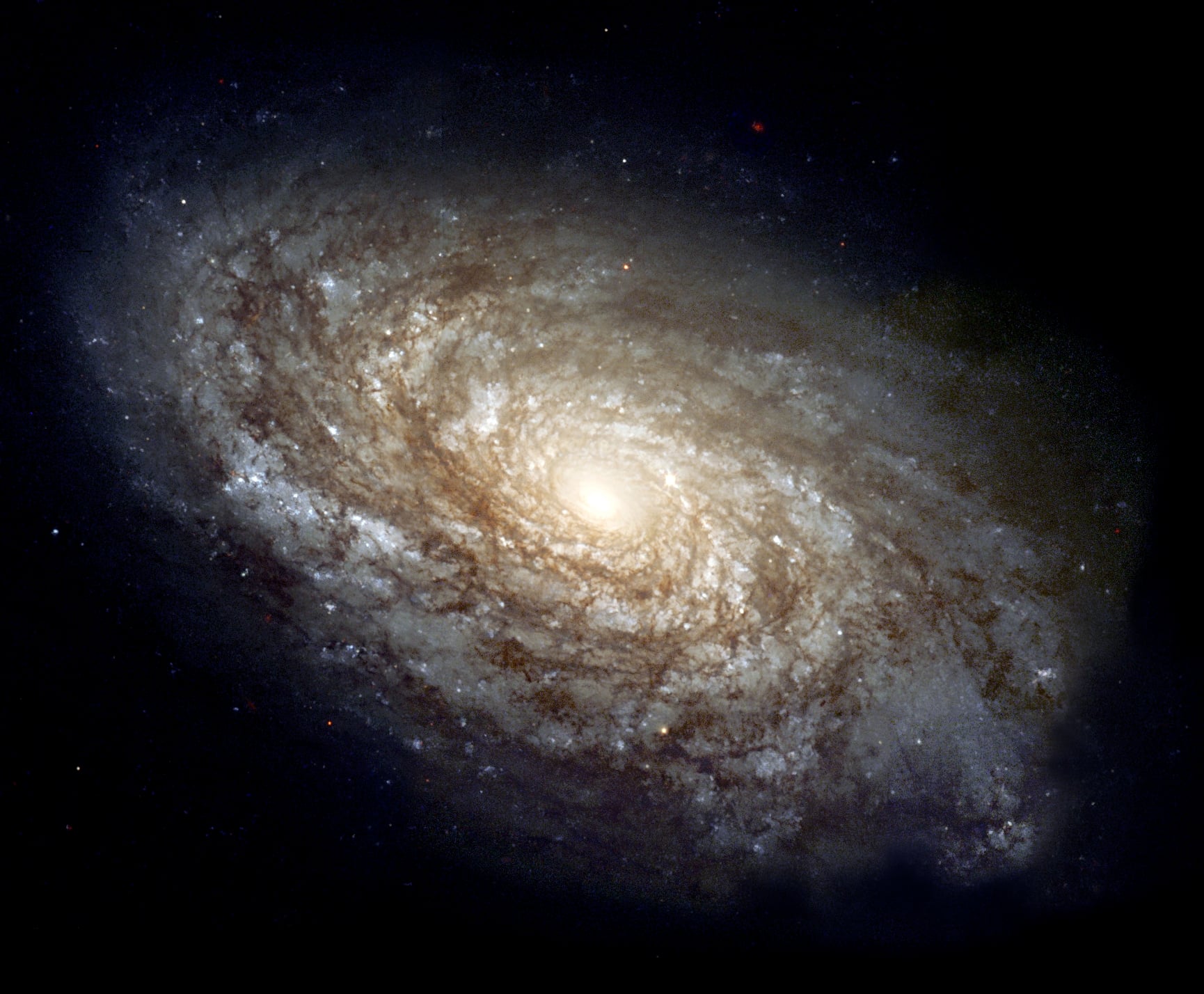
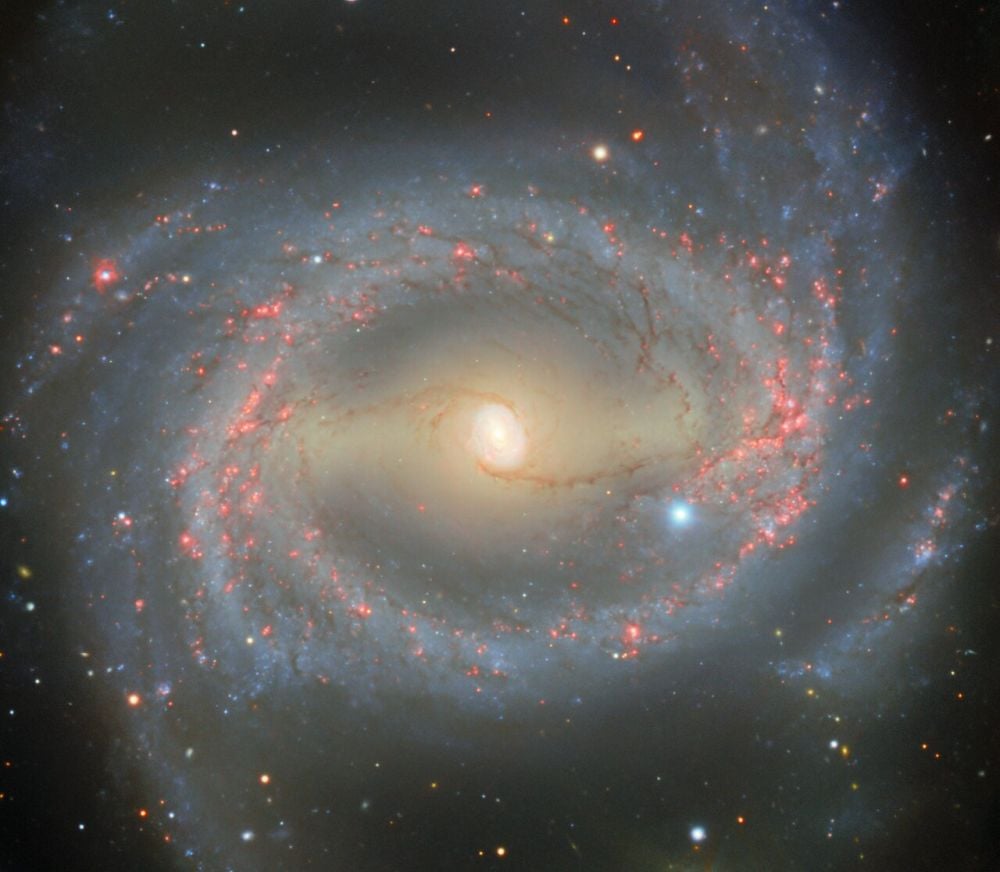
This Supernova is 50 Million Light Years Away, But That's Close Enough For Astronomers

A new supernova has been detected in a spiral galaxy about 50 million light years away. That's close enough for detatiled follow-up observations, which have already begun. It's a type Ia supernova, meaning it's an exploding white dwarf rather than a massive star ending its life in a core-collapse detonation. Astronomers will watch as its light fades and changes over the next days, months, and years to track the changes and learn more about these standard candles. It's close…

Read at Universe Today

Universe Today Evan Gough Space

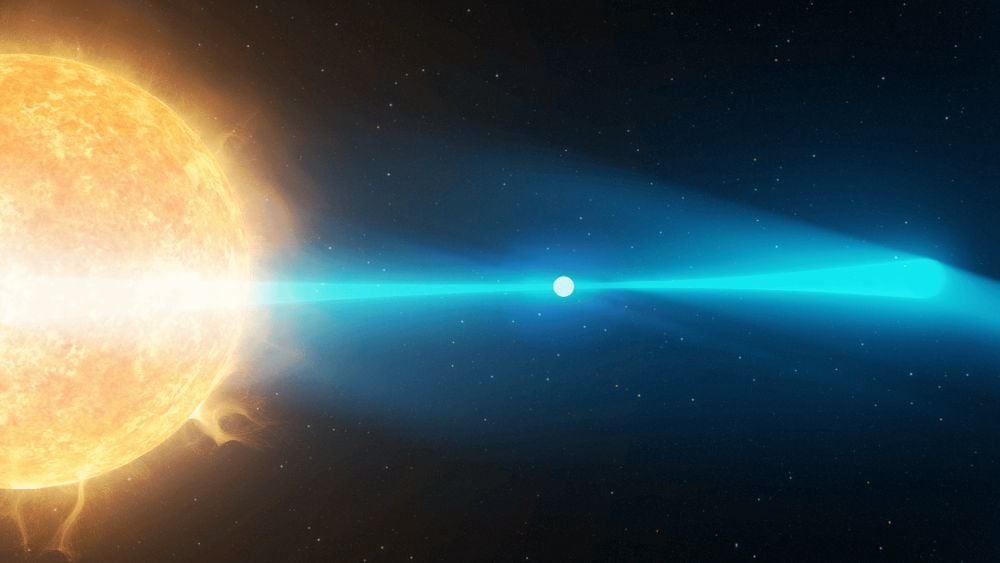
This Rare Binary Star Emits Radio Pulses Every Few Minutes. Will It Eventually Explode?

Astronomers have found a Long Period Radio Transient about 5,000 light years away that's different from other LPTs. Other LPTs have a white dwarf and a red dwarf, but this one has a white dwarf and a main sequence star. The exact cause of the binary pair's radio pulses isn't certain, but this work narrows it down. It also shows that these binaries could be common progenitors for Type Ia supernova explosions.

Read at Universe Today

Universe Today Andy Tomaswick Space

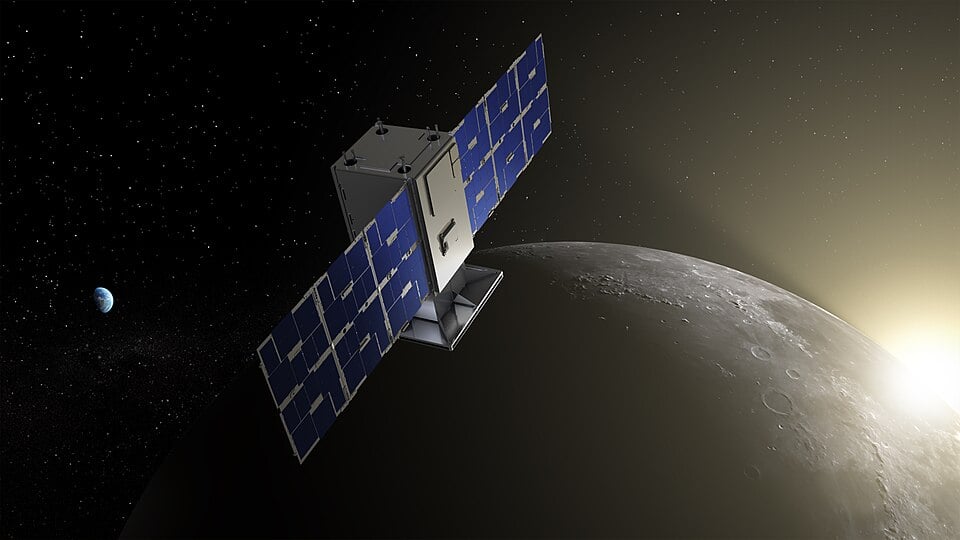
Navigating Lunar Orbit Using Nothing But Shadows And A Power Meter

Humanity is quickly starting to saturate our ability to track all of the satellites we have in deep space. NASA’s Deep Space Network (DSN) has been the workhorse for tracking such things for decades, but is quickly being overwhelmed by the number of requests it receives. Which in turn makes it harder to track some of the missions that have been launched recently. A new paper, available in pre-print on arXiv, from Ian Down, James McElreath, and Manoranjan Majji, of Advanced…

Read at Universe Today

Universe Today Matthew Williams Space

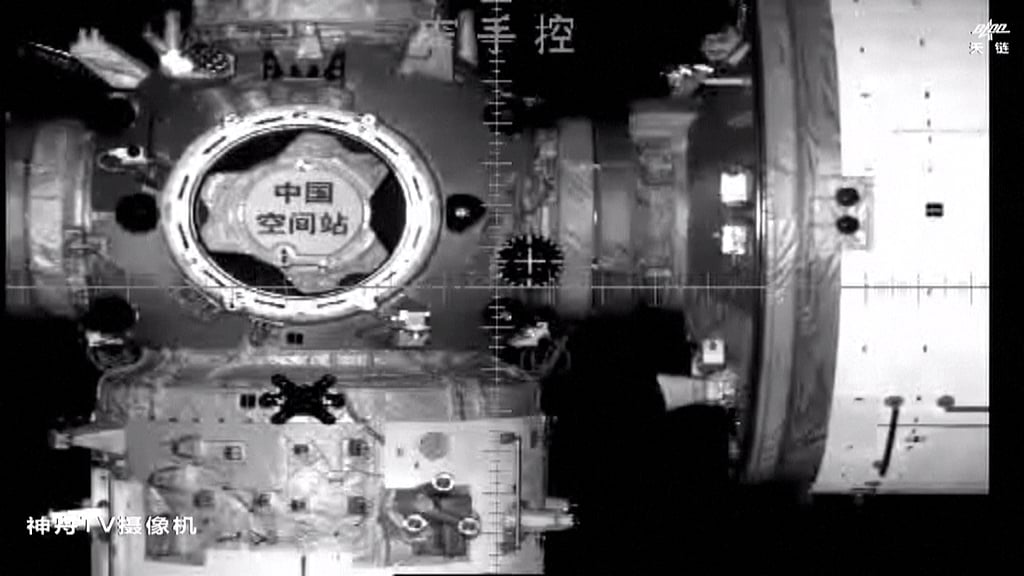
The First Foreign Astronaut Will Visit China's Tiangong Space Station in Two Weeks

The China Manned Space Agency (CMSA) will be taking a Pakistani astronaut to Tiangong as part of the Shenzou 24 mission, marking the first time a foreign astronaut has been to the station.

Read at Universe Today

Universe Today Alan Boyle Space

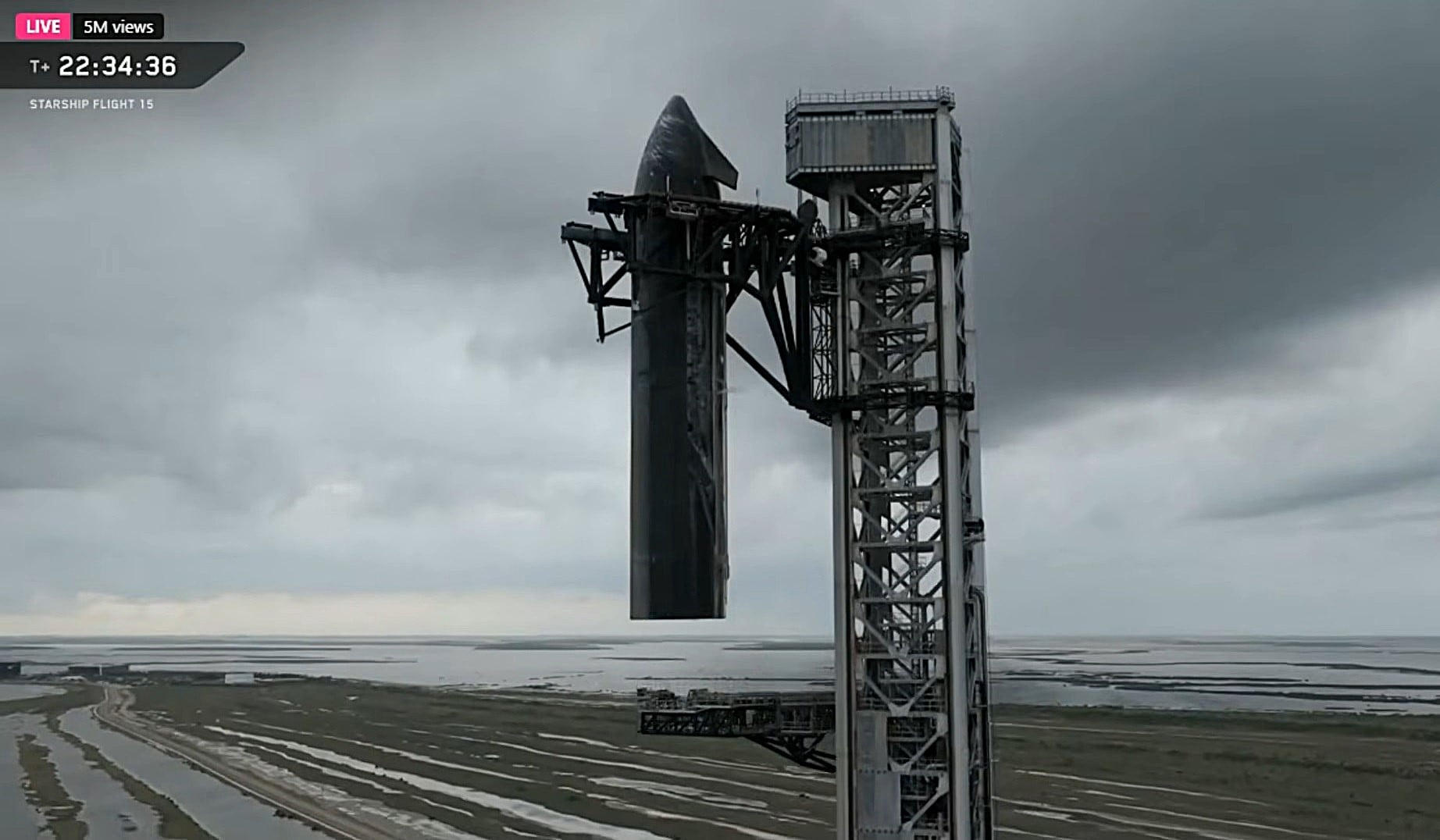
Baby, She's Back! SpaceX Catches a Starship From Orbit for First Time

SpaceX brought back its Starship rocket's second stage for a first-ever midair capture at its launch pad, capping a record-setting, 22.5-hour orbital flight test.

Read at Universe Today

Universe Today Matthew Williams Space

When Einstein's Gravitational Waves Meet Newton's Tides

A researcher at Freie Universität Berlin has developed a theoretical framework for searching high-precision measurements for possible relativistic traces in lunar tides.

Read at Universe Today

Universe Today Evan Gough Space

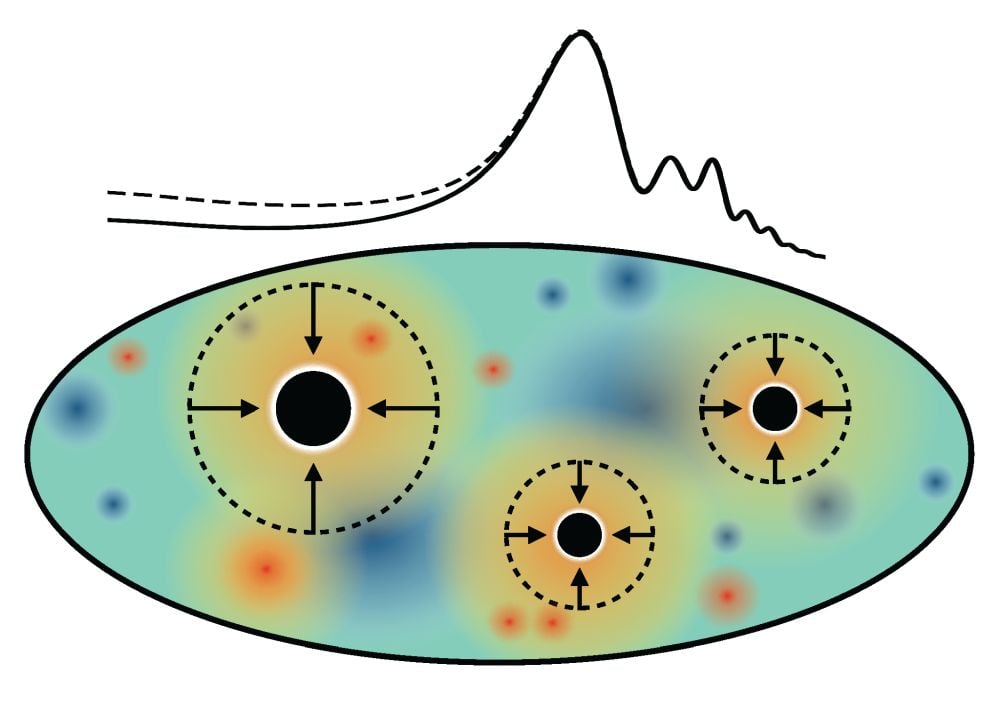
Astrophysicists Cross Another Dark Matter Candidate Off Their List: Stupendously Large Black Holes

Astrophysicists are leaving no stone unturned in their search for what dark matter is. Different particles have been proposed, like WIMPs and axions. Hypothetical rimordial black holes have also been proposed. But there's another less well-known candidate, SLABs or Stupendously Large Black holes, a sub-type of primordial black holes. Alas, SLABs can't account for dark matter either, according to new research.

Read at Universe Today

Universe Today Alan Boyle Space

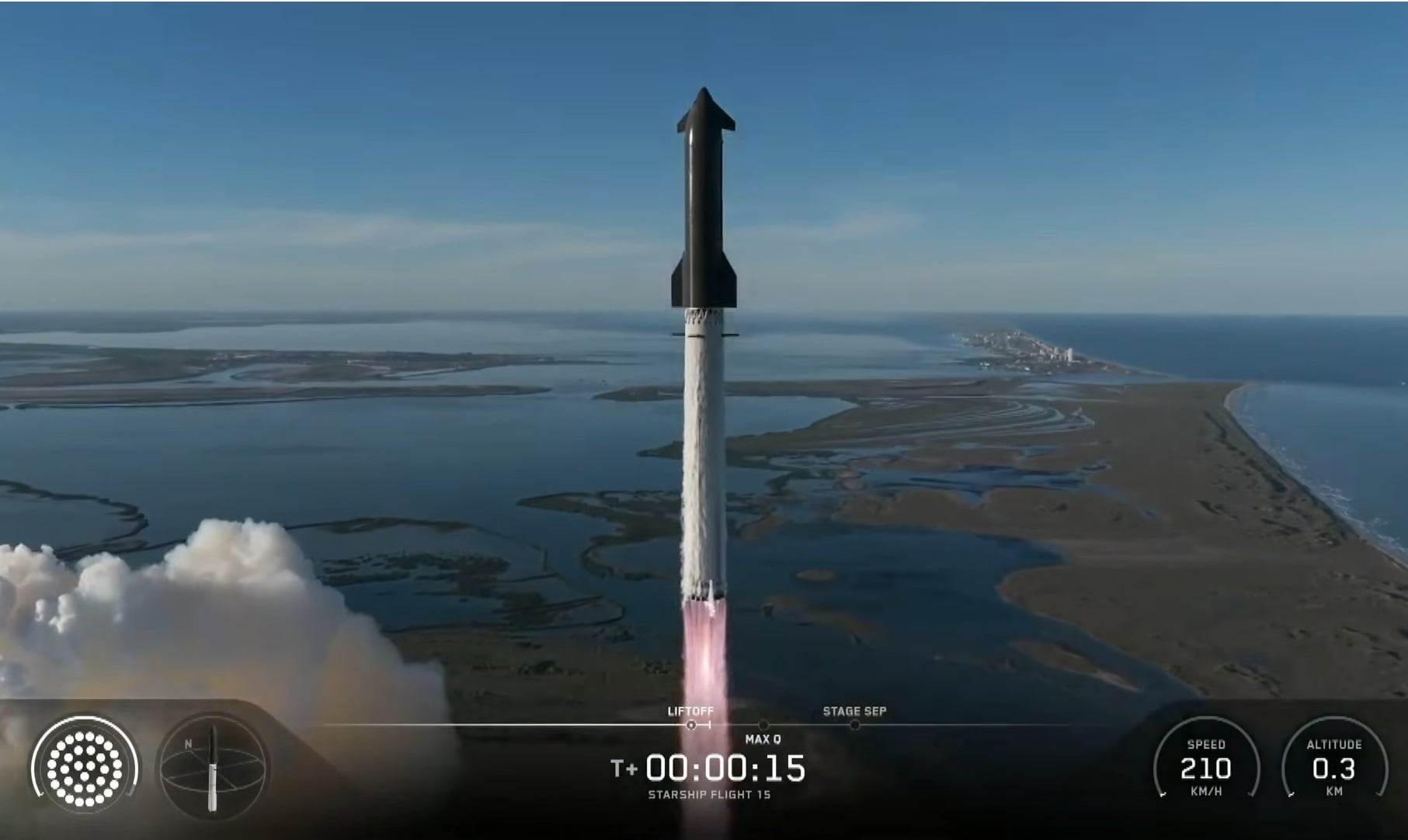
SpaceX Launches Starship But Passes Up Booster Catch for Safety's Sake

SpaceX sent its Starship on a flight that was meant to feature a first-ever retrieval of both rocket stages, but a launch-pad catch of the first-stage booster had to be canceled due to safety concerns.

Read at Universe Today

Universe Today Matthew Williams Space

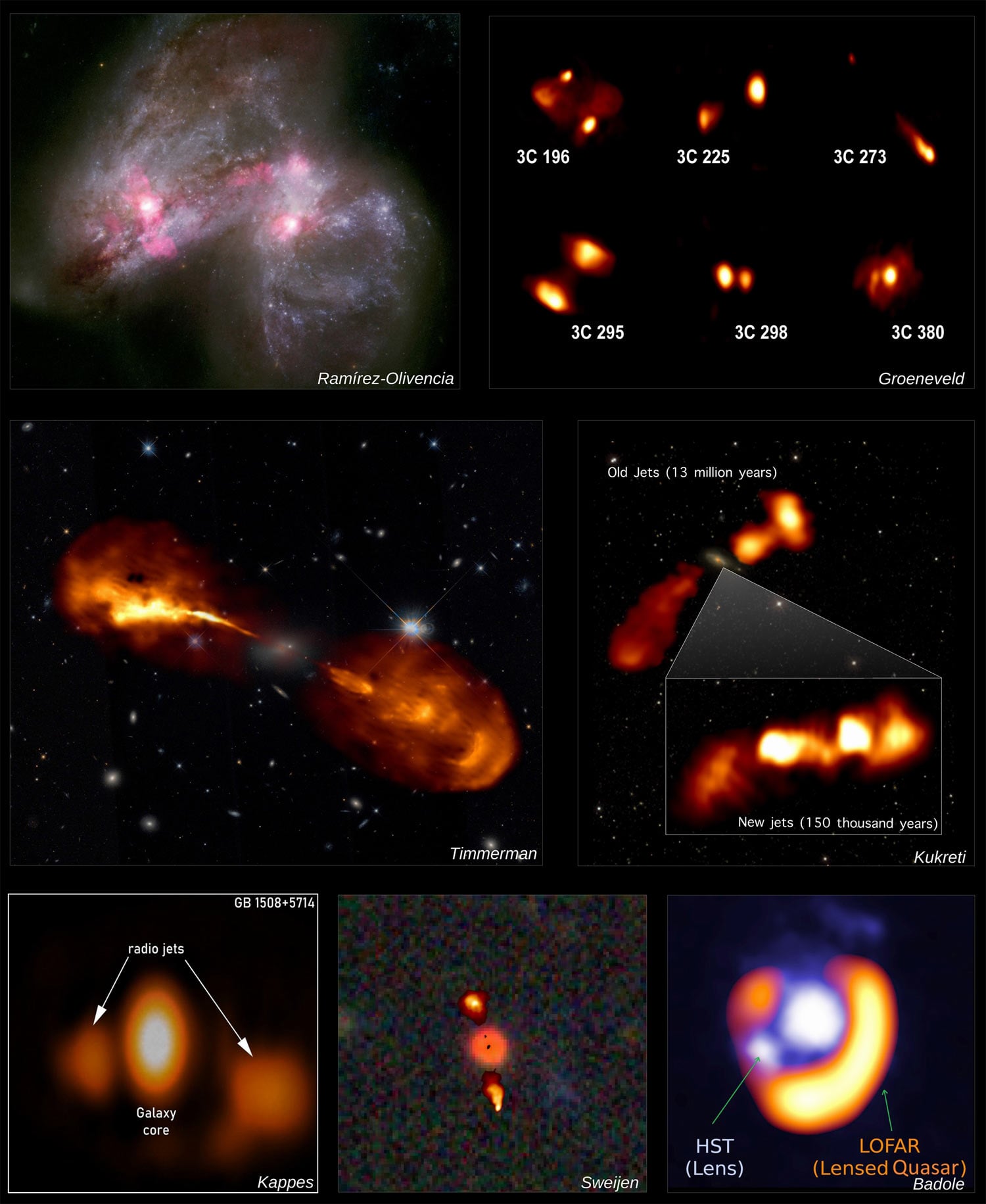
LOFAR Takes the Deepest Image of the Low-Frequency Radio Sky to Date

Using the Low Frequency Array (LOFAR), an international team led by Leiden University has produced the sharpest and most sensitive radio image of the sky ever made at low radio frequencies.

Read at Universe Today

Universe Today Evan Gough Space

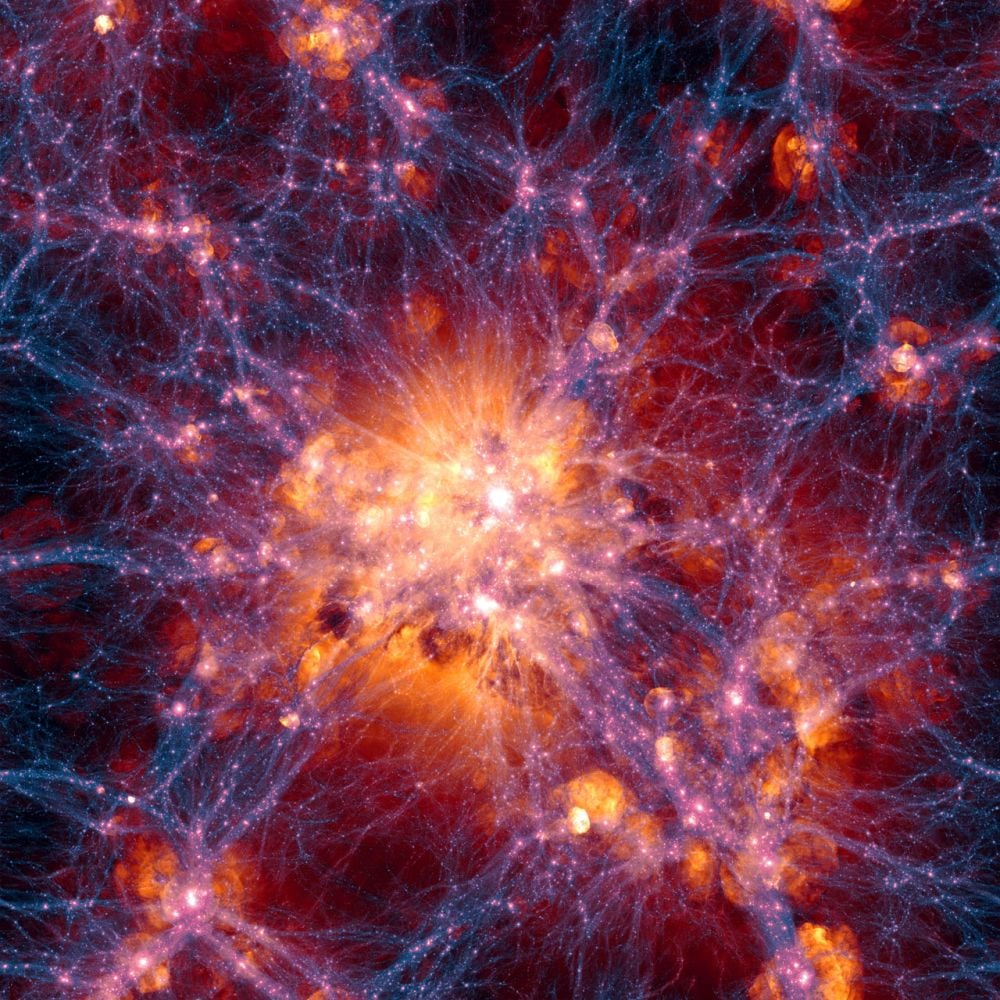
Dense Galaxy Clusters Foster Mechanisms That Throttle Star Formation

The Cosmic Noon was when the Universe's Stelliferous Era Began, and star formation was prodigious during that epoch. But since then, star formation has slowed to a relative crawl, despite the fact that we can watch them forming in regions throughout the Milky Way. What happened to the hydrogen gas that forms stars? New research found clues in a particulary dense galaxy cluster.

Read at Universe Today

Universe Today Andy Tomaswick Space

Shape-Shifting Robotic "Slugs" Could One Day Crawl Across Alien Worlds

Robots have been a mainstay of our early space exploration efforts. But they normally have wheels. Or in some cases, rotors. While those solutions are great on flat ground, they struggle with jagged boulders or tight crevices. So engineers have been working on alternative robotic form factors, and a recent paper in Nature Machine Intelligence from researchers at Colorado State University’s Adaptive Robotics Lab, describes a unique morphology using a design principle…

Read at Universe Today

Universe Today David Dickinson Space

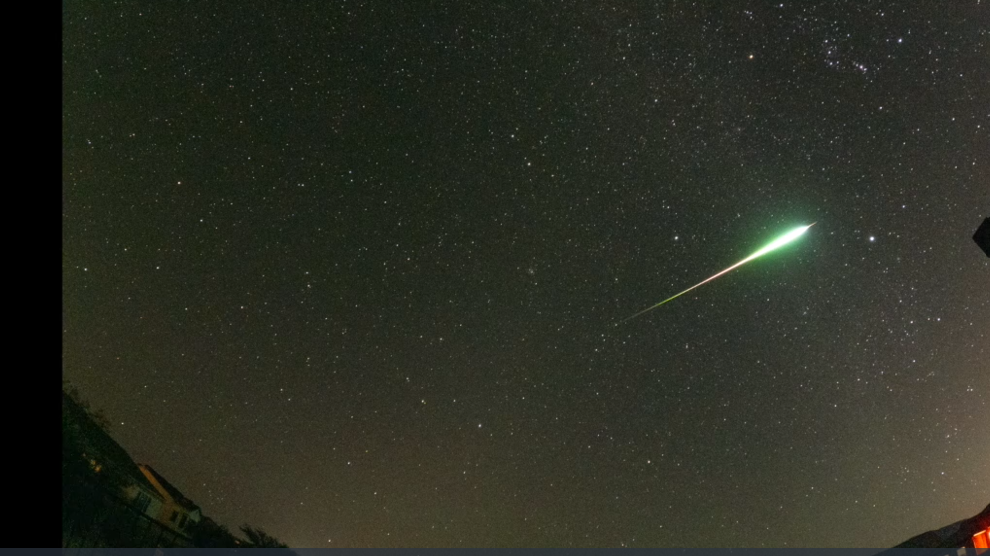
Tears of the Lion: Catching the 2026 Leonid Meteors

It’s always worth being vigilant when skywatching in mid- to late November. Every year, a few Leonid meteors punctuate the November sky morning sky around the 17th. These silent harbingers are only a hint at the shower’s true storm potential, which culminates once every three decades. The Leonid meteor shower can put on a true spectacle, and while 2026 isn’t expected to be a ‘storm year,’ we could be due for some enhanced activity in the late 2020s going into the early 2030s.

Read at Universe Today

Universe Today Evan Gough Space

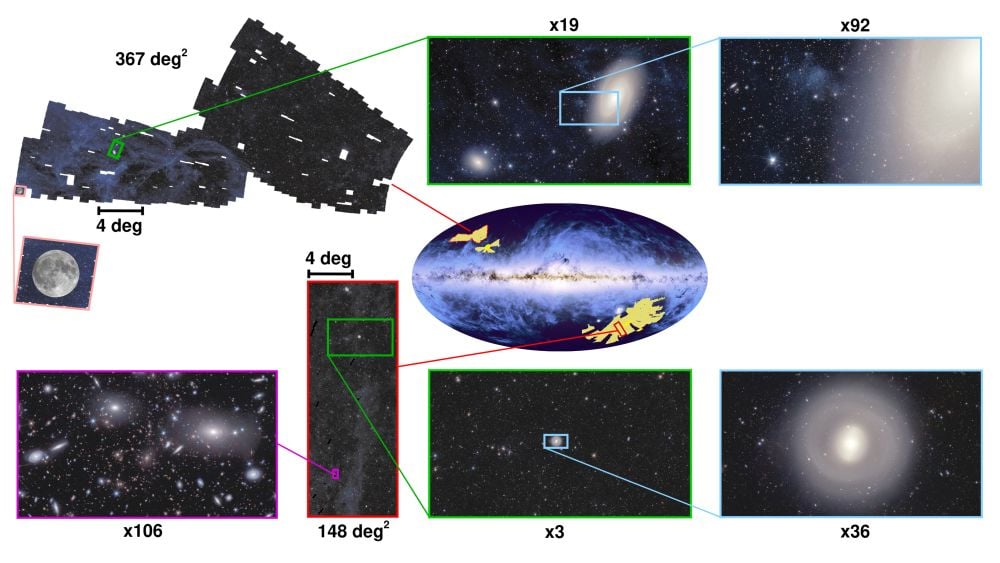
Euclid's First Data Release: A Stepping Stone to its 3D Map of the Sky

The ESA's Euclid Space Telescope has released its first huge batch of data. It's all part of the telescope's mission to study dark energy and dark matter. The telescope is busy creating the largest ever 3D map of the Universe with its huge 600 megapixel camera, and new images give us some highlights.

Read at Universe Today

Older stories