Results for “Chip”

Axios Avery Lotz

Bessent puts Megaspeed heat on Lutnick: "Commerce has the pen"

Treasury Secretary Scott Bessent said in a Friday interview that while his department and others agreed on placing Megaspeed on a special list of companies that pose national security concerns, the Commerce Department "has the pen." Why it matters: Bessent didn't deny reports of tension between him and Commerce Secretary Howard Lutnick, who has come under scrutiny for his inaction over Megaspeed. The Singapore tech company has been accused of illegally diverting U.S. chips…
Read at Axios

South China Morning Post Chong Ming Lee,Minxiao Chang Geopolitics

Will Jensen Huang’s downfall tip the scales against open-source AI?

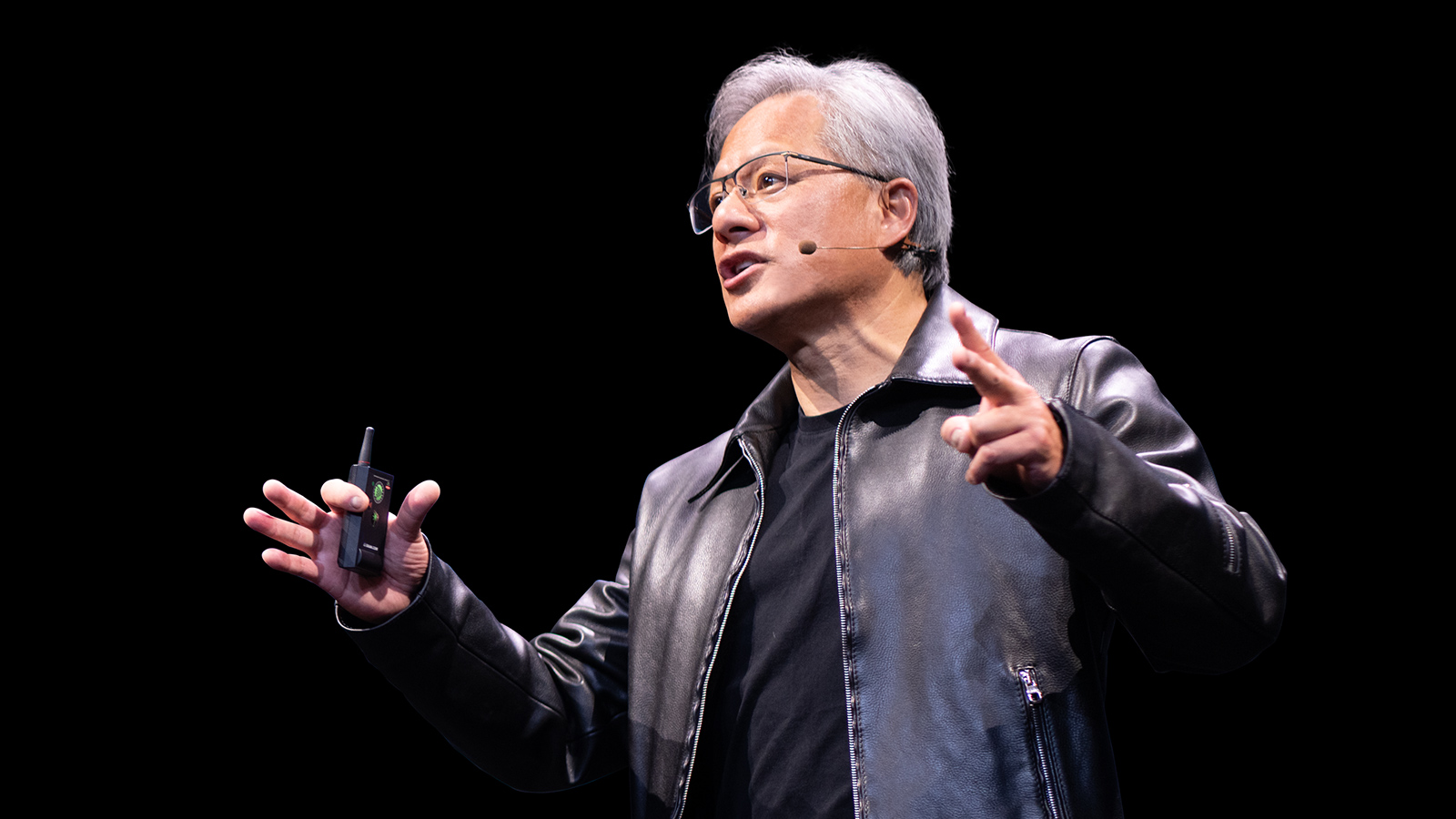
Jensen Huang’s abrupt resignation from Nvidia has cast uncertainty over the US chip giant’s multibillion-dollar investments in open-source artificial intelligence, while potentially depriving Chinese developers of one of their most influential advocates in Washington. His departure could prompt Nvidia to scale back spending on open-weight models and their supporting infrastructure, analysts said, although strong commercial incentives would likely keep the company committed…

Read at South China Morning Post

The Hill Julia Shapero Geopolitics

Lutnick agrees to testify before Congress amid bipartisan concerns

Commerce Secretary Howard Lutnick has agreed to testify before Congress amid bipartisan concerns about the Nvidia spy scandal and the agency's enforcement of chip export controls. Lutnick has "proactively agreed to appear voluntarily" before the Senate Banking Committee, spokesperson Kristen Eichamer said in a statement. Senate Banking Chair Tim Scott (R-S.C.) sent letters to both...

Read at The Hill

Al Jazeera Geopolitics

China warns against fresh US chip curbs

China has warned the US against imposing additional export controls on AI chips.

Read at Al Jazeera

MIT Technology Review Thomas Macaulay

The Download: Silicon Valley’s blind spot and Nvidia’s chip-tracking plan

This is today’s edition of The Download, our weekday newsletter that provides a daily dose of what’s going on in the world of technology. Silicon Valley claims to know the future. So why did it get the midterms so wrong? —Aaron Zamost, a tech communications consultant and a former executive at Square The self-styled visionaries…

Read at MIT Technology Review

South China Morning Post Xinyi Wu,Mia Nurmamat Geopolitics

China could tighten rare earths exports if US escalates chip curbs over Nvidia: analysts

China could retaliate with tighter rare earth export controls if Washington further restricts chip sales in the wake of the Nvidia saga, Chinese analysts say, though they expect broader US-China trade talks to remain on track ahead of a planned meeting between the two countries’ leaders next week. Following Jensen Huang’s resignation from Nvidia on Thursday amid reports of multiple extramarital affairs, attention now turns to whether Washington will further tighten…

Read at South China Morning Post

arXiv (research papers) Christian Werling Security

Hello Again: Exploiting Replay Protected Monotonic Counters to Brute-Force Windows Hello PINs

Windows Hello is the primary authentication mechanism on over one billion Windows 11 devices, supporting PINs as short as four digits. Such low-entropy PINs are viable only because the TPM's anti-hammering protection mitigates brute-force attacks. Most modern x86 platforms rely on firmware TPMs (fTPMs) that persist their non-volatile (NV) state, including the lockout state, to SPI flash. On newer platforms, rollback prevention of this state is delegated to the flash chip via…

Read at arXiv (research papers)

South China Morning Post Andy Xie Geopolitics

America’s AI bubble is a Ponzi scheme

America’s AI bubble is starting to look like a Ponzi scheme. Artificial intelligence companies increasingly rely on a data centre boom that allows them to raise more money from debt markets. But the midterm elections have swept in state governments sceptical of a mass data-centre buildout. Without the data centres to raise debt, chips don’t ship and the circular financing among AI companies might face a short circuit. Market bubbles grow out of excessive investor optimism…

Read at South China Morning Post

Asia Times Albert Cleisthenes Wong Geopolitics

Huang’s fall exposes contradictions in America’s China strategy

Jensen Huang’s resignation as Nvidia chief executive this week followed a convergence of corporate governance concerns, intelligence allegations and scrutiny of semiconductor exports to China. Since Washington imposed sweeping chip controls in October 2022, tightened them in October 2023 and selectively reopened access to Nvidia’s H200 processors in December 2025, Huang has embodied the contradictions

Read at Asia Times

South China Morning Post Howard Liu,Ann Cao,Chong Ming Lee Geopolitics

Jensen Huang’s exit tests Nvidia’s supply chain clout, ability to bankroll AI buildout

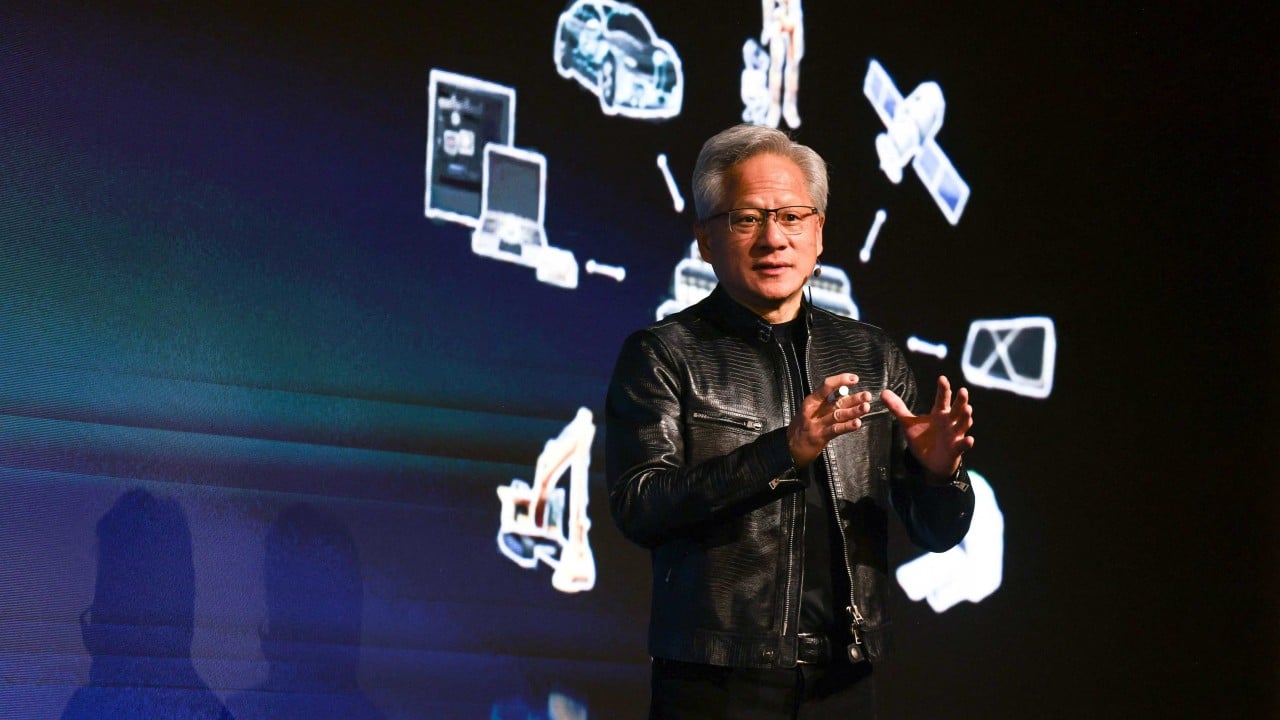
For years, Jensen Huang was more than Nvidia’s CEO – he was a key figure driving the artificial intelligence boom, parlaying close ties with Asian chip foundries and aggressive financial backing into an unprecedented global buildout of data centres. Following his sudden resignation, the industry is confronting two immediate questions: without Huang’s personal relationships in Taiwan and South Korea, can Nvidia defend its priority access to scarce chipmaking and memory…

Read at South China Morning Post

The Hill Max Rego Geopolitics

How Jensen Huang's resignation from Nvidia is threatening AI-powered economy

Jensen Huang’s departure from Nvidia threatens the stability of the AI industry and the market as a whole, as experts express differing outlooks on the chipmaker’s future. Huang resigned as CEO of the company he built from the ground up, Nvidia’s board of directors announced Thursday, after The New York Times reported on a pair...

Read at The Hill

Daily Maverick Reuters

China’s access to some Nvidia chips in doubt as curbs gain traction in US

Chinese AI shares tumbled on Friday, as investors worried that Jensen Huang's departure as Nvidia NVDA.O CEO could further restrict Chinese access to advanced US chips, deepening the technology divide between the world's two biggest economies.

Read at Daily Maverick

South China Morning Post Iman Muttaqin Yusof Geopolitics

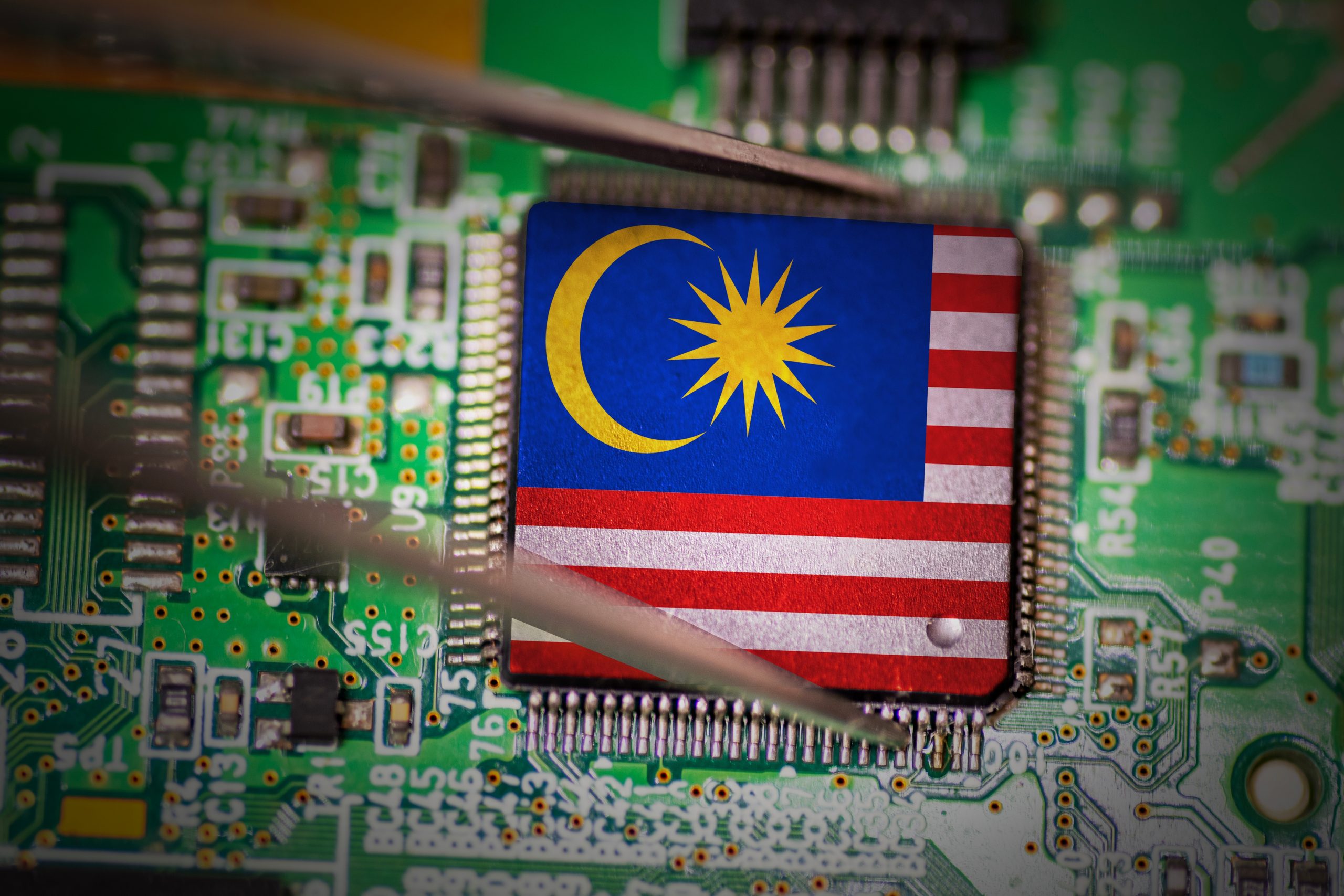
Could Nvidia scandal put Malaysia’s AI boom in US crosshairs?

A scandal involving Nvidia founder Jensen Huang and an alleged Chinese spy is putting Malaysia’s booming data centre industry in Washington’s crosshairs, as US lawmakers demand tighter controls on advanced artificial intelligence chips. Malaysia is among the Southeast Asian economies facing potential fallout from the controversy surrounding Singapore-based Nvidia chip buyer Megaspeed and its Malaysian subsidiary Speedmatrix, amid concerns that American technology may have…

Read at South China Morning Post

Axios Ina Fried

The AI boom will survive without Jensen Huang, but there's a $500 billion funding hole to fill

The AI boom without Jensen Huang will test a hard truth: Even if the tech world has grown somewhat less reliant on Nvidia's chips, it remains highly dependent on its checkbook. Why it matters: With rival chips maturing and recent software breakthroughs, the tech ecosystem has achieved what would've seemed impossible a year ago: a viable path around Nvidia. But replacing a CEO willing to bankroll startups, backstop billions in cloud debt and aggressively fund rivals to the AI…

Read at Axios

Tech in Asia Aiko Gao Ishida Startups

Meituan leads pre-A+ funding for Chinese chip startup Zhixin

The company said it develops its own high-end RISC-V CPU cores, agent CPUs, and domain-enhanced processors.

Read at Tech in Asia

South China Morning Post SCMP’s Asia desk Geopolitics

Jensen Huang’s fall sparks dismay in Asia over Nvidia ex-CEO’s family man image

Tech titan Jensen Huang, dressed in his signature leather jacket, has always carried the charisma of a rock star during his public appearances around the world. That allure runs deep in South Korea, where he has had viral dinners at local fried chicken joints as onlookers jostled for a glimpse of the AI chip visionary. But that admiration turned to dejection for some fans in the East Asian nation after Huang resigned as Nvidia’s CEO on Thursday amid reports of three…

Read at South China Morning Post

Financial Times China

Chinese AI sell-off deepens over fears of tougher Nvidia chip restrictions

Ousted chief executive Jensen Huang had supported keeping sales open to China

Read at Financial Times China

Semiconductor Engineering The SE Staff

Chip Industry Week In Review

Nvidia faces questions about security and oversight; 300mm SiC breakthrough; Siemens buys Lauterbach; chiplet standards; new memory bets; imec interposer process flow; TPUs with CPUs; 2D transistors; anti-smuggling tools for chips.

Read at Semiconductor Engineering

South China Morning Post Xiaofei Xu Geopolitics

Court-appointed administrators to sound out investors for Nexperia stake amid Wingtech feud

The two court-appointed administrators overseeing Nexperia said on Thursday they would sound out investors on a majority or minority stake in the Dutch chipmaker, a week after its Chinese owner Wingtech rejected their proposal to hand control of its operations outside China to foreign investors. “We have decided to assess market interest in possible long-term solutions for Nexperia,” Guido Dierick and Arnold Croiset van Uchelen said in a statement. “No decision has currently…

Read at South China Morning Post

South China Morning Post Howard Liu Geopolitics

Jensen Huang’s abrupt exit stuns Nvidia’s China staff, clouding the outlook in a key market

Jensen Huang’s abrupt resignation stunned some Nvidia staff in China and raised questions about the future of the US chipmaker’s operations in a market its co-founder had spent years cultivating, according to company sources. “It’s the end of an era. I really don’t understand why Huang was asked to resign – no one benefits from him stepping down,” one Nvidia employee in China said, declining to be named as they were not authorised to speak to the media. A second employee…

Read at South China Morning Post

The Japan Times

China’s access to Nvidia chips in doubt as curbs gain traction in U.S. Congress

Nvidia's advanced chips are widely used to develop AI models, making the company key in the U.S. race against China to build superior AI systems.

Read at The Japan Times

Electronics Weekly David Manners

Imec and Japan’s ASR standardise auto chiplets

Imec and Japan’s Advanced SoC Research for Automotive (ASRA), have published the Automotive Chiplet Interoperability Requirement (ACIR) establishing a common set of architectural requirements for interoperable automotive chiplets. Unveiled at

Read at Electronics Weekly

Tech in Asia Diya Lal Startups

MegaSpeed unit faces Malaysia probe over AI chip re-exports

It said SpeedMatrix, a data center tenant, imported its own servers and AI chips into Malaysia.

Read at Tech in Asia

South China Morning Post Ann Cao Geopolitics

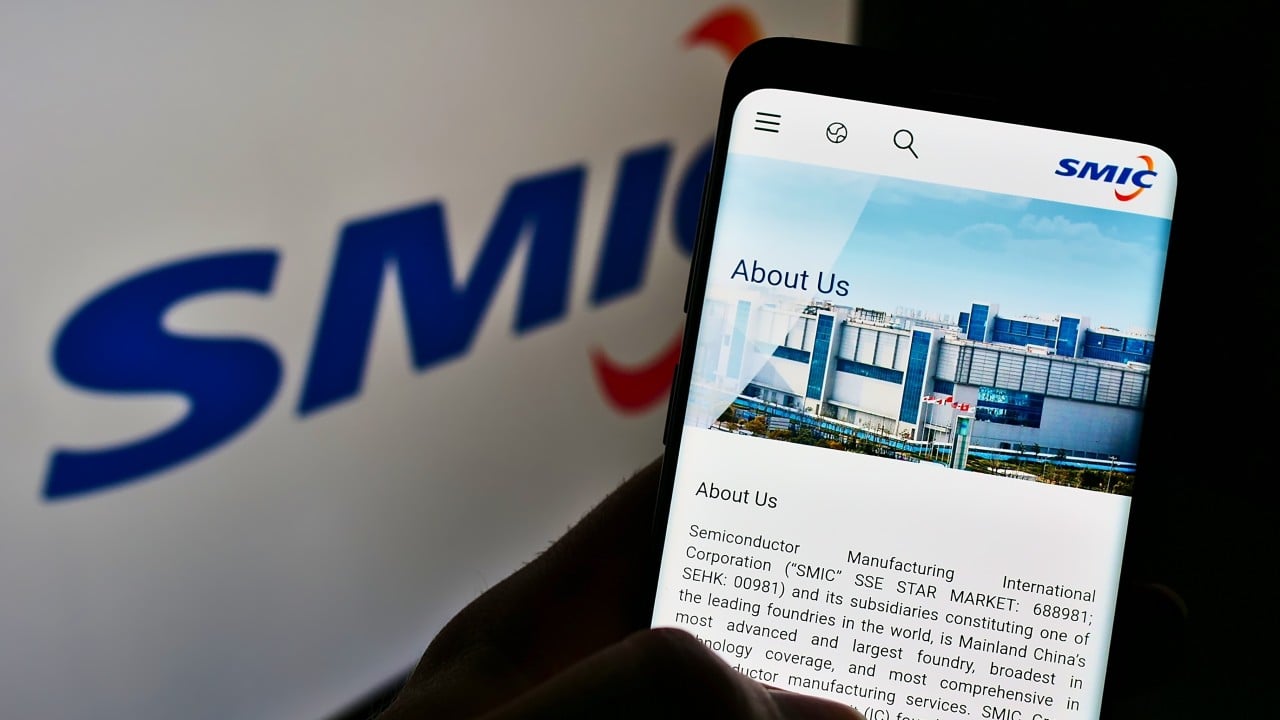
China’s SMIC sees AI computing crunch until 2028 as Nvidia heat risks tighter chip curbs

China’s Semiconductor Manufacturing International Corporation (SMIC) is betting that a relentless data centre buildout will keep artificial intelligence computing power in short supply for the next two years. The bullish forecast comes as scrutiny over former Nvidia CEO Jensen Huang threatens to intensify Washington’s curbs on Chinese access to advanced American processors – a shift that could accelerate China’s reliance on domestic foundries. “By the middle to the second…

Read at South China Morning Post

Tech in Asia Pranav Balakrishnan Startups

Why Jensen’s downfall puts SEA at risk

Nvidia’s dominance will outlast Jensen Huang. However, Southeast Asia’s access to its chips is less certain.

Read at Tech in Asia

ABC News

Fallout from the Nvidia scandal may dampen the exuberance around the AI boom

Nvidia CEO Jensen Huang’s stunning resignation has sent ripples throughout the global technology industry, with competitors itching to take advantage of the uncertainty surrounding the chip giant

Read at ABC News

Nhân Dân (Vietnamese state media)

Viet Nam, RoK connect resources to advance semiconductor industry development

The first Viet Nam-Republic of Korea AI-Semiconductor Summit (VKAISS 2026), themed “One Vision – New Horizons” took place in Ha Noi on November 12 aiming to strengthen cooperation between Viet Nam and the Republic of Korea in technology development, human resources and semiconductor supply chains. Viet Nam-Japan semiconductor cooperation paves the way for high-tech investment Creating a market for Vietnamese semiconductor chips Building foundation for Viet Nam to master next…

Read at Nhân Dân (Vietnamese state media)

SCMP China SCMP Geopolitics

Jensen Huang quits Nvidia; non-invasive treatment for kidney tumours: SCMP’s 7 highlights

We have selected seven stories from this week’s news across Hong Kong, mainland China, the wider Asia region and beyond that resonated with our readers and shed light on topical issues. If you would like to see more of our reporting, please consider subscribing. 1. Jensen Huang resigns as Nvidia CEO amid affairs scandal Jensen Huang has resigned as president, chief executive officer and board member of the AI chip giant Nvidia with immediate effect, the firm announced on…

Read at SCMP China

arXiv (research papers) Wei Cheng

uhd-rfsoc: Bringing Off-the-Shelf RFSoC Boards to Unmodified UHD Applications

Next-generation wireless research relies on software-defined radios (SDRs) with more channels and larger bandwidth. The USRP family is one of the most widely used SDR platforms, and much of the wireless software ecosystem is built on top of the USRP hardware driver (UHD). However, each USRP model comes with a fixed channel count, bandwidth, and streaming capability. Off-the-shelf radio frequency system-on-chip (RFSoC) boards, on the other hand, integrate up to 16…

Read at arXiv (research papers)

Older stories