NASA’s Voyager 1 to hit new space distance record of one light-day
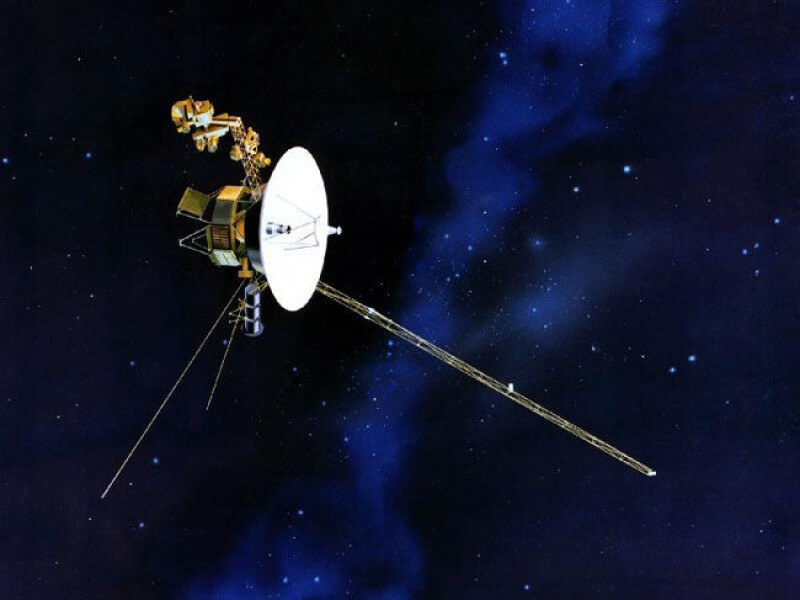
The probe was launched in 1977, and it continues to relay space-related data back to a team of NASA scientists.
The probe was launched in 1977, and it continues to relay space-related data back to a team of NASA scientists.
Carl Sagan and Frank Drake were pivotal to the development of the Search for Extraterrestrial Intelligence (SETI) and Messaging Extraterrestrial Intelligence (METI), as exemplified by the Pioneer Plaques and Voyager Golden Records.
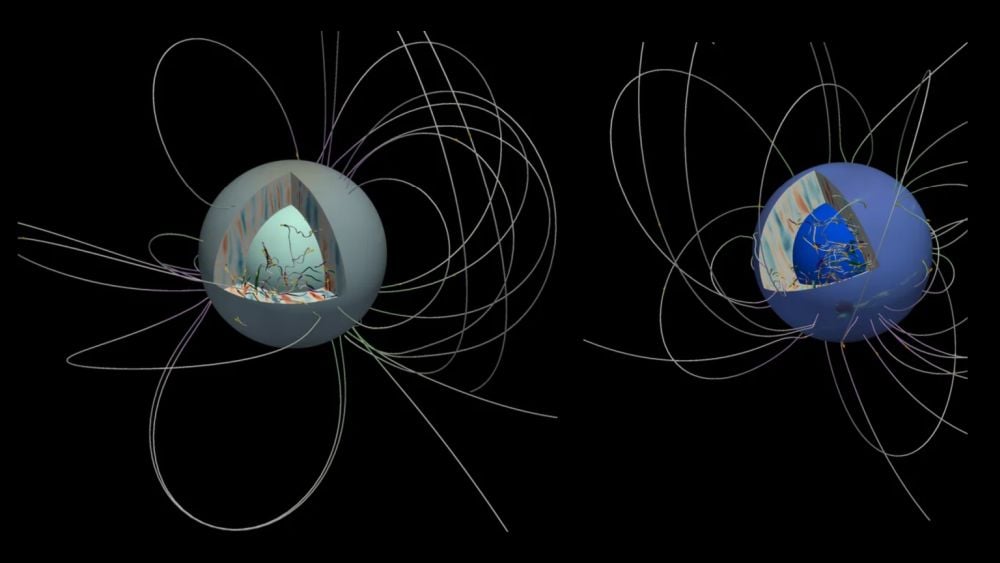
Uranus and Neptune, the Solar System's ice giants, have interiors unlike the other planets. As a result, they also have magnetic fields unlike the others. They're messy and tilted, and Voyager 2, the only spacecraft to even flyby them, showed us how messy they are. New research uses models to try to understand what's going on with the pair of planets and their weird fields, and found that it's likely they change on very short timescales. They could already be much different…
Flash VGR in Morse code on November 17 to salute the veteran probe – just don't expect it to see you
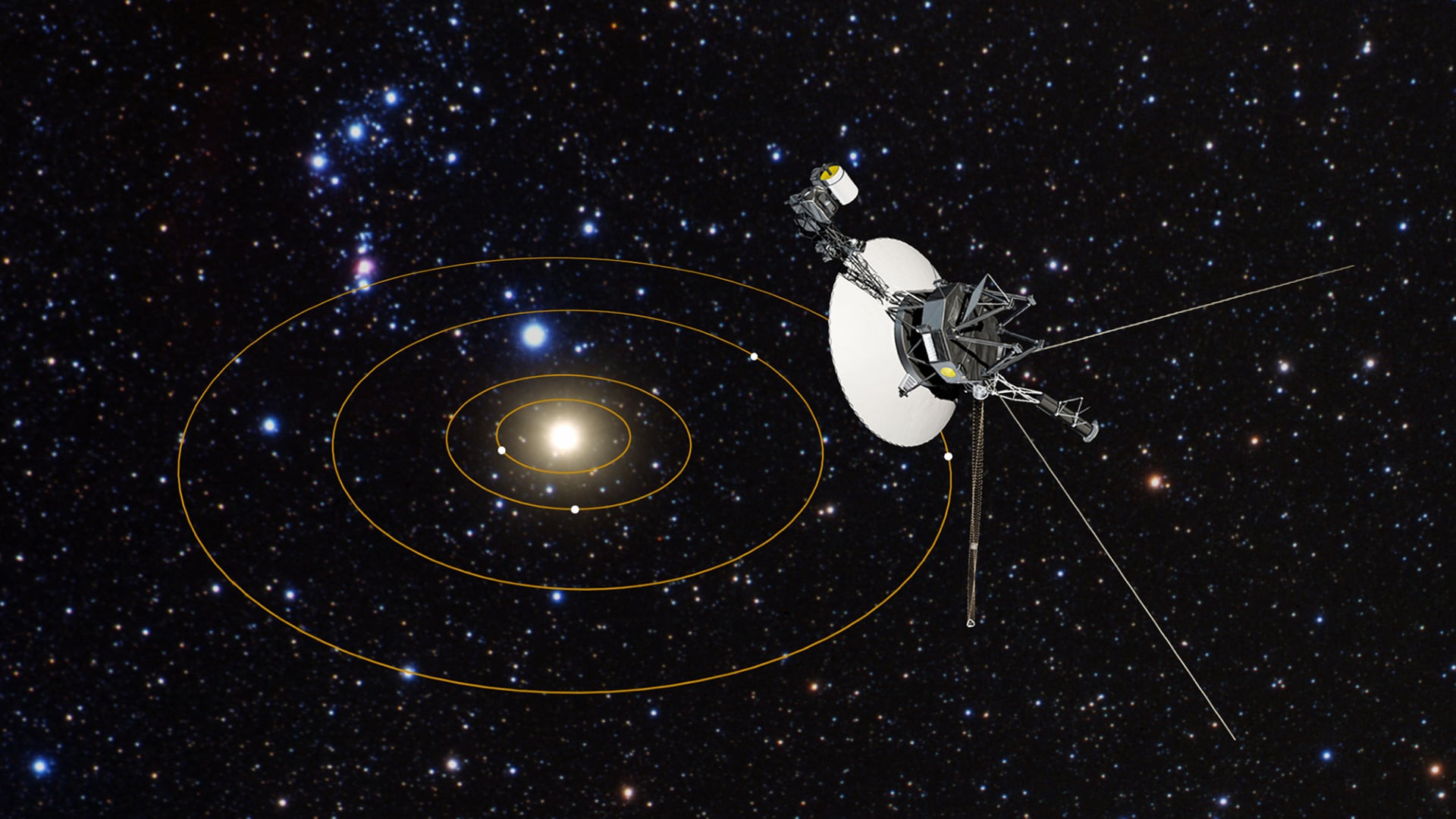
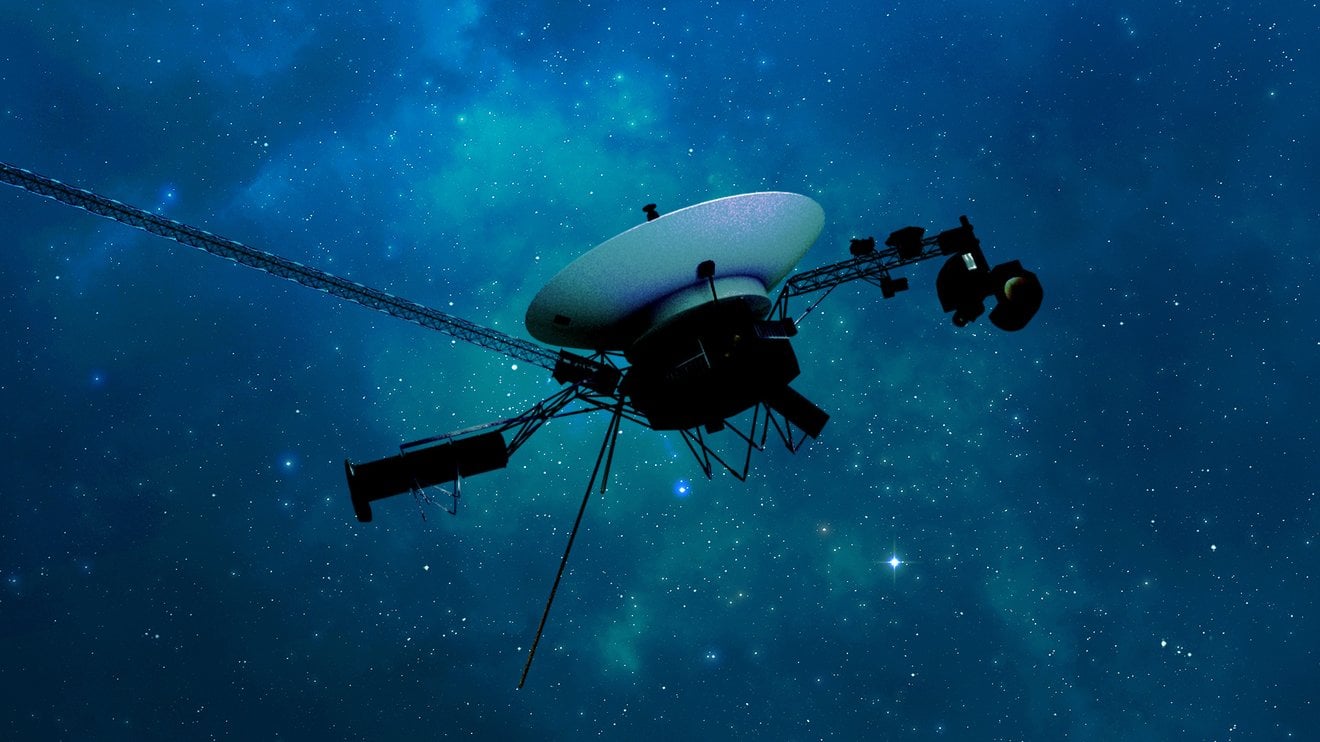
Launched nearly 50 years ago in 1977, NASA’s Voyager 1 on Wednesday, Nov. 18 will have traveled one light-day from Earth, which is more than 16 billion miles (25.9 billion kilometers). Voyager 1 is the most distant human-made object, and any light from Earth would take 24 hours to reach the spacecraft. NASA will highlight
When NASA's Voyager 2 robotic probe flew by Uranus and Neptune in the 1980s, it uncovered an anomaly: their magnetic fields are highly disordered, unlike Earth's, which has well-defined north and south poles.
Flashback to 1977. Jimmy Carter was U.S. president, Star Wars was a box office hit, and the two Voyager spacecraft departed on an historic Grand Tour of the solar system. Now, teams at NASA’s Jet Propulsion Laboratory are working to keep the missions active, as they push the boundaries of interstellar space beyond the solar system.
Meteor Showers, a Spacecraft Milestone, and a Supermoon Catch Taurid and Leonid meteors, spot Mars near Jupiter, celebrate Voyager 1’s light-day milestone, and watch November’s supermoon. Skywatching Highlights Transcript A month of meteor showers … a close pairing of Mars and Jupiter … and a supermoon! That’s What’s Up for November. November offers a buffet
Twin Travelers In 1977, NASA launched twin spacecraft Voyager 1 and 2, taking advantage of a once-every-175-year planetary alignment of the four largest planets in our solar system: Jupiter, Saturn, Uranus, and Neptune. Using six gravity assists between them, this Grand Tour gave us up-close views of the gas and ice giants, including several moons.