Results for “NASA”

Space.com Hanneke Weitering Space

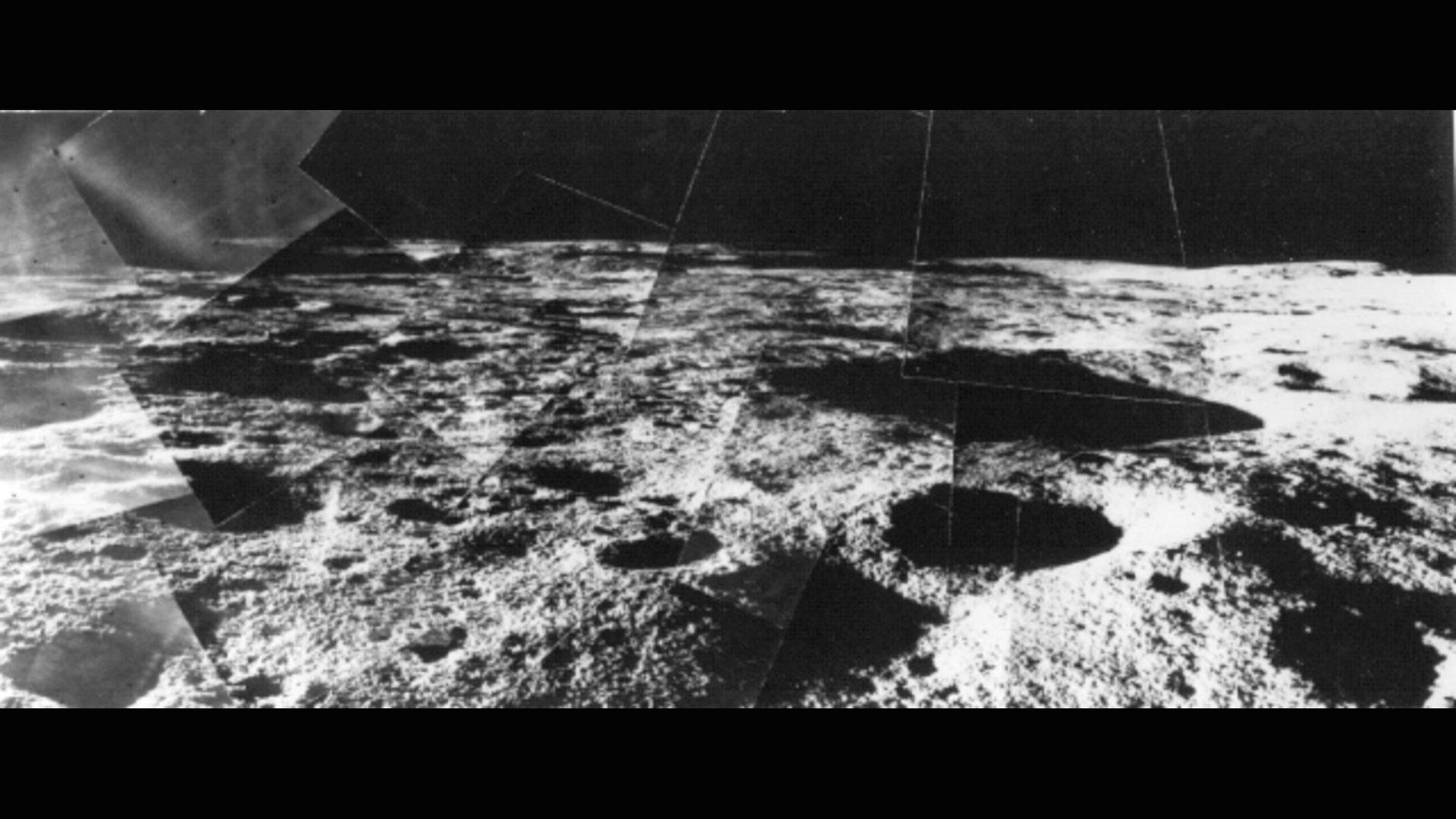
On this day in space! Nov. 17, 1967: NASA's Surveyor 6 moon probe makes 1st-ever successful launch and hop from the lunar surface

On Nov. 17, 1967, NASA's Surveyor 6 spacecraft made the first liftoff from the lunar surface. Here's how it helped Apollo astronauts.

Read at Space.com

NASA Jeanette Kazmierczak Space

NICER Status Updates

November 17, 2026 NASA’s NICER Telescope Ends Science Operations After studying the universe for six and a half years beyond its initial mission, NASA’s NICER (Neutron star Interior Composition Explorer) telescope on the International Space Station has ended science operations. The mission and space station teams are now focused on plans to finalize NICER’s 8-year

Read at NASA

NASA Science Kate Ramsayer Space

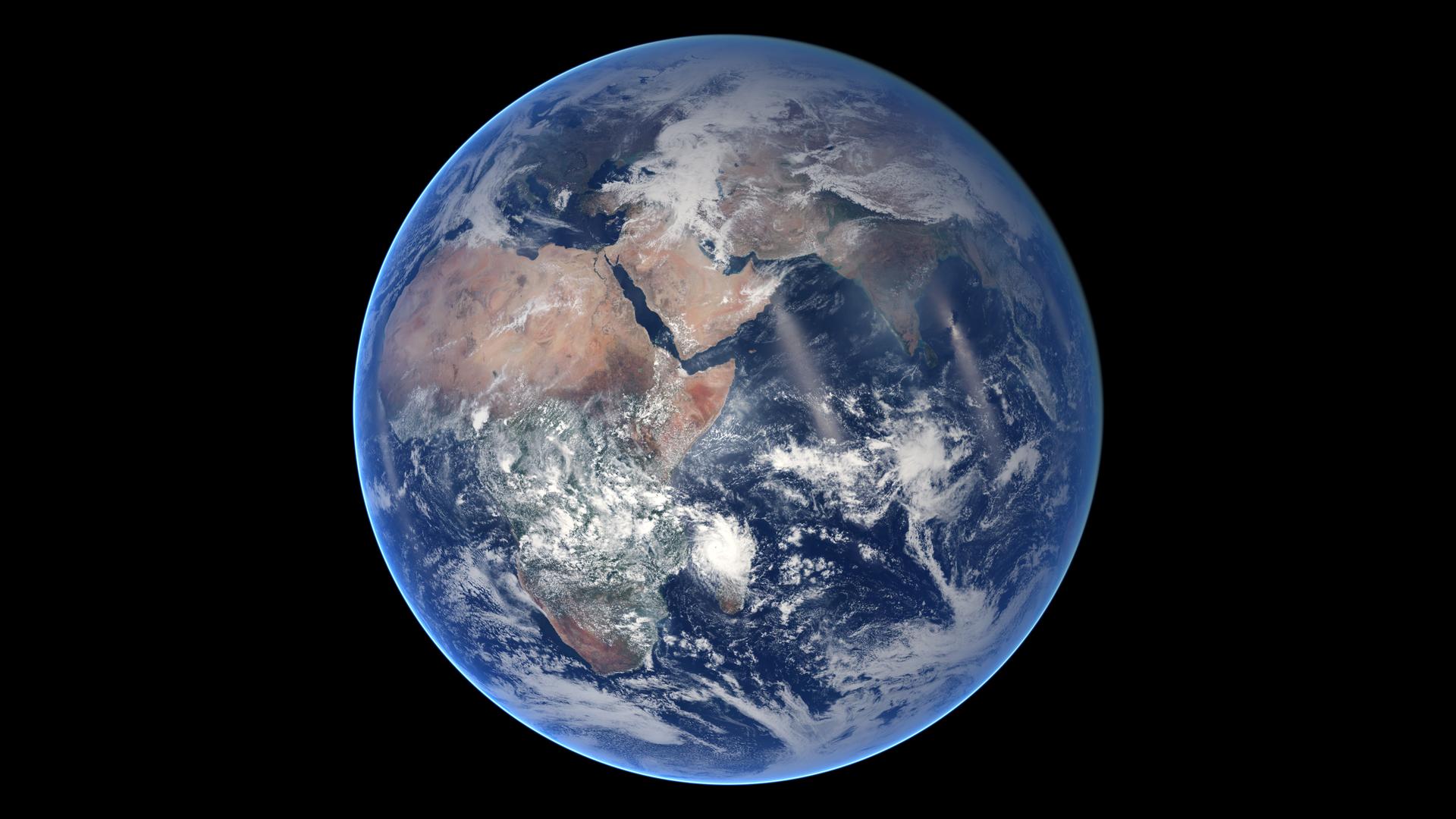
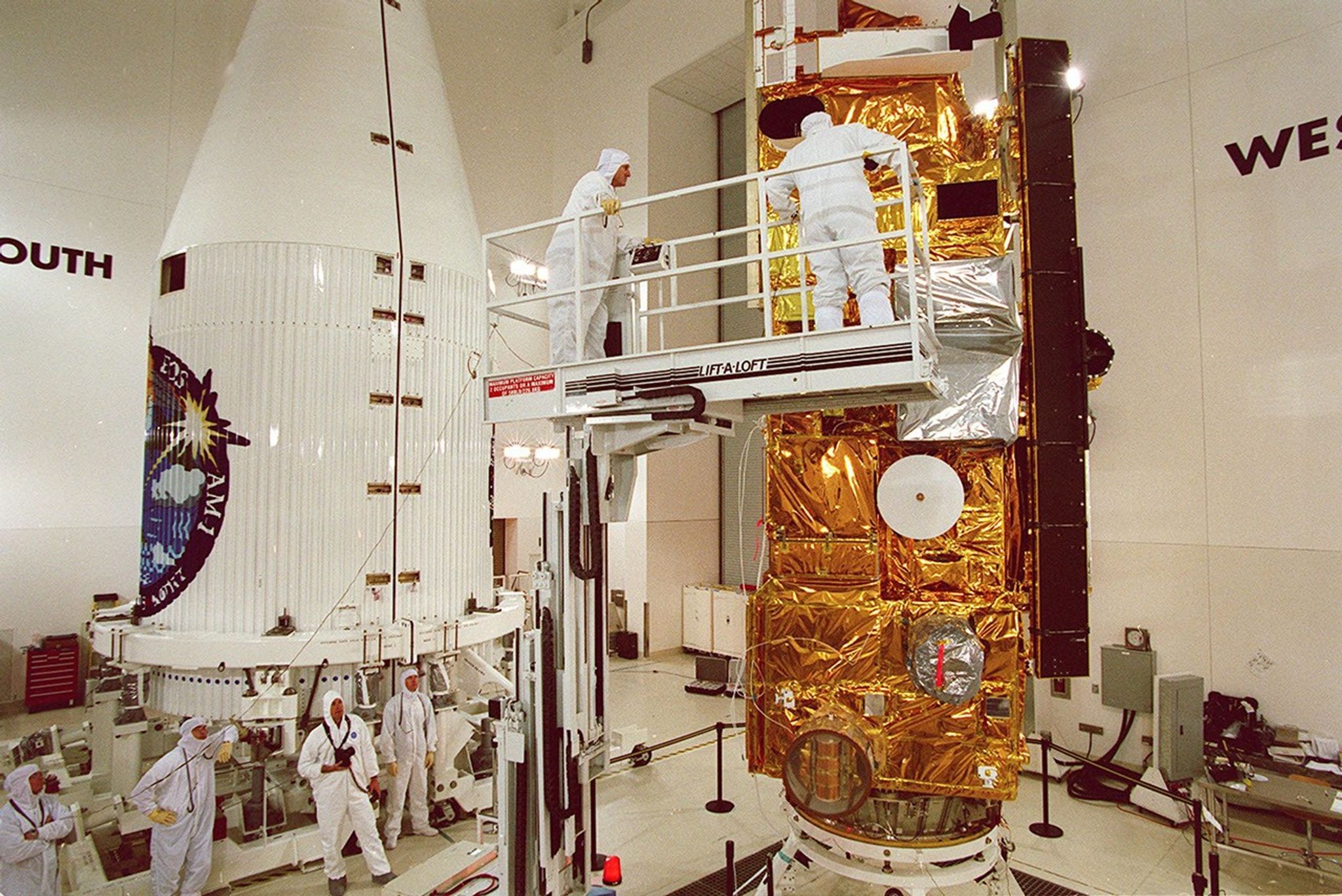
NASA’s Terra Mission to End

After 27 years of providing insights into Earth’s interconnected atmosphere, lands, oceans, and biology, NASA’s Terra satellite will stop collecting science data on Dec. 1. Terra, a workhorse of the Earth Observing System, was designed for a six-year mission. After operating for more than four times that, the spacecraft’s systems are aging and its orbit is

Read at NASA Science

NASA Science Space

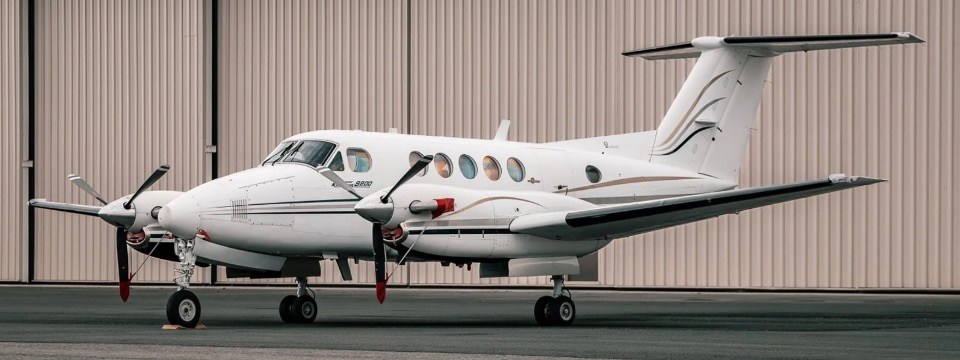
NASA to Conduct Low-Altitude Flights Over Texas Farmland

Editor’s Note: This article was originally published on Oct. 15, 2026, and has been updated to correct the location and update the duration of the flight deployment. A NASA Dynamic Aviation A200 aircraft will conduct low-flying research flights over farmland near Amarillo, Texas, from Thursday, Oct. 22, through Monday, Nov. 2. These flights will measure

Read at NASA Science

NASA Science Space

NASA Invites Media, Public to View Roman Telescope’s First Images

NASA will release the first images from its Nancy Grace Roman Space Telescope during a live stream from the American Geophysical Union (AGU) Annual Meeting in San Francisco at 3:30 p.m. EST (12:30 p.m. PST) Monday, Dec. 7. The images will showcase the unique scientific capabilities of Roman, which will soon capture deep, panoramic, never-before-seen

Read at NASA Science

Phys.org Space Space

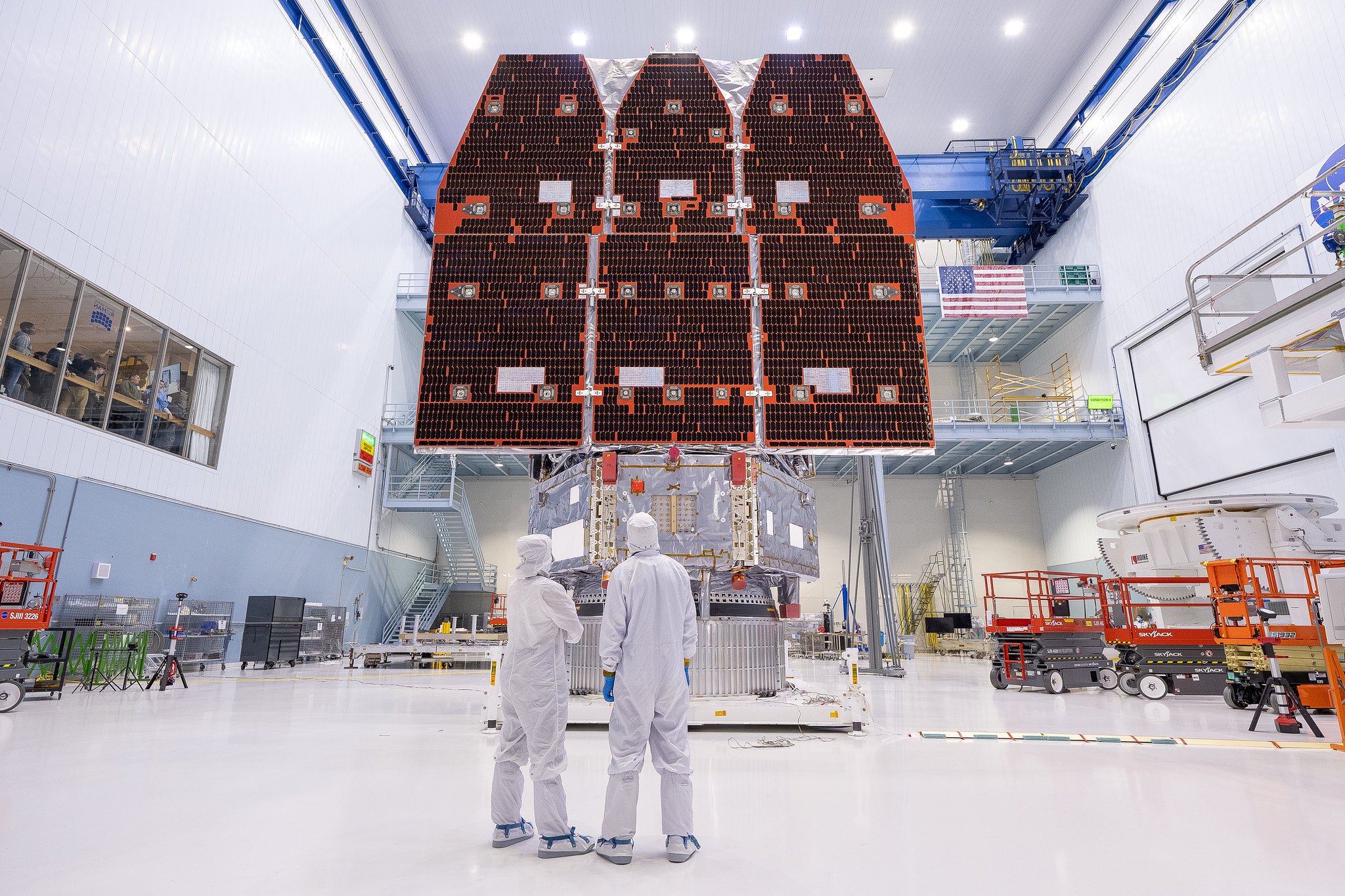
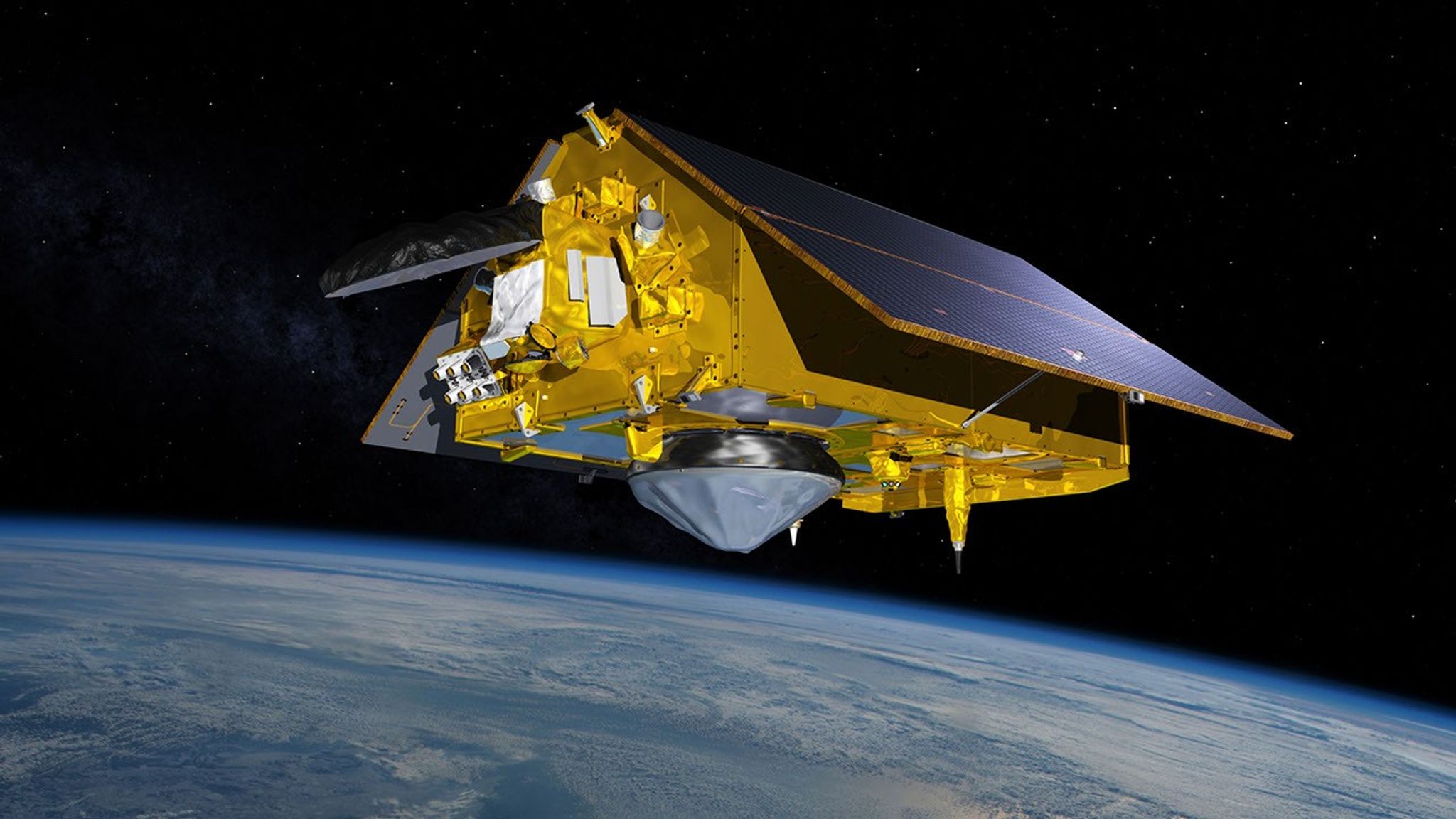
NASA, European sea level satellite prepped for new role

As of Oct. 30, the Sentinel-6B satellite has been calibrated to serve as the world's go-to data source on sea level rise. The satellite has now passed all its initial system checks to ensure that its data meet the strictest quality and accuracy standards. In January, it will become the reference satellite that other sea-level missions use to calibrate their data.

Read at Phys.org Space

Space.com Samantha Mathewson Space

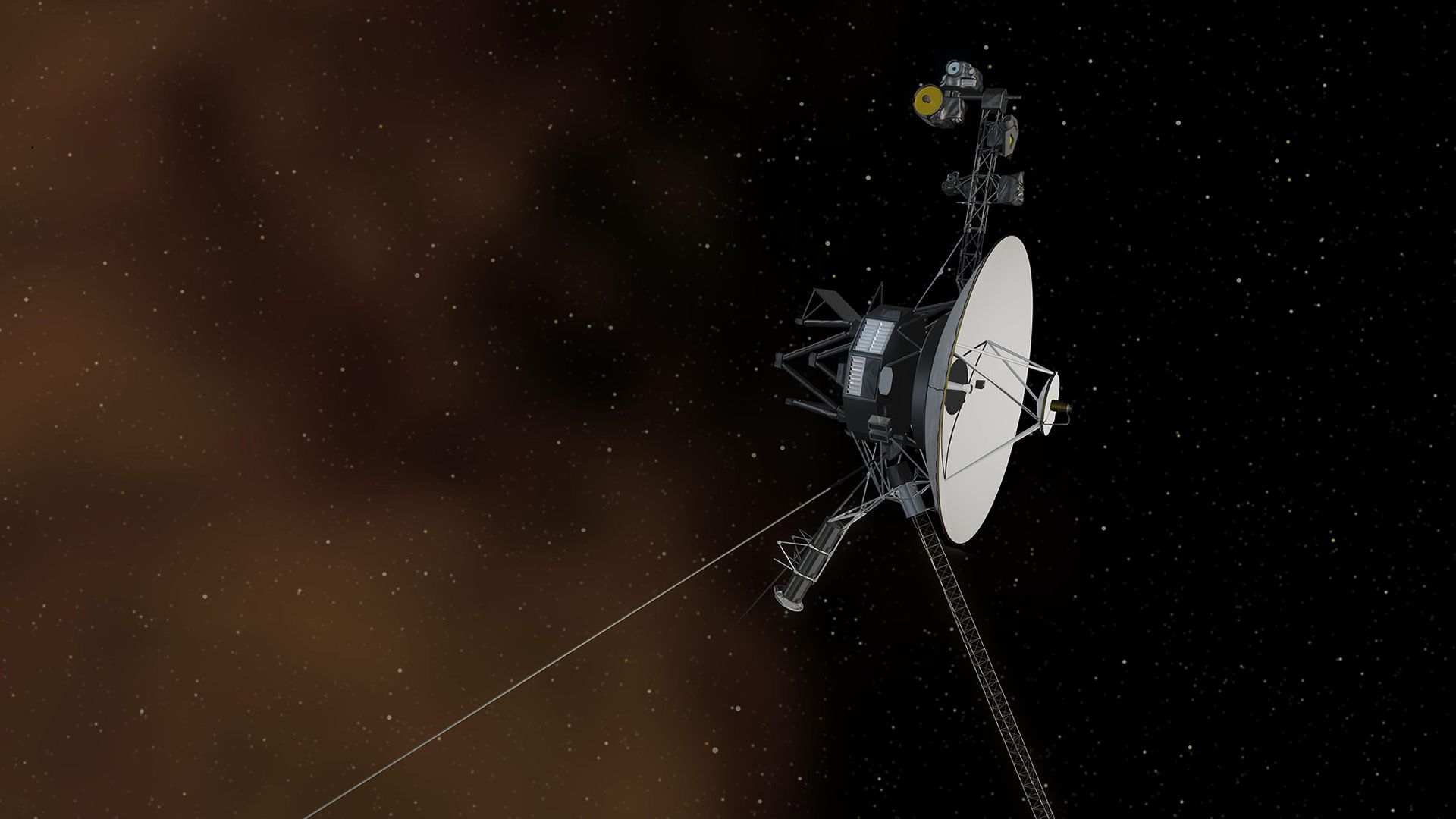
NASA wants you to 'shine bright' today for Voyager 1's light-day milestone. Here's how

NASA invites the public to shine lights in Morse code after sunset today (Nov. 17) to celebrate Voyager 1 reaching a historic distance of one light-day from Earth.

Read at Space.com

NASA Science Space

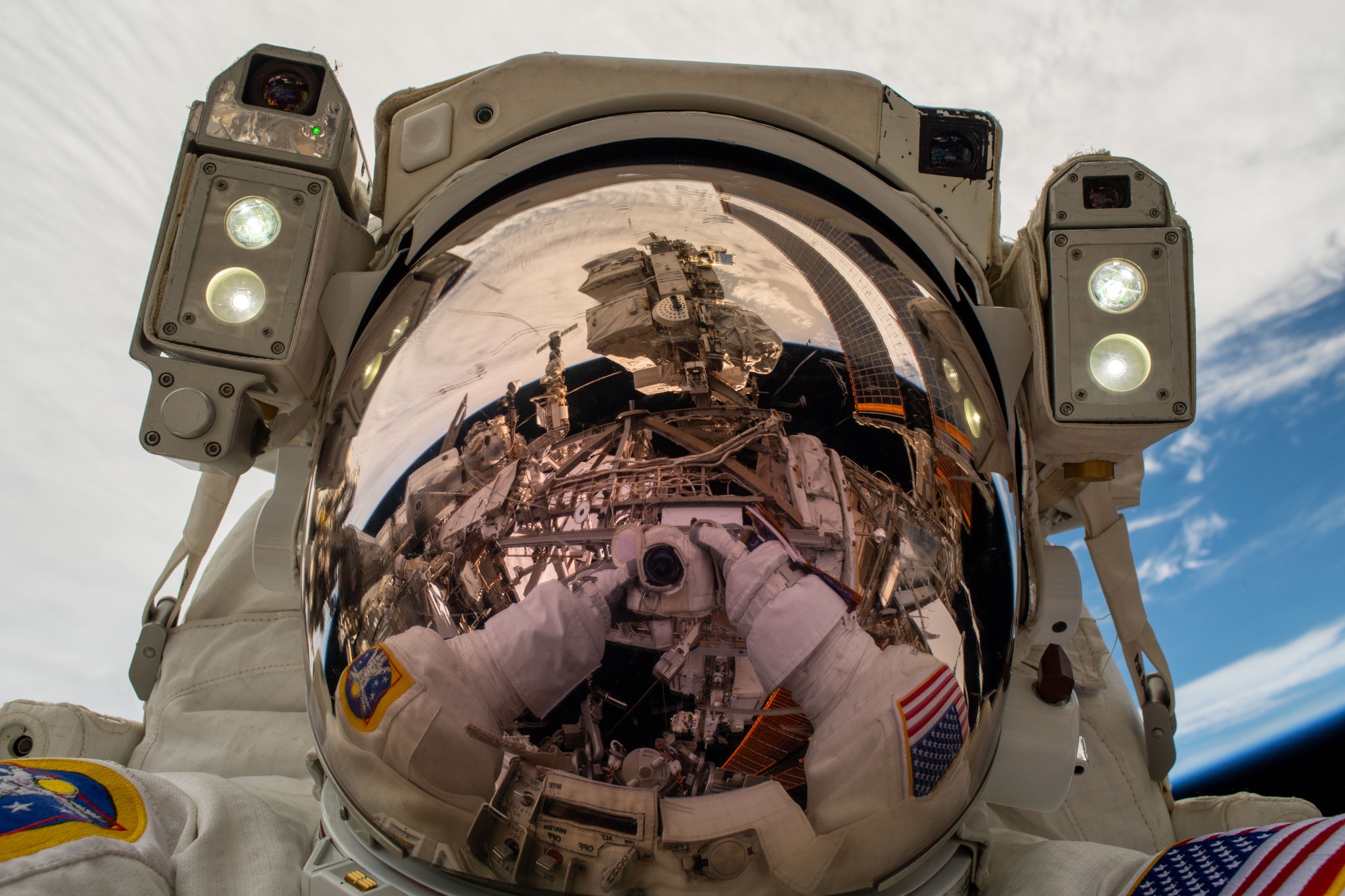
Space Selfie

NASA astronaut Anil Menon took this selfie during a spacewalk on Oct. 29, 2026. He and CSA (Canadian Space Agency) astronaut Joshua Kutryk installed a new roll-out solar array on the International Space Station. Get daily updates from the space station. Image credit: NASA/Anil Menon

Read at NASA Science

NASA Science Space

Meghan Saephan

Dr. Meghan Saephan is the Associate Chief for Research and Technology in the Intelligent Systems Division at NASA Ames Research Center. In this role, she supports multidisciplinary research and technology development focused on creating intelligent tools and capabilities that enable NASA missions to operate in increasingly complex, autonomous, and data-rich environments. This work spans artificial

Read at NASA Science

Phys.org Space Space

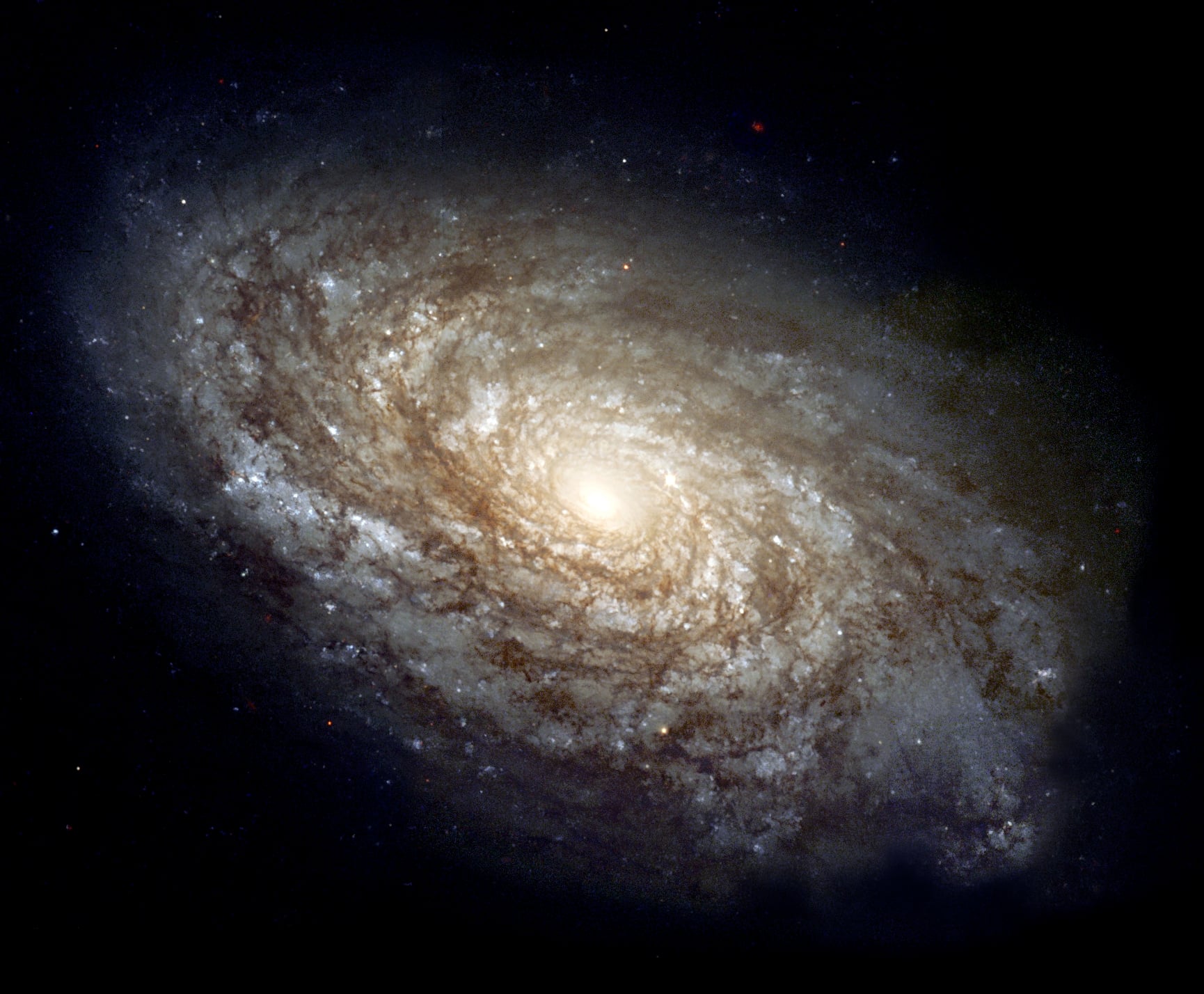
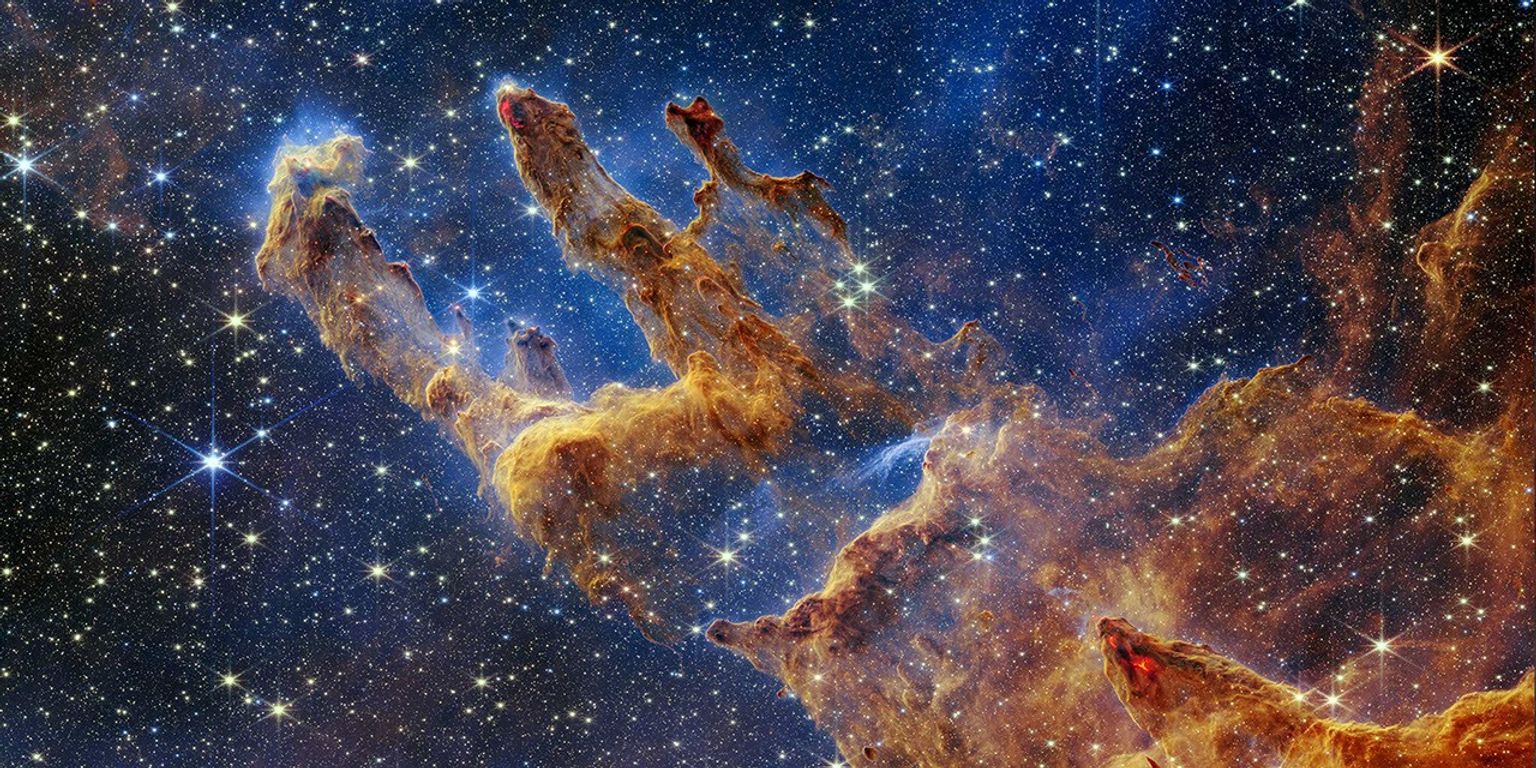
Galaxy outflows likely regulate star formation at 'cosmic noon,' NASA's Webb reveals

Sitting here on the outskirts of our Milky Way galaxy, it's hard to imagine the galactic machinations that led to our Goldilocks spot around a very welcoming yellow dwarf star. But for decades, astronomers have suspected that the internal dynamics of massive galaxies like ours play an outsized role in regulating star formation.

Read at Phys.org Space

Space.com Chelsea Gohd Space

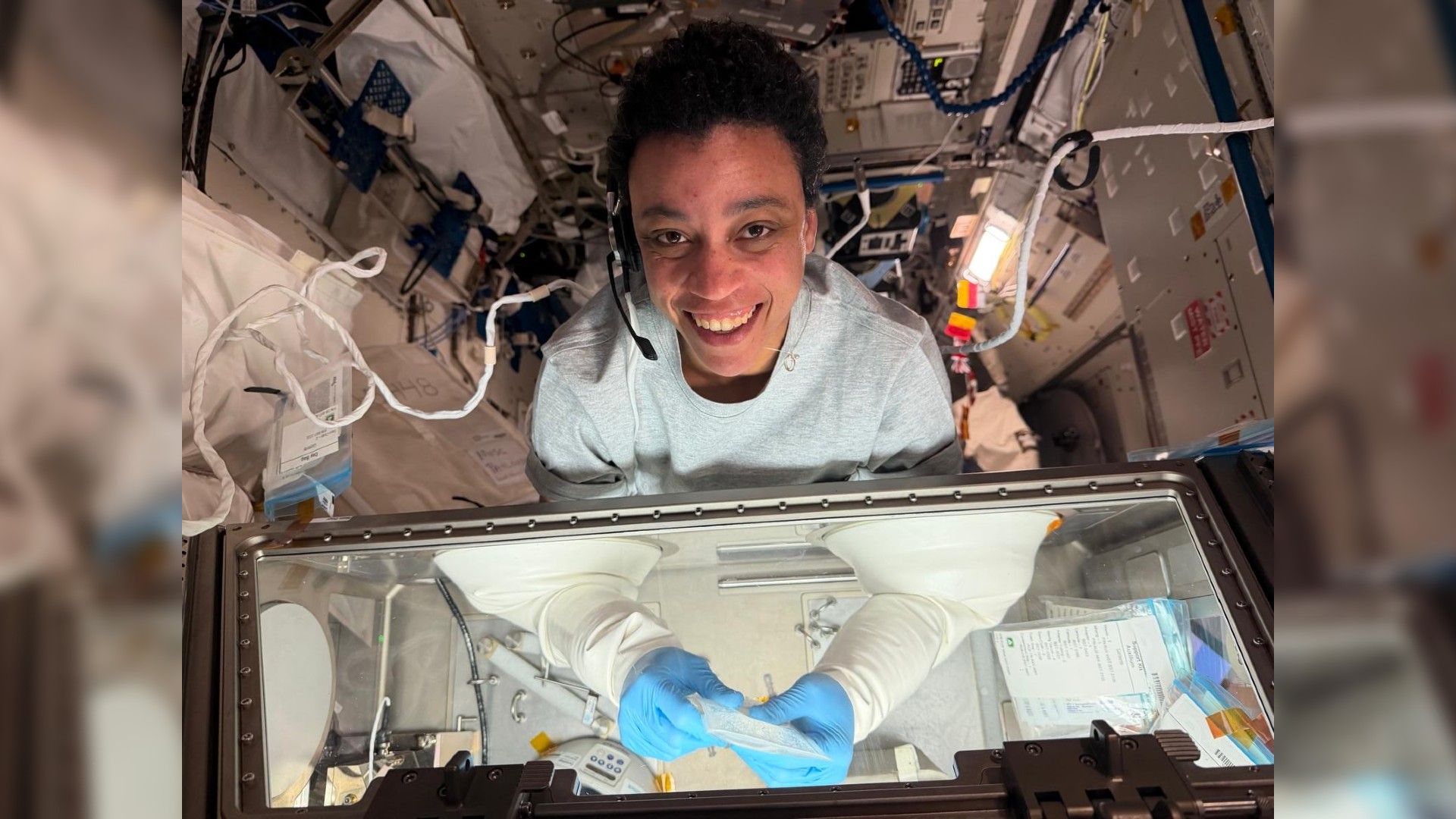
ISS astronauts 3D print human cells and tissues | Space photo of the day for Nov. 17, 2026

NASA astronaut Jessica Watkins works in the Life Sciences Glovebox on the ISS.

Read at Space.com

NASA Science Christina Campen Space

Decadal Survey 2028

NASA relies on the science community to identify and prioritize leading-edge scientific questions each decade

Read at NASA Science

NASA Science Space

What Voyager Teaches Us From One Light-Day Away

Almost 50 years after launch, NASA’s Voyager mission is exploring space beyond the Sun’s protective bubble. No other human-made object has traveled that far. Now, Voyager 1 reaches a new milestone: it will be one light-day from Earth. Explore the distant shores of interstellar space with Jamie Rankin, the Voyager deputy project scientist. Jamie helps us understand what Voyager is revealing about our corner of the universe and how NASA keeps a nearly 50-year-old mission…

Read at NASA Science

NASA Science Space

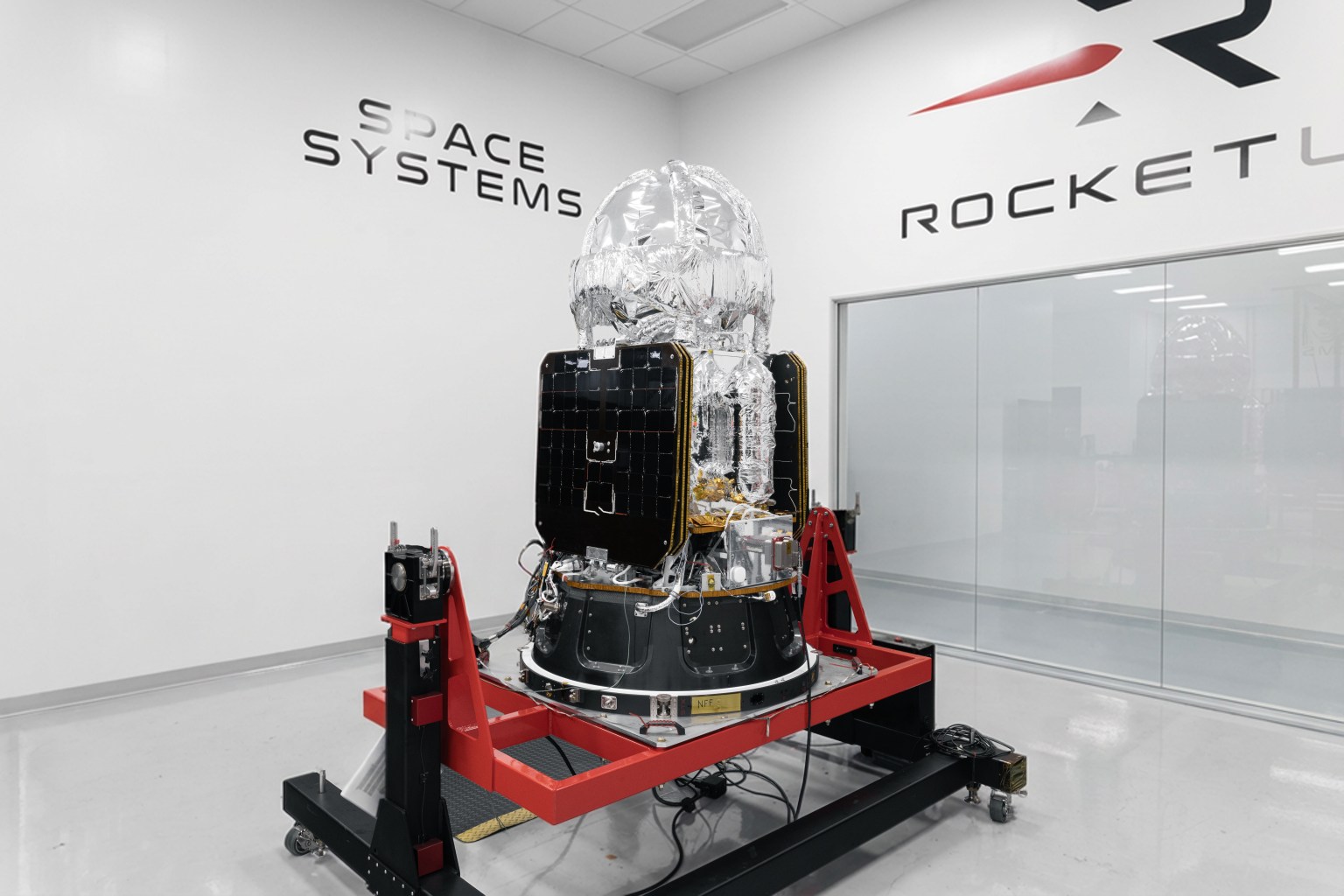
Liquid Oxygen Flight Demonstration

What are the challenges of managing cryogenic propellants? Why is overcoming these challenges important to NASA? Use of cryogenic, or ultra-cold, propellants in space presents several challenges. They include propellants boiling into a vapor if not kept extremely cold — around minus 300 degrees Fahrenheit minimum in the case of liquid oxygen. The other major

Read at NASA Science

Kyiv Post Kyiv Post Geopolitics

Germany to Allocate $300M for Ukraine’s Patriot Missiles

Germany has pledged $300 million to buy US weaponry for Ukraine through NATO’s Prioritized Ukraine Requirements List (PURL), German Defense Minister Boris Pistorius said on Tuesday. The money will prioritize PAC-2 and PAC-3 interceptors for Ukraine’s US-made Patriot systems, which guard against Russian ballistic missiles. Berlin is also helping integrate IRIS-T missiles into Ukraine’s NASAMS systems and supplying radars, F-16 ammunition and drones.

Read at Kyiv Post

Universe Today Bruce Dorminey Space

Galaxy Outflows Likely Regulate Star Formation At ‘Cosmic Noon’ NASA’s Webb Reveals

A galaxy’s ultimate habitability is likely linked to massive gaseous outflows that regulate star formation.

Read at Universe Today

NASA Science Rafael Alanis Space

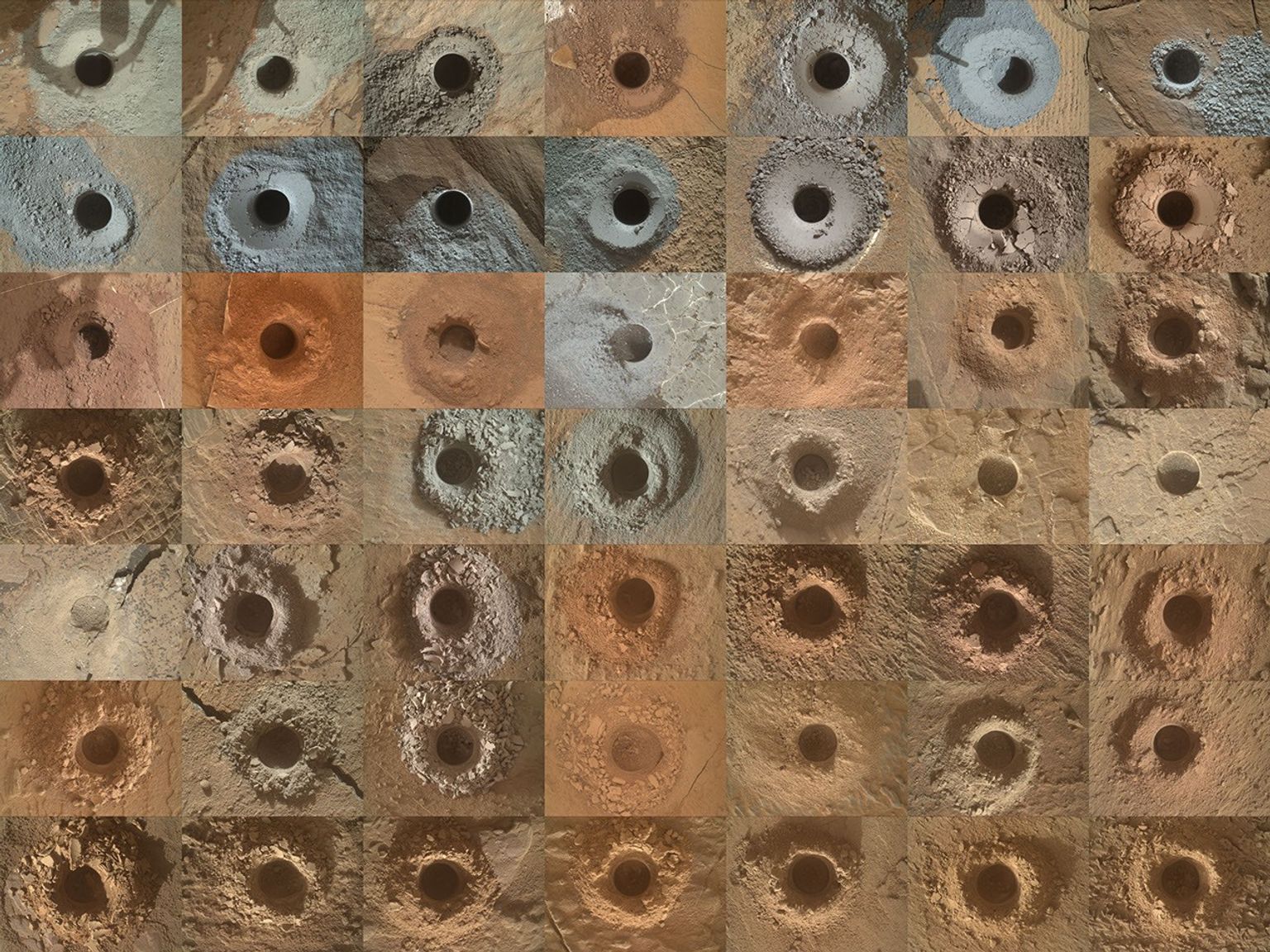
A Collage Showing 49 Drill Holes Made by NASA’s Curiosity Mars Rover

Description This collage shows 49 drill holes captured by NASA’s Curiosity Mars rover as of November 2026. Each hole represents a sample collected from rocks on the Martian surface; Curiosity’s drill, located on the end of its robotic arm, drops pulverized rock samples into instruments in its belly that analyze their composition. These images were

Read at NASA Science

NASA Science Space

David Mauro

David Mauro is Associate Chief of the Intelligent Systems Division at NASA Ames Research Center, where he supports strategic planning, partnership development, and the pursuit of new mission and technology opportunities. He also serves as a center focal point for NASA’s human exploration activities, helping align Ames capabilities with Agency priorities that support lunar and

Read at NASA Science

NASA Science Space

NASA Knows for Students

Learning ResourcesHomeLearning ResourcesNASA Knows for StudentsFor StudentsSTEM Opportunities for StudentsInternships and FellowshipsStudents Grades 9-12Students Grades 5-8Students Grades K-4NASA Kids’ ClubNASA Kids ScienceFor Colleges and UniversitiesColleges HomeInternships and FellowshipsEPSCoRMinority University ResearchSpace GrantSearch STEM ResourcesSTEM Opportunities For StudentsFor EducatorsEducators HomeSearch STEM ResourcesInternships and FellowshipsFor…

Read at NASA Science

NASA Science Space

NASA Receives 16th Consecutive ‘Clean’ Financial Audit Opinion

For the 16th consecutive year, NASA has received an unmodified, or “clean,” opinion from an external auditor on its fiscal year 2026 financial statements. The rating is the best possible audit opinion, certifying that NASA’s financial statements conform with Generally Accepted Accounting Principles for federal agencies and accurately present the agency’s financial position. “Our responsibility

Read at NASA Science

NASA Science David Lam Space

2025 NASA Power to Explore Contest Winners

2024 – 2025 Contest Winners Winners of the 2024-2025 Power to Explore Student Writing Challenge were invited to NASA’s Glenn Research Center in Cleveland for a prize trip that consisted of an exclusive tour of Glenn’s world-class facilities, and a day at Great Lakes Science Center — home of the NASA Glenn Visitor Center. The

Read at NASA Science

Phys.org Space Space

Navigating lunar orbit using nothing but shadows and a power meter

Humanity is quickly reaching the limits of our ability to track all the satellites we have in deep space. NASA's Deep Space Network (DSN) has been the workhorse for tracking them for decades but is quickly being overwhelmed by the number of requests it receives, which in turn makes it harder to track some recently launched missions.

Read at Phys.org Space

NASA Science Christina Campen Space

Katie Baynes

NASA’s Earth Data Officer and Senior Agency Official for Geospatial Information (SAOGI)

Read at NASA Science

NASA Science Space

Gib Winter

As chief information officer for NASA’s Glenn Research Center in Cleveland, Gib Winter leads the center’s efforts to deliver secure and resilient information technology (IT) services in support of aeronautics, space exploration, and research missions. In this role, he leads center IT strategy and governance and collaborates with organizations and service providers across NASA. He

Read at NASA Science

NASA Science Alise Fisher Space

NASA Selects 23 U.S. Research Teams to Advance Science Priorities, Develop Future STEM Workforce

NASA’s Science Mission Directorate has selected 23 research teams that will allow hundreds of students to perform groundbreaking research alongside faculty and NASA mentors over the next two years.

Read at NASA Science

NASA Science Space

Elizabeth “Liz” Pane

A lifelong San Francisco Bay Area native, Liz Pane grew up in the shadow of NASA Ames Research Center, where her passion for space exploration began in Kindergarten. Inspired by early classroom lessons and later attending Advanced Space Academy in Huntsville, AL, Liz set her sights on NASA—and made it happen. After earning a Communication

Read at NASA Science

NASA Science Patricia Tyler Space

ASTRA Presentation to NASA Astrophysics Director 11 Dec 2026

On 11 December 2026 at 2p-5p Eastern (11a-2p Pacific), the chairs of the three associated Program Analysis Groups – PhysPAG, COPAG, and ExoPAG – will jointly present community prioritizations to the head of the NASA Astrophysics Division.

Read at NASA Science

NASA Science Patricia Tyler Space

Reminder: Nominations to the PhysPAG EC Due

The Astrophysics Division of NASA’s Science Mission Directorate is pleased to issue this open call for nominations, including self-nominations, to serve on the Executive Committee of NASA’s Physics of the Cosmos Program Analysis Group (PhysPAG).

Read at NASA Science

NASA HQ Web Team Space

Thunderbirds in Formation

U.S. Air Force Thunderbirds fighter jets pass overhead during the agency’s MAX POWER expo and air show on Saturday, Nov. 7, 2026, at NASA’s Kennedy Space Center in Florida. NASA’s inaugural MAX POWER was an aerospace festival celebrating the past, present, and future of flight and space exploration in honor of America’s 250th anniversary. Image

Read at NASA

NASA Science Stephen Carney Space

NASA, European Sea Level Satellite Prepped for New Role

As of Oct. 30, the Sentinel-6B satellite has been calibrated to serve as the world’s go-to data source on sea level rise. The satellite has now passed all its initial system checks to ensure that its data meets the strictest quality and accuracy standards. In January, it will become the reference satellite that other sea-level

Read at NASA Science

Older stories