Voyager 1 reaches one light-day from Earth after 49 years in space
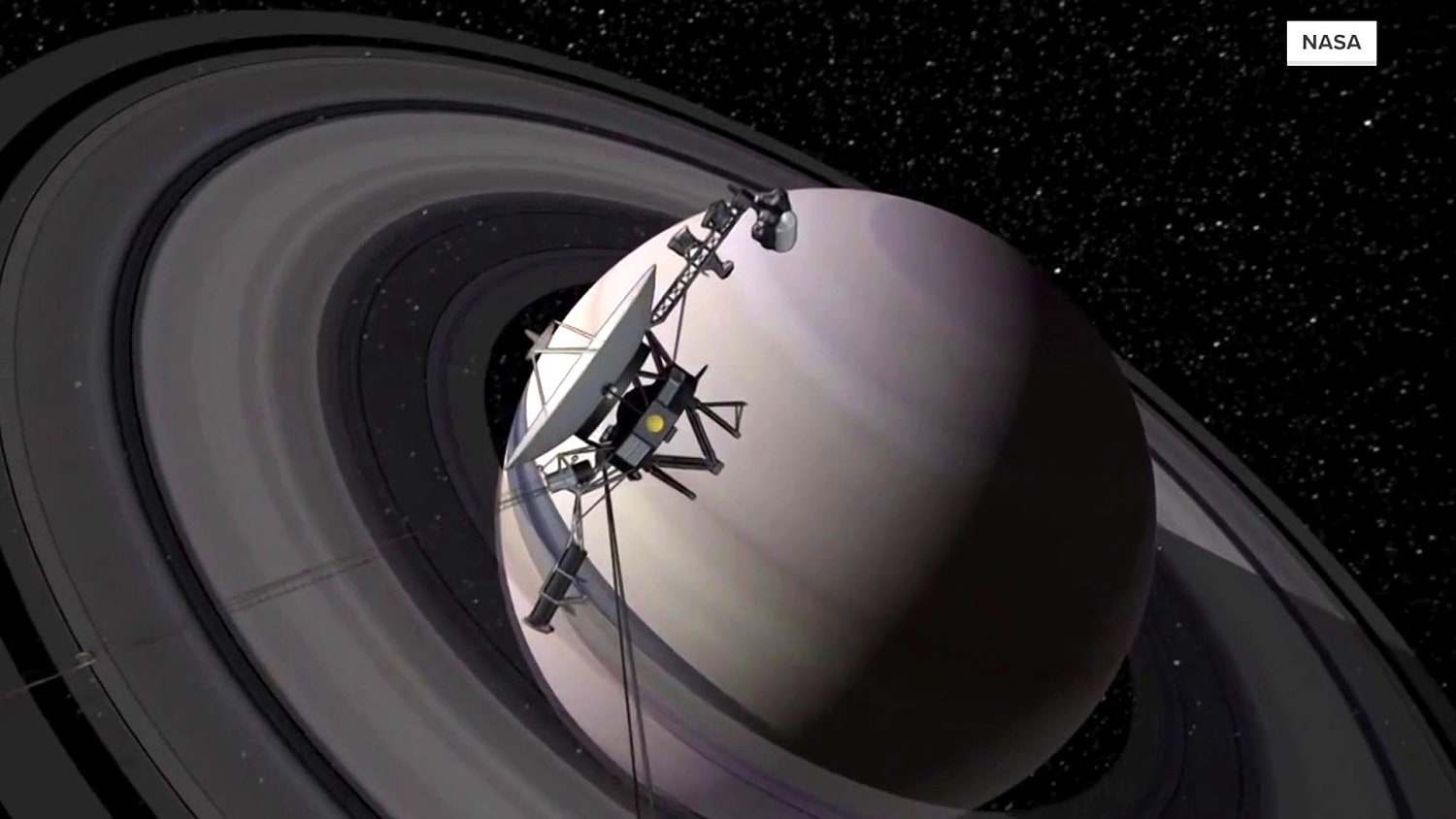
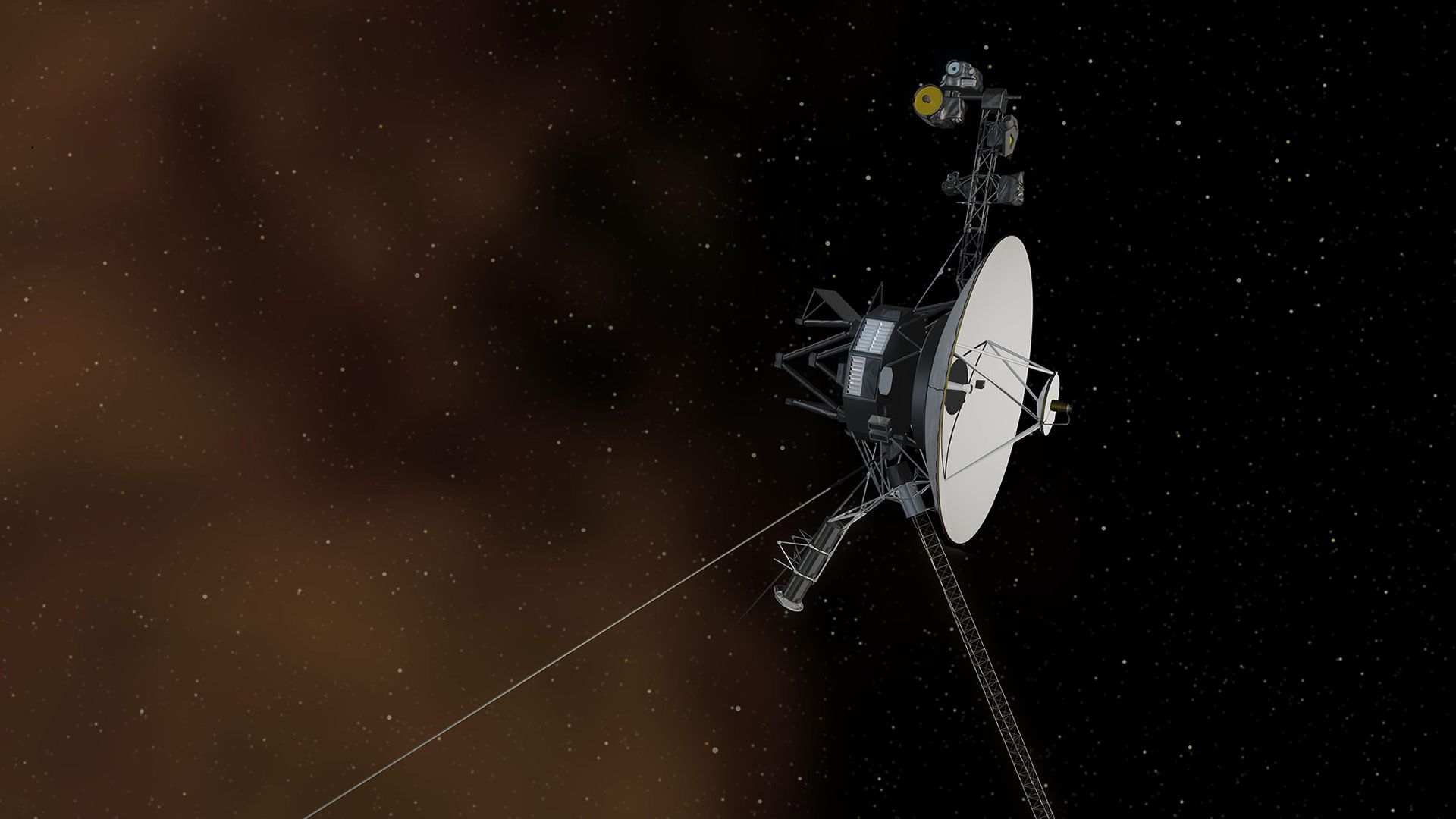
NASA’s Voyager 1 has reached a record distance of more than 16 billion miles from Earth, 49 years after its launch.
NASA’s Voyager 1 has reached a record distance of more than 16 billion miles from Earth, 49 years after its launch.
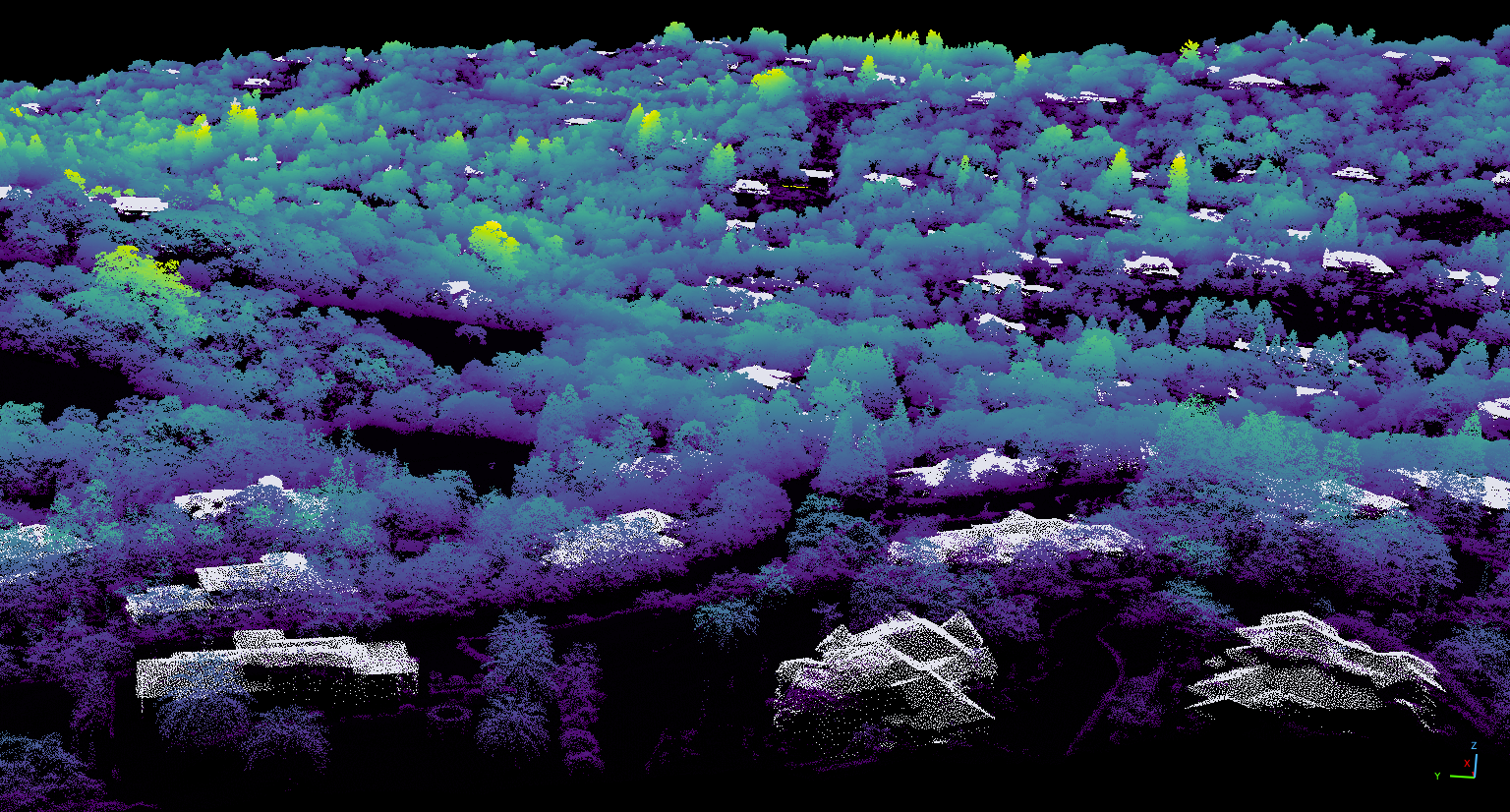
NASA researchers have produced detailed 3D topography maps for all of California, down to the scale of a single tree.
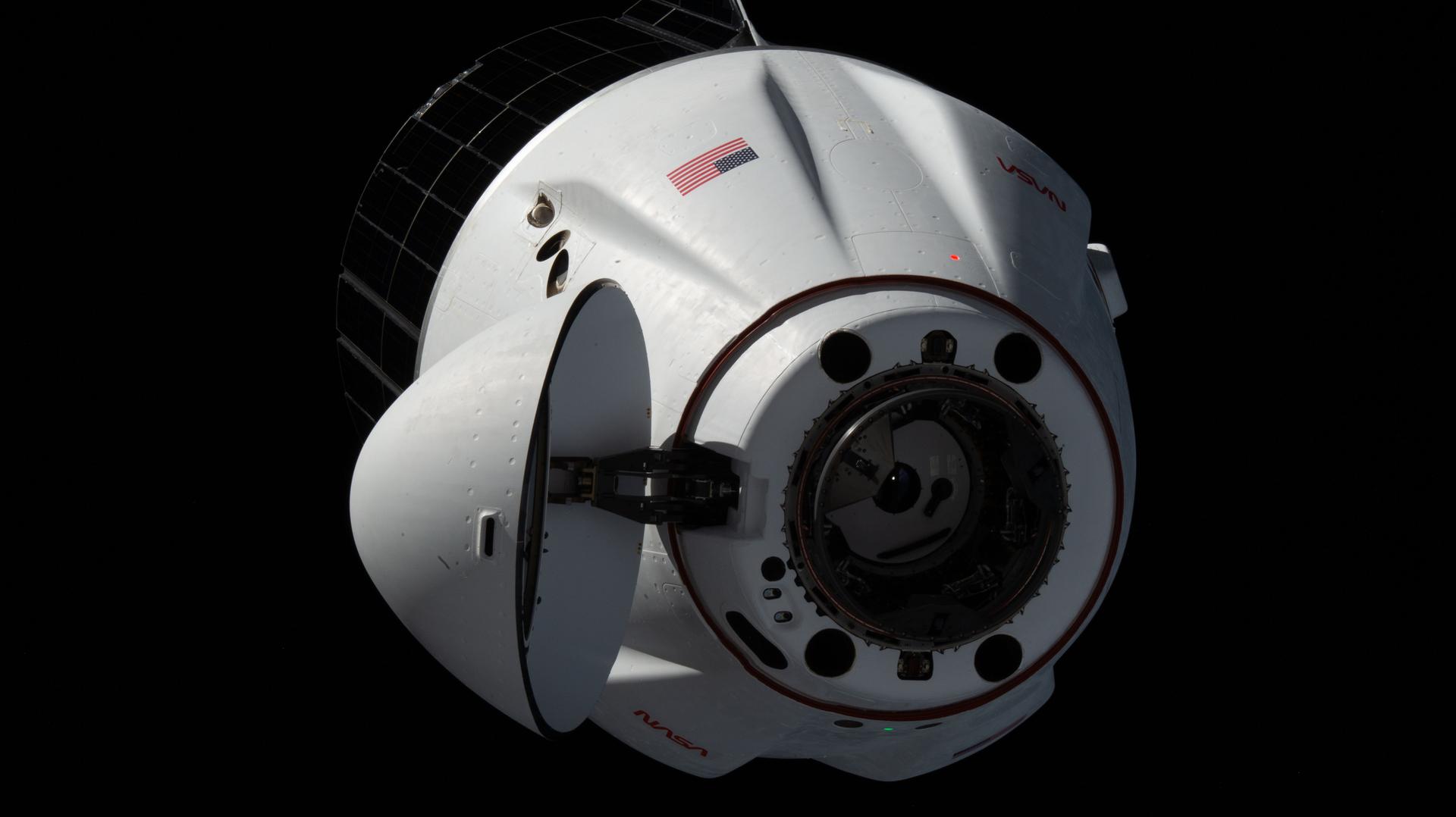
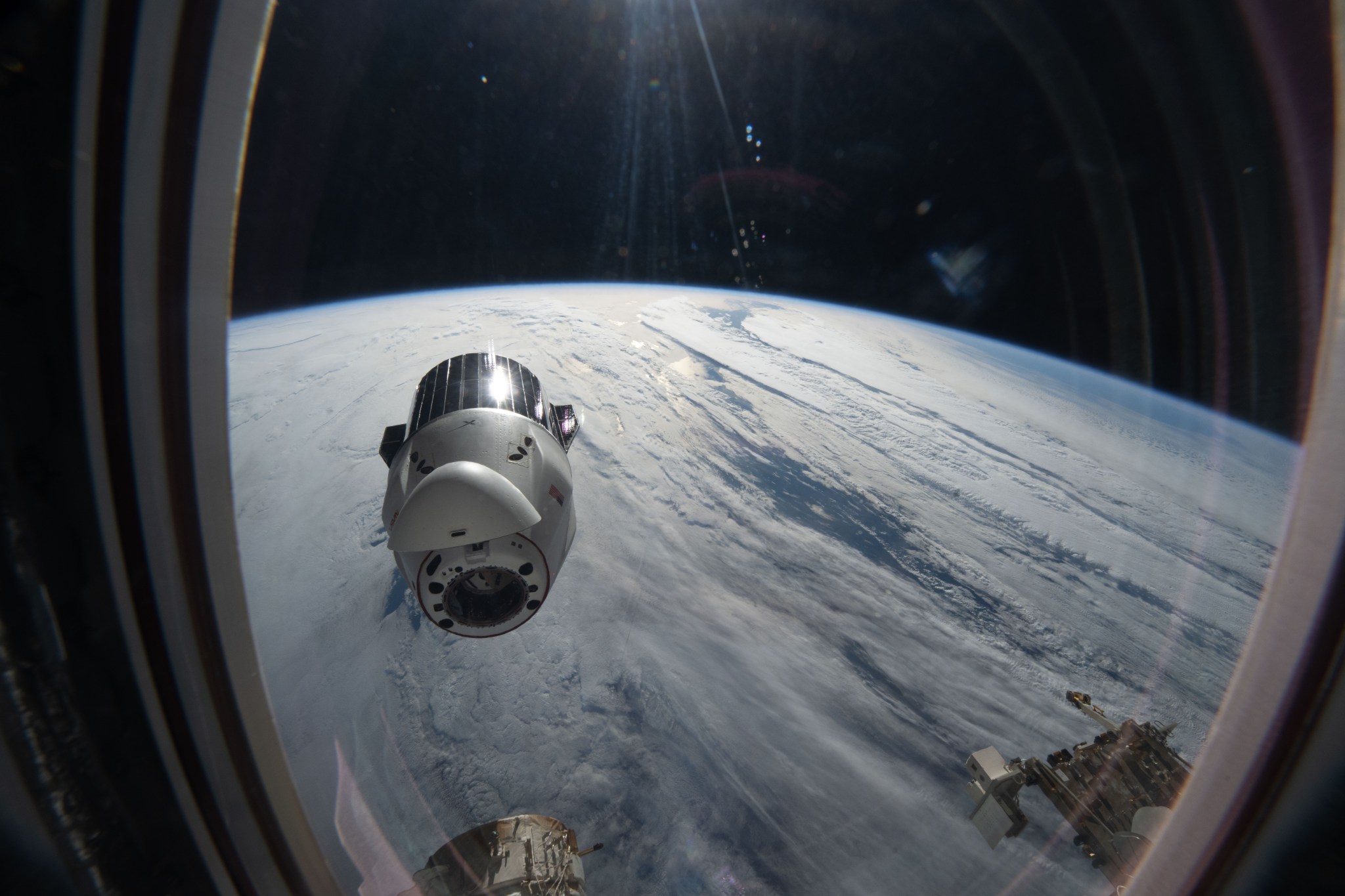
Due to unfavorable weather, NASA and SpaceX are standing down from Wednesday’s undocking opportunity of the Dragon cargo spacecraft that arrived at the International Space Station on Oct. 15.
NASA launched a new competition inviting U.S. companies to produce prototypes of mid-power Hall effect thrusters – a type of electric propulsion system considered crucial for future space operations and exploration. Hall effect thrusters use an electric field to accelerate a propellant gas, producing efficient thrust for long-duration missions. Used for propelling satellites and deep
The Empire State Building is seen illuminated in gold to celebrate NASA’s Voyager 1 spacecraft as it was about to pass one light-day away from Earth, a distance reached by no other human-made object, Nov. 17, 2026. The color gold represents the gold-plated copper phonograph record that is flying on Voyager; the Golden Record contains
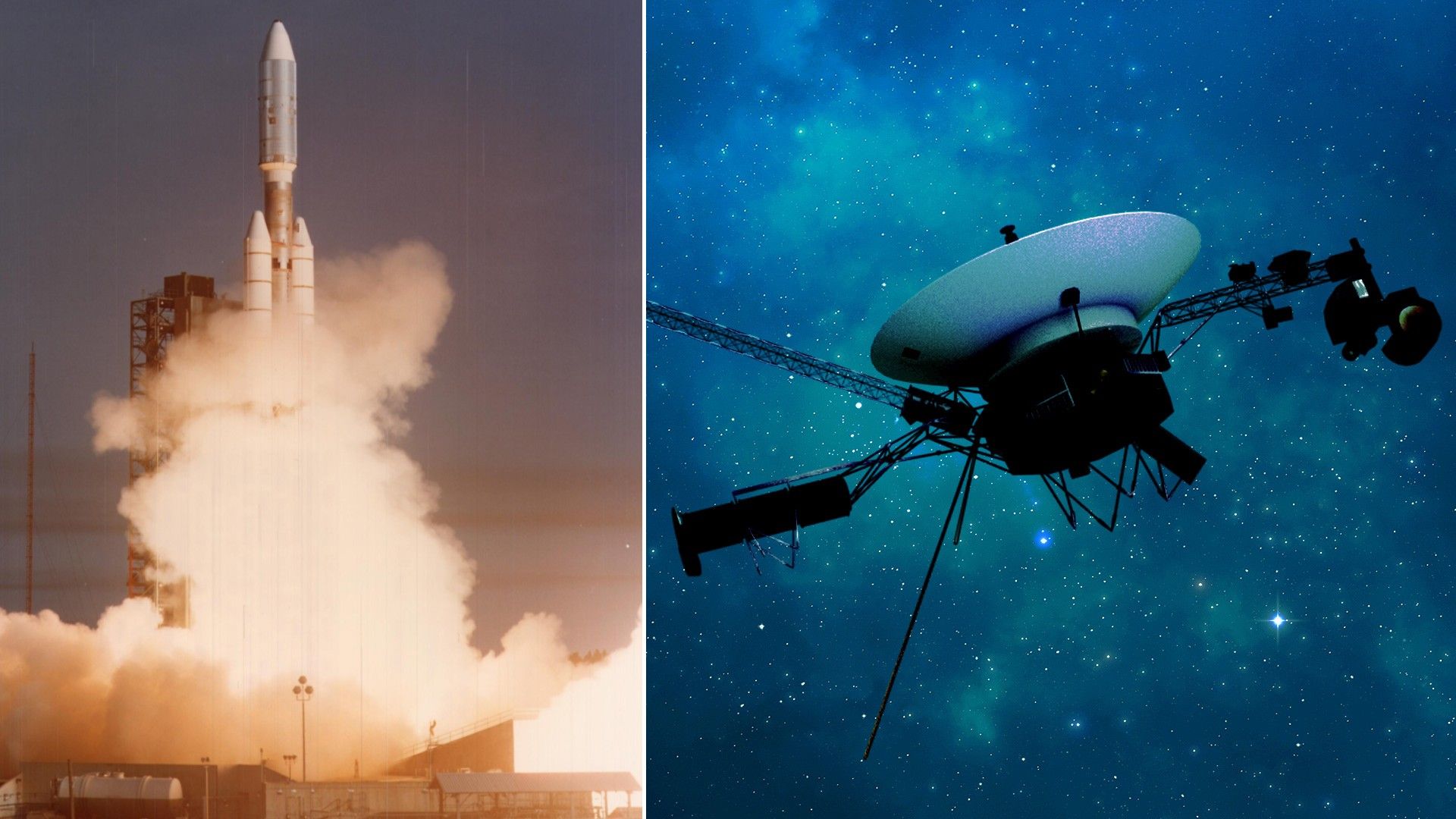
NASA's Voyager 1 spacecraft became the first human-made object to reach a distance of one light-day from Earth early Wednesday, crossing the threshold at 5:16:07 a.m. EST (10:16:07 UTC) as it sped away from the sun at nearly 38,000 mph.
The mass-radius ($M$-$R$) relation is fundamental to inferring the bulk composition and internal structure of exoplanets. However, published relations remain difficult to compare directly because studies adopt different planetary samples, fitting procedures, and evaluation metrics. We construct a homogeneous, quality-controlled benchmark of 963 exoplanets with dynamically measured masses and transit radii from the NASA Exoplanet Archive. We compare empirical power laws…
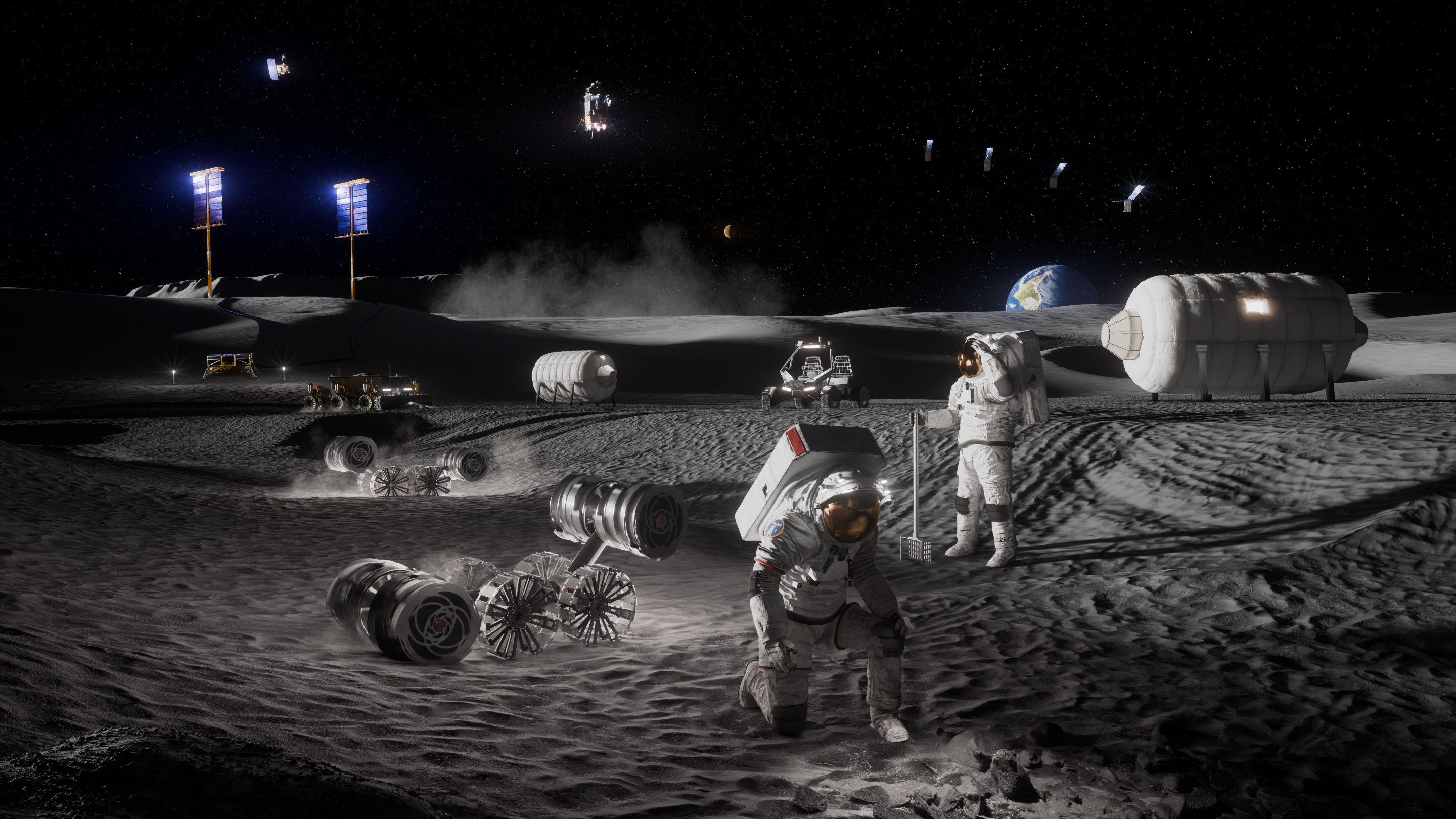
This article is for students. NASA is returning astronauts to the Moon – and this time they will spend more time on the lunar surface. The Moon Base is humanity’s first lunar outpost. It will be a place where astronauts live, work, and explore. ______________________________________________________________________ Words to Know outpost: a station or base located in
It’s Thanksgiving time, and we’re giving thanks to you for doing NASA Science with us! You and NASA’s other volunteers have enabled an incredible banquet of discoveries—by taking data, analyzing data, writing code, writing papers, and even inventing your own science projects. Whether you’re an expert participant or someone who’s just started your science journey,
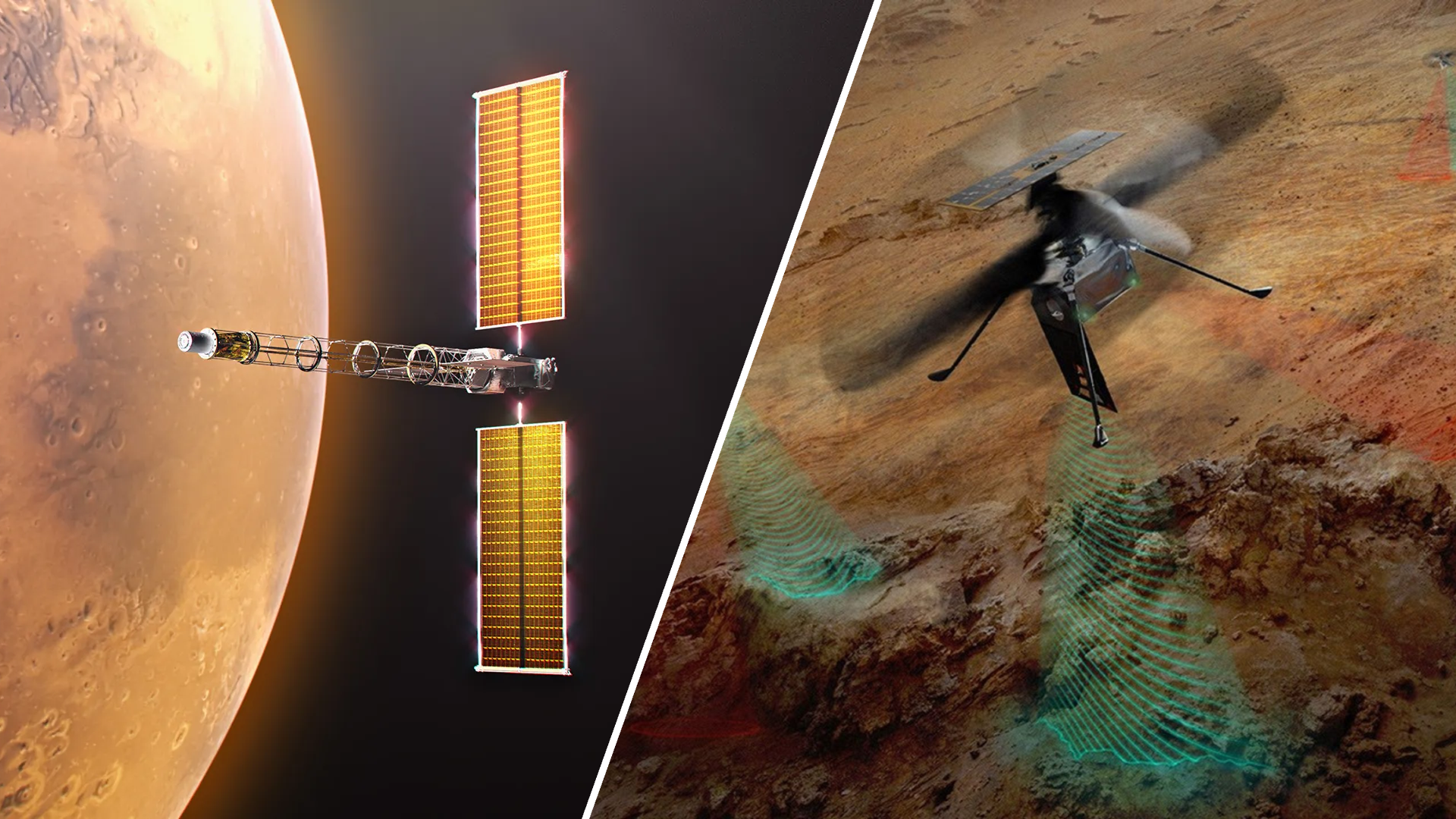
NASA's SkyFall helicopters are set to be transported to Mars on the agency's first nuclear rocket, but some experts are questioning why NASA is combining two such high-profile missions into one.
Satellites designed to track water dynamics and temperature changes across Earth’s surface launch in 2027
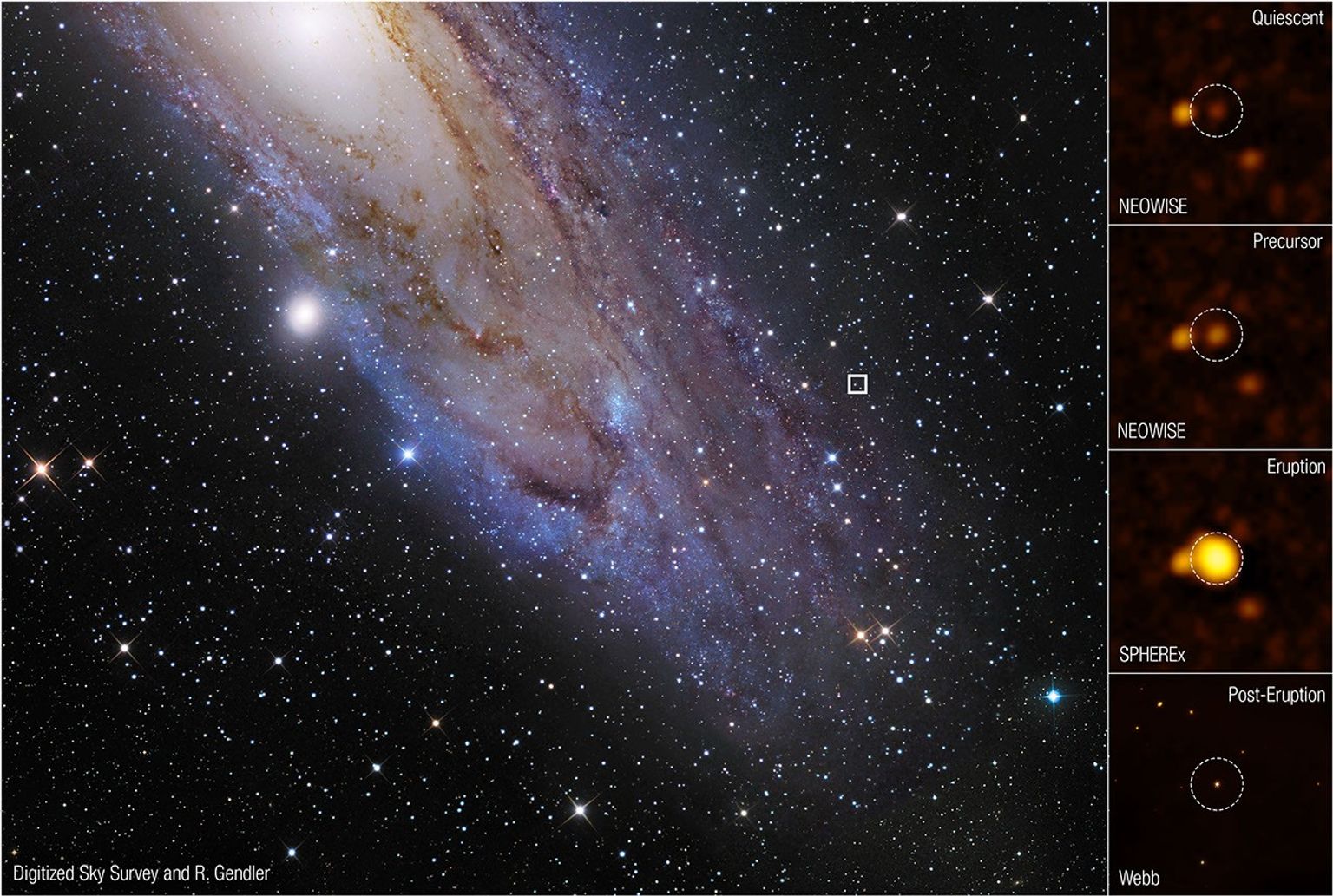
Researchers recently identified a first of its kind: A star slightly less massive than the Sun spiraled into and merged with a puffy supergiant star at the outskirts of our neighboring Andromeda galaxy. They nicknamed the newly single, potentially “rejuvenated” star Bao. Their NASA-funded discovery was then bolstered by quick-turn observations from NASA’s James Webb
Scott Poll serves as the Deputy Chief of the Intelligent Systems Division at NASA Ames Research Center, where he supports the development of technologies that reason, adapt, solve problems, and make timely, safety-critical survival and operational decisions. He joined Ames in 1992 as a cooperative education student in the Aerodynamics Division. Over the following decades,
NASA's Voyager 1 probe, which has been traveling through space for nearly 50 years, hit a milestone distance of one light-day away from Earth on Wednesday.
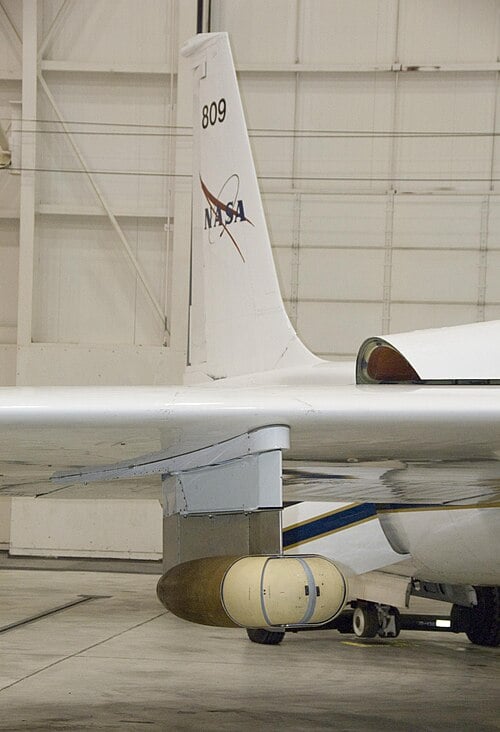
Astronomers can find valuable information in even the tiniest objects. That was certainly the case recently when twelve dust grains collected by a high-altitude aircraft helped solve a mystery about the birth of our Solar System. Or at least that is the argument in a new paper published in Science Advances by researchers at NASA’s Johnson Space Center and UCLA. According to the paper, the region beyond Neptune once had a massive isolated reservoir of “heavy water” that never…
After 49 years of traveling in space, NASA’s unmanned Voyager spacecraft has become the first human object to reach a full light day from Earth, meaning it would take a full 24 hours to reach the spacecraft traveling at the speed of light — 670 million miles per hour! NBC’s Tom Costello reports for TODAY on the spacecraft’s remarkable journey.
After traveling through the void of space for 49 years, Voyager 1 has hit a momentous milestone: the spacecraft is now officially one light-day away from Earth, which is, as NASA put it, "very, very far." The probe crossed the milepost on Wednesday at 5:16AM ET, and is now 16.094 billion miles away from our
It now takes 24 hours for even a single particle of light to reach Voyager.
Since the spacecraft’s 1977 launch, our wonderful and terrible species has done great damage to our planet. Voyager has offered us a clear view of ourselves Imagine traveling nonstop for 49 years, alone in the dark with no destination in sight, powered by curiosity and engineering. Further imagine making that journey not at bullet train or jet plane speed, but much faster: at 37,800 miles per hour, free from friction in a vast sea of cold, soundless space, bombarded by…
NASA and SpaceX are standing down from Wednesday’s Dragon undocking opportunity from the International Space Station due to unfavorable weather conditions at the splashdown sites off the coast of California.
Country: Nigeria Source: Government of Nigeria Please refer to the attached file. Highlights • In week 44, the number of new confirmed cases increased from 9 reported in epi week 43 of 2026 to 13. These were reported in Ondo, Bauchi, Edo, Taraba and Nasarawa States (Table 3). • Cumulatively, 278 deaths have been reported with a Case Fatality Rate (CFR) of 23.4% which is higher than the CFR for the same period in 2025 (18.3%). • In total for 2026, 26 States have recorded at…
NASA’s Power to Explore Student Challenge kicked off Tuesday, Nov. 17. The science, engineering, technology, and mathematics (STEM) challenge invites kindergarten through 12th grade students in the United States to learn about space nuclear power systems and illustrate how these nuclear “batteries” could help power their lunar exploration vision. Students are also invited to write
Voyager 1 just reached a light-day in space, but Voyager 2 won't do the same until 2035, due to speed choices made throughout their 50-year missions.
On Nov. 14 and 15, NASA held the annual Space Apps Challenge with a record-breaking 181,835 registered participants taking part in 593 events around the world. The annual hackathon invites participants to use NASA’s open data to address one of 14 challenges focused on space exploration or Earth science. This year, the hackathon drew 59%
The NASA Space Biology Program within the Biological and Physical Sciences (BPS) Division investigates how living systems respond across the full spectrum of biological organization to advance understanding of how living systems respond to the unique stressors of space exploration—including microgravity, ionizing radiation, low magnetic fields, and elevated CO₂. As NASA prepares for long-duration deep
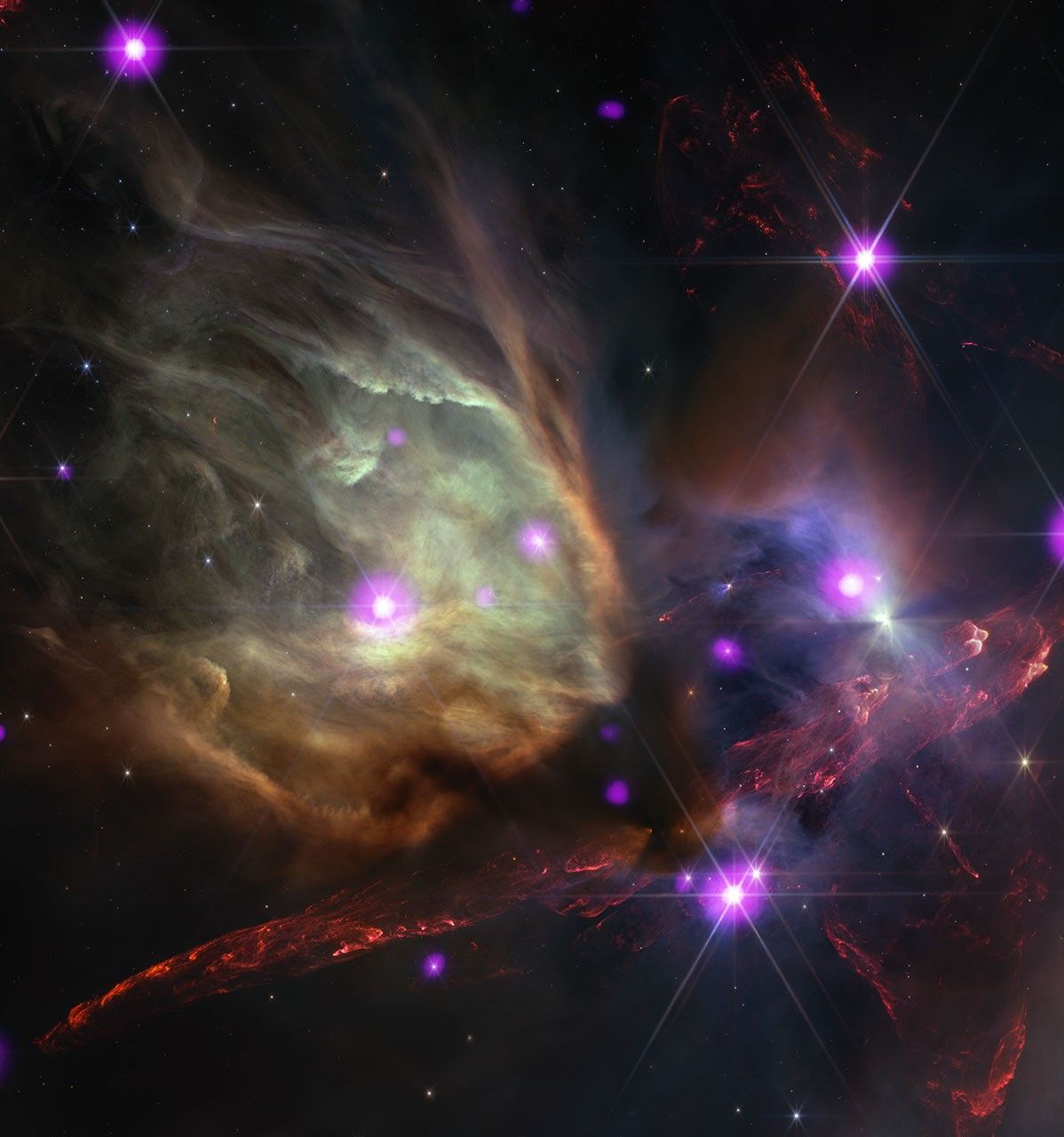
A new album from NASA’s Chandra X-ray Observatory collects snapshots of baby stars across the galaxy and beyond and transforms that data into sound. Four new sonifications use data of stars that are actively forming, captured by Chandra and other NASA telescopes By studying places in the universe where stars are currently being born and
The chairs of the three associated Program Analysis Groups – PhysPAG, COPAG, and ExoPAG – will jointly present community prioritizations to the head of the NASA Astrophysics Division.
NASA's Curiosity rover has been collecting data about Mars' thin, carbon dioxide–rich atmosphere since 2012. Now, a study published in the Proceedings of the National Academy of Sciences has analyzed over a decade of this data to determine whether the daily and seasonal changes in Mars' atmosphere could be explained by known processes, including the freezing and release of carbon dioxide at its poles. What they found suggests a process involving water either attached to soil…
The chairs of the three associated Program Analysis Groups – PhysPAG, COPAG, and ExoPAG – will jointly present community prioritizations to the head of the NASA Astrophysics Division.
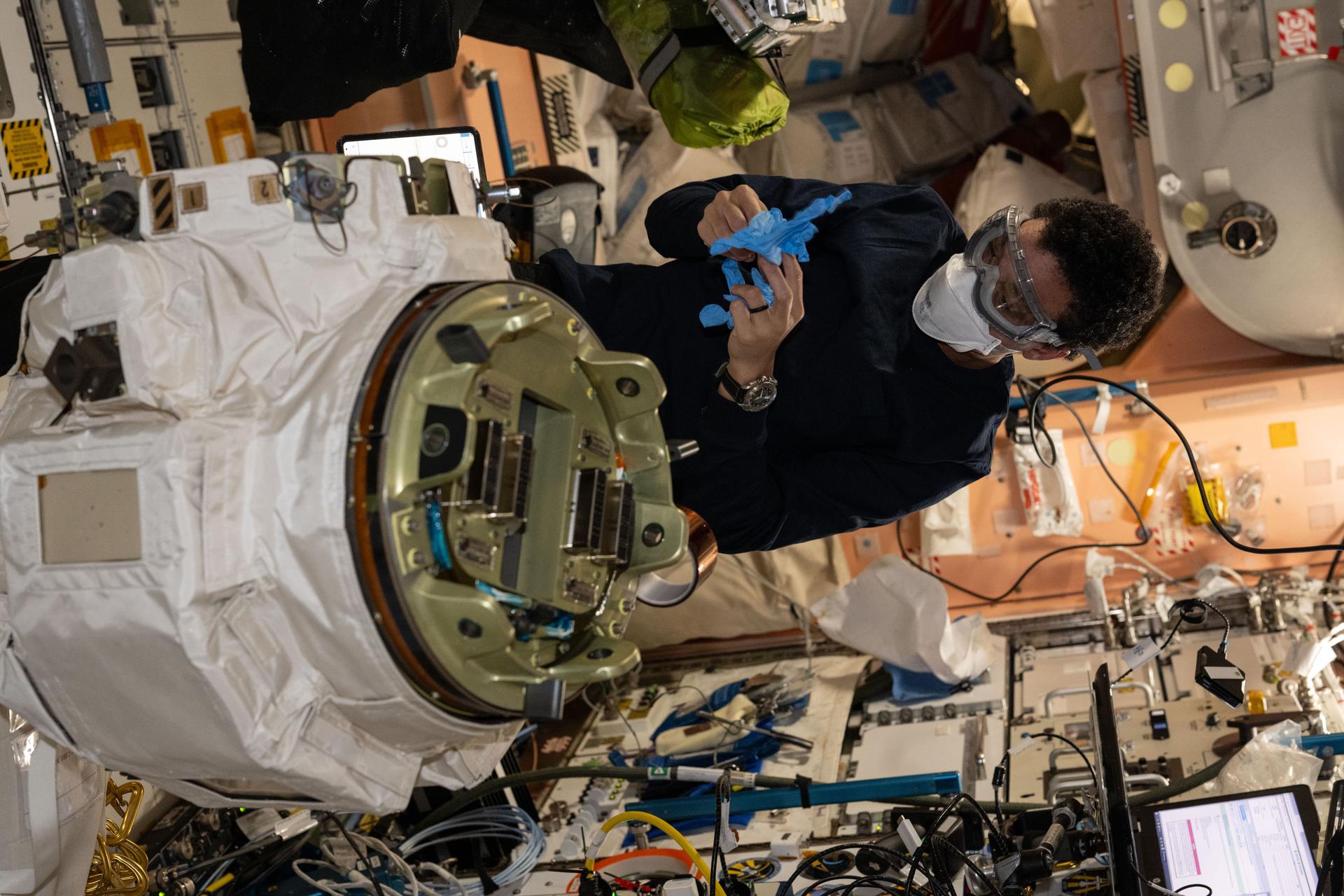
NASA and its international partners are set to receive scientific research samples and hardware as a SpaceX Dragon spacecraft departs the International Space Station no earlier than Wednesday, Nov. 18, for its return to Earth. Pending weather conditions, the Dragon spacecraft will undock from the Harmony module’s space-facing port at 11:05 a.m. EST, following a