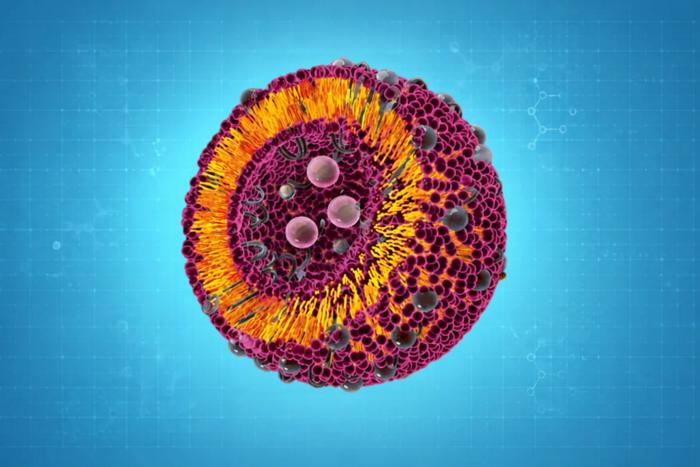
Extracellular vesicles produced by certain types of pluripotent stem cells (PSC) were found to help reduce immune attacks on insulin-producing cells in the pancreas and delay the onset of diabetes in a mouse model.
Targeting FOLR1 with an approved antibody-drug conjugate restored anti-tumor immunity and enhanced anti-PD-1 effectiveness in colorectal cancer, overcoming immune evasion in mouse models.
Sun Group is taking Symphony of the Sea into its third season with spectacular fireworks displays and thrilling extreme watersports off the coast of Phu Quoc. Sun Group, Marriott International team up to propel Vietnam’s MICE market toward APEC 2027 Sun Group partners with leading US corporations, connecting Vietnam’s tourism with the world Michelin honours three Sun Group-developed hotels in the 2026 Global Guide
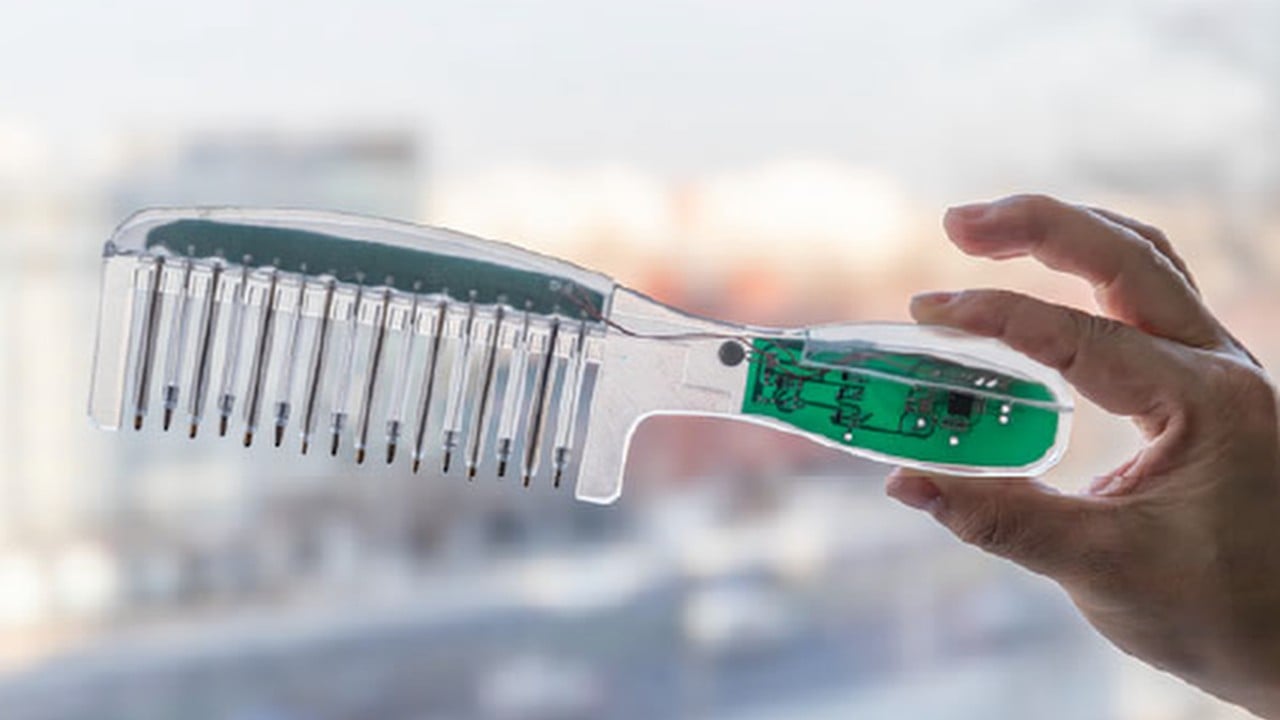
For the more than 1.5 billion people worldwide who suffer from androgenetic alopecia, combing their hair before the mirror each morning is a routine that is often accompanied by quiet anxiety. However, this most ordinary everyday tool may hold the key to reversing hair loss, according to a Chinese research team which developed a comb that uses microelectronics to treat hair loss. A study on mice has found that nearly 100 per cent hair coverage was achieved in just 28 days…
In mice, alcohol cut the efficacy of anti-PD-1 immunotherapy by roughly 50%, suppressing tumor-infiltrating and memory T cells while boosting TIGIT-carrying ones. Blocking TIGIT restored the response.
Researchers used genetic barcoding to track human blood-forming stem and progenitor cells transplanted into mice, revealing how the different cell types regenerate the blood and immune system, and how different forms of pretransplant conditioning affected blood and immune cell recovery.
Researchers studying how gut microbes modify bile acids have identified changes in the metabolic activity of the gut microbiome associated with exceptional longevity in humans, and found that amplifying the same activity with engineered bacteria improved metabolic health in aged mice.
The Nape Pro was Keychron's first trackball device that was introduced at CES 2026 with a slim and compact design allowing it to be positioned right up against a keyboard. The company's new T1 HE instead looks more like other trackball mice already available from companies like Logitech and Kensington with a 34mm ball positioned
After more than 35 years of research, scientists have uncovered surprising clues about what really drives Lyme disease risk. Contrary to longstanding assumptions, deer populations appear less important than mice, which can fuel a 40% increase in tick numbers the following year. Even acorn production can predict tick population surges two years in advance, while extreme temperatures may be far less deadly to ticks than scientists once believed.
I'm a simple guy. I usually work from my MacBook Neo wherever I end up sitting in my house. And while I have monitors, mice, and keyboards to plug it into, I often end up leaning over the MacBook and doing none of that. I rarely even sit…
Journal articles (OpenAlex)·Ju Yong Lee, Chulwoo Bae, Jungjae Park et al. · Diffusion and defect data, solid state data. Part B, Solid state phenomena/Solid state phenomena·
This study aims to enhance SC1-based post-CMP cleaning efficiency by evaluating various surfactants for effective CeO2 particle removal from SiO2 surfaces. Among the tested surfactants, Sarkosyl NL demonstrated superior performance, achieving a removal efficiency of 97.85%. Its anionic nature promotes electrostatic repulsion, preventing particle redeposition, while its thermal stability ensures consistent cleaning efficiency even under prolonged heating. Effective micelle…