Results for “NASA”

Phys.org Space Space

ESA's Hera probe uses 'superhuman' vision to inspect NASA's asteroid crash site

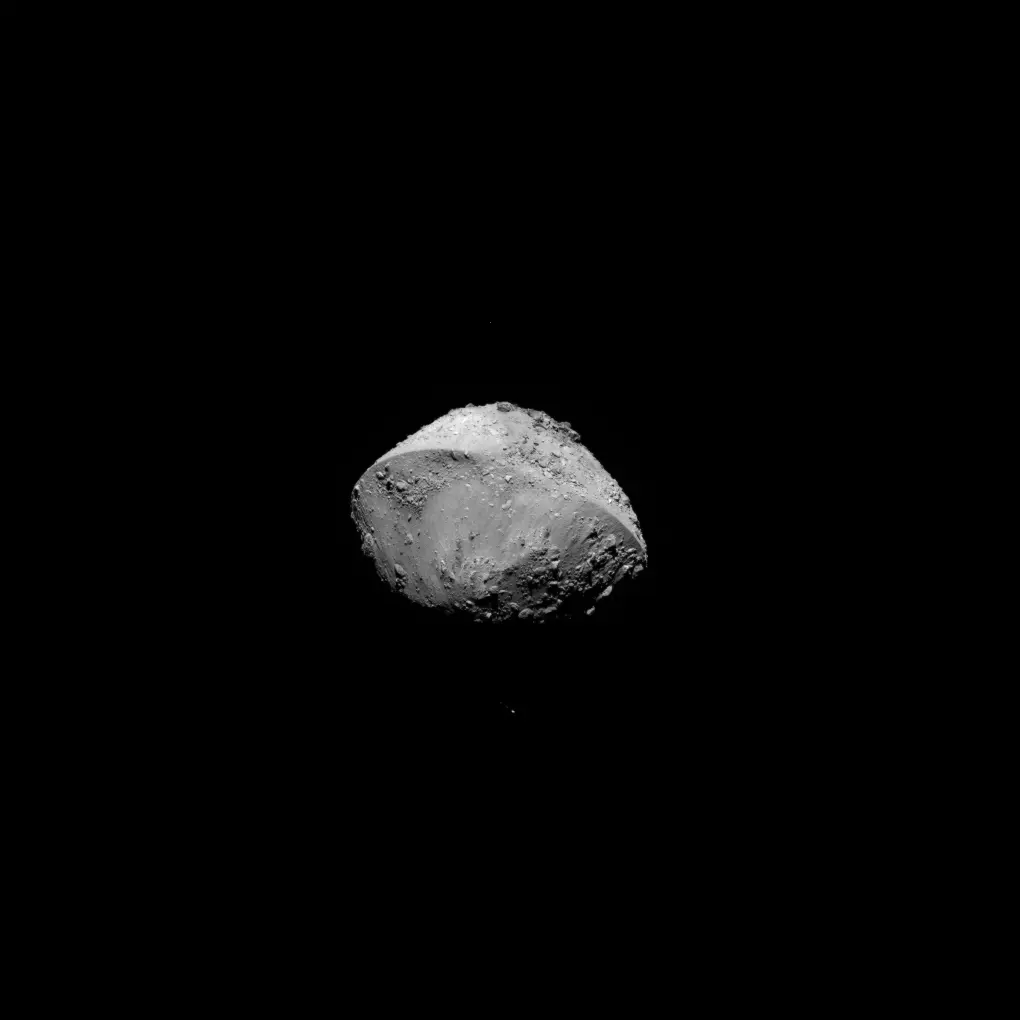
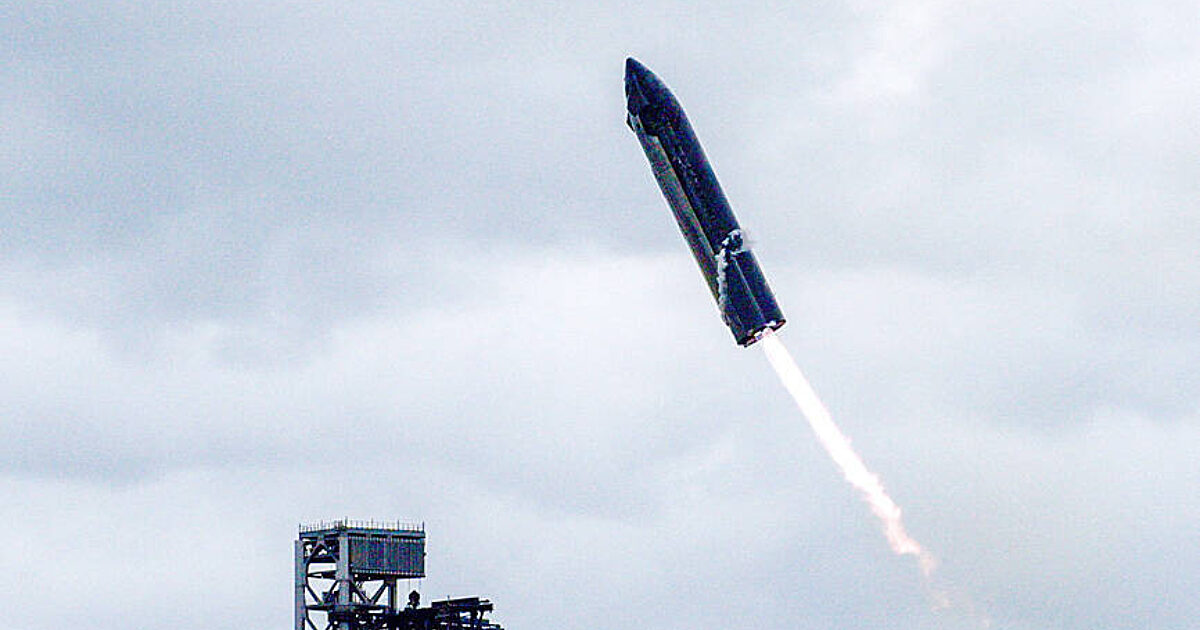
Around four years ago, humanity intentionally hit an asteroid. The Double Asteroid Redirection Test (DART) was by pretty much all measures a resounding success when it struck the asteroid moonlet Dimorphos going more than 22,000 kilometers per hour (13,700 miles per hour). However, we still don't know just how much of a success it actually was—DART was a one-way mission with no real way to track the results of the impact close up.
Read at Phys.org Space

NASA Science Space

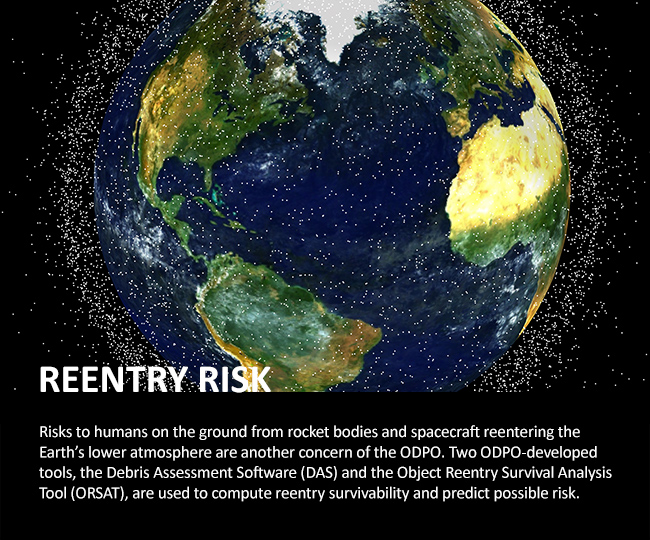
/odpo/reentry

Debris Reentry Due to the increasing number of objects in space, NASA and the international aerospace community have adopted guidelines and assessment procedures to reduce the number of non-operational spacecraft and spent rocket upper stages orbiting the Earth. One method of postmission disposal is to allow the reentry of these spacecraft, either from natural orbital

Read at NASA Science

The Planetary Society Space

Starship’s triumph and Vulcan’s failure

What Starship's success and Vulcan's failure say about the health of the commercial launch market and the future of NASA's access to space.

Read at The Planetary Society

NASA Science Caela Barry Space

NASA Arizona Field Investigations Advance Planetary Science

To better understand processes shaping Earth, the Moon, Mars, and worlds beyond, NASA's Goddard Instrument Field Team headed to Flagstaff, Arizona.

Read at NASA Science

Phys.org Space Space

Cryptography-inspired method speeds up searches for elusive pulsars

An international team of scientists has developed a method that can find pulsars in publicly available NASA data about a million times faster than before. This opens the door to discovering many more of these rapidly spinning objects. A paper describing the results was published in Physical Review Letters.

Read at Phys.org Space

Digital Trends Vikhyaat Vivek

The Martian might not be too far removed from reality. Scientists just grew potatoes in Moon-like soil

NASA-funded researchers successfully grew potatoes in simulated lunar soil by adding organic compost, achieving yields comparable to Earth-grown crops and taking an important step toward sustainable food production on the Moon.

Read at Digital Trends

NASA Bailey Light Space

Challenge: Public Input on Life and the World in 2075

NASA’s Transformational Tools and Technologies (TTT) is gathering public perspectives on life today and how the world may change by 2075. This challenge asks for conceptual ideas about life in 2075 across four challenge topics. Ideas should explore how future aviation or aerospace systems could: Ideas should be conceptual rather than technical. Award: $20,000 in

Read at NASA

Phys.org Space Space

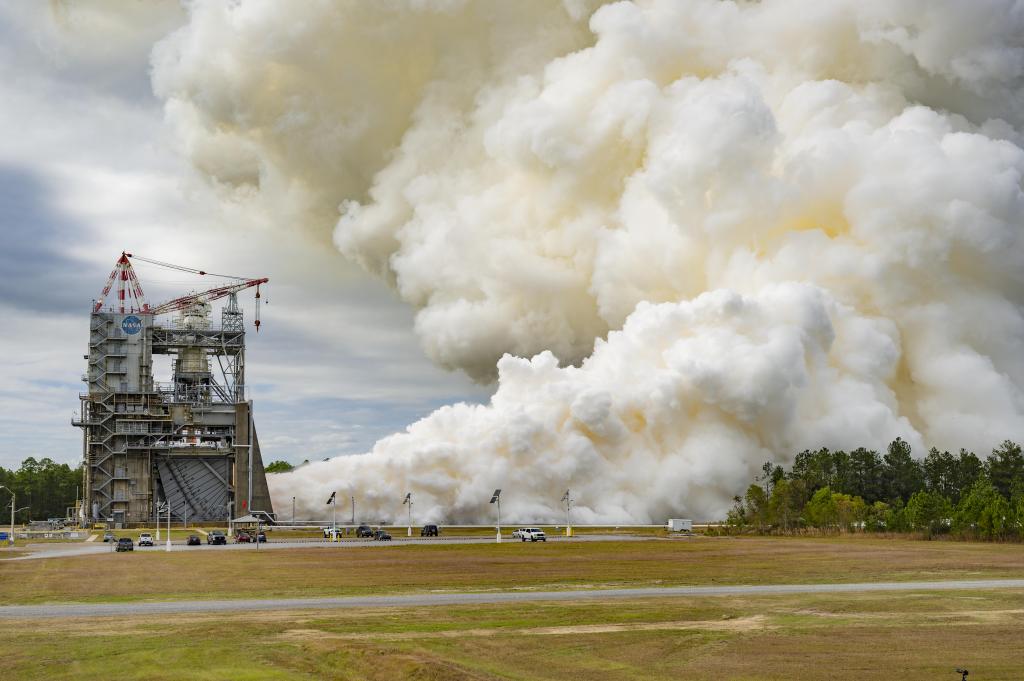
NASA conducts latest RS-25 engine test in support of future Artemis missions

NASA tested RS-25 engine No. 10001 on Nov. 18 on the Fred Haise Test Stand at NASA's Stennis Space Center near Bay St. Louis, Mississippi.

Read at Phys.org Space

NASA Science Amanda Barnett Space

NASA’s Perseverance, Odyssey Teams Investigate Technical Issues

NASA teams supporting the agency’s Perseverance Mars rover and 2001 Mars Odyssey orbiter missions are investigating separate technical issues affecting science operations on the two missions. Out of an abundance of caution, science activities are temporarily paused for the Perseverance rover on Mars while ground teams work on issues with its two UHF radios used

Read at NASA Science

South China Morning Post Associated Press Geopolitics

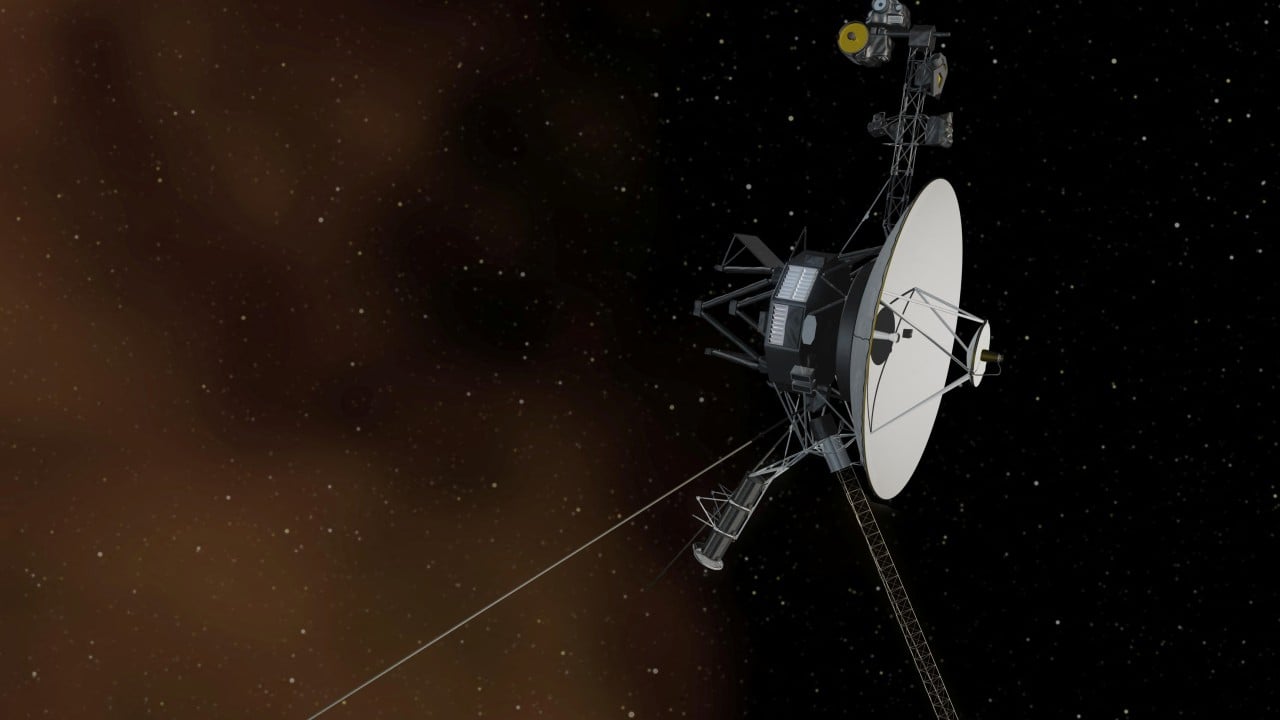
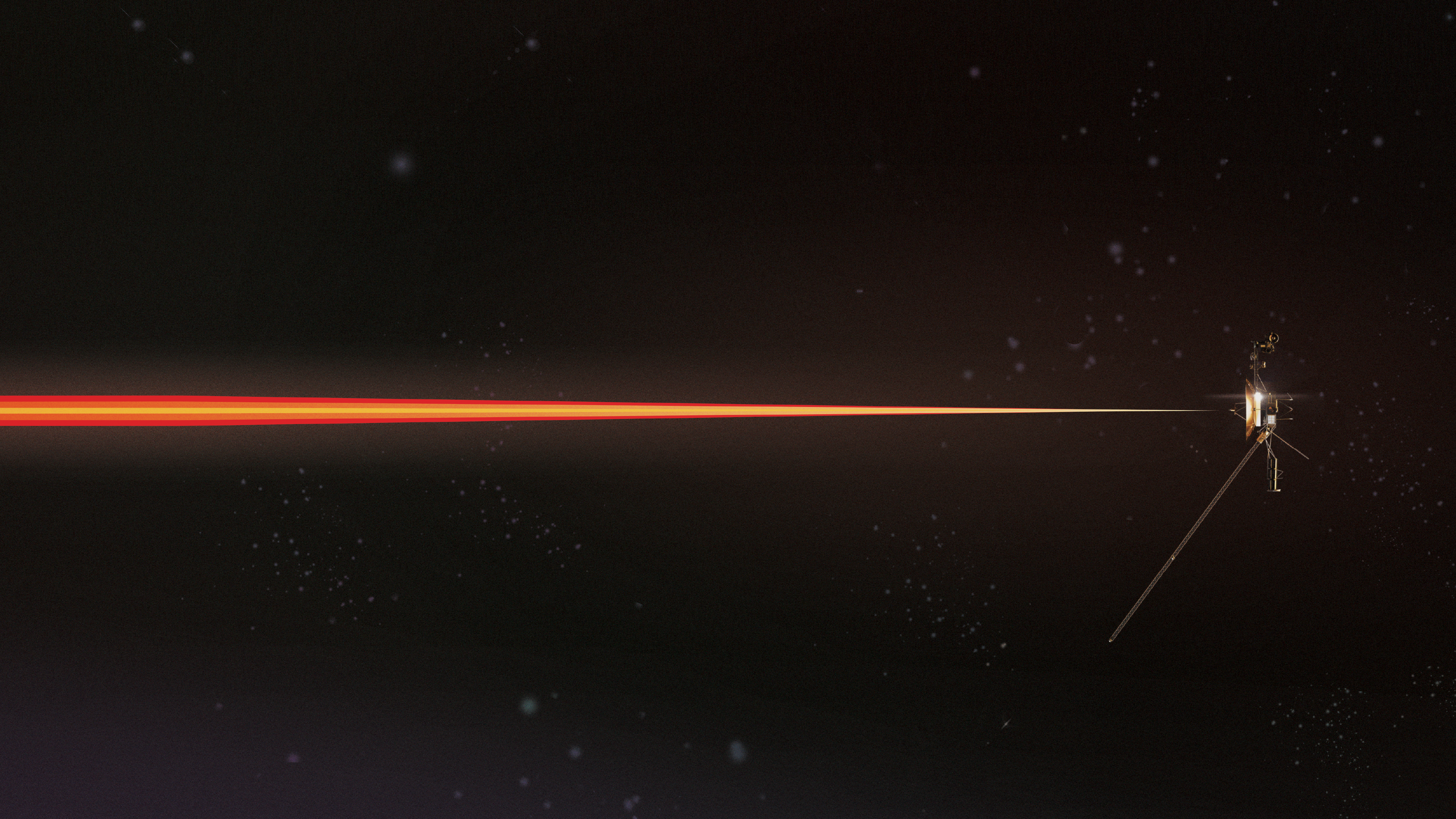
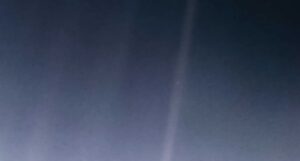
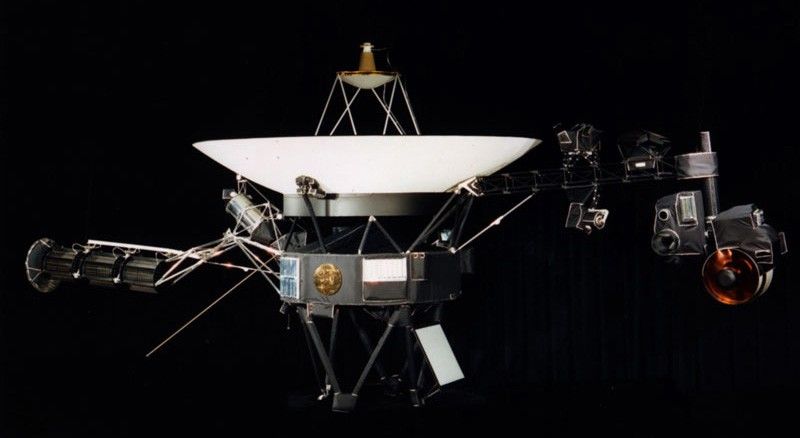
Nasa’s Voyager 1 phones home from an awe-inspiring 1 light-day away

Nasa’s Voyager 1 has phoned home from one light-day away, humanity’s first emissary to cross this monumental threshold way out in interstellar space. Flight controllers received the spacecraft’s call on Thursday, exactly 24 hours after it was sent. That is how long it took for the radio signal to traverse the more than 16 billion miles (26 billion kilometres) at the speed of light. “Travelling a light-day is a singular feat for a spacecraft, but Voyager is so much more than…

Read at South China Morning Post

NASA Science Lauren Leese Space

NASA Science Data Powers New Method to Discover Hard-to-Find Pulsars

Open data from NASA's Fermi mission helped an international team of scientists develop a method for finding pulsars about a million times faster than before.

Read at NASA Science

Phys.org Space Space

NASA's Voyager 1 phones home from an awe-inspiring 1 light-day away

NASA's Voyager 1 has phoned home from one light-day away, humanity's first emissary to cross this monumental threshold way out in interstellar space.

Read at Phys.org Space

Space.com Chelsea Gohd Space

Empire State Building glows gold for NASA's Voyager spacecraft | Space photo of the day for Nov. 19, 2026

The Empire State Building is illuminated in gold to celebrate Voyager 1 hitting one light-day from Earth.

Read at Space.com

Universe Today Andy Tomaswick Space

ESA's Hera Probe Uses "Superhuman" Vision to Inspect NASA's Asteroid Crash Site

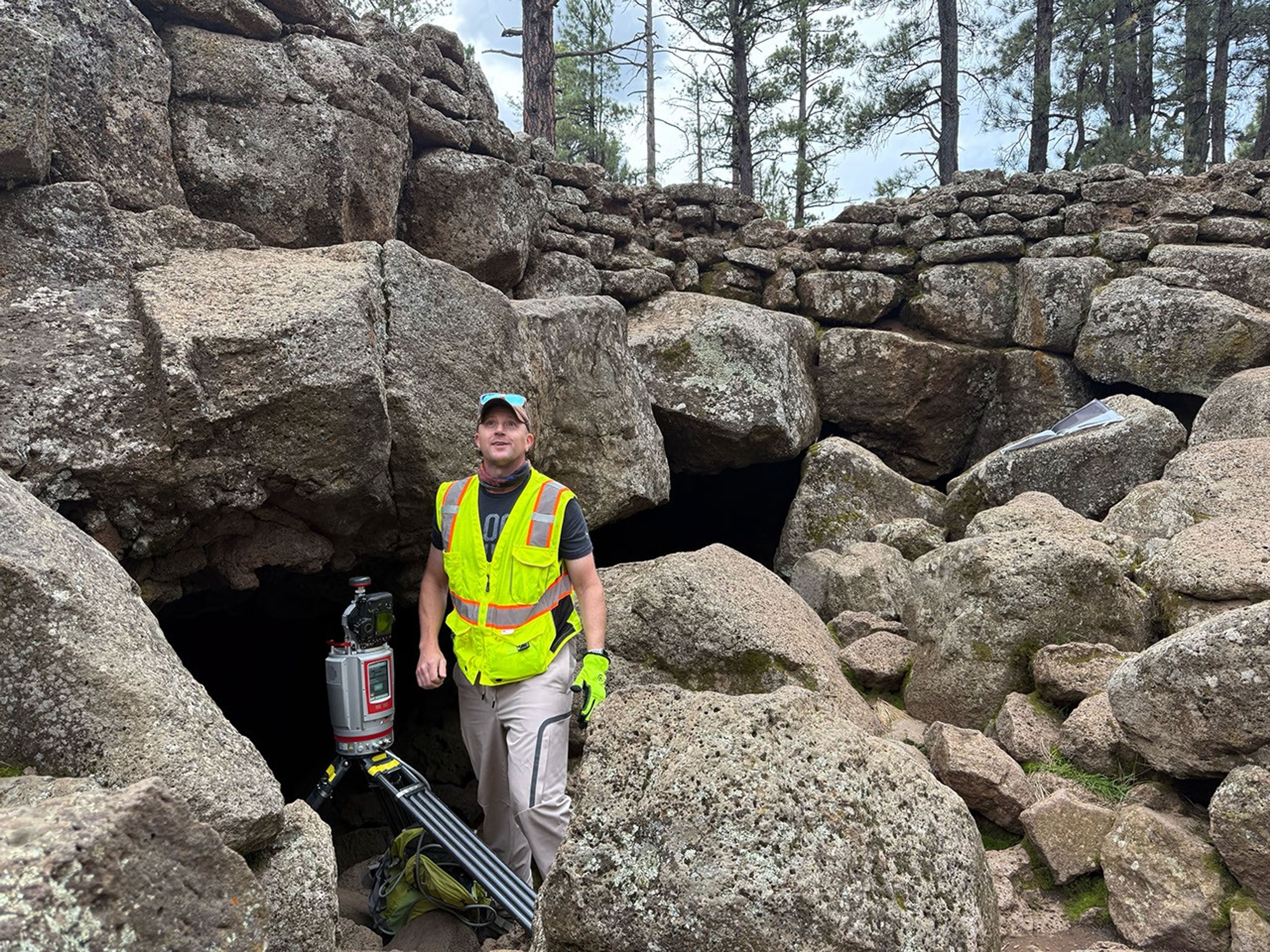
Around four years ago, humanity intentionally hit an asteroid. The Double Asteroid Redirection Test (DART) was by pretty much all measures a resounding success when it struck the asteroid moonlet Dimorphos going more than 22,000 kilometers per hour. However, we still don’t know just how much of a success it actually was - DART was a one-way mission with no real way to track the results of the impact close up. Enter Hera, the European Space Agency (ESA) mission that recently…
Read at Universe Today

NASA Science Space

NASA Conducts Latest RS-25 Engine Test in Support of Future Artemis Missions

NASA tested RS-25 engine No. 10001 on Nov. 18 on the Fred Haise Test Stand at NASA’s Stennis Space Center near Bay St. Louis, Mississippi. Test teams fired the developmental engine for the planned duration of three minutes and 20 seconds (200 seconds). While this developmental engine will not be used in flight, the hot

Read at NASA Science

NASA Jessica Taveau Space

NASA’s Voyager 1 Makes History Reaching One Light-Day From Earth

NASA’s Voyager 1 probe, humanity’s farthest-flying spacecraft, has reached one light-day from Earth, after more than 49 years of constant travel. A light-day is the distance light travels in 24 hours, equaling about 16.1 billion miles (25.9 billion kilometers). The spacecraft achieved the milestone at 2:16 a.m. PST (5:16 a.m. EST) Nov. 18. Voyager team

Read at NASA

Ars Technica Eric Berger Space

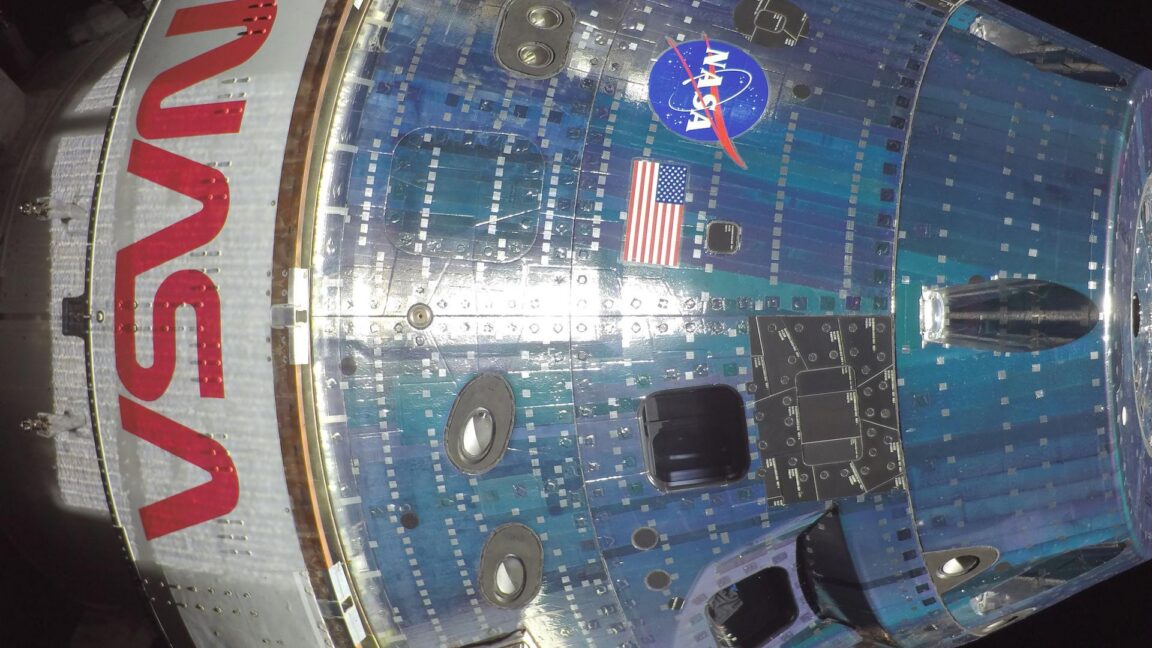
NASA's new Moon plans have a problem: Orion wasn't designed to fly this way

"We also have a responsibility to not go too fast and cut too many corners."

Read at Ars Technica

Ukrainska Pravda Iryna Levytska

NASAMS manufacturer to test Norwegian defence technologies in Ukraine

Ukraine's defence technology cluster Brave1 has signed a memorandum of understanding with the Norwegian company Kongsberg Defence & Aerospace Ukraine.

Read at Ukrainska Pravda

Space.com Elizabeth Howell Space

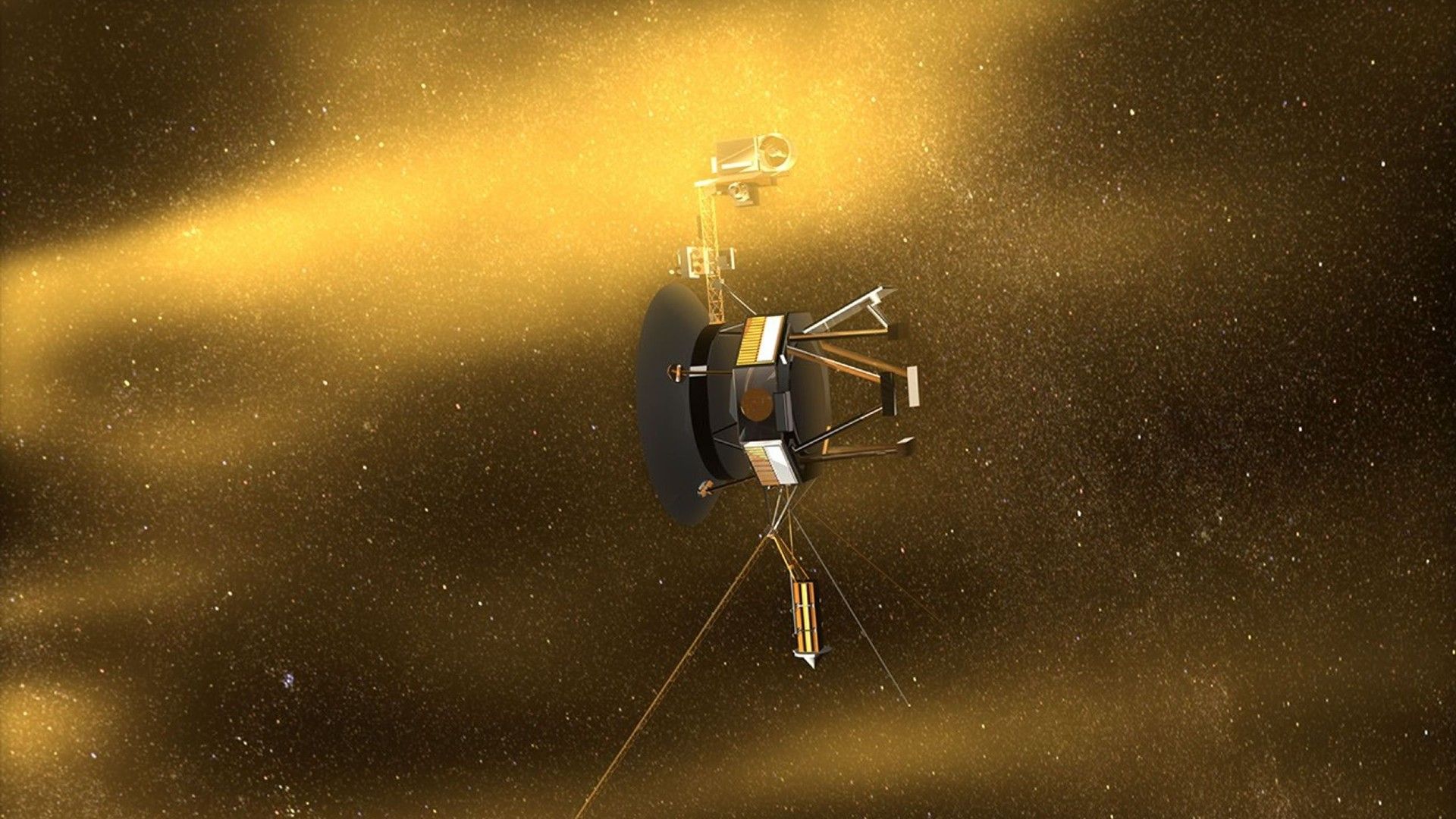
What's next for NASA interstellar Voyager 1 probe after passing 1 light-day from Earth?

The Voyager 1 probe continues to fly out into interstellar space after its historic distance milestone. NASA expects it to keep working until at least 2027.

Read at Space.com

SpacePolicyOnline Marcia Smith Space

Voyager 1 Reaches New Milestone: One Light-Day from Earth

NASA’s Voyager 1 spacecraft achieved another milestone this morning. Launched in 1977, it became the first human object to pass into interstellar space in August 2012 and is so far

Read at SpacePolicyOnline

NASA Science Amanda Barnett Space

Voyager 1 Engineers Analyze Data Issue, Ready to Confirm Light-day

On Nov. 14, the Voyager 1 mission team became aware that the spacecraft had stopped sending science and engineering data after a NASA Deep Space Network (DSN) antenna in Canberra, Australia, “locked on” to the spacecraft and received a carrier signal, which is used to carry science and engineering data from the spacecraft to ground

Read at NASA Science

SpacePolicyOnline Marcia Smith Space

NASA and FCC Nominations Advance Out of Committee Despite Democratic Boycott

Nominations for two positions at NASA and one at the FCC were reported from the Senate Commerce Committee today even though no Democrats were in attendance. Committee rules state that

Read at SpacePolicyOnline

Al Jazeera Geopolitics

NASA’s Voyager 1 hits record one light-day distance, 50 years after launch

Voyager 1 reaches one light-day from Earth, marking a historic milestone nearly 50 years after its 1977 launch.

Read at Al Jazeera

Phys.org Space Space

Webb confirms first-of-its-kind merger of a supergiant and smaller sun-like star

Researchers recently identified a first of its kind: A star slightly less massive than the sun spiraled into and merged with a puffy supergiant star on the outskirts of our neighboring Andromeda galaxy. They nicknamed the newly single, potentially "rejuvenated" star Bao. Their discovery was then bolstered by quick-turn observations from NASA's James Webb Space Telescope that were carefully cross-referenced with extensive data from telescopes in space and on the ground.

Read at Phys.org Space

NASA Science Space

NASA Sets Coverage for Northrop Grumman CRS-25 Launch, Prelaunch

NASA, Northrop Grumman, and SpaceX are targeting no earlier than 10:47 a.m. EST, Sunday, Nov. 29, for the next launch delivering science investigations, supplies, and equipment to the International Space Station. The agency also will hold a prelaunch media teleconference on Monday, Nov. 23. Filled with approximately 11,000 pounds of cargo, the Northrop Grumman Cygnus

Read at NASA Science

NASA Science Space

NASA Goddard Space Flight Center Radiation Database

This database contains only NASA Goddard Space Flight Center radiation test data.

Read at NASA Science

Space.com Hanneke Weitering Space

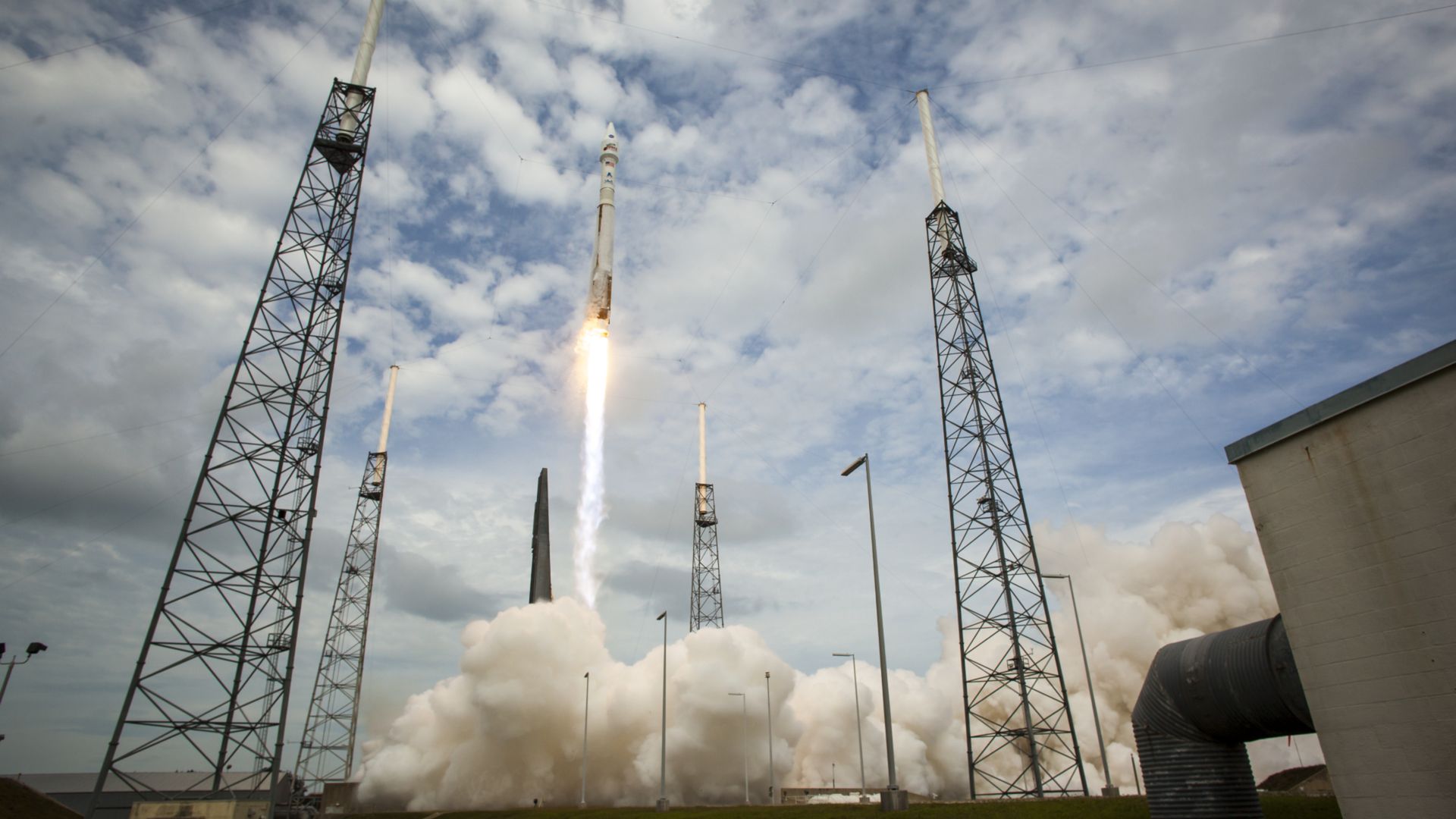
On this day in space! Nov. 18, 2013: NASA launches MAVEN spacecraft to Mars to find out how the Red Planet lost its water

On Nov. 18, 2013, NASA launched the MAVEN spacecraft to Mars to investigate the planet's missing water. Here's why it mattered.

Read at Space.com

NASA Science Rachel Barry Space

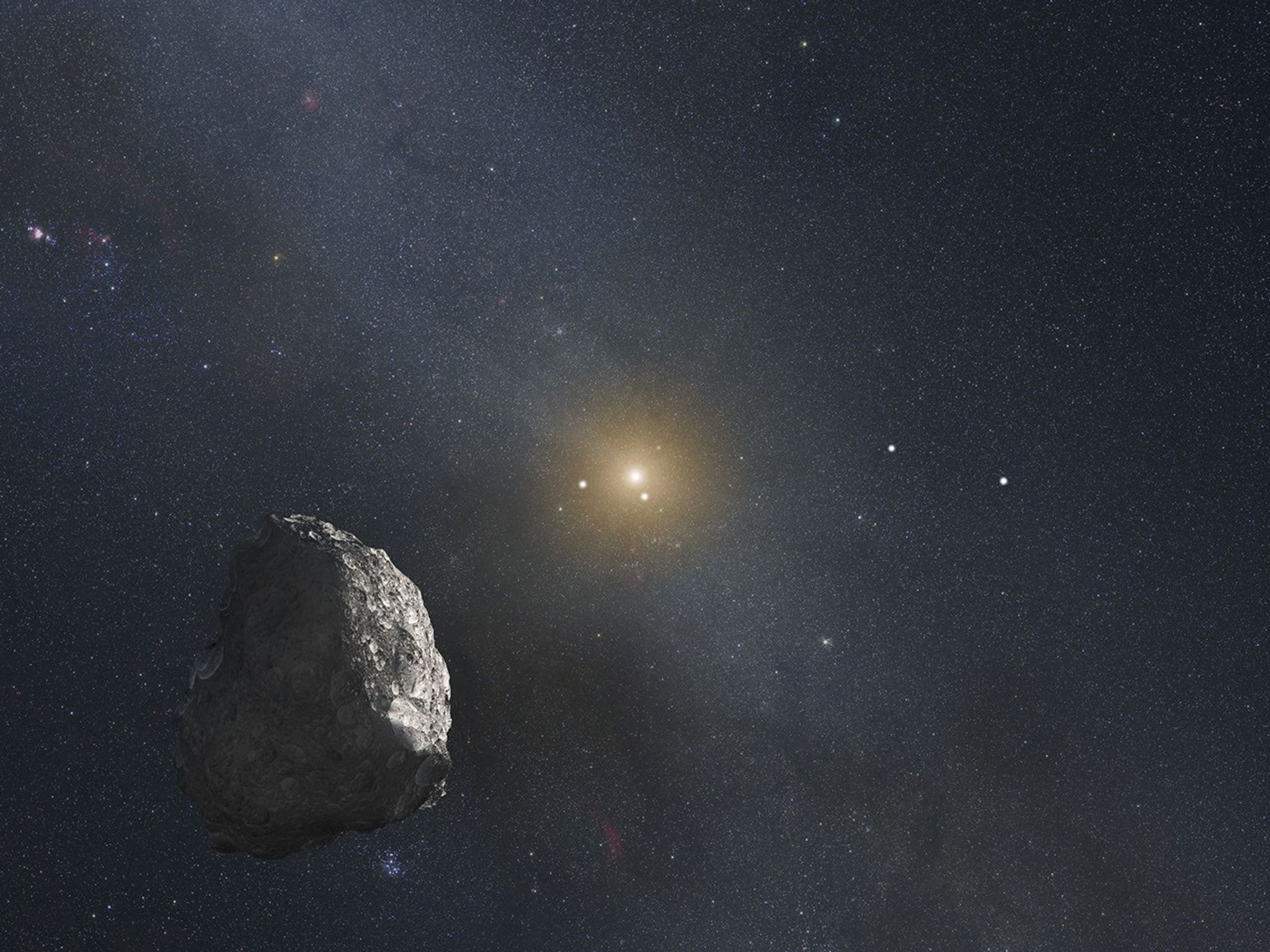
NASA Scientists Find Clues to Ancient Ice Beyond Neptune

A new NASA study of space dust particles traced to the Kuiper Belt provides the strongest evidence yet for an ancient reservoir of ice enriched in heavier oxygen isotopes. The findings help scientists better understand the movement of materials in the early solar system and the processes that shaped planet formation.

Read at NASA Science

NASA Science Cinnamon Pritchard Space

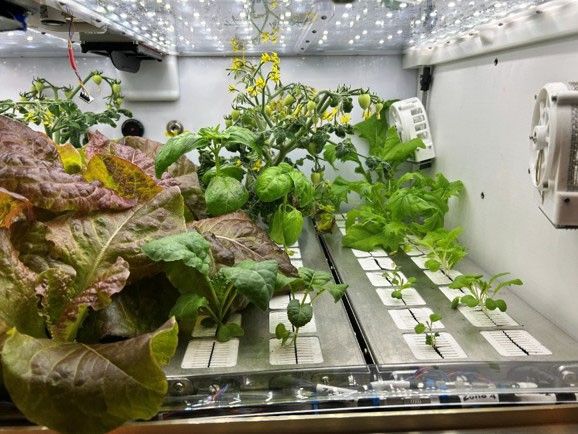
Ohalo III

Validating the First Operational Crop Production System in Space Investigation name: Ohalo III Project scientist: Dr. Matthew Mickens, NASA’s Kennedy Space Center Overview: Food and nutrition are critical to crew health and performance, but the shelf-stable food system in use on the International Space Station becomes harder to manage due to limited space and resupply

Read at NASA Science

Older stories