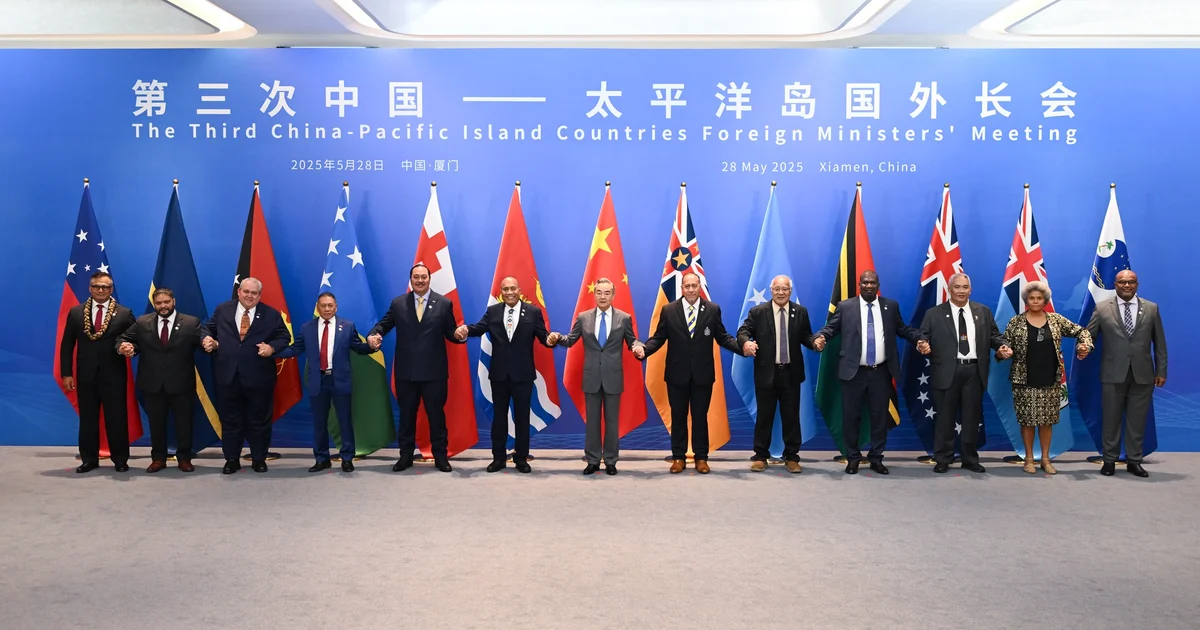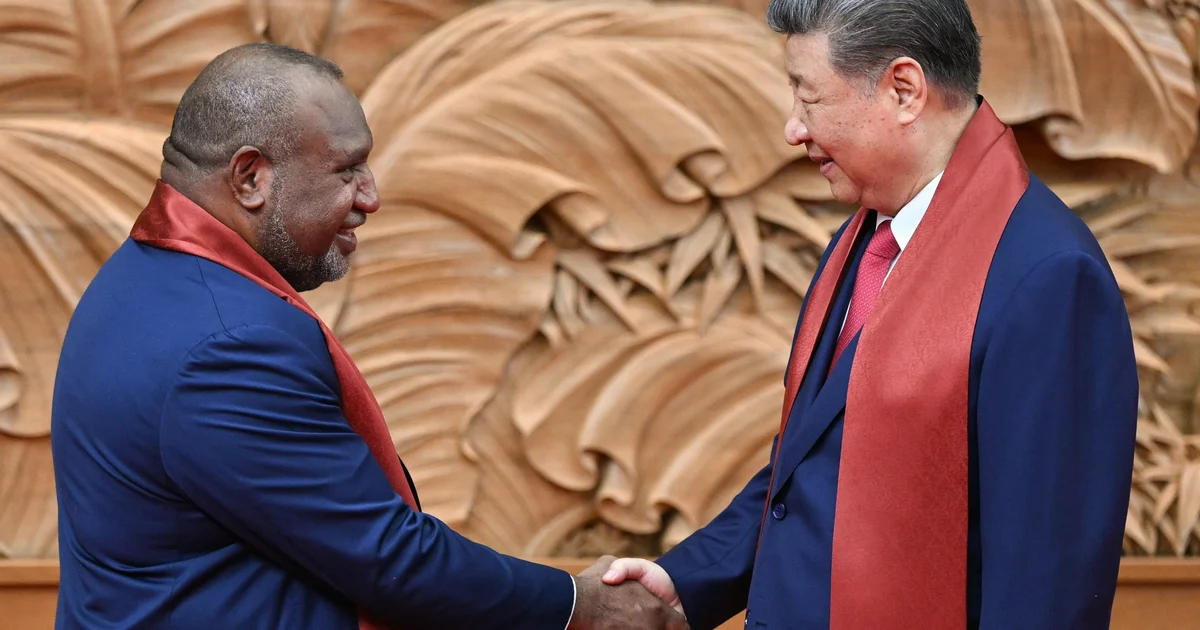
Marape reassures Beijing after PNG’s pacts with the West
Infrastructure, roads and gas money explain why Port Moresby will play both sides in the China–US rivalry.
Recent stories from The Interpreter (Lowy Institute).
Infrastructure, roads and gas money explain why Port Moresby will play both sides in the China–US rivalry.
Japan, Korea and China treat cartoons as a tool of influence rather than mere entertainment.
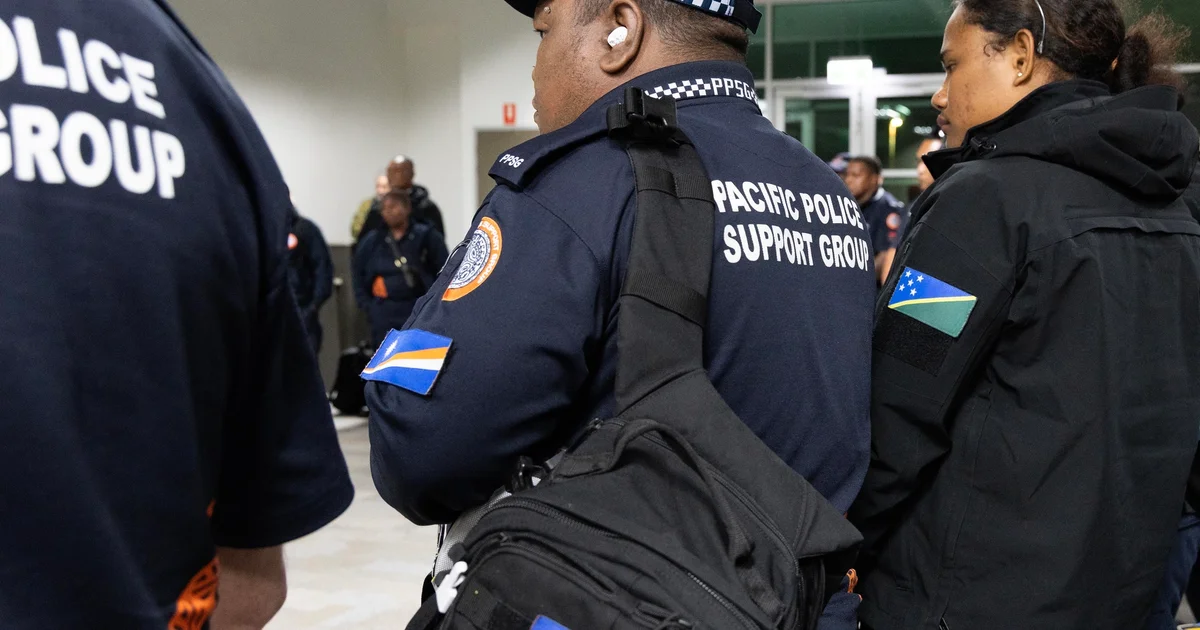
Experience in Papua New Guinea and Solomon Islands show that one Pacific policing body won’t by itself resolve who is legally responsible when officers act abroad.
A 98% collapse in sales to one buyer highlights how industrial system power can translate into influence.
A criminal offence for modern slavery is now on the table – but laws alone cannot replace proactive policing.
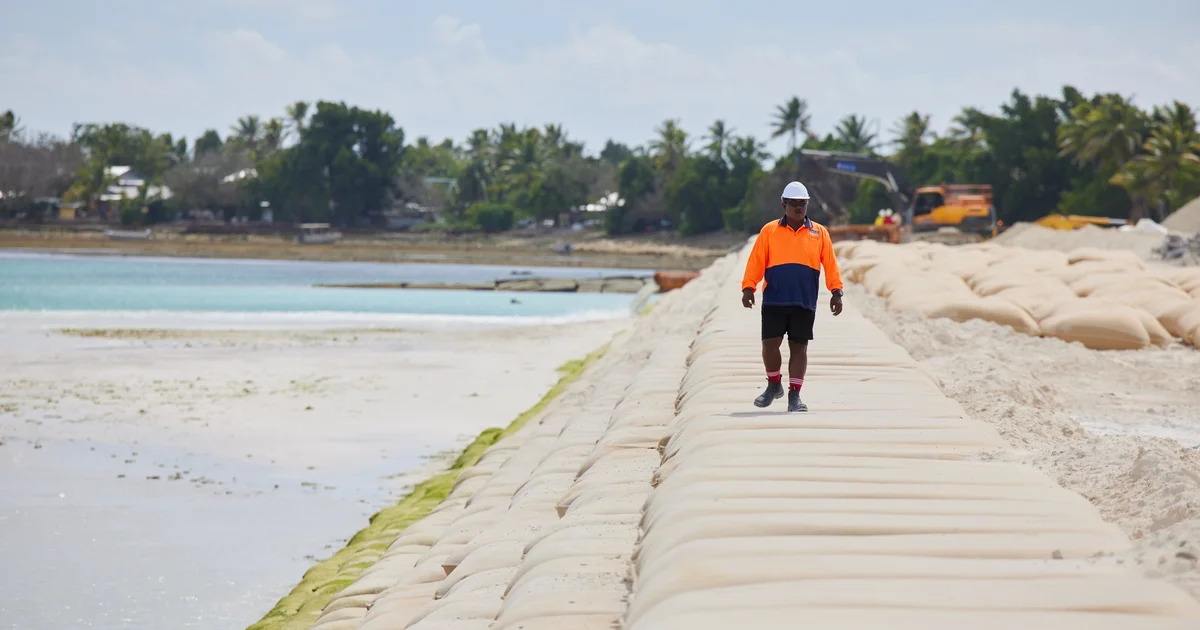
The hardest test for climate diplomacy is not new finance pledges but whether Pacific projects still work in five years.
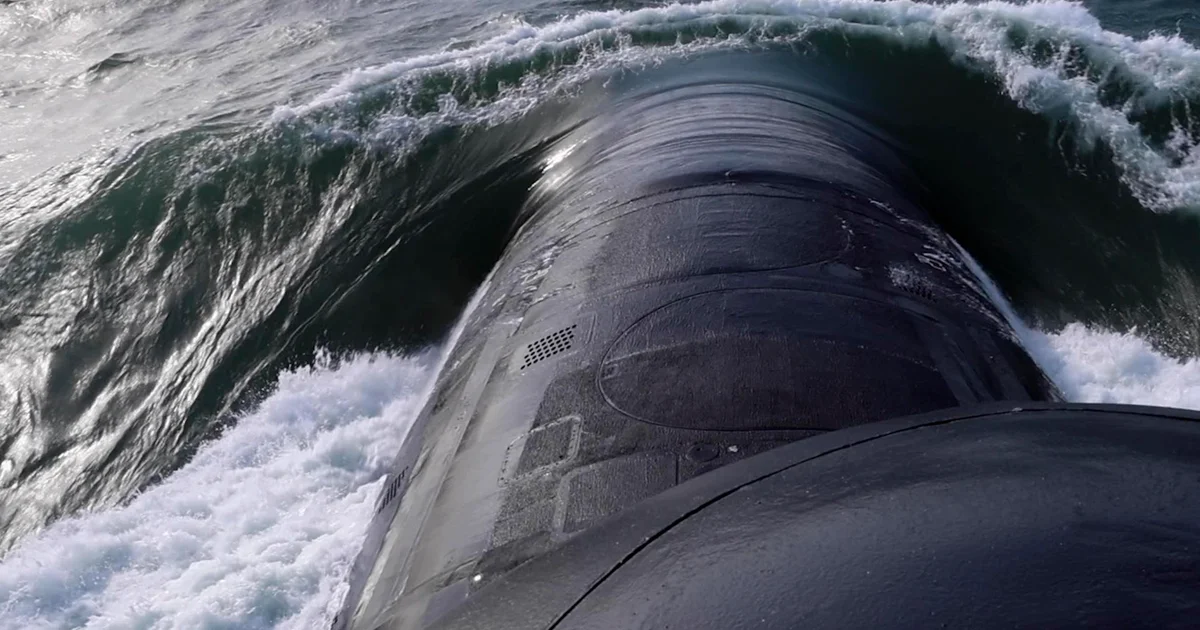
A decade of alliance-building has given middle powers a security architecture that no longer runs through one capital.
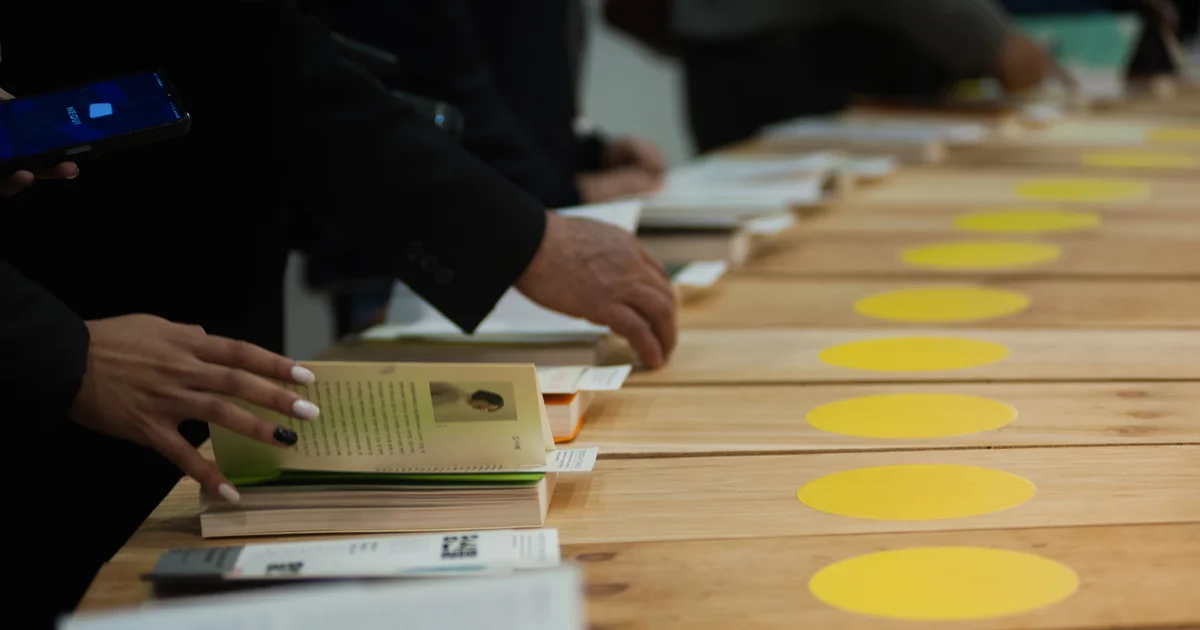
Korean literature is riding a cultural wave, but translation grants alone can only take it so far.
Australia’s fire-fighting mission in East Kalimantan may kindle wider interest in Indonesia.
Climate commitments bind like any trade deal – the Coalition’s hedging suggests otherwise.
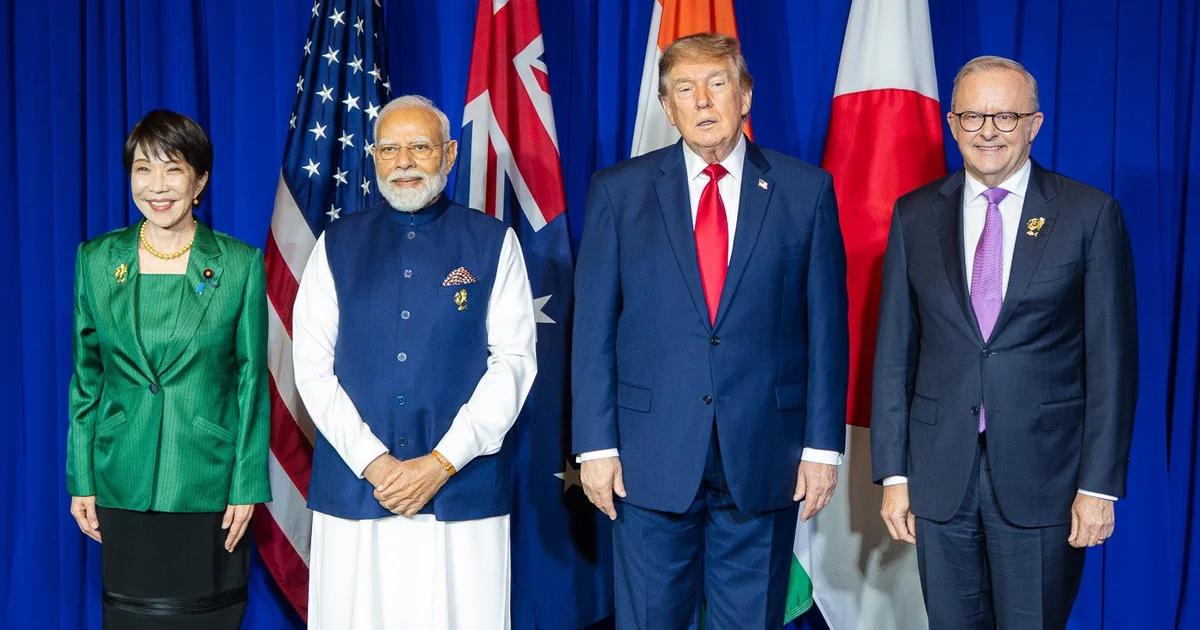
Credibility of the grouping will rest on what it delivers for the wider Indo-Pacific, not on how often its leaders meet.
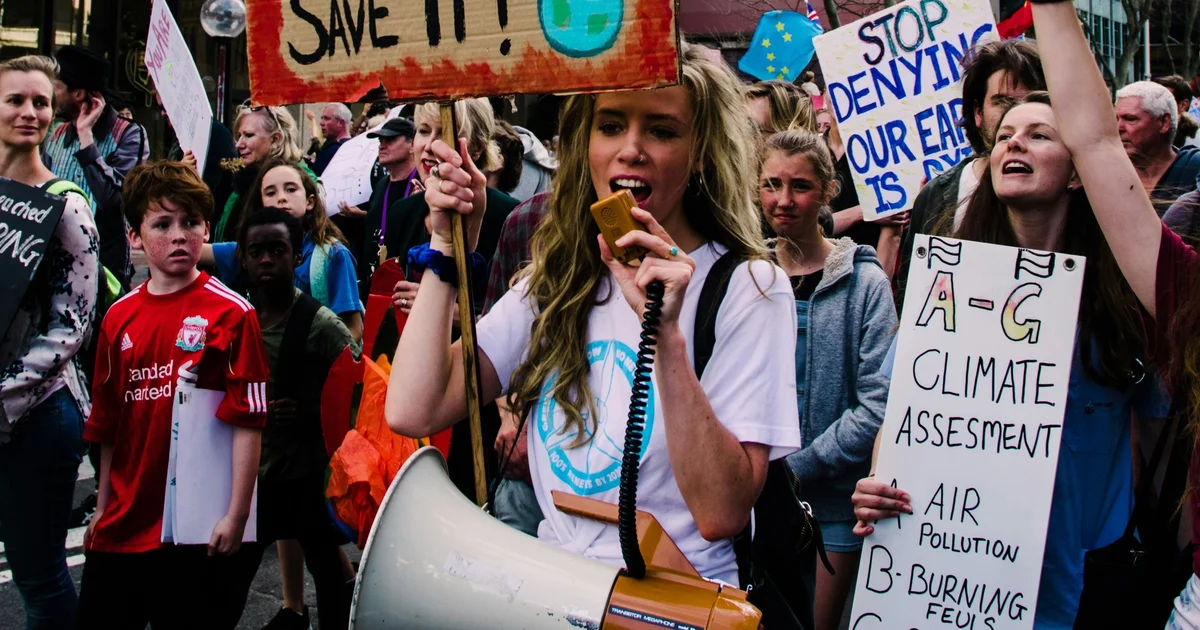
The baton gives way to the switch in the modern crackdown on protest movements.
But Taiwan’s own firms limit how hard it can press Malaysia.
What can look like harmless entertainment is, for the Kremlin, a deliberate front for propaganda and mobilisation.
The upcoming Xi-Trump meeting on the sidelines of the APEC meeting shouldn’t distract from the fierce AI competition underway.
Xi, Trump and Putin will meet in Shenzhen while the forum’s Australian architects watch on from the sidelines.
Indonesia’s autonomy depends less on finding another great-power counterweight than on ensuring no single partner becomes indispensable.
With the 1996 agreement due to end, India and Bangladesh risk letting politics sink cooperation.
The AUKUS Public Inquiry doubts Washington’s motives at length – and barely questions Beijing’s.
Public funding and Japanese control underpin Rakuten’s new satellite venture. American technology will make it work.
A new international treaty strengthens Australia’s case for domestic reform – but only if major economies sign on too.
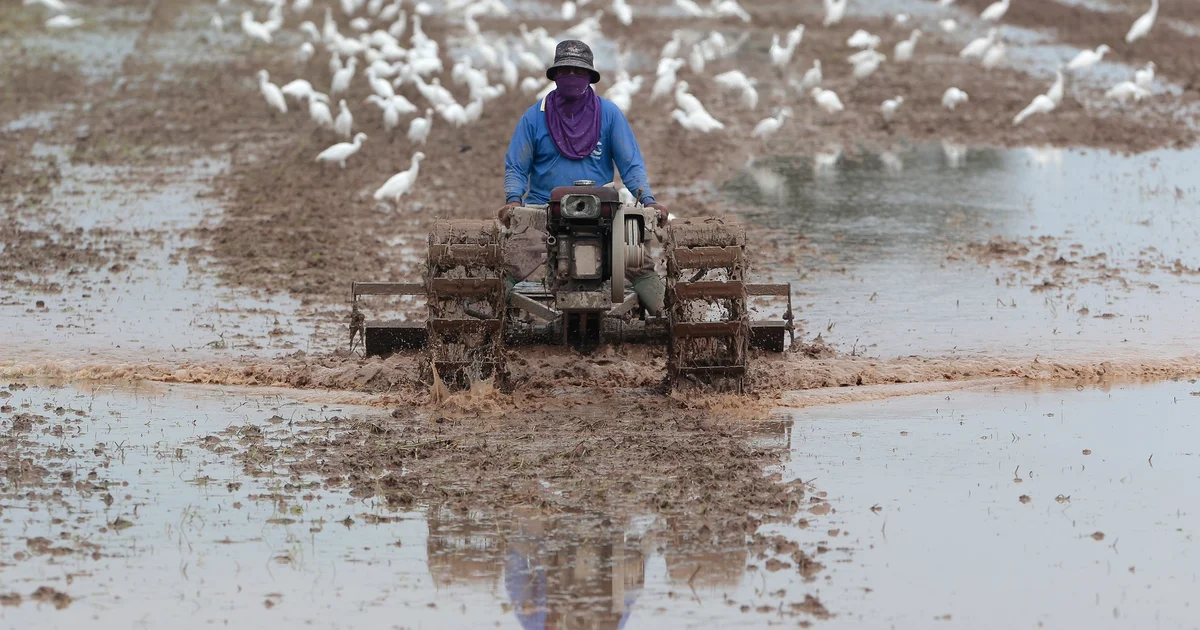
Gene-edited rice offers Southeast Asia a defence against climate shocks, but only if smallholders can access it too.
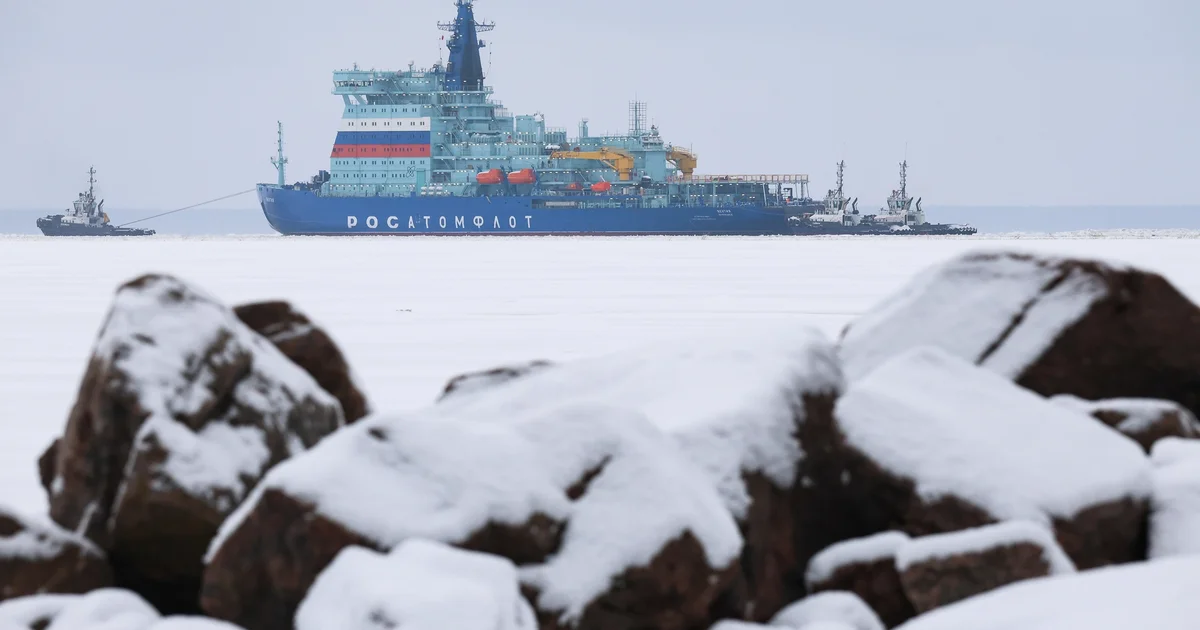
Russian Arctic energy, not Arctic shipping, is the real beneficiary of the current crisis – and Western sanctions complicate even that.
Renewed military dialogue is a step forward, but the channels do not yet reach the coast guards and allies where maritime incidents are most likely.
As Washington courts Moscow and Beijing, Tokyo is left to manage a worsening Kuril dispute largely on its own.
A defiant US President enters summit season looking friendly toward Xi, but a grand bargain would reshape the region regardless.
As Washington closes visa pathways for Pacific islanders, Beijing has money, technology and experience to offer new ones.
Japan’s blunt words on Taiwan froze relations with China a year ago, and Beijing still won’t blink.
Soft power or revenue raising: overseas campuses won’t build ties without a public purpose.
Trump knew about Huang’s Chinese contact months before the public did, and Washington has no rulebook for cases like it.