MIT News AI

Recent stories from MIT News AI.

MIT News AI Bwiza Gihana Deborah | Institute for Medical Engineering and Science SI

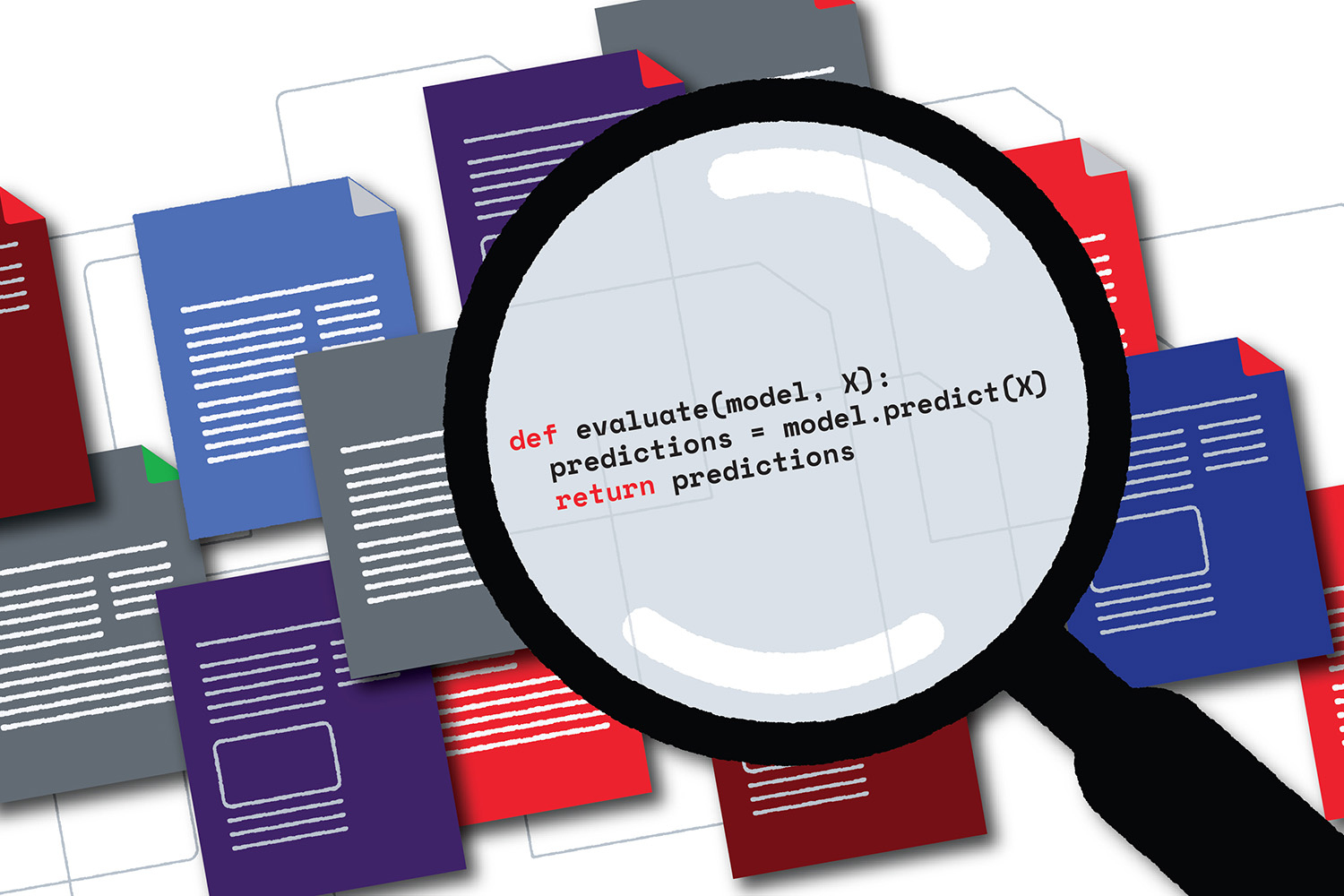
AI helps researchers investigate how thousands of medical studies share code

An MIT and Dana-Farber Institute-led team used large language models to examine nearly 4,000 studies and hundreds of code repositories, revealing gaps in the information needed to scrutinize and reuse published research.


Read at MIT News AI

MIT News AI Adam Zewe | MIT News SI

Study reveals data centers’ long-distance damage to air quality

Researchers find air pollution from data center electricity use can affect communities far from the facilities, with some of the highest impacts in the Midwest.

Read at MIT News AI

MIT News AI Adam Zewe | MIT News SI

This featherweight, flying robot carries its own sensors and computers

The speedy microrobot flies without an attached motion-capture system, moving it closer to applications like agriculture or industrial surveillance.

Read at MIT News AI

MIT News AI Adam Zewe | MIT News SI

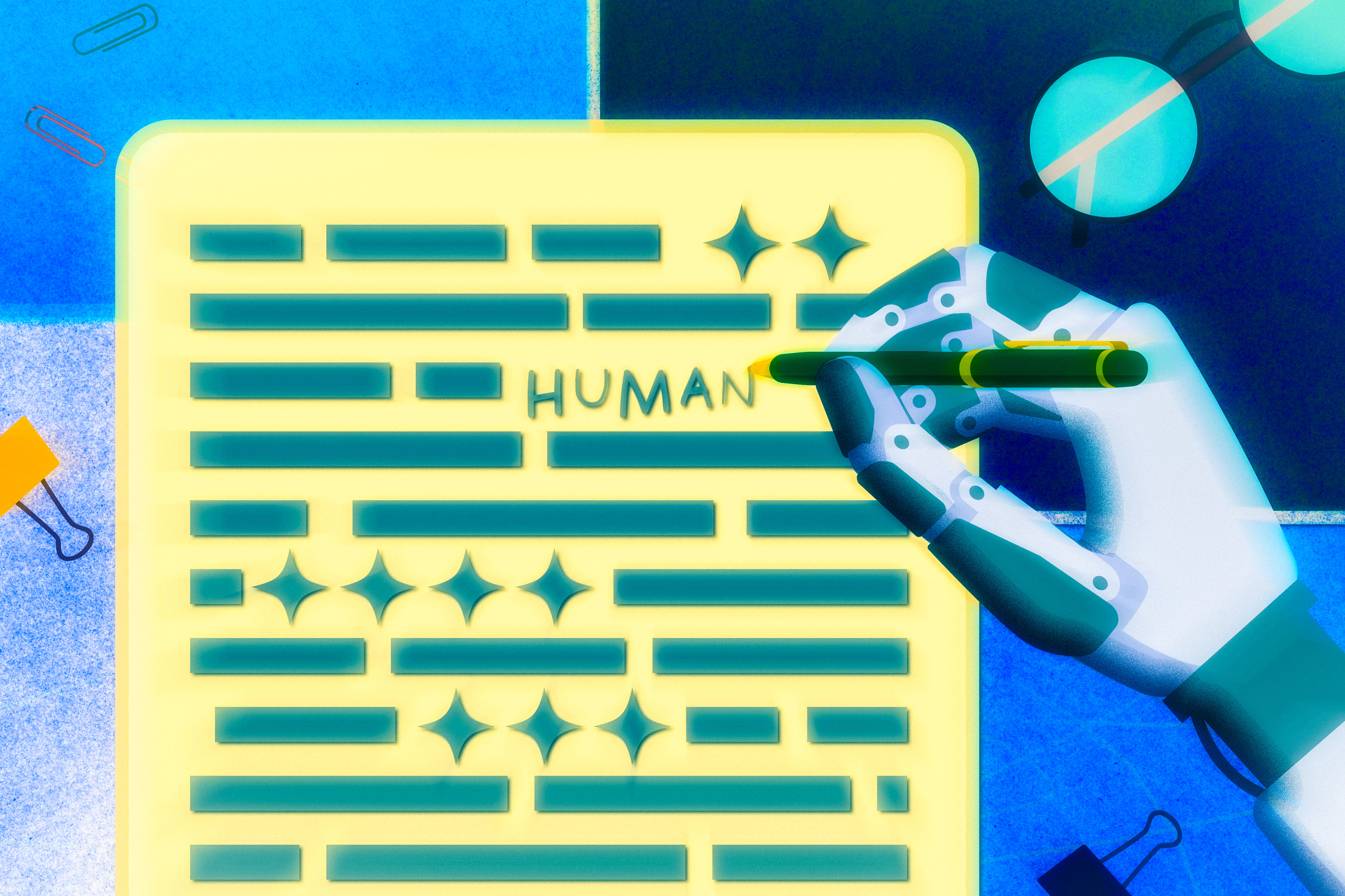
Helping AI text detectors keep up with changing conditions

A more flexible training method can make AI text detectors more robust when new models emerge or AI-generated text is disguised to appear human.

Read at MIT News AI

MIT News AI Danna Lorch | School of Humanities, Arts, and Social Sciences SI

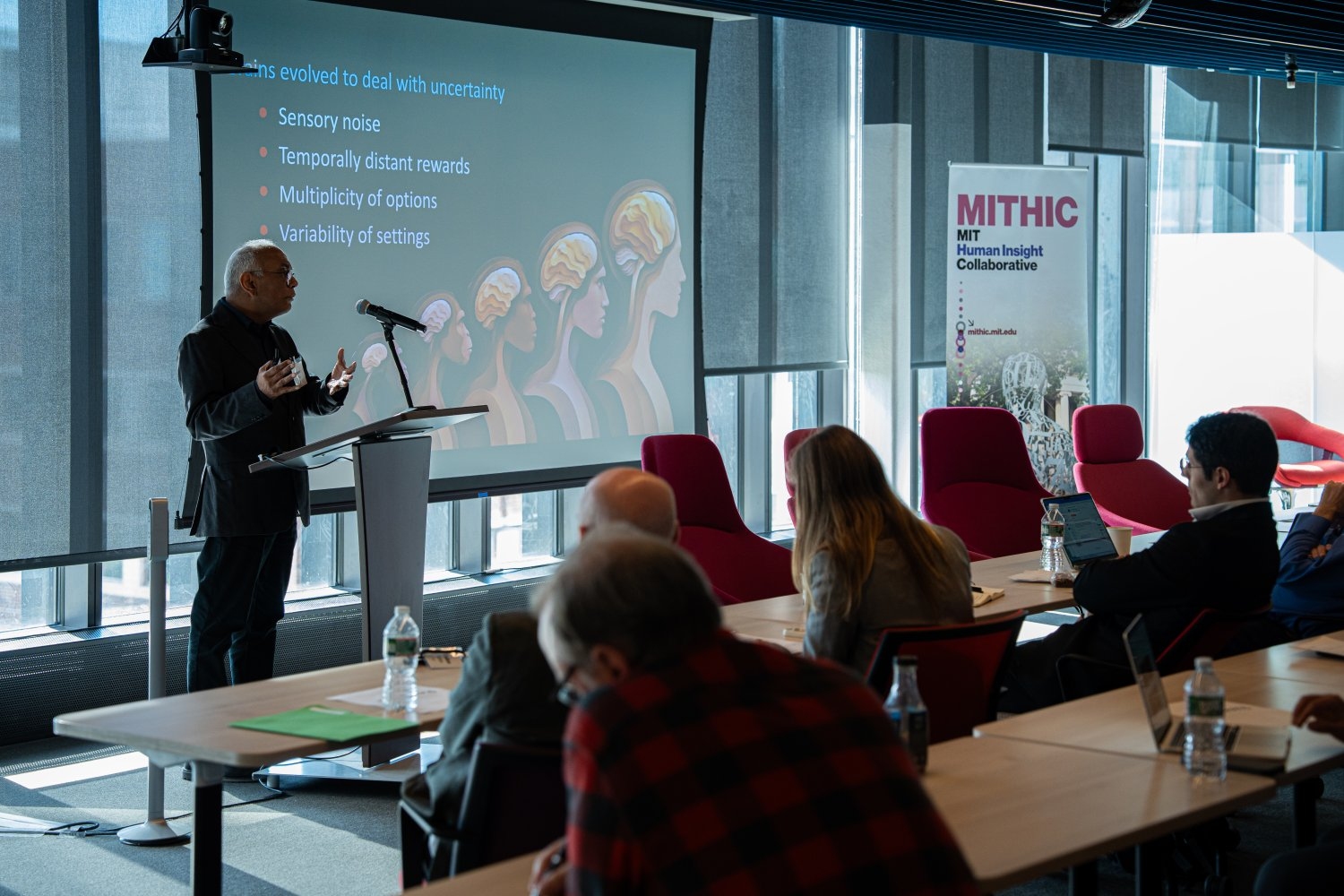
Putting a spotlight on AI, society, and humanity

Supported by the MIT Human Insight Collaborative, scholars are exploring how AI is impacting the human experience and reshaping higher education.

Read at MIT News AI

MIT News AI Adam Zewe | MIT News SI

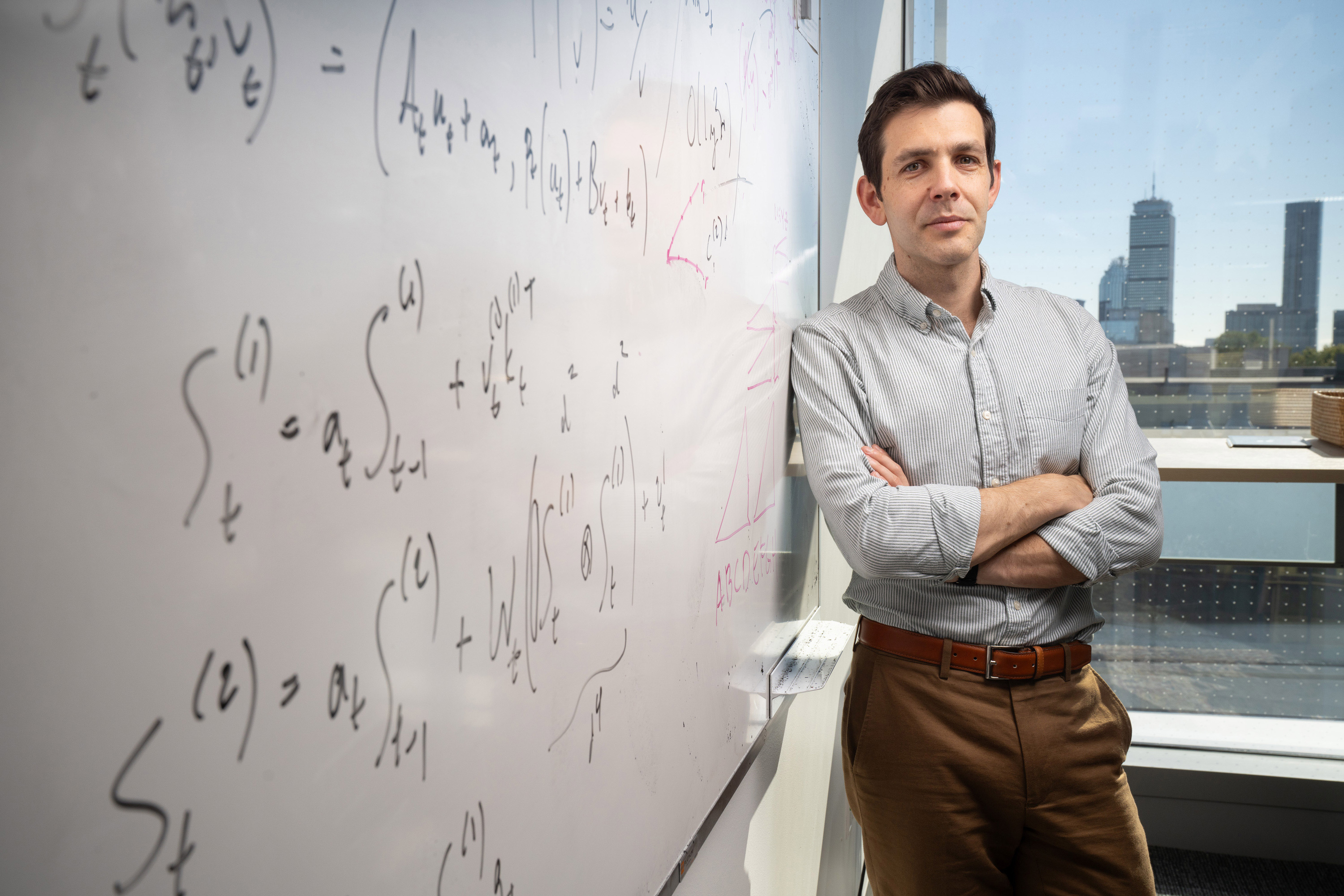
Learning the language of machine learning

By studying the computational foundations of language learning, Associate Professor Jacob Andreas builds intelligent systems that can communicate effectively with humans.

Read at MIT News AI

MIT News AI Abby Abazorius | MIT News SI

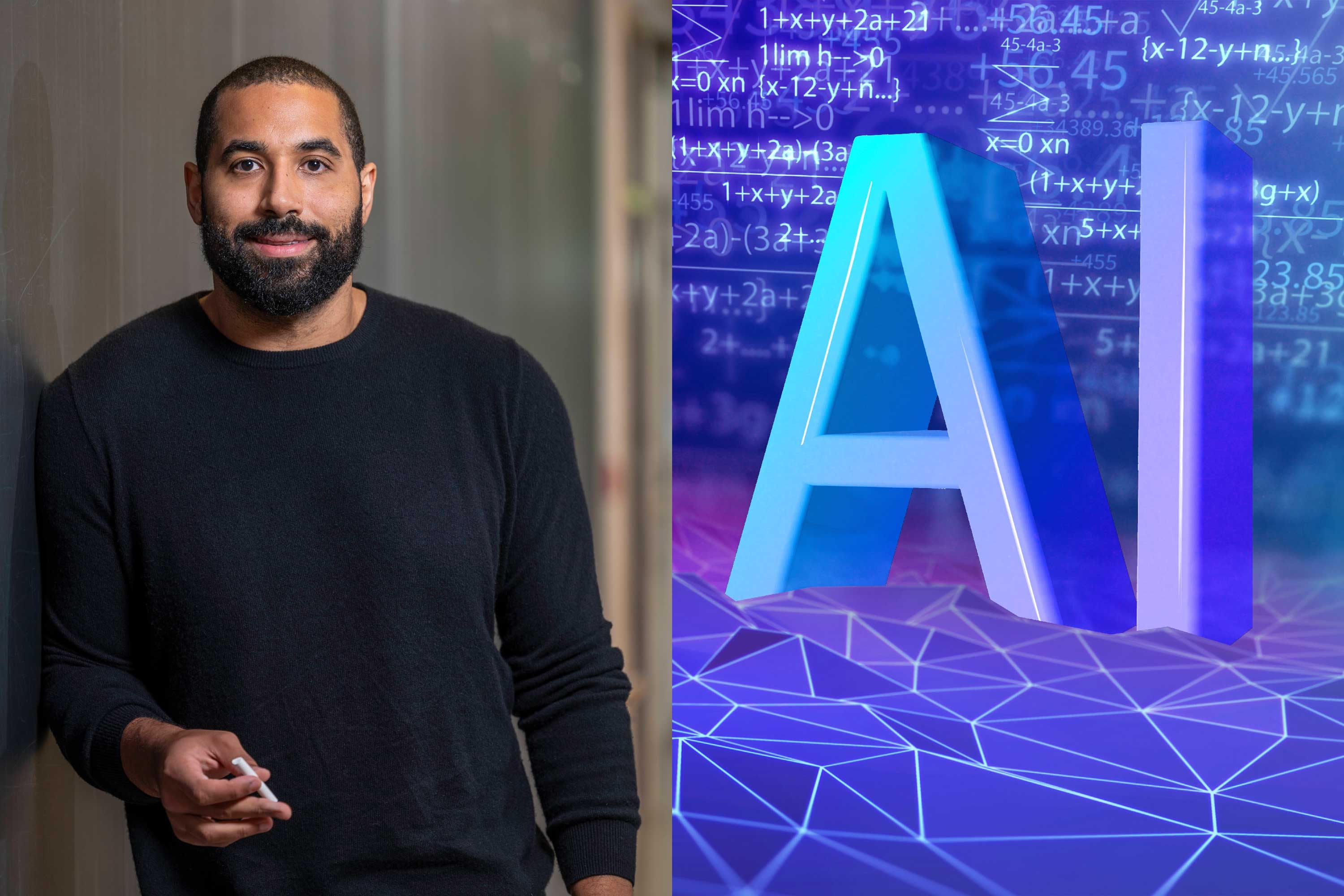
Q&A: Why building math muscles remains important in the AI era

Assistant Professor John Urschel explains why learning the fundamental skills of mathematics is still essential despite the evolution of AI tools.

Read at MIT News AI

MIT News AI Zach Winn | MIT News SI

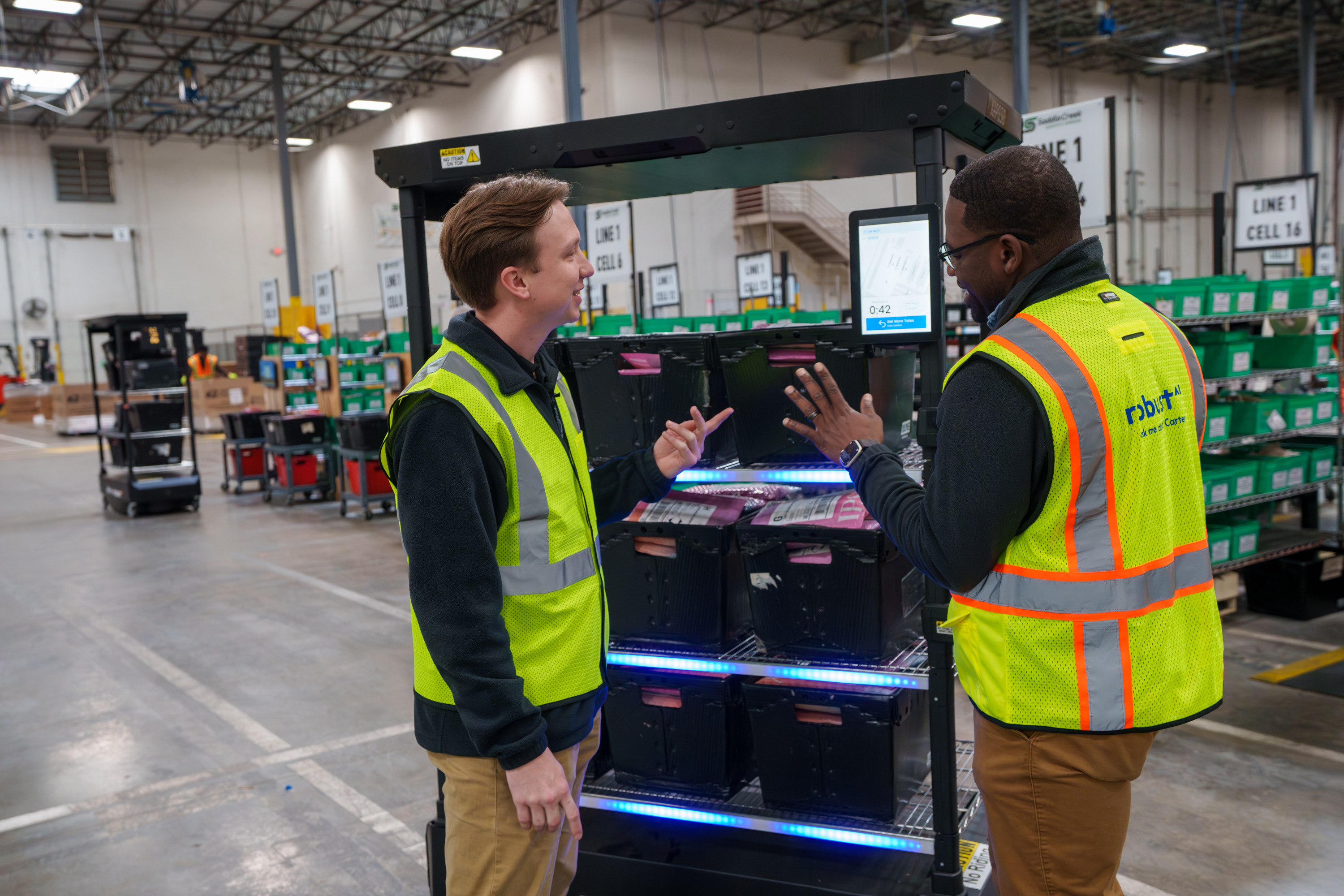
Helping robots fit into the human workplace

Founded by Anthony Jules ’92, SM ’92 and Professor Emeritus Rodney Brooks, Robust AI’s robots are designed to collaborate with humans in factories and warehouses.

Read at MIT News AI

MIT News AI Zach Winn | MIT News SI

New AI “copilot” helps engineers design better structures

The system asks humans for feedback to increase trust in machine-generated designs for buildings and bridges.

Read at MIT News AI

MIT News AI Kylie Foy | MIT Lincoln Laboratory SI

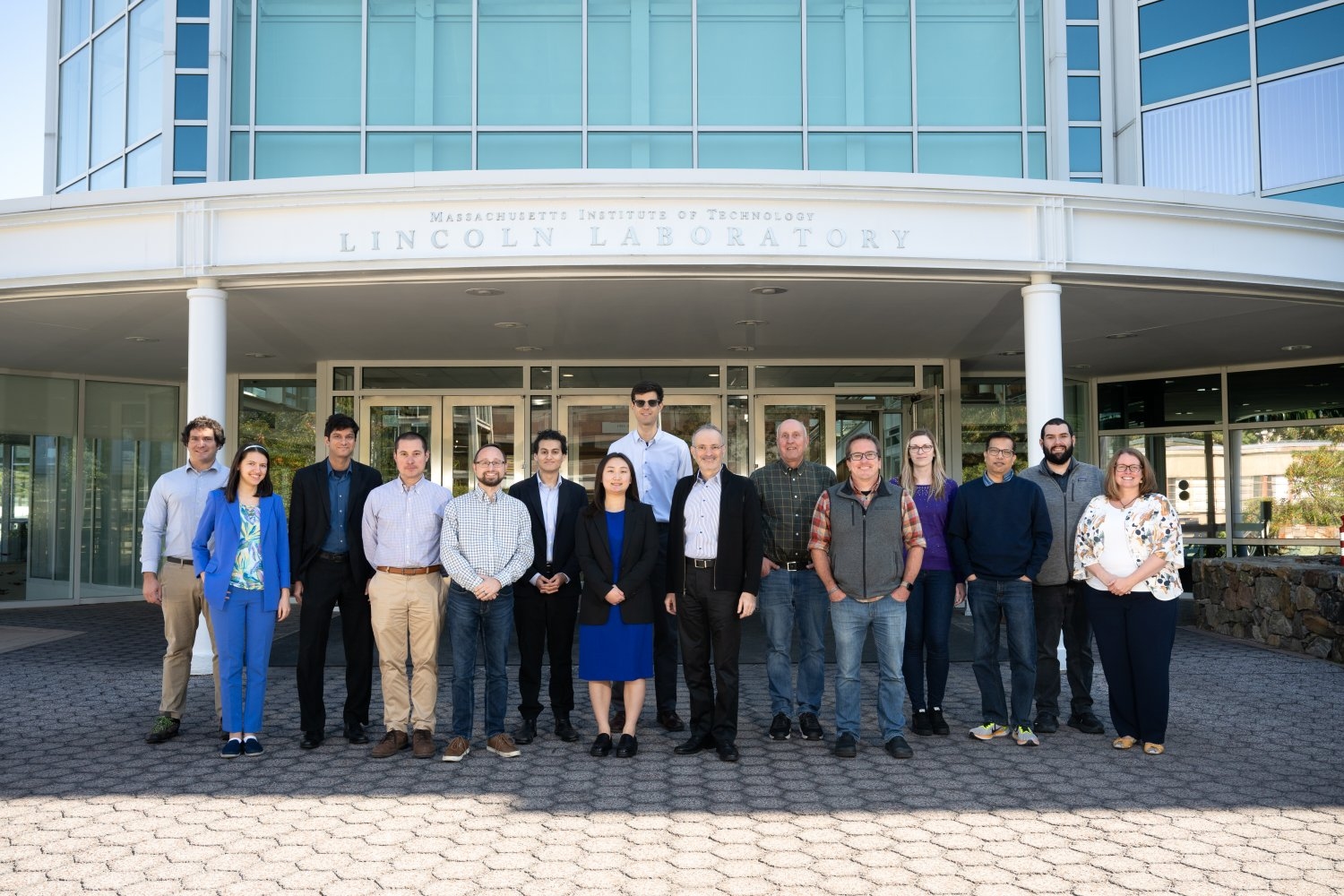
Three Lincoln Laboratory technologies receive 2026 R&D 100 Awards

A secure operating system, a quantum microsystem platform, and a 5G interference-canceling algorithm are named among the year's most significant innovations.

Read at MIT News AI

MIT News AI Adam Zewe | MIT News SI

New research could lead to faster, trustworthy AI models for climate prediction

MIT scientists developed a training method to generate models that simulate the effects of human activities on climate much more quickly than other approaches.

Read at MIT News AI

MIT News AI Anne Trafton | MIT News SI

MIT-led team receives funding to develop next-generation alternatives to modern weed killers

With up to $53 million from ARPA-H, the researchers will use AI to generate safer herbicides that reduce dependence on imports and improve the security of the U.S. food supply.

Read at MIT News AI

MIT News AI Jennifer Chu | MIT News SI

AI-assisted learning platform helps robots reason beyond literal commands

The new approach, known as FLEX, could lead to more intuitive, interactive household and assistive robots.

Read at MIT News AI

MIT News AI Adam Zewe | MIT News SI

A single AI model simulates the behavior of many substances, from sliding sand to folding proteins

By learning how matter moves, the WorldParticle system could assist with developing soft robots, medicines, and more.

Read at MIT News AI

MIT News AI David L. Chandler | Department of Chemical Engineering SI

How to predict the behavior of molecules from scant data

A machine-learning approach called CheMeleon provides a practical way to develop new drugs or other molecules with much less detailed, expensive experimentation.

Read at MIT News AI

MIT News AI Adam Zewe | MIT News SI

Clearing up a robot’s fuzzy memory

A new system identifies and corrects unreliable object descriptions stored in a robot’s memory, improving the robot’s ability to interact with its environment.

Read at MIT News AI

MIT News AI MIT.nano SI

Building connections across the research infrastructure

MIT.nano and the Northeast Microelectronics Coalition gathered facility leaders and technology professionals from across the nation to explore ways to make shared-access facilities more connected.

Read at MIT News AI

MIT News AI Leda Zimmerman | MIT Energy Initiative SI

Powering up for a pivotal moment

From a nuclear revival to qubits, the MIT Energy Initiative’s annual research conference tracked deployment of today’s technologies to discovery of tomorrow’s breakthroughs.

Read at MIT News AI

MIT News AI Alex Ouyang | Abdul Latif Jameel Clinic for Machine Learning in Health SI

Regina Barzilay and Jim Collins win Pritzker Prize for AI and Science Research Excellence for work in AI-enabled antibiotic discovery

The MIT professors collaborated to identify the first AI-discovered antibiotic, a scientific breakthrough that is widely recognized as a milestone in AI-driven drug discovery.

Read at MIT News AI

MIT News AI SI

MIT affiliates named 2026 Schmidt Sciences AI2050 Fellows

Five MIT faculty members and two additional alumni are honored with fellowships to advance research on beneficial AI.

Read at MIT News AI

MIT News AI Abby Abazorius | MIT News SI

Q&A: Hey AI, who should I vote for this year?

MIT professors Adam Berinsky and Chara Podimata discuss a new project to track how AI chatbots are responding to questions about the 2026 U.S. midterm elections.

Read at MIT News AI

MIT News AI Stephanie Martinovich | Department of Civil and Environmental Engineering SI

3 Questions: Why infrastructure is entering a defining era

Professor Ali Jadbabaie describes how AI, digital transformation, climate change, and complex geopolitics are forcing engineers and policymakers to rethink how infrastructure is designed, built, and managed.

Read at MIT News AI

MIT News AI Adam Zewe | MIT News SI

Making machines that can listen

Professor Paris Smaragdis develops computers with superhuman hearing for applications like speech recognition, music understanding, and environmental monitoring.

Read at MIT News AI

MIT News AI Caroline Maselli | MIT Open Learning SI

Learner collaborates with MIT peers to develop book of AI insights

Prabha Jha used her experience with MIT Open Learning’s program for senior executives to develop AI solutions for her employer, Verizon, and to write a book.

Read at MIT News AI

MIT News AI Marika McCoola | Office of the Vice President for Energy and Climate SI

At New York Climate Week 2026, MIT connects with a global network

A cross-section of the MIT community convened discussions on topics ranging from data centers and super pollutants to agriculture and education.

Read at MIT News AI

MIT News AI Peter Dizikes | MIT News SI

At MIT, Martha Minow speaks on sustaining democracy, both by using and overcoming AI

In Compton Lecture, the distinguished legal scholar warns of potential “loss of the Enlightenment” while suggesting ways innovations can meet our civic and cultural needs.

Read at MIT News AI

MIT News AI Benjamin Daniel | School of Humanities, Arts, and Social Sciences SI

Reinforcing the value of human understanding at MIT

During the School of Humanities, Arts, and Social Sciences’ 75th Anniversary Symposium, President Sally Kornbluth said “MIT has never needed your particular insight and guidance more than we do now.”

Read at MIT News AI

MIT News AI Adam Zewe | MIT News SI

Q&A: How AI came to model the “messy” human mind

Assistant Professor Benjamin Lindquist studies how engineers deliberately injected randomness into early AI, giving rise to deep-learning models that sometimes hallucinate.

Read at MIT News AI

MIT News AI Alex Shipps | MIT CSAIL SI

This design software reimagines everyday objects as self-aware devices

“X-Hinges” helps design and 3D print items like lamps and gloves with an interactive twist: automatically embedded sensors that perceive and adaptively respond to human contact.

Read at MIT News AI

MIT News AI Alex Ouyang | Abdul Latif Jameel Clinic for Machine Learning in Health SI

Why teaching AI about symmetry could make prenatal diagnosis more reliable

A model developed by researchers at MIT and Boston Children's Hospital adjusts scans on the fly to track fetal movement, potentially sparing families repeat hospital visits.

Read at MIT News AI

Older stories