Somali Women and Children From Roj Camp Held in Damascus
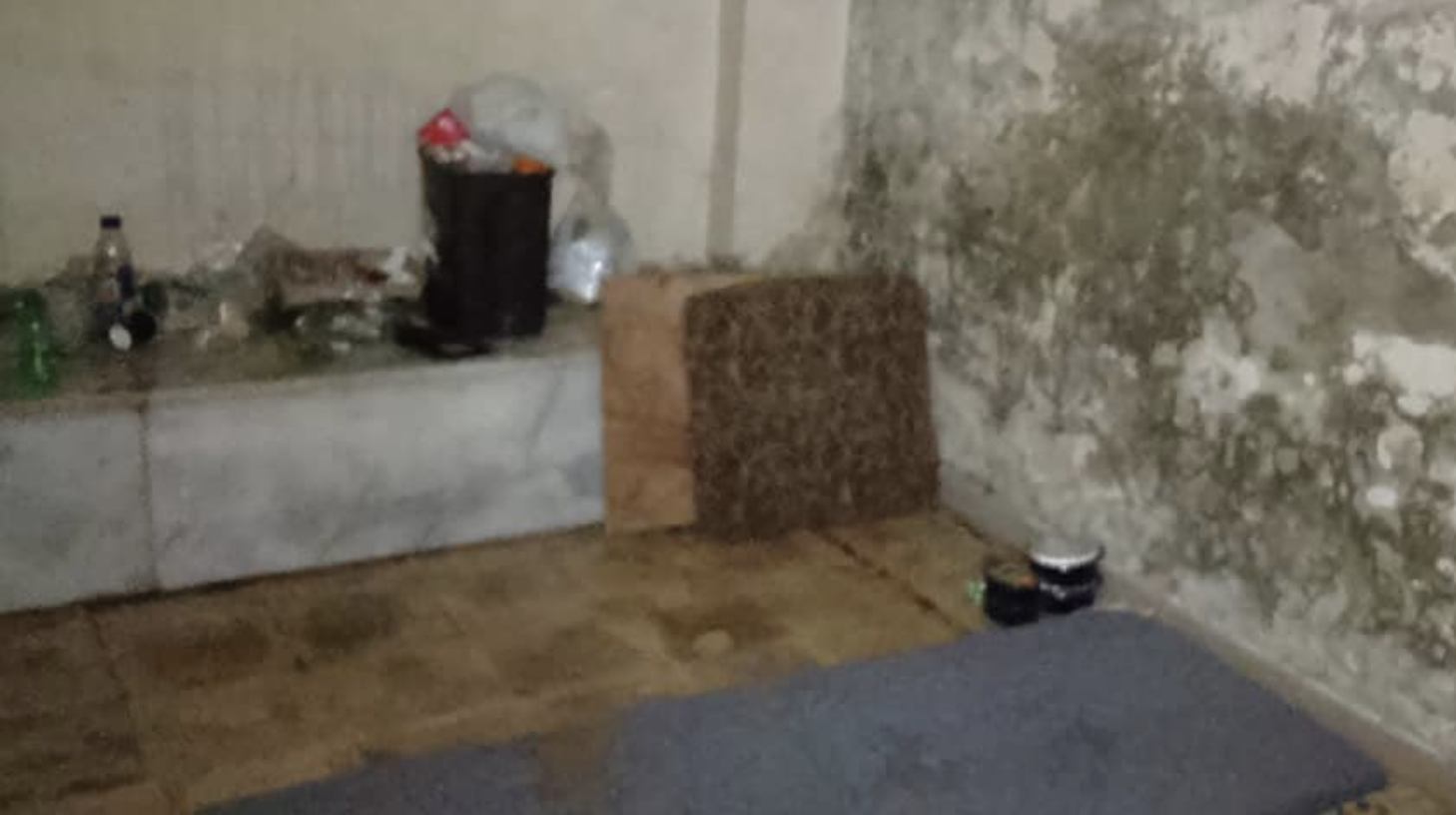
Authorities removed the 33 women and children from Roj camp and are holding them in poor conditions in a basement cell in Damascus, where they face possible deportation to Somalia.
Recent stories from New Lines Magazine.
Authorities removed the 33 women and children from Roj camp and are holding them in poor conditions in a basement cell in Damascus, where they face possible deportation to Somalia.
Geneive Abdo and Mohanad Hage Ali join Faisal Al Yafai to discuss the misconception of the “Shiite Crescent,” a new start for the Middle East’s minorities and Hezbollah’s power over Lebanon
Argentina's president previously ignored the islands, but almost three years into his term, he has made them a "national cause.” More than nationalist fervor, this reflects an opportunistic bid to harness popular discontent and push through authoritarian legislation.
The recent successes of Muslim progressive candidates like Abdul El-Sayed, Adam Hamawy and Zohran Mamdani are symptoms of the slow death of identity politics in America.
The question of whether Syria is becoming more Salafist is both unavoidable and misleading. It assumes that because those who captured the state emerged from a particular Islamist trajectory, they can simply remake society in their own religious image. But political victory is not the same thing as religious authority.
The messaging from Israel’s far-right broadcasting outlets and social media influencers has penetrated the country’s mainstream media, shaping the national conversation in a way that allows Netanyahu to manipulate and dominate the political arena.
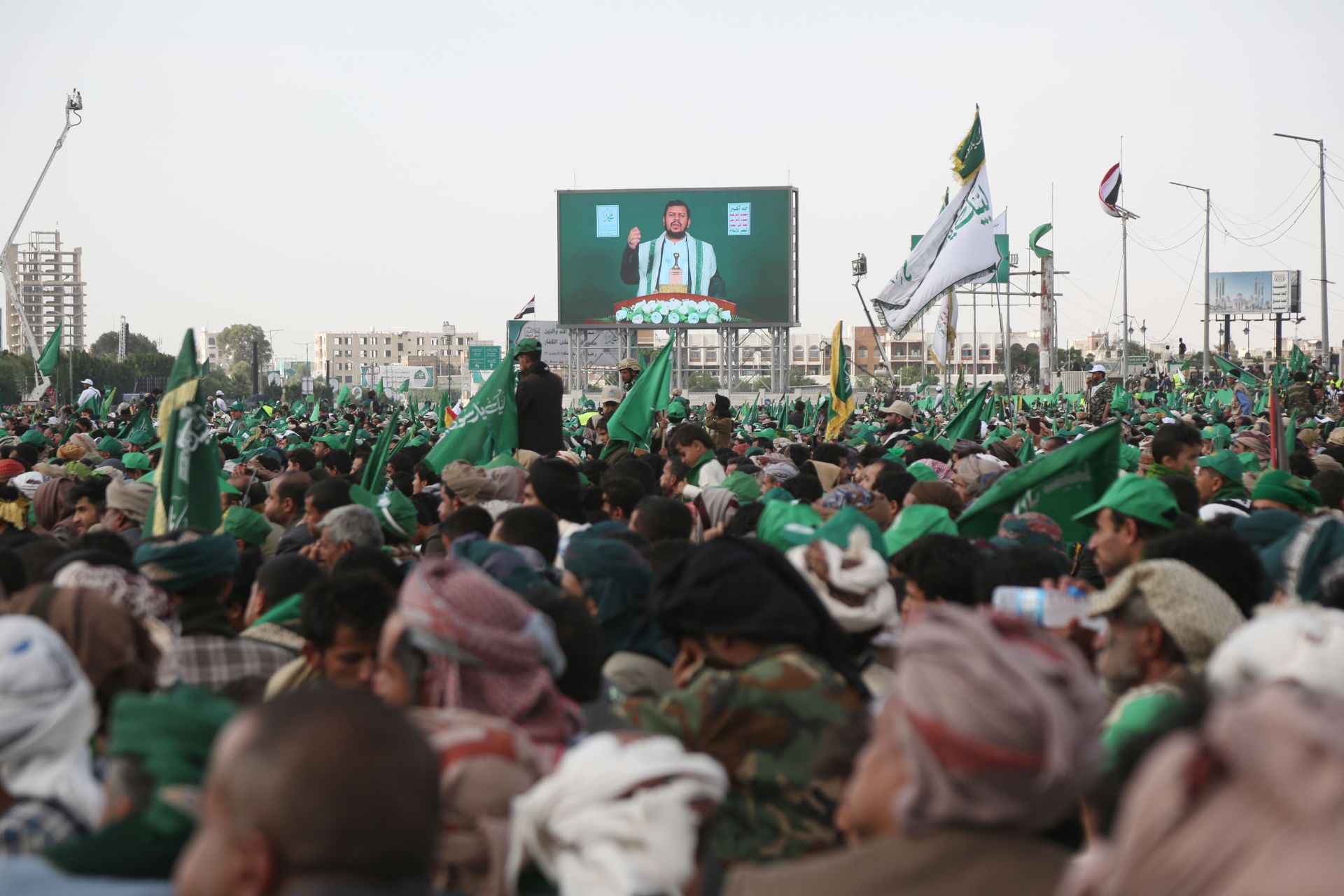
The Houthis owe their rise less to Tehran than to their foes, from former President Saleh’s shifting allegiances and the Saudi-Emirati rift to a Western response that has normalized the Red Sea threat.
The reactions in Egypt to Egyptian-American Abdul El-Sayed’s U.S. Senate victory ranged from exuberant celebration and online humor to indifference and outright rejection, exposing the limits of Egypt’s embrace of its own abroad.
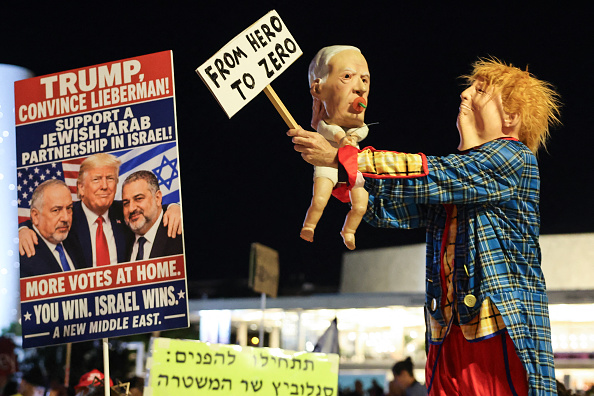
Israelis don’t know how to interpret the U.S. midterm results, with politicians they regarded as anti-Israel and antisemitic winning a majority of Jewish votes. In Israel, Trump is more popular than Netanyahu, who just lost his majority in the Oct. 28 national election.
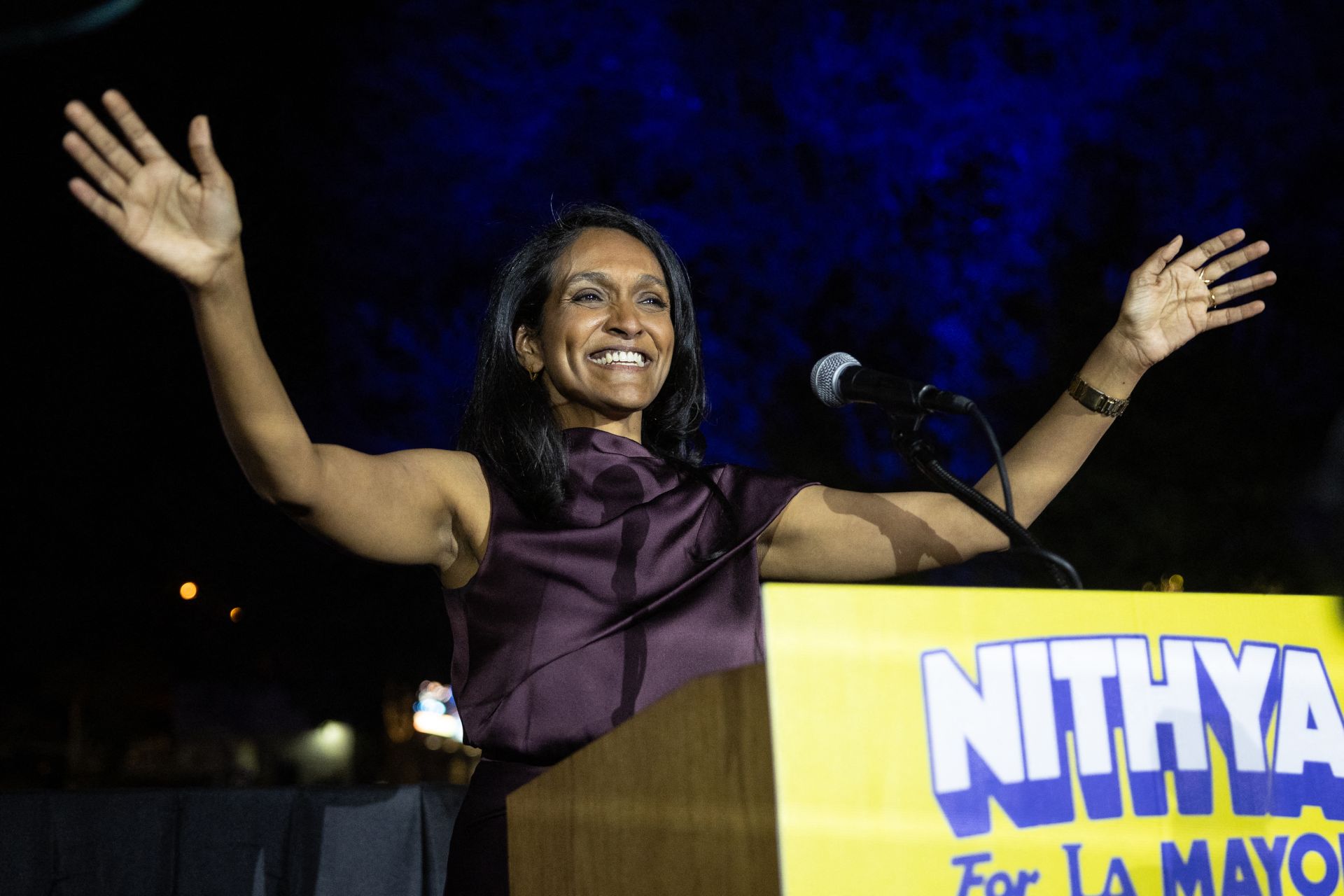
The 2026 midterms marked a progressive turn for South Asian Americans. From Mamdani in New York to El-Sayed in Michigan, issue-driven candidates and desi progressive groups have outpaced wealthy, identity-based politicians, unseating establishment Indian-American Democrats and challenging Hindu nationalist influence.
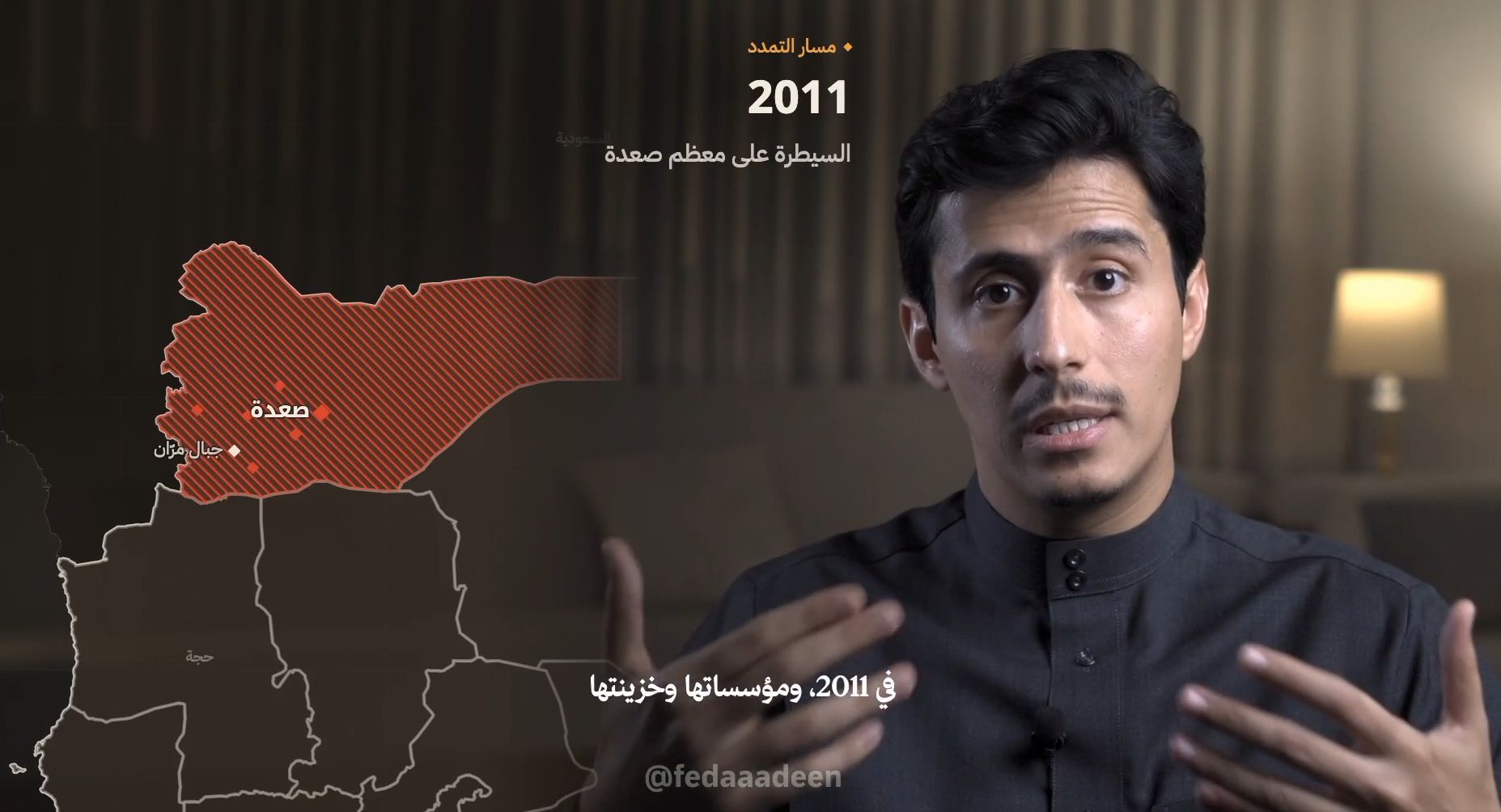
A viral video by the Yemeni influencer Fidaa al-Din Yahya contrasts the group’s statements with its actions, and challenges the idea that its stance toward the Palestinians should shield it from scrutiny over its conduct at home.
The Republican Party pulled out all the stops in the final stretch of the state’s high-stakes U.S. Senate race, flooding the zone with anti-Arab and Islamophobic attacks on Democratic candidate Abdul El-Sayed — but they may not have worked as intended.
The sudden emergence of the label in the U.S. midterms is evidence of a rhetorical exchange between the U.S. and its autocratic allies in the Middle East, as each finds ways to delegitimize, demonize and even prosecute those who might threaten the illiberal status quo of their regimes.
The livestreaming of Nidal Hasan’s execution has been canceled, but the Hegseth-Trump carnival of death has deep roots in U.S. history. America’s evolving sense of itself, its understanding of what it means to live in a democracy, has always been entwined with fierce debates about public displays of violence.
Lamis was 8. Her brothers, Osama and Yaseen, were 9 and 11. They were killed alongside their uncle and grandmother when Jordanian jets struck their village in southern Syria, in what Amman called a precision attack against the Islamic State group. The children’s father had been disappeared by Assad.
A thwarted mass shooting attempt at a Hindu temple in Illinois has drawn attention to rising anti-Indian racism and anti-Hindu hostility in the United States. It prompted an unusual show of solidarity among Hindu-American organizations otherwise divided over Hindutva, caste and the politics of “Hinduphobia.”
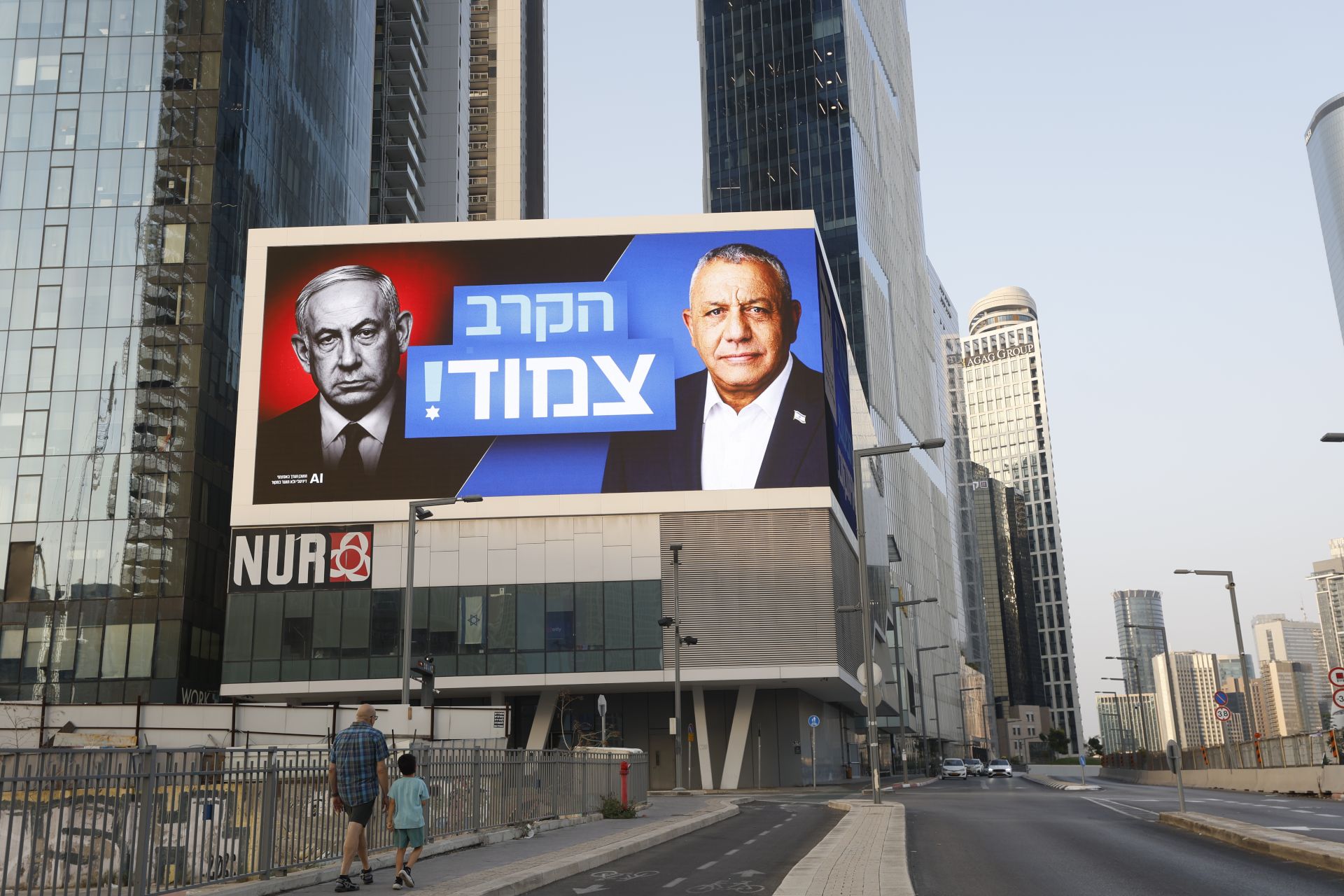
Israel’s election results are clear: The only way the opposition bloc headed by Gadi Eisenkot can form a governing coalition is by aligning with the Palestinian parties. But why did Israel see historic Palestinian voter turnout?
For millennia, shepherds have herded their sheep through Rome to graze, adapting to modernity and the urban landscape. But the coexistence of animals and humans is becoming more fraught.
The would-be democrats of Serbia’s Student List find themselves in a complex situation: Their aspirations to remake the country’s political order depend, in part, on the support of some of the region’s most reactionary elements.
Three-quarters of Israeli voters aged 18-22 identify as right-wing and far-right. Netanyahu’s coalition includes legislators who espouse an extremist, violent ideology once relegated to the fringes. But after four years in power, they have not only been normalized, but have permeated the Israeli mainstream.
Israeli forces have detained dozens of Syrians from the country’s south, some of them teenage boys taken from farms and family homes. Their families still don’t know where they are being held or why.
Palestinian citizens of Israel face considerable discrimination, with racist rhetoric and marginalization increasing since Oct. 7. Nevertheless, and despite considerable evidence to the contrary, some are convinced that the system can be changed from within.
As Houthi drones and missiles reach Riyadh and Dammam, a Saudi writer finds his compatriots anxious, distrustful of official accounts and unwilling to speak openly, while foreign residents bear the brunt of a hardening nationalism.
The comedian Bassem Youssef’s unlikely appearance at Egypt Forum 2026 has put his complicated relationship with the Egyptian state back in the spotlight.
Polls suggest deadlock between Netanyahu and Zionist opposition parties ahead of Israel’s election, with neither set to secure enough seats to form a government. Yet opposition leaders have rejected the idea of allying with an Arab party to achieve victory. Mansour Abbas is trying to change their minds.
From the vineyards of the coastal mountains to a small family winery, a handful of producers are trying to sustain a modest wine industry amid economic pressures and changing alcohol regulations.
A new meme has popped up during France’s student-led protests that speaks to the disconnect between the state and its young citizens. What is the meaning behind “Bismillah, c’est les ténèbres”?
When an anonymous X account alleged that the it-book of the year in France was likely AI-generated, the scandal threw the literary world into an existential crisis. But under the veneer of integrity lay deep connections to the far right.
Three Salafist commanders who rose from Yemen’s preaching circles are leading the Saudi-backed push to retake the west coast, and for Gen. Abdulrahman al-Mahrami, the campaign is a test of whether his battlefield reputation can translate to the national stage.
Syria's presidents have been jailed, shot and exiled. Only one has left a memoir, and that has only recently been published. Its editor explains how Shukri al-Quwatli’s account changes what we know about Syria and Churchill, King Faisal and early Zionist leaders.