NVIDIA Blog

Recent stories from NVIDIA Blog.

NVIDIA Blog Dave Salvator SI

NVIDIA and Microsoft Expand Accelerated Computing From Azure to Windows PCs

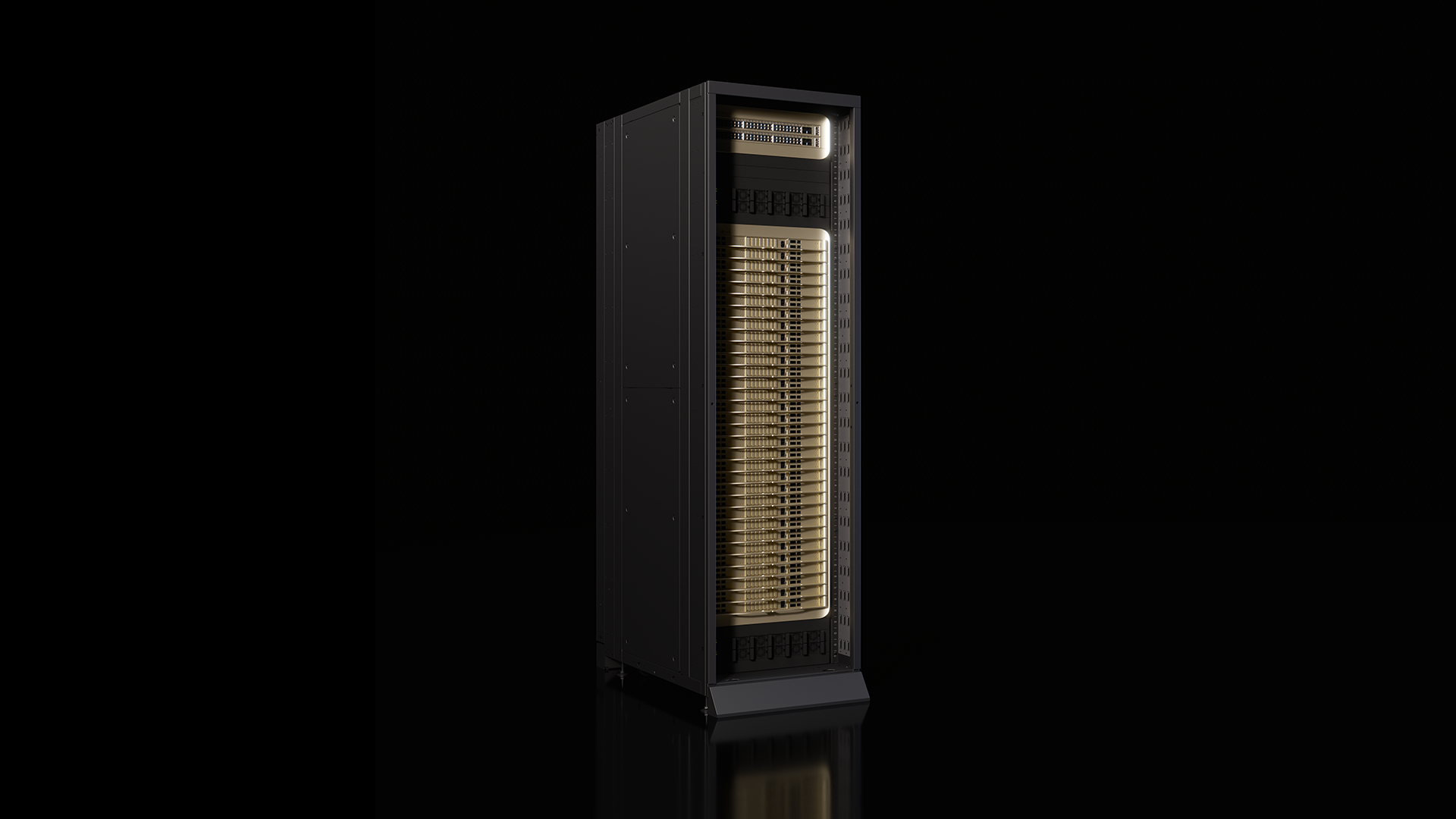
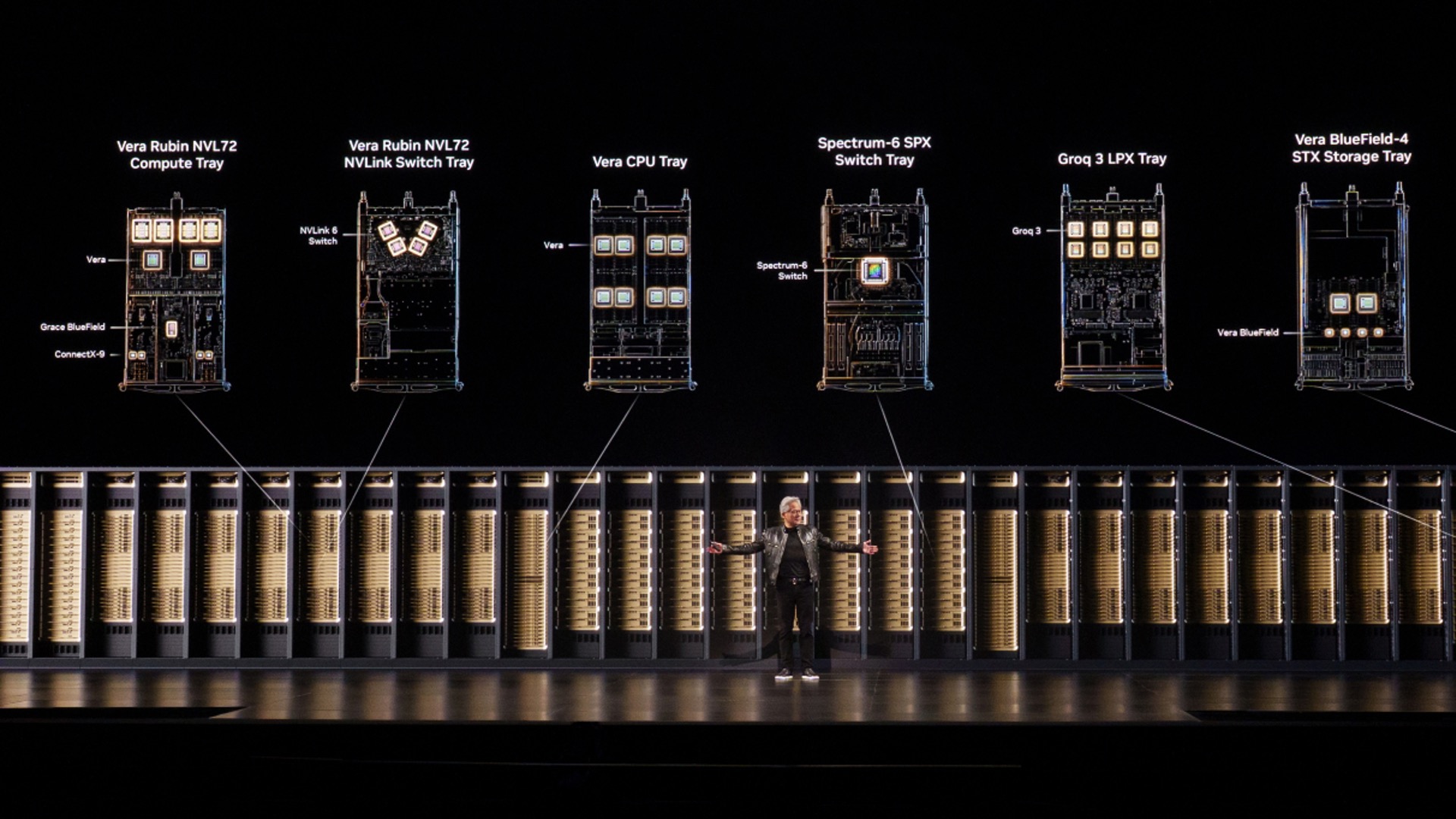
NVIDIA and Microsoft are extending their full-stack collaboration to help organizations build, customize and deploy intelligent applications — from next-generation infrastructure on Azure to industrial systems and Windows PCs. At Microsoft Ignite, the companies are expanding access to Azure virtual machines powered by NVIDIA Vera Rubin NVL72 systems, as well as adding customer availability to

Read at NVIDIA Blog

NVIDIA Blog GeForce NOW Community SI

Season’s Streamings and Savings: Black Friday Deals Come to GeForce NOW

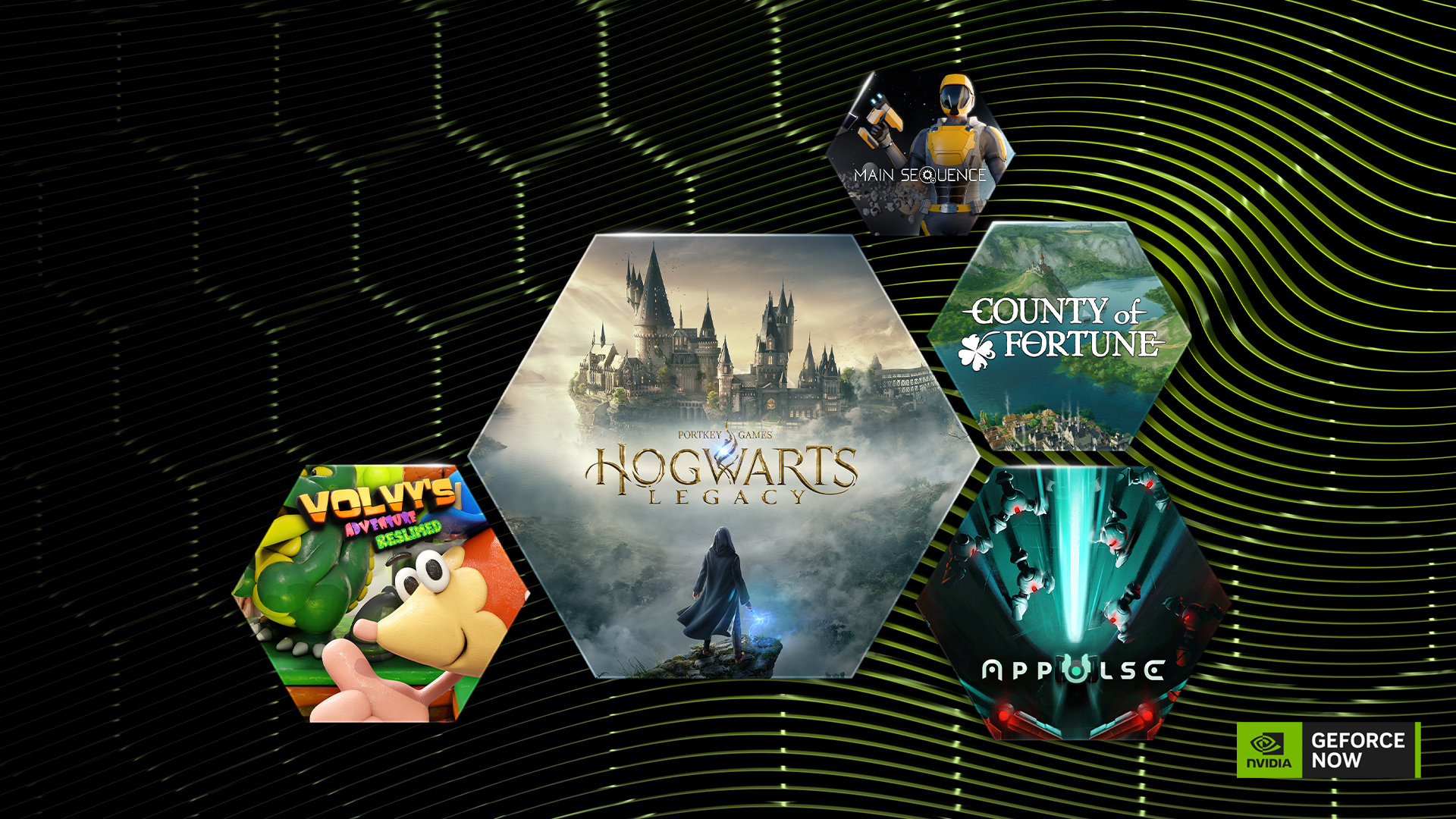
GeForce NOW is kicking off Black Friday with more reasons to make time for gaming. Six-month memberships are back for a limited time. Save 30% on the first six-month term of a Performance or Ultimate membership. Big gaming plans, smaller price tag. Keep the holiday savings going: Check out more NVIDIA holiday deals for gamers,

Read at NVIDIA Blog

NVIDIA Blog Justin Walker SI

NVIDIA RTX Spark Compact Desktops Out Now

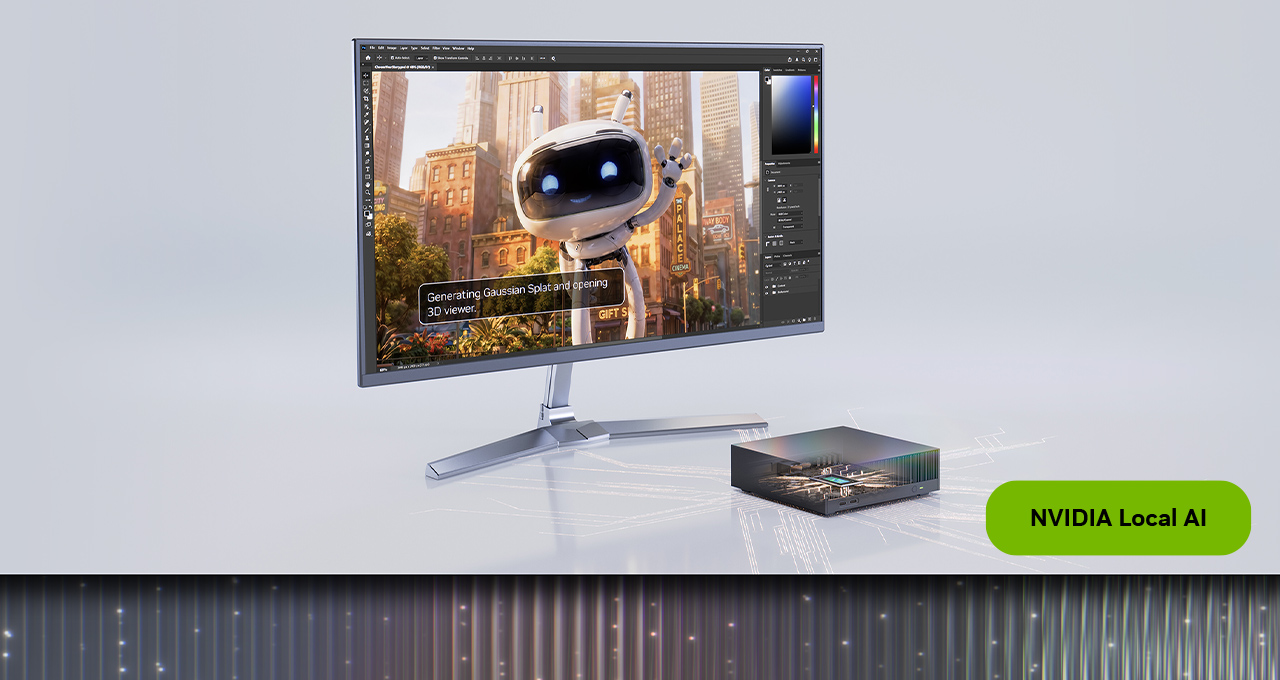
New NVIDIA RTX Spark compact desktops from ASUS, Dell and MSI are available today, bringing local AI agents, image and video generation, and model fine-tuning to a dedicated Windows PC. With up to 128GB of unified memory and NVIDIA’s AI software stack, these systems provide room for larger local models alongside RTX-accelerated creative and development

Read at NVIDIA Blog

NVIDIA Blog Brian Caulfield SI

Ian Buck Kicks Off NVIDIA’s Week at SC26 as Science Enters the Age of Agents

NVIDIA’s Ian Buck kicked off the company’s week at SC26 in Chicago on Monday with new tools for AI agents, software that can plan experiments, run code and check results on researchers’ own systems. In NVIDIA’s special address, Buck announced Nemotron for Science, the Rubin HPC GPU and an expanded Vera CPU platform for high-performance

Read at NVIDIA Blog

NVIDIA Blog Allen Bourgoyne SI

NVIDIA DGX Spark Developer Kit Turns a Desk Into a Supercomputing Lab

At SC26, an annual supercomputing conference taking place this week in Chicago, NVIDIA is introducing the DGX Spark HPC Developer Kit for researchers, academics and developers. The kit is a four-node cluster of NVIDIA DGX Spark systems, each connected directly to its two neighbors in a ring, with an NVIDIA HPC SDK installation playbook coming

Read at NVIDIA Blog

NVIDIA Blog NVIDIA Writers SI

How the World’s Most Advanced AI Infrastructure Supply Chain Invents the Future

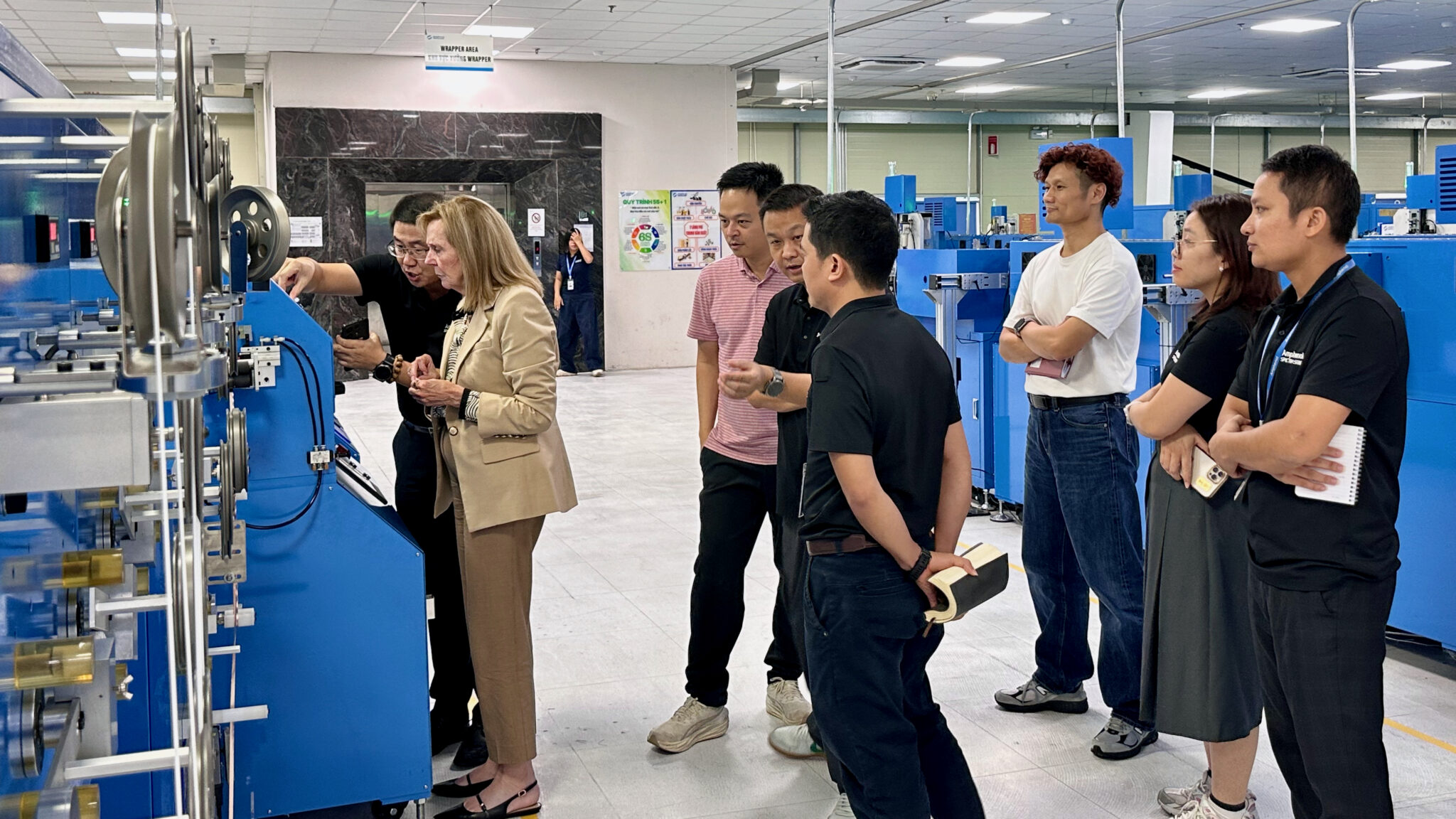
Deb Shoquist leads operations at NVIDIA, overseeing the supply chain and manufacturing behind its AI platforms. That description sums up the job, but it doesn’t begin to encompass what Shoquist has made possible over decades. Shoquist, her team and their global network of manufacturing partners enable NVIDIA to introduce world-leading technologies year-round. Much of the

Read at NVIDIA Blog

NVIDIA Blog Brian Sparks SI

Lambda Boosts AI Factory Resiliency and Efficiency With NVIDIA Photonics

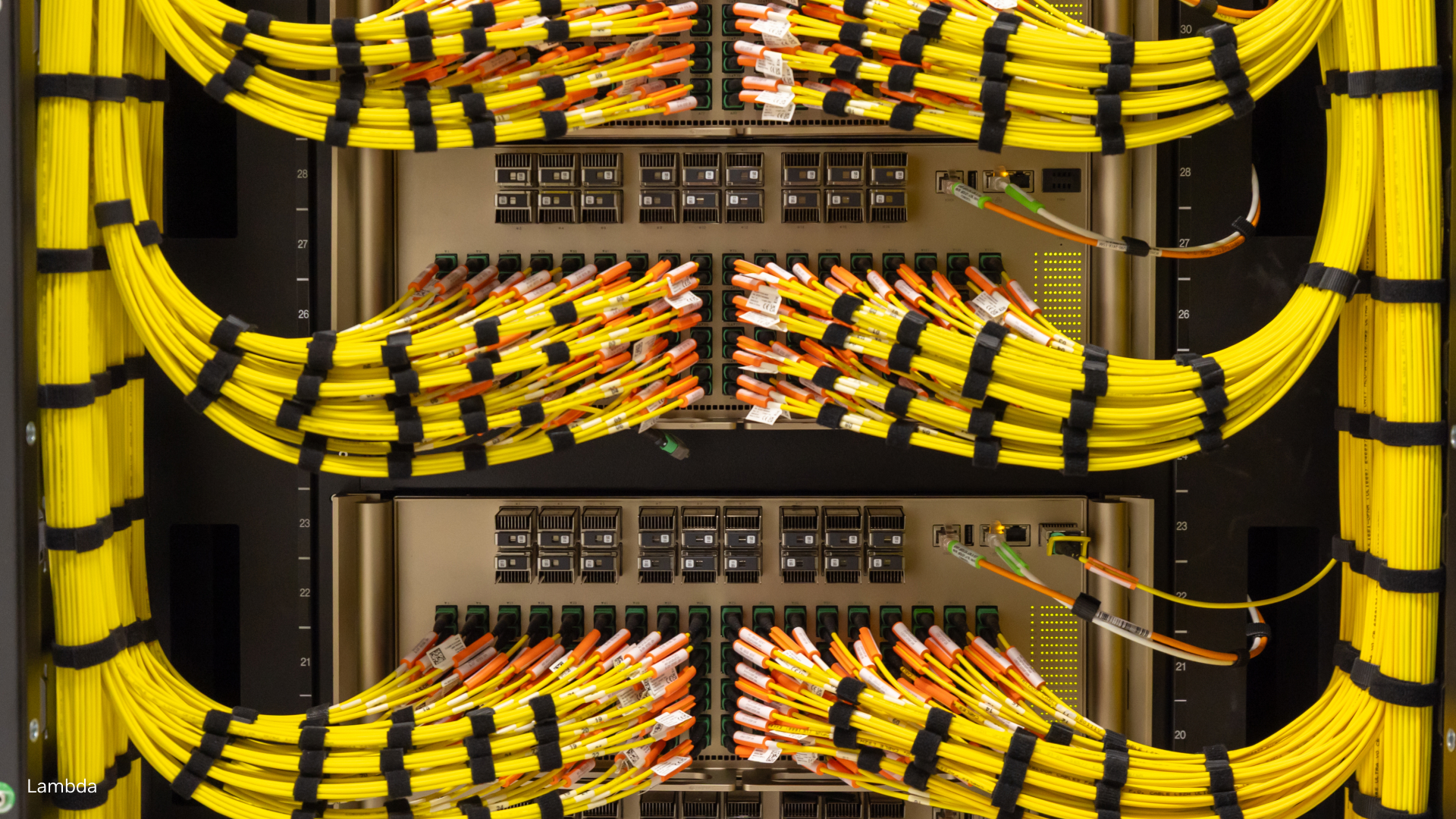
To train an AI model, thousands of GPUs have to work together, requiring a network that’s fast, efficient and resilient. Lambda is tackling the network piece of the puzzle with NVIDIA Photonics co-packaged optics (CPO) switches. The cloud provider is using the switches to connect NVIDIA GB300 NVL72 racks with more than 10,000 GPUs, delivering

Read at NVIDIA Blog

NVIDIA Blog Sam Stanwyck SI

NVIDIA Expands Slurm to Bring Quantum Computing Into Supercomputing

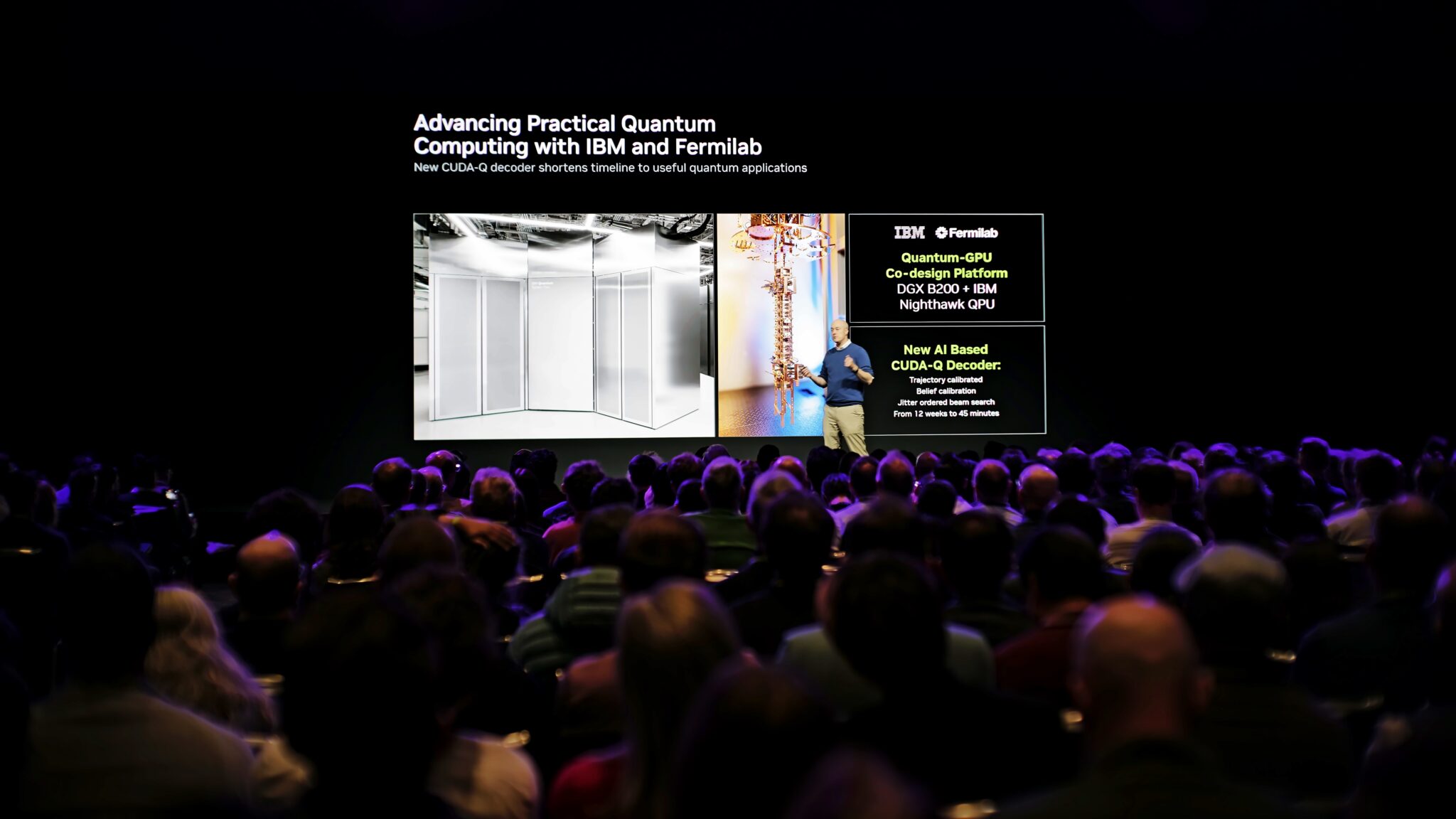
Quantum processor deployments at supercomputing centers have grown nearly sevenfold over the past five years, with nearly 30 supercomputing centers around the world now in the process of deploying over 50 quantum processors. Many of these centers use Slurm to run scientific supercomputing workloads, so expanding its support for quantum processors builds on familiar workflows

Read at NVIDIA Blog

NVIDIA Blog Shruti Koparkar SI

NVIDIA Sweeps MLPerf Training and Endpoints as Vera Rubin Debuts With Leading Performance

In its MLPerf benchmarks debut, with results released today, the NVIDIA Vera Rubin platform delivers leading performance across training, post-training and agentic inference. NVIDIA swept every MLPerf Training v6.1 benchmark and, in its first MLPerf Endpoints submission, delivered more than 10x generational gains in throughput per watt for agentic AI — measuring how much agentic

Read at NVIDIA Blog

NVIDIA Blog Kibibi Moseley SI

NVIDIA CUDA-X Libraries Give Agents the Tools to Accelerate Scientific Discovery

With expanded NVIDIA CUDA-X libraries, including cuPhoton, cuPotential and cuSpa, researchers can sift through vast amounts of data to accelerate research, from astrophysics and materials science to single-cell biology. The speedups are helping scientists analyze larger datasets and model more complex systems. The new libraries give AI agents the tools to help researchers make discoveries

Read at NVIDIA Blog

NVIDIA Blog Brett Murray SI

CUDA at 20: How the Platform Transformed Scientific Computing

This week at SC26, NVIDIA is marking two decades of CUDA by honoring the researchers, developers and engineers who helped make GPU computing a foundation for modern science and AI. CUDA’s 20th anniversary presents an occasion to reflect across computing eras, from the people who wrote the very first CUDA programs to the AI developers

Read at NVIDIA Blog

NVIDIA Blog Dan Ernst SI

NVIDIA Announces Rubin HPC — A New GPU to Accelerate Agents for Science, Engineering and Analytics

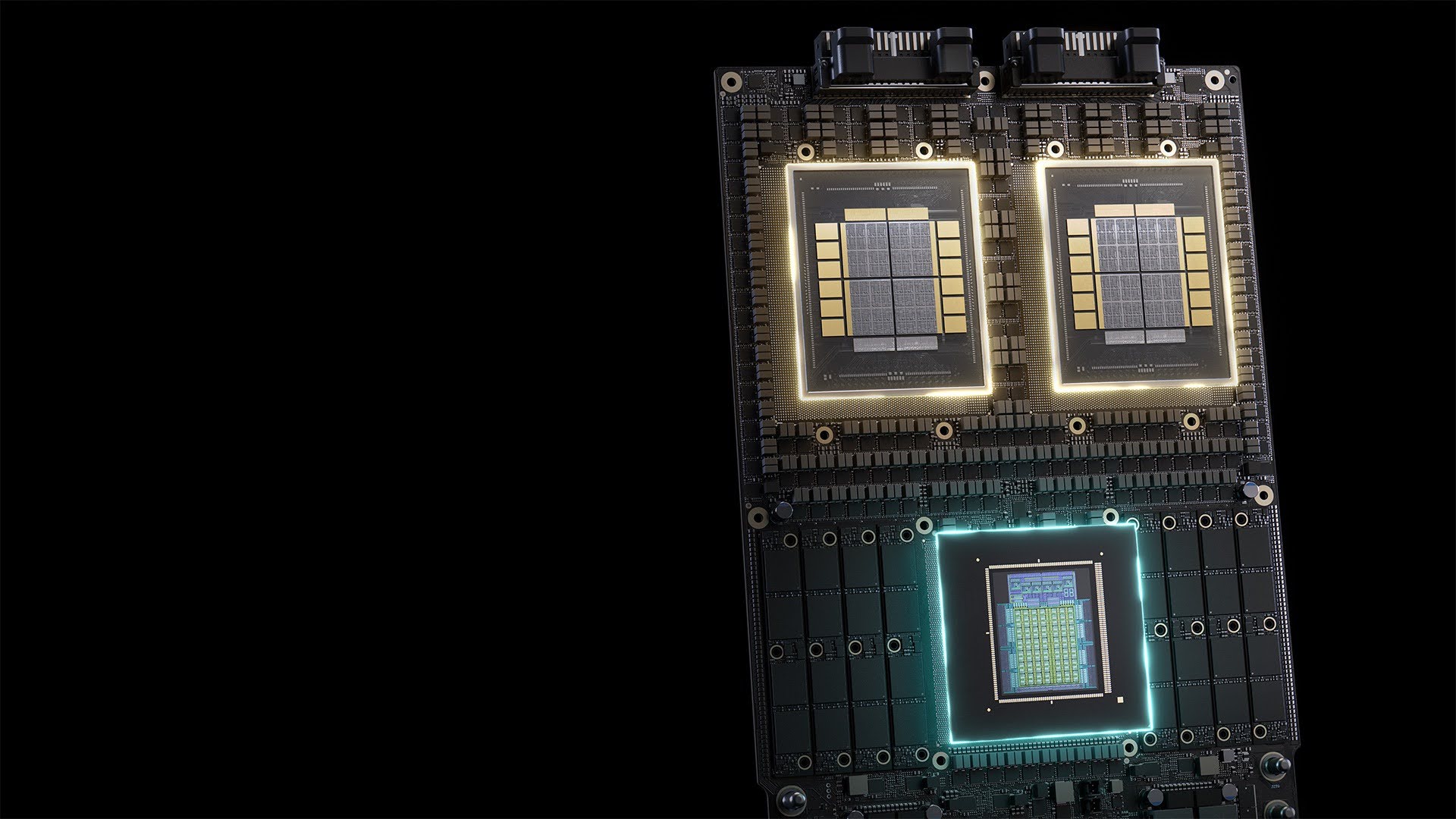
Announced today at SC26, NVIDIA Rubin HPC is a new GPU in the NVIDIA Vera Rubin platform designed to accelerate simulation and data processing for science, engineering and analytics workflows. As agents help scientists and engineers explore more candidate materials, molecules and designs, they rely on simulations to test those ideas and guide their next

Read at NVIDIA Blog

NVIDIA Blog NVIDIA Writers SI

AI Day Seoul Brings Together Korea’s Industry Leaders, Startups and Developer Communities

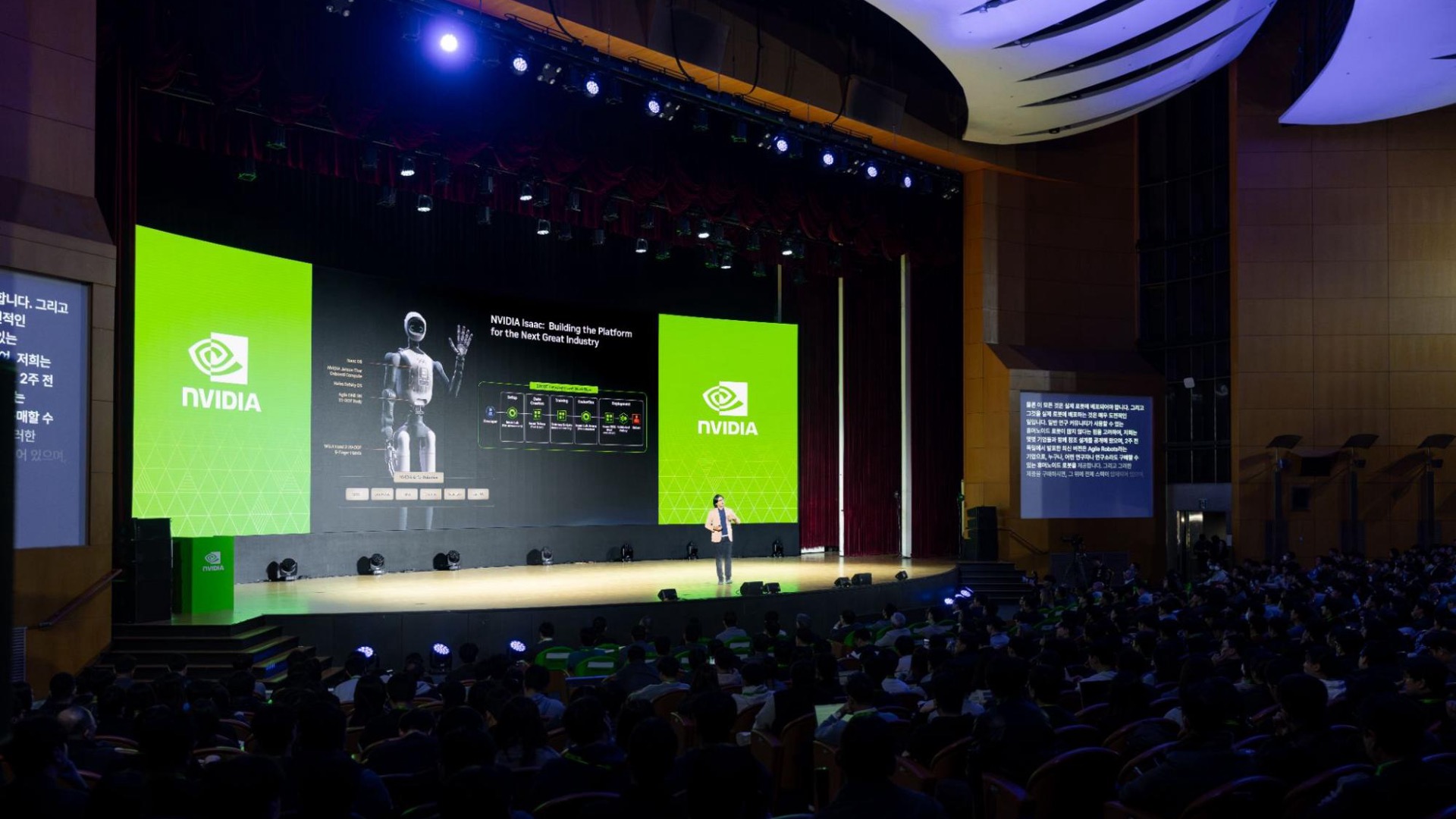
Over two days at COEX, more than 2,000 attendees converged for AI Day Seoul, bringing together Korea’s industry leaders, startups and developer communities advancing physical AI and AI agents. At the plenary sessions, Deepu Talla, vice president of robotics and edge AI at NVIDIA, said Korea is “punching above its weight,” with Doosan Robotics, Hyundai

Read at NVIDIA Blog

NVIDIA Blog NVIDIA Writers SI

How AI Is Helping Care Teams Get Patients the Right Care, Sooner

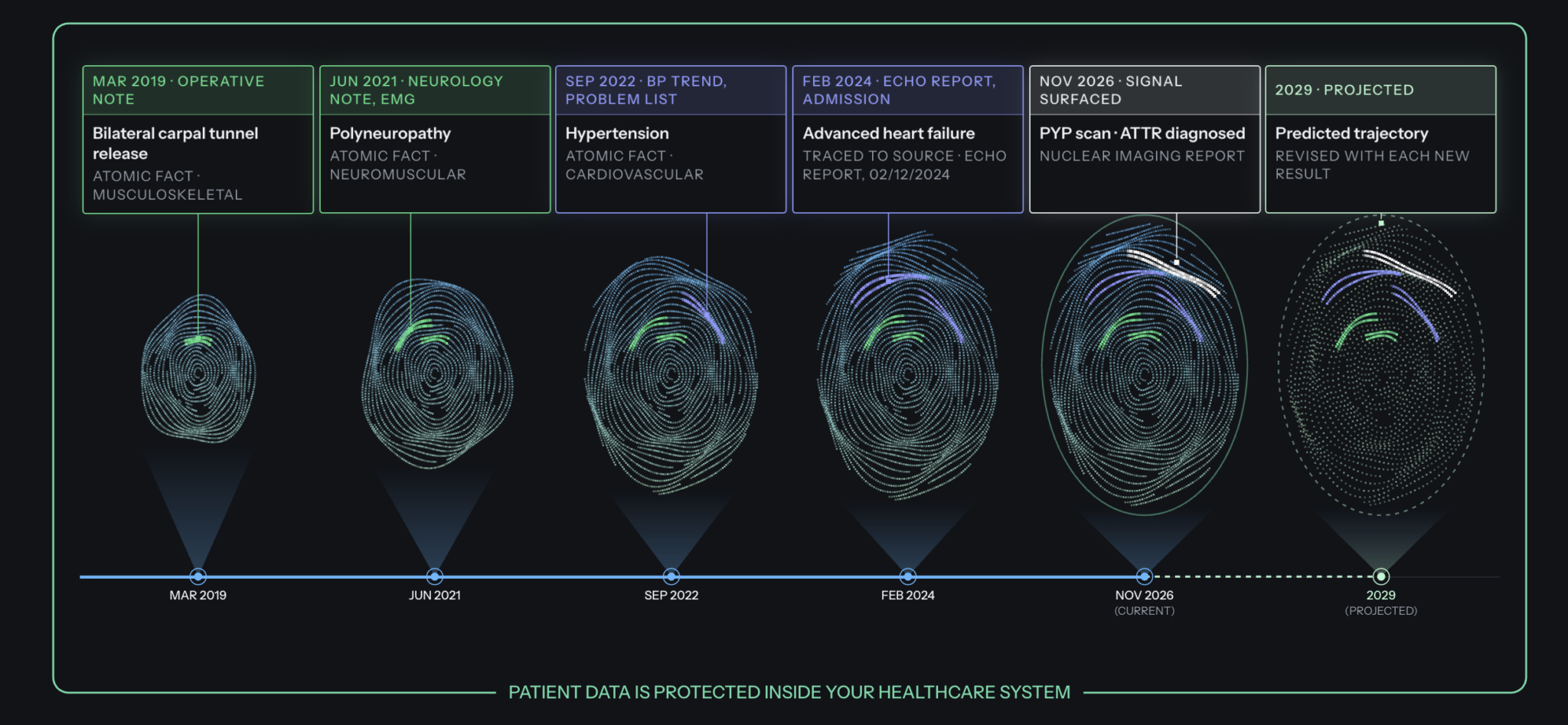
From pediatric research to smart hospitals, AI is helping care teams spend less time on routine tasks and more time with patients. Health systems and startups are putting it to work across healthcare, from matching patients to clinical trials to supporting radiologists, hospital teams and patients at home. Clinicians stay at the center, reviewing AI

Read at NVIDIA Blog

NVIDIA Blog GeForce NOW Community SI

A New Dawn in the Cloud: ‘Warhammer 40,000: Dawn of War IV’ Is Coming to GeForce NOW

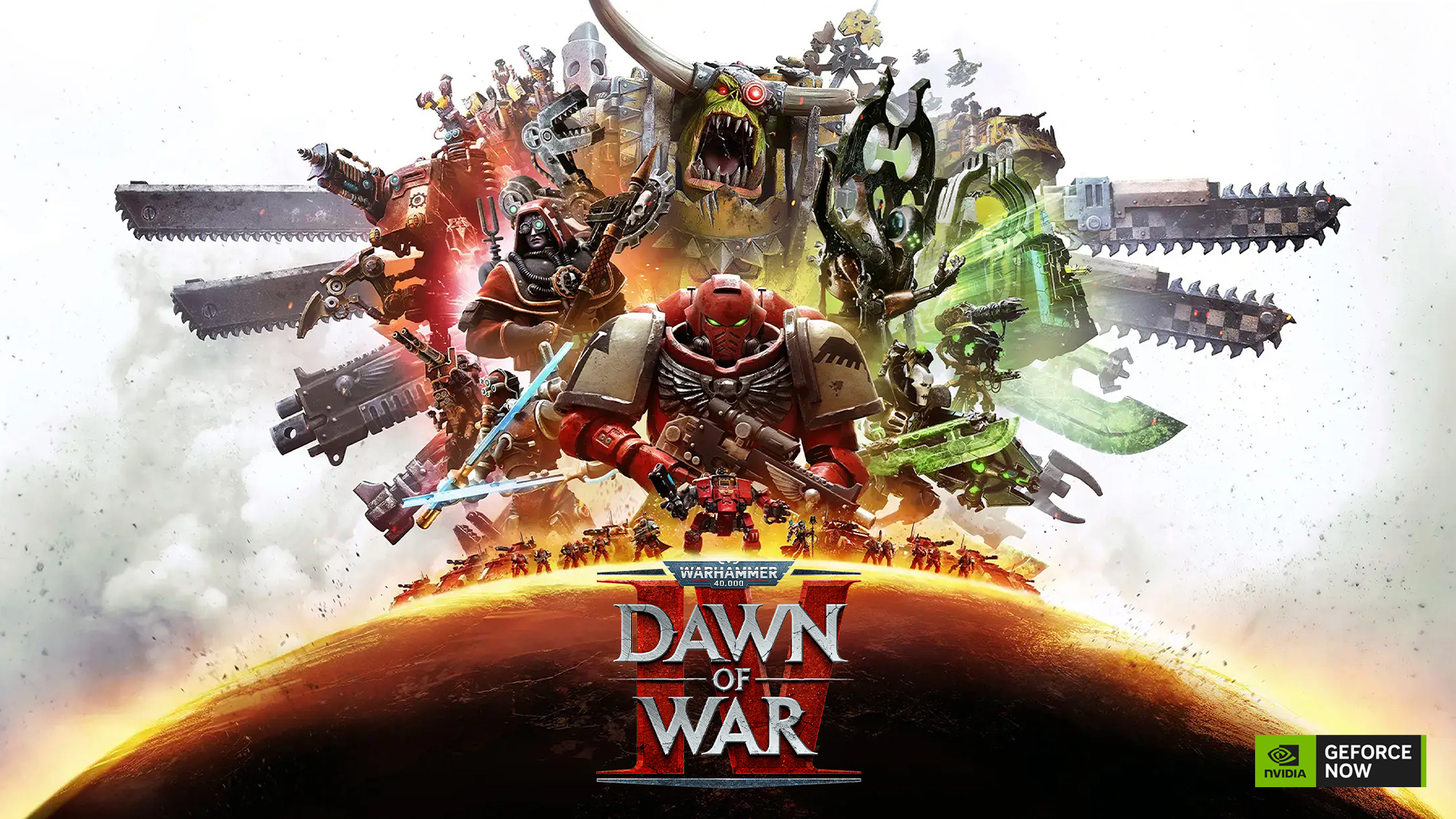
Rally the ranks this GFN Thursday. Warhammer 40,000: Dawn of War IV is coming to GeForce NOW, allowing players to experience the battle for Kronus through cloud gaming. There’s more on the horizon, with NVIDIA DLSS 5 technology coming to War Thunder and Where Winds Meet. Meanwhile, Dragon’s Dogma 2: Dark Arisen brings new tales

Read at NVIDIA Blog

NVIDIA Blog Katie Michel SI

How AI Helps Recyclers Turn Mixed Waste Into Reusable Material

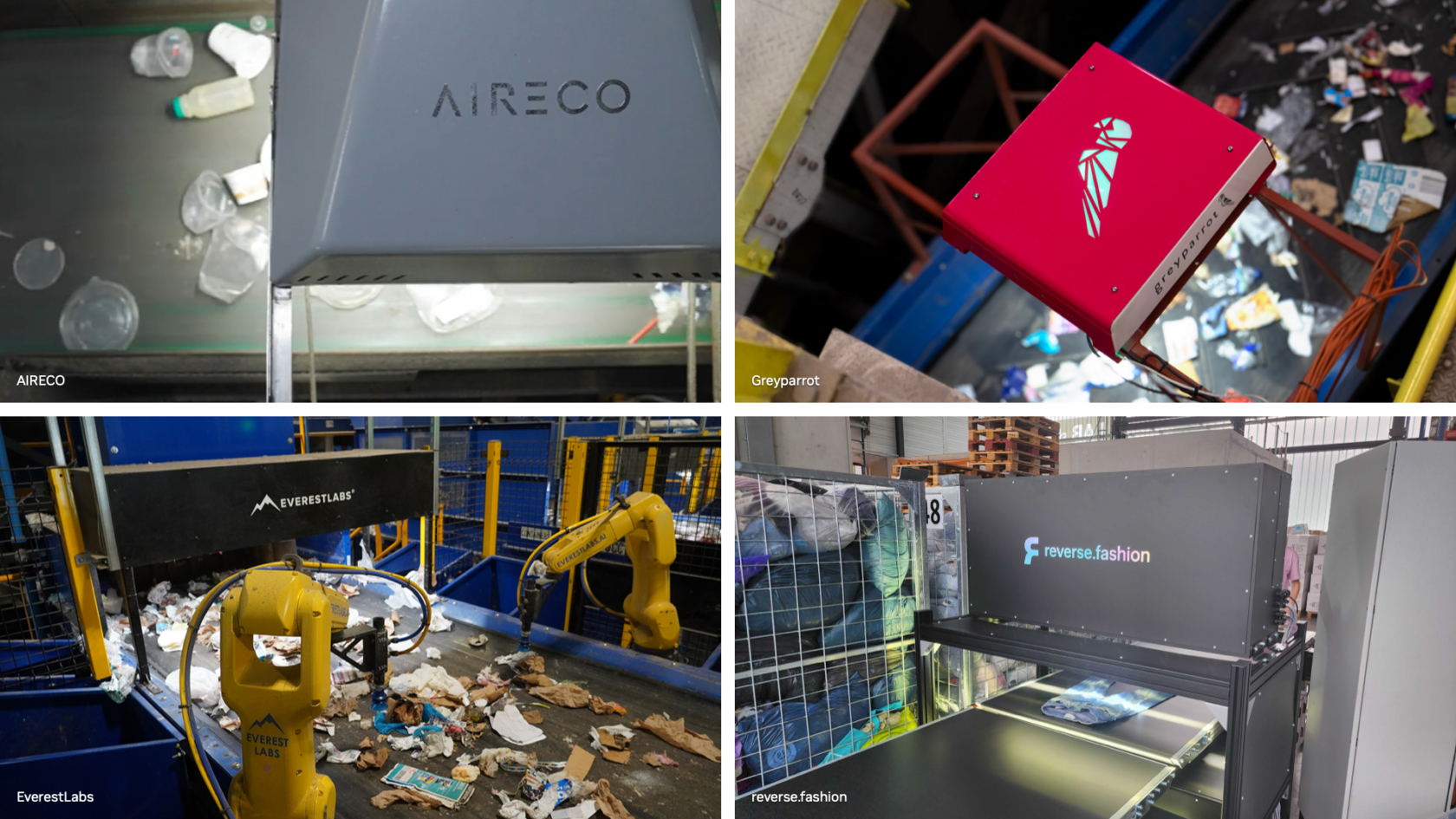
Vision AI and robotics pick what’s worth recovering out of conveyor belts of used clothing, bottles and mixed recyclables, diverting thousands of tons of materials from landfills.

Read at NVIDIA Blog

NVIDIA Blog Warren Barkley SI

NVIDIA Expands Open Source Commitment With OpenShell Donation and New AI Infrastructure

Kubernetes, the open source system that manages how applications run across thousands of AI factories, has become the foundation for AI, and the demands on it are only growing. To help meet them, NVIDIA is deepening its commitment to open source at KubeCon + CloudNativeCon, the flagship conference for the Kubernetes and cloud-native communities. NVIDIA

Read at NVIDIA Blog

NVIDIA Blog Sasa Docca SI

Practice Makes Precise: At CoRL, NVIDIA and Partners Reveal How Robots Rehearse Delicate Work in Simulation

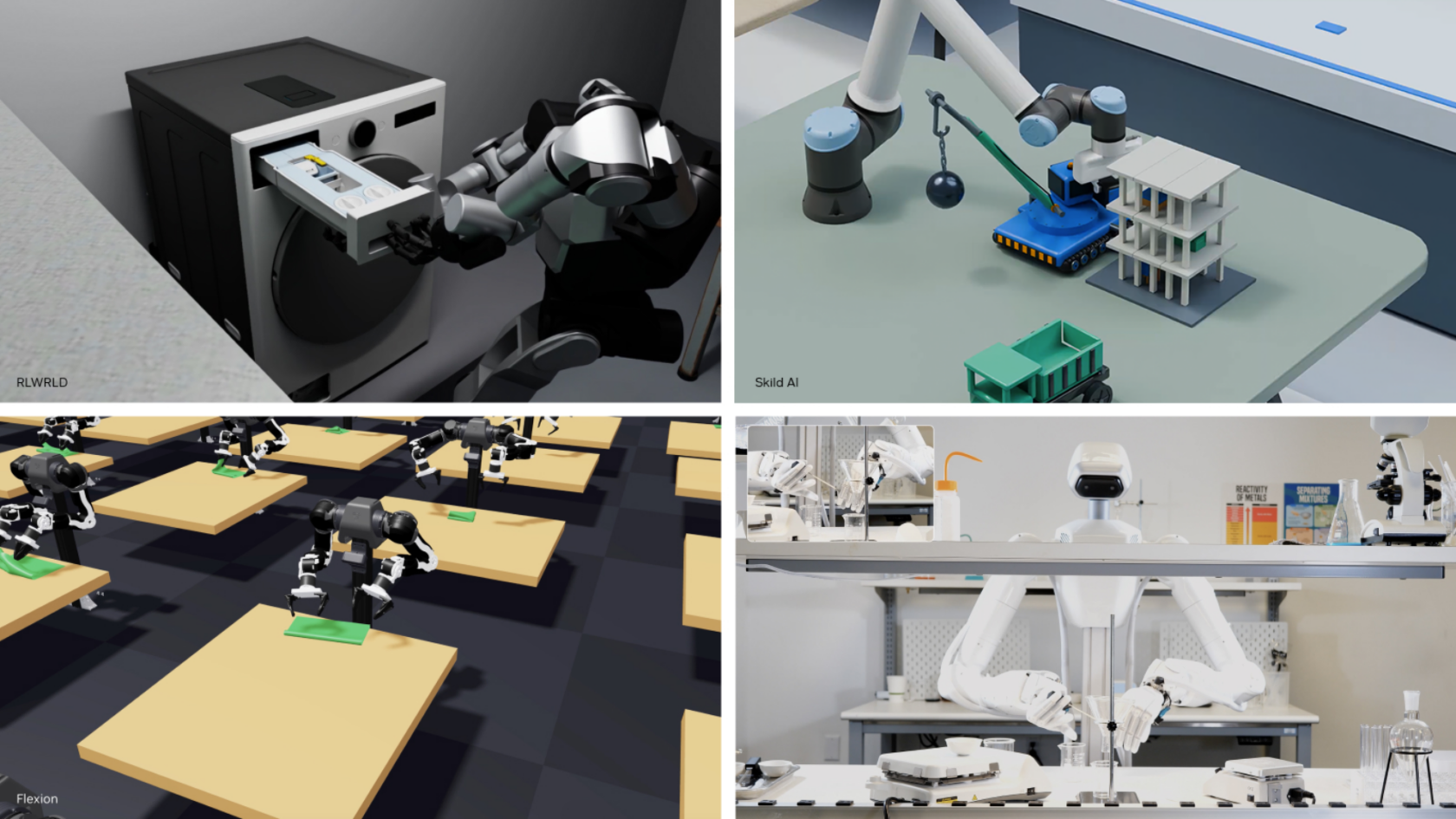
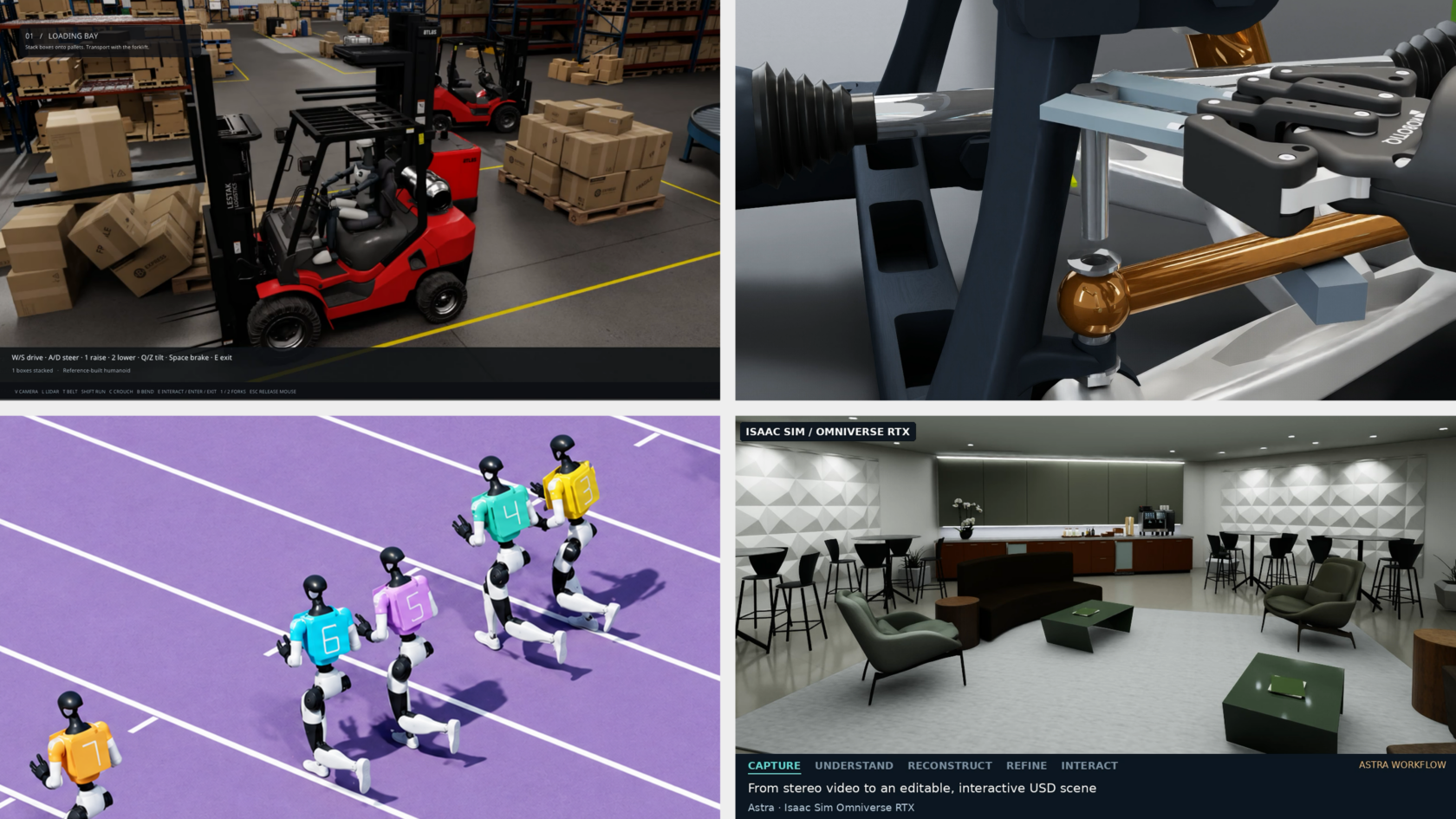
Simulation, which has long been the proving ground for robots learning to walk, roll and hop, is now helping researchers teach robots tasks that require a finer touch: aligning gears, connecting cables and assembling small components. The shift from locomotion to manipulation is taking center stage at this week’s Conference on Robot Learning (CoRL) in

Read at NVIDIA Blog

NVIDIA Blog NVIDIA Writers SI

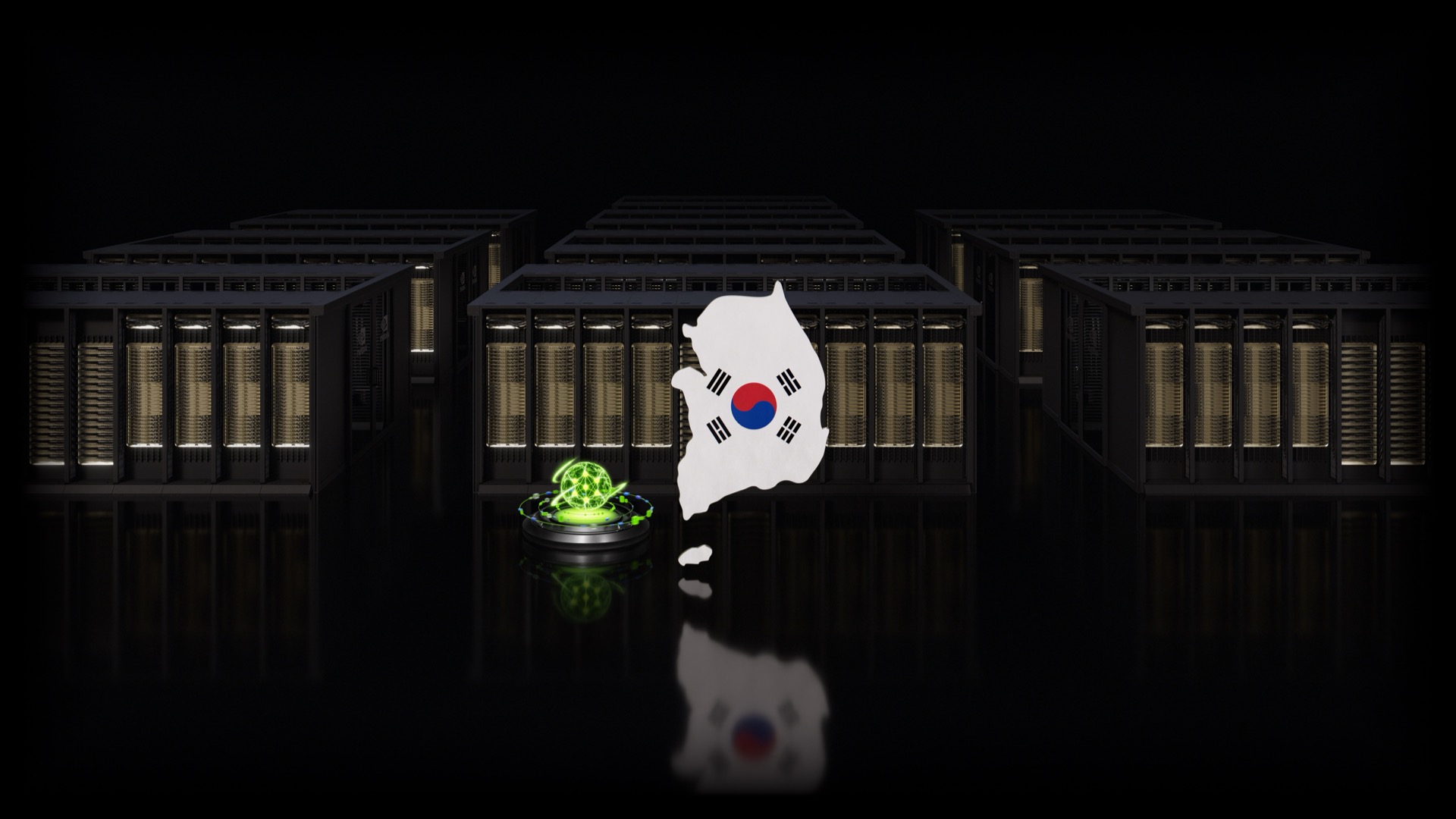
NVIDIA Announces New Planned Investments in Korean Startups at the MSIT-NVIDIA AI Startup Partnership Forum

Korea’s Ministry of Science and ICT and NVIDIA hosted the MSIT-NVIDIA AI Startup Partnership Forum at COEX. Representatives from the Ministry of Science and ICT and NVIDIA met with over 20 Korean startups across foundation models, physical AI, AI infrastructure and AI semiconductors. NVIDIA also announced an investment in Korean startup Point2, with additional investments

Read at NVIDIA Blog

NVIDIA Blog NVIDIA Writers SI

Korea Advances Physical AI Across Industries With NVIDIA

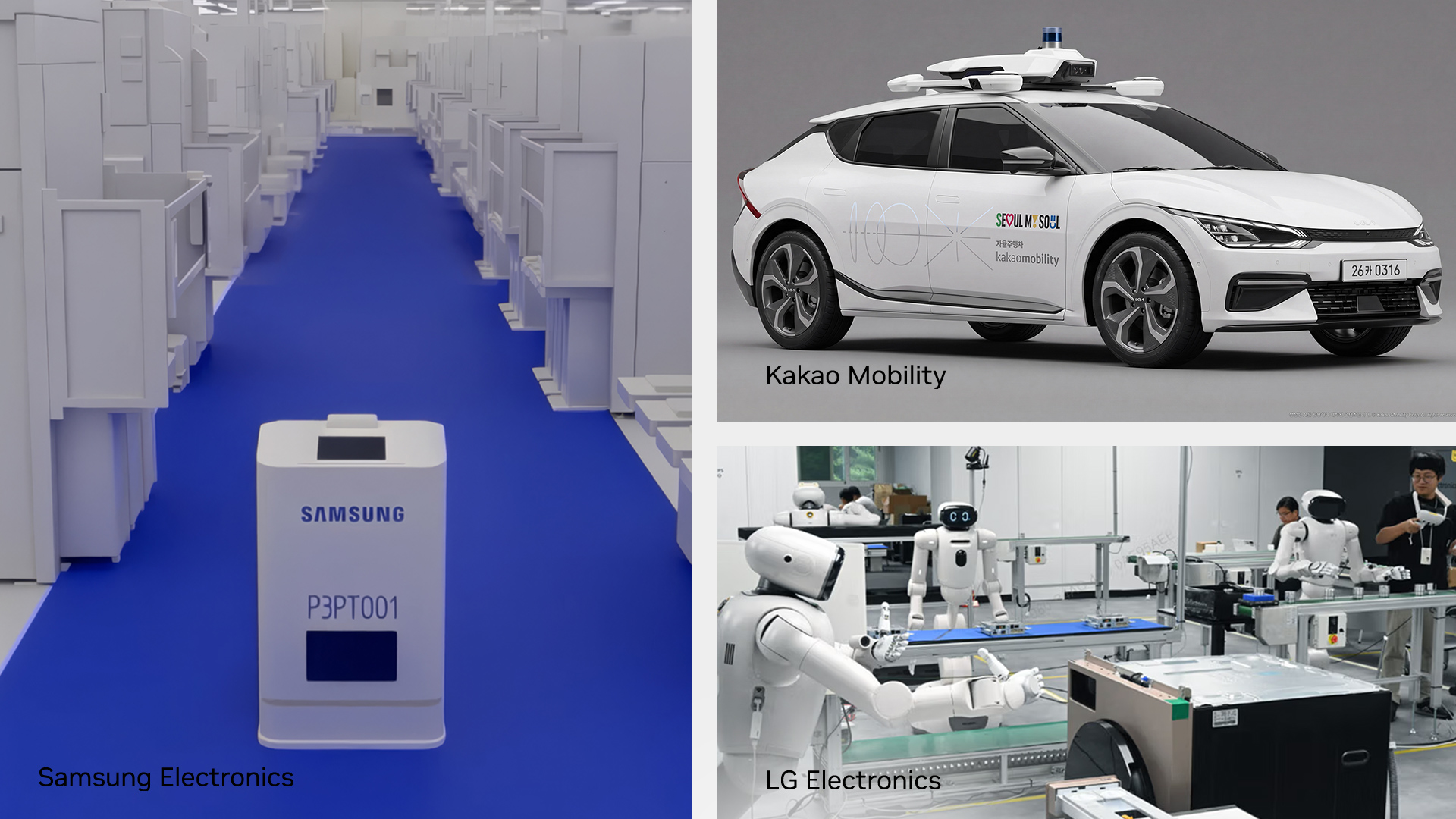
Tapping into the country’s strengths in manufacturing and engineering, NVIDIA is helping advance Korea’s physical AI ecosystem. The country’s industry leaders are applying accelerated computing, AI and simulation to everything from semiconductor manufacturing to robotics and autonomous vehicles. These efforts are helping bring physical AI from development into real-world production. Samsung Advances Semiconductor Engineering With

Read at NVIDIA Blog

NVIDIA Blog Nicola Sessions SI

Korea’s AI Ecosystem Advances and Secures Agentic AI With NVIDIA

As AI agents take on more work, they need capable open models and security that advances alongside them. Hyundai Motor Group is exploring NVIDIA NemoClaw blueprints and the NVIDIA OpenShell runtime, while AIM Intelligence is integrating its Starfort platform with NVIDIA OpenShell to support secure AI agents for employee productivity and enterprise workflows. A key

Read at NVIDIA Blog

NVIDIA Blog Jesse Clayton SI

From Chips to Skills, NVIDIA and Korea Expand Sovereign AI Collaboration

NVIDIA and Korea’s Ministry of Science and ICT (MSIT) are expanding their collaboration across the country’s sovereign AI ecosystem, from AI semiconductors and data center infrastructure to talent, startups, models, agents and security. The collaboration lays the groundwork for Korean NPU and XPU companies to explore participation in the NVIDIA NVLink Fusion ecosystem, and includes

Read at NVIDIA Blog

NVIDIA Blog Amr Elmeleegy SI

NVIDIA Dynamo Recipes Bring Korea’s Leading Open Models to Production

NVIDIA is releasing Dynamo-optimized deployment recipes for Korea’s leading open models: A.X K2 from SK Telecom, K-EXAONE 2.0 from LG AI Research, Solar Open 2 from Upstage and Motif-3 from Motif Technologies. As models grow beyond the capacity of a single GPU, they must be split across multiple GPUs, requiring careful coordination of request routing

Read at NVIDIA Blog

NVIDIA Blog Soma Velayutham SI

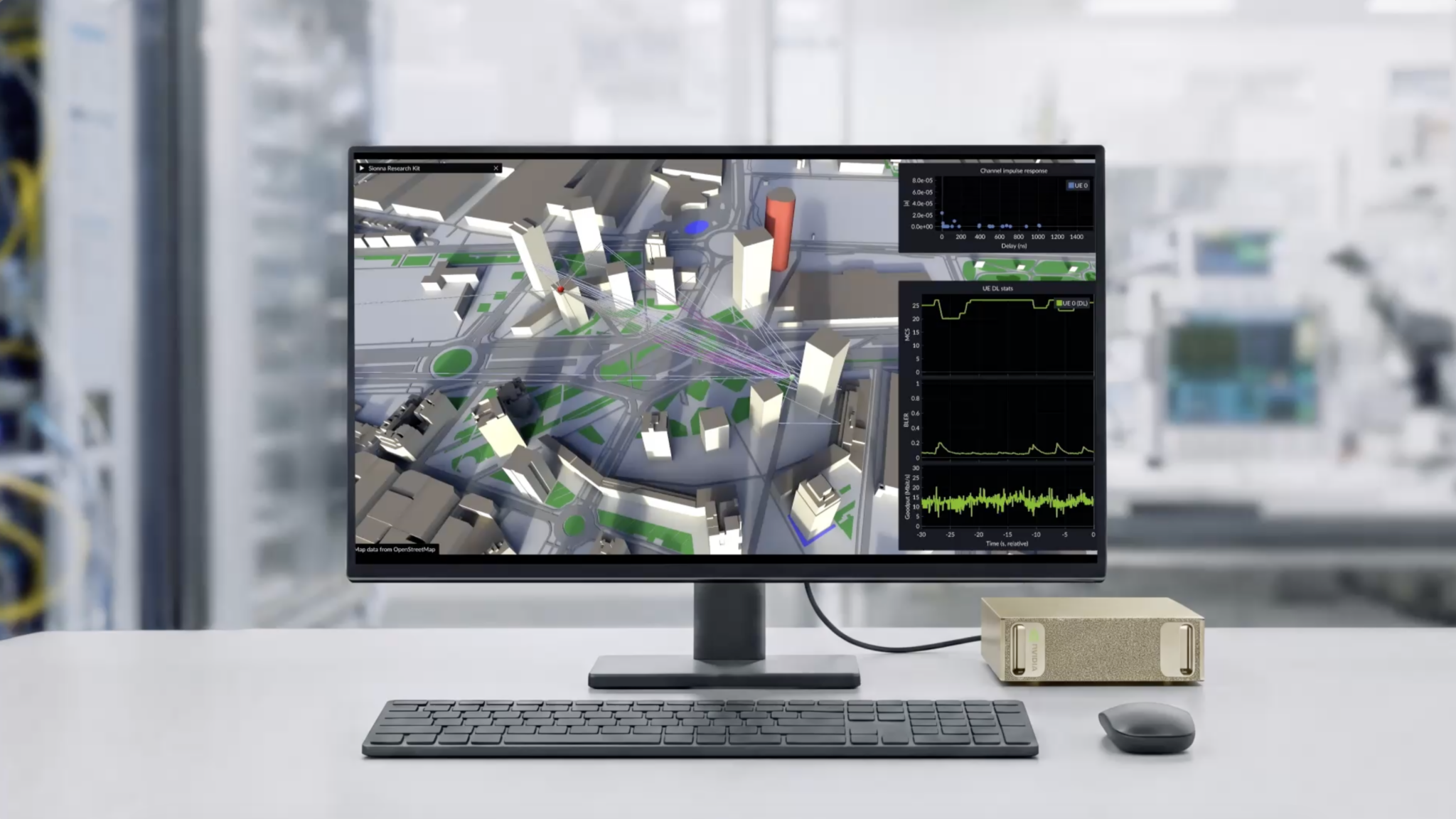
How NVIDIA Open Source Tools Are Helping Researchers Build Next-Generation 6G Networks

A year ago, NVIDIA open sourced its Aerial wireless software, joining Sionna and a broader suite of open source tools for accelerating next-generation 6G network development. Together, they give researchers a foundation for testing ideas, comparing results and building on each other’s work — connecting simulation and AI training with experiments on real over-the-air wireless

Read at NVIDIA Blog

NVIDIA Blog Hannah Coutand SI

Vera Delivers the Best of Both Worlds: Highest Throughput and Fastest Agents

AI agents do more than generate answers. They search for information, query databases, write and test code and take action. Each of those steps relies on a CPU, with agents moving between GPU reasoning and CPU execution throughout a task. As businesses put more agents to work, AI factories need CPUs that can execute those

Read at NVIDIA Blog

NVIDIA Blog NVIDIA Writers SI

Into the Omniverse: How Developers Turn Ideas Into Simulations With Frontier AI Agents

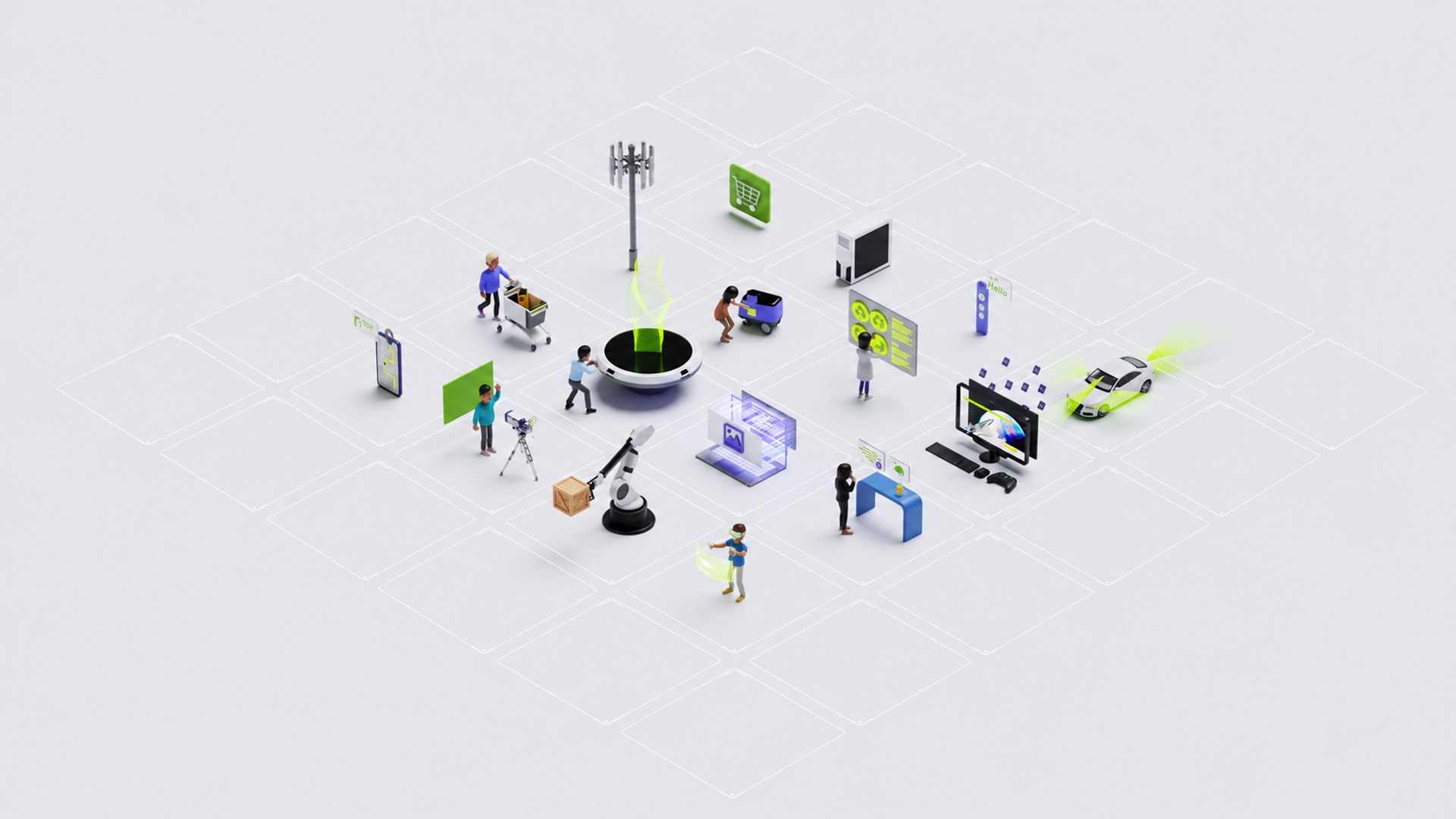
Turning a simulation idea into a working application means assembling assets, connecting physics and rendering, and checking that the scene behaves as intended. Developers are combining frontier AI models with NVIDIA Omniverse libraries to help carry out that work — building applications for exploring scenarios, investigating failures and improving designs. Developers direct AI agents through

Read at NVIDIA Blog

NVIDIA Blog Matthew Leib SI

The Wizard of Open Weights: Chris Alexiuk Makes AI Easy With Open Models

Chris Alexiuk has a simple rule about open source AI: If you believe in it, be loud about it. “We should be shouting about this technology from the rooftops,” said Alexiuk, a Toronto-based senior product research engineer in deep learning at NVIDIA who specializes in making open large language models (LLMs) practical for working developers.

Read at NVIDIA Blog

NVIDIA Blog Amr Elmeleegy SI

More Performance From Every Byte: How Full-Stack Codesign Solves AI’s Memory Challenge

Larger models, longer contexts and agentic applications are increasing GPU memory pressure while supply tightens and prices rise — a trend expected to continue through the near term. NVIDIA works closely with memory partners to rapidly adopt the latest memory technologies. NVIDIA was first to adopt HBM3e and HBM4 technologies into an accelerated computing stack.

Read at NVIDIA Blog

NVIDIA Blog GeForce NOW Community SI

‘Hogwarts Legacy’ Gets a Magical NVIDIA DLSS 5 Upgrade on GeForce NOW

Hogwarts Legacy receives an NVIDIA DLSS 5 upgrade with 3D-Guided Neural Rendering today, bringing lifelike lighting and materials to the wizarding world on GeForce NOW. Blizzard Entertainment’s World of Warcraft: Forever also opens a new chapter in Azeroth, with a launch-week access reward available for GeForce NOW members. Meanwhile, Ubisoft brings fresh challenges with expansions

Read at NVIDIA Blog

NVIDIA Blog Timothy Costa SI

AI Is Changing How Semiconductor Fabs Work — and Engineers Are Moving Faster Because of It

Demand for advanced chips is rising. The processes to build them are getting more complex. And the margin for error is shrinking. For engineers, understanding how a process change will behave, how a material will interact with a new step, how a defect maps back to a root cause are critical, challenging steps in semiconductor

Read at NVIDIA Blog

Older stories