Quantum Computing Report

Recent stories from Quantum Computing Report.

Quantum Computing Report Mohamed Abdel-Kareem

University of Amsterdam Awards €800,000 Across Four Quantum Simulation Projects for Chemistry and Materials Design

The University of Amsterdam (UvA) has launched the Q-SIM4MMD initiative, investing €800,000 across four quantum simulation projects. These projects aim to explore quantum simulation and machine learning for molecular and materials discovery, focusing on applications like molecular design, bioinformatics, and developing safer molecules. The initiative connects researchers across various disciplines and seeks to integrate quantum approaches with classical modeling.

Read at Quantum Computing Report

Quantum Computing Report Mohamed Abdel-Kareem

UCLA Researchers Model Collectively Enhanced Superconducting-Qubit Interfaces for Microwave-to-Optical Transduction

UCLA researchers have developed a theoretical model for enhancing microwave-to-optical quantum transduction using superconducting qubits. Their proposed architecture collectively couples multiple qubits to a shared optomechanical resonator, aiming to overcome limitations in current optical interconnects. The study shows that this collective coupling can improve conversion efficiency and bandwidth, with an auxiliary transmon further boosting single-photon optical target…

Read at Quantum Computing Report

Quantum Computing Report Mohamed Abdel-Kareem

Researchers Introduce QECLean Framework to Formally Verify Quantum Error-Correcting Codes in Lean 4

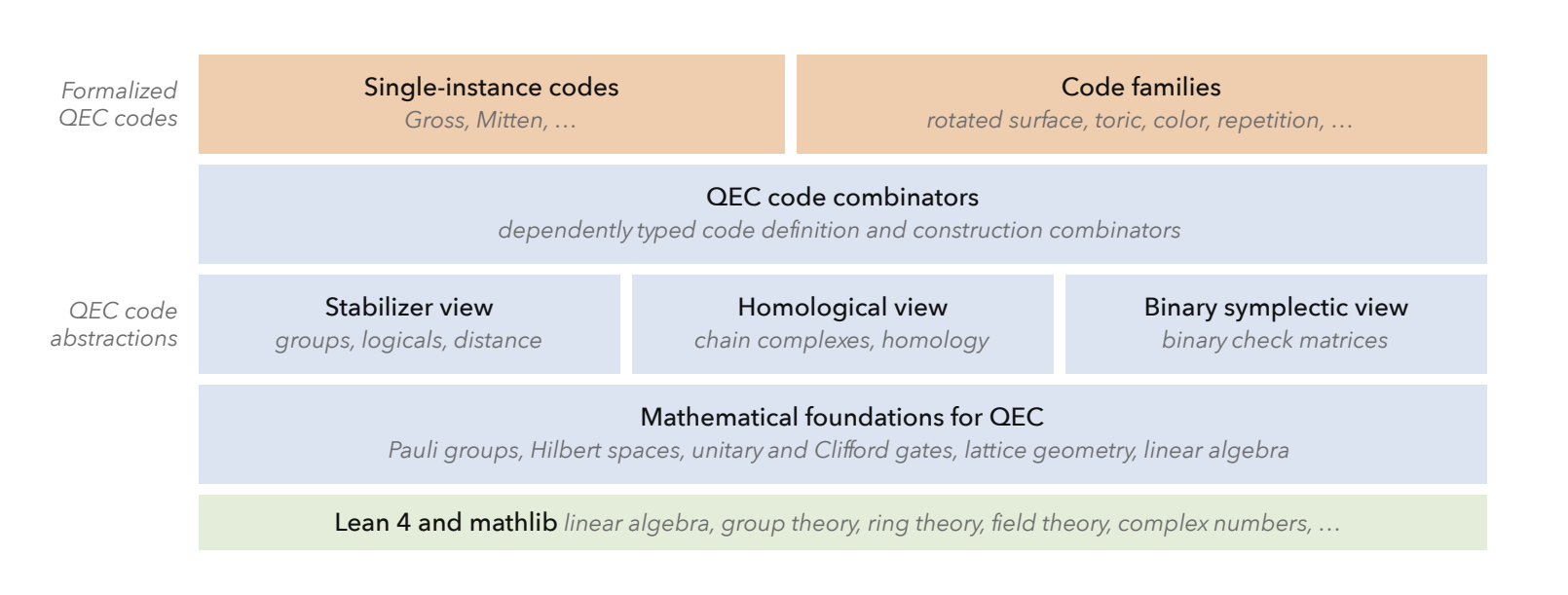
Researchers have developed QECLean, an open-source framework using Lean 4 to formally verify quantum error-correcting codes, addressing the difficulty of verifying complex, algorithmically discovered codes. It has successfully verified parameters for several significant QEC codes, including an IBM 360-qubit code and infinite planar code families. QECLean aims to validate AI-discovered codes and future quantum compilers by linking different mathematical representations within…

Read at Quantum Computing Report

Quantum Computing Report Mohamed Abdel-Kareem

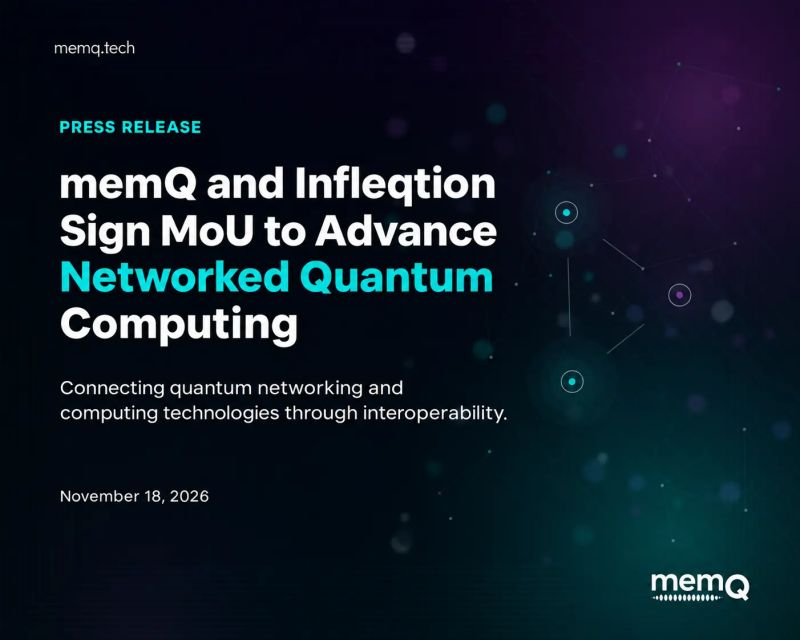
memQ and Infleqtion Sign MoU to Validate Quantum Networking Interoperability for Distributed Neutral-Atom Systems

memQ and Infleqtion have signed an MoU to validate interoperability between memQ’s quantum network architecture and Infleqtion’s quantum computing platform. This collaboration aims to enable modular multi-processor scaling by connecting separate quantum processing units. The initiative is crucial for enterprise and high-performance computing data centers to adopt standardized QPU-to-QPU networking.

Read at Quantum Computing Report

Quantum Computing Report Mohamed Abdel-Kareem

Mastercard Launches Quantum Advisory Practice with QIZ Security and Releases PQC Readiness Whitepaper

Mastercard has launched a Quantum Advisory Practice with QIZ Security to help financial institutions transition to post-quantum cryptography, addressing immediate "harvest now, decrypt later" risks. This initiative, aligned with G7 and FS-ISAC guidance, offers services like cryptographic asset discovery and remediation roadmaps. Mastercard is also conducting quantum research with Oxford Quantum Circuits, focusing on financial fraud protection.

Read at Quantum Computing Report

Quantum Computing Report Mohamed Abdel-Kareem

BMO Demonstrates Quantum Utility in Game-Theoretic Machine Learning Feature Selection on IBM Nighthawk r2

BMO Financial Group, in collaboration with DUTH and IBM, has demonstrated a quantum machine learning feature-selection workflow on IBM quantum processors. They applied quantum game theory to identify high-value predictive variables in financial datasets, achieving comparable quality to classical methods with significantly fewer algorithmic samples. This milestone builds on BMO's earlier entry into the IBM Quantum Network and the launch of their AI & Quantum Institute.

Read at Quantum Computing Report

Quantum Computing Report Mohamed Abdel-Kareem

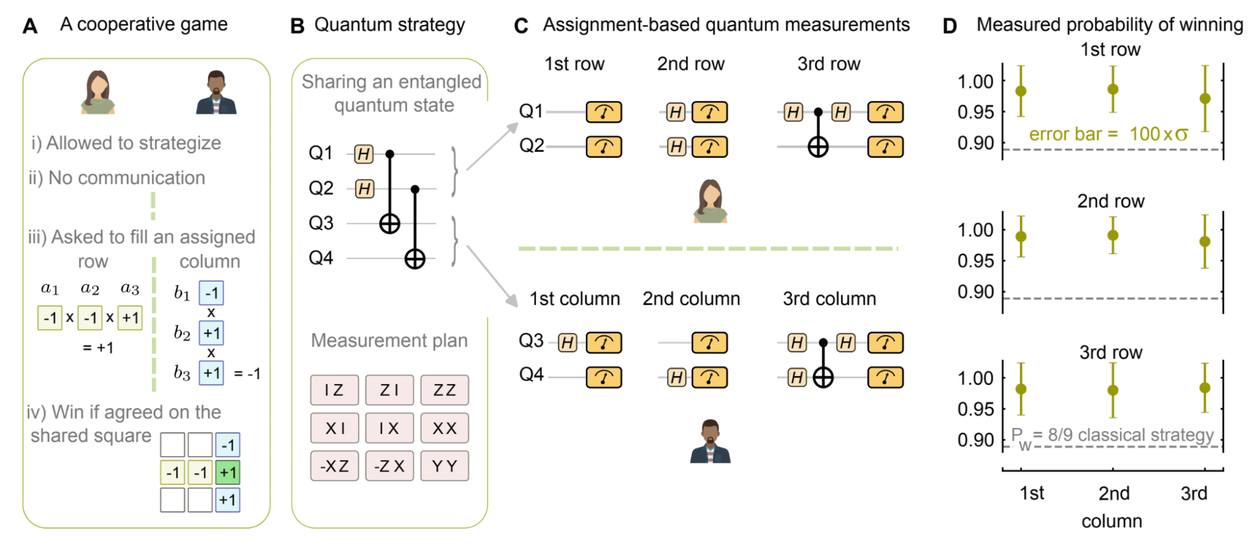
Google Quantum AI Demonstrates Measurement Contextuality Across 105 Qubits on Willow Processors

Google Quantum AI has demonstrated quantum measurement contextuality on 72-qubit and 105-qubit Willow processors, moving contextuality testing to large two-dimensional qubit arrays. This research, published in Science, establishes a hardware benchmark for coherent control errors and has implications for fault-tolerant computing and molecular simulations. The experiments verified that quantum observables do not have predetermined values independent of compatible measurements.

Read at Quantum Computing Report

Quantum Computing Report Doug Finke

Your Best Quantum Error Correction Engineer Might Be a Bot

A description of how AI is playing an increasingly important role in assisting engineers developing new quantum error correction codes and quantum error correction decoders.

Read at Quantum Computing Report

Quantum Computing Report Mohamed Abdel-Kareem

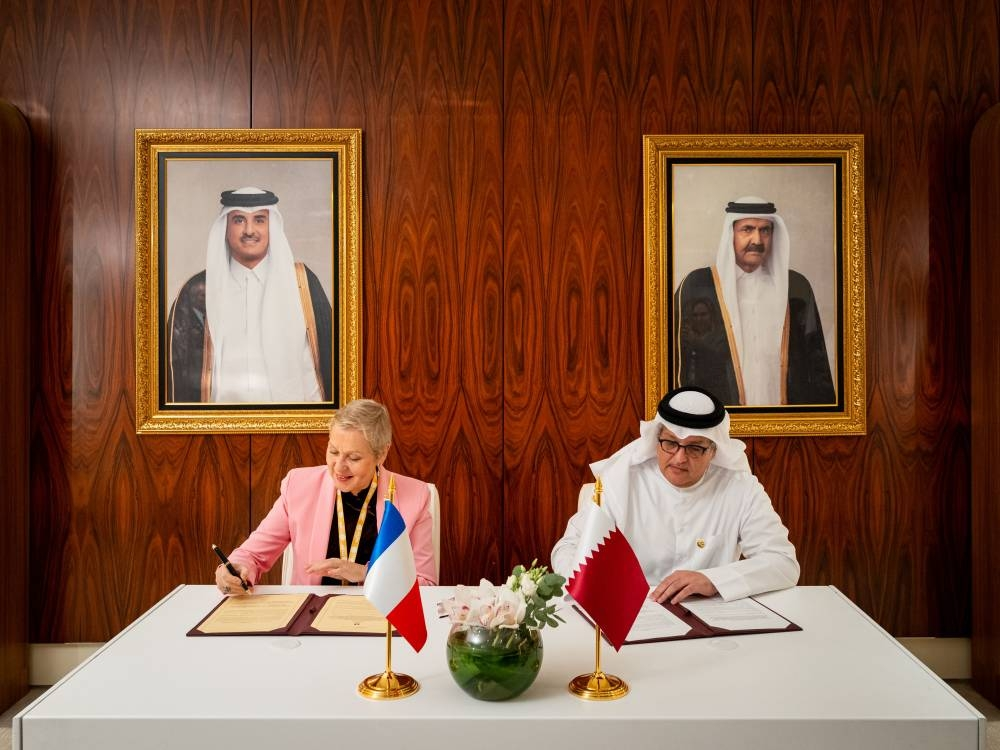
Qatar and France Sign Bilateral Letter of Intent on Digital Cooperation Highlighting Shared Quantum Ambitions

Qatar and France have signed a Letter of Intent to enhance cooperation in AI, digital transformation, and quantum technologies. This agreement, formalized at the ITU Plenipotentiary Conference 2026, aims to strengthen their digital sectors and foster strategic autonomy. It also builds on existing commercial ties, including a recent deal for quantum computing deployment in Qatar by French company Quandela.

Read at Quantum Computing Report

Quantum Computing Report Mohamed Abdel-Kareem

Quandela and NVIDIA Benchmark Photonic Quantum Simulability Frontiers on H100 GPUs

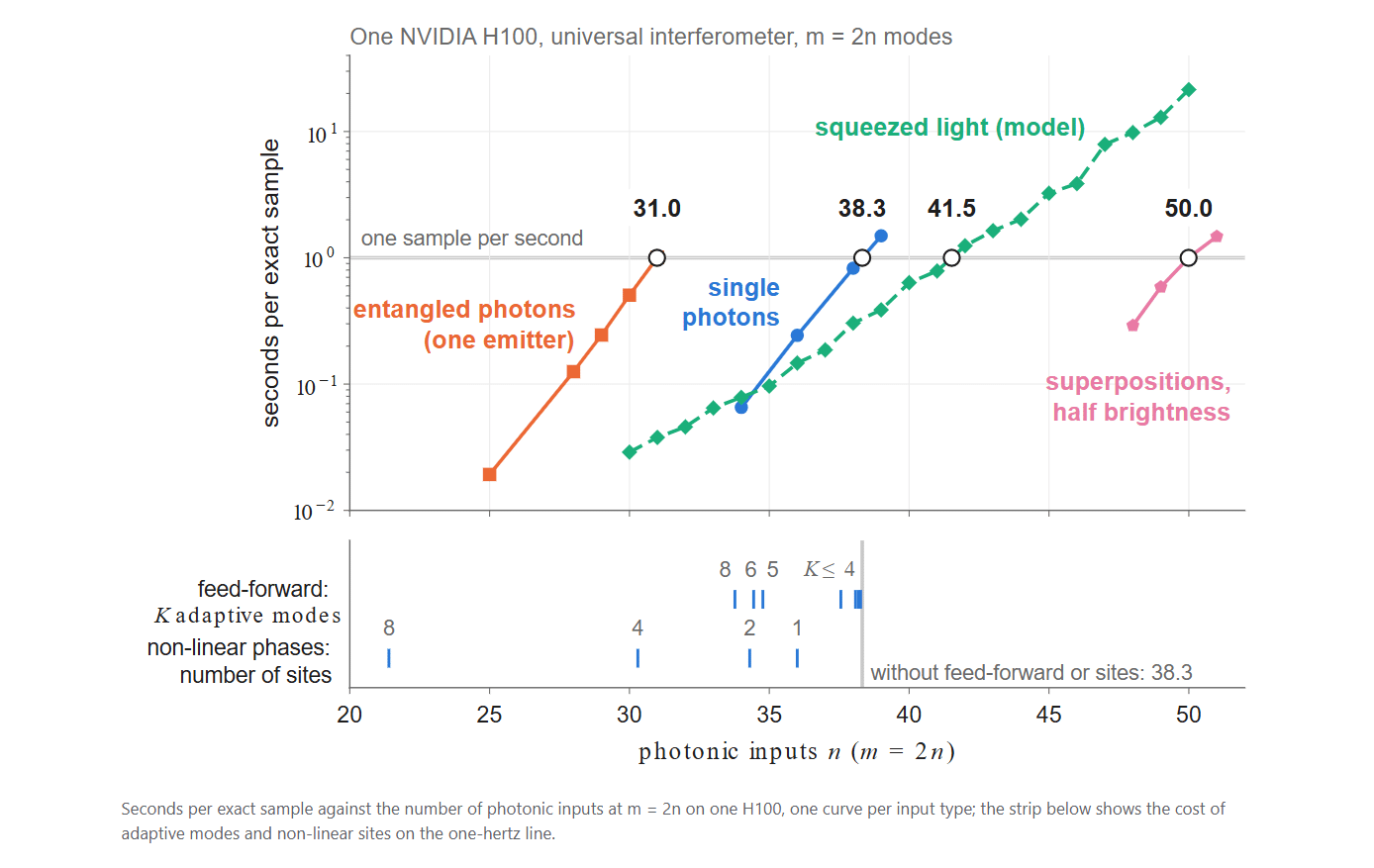
Quandela, CNRS, and NVIDIA have established a "simulability frontier" for photonic quantum processors using NVIDIA H100 GPUs. Their research defines a unified metric for when quantum processors outperform classical simulations, moving beyond varying photon count thresholds. They've also released an open-source library, photonic-engines, to support this work.

Read at Quantum Computing Report

Quantum Computing Report Mohamed Abdel-Kareem

Quandela Expands International Photonic Footprint with Deployment Alliance in Qatar and Foundry MoU in Taiwan

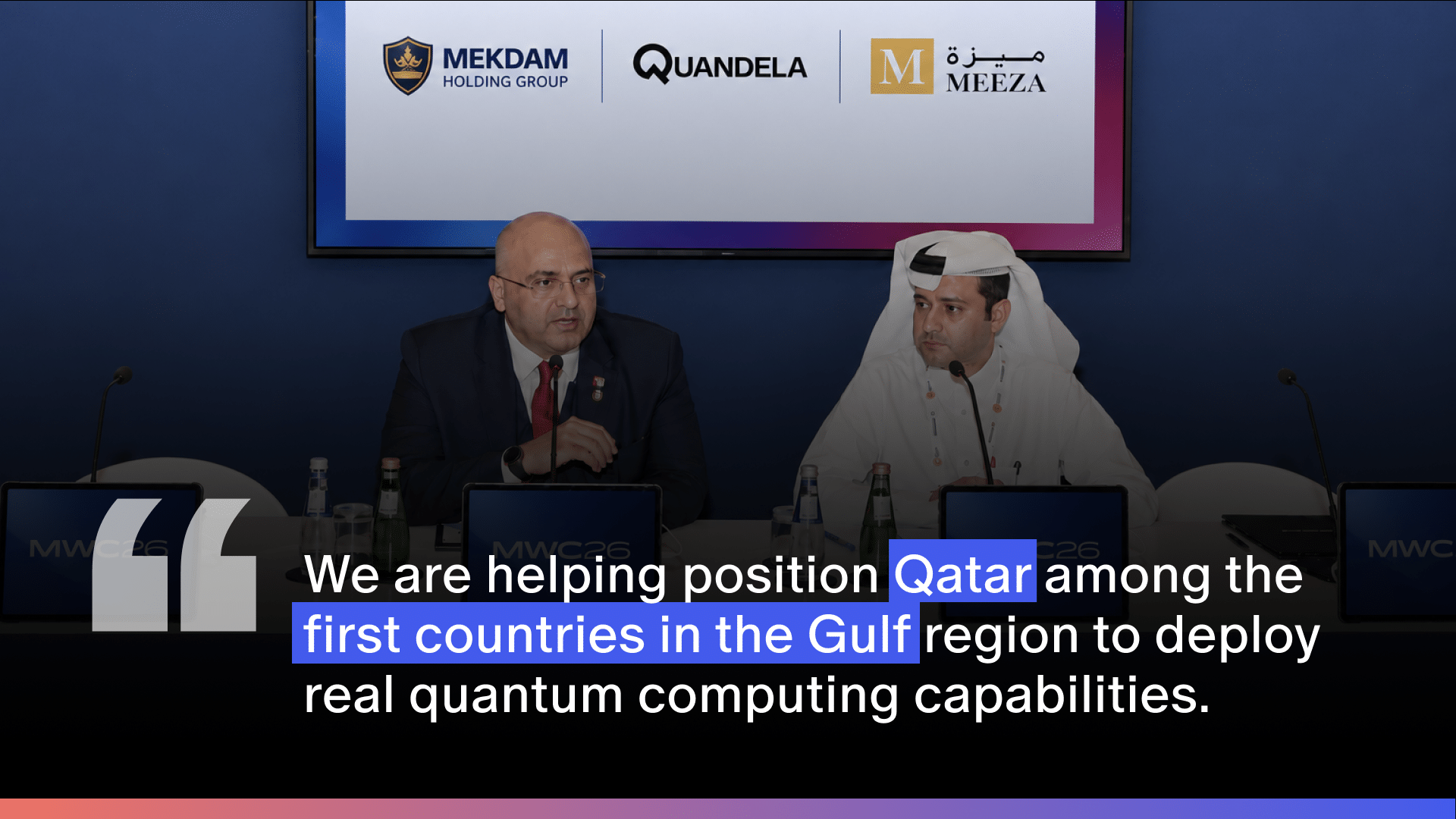
On November 18, 2026, Quandela announced two international collaborations: a tripartite partnership in Qatar with Mekdam Holding Group and MEEZA to deploy photonic quantum systems across GCC states, and a memorandum of understanding with Taiwan-based Hermes-Epitek Corporation to co-develop and industrialize integrated photonic quantum hardware. These agreements aim to advance sovereign quantum infrastructure in the Middle East and photonic component industrialization in Asia.

Read at Quantum Computing Report

Quantum Computing Report Mohamed Abdel-Kareem

Alice & Bob Accelerates Modular Cat-Qubit Roadmap to 200 Logical Qubits from 3,600 Physical Qubits by 2030

Alice & Bob has unveiled an accelerated quantum computing roadmap, aiming for 200 logical qubits from 3,600 physical cat qubits by 2030 in their Carbon system, and scaling to 2,048 logical qubits by 2034. This advancement is due to their cat qubits' ability to suppress bit-flip errors, reducing the physical-to-logical qubit ratio. The modular architecture and AI-assisted design contribute to bypassing single-fridge scaling limits, enabling complex simulations and…

Read at Quantum Computing Report

Quantum Computing Report Mohamed Abdel-Kareem

SAXON Q Introduces Patented Quantum Watchdog System for Runtime QPU Fault Detection

SAXON Q has introduced Quantum Watchdog, a patented system designed to detect hardware failures in quantum processors during live operation. This system monitors physical telemetry and runs verified test calculations to ensure the integrity of QPUs. Quantum Watchdog will be offered as a configurable option on SAXON Q's SXQ128 and SXQ512 processors, with initial implementations in early 2027.

Read at Quantum Computing Report

Quantum Computing Report Mohamed Abdel-Kareem

IQM and AMD Demonstrate Reproducible Hybrid QPU-GPU Chemistry Workflow Using ROCm

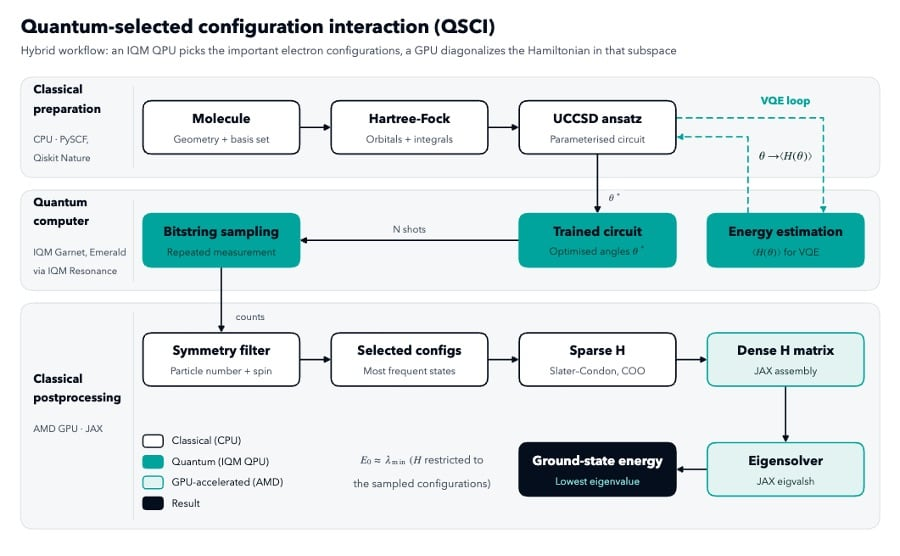
IQM Quantum Computers and AMD have successfully demonstrated a hybrid quantum-classical computational chemistry workflow. This workflow utilizes IQM's 20-qubit Garnet processor and AMD Instinct GPUs with ROCm software to perform molecular ground-state energy calculations. The collaboration provides a multi-vendor solution for supercomputing centers and is available as an open-source Jupyter notebook for further development.

Read at Quantum Computing Report

Quantum Computing Report Mohamed Abdel-Kareem

IQM Researchers Benchmark Projected Quantum Kernels Across 45 Qubits Using Cross-Device Referee-Challenger Protocol

IQM Researchers have successfully benchmarked projected quantum kernels across 45 qubits using a cross-device referee-challenger protocol, demonstrating a significant advantage over classical models in quantum machine learning tasks. Their study, conducted on IQM Emerald and Garnet processors, highlights the effectiveness of adaptive Pauli twirling in mitigating errors and achieving near noise-free accuracy. The findings suggest a promising path for quantum advantage in 2D…

Read at Quantum Computing Report

Quantum Computing Report Mohamed Abdel-Kareem

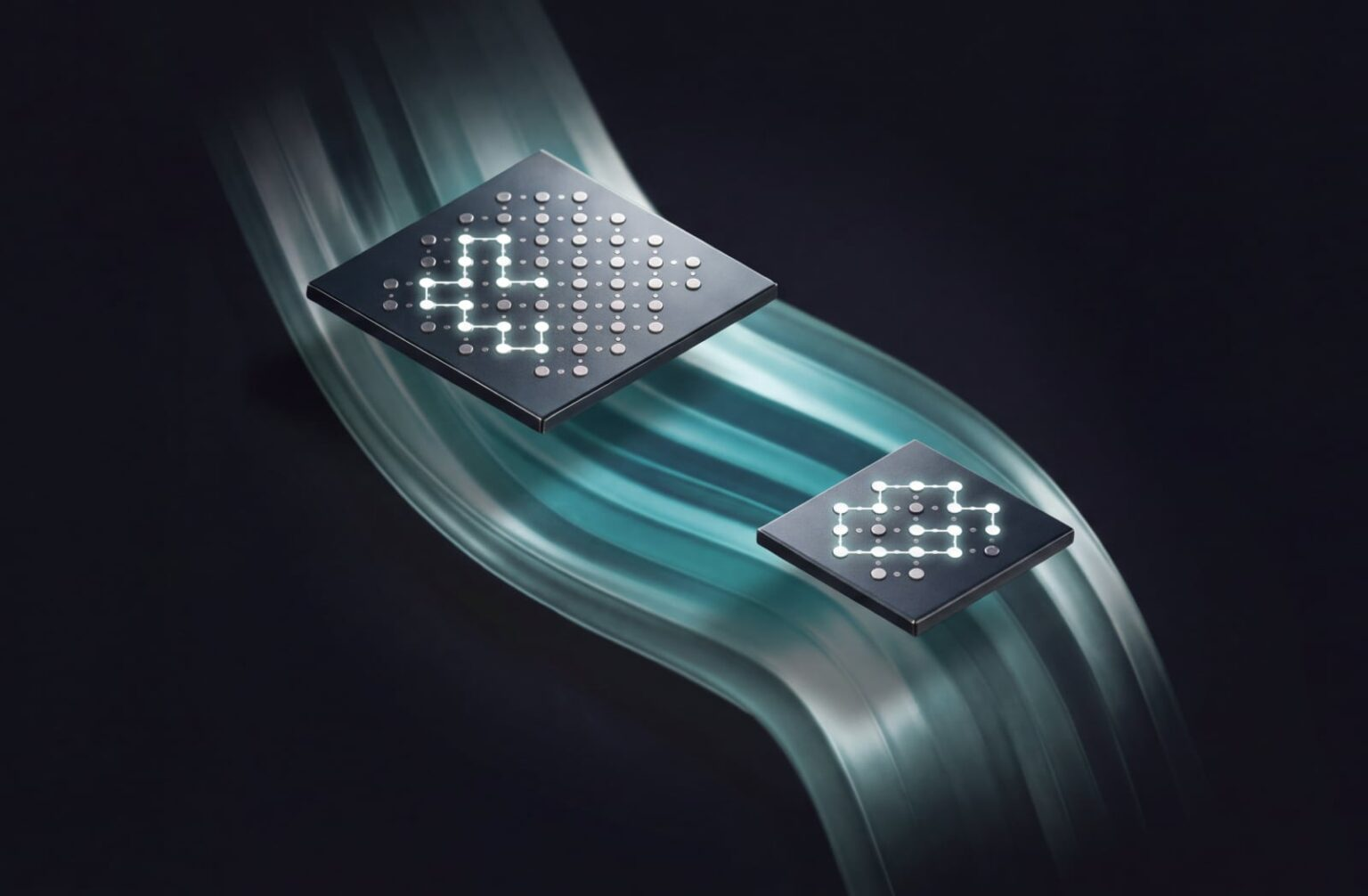
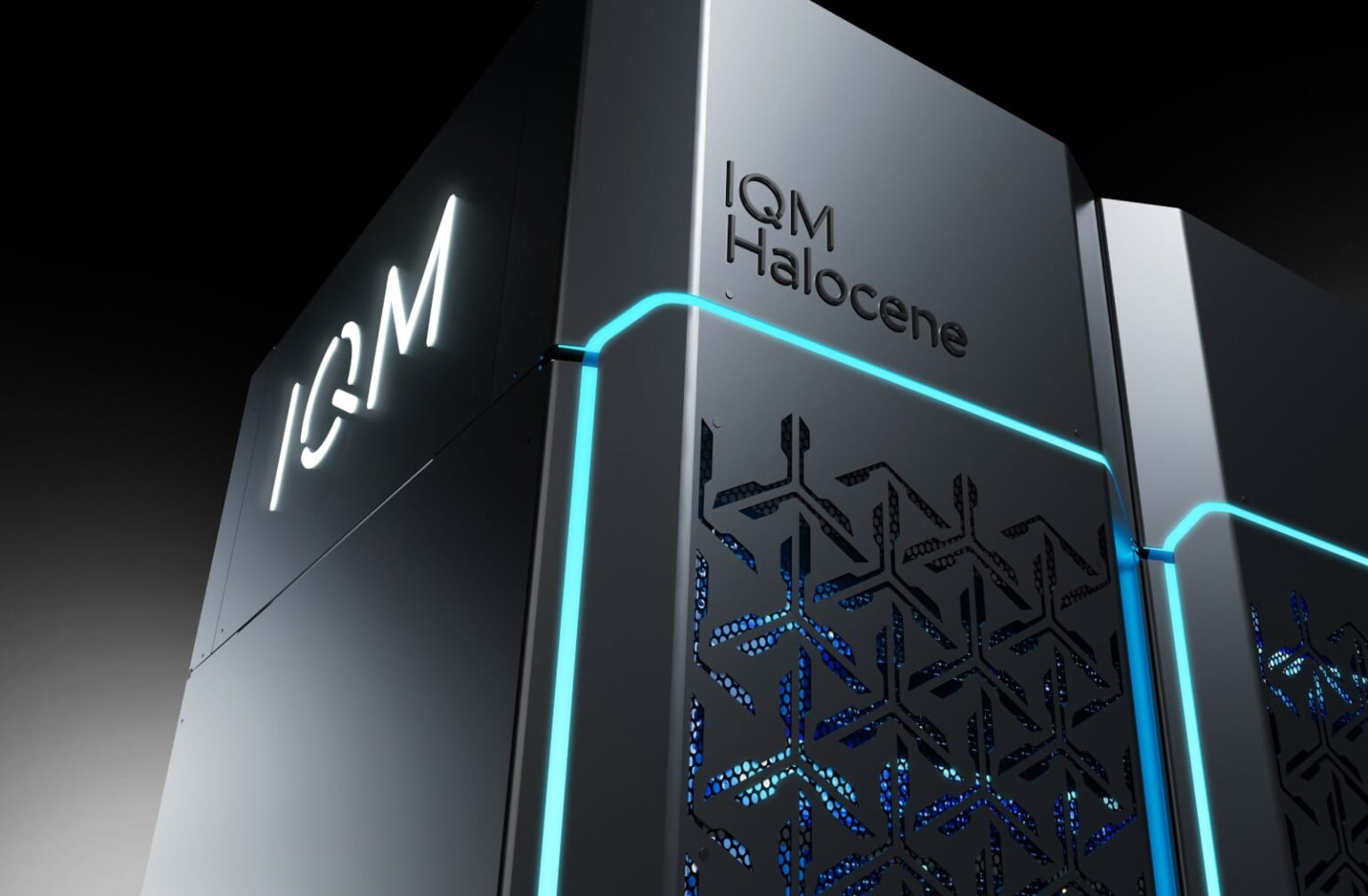
IQM Announces Zero-Downtime Upgrade Program for Halocene Product Line Scaling Past 1,000 Qubits

IQM Quantum Computers has launched a zero-downtime upgrade program for its Halocene quantum error-correction product line, enabling a seamless transition from 150-qubit processors to systems exceeding 1,000 qubits. This program, designed for HPC and enterprise data centers, ensures continuous operation during hardware upgrades by installing new units alongside existing ones. It also integrates with current software toolchains and allows for hybrid AI and simulation workflows…

Read at Quantum Computing Report

Quantum Computing Report Mohamed Abdel-Kareem

Unitary Foundation Releases 2026 Quantum Open Source Survey Covering SDK Adoption, Hybrid HPC Workflows, and AI Tooling

The 2026 Quantum Open Source Survey, with over 1,800 respondents, reveals key trends in quantum software adoption, hybrid workflows, and AI tooling. Qiskit leads in SDKs, IBM Quantum in cloud services, and Anthropic Claude Code in AI assistants. The survey also highlights the growing use of Python and C/C++, challenges in QEC and HPC, and cautious optimism regarding AI's role in quantum development.

Read at Quantum Computing Report

Quantum Computing Report Mohamed Abdel-Kareem

Classiq Collaborations with Shionogi, KDDI Research, and SoftBank Earn Awards in Japan’s NEDO Quantum Challenge

Classiq announced that three joint research initiatives with Shionogi, KDDI Research, and SoftBank received awards in Japan’s NEDO Quantum Computing Challenge. These projects utilized Classiq’s Qmod and evaluated hardware execution and fault-tolerant resource requirements across pharmaceutical, cryptographic, and logistics workloads. The collaborations demonstrated significant achievements, such as reducing qubit register size for molecular modeling, achieving a simulated…

Read at Quantum Computing Report

Quantum Computing Report Mohamed Abdel-Kareem

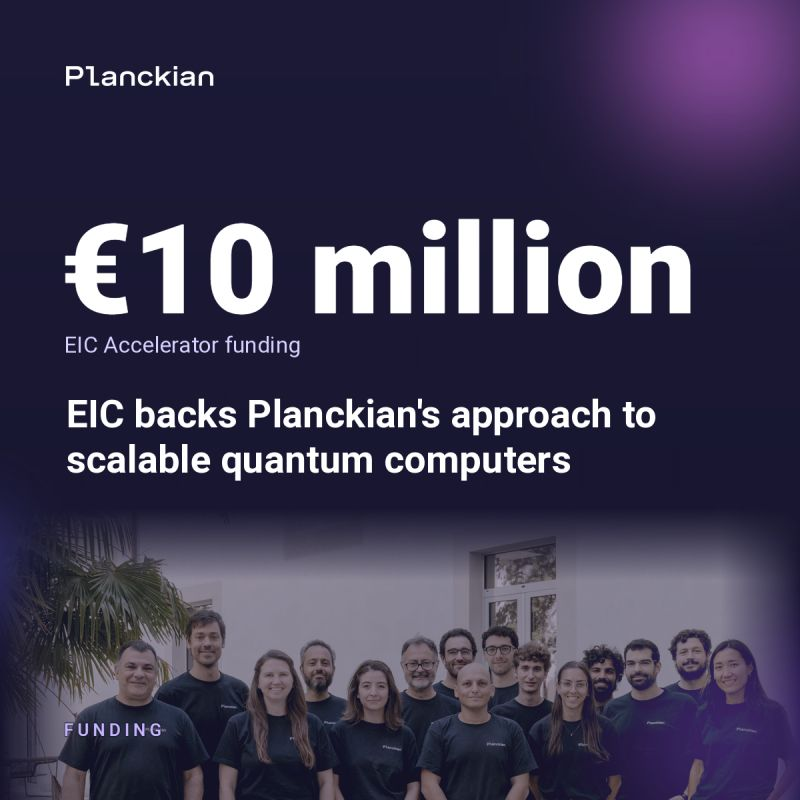
Planckian Selected for €10 Million ($11 Million USD) EIC Accelerator Blended Finance Package to Scale Shared-Control Superconducting Processors

Planckian, an Italian superconducting quantum hardware developer, has been selected for the European Innovation Council (EIC) Accelerator, securing €10 million ($11 million USD) in blended financing. This funding will support the development of their shared-control superconducting processor architecture, which aims to overcome scaling limitations of conventional quantum computers. The company plans to use this investment to transition its design into an externally accessible…

Read at Quantum Computing Report

Quantum Computing Report Mohamed Abdel-Kareem

QUDORA Integrates NVIDIA CUDA-Q into Qamelion Emulator and Launches German-Funded QUANDA HPC Energy Consortium

QUDORA Technologies has integrated NVIDIA CUDA-Q into its Qamelion emulator, allowing developers to execute hybrid quantum-classical workflows and benchmark circuits under realistic trapped-ion noise. Additionally, QUDORA launched the QUANDA consortium, a German-funded project to automate trapped-ion access within high-performance computing centers for quantum machine learning applications in the energy sector.

Read at Quantum Computing Report

Quantum Computing Report Mohamed Abdel-Kareem

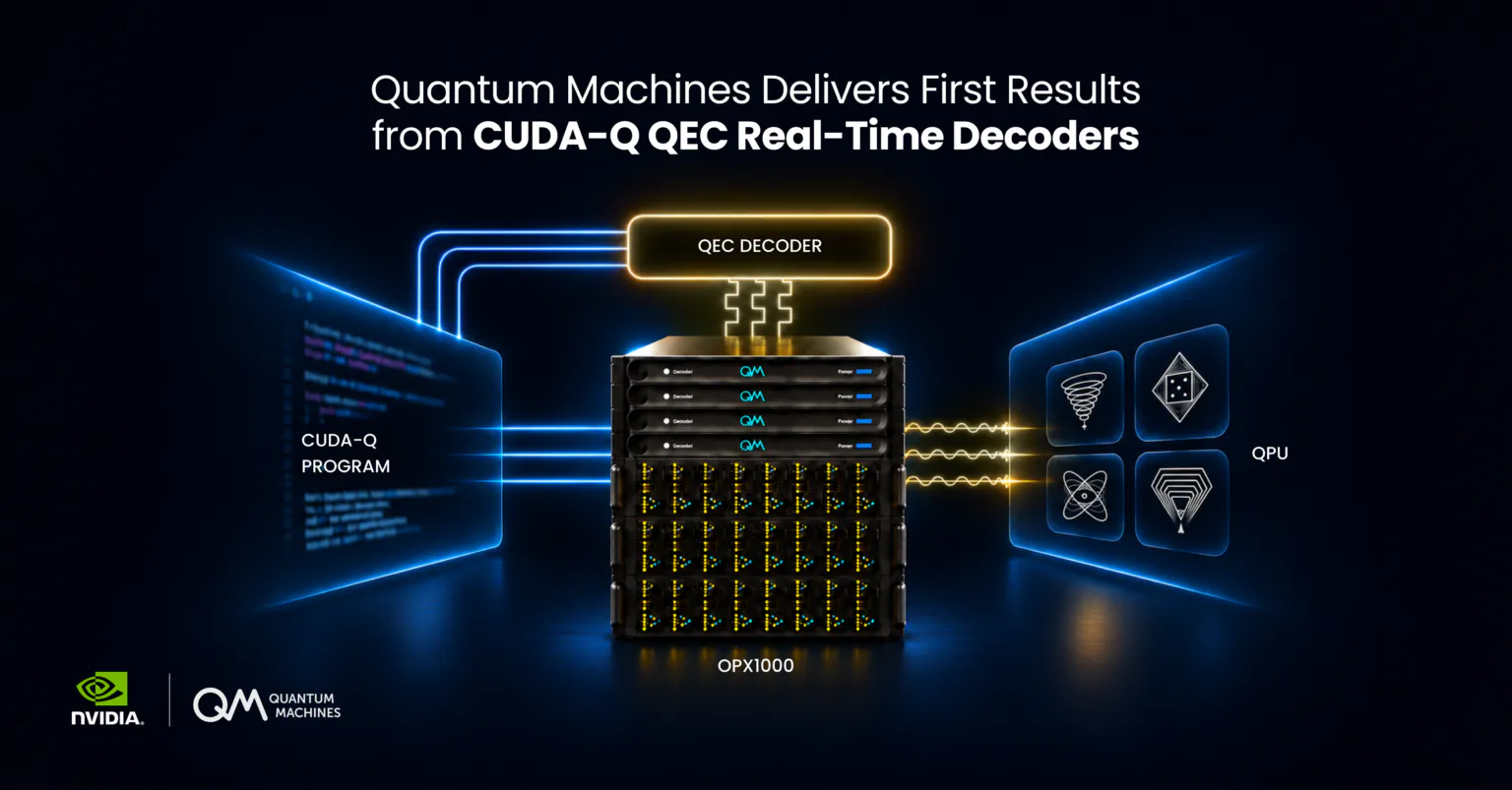
Quantum Machines Demonstrates Sub-Microsecond Surface-Code Decoding on OPX1000 Using NVIDIA CUDA-Q QEC and NVQLink

Quantum Machines demonstrated sub-microsecond surface-code decoding on its OPX1000 platform by integrating NVIDIA CUDA-Q QEC and NVQLink. This achieved a 2.4 μs round-trip communication latency and sub-microsecond per-round decoding for code distances 7 and 11. Early access to this integration will be available to customers in December 2026.

Read at Quantum Computing Report

Quantum Computing Report Mohamed Abdel-Kareem

Aqarios Launches Constraint-Native Quantum Optimizer in the IBM Qiskit Functions Catalog

Aqarios GmbH has launched its Constraint-Native Quantum Optimizer in the IBM Qiskit Functions Catalog, offering a managed solver for discrete combinatorial optimization. This optimizer uses Iterative Warm-Start XY-Mixer QAOA (IWS-QAOA) to enforce constraints natively at the circuit level, reducing QPU compute times significantly. Benchmarks on IBM Heron processors demonstrate its ability to find optimal solutions for complex problems with high feasibility and reduced runtime.

Read at Quantum Computing Report

Quantum Computing Report Mohamed Abdel-Kareem

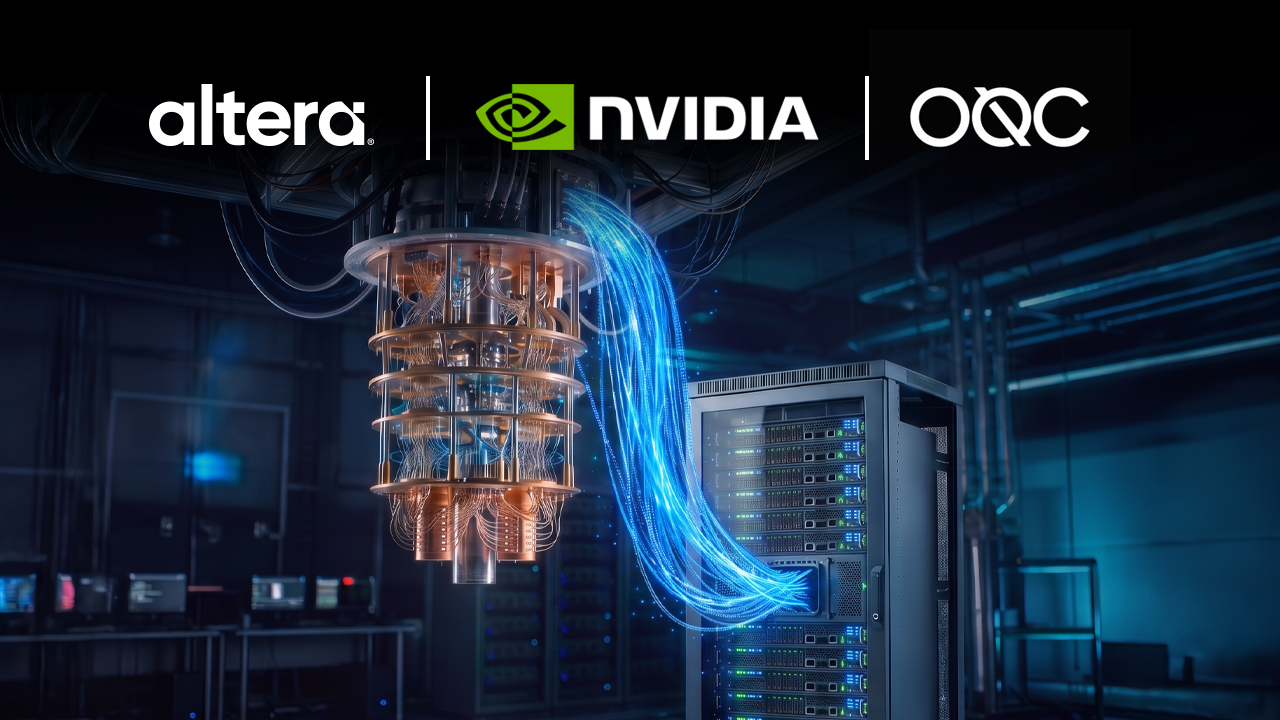
Altera, OQC, and NVIDIA Demonstrate Direct-RF FPGA Quantum System Controller Reference Design at SC26

Altera, OQC, and NVIDIA showcased a quantum system controller reference design at SC26, utilizing an Altera Agilex 9 Direct RF FPGA. This design integrates real-time FPGA control with an OQC superconducting processor and NVIDIA GPUs via NVIDIA NVQLink, simplifying quantum control stacks by reducing the need for discrete components. The system enhances qubit control, calibration, and machine learning readout classification, with a general release planned for January 2027.

Read at Quantum Computing Report

Quantum Computing Report Mohamed Abdel-Kareem

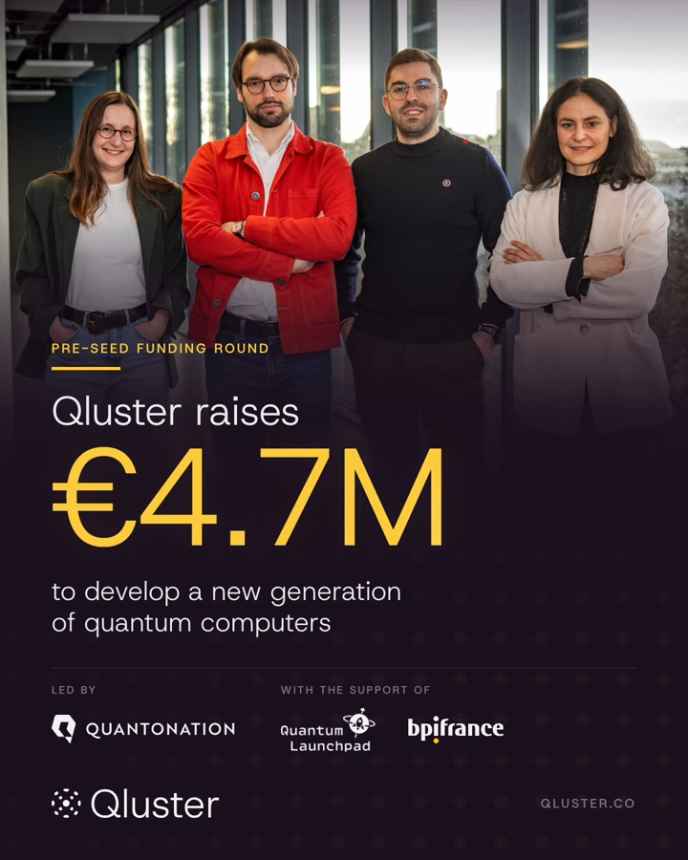
Qluster Raises €4.7 Million Pre-Seed Round Led by Quantonation to Build Continuous-Variable Photonic Quantum Computers

Qluster, a Paris-based photonic quantum computing startup, has secured €4.7 million in pre-seed funding. Led by Quantonation, the investment will be used to establish an R&D laboratory and expand its teams. Qluster's technology utilizes continuous-variable cluster states with the goal of eliminating cryogenic infrastructure and simplifying data-center integration, aiming for an intermediate-scale quantum system by 2032 and a large-scale fault-tolerant universal processor by…

Read at Quantum Computing Report

Quantum Computing Report Mohamed Abdel-Kareem

Moth Demonstrates Topology-Aware Quantum Data Encoding Across 120 Qubits Without SWAP Overhead

Moth Quantum has developed Tessa, a hardware-native data encoding scheme for quantum processors that significantly reduces overhead by eliminating SWAP gates and ancilla qubits. This method, detailed in a technical preprint, allows for encoding and retrieval of a large number of real-valued parameters across qubits, outperforming previous methods. Tessa is now integrated into Moth's Atlas platform, offering quantum-driven creative tools for various media.

Read at Quantum Computing Report

Quantum Computing Report Mohamed Abdel-Kareem

Liquid C2 and Graphiant Launch Managed Post-Quantum Network-as-a-Service Across Africa

Liquid C2 and Graphiant have partnered to launch a managed Post-Quantum Network-as-a-Service (NaaS) across Africa. This service provides quantum-resistant tunnels for secure communication between various organizational infrastructure, using advanced cryptographic standards. It also offers solutions for governance risks associated with AI agents and connected devices, ensuring data sovereignty and auditable transit logs.

Read at Quantum Computing Report

Quantum Computing Report Mohamed Abdel-Kareem

Pasqal Demonstrates Hybrid GPU-to-QPU Workflows Using Slurm 26.11 Hierarchical Resources, QRMI, and CUDA-Q

Pasqal has developed an integration that allows Slurm 26.11 to schedule jobs across both GPUs and QPUs (quantum processing units), utilizing NVIDIA's Slurm Hierarchical Resources and the Quantum Resource Management Interface (QRMI). This system automates the management of neutral-atom QPUs alongside classical GPUs, enabling multi-stage batch pipelines that can validate quantum simulations on GPUs before executing them on physical quantum hardware. This advancement…

Read at Quantum Computing Report

Quantum Computing Report Mohamed Abdel-Kareem

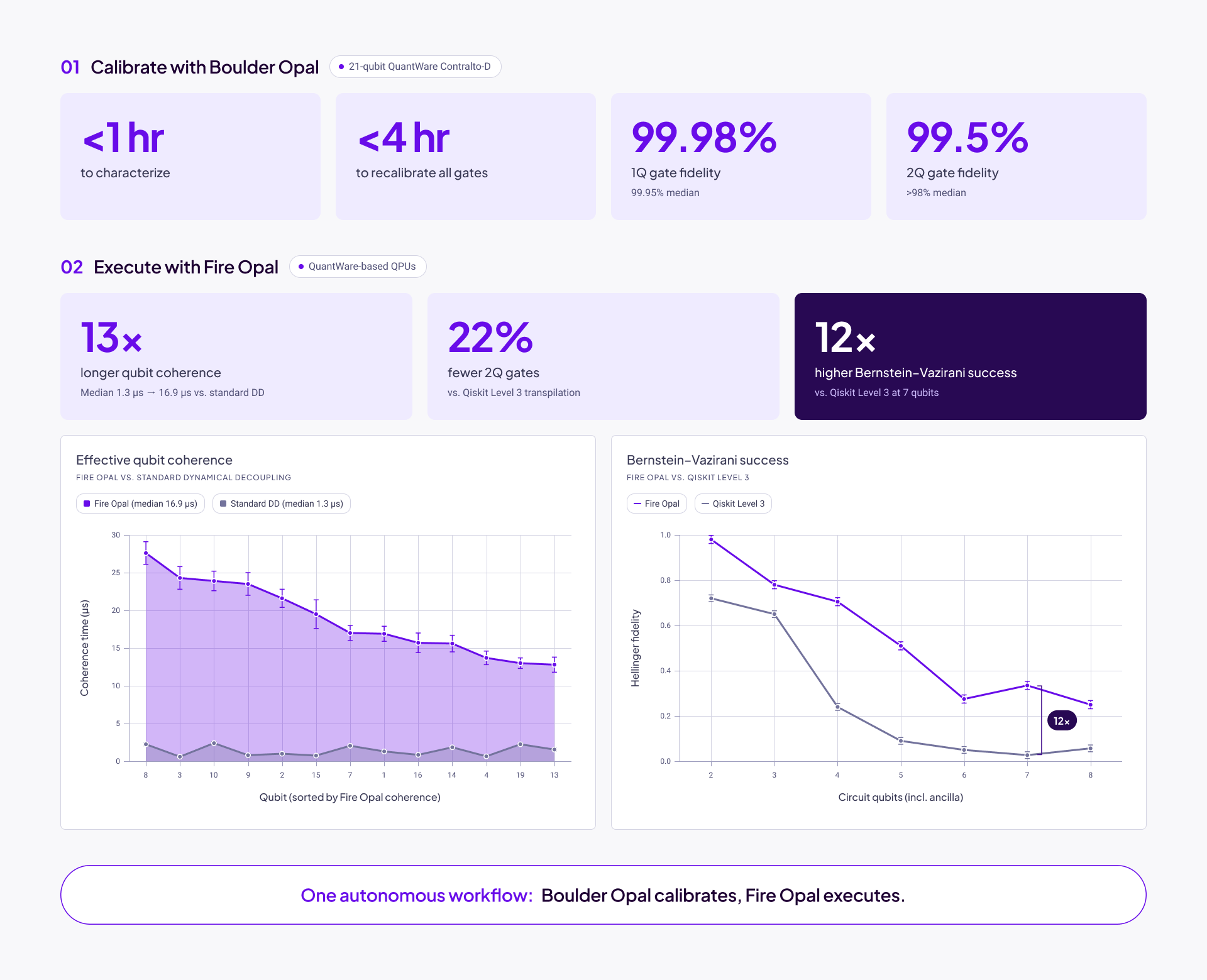
Q-CTRL Unifies Boulder Opal and Fire Opal into Autonomous End-to-End Quantum Infrastructure Software

Q-CTRL has integrated its Boulder Opal and Fire Opal software into a single platform for end-to-end quantum infrastructure. This unified system automates the entire quantum computing lifecycle, from processor bring-up to workload execution, significantly reducing manual effort and improving performance. The technology is currently live on Elevate Quantum’s Q-PAC system and will be accessible via cloud in December 2026.

Read at Quantum Computing Report

Quantum Computing Report Mohamed Abdel-Kareem

Alice & Bob Details QRMI and Slurm 26.11 Hierarchical Resource Integration for Cat-Qubit Systems at SC26

At SC26, Alice & Bob detailed how their cat-qubit quantum processors integrate with NVIDIA’s Slurm 26.11 workload manager via the Quantum Resource Management Interface (QRMI). This collaboration with STFC Hartree Centre, IBM, and Pasqal allows Alice & Bob’s Felis cloud API to connect directly to standard supercomputing schedulers. The new architecture leverages Slurm 26.11's native Hierarchical Resources (HRES) support, enabling seamless quantum hardware integration without…

Read at Quantum Computing Report

Quantum Computing Report Mohamed Abdel-Kareem

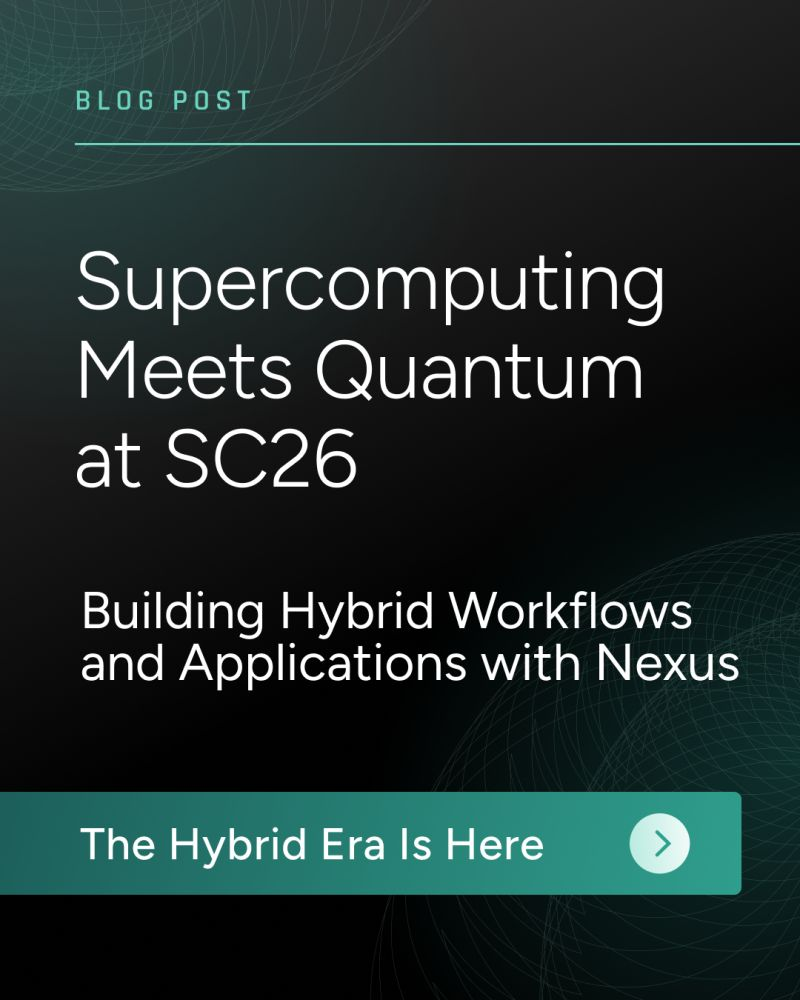
Quantinuum Details Nexus Hybrid Workflow Runtime Integration with Slurm and OpenQSE at SC26

Quantinuum's Nexus developer platform and Hybrid Workflow Runtime (Tierkreis) integrate quantum programming with supercomputing workload managers like Slurm, as demonstrated at SC26. This integration coordinates multi-stage scientific pipelines, preventing classical node idling while quantum jobs await processing. They also showcased a joint electronic-structure workflow with RIKEN, achieving lower ground-state energies for a 12-atom hydrogen chain through quantum-sampled…

Read at Quantum Computing Report

Older stories