Universe Today

Recent stories from Universe Today.

Universe Today Matthew Williams Space

A Brief-ish History of METI. Part III: The Legacy of Frank Drake & Carl Sagan

Carl Sagan and Frank Drake were pivotal to the development of the Search for Extraterrestrial Intelligence (SETI) and Messaging Extraterrestrial Intelligence (METI), as exemplified by the Pioneer Plaques and Voyager Golden Records.
Read at Universe Today

Universe Today Evan Gough Space

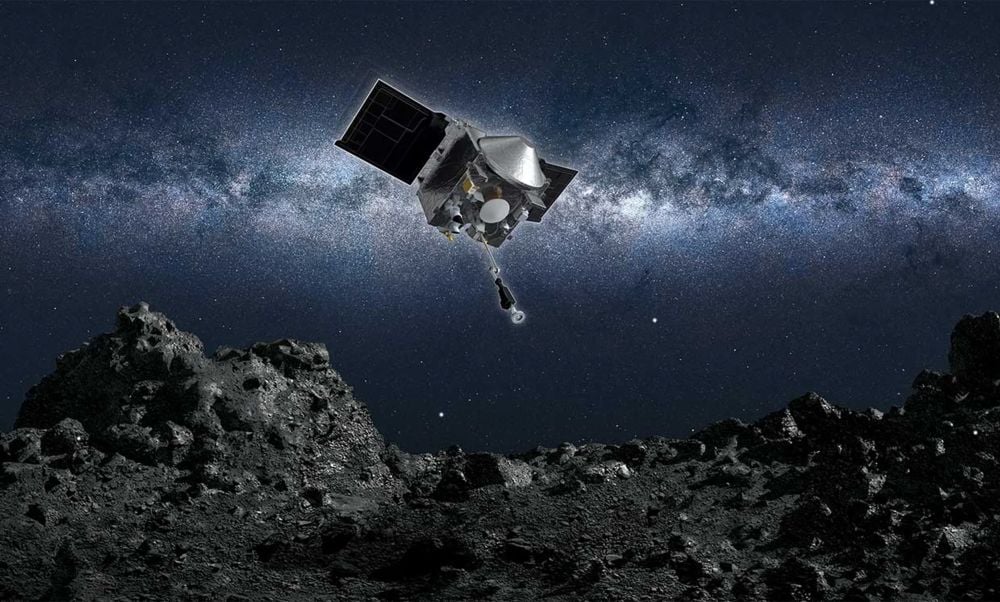
Asteroid Bennu's Sample Delivers Another Surprise

Researchers compared the samples from asteroid Bennu with the Murchison meteorite and measured the amino acid β-alanine in both. Using new techniques, they were able to measure not only their isotopic compositions, but isotopic differences between individual atoms in the same molecule. The results show that some of the same pre-cursors to life formed in different conditions and positions in the protoplanetary disk.

Read at Universe Today

Universe Today Andy Tomaswick Space

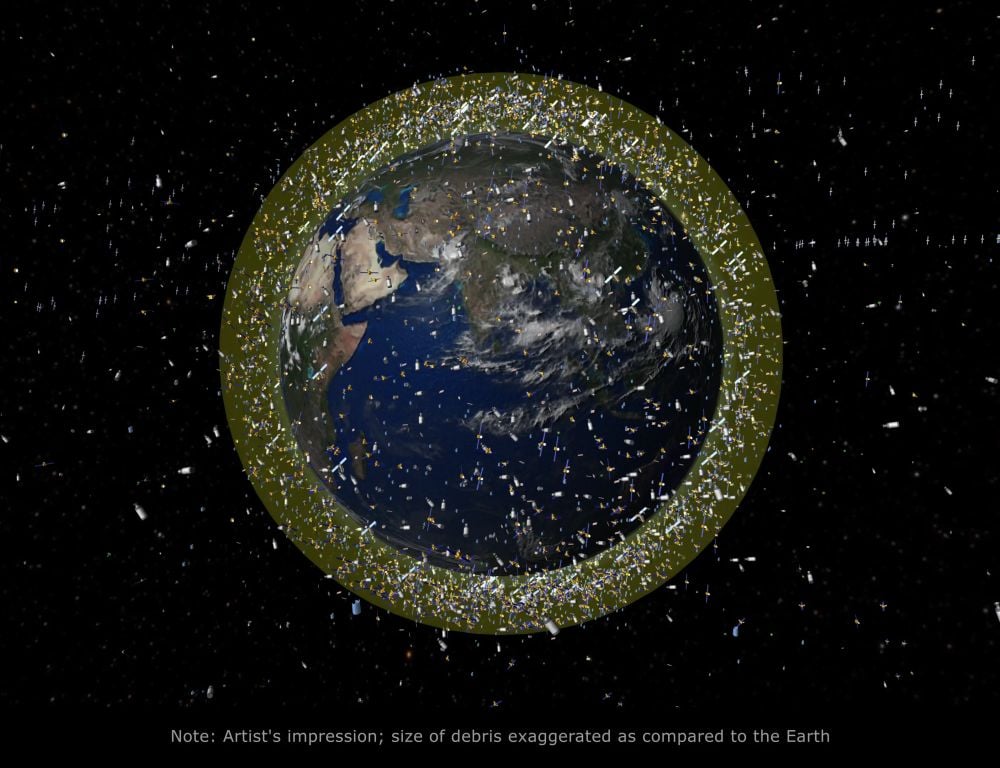
Solving the Space Junk Crisis Isn't Just About Counting Trash—It’s About Control and Economics

If people ever think about cleaning up space debris, they typically think of something equivalent to a giant garbage truck in the sky, collecting lost astronaut tools and dead satellites then hauling them back down to Earth to be deposited in a landfill. But dealing with space debris doesn’t work that way, and a new paper, available in pre-print on arXiv from Dr. Slava Turyshev of NASA’s Jet Propulsion Laboratory, who we typically cover for his work on the Solar…

Read at Universe Today

Universe Today Evan Gough Space

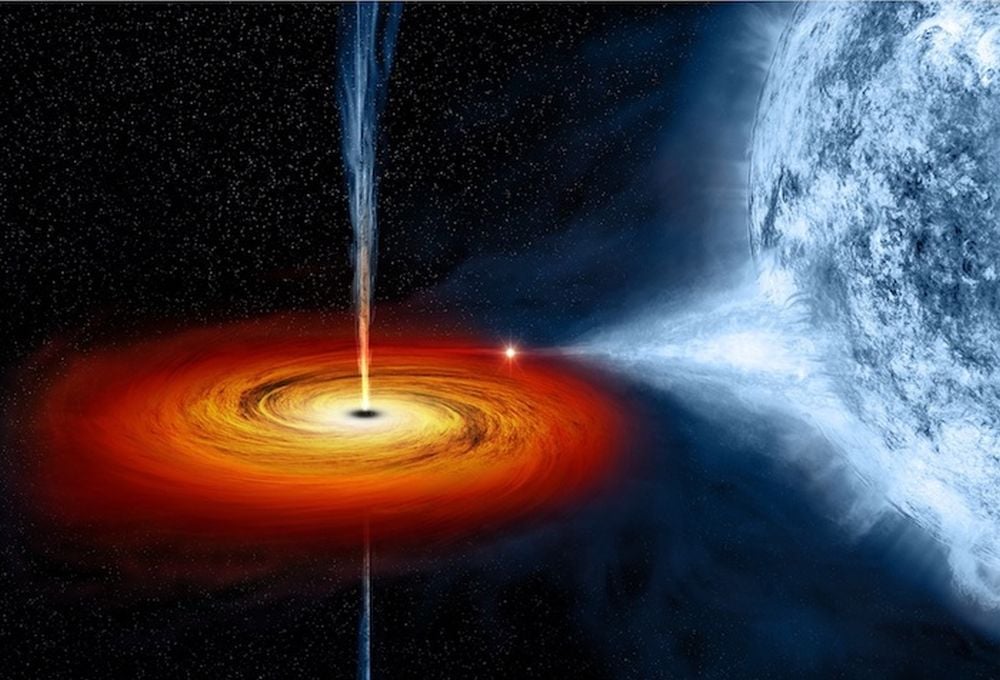
Astrophysicists Want to Forecast When a Black Hole Launches Its Jets

Astrophysical jets are enormously powerful and energetic phenomena. Black holes launch them from their poles and they can extend enormous distances into space, disrupting star formation in adjacent regions. Astrophysicists want to be able to forecast when they're launched so they can understand theire extreme physics better. New research is making progress in understanding when they are triggered.

Read at Universe Today

Universe Today Evan Gough Space

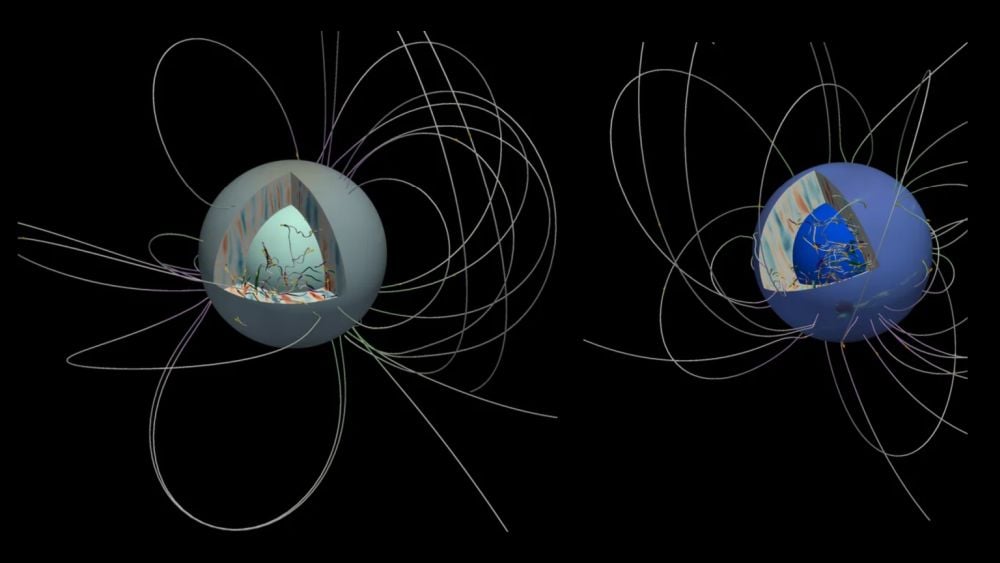
The Ice Giants' Magnetic Fields are Very Strange Compared to Earth's

Uranus and Neptune, the Solar System's ice giants, have interiors unlike the other planets. As a result, they also have magnetic fields unlike the others. They're messy and tilted, and Voyager 2, the only spacecraft to even flyby them, showed us how messy they are. New research uses models to try to understand what's going on with the pair of planets and their weird fields, and found that it's likely they change on very short timescales. They could already be much different…

Read at Universe Today

Universe Today Andy Tomaswick Space

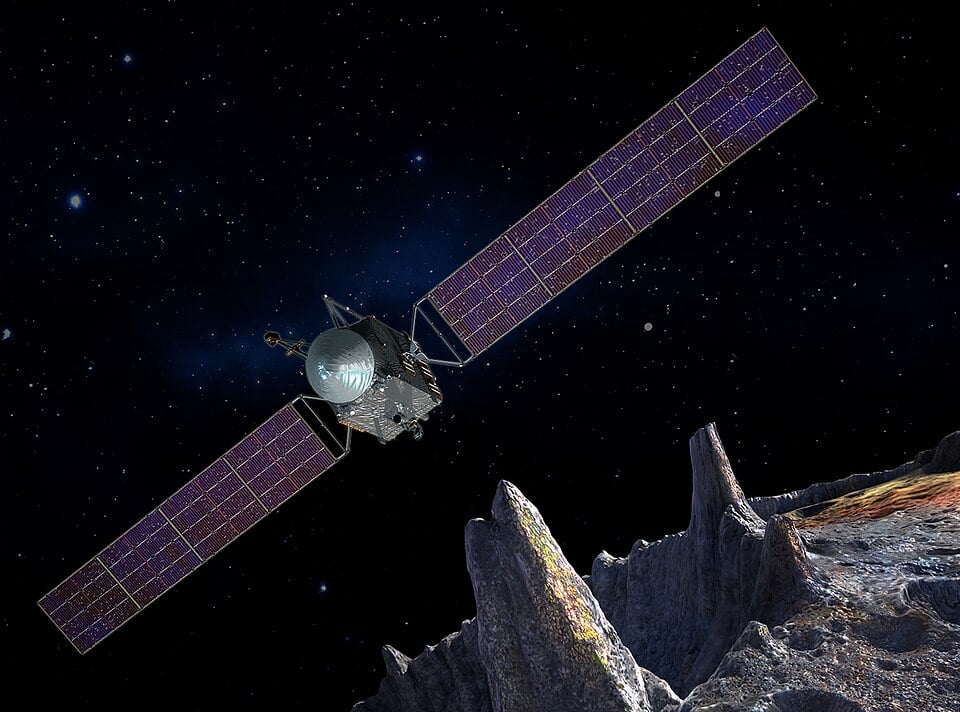
Asteroid Mining Will Crash the Platinum Market, But That’s Good News for Earth

Science fiction authors have been dreaming of robotic spacecraft harvesting fortunes from asteroids for decades. Humanity is slowly getting closer to that reality. But if you ask asteroid mining skeptics, they will usually ask one specific question - what happens to the prices of all those rare materials once someone actually brings them back? A pair of system dynamicists from MIT directly tackled that question with a new paper titled Will AstroForge Collapse the PGM Market?

Read at Universe Today

Universe Today Evan Gough Space

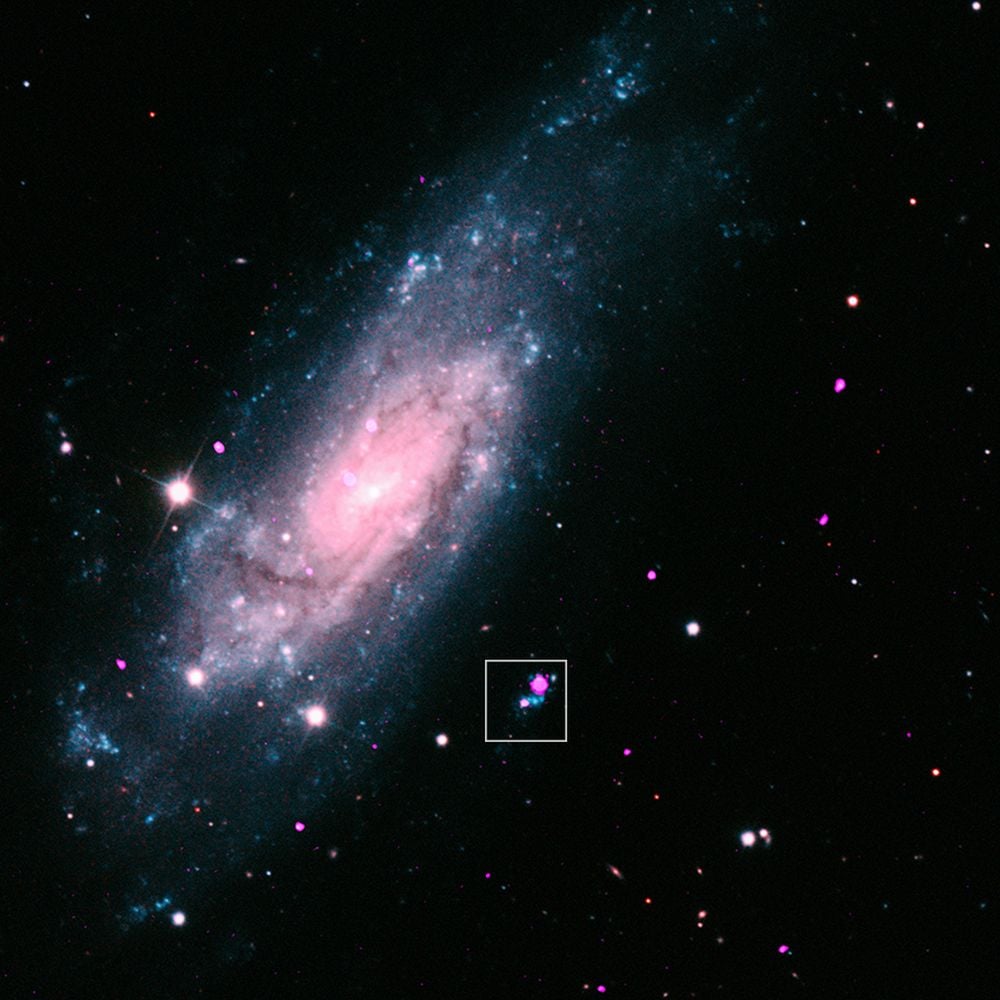
The Chandra X-Ray Observatory Unmasks a Supernova Impostor

Some stars, called Luminous Blue Variables, can be confused with supernovae explosions. They exhibit similar outbursts, but unlike supernovae, which explode once and then are gone forever, these stars have periodic outbursts. New research found that one of these 'supernova impostors' is in a binary relationship with a black hole or a neutron star, and that explains its periodic outbursts.

Read at Universe Today

Universe Today Evan Gough Space

Planets Don't Just Disappear, But They Can Wobble Out of Sight if Their Neighbour is Close Enough

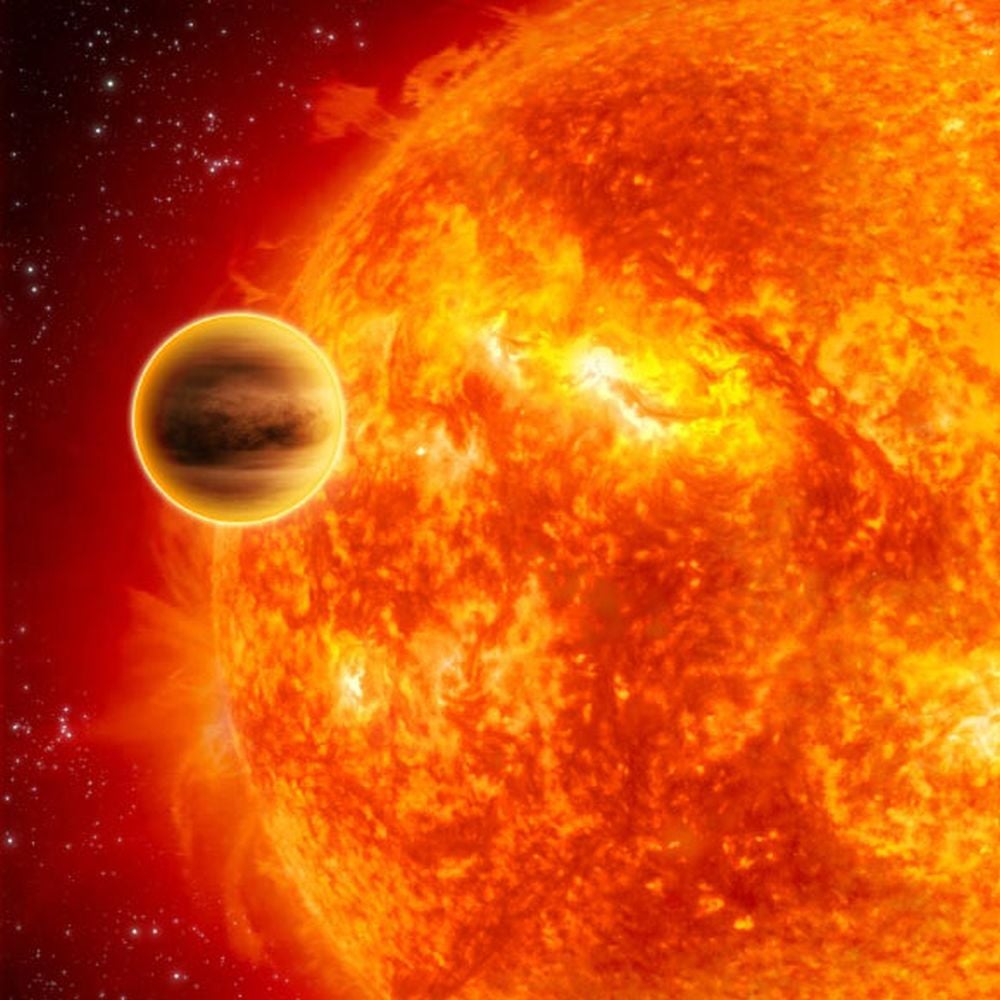
TESS watched an exoplanet about 1,000 light years away as it repeatedly transited in front of its star for seven years. But astronomers were surprised to find that the hot Jupiter disappeared. Of course, planets don't just disappear. Something interrupted its transits from our point of view, and astronomers think they've figured out what happened. An unseen, nearby giant planet companion tugged on it until TESS couldn't see it anymore.

Read at Universe Today

Universe Today Evan Gough Space

Automated Assembly in Space is the Future and NOM4D is Showing the Way

The ability to build large structures in space is maturing. The ISS, Mir, and Tiangong were built in space from pre-constructed modules, but a new program called NOM4D is taking space construction to the next level. It recently showed that a simple robot can create truss-like structures in space from premade components. Is the sky the limit for NOM4D?

Read at Universe Today

Universe Today Carolyn Collins Petersen Space

ALMA Reveals a Jet of Cool Gas from a Microquasar

There's a strange gamma-ray emitter in the Large Magellanic Cloud that has astronomers stumped about its source. It lies within the ashes left behind by a supernova that created a compact object that's part of the system. The supernova remnant provides some evidence for the emissions, but not the whole story.

Read at Universe Today

Universe Today Matthew Williams Space

First Direct Measurement of Cosmic Hydrogen Could Change How We Map the Universe

The MeerKLASS international collaboration achieves the first direct measurement of the large-scale clustering of cosmic hydrogen in the Universe.

Read at Universe Today

Universe Today Evan Gough Space

Why Aging Stars Suffer A Sudden Luminosity Dip

When low-mass stars like our Sun age, they leave the main sequence and follow the Red Giant Branch. As they ascend this branch, their luminosity steadily increases. But there's a sort of hiccup in the path called the RGB luminosity bump, where their luminosity suddenly dips. Astrophysicists have struggle to explain this, but one astrophysicist might have the answer.

Read at Universe Today

Universe Today Andy Tomaswick Space

Tiny Solar Whirlpools May Hold the Secret to the Sun’s Blistering Corona

For the second time in a few weeks, we’re writing about research into the temperature gap between the Sun’s surface and its corona. More and more data from various missions continue to feed this wave of discovery. A new paper by Katariina Nykyri of Embry-Riddle, recently published in The Astrophysical Journal Letters, adds to this growing body of work. She argues that millions of tiny whirlpools scattered across the Sun’s surface could be the energetic engine driving that…

Read at Universe Today

Universe Today Matthew Williams Space

Using Vibrations and AI, Future Robotic Missions Could Handle Buried Rocks Autonomously

Mechanical engineering assistant professor Erik Komendera developed a method that combines vibrations and AI to determine how deeply a rock is buried, helping robots clear terrain more efficiently.

Read at Universe Today

Universe Today Evan Gough Space

Mars' Molten Heart is Long Gone, but Some Magma Chambers May Persist

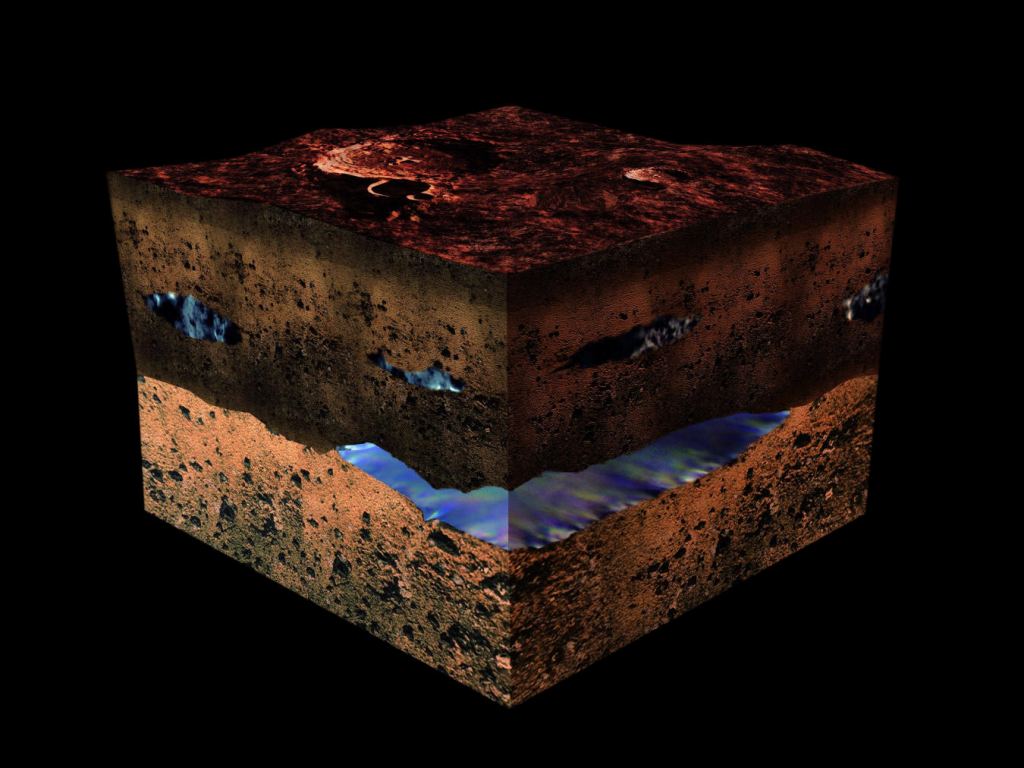
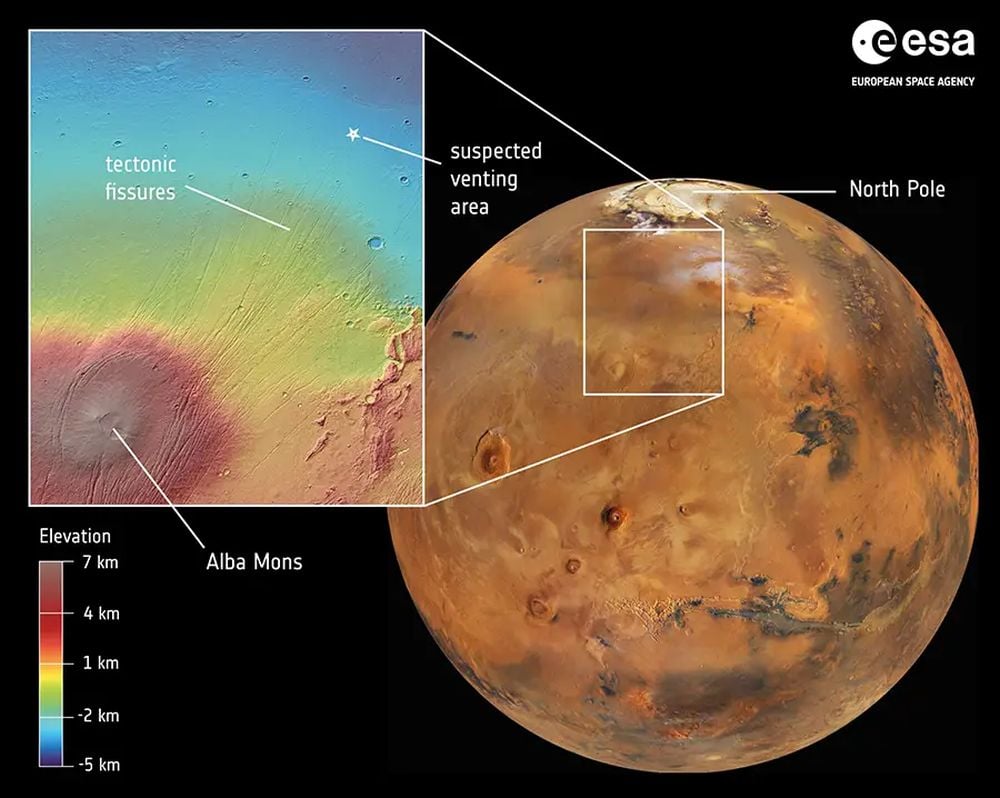
Mars may be more volcanically active than we thought, according to new research. The Trace Gas Orbiter detected HCl, a chemical associated with magma, at a time of year that's difficult except by volcanic origins. The new research also identified new surface fissures on Mars that could be the source of the chemical.

Read at Universe Today

Universe Today Matthew Williams Space

A Perseverance Experiment Could Help Astronauts Prepare for Dust Storms on Mars

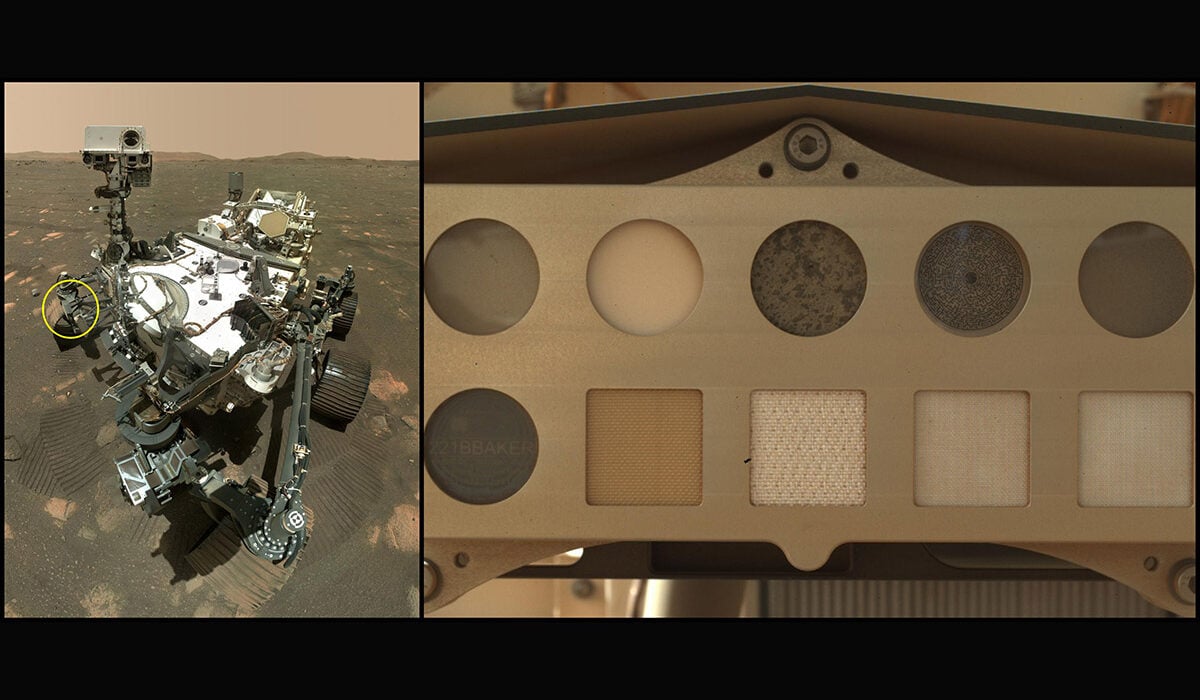
Researchers at Washington University examined how dust interacts with the spacesuit swatches on the Perseverance Rover. Future missions to Mars require that planners account for the effects of dust exposure on humans and materials.

Read at Universe Today

Universe Today Evan Gough Space

An Artificial CORTEX to Guide Satellite Rescue Missions

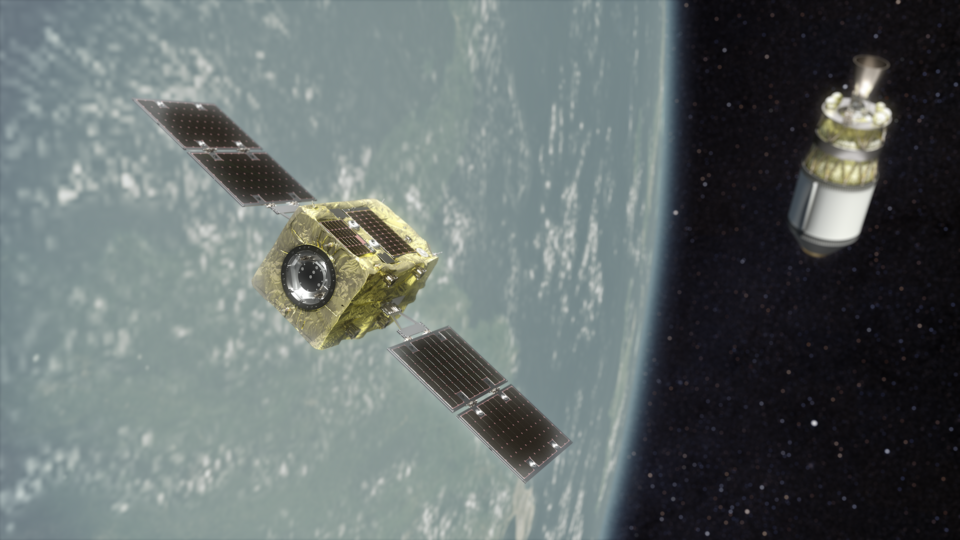
Thousands of so-called zombie satellites orbit Earth in the critical Low-Earth Orbit regime. They're either inactive or have stopped alerting other satellites to their presence. Researchers are building a system called CORTEX that can guide a repair satellite to autonomously dock with these zombies.

Read at Universe Today

Universe Today Andy Tomaswick Space

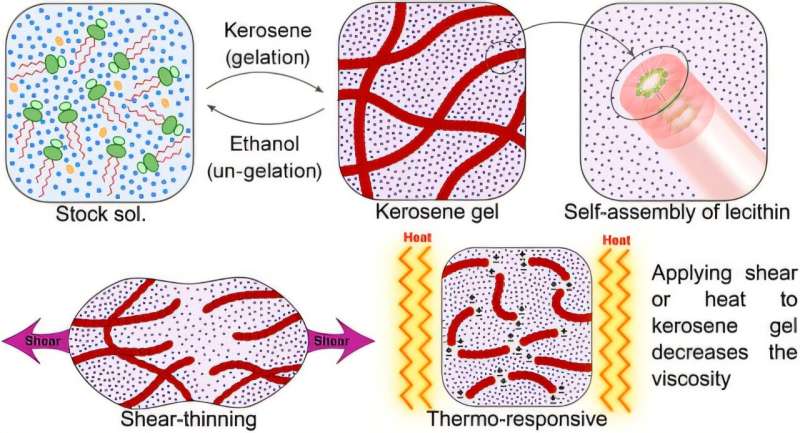
A Common Food Emulsifier Could Solve One of Rocketry’s Oldest Fuel Problems

In propulsion system design, engineers have long faced a trade-off between solid and liquid rocket fuels. Each has advantages and disadvantages, and in an effort to try to min/max the efficacy of different types of fuel, researchers have long placed an emphasis on a hybrid between solids and liquids - in other words they’ve been working with gels. Unfortunately, gels have their own sets of problems to deal with. But a new paper published by Pranay Mudaliar and Jerin John of…

Read at Universe Today

Universe Today Evan Gough Space

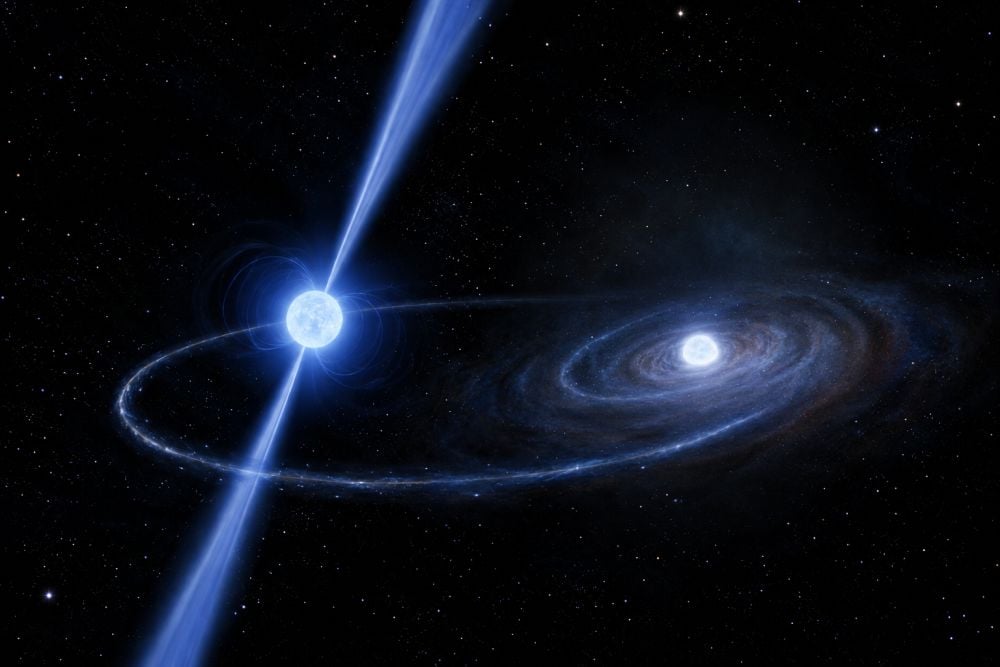
A Stellar Odd Couple at an Unusual Stage of Evolution

Millisecond pulsars are fascinating objects that serve as natural clocks in the Universe. They form by drawing material and angular momentum from a companion. This mass transfer can rapidly accelerate the companion's evolution to a white dwarf. Astronomers have detected a millisecond pulsar's white dwarf companion that appears to be observed just as the mass transfer completed. They can still see some of the debris.

Read at Universe Today

Universe Today Bruce Dorminey Space

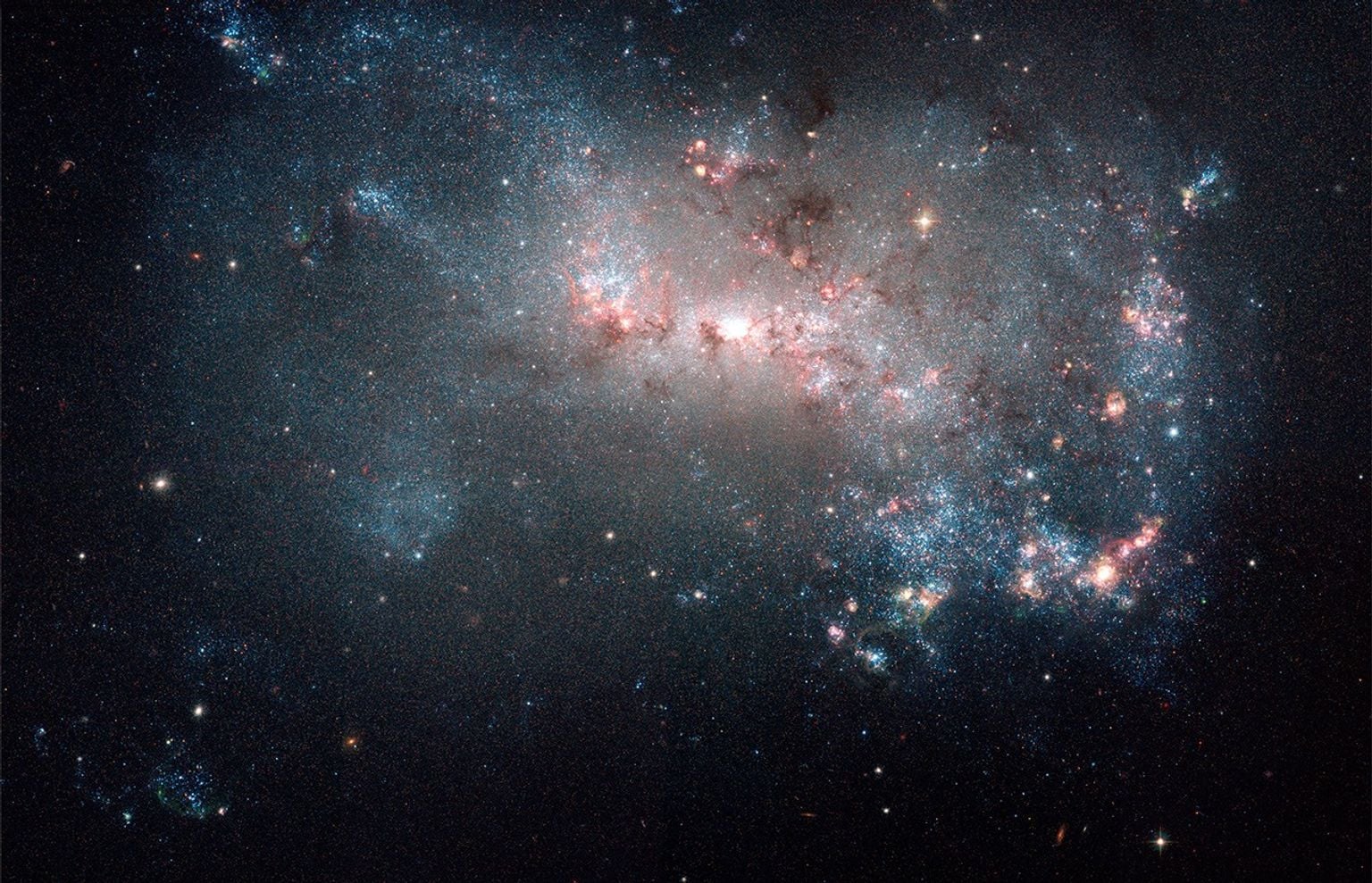
Nearby Dwarf Galaxies Show Surprising Lack Of Oxygen, Says Paper

A new study of more than three dozen dwarf galaxies has surprised researchers with just how little oxygen they have been able to retain over cosmic time. The results reveal that we still have major gaps in our understanding of galaxy evolution.

Read at Universe Today

Universe Today Bruce Dorminey Space

Our Sun’s Undiscovered Stellar Nemesis Is Still Out There, Says Physicist

The decades old idea that our solar system’s Oort Cloud is continually perturbed by a heretofore undetected low mass Red Dwarf star remains the best explanation for periodicities found in Earth’s impact record. Or so says a well known physicist who has long championed this idea.

Read at Universe Today

Universe Today Evan Gough Space

The ELT Can Probe Ultra-Diffuse Galaxies and Their Dark Matter Mysteries

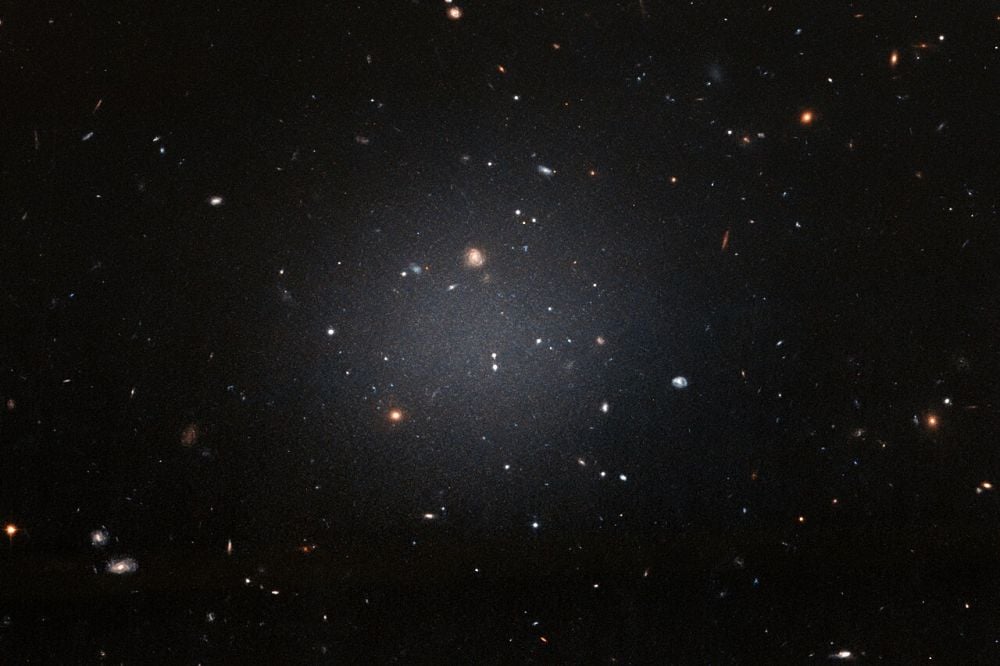
Ultra-Diffuse Galaxies are strange because they're as large as the Milky Way, but have far fewer stars. It's as if they're puffed up for some reason. Determining what's going on with them could help confirm the Lambda-CDM model. A new proposed instrument for the Extremely Large Telescope could give astronomers their best look yet at these strange galaxies.

Read at Universe Today

Universe Today Evan Gough Space

NASA's Twin Spacecraft Will Execute Powered Slingshot Maneuvers on Their Way to Mars

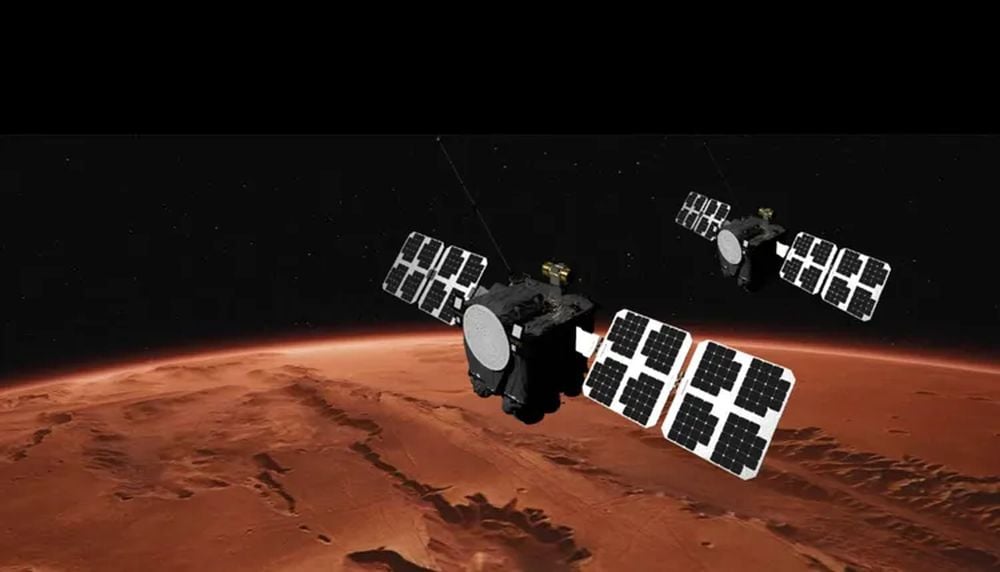
NASA's ESCAPADE mission features a pair of identical spacecraft on their way to Mars. They launched outside of the normal launch window, so they'll perform powered slingshot maneuvers to boost their speed. Once there, they'll "fly" in formation and study how the solar wind interacts with what remains of Mars ancient magnetosphere.

Read at Universe Today

Universe Today Andy Tomaswick Space

Earth's Gravity May Have Kept the Early Moon's Volcanic Heart Beating

We typically think of the Moon as a static, floating object that has remained the same for basically its entire lifetime, with an occasional asteroid impact serving as an exception. That understanding is grounded in physics - the Moon should have cooled rapidly after forming when a huge protoplanet hit the early Earth around 4.5 billion years ago. But, some lunar material returned from the Chang’e-5 mission was notably formed only around two billion years ago, yet appeared…

Read at Universe Today

Universe Today David Dickinson Space

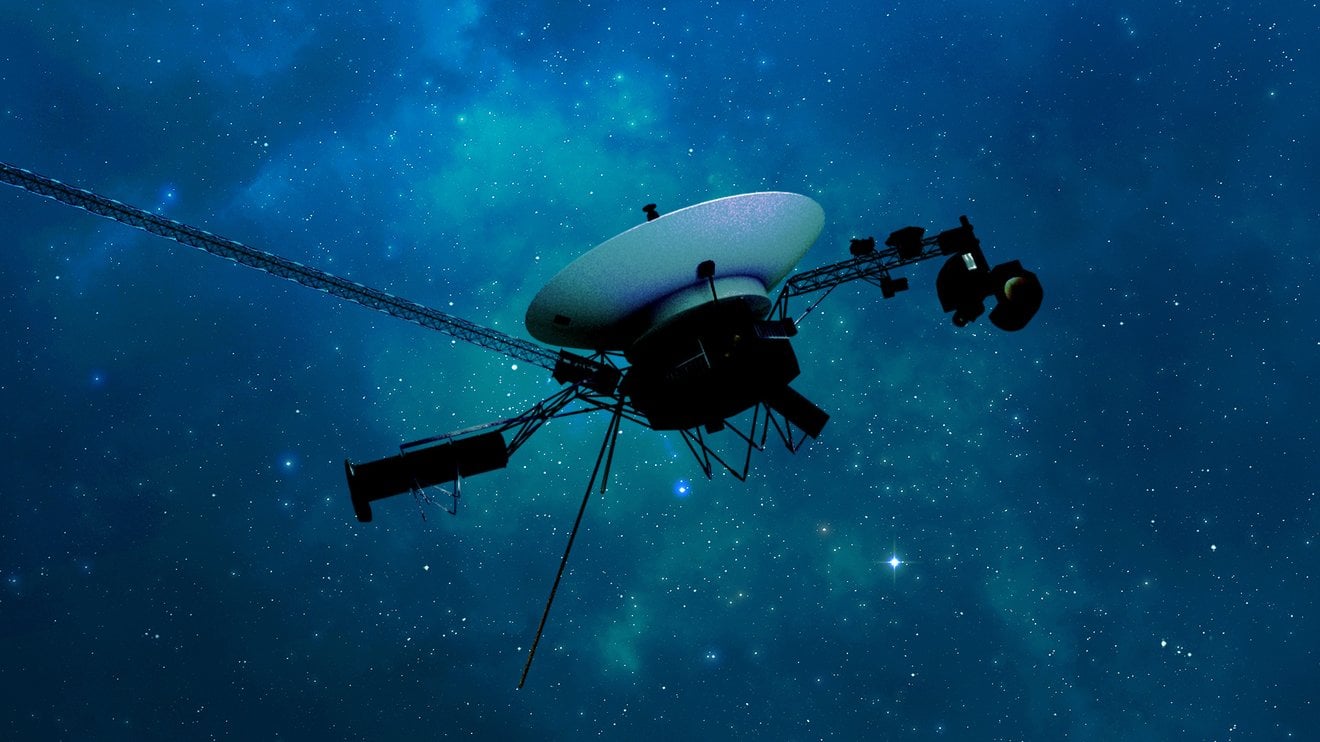
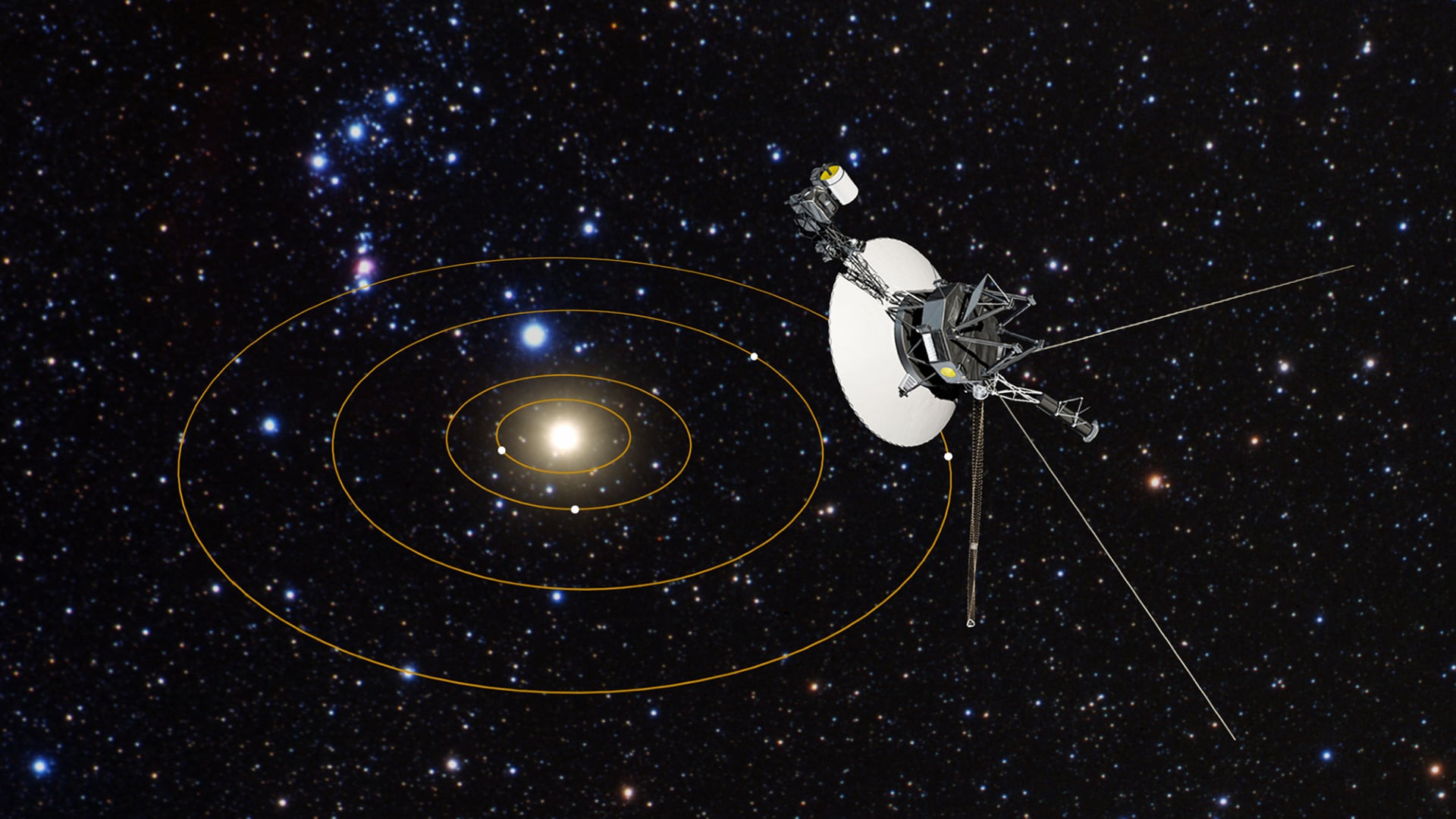
'Big Bang' Fix Puts Voyager Across the 'One Light-Day' Mark

Flashback to 1977. Jimmy Carter was U.S. president, Star Wars was a box office hit, and the two Voyager spacecraft departed on an historic Grand Tour of the solar system. Now, teams at NASA’s Jet Propulsion Laboratory are working to keep the missions active, as they push the boundaries of interstellar space beyond the solar system.

Read at Universe Today

Universe Today Evan Gough Space

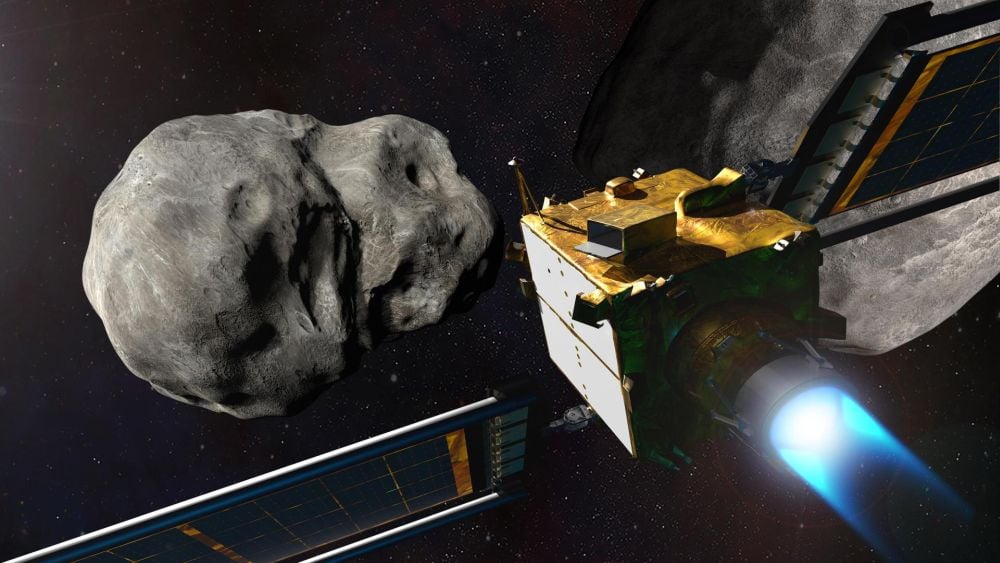
Asteroids' Oddball Shapes Make Deflecting Them Challenging

In a pinch, we could use a stand-off nuclear blast to redirect a dangerous asteroid on short notice. There's no atmospheric shock wave in space, but the x-ray pulse could still deflect the space rock. But asteroids aren't round and uniform, so their weird shapes make it difficult.

Read at Universe Today

Universe Today Evan Gough Space

A Mighty Wind Blew Away Gas and Made Early Galaxies Brighter

When astronomers looked at photos of the early universe taken by the James Webb Space Telescope, they found something odd: an overabundance of bright galaxies about 400 to 500 million years after the Big Bang. But these galaxies should have been far less common so soon after the Big Bang. Researchers may have figured this out: Powerful ultraviolet (Lyman-alpha) radiation produced by dense clusters of young stars acted like a leaf blower, driving light-blocking gas and dust…

Read at Universe Today

Universe Today Andy Tomaswick Space

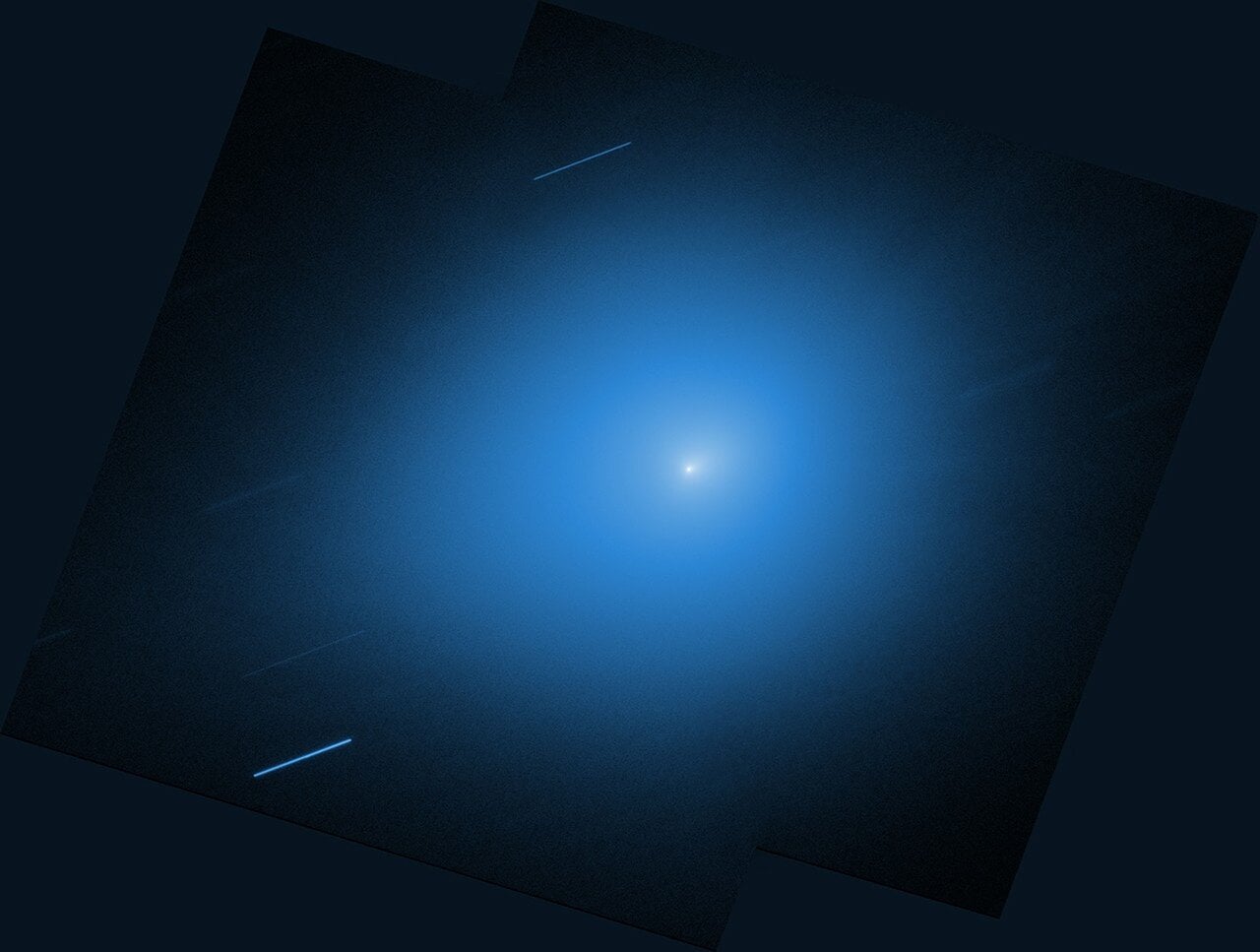
Interstellar Visitor 3I/ATLAS Shows Water Ice Behaves the Same Across Alien Star Systems

Targets of opportunity sometimes happen in astronomy, and we got a major one when the third interstellar object, 3I/ATLAS, was discovered in July 2025. And it just so happens that in the intervening years between the last known interstellar visitor (2I/Borisov in 2019), we got a major upgrade in our observational capabilities with the launch of the James Webb Space Telescope (JWST). A new paper from a team of researchers led by Dr. Silvia Protopapa of NASA’s Goddard Space…

Read at Universe Today

Universe Today Evan Gough Space

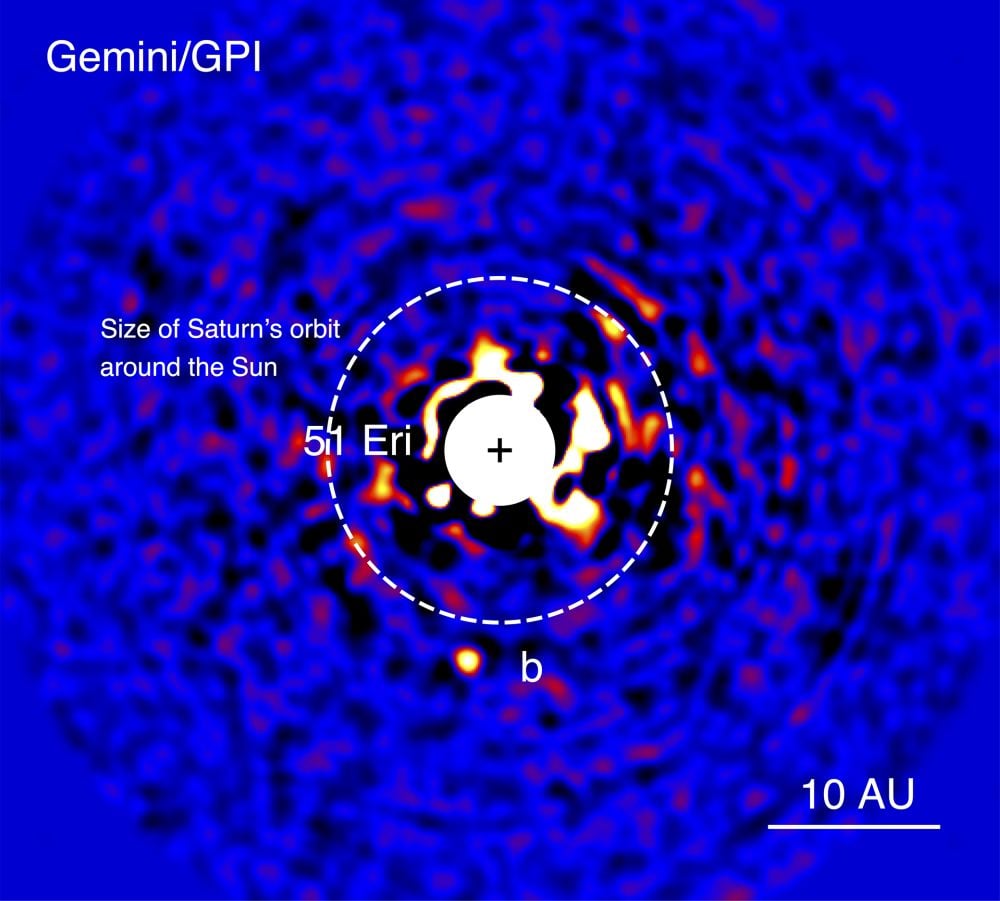
Exoplanets Can't Hide From The JWST's 'Digital Twin'

Finding dim exoplanets hidden in the glare of their stars is an ongoing challenge in astronomy. Telescopes use coronagraphs to block out starlight, but even they have their limitations. Researchers have developed a new technique with the JWST that can find dim exoplanets more easily than ever.

Read at Universe Today

Universe Today Matthew Williams Space

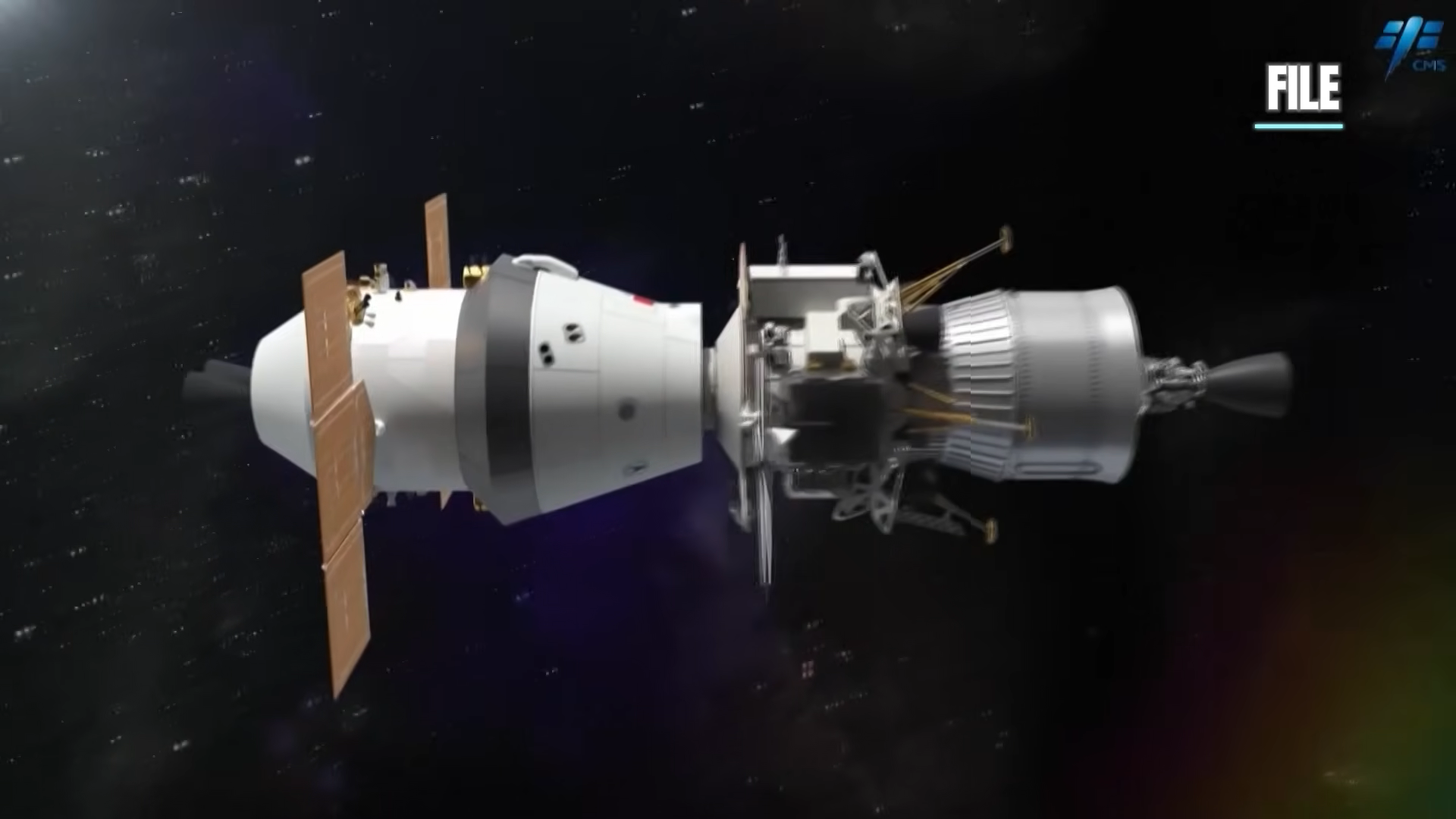
China Unveils Their Plan for a Crewed Moon Landing

Yesterday, on November 3rd, the deputy chief designer of China's crewed space program and chief designer of the lunar exploration program (Wang Xiang) unveiled an official statement detailing its [plans for a crewed mission to the Moon](https://english.spacechina.com/n17212/c4744561/content.html).

Read at Universe Today

Older stories