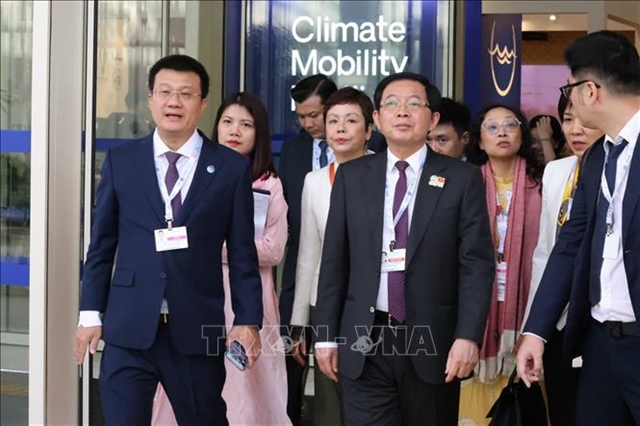
COP31: Việt Nam proactively allocates resources for climate change adaptation
Việt Nam is proactively mobilising domestic resources for climate change adaptation, energy transition and low-emission agricultural development.
Recent stories from Viet Nam News (state-run daily).
Việt Nam is proactively mobilising domestic resources for climate change adaptation, energy transition and low-emission agricultural development.
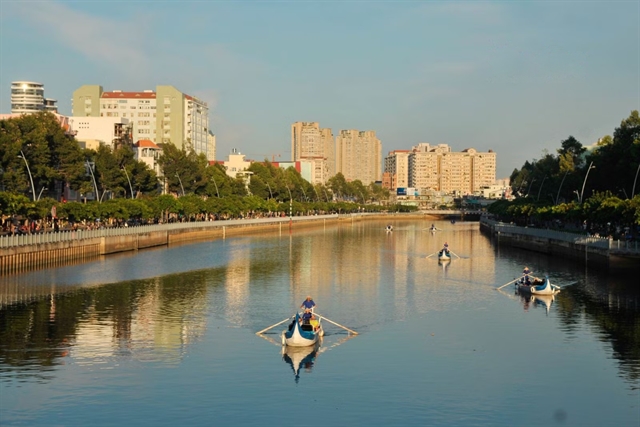
HCM City is looking beyond wastewater treatment to a broader approach to restoring its rivers and canals, combining environmental protection, urban renewal and green-space development.
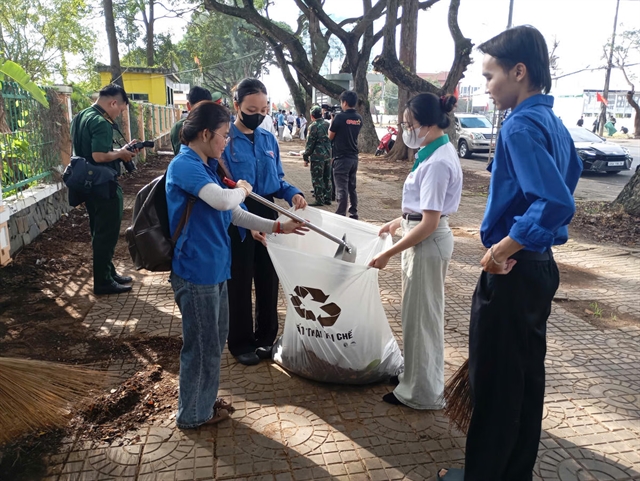
The campaign sees authorities and residents clean up waste at public spaces and residential areas until December 21.
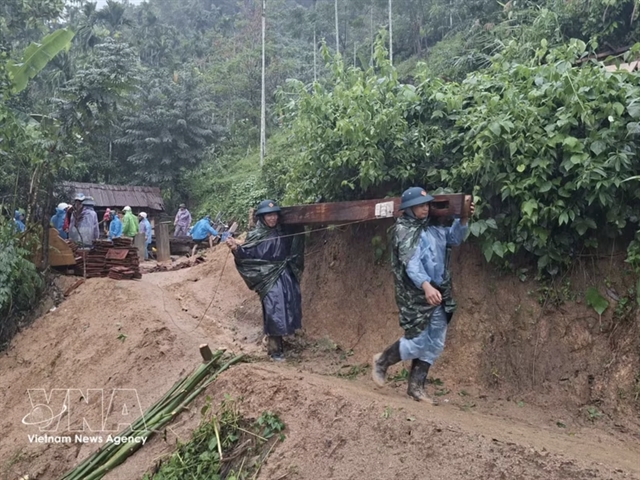
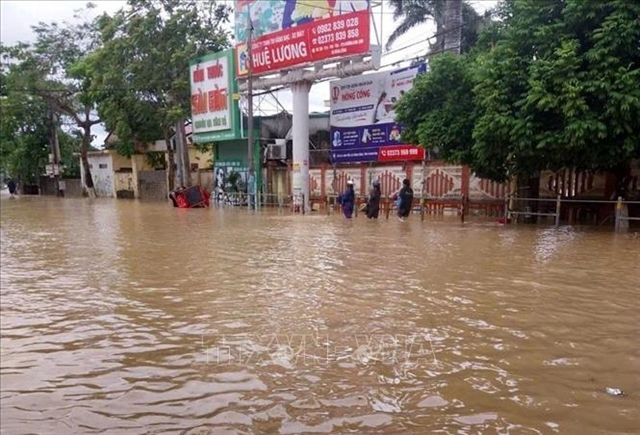
According to updates from local central authorities as of 5 pm on November 12, heavy rains in recent days have caused damage in provinces and cities from Thanh Hoá to Đắk Lắk.
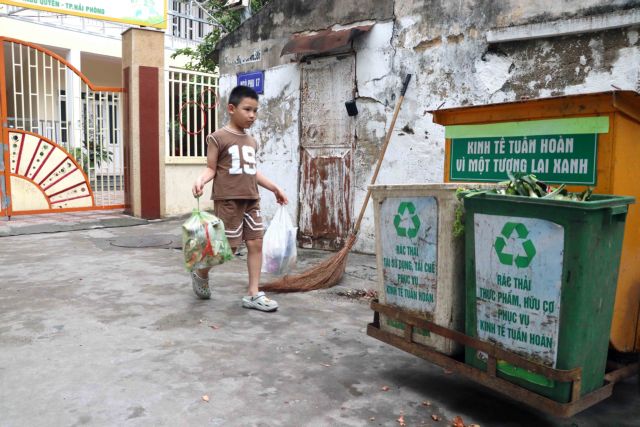
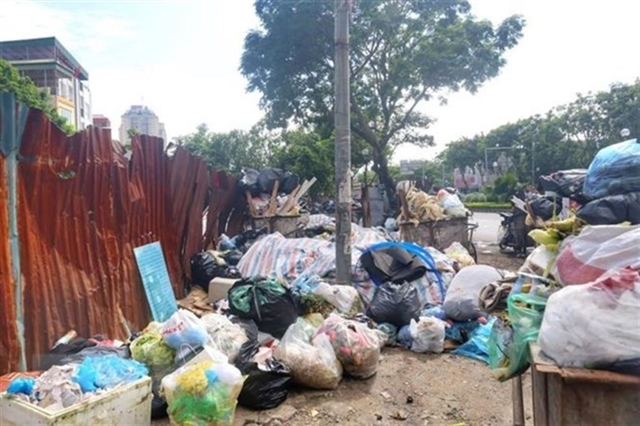
As household solid waste continues to increase, sorting rubbish at source is becoming increasingly urgent. With landfill disposal still accounting for the largest share of treatment, Việt Nam needs to move beyond simply collecting and disposing of rubbish towards recovering resources through reuse, recycling and energy generation.
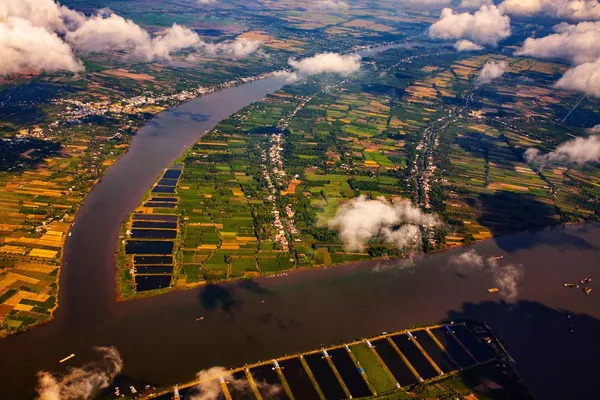
With the 2027 El Niño expected to bring weaker flows from the upper Mekong River, less rain and more heat, the Mekong Delta is under pressure to keep enough fresh water for daily life and production. Saving water, storing and regulating supplies in advance, and switching to different crops are seen as key ways for the region to cope with a dry season forecast to be difficult. — VNA/VNS Photo Duy Khương
Prolonged heavy rain poses a risk of flooding in low-lying and depressed areas, urban areas and industrial zones; flash floods on small rivers and streams; and landslides on slopes.
Experts call for integrated water management, pollution control and digital technologies to restore rivers and canals and strengthen water security amid growing environmental and climate pressures.
In Hà Nội, a shift towards waste-to-energy technology is helping reduce reliance on landfills, but ageing waste deposits and gaps in collection, sorting and recycling remain major challenges.
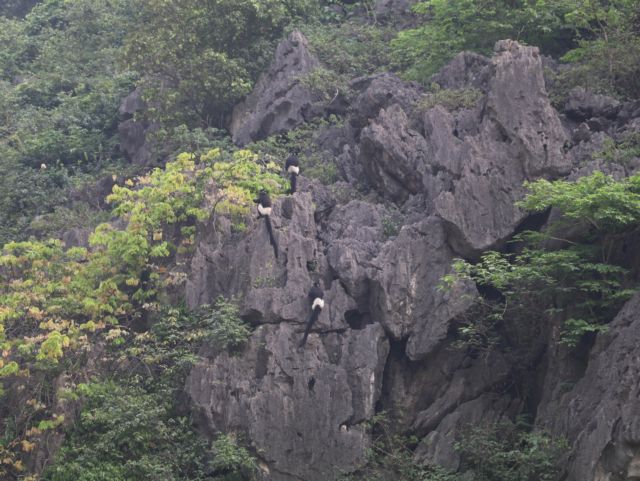
With its extensive coverage, the Kim Bảng Delacour's Langur Species and Habitat Conservation Area is the world's largest protected area dedicated to the conservation of the species.
Along with selecting tree species, the plan sets out a task to research and assess the capacity of forests and urban green systems to reduce PM2.5 and PM10 dust, absorb emissions and regulate the microclimate.
We created a hands-on learning site and a decentralised Materials Recovery Facility to support waste separation, composting, reuse and refill, recycling partnerships, youth education, and community participation.
More than 30,000 artificially bred ốc đụn cái (Rochia nilotica), common name the commercial top shell, a rare and high-value marine species, were released into the wild off Côn Đảo Special Zone in HCM City on October 31.
HCM City leaders outlined a master vision on October 30 to transform Côn Đảo Special Zone into a green, smart and liveable model rooted in sustainable heritage conservation.
In his remarks, Dr. Lê Trường Sơn, Rector of ULAW, stressed that climate change is not merely an environmental challenge but also directly affects coastal livelihoods, business operations and the development prospects of future generations.
Reservoir operators must balance dam safety, downstream flood prevention, water supply and power generation. Achieving these objectives requires reliable forecasts and the ability to rapidly assess different operating scenarios.
HCM City experienced a period of high tides from October 26 to 28, with water levels forecast to exceed Level III warning thresholds at several monitoring stations.
Data on air and water quality, waste, emissions and ecosystem conditions need to be integrated, regularly updated and used for forecasting, early warnings, policymaking and enforcement monitoring.
Located at the northern end of the Hoàng Liên Sơn mountain range, Bát Xát National Park is noted for its rich biodiversity and distinctive high-altitude dwarf forest ecosystem.
Experts say stricter controls on measuring instruments, more rigorous data quality assurance and stronger post-inspection oversight are needed to ensure reliable monitoring results.
Deputy Minister of Agriculture and Environment Lê Trọng Yên said it should clarify the role and scope of carbon capture, utilisation and storage in Việt Nam’s emissions-reduction roadmap, particularly in hard-to-abate industries.
Environmental experts emphasised that effective air pollution control requires identifying and quantifying each specific source of emissions.
The city has around 12.82 million vehicles, 90 per cent of which are motorbikes, as vehicle emissions pose major challenges in terms of air pollution and greenhouse gases in large urban areas.
Funded by the Global Environment Facility (GEF) through the United Nations Development Programme (UNDP), the project ran from April 2022 to October 2026, with total resources of nearly US$3.77 million, including a GEF grant of nearly US$2 million.
The survey documented 228 bird species from 55 families and 17 orders. Compared with a 2005 study, the latest survey added 35 species from 18 families and one order to the reserve’s bird checklist.
According to the scenarios, as global temperatures rise, super typhoons comparable in intensity to Typhoon Yagi (2024) are likely to occur more frequently.