TOI-6649 b
TOI-6649 b is a gas giant exoplanet that orbits a F-type star. Its mass is 0.645 Jupiters, it takes 6 days to complete one orbit of its star, and is 0.0697 AU from its star. Its discovery was announced in 2026.
Science and technology fields in one place: space, quantum technology, biotechnology, agritech, the Internet of Things and robotics, with news from the specialist press and research from journals and arXiv. Each field has its own page in the Fields menu.
TOI-6649 b is a gas giant exoplanet that orbits a F-type star. Its mass is 0.645 Jupiters, it takes 6 days to complete one orbit of its star, and is 0.0697 AU from its star. Its discovery was announced in 2026.
TOI-6457 b is a gas giant exoplanet that orbits a F-type star. Its mass is 0.49 Jupiters, it takes 41.4 days to complete one orbit of its star, and is 0.2515 AU from its star. Its discovery was announced in 2026.
TOI-5893 b is a gas giant exoplanet that orbits a G-type star. Its mass is 1.012 Jupiters, it takes 40.4 days to complete one orbit of its star, and is 0.2348 AU from its star. Its discovery was announced in 2026.
TOI-1355 b is a gas giant exoplanet that orbits a A-type star. Its mass is Unknown, it takes 2.2 days to complete one orbit of its star, and is 0.04 AU from its star. Its discovery was announced in 2026.
TOI-713 b is a super Earth exoplanet that orbits a K-type star. Its mass is 1.754 Earths, it takes 1.9 days to complete one orbit of its star, and is 0.026006984526381 AU from its star. Its discovery was announced in 2026.
TOI-713 c is a super Earth exoplanet that orbits a K-type star. Its mass is 6.521 Earths, it takes 36 days to complete one orbit of its star, and is 0.18670552539177 AU from its star. Its discovery was announced in 2026.
TOI-214 b is a super Earth exoplanet that orbits a G-type star. Its mass is 1.35 Earths, it takes 9.7 days to complete one orbit of its star, and is 0.086548011757298 AU from its star. Its discovery was announced in 2026.
TOI-214 c is a super Earth exoplanet that orbits a G-type star. Its mass is 7.88 Earths, it takes 18.6 days to complete one orbit of its star, and is 0.13339860331677 AU from its star. Its discovery was announced in 2026.
K2-105 c is a Neptune-like exoplanet that orbits a G-type star. Its mass is 11.1 Earths, it takes 5 days to complete one orbit of its star, and is 0.0559 AU from its star. Its discovery was announced in 2026.
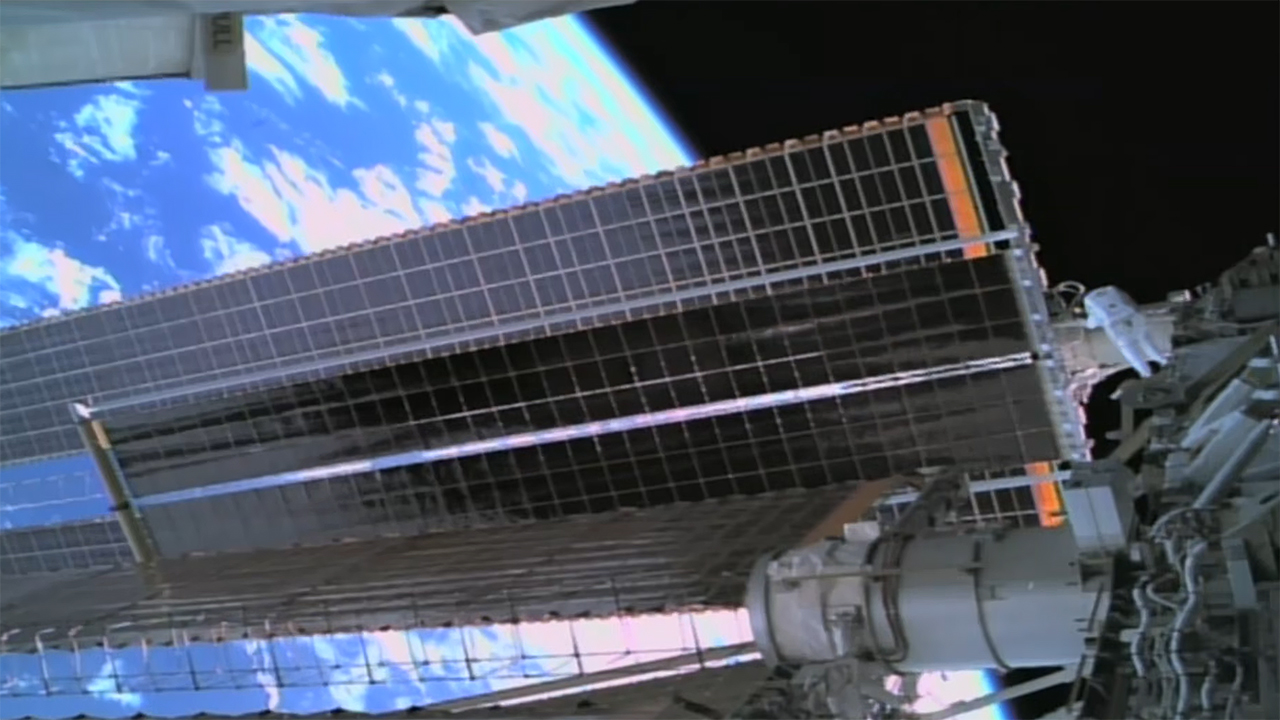
NASA astronaut Anil Menon and CSA (Canadian Space Agency) astronaut Joshua Kutryk concluded their spacewalk outside the International Space Station at 3:35 p.m. EST.
Blue Origin plans to do its next New Glenn rocket launch in January 2027, according to CNBC and the Financial Times, which cite a memo from CEO Dave Limp sent to staff. The new timeline follows a May launchpad explosion that damaged Blue…
This NASA/ESA Hubble Space Telescope image provides a lesson in galactic history. The sparkling collection of stars is named Messier 30 (M30) after the French astronomer Charles Messier, who cataloged M30 and other diffuse objects that might be mistaken for comets in the early telescopes of Messier's time. M30 lies about 27,500 light-years away in the constellation Capricornus.
Also at NASA
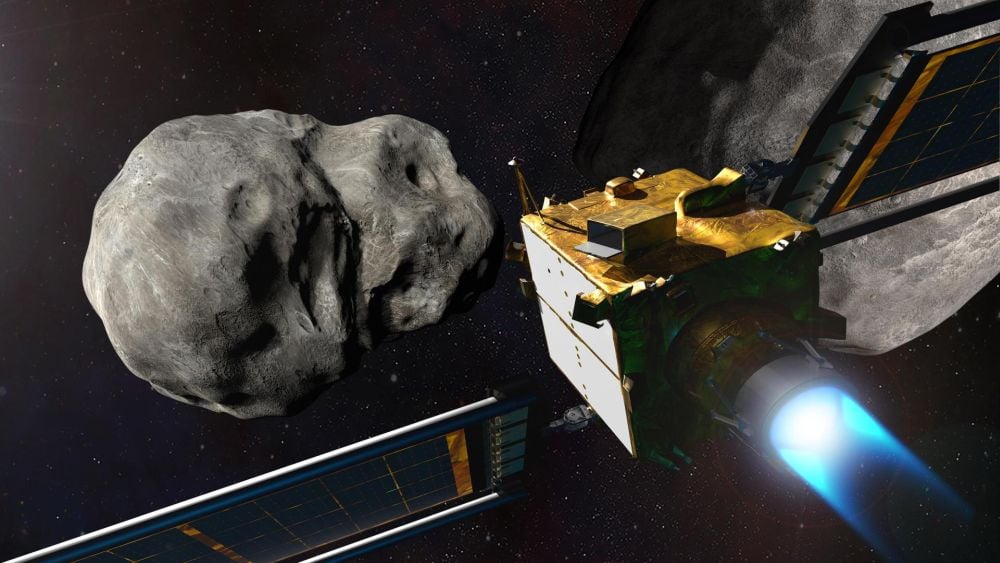
In a pinch, we could use a stand-off nuclear blast to redirect a dangerous asteroid on short notice. There's no atmospheric shock wave in space, but the x-ray pulse could still deflect the space rock. But asteroids aren't round and uniform, so their weird shapes make it difficult.
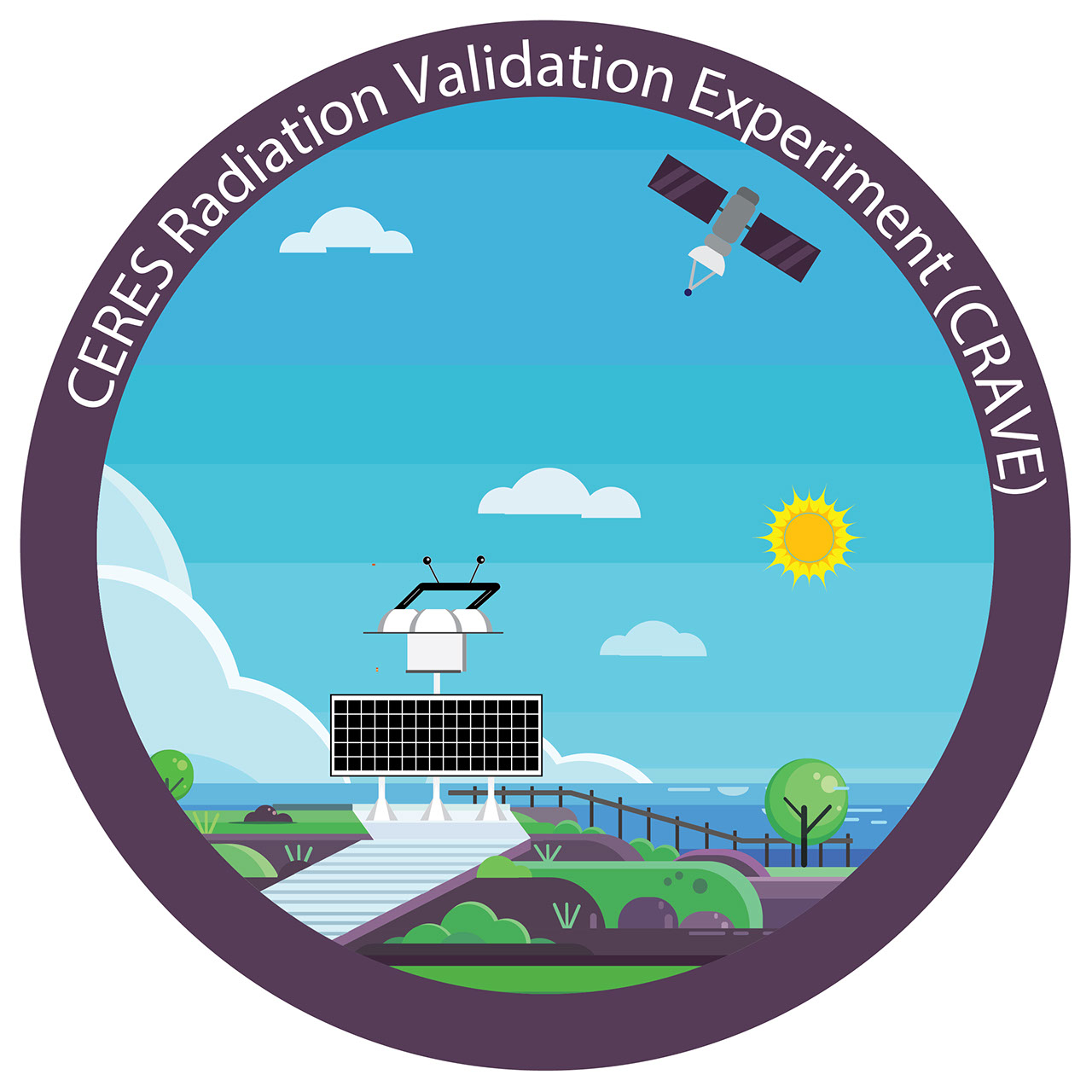
Current radiometric and meteorological instruments present at Granite Island, Michigan and NASA LaRC associated with the CERES Radiation Validation Experiment (CRAVE). BSRN Radiometry at Granite Island, MI (GIM) StationMeasurementInstrumentMake & ModelUnitsDirect Shortwave IrradiancePyrheliometerKipp & Zonen, CH1 or CHP1W/m2Diffuse Shortwave IrradiancePyranometerKipp & Zonen, CM21 or CM22W/m2Global Shortwave Irradiance, DownwellingPyranometerKipp & Zonen, CM21 or…
Sponsored: EDN's Majeed Ahmad talks to Infineon's Steve Tateosian on edge systems, application examples, and the growth of the market.
Novartis has acknowledged seven previously unknown instances in which tumors were found in children who were treated with its spinal muscular atrophy therapy, Zolgensma.
Plus: Vertical farms grow tulips in the UAE.
When astronomers looked at photos of the early universe taken by the James Webb Space Telescope, they found something odd: an overabundance of bright galaxies about 400 to 500 million years after the Big Bang. But these galaxies should have been far less common so soon after the Big Bang. Researchers may have figured this out: Powerful ultraviolet (Lyman-alpha) radiation produced by dense clusters of young stars acted like a leaf blower, driving light-blocking gas and dust…
Mozelos, Portugal, September 2, 2026 – Amorim Cork Solutions is contributing its P50 cork-based thermal protection material to DRACO, a European Space Agency (ESA) mission designed to capture rare in-flight
Three years ago, a trial for a sickle cell gene-editing therapy a decade in the making ended abruptly after the first patient suffered a serious adverse event. Now, the therapy…
Zipline raised $1.5 billion and ramped up its partnership with Walmart.
NASA's Neil Gehrels Swift Observatory took its last look at the sky on Oct. 20, 2026, while orbiting about 171 miles (275 kilometers) above Earth. NASA ended the telescope's mission three days later, because Swift had sunk so low that drag from the thin air there meant its telescopes couldn't hold steady.
Around 4.5 billion years ago, a planet-sized object collided with the newly formed Earth, throwing out the debris that would later form the moon. The collision left Earth spinning extremely fast, with days lasting just two to five hours. Yet existing models of how Earth's first crust formed and evolved have largely overlooked how the planet's later slowdown might have affected it.
City lights from the Midwestern United States to the East Coast sparkle across the landscape a couple of hours before sunrise on Oct. 18, 2026. Major urban areas visible in the photograph include Chicago, Illinois; Detroit, Michigan; and the New York metropolitan region. The International Space Station was orbiting 259 miles above Earth when this
Editor’s Note: This article was updated Monday, Nov. 9, 2026, to indicate that the time for the downlink event has changed. Students in Florida will hear from NASA astronauts Jessica Watkins and Luke Delaney as they answer prerecorded STEM questions while aboard the International Space Station. The Earth-to-space call will begin at 11:10 a.m. EST Tuesday,
Targets of opportunity sometimes happen in astronomy, and we got a major one when the third interstellar object, 3I/ATLAS, was discovered in July 2025. And it just so happens that in the intervening years between the last known interstellar visitor (2I/Borisov in 2019), we got a major upgrade in our observational capabilities with the launch of the James Webb Space Telescope (JWST). A new paper from a team of researchers led by Dr. Silvia Protopapa of NASA’s Goddard Space…
Organizations that ask better cybersecurity questions today are well positioned to protect the supply chain, and national security.
Johns Hopkins researchers searching the expanse of the universe for the existence of the first black holes are zeroing in on little red dots that may hold the key to the theoretical phenomenon.