Fields: space, quantum, biotech, agritech, IoT and robotics
Science and technology fields in one place: space, quantum technology, biotechnology, agritech, the Internet of Things and robotics, with news from the specialist press and research from journals and arXiv. Each field has its own page in the Fields menu.

Starlink Mobile: All the news on SpaceX’s major mobile carrier ambitions
SpaceX has declared that it’s going to make Starlink Mobile a “major” mobile carrier. The Elon Musk-owned company has already deployed thousands of direct-to-cell satellites, but its next big challenge is building out its 5G network here…

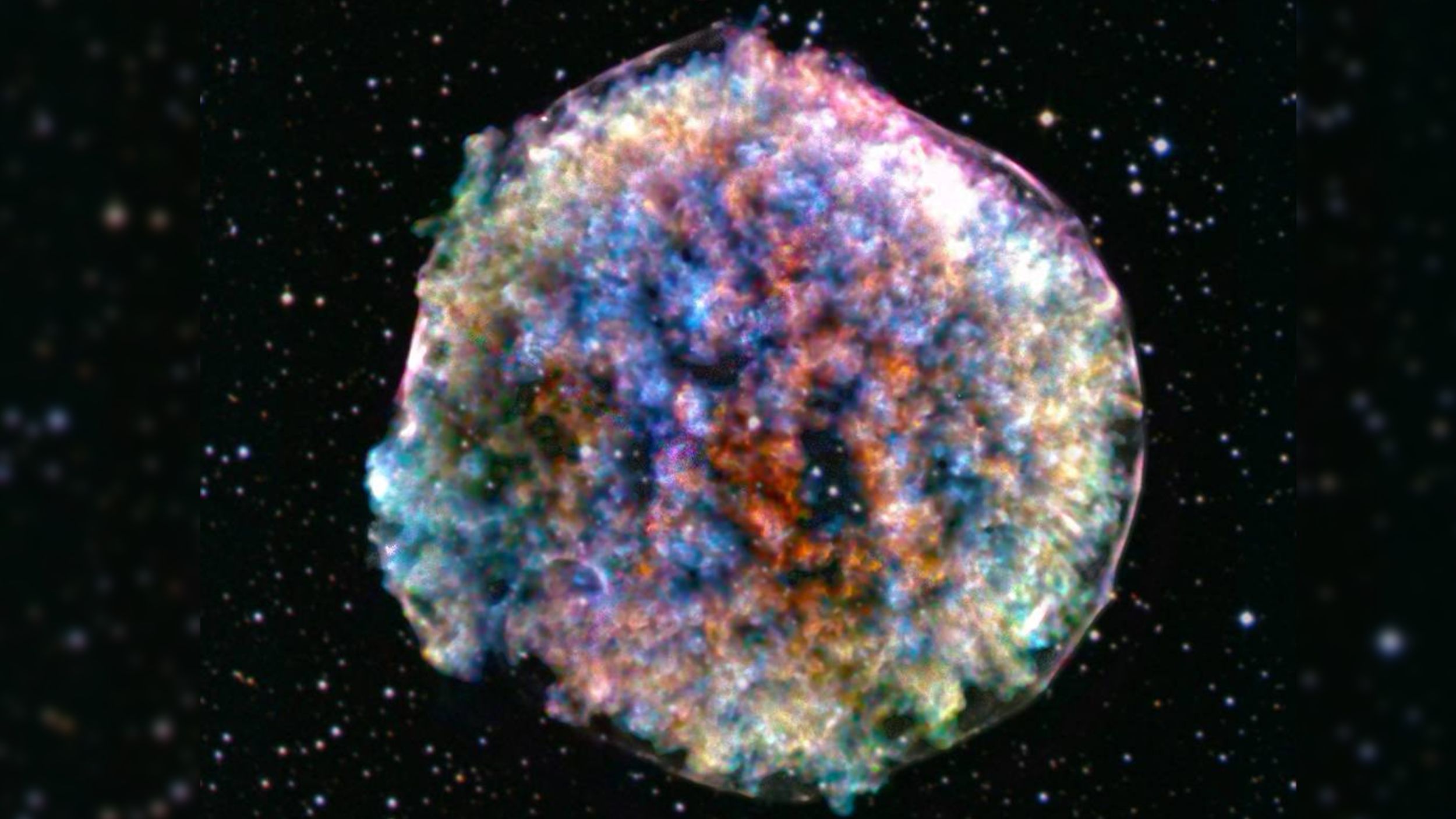
On this day in space! Nov. 6, 1572: A German astronomer discovers the Tycho supernova with the naked eye, but everyone thought the cosmic explosion was a 'new star'
On Nov. 6, 1572, the German astronomer Wolfgang Schulër observed a supernova later caleld the Tycho supernova with his bare eyes. Here's why it mattered.
Falcon 9 launches from California on classified mission for U.S. Space Force
Liftoff from pad 4E at Vandenberg Space Force Base occurred at 4:48 p.m. PST (7:48 p.m. EST / 0048 UTC). The mission is thought to be carrying satellites based on SpaceX’s Starshield platform.
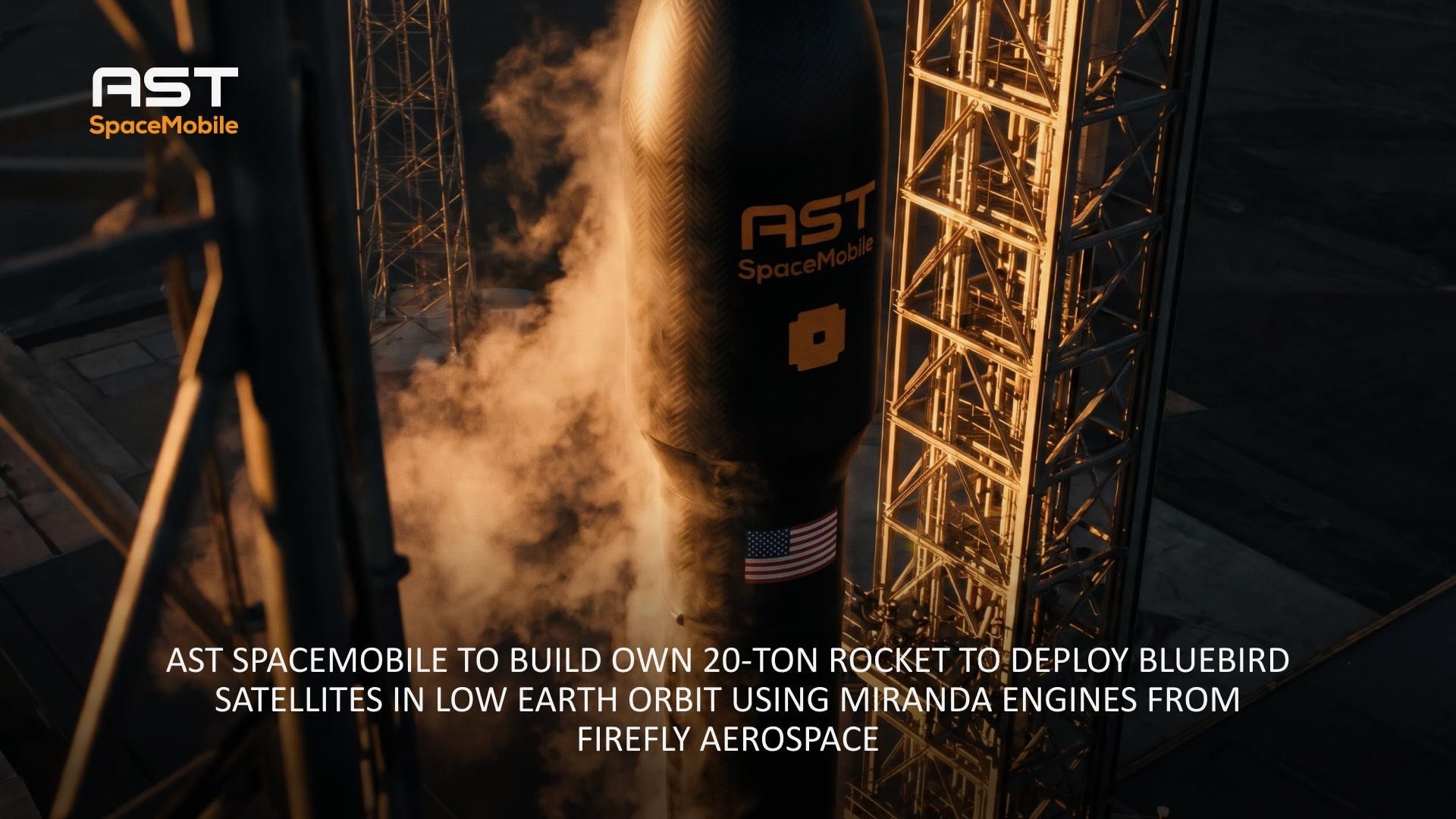
AST SpaceMobile announces new 'Blacklift' rocket, targets 2028 launch debut
AST SpaceMobile plans to launch its broadband satellites on a new rocket called Blacklift, which it will build in house and plans to start flying in 2028.
Also at Payload
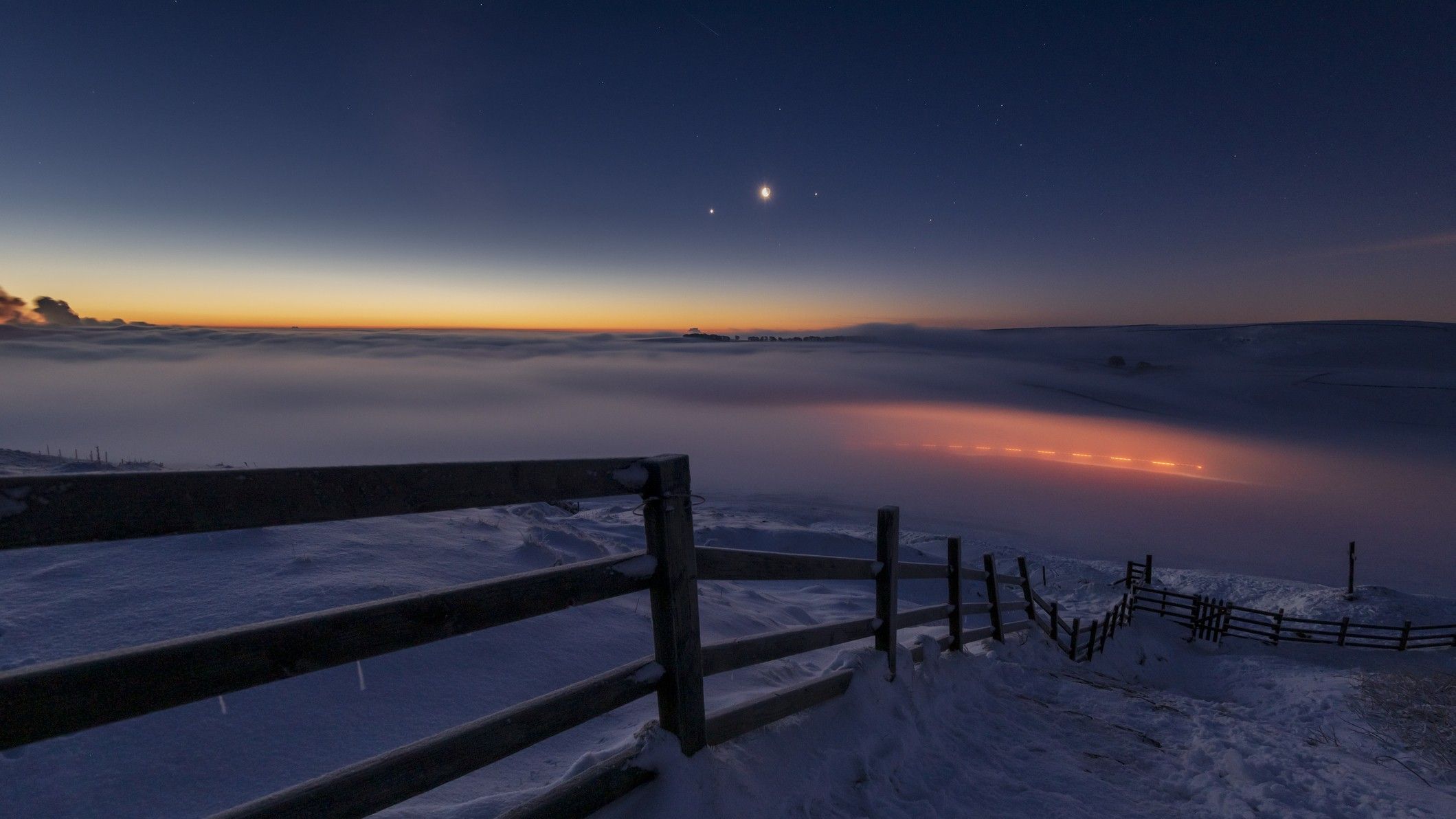
What's that bright 'star' in the early morning sky? It's not a star at all!
Spotted a dazzling light in the eastern sky before sunrise? It's Venus, and the planet is only going to get brighter as it heads toward its spectacular peak later this month.
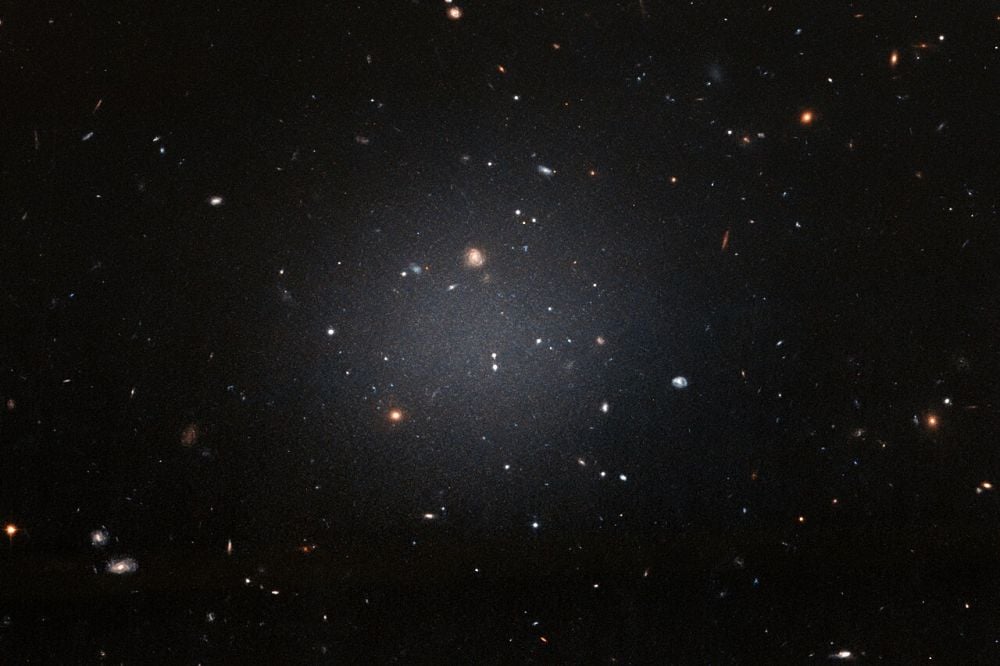
The ELT Can Probe Ultra-Diffuse Galaxies and Their Dark Matter Mysteries
Ultra-Diffuse Galaxies are strange because they're as large as the Milky Way, but have far fewer stars. It's as if they're puffed up for some reason. Determining what's going on with them could help confirm the Lambda-CDM model. A new proposed instrument for the Extremely Large Telescope could give astronomers their best look yet at these strange galaxies.
Quantum gas microscope reveals individual atoms in first tunable three-component Hubbard system
For the first time, an international team of researchers from Germany, Thailand, India, China and the United States has created a three-component Hubbard system with tunable interactions in the laboratory. In doing so, the team used a quantum gas microscope to make the individual atoms visible. The study, published in Science, provides an important foundation for future quantum simulations of nuclear physics and materials science.
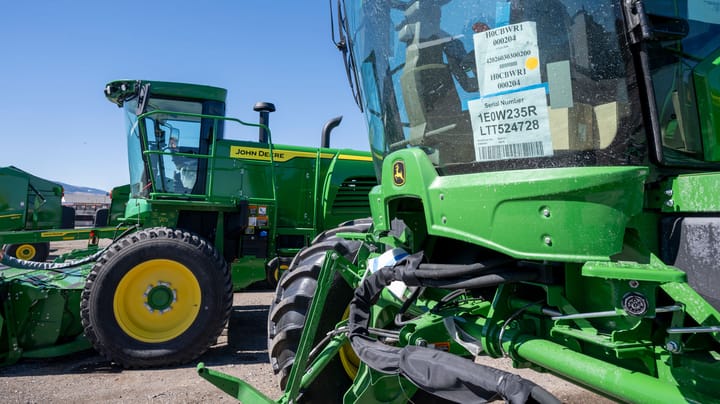
Deere to close 2 Iowa plants in restructuring
Despite a strong third quarter, John Deere consolidates production as part of a broader restructuring push.
You know the launch market is tough when satellite companies start building rockets
"The Blacklift rocket is the springboard to significantly expand our total addressable market."
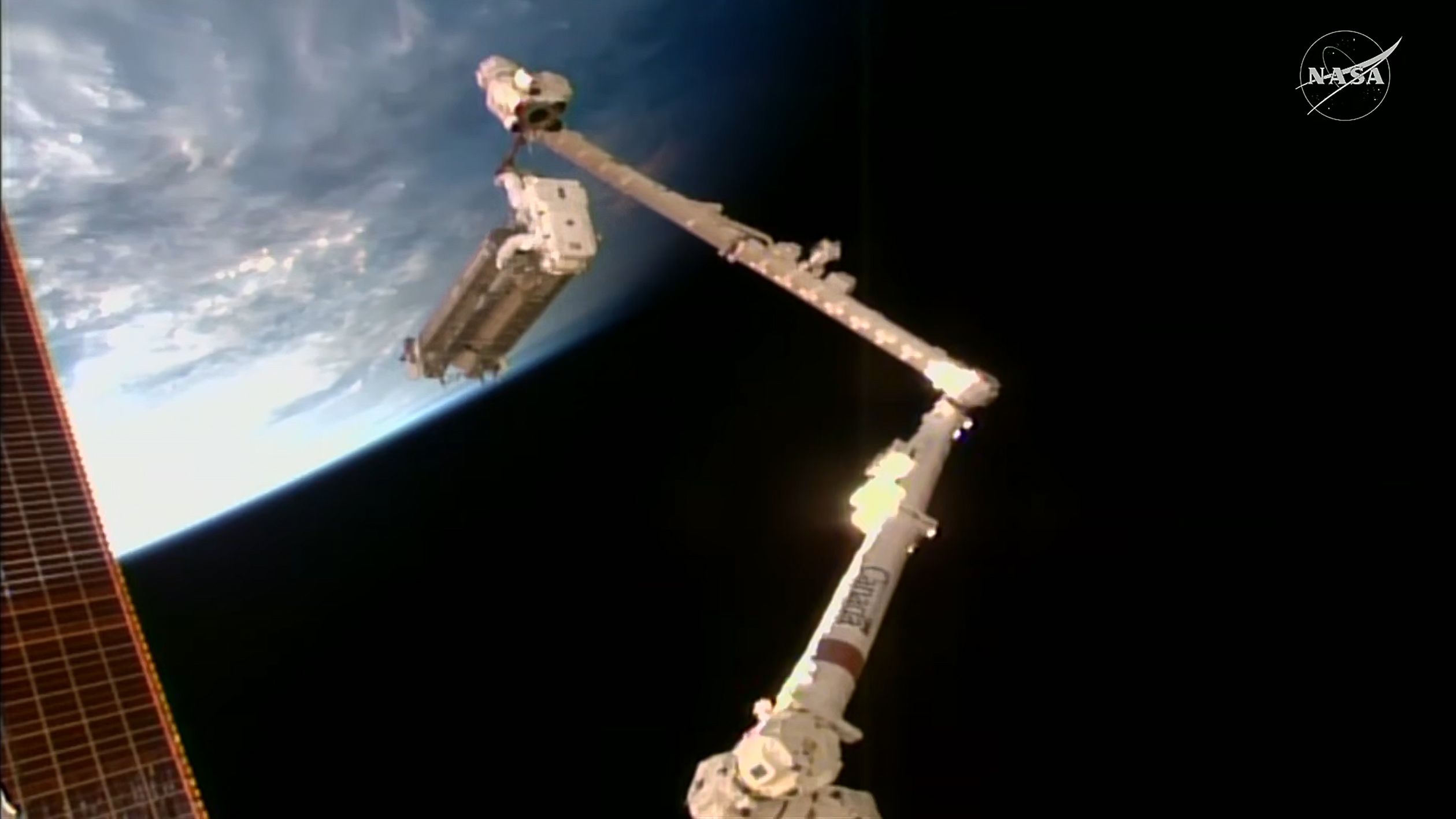
Spacewalk Cleanup, Biomedical Science, and Maintenance Wrap Up Week
The seven Expedition 75 crew members cleaned up after a spacewalk, conducted biomedical assessments, and maintained orbital systems to wrap up a busy week aboard the International Space Station.
Vibrating mirrors of light create analog of a black hole event horizon
Optical cavities are pairs of light-trapping mirrors and underpin the operation of lasers, atomic clocks and many types of precision sensors. If the distance between the mirrors is changed rapidly enough, some theories predict that the waves inside them should bunch together into short, intense pulses. So far, however, this prediction has never been tested directly.
Scientists achieve record-breaking low temperature on China's space station, paving the way for new physics experiments
Matter starts to behave differently at extremely low temperatures, creating conditions ideal for studying quantum physics and new states of matter. Now, researchers from China have achieved a new low-temperature record aboard their Tiangong space station. Their research, recently published in Science, might lead to a new generation of experiments in quantum physics and precision measurements in space.

Video Friday: Room-Scale Cable-Driven Home Robot Tidies Up
Video Friday is your weekly selection of awesome robotics videos, collected by your friends at IEEE Spectrum robotics. We also post a weekly calendar of upcoming robotics events for the next few months. Please send us your events for inclusion. CoRL 2026: 9–12 November 2026, AUSTIN, TEXAS Humanoids 2026: 6–9 December 2026, SANTA CLARA, CALIF. Enjoy today’s videos! This is such a novel and underrated form factor for a household robot. I absolutely love it. Stringman is all…
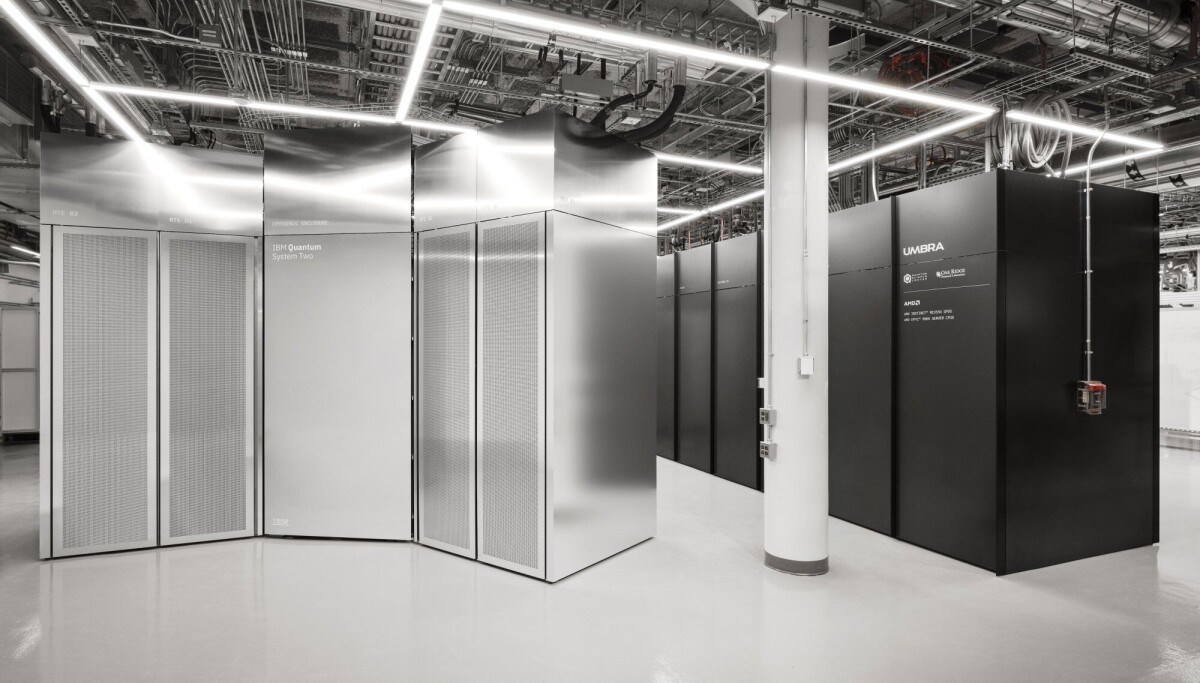
Oak Ridge labs gets hybrid quantum-HPC system to test qubit error correction
Co-design platform for quantum error correction melds IBM quantum kit with AMD CPUs and GPUs
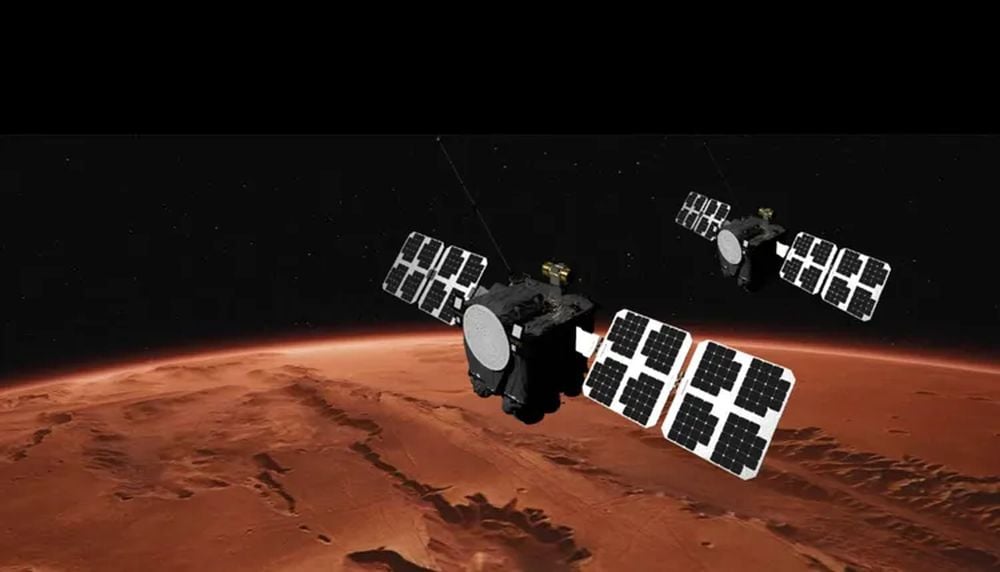
NASA's Twin Spacecraft Will Execute Powered Slingshot Maneuvers on Their Way to Mars
NASA's ESCAPADE mission features a pair of identical spacecraft on their way to Mars. They launched outside of the normal launch window, so they'll perform powered slingshot maneuvers to boost their speed. Once there, they'll "fly" in formation and study how the solar wind interacts with what remains of Mars ancient magnetosphere.
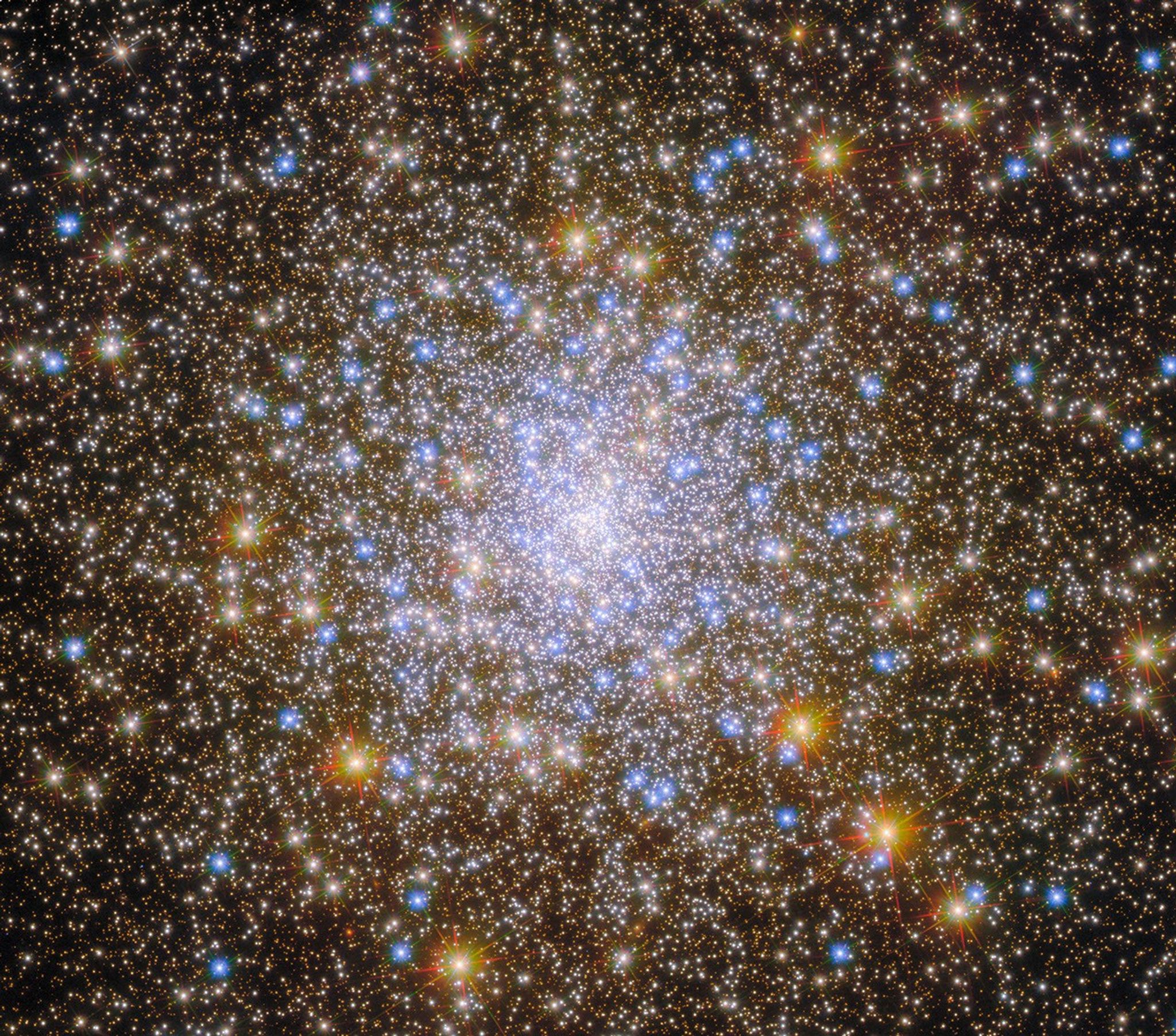
M30’s Sparkling Stars
This NASA/ESA Hubble Space Telescope image released Nov. 5, 2026, provides a lesson in galactic history. The sparkling collection of stars is named Messier 30 (M30) after the French astronomer, Charles Messier, who cataloged M30 and other diffuse objects that might be mistaken for comets in the early telescopes of Messier’s time. M30 lies about
Robot successfully builds space structure in first autonomous construction demo
A robotic truss builder that was conceived, designed and built by Caltech researchers has successfully built a structure in space—without the help of astronauts—for the first time. The truss builder, part of DARPA's Novel Orbital and Moon Manufacturing, Materials, and Mass-efficient Design (NOM4D) program, consists of an autonomous manipulator that picks up struts and joints held in nearby dispensers to repeatedly assemble identical sections, or bays, of a perimeter truss.
2026-I A&B Awardee Welcome Webinar
2026-I A&B Awardee Welcome Webinar On Nov. 5, 2026, the NASA SBIR/STTR program hosted a webinar to welcome the 2026 NASA SBIR and STTR Phase I awardees for Appendix A & B, who were selected in August 2026.

STAT+: New tumor cases show common gene therapy tool can come with risk
New cases show AAV gene therapies like Zolgensma carry tumor risks, raising key concerns for SMA patients and gene therapy researchers in general.

Supercomputing Tech Demo Schedule
Supercomputing 2026 Join NASA in the Exhibit Hall (Booth #4038) for presentations by NASA experts. Full Tech Demo schedule below. TUESDAY, NOVEMBER 17 10:00 AM – 11:30 AMType-safe Templates in Fortran 2028Tom Clune1:00PM – 2:30 PM Mixing and Matching and Multiple Versions, Oh My!Brad Richardson4:00 PM – 5:30 PMPorting NAS Parallel Benchmarks to use OpenMP Target
CERES Radiation Validation Experiment (CRAVE) Program Related Links
Granite Island Light Station, Lake Superior EOS Satellites with CERES Instruments Some CERES Projects Langley Links Other Links
Politics, cool space photos, and more politics
What the U.S. election means for space policy and NASA science, voting for the coolest space images, and updates on Society advocacy.
The food industry is absorbing shocks so well that nobody is pricing the risk
Full shelves and steady profits are hiding how fast climate, nature and supply risks are becoming business risks, speakers from Levy, WWF-UK, Inside Track and AgFunder told the Future Food Movement members on a webinar yesterday.
STAT+: Amgen’s Repatha linked to fewer heart attacks
Pithy intro text about the biopharma milieu. Novartis cites more tumor reports after Zolgensma Novartis has disclosed seven previously unreported cases of tumors in children who received Zolgensma, its gene therapy…

How Do You Land on a Moon With Almost No Gravity?
Last August, looking up from the edge of an ancient river delta on Mars, the Perseverance rover’s electronic eye spied an oblong shadow crossing the distant, glowing Sun. Phobos, the Martian moon named for the Greek god of fear and panic…
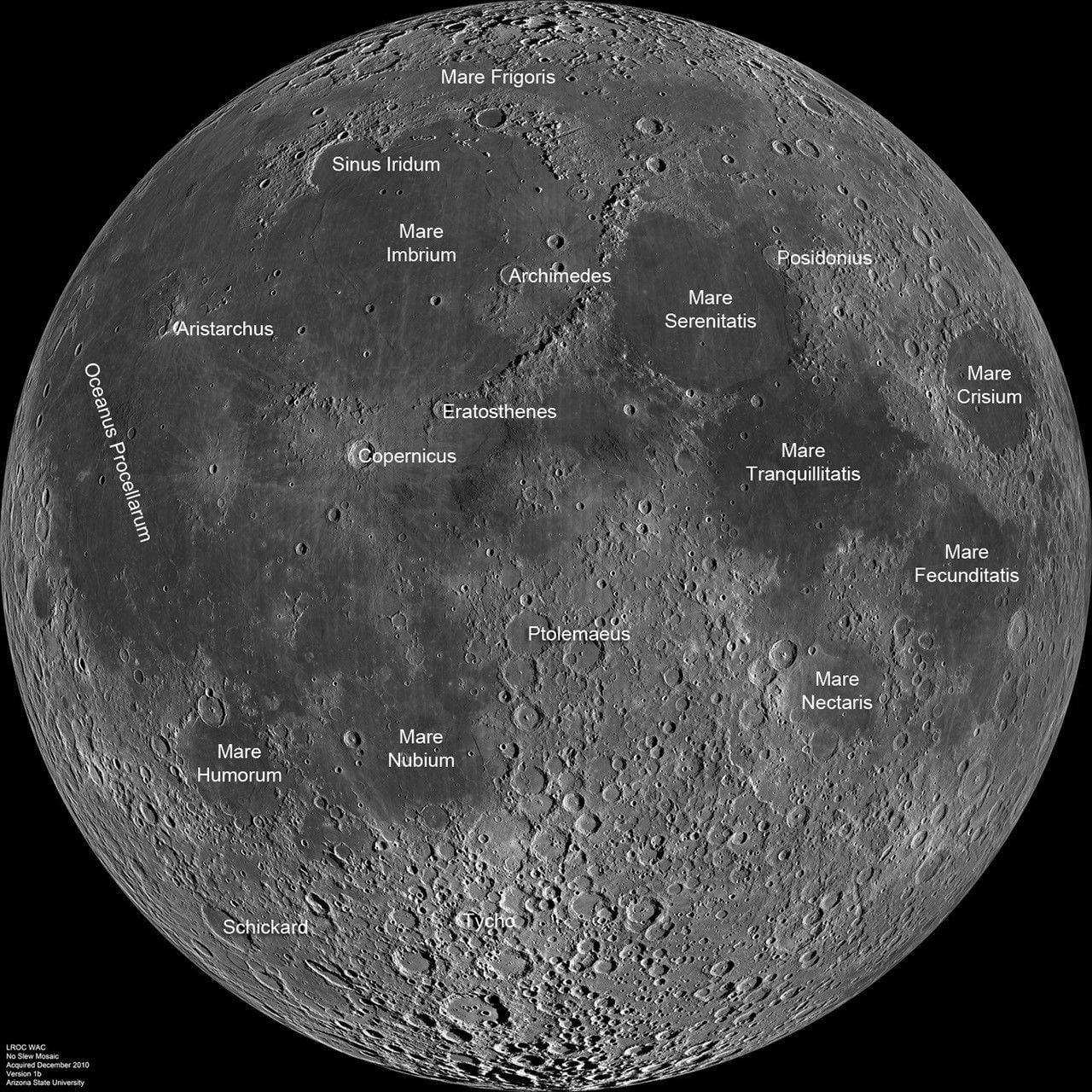
Earth's Gravity May Have Kept the Early Moon's Volcanic Heart Beating
We typically think of the Moon as a static, floating object that has remained the same for basically its entire lifetime, with an occasional asteroid impact serving as an exception. That understanding is grounded in physics - the Moon should have cooled rapidly after forming when a huge protoplanet hit the early Earth around 4.5 billion years ago. But, some lunar material returned from the Chang’e-5 mission was notably formed only around two billion years ago, yet appeared…

The Gunslingers of White Sands
NASA’s Houston We Have a Podcast kicks off a new series in collaboration with White Sands Test Facility, introducing series producer and host Kathryn Martinez and exploring the facility’s unique capabilities. Episode 444
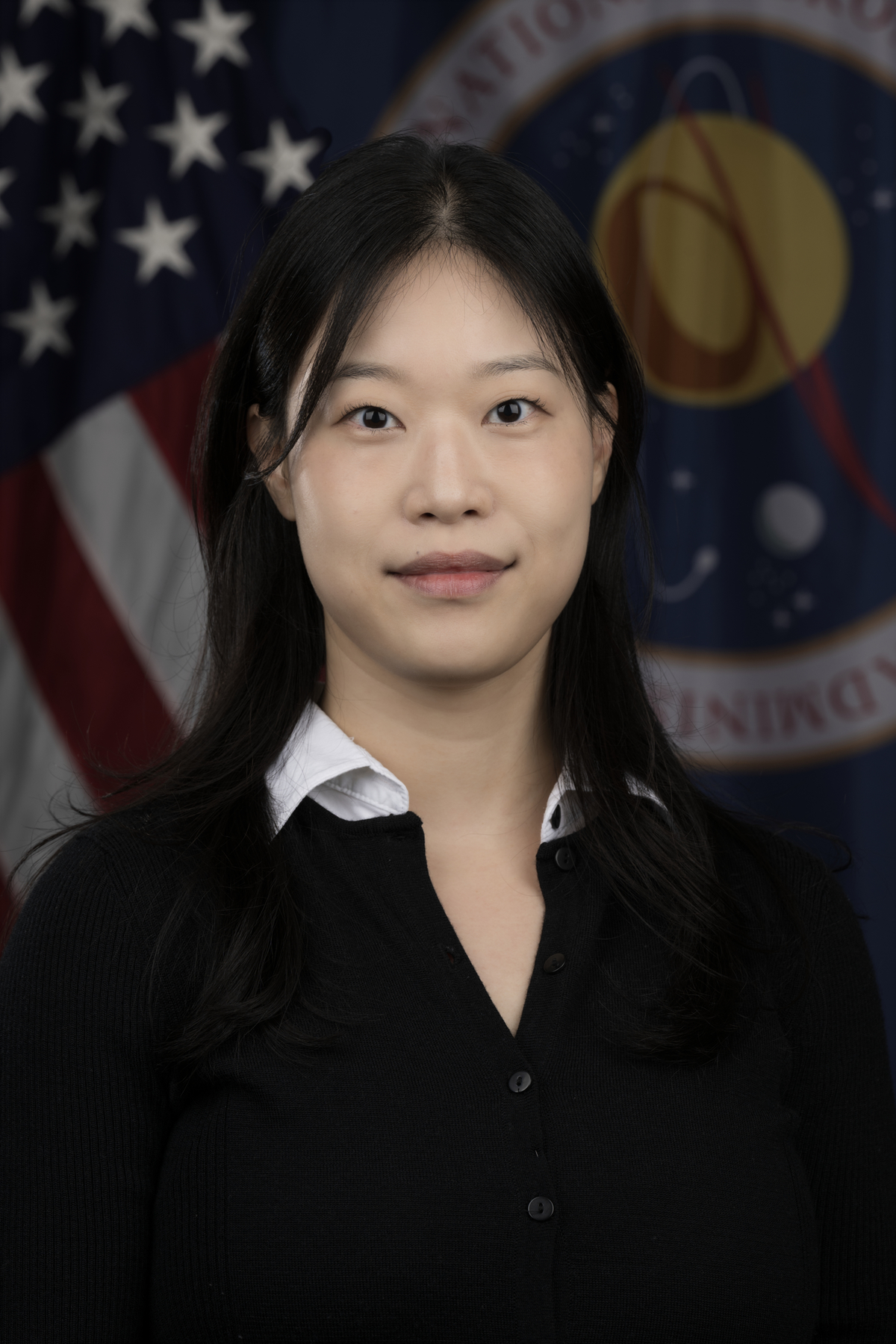
Hyerim Kim
Hyerim Kim, NASA Postdoctoral Program (NPP) Research Fellow, Science Directorate, NASA Langley Research Center