Full Linux on an ESP32? It's Official
The ESP32-S31 can now run full Linux thanks to its built-in MMU, bringing a desktop-class operating system to a low-cost microcontroller.
Science and technology fields in one place: space, quantum technology, biotechnology, agritech, the Internet of Things and robotics, with news from the specialist press and research from journals and arXiv. Each field has its own page in the Fields menu.
The ESP32-S31 can now run full Linux thanks to its built-in MMU, bringing a desktop-class operating system to a low-cost microcontroller.
NASA has officially launched the Moon Base Student Challenge, asking students to help build humanity's future on the moon. And there is $1 million in prizes for the best ideas.
Uber Parking is the latest example of the company offering products beyond its core ride-hailing service.
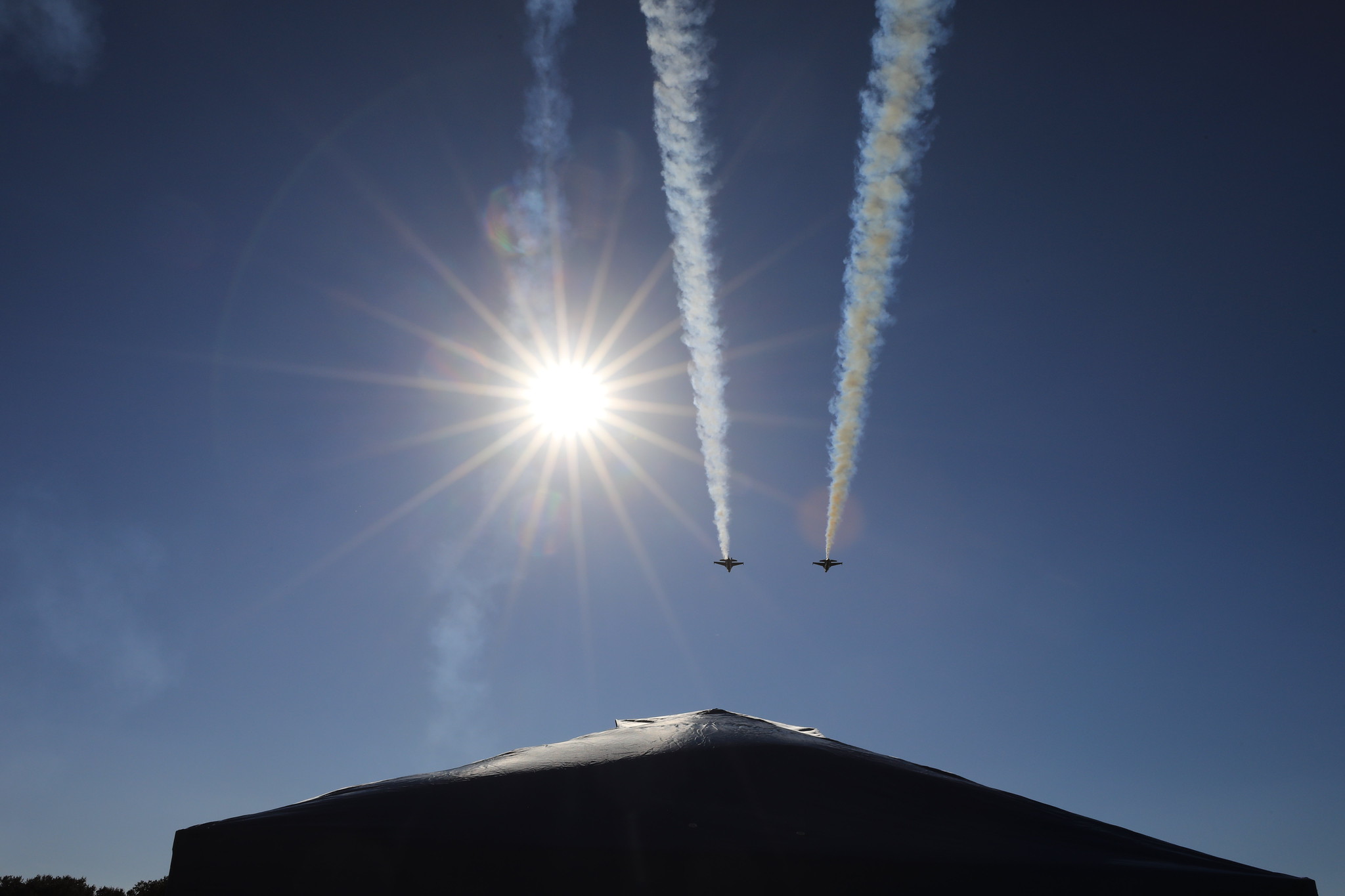
On Nov. 6, 2026, Purpose Entertainment hosted the Artemis Celebration Gala at NASA’s Kennedy Space Center Visitor Complex in Merritt Island, Florida. Held on the eve of NASA’s MAX POWER event, the gala celebrated the explorers, innovators, and visionaries advancing the next era of human spaceflight. The event honored the successful completion of the agency’s
The first trailer for Other World: A Stranger Things Adventure doesn't show much, but there are enough clues for fans to figure out what it's about here.
ROSES-2025 Amendment 81 releases D.10 ATP as a new opportunity in ROSES-25.
The AAAC will be holding its next meeting on Monday 23 November 2026, from 10a to 4p Eastern (7a to 1p Pacific).
The Roman Science Centers at the Space Telescope Science Institute (STScI) and Caltech’s Infrared Processing & Analysis Center (IPAC) are excited to announce the return of the Ready, Set, Roman! Training Series (RSRTS).
Nominations Due 15 November 2026
For $550 million up front, Argenx will take control of Unnatural Products’ “macrocyclic peptide” technology and direct it to develop oral, durable medicines for serious immune-mediated diseases.
Thousands gathered over several days in early November to experience MAX POWER – NASA’s first exhibition of America’s superiority in space, aeronautics, and technology on and around the agency’s Kennedy Space Center in Florida. The multi-day, family-friendly event honored the nation’s 250th anniversary and served as a culmination of the agency’s Inspiration Tour. Among the
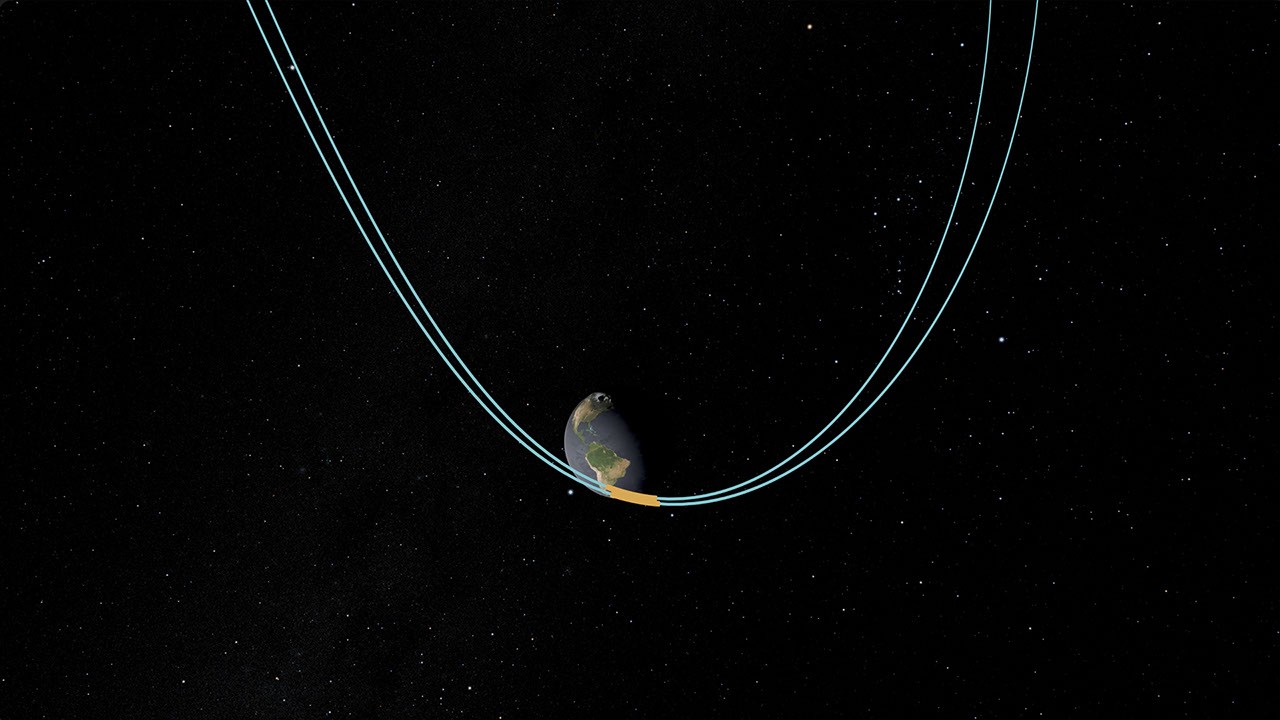
NASA’s two ESCAPADE (Escape and Plasma Acceleration and Dynamics Explorers) spacecraft have each successfully completed a powered Earth flyby, using Earth’s gravity in combination with a sustained engine burn to slingshot themselves toward Mars. With these successful maneuvers complete, the twin spacecraft are on target to reach the Red Planet in September 2027. “This is
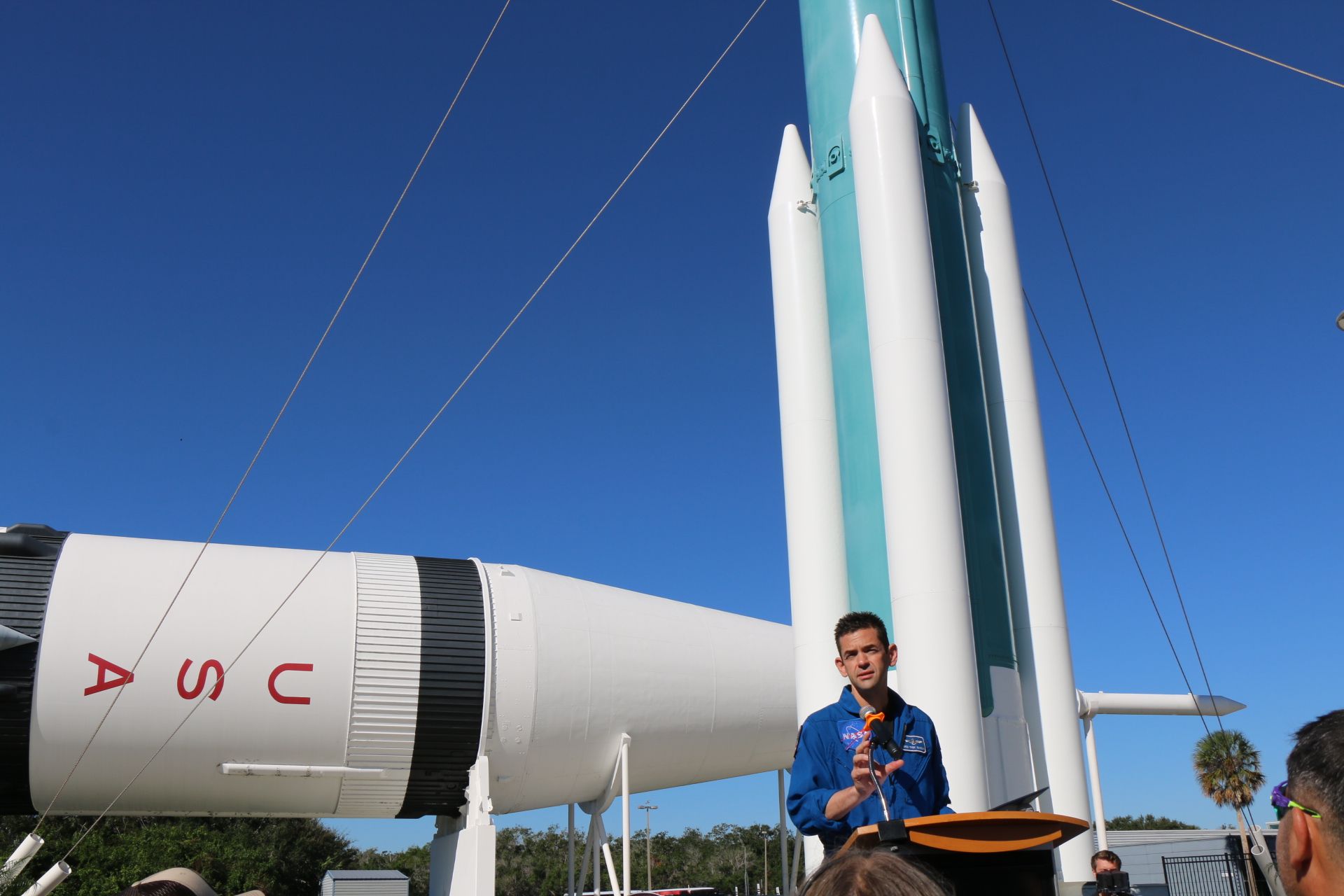
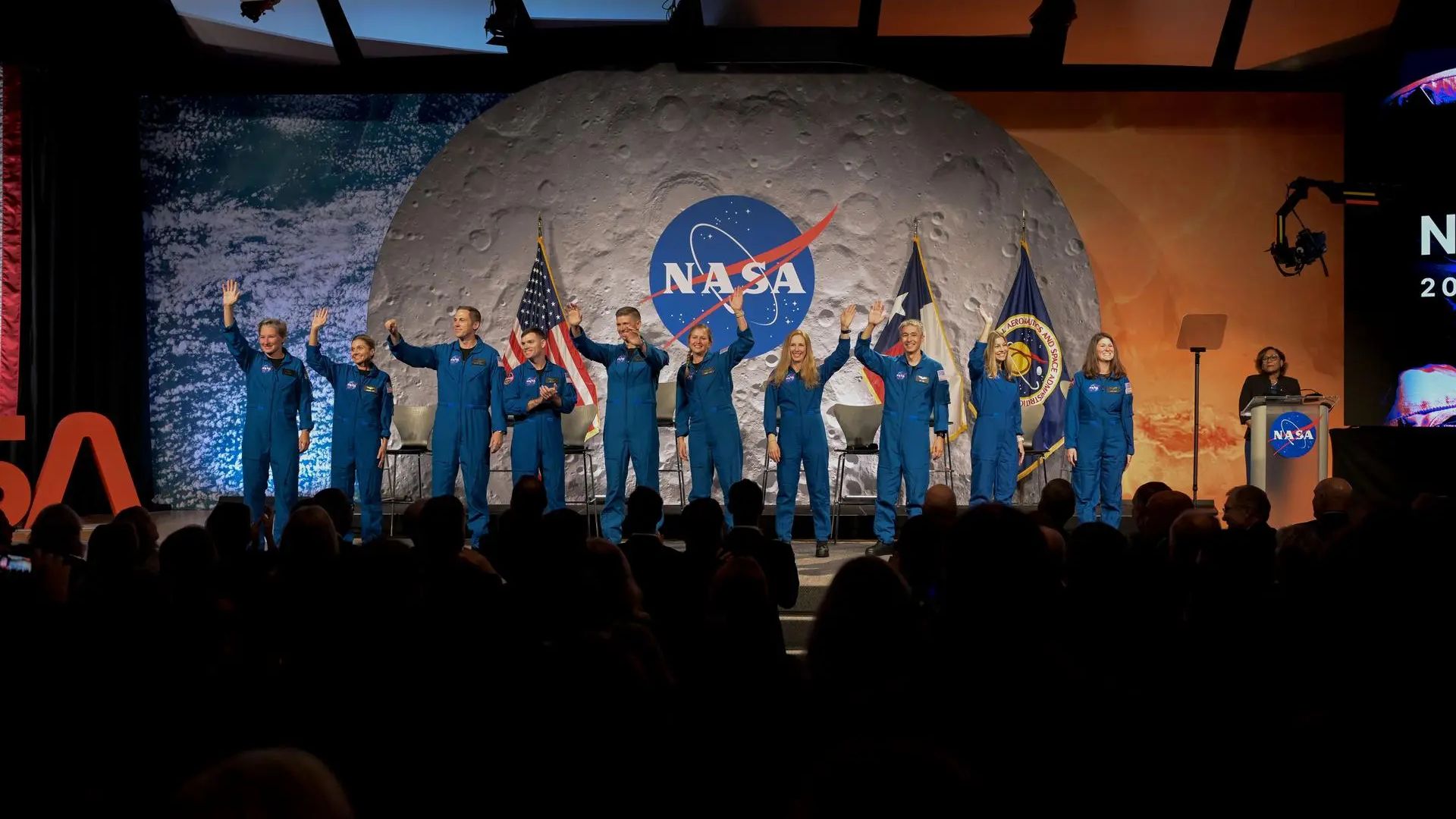
On Saturday (Nov. 7), NASA put out the call for applications for a new class of astronauts. Applications are due by Dec. 3.
The FDA on Monday warned that GLP-1 drugs carry a potential risk for a rare but serious eye condition that's sometimes referred to as an "eye stroke."
Dorian Todd turned his open source quadruped robot into a 264-gram quadcopter that can walk, unfold its legs, and fly.
Cut-and-shut trundlebot with spiffy new paint job meant to be headed to the Moon in 2028
Scientists from Tokyo Metropolitan University have discovered that charged states made of two electrons and a positively charged hole (or vice versa) on atomically thin rolls of carbon atoms have a structure-derived "handedness" in how they interact with light. While electron-hole pairs, or "excitons," were known to keep the chirality of the underlying nanotube, the team showed that adding a charge to create "trions" does not change this property.
"Grok analyzing the same video is 99.9 percent perfect."
A pivotal Alzheimer’s trial tied to Vivek Ramaswamy’s political rise is a tale of failed endpoints.
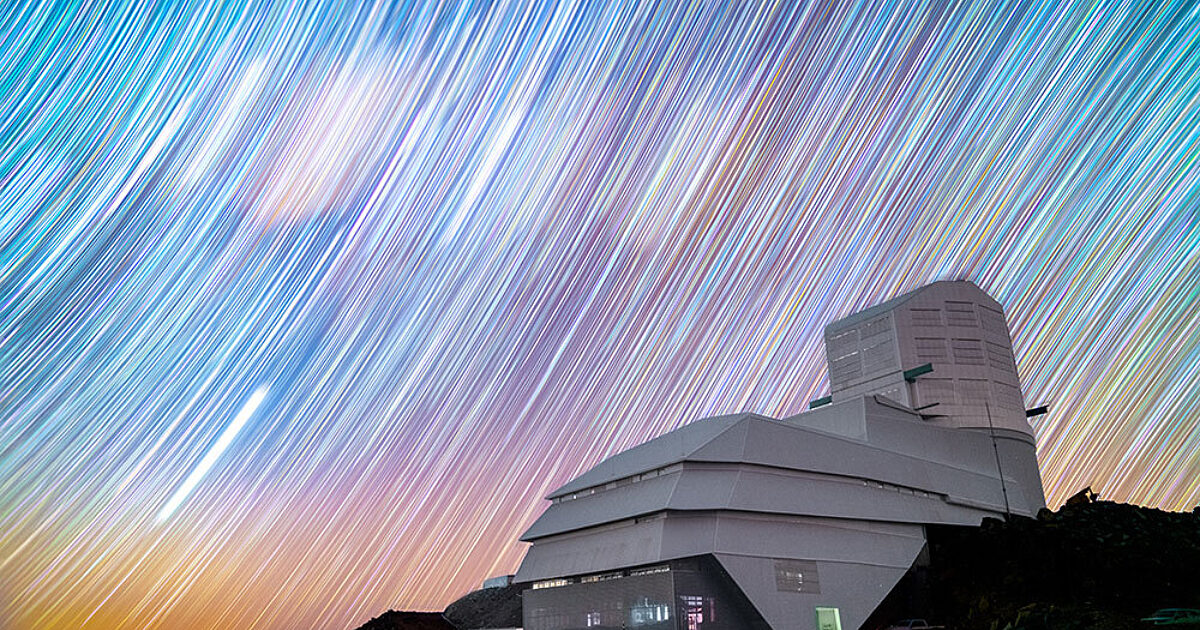
The Vera C. Rubin Observatory is a ground-based telescope that is creating a 10-year time-lapse video of the night sky to study dark matter, dark energy, the Milky Way, and Solar System objects.
The update to Waymo's self-driving system was rolled out nearly a year ago.
According to Nikkei, a procurement team from Terafab, the chip venture between Tesla and SpaceX, visited Japan and walked local equipment makers through what it plans to buy. The targets it reportedly shared are gigantic: 1 million wafers per month from 2032 onward, with around 700,000 of those going to memory chips and 300,000 to logic. Nikkei's headline puts that at 40 times the output of Japan's Rapidus. The same split first surfaced in a Jiji Press report last month…
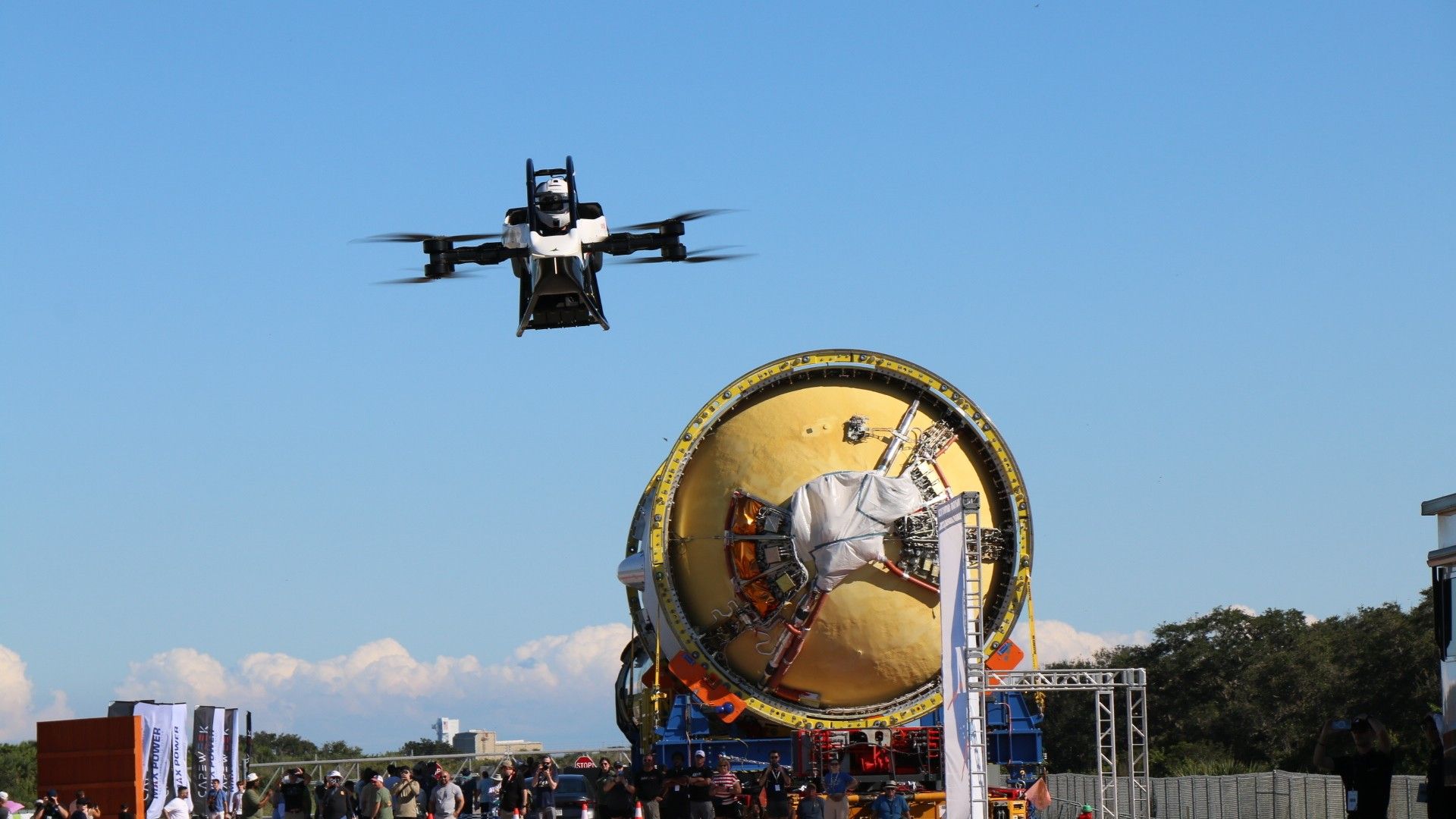
The future of flight meets space exploration as a futuristic electric aircraft hovers beside Blue Origin's massive New Glenn rocket stage.
M5Stack's new Core Matrix packs 256 LEDs, Wi-Fi 6, motion sensing, and an ESP32-C61 into a tiny $30 IoT development kit.
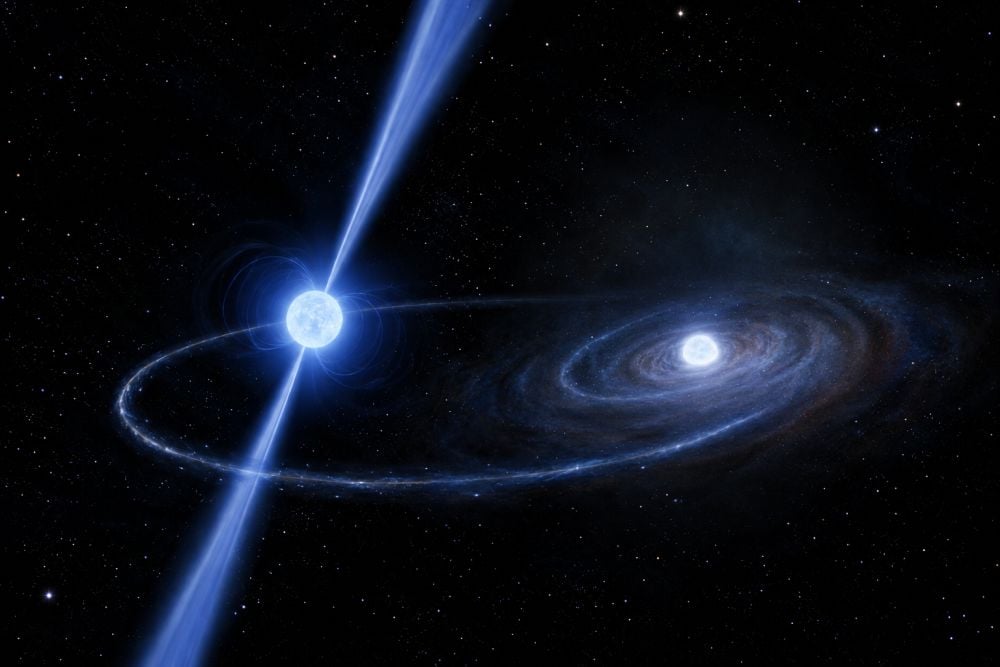
Millisecond pulsars are fascinating objects that serve as natural clocks in the Universe. They form by drawing material and angular momentum from a companion. This mass transfer can rapidly accelerate the companion's evolution to a white dwarf. Astronomers have detected a millisecond pulsar's white dwarf companion that appears to be observed just as the mass transfer completed. They can still see some of the debris.
For years, gene therapy researchers debated whether the viruses they use to ferry replacement genes into cells could cause tumors. A small number of cases now offer strong evidence that…
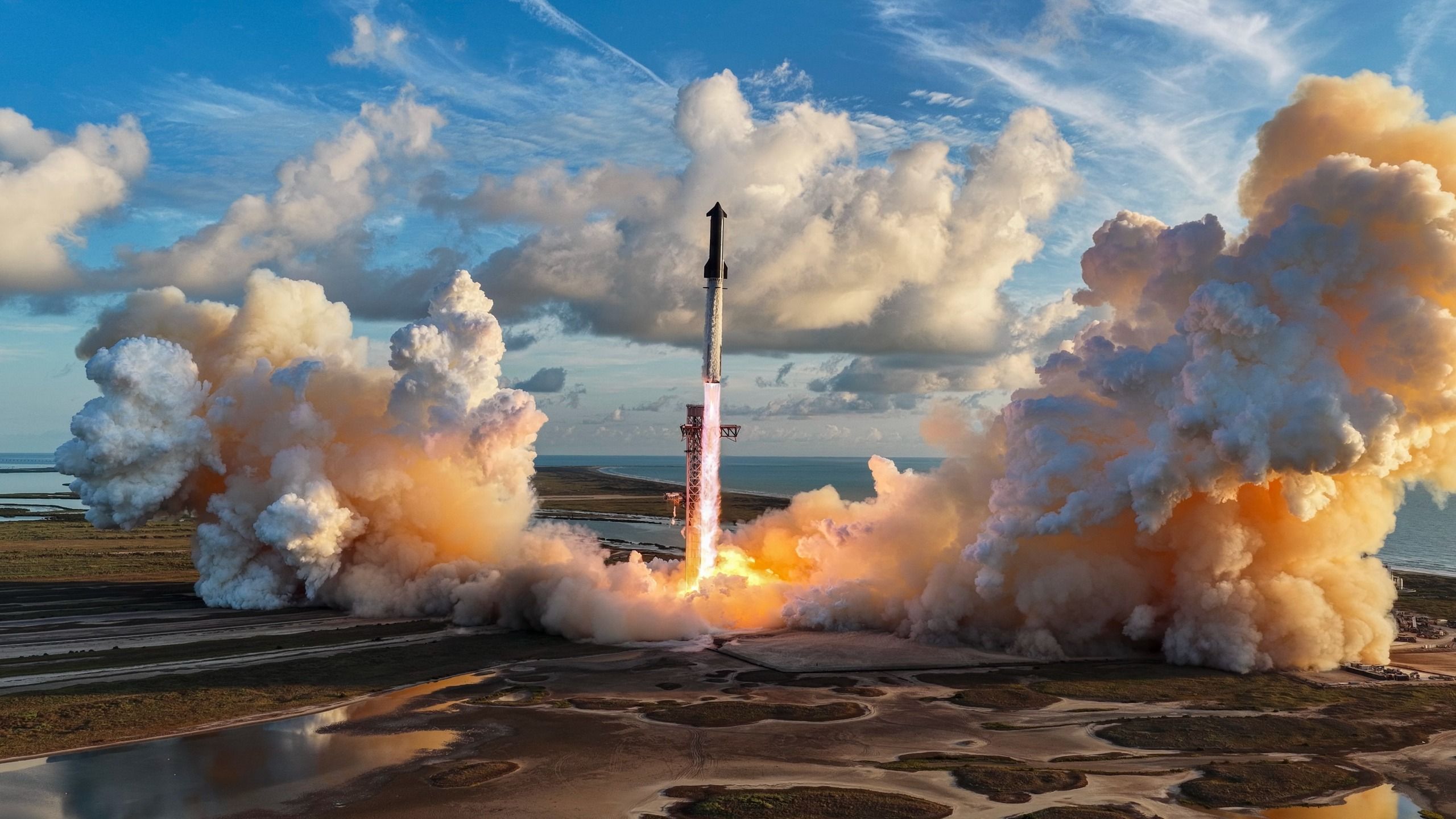
SpaceX's next Starship test flight will take place on Friday (Nov. 13), and it will be epic: The company will try to catch both of the vehicle's stages when they return to Earth.
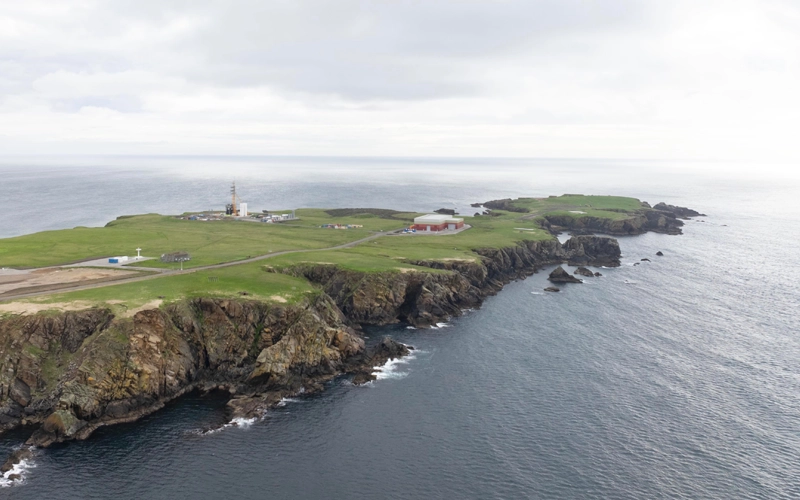
The UK Government has secured a stake of more than 25% in SaxaVord Spaceport following the completion of a £60 million public-private investment agreement in late October. According to a filing submitted to Companies House on 6 November, the Department for Science, Innovation and Technology (DSIT) became a “person” with significant control of Shetland Space
The AIhub coffee corner captures the musings of AI experts over a short conversation. This month we ask whether humanoids are the future of robotics. How has the technology evolved recently, and what can we expect in the years to come? Joining the conversation this time are: Joydeep Biswas (University of Texas at Austin), Sanmay