Fields: space, quantum, biotech, agritech, IoT and robotics

Science and technology fields in one place: space, quantum technology, biotechnology, agritech, the Internet of Things and robotics, with news from the specialist press and research from journals and arXiv. Each field has its own page in the Fields menu.

Phys.org Space Space

ESA's Hera probe uses 'superhuman' vision to inspect NASA's asteroid crash site

Around four years ago, humanity intentionally hit an asteroid. The Double Asteroid Redirection Test (DART) was by pretty much all measures a resounding success when it struck the asteroid moonlet Dimorphos going more than 22,000 kilometers per hour (13,700 miles per hour). However, we still don't know just how much of a success it actually was—DART was a one-way mission with no real way to track the results of the impact close up.

Read at Phys.org Space

Phys.org Space Space

If tiny 'primordial' black holes exist, here's how we might find them

Scientists have hypothesized that, in the fraction of a second following the Big Bang, minute black holes may have been forged within tiny, dense pockets that collapsed under their own gravity. If these primordial black holes are ever found, they could represent a significant component of dark matter—the invisible substance that makes up most of the universe's matter.

Read at Phys.org Space

NASA Science Space

OGLE-2015-BLG-1395L b

OGLE-2015-BLG-1395L b is a gas giant exoplanet that orbits a -type star. Its mass is 0.17 Jupiters, it takes 10.4 years to complete one orbit of its star, and is 3.04 AU from its star. Its discovery was announced in 2026.

Read at NASA Science

NASA Science Space

RX J0534.0-0221 b

RX J0534.0-0221 b is a gas giant exoplanet that orbits a -type star. Its mass is 2.8 Jupiters, it takes 76.7 years to complete one orbit of its star, and is 14 AU from its star. Its discovery was announced in 2026.

Read at NASA Science

NASA Science Space

TOI-2535 b

TOI-2535 b is a gas giant exoplanet that orbits a -type star. Its mass is 0.205 Jupiters, it takes 8.2 days to complete one orbit of its star, and is 0.076016891643453 AU from its star. Its discovery was announced in 2026.

Read at NASA Science

NASA Science Space

OGLE-2013-BLG-1125L b

OGLE-2013-BLG-1125L b is a gas giant exoplanet that orbits a -type star. Its mass is 0.33036695 Jupiters, it takes 2.7 years to complete one orbit of its star, and is 1 AU from its star. Its discovery was announced in 2026.

Read at NASA Science

Space.com Mike Wall Space

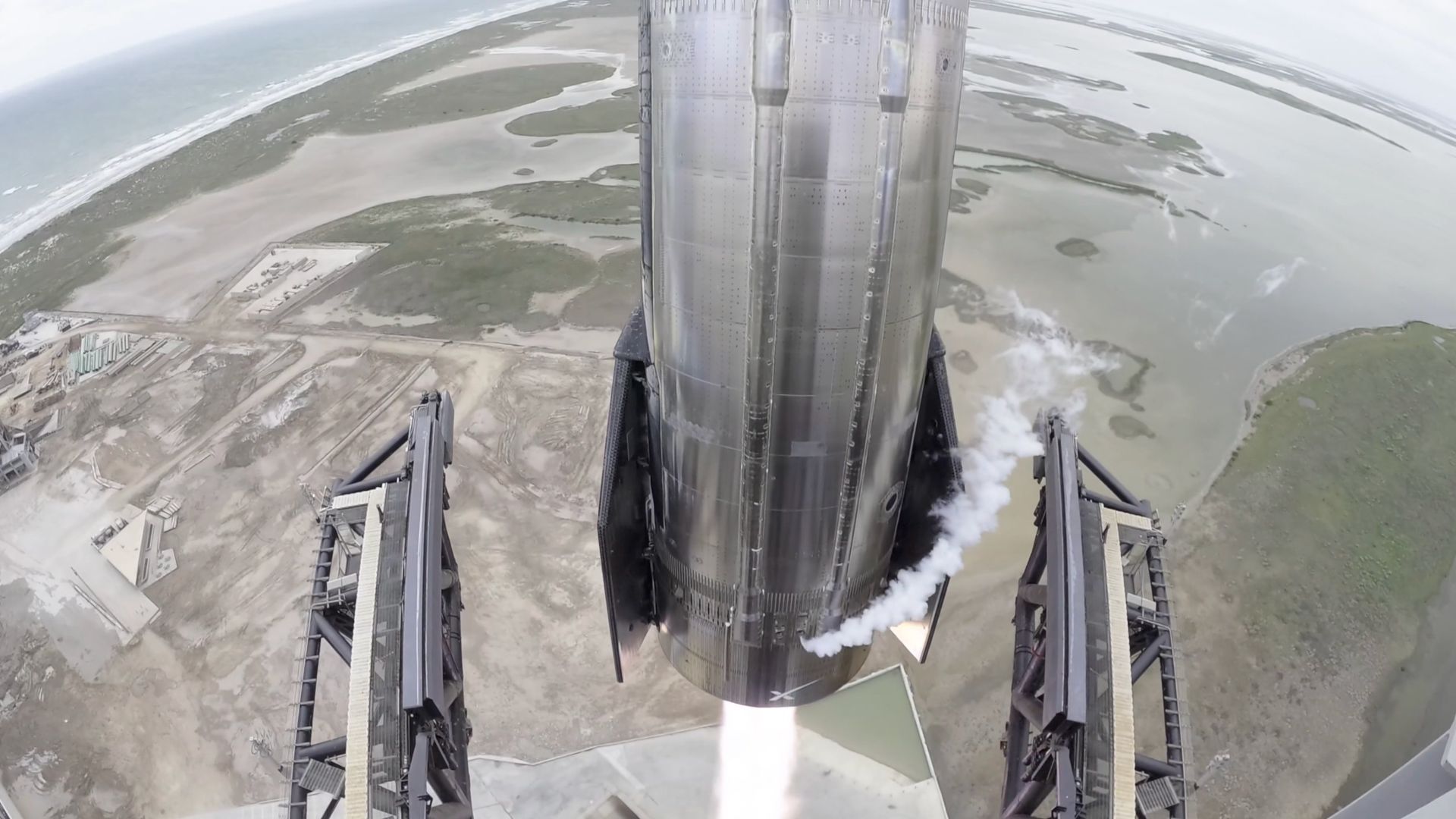
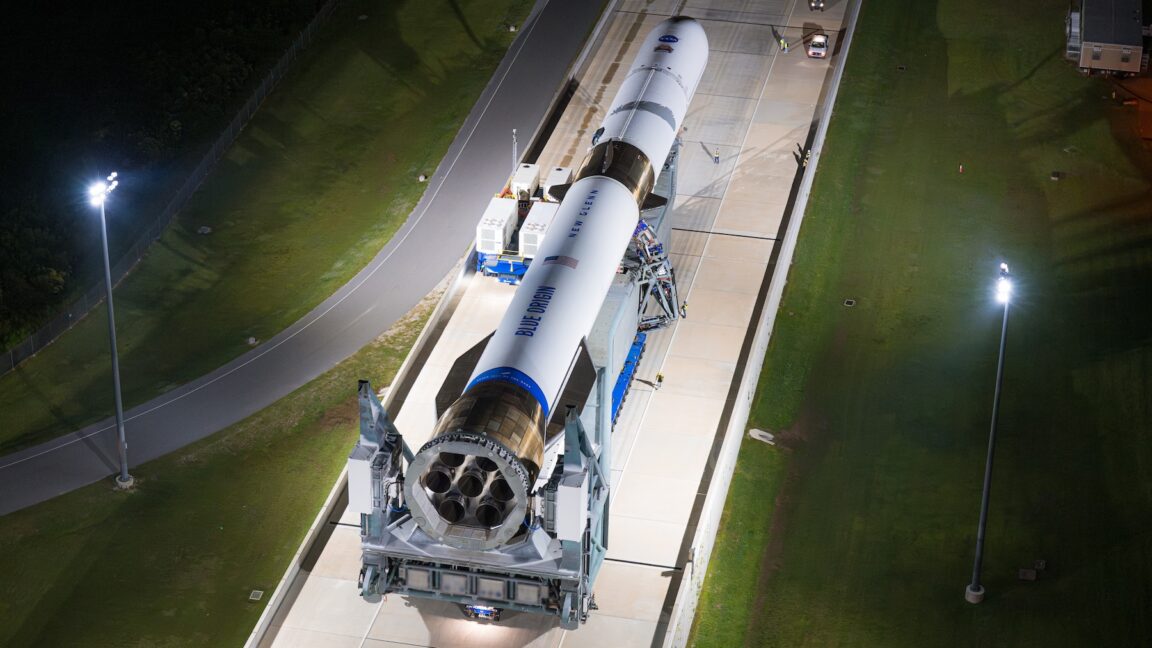
The view from the tower: Watch Starship come in for chopsticks catch in epic slo-mo video

A new set of slo-mo videos gives us a tower's-eye view of the first-ever catch of a Starship upper stage, a milestone SpaceX achieved last weekend.

Read at Space.com

NASA Science Space

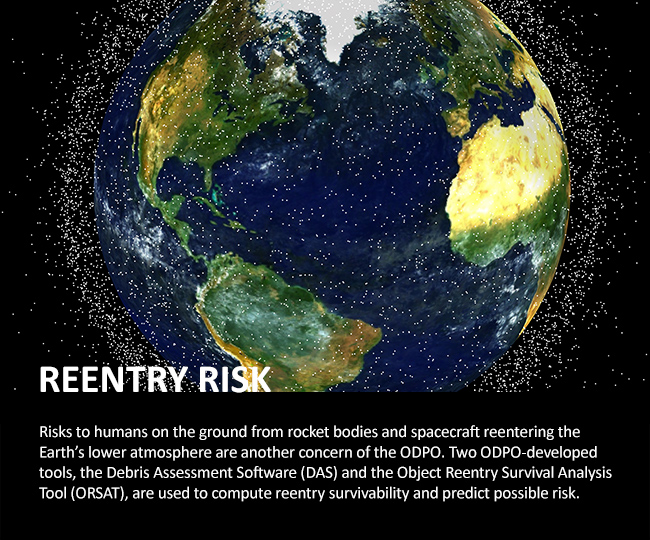
/odpo/reentry

Debris Reentry Due to the increasing number of objects in space, NASA and the international aerospace community have adopted guidelines and assessment procedures to reduce the number of non-operational spacecraft and spent rocket upper stages orbiting the Earth. One method of postmission disposal is to allow the reentry of these spacecraft, either from natural orbital

Read at NASA Science

GEN (Genetic Engineering & Biotechnology News) Uduak Thomas

Former Verily Leaders Build AI Platform to Get More from Proteomics Data

Tesorai’s AI platform reanalyzes massive proteomics repositories, letting researchers mine raw mass spectrometry data instead of condensed forms. In an Alzheimer’s project, it found phosphorylated tau 217 in four datasets where the original authors did not report it.

Read at GEN (Genetic Engineering & Biotechnology News)

NASA Science Space

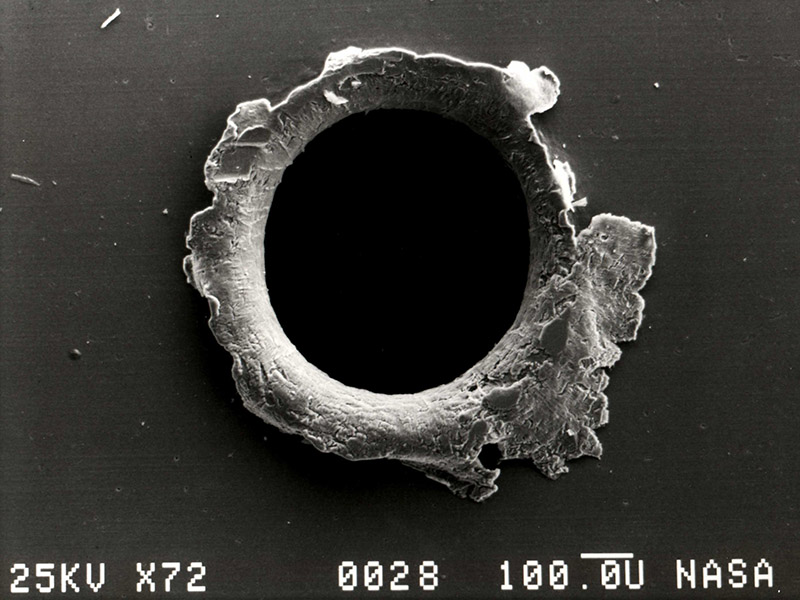
/odpo/spacecraft_impact_research

Spacecraft Impact Research An important source of information about the debris environment is the study of impact pits on surfaces that have been exposed to space in Earth orbit. All spacecraft collide with very small orbital debris particles and meteoroids; consequently, spacecraft surfaces returned to Earth are found to have many small craters resulting from

Read at NASA Science

NASA Science Space

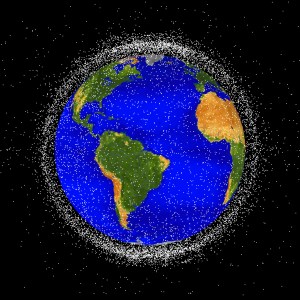
/odpo/photo gallery

STORMODPOHomeDebris MeasurementsDebris ModelingDebris ProtectionDebris MitigationDebris RemediationDebris ReentryPhoto GalleryQuarterly NewsDebris Assessment SoftwareReference DocumentsFrequently Asked QuestionsCARAMEO ODPO Graphics 3 Images Go To Gallery Go To Gallery ODPO Telescopes Gallery 3 Images Go To Gallery Go To Gallery ODPO Radar Gallery 5 Images Go To Gallery Go To Gallery ODPO Impacts Gallery 16 Images Go To Gallery Go

Read at NASA Science

The Planetary Society Space

Starship’s triumph and Vulcan’s failure

What Starship's success and Vulcan's failure say about the health of the commercial launch market and the future of NASA's access to space.

Read at The Planetary Society

NASA Science Caela Barry Space

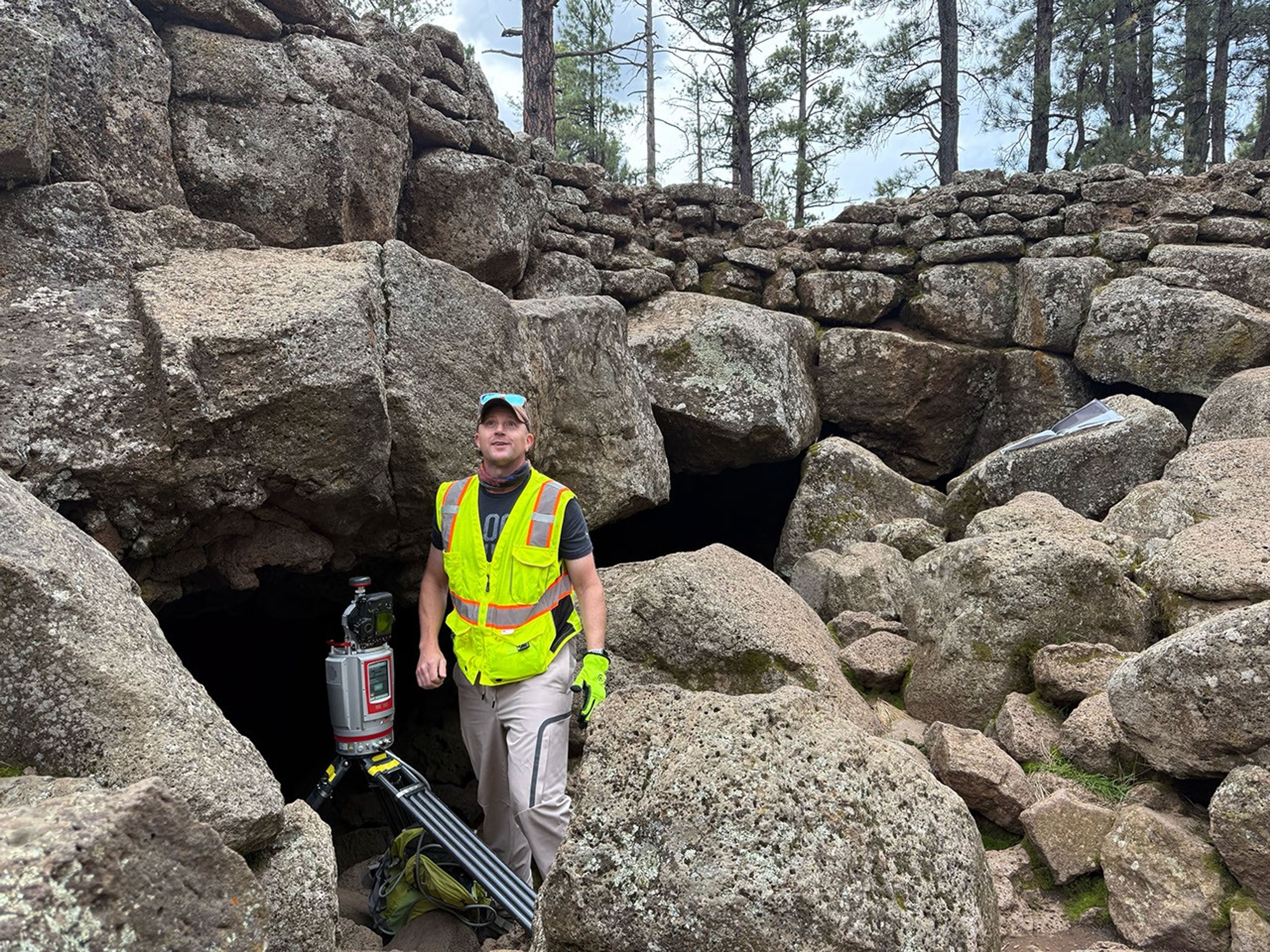
NASA Arizona Field Investigations Advance Planetary Science

To better understand processes shaping Earth, the Moon, Mars, and worlds beyond, NASA's Goddard Instrument Field Team headed to Flagstaff, Arizona.

Read at NASA Science

NASA Science Space

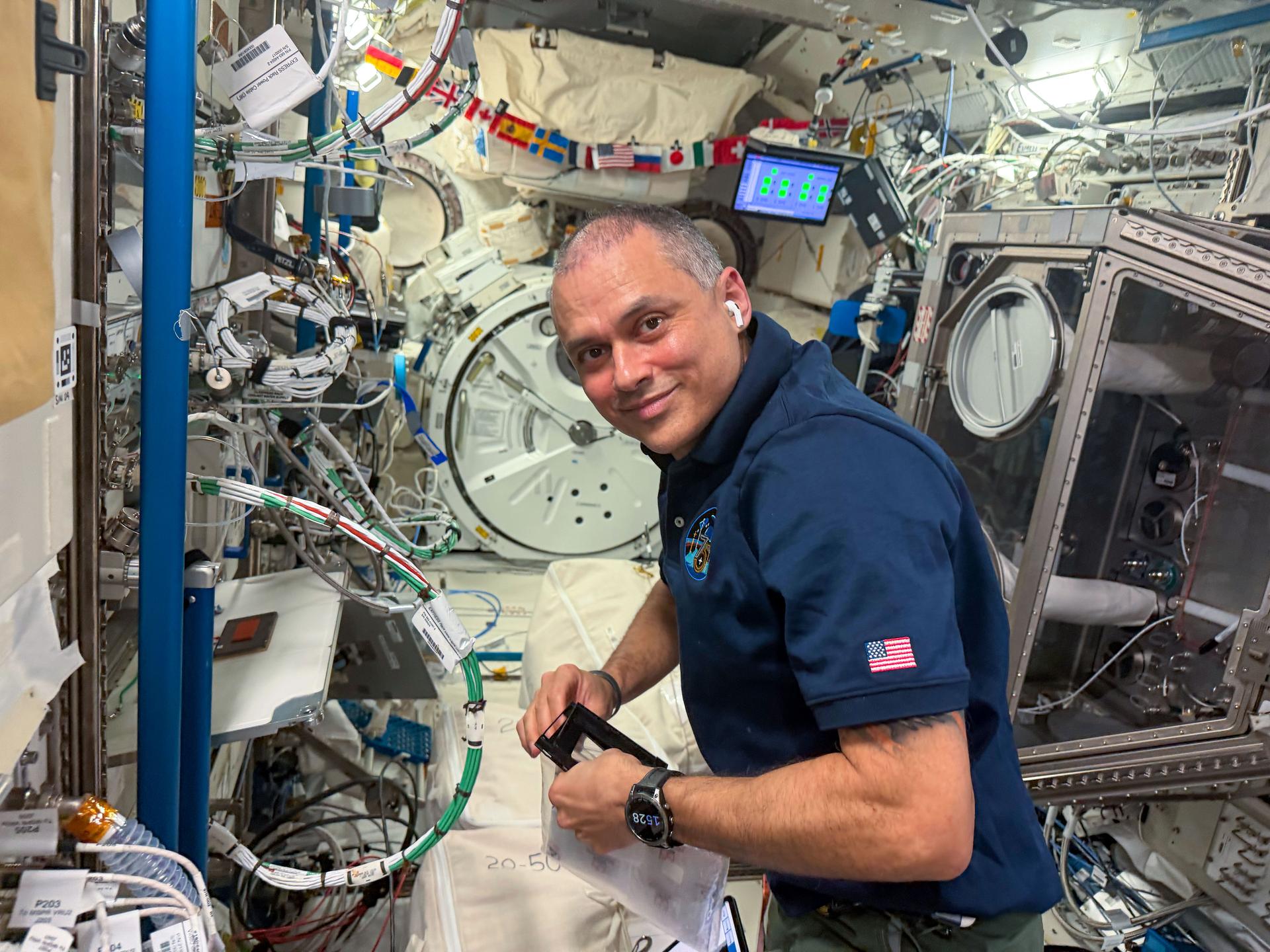
Science and Suits Fill Schedule as Crew Preps for Cargo Missions

The Expedition 75 crew spent Thursday on a variety of research including an exercise study and a space physics investigation and servicing spacesuits. The orbital residents are also gearing up for a variety of cargo missions departing from and launching to the International Space Station this month.

Read at NASA Science

Phys.org Space Space

Cryptography-inspired method speeds up searches for elusive pulsars

An international team of scientists has developed a method that can find pulsars in publicly available NASA data about a million times faster than before. This opens the door to discovering many more of these rapidly spinning objects. A paper describing the results was published in Physical Review Letters.

Read at Phys.org Space

The Quantum Insider Matt Swayne

Google’s Quantum Chip Beats Classical Limits in Tests of Teamwork

Insider Brief It turns out teamwork can indeed make the dream work, even when the team isn’t allowed to talk. It helps to have a few entangled qubits, though. In a study, a Google-led team of researchers used a quantum chip to beat the best classical strategies in games that barred players from communicating, demonstrating

Read at The Quantum Insider

Farm Progress Bruce Blythe, Ben Potter

Top Tips: When harvest ends, the real decisions begin

Top Tips tackles a tough marketing environment that still has some upside.

Read at Farm Progress

The Spoon (food tech) Michael Wolf

Vale Wants to Turn the PNW into the Napa of Matcha, Complete With Robots

While my kids have always loved matcha, I’ve viewed drinks made from the fine green powder much the same way I view cilantro: as having a flavor that a person

Read at The Spoon (food tech)

Phys.org Quantum Physics

Unusual magnetism revealed in a simple metal's electron spins

Magnets are usually associated with a familiar property: they produce a magnetic field because the magnetic moments of their electrons align. But nature allows much more unusual forms of magnetic order. An international research team has now identified compelling experimental evidence for p-wave magnetism in europium silicide (EuSi), a chemically simple metallic compound.

Read at Phys.org Quantum Physics

Space.com Andrew Jones Space

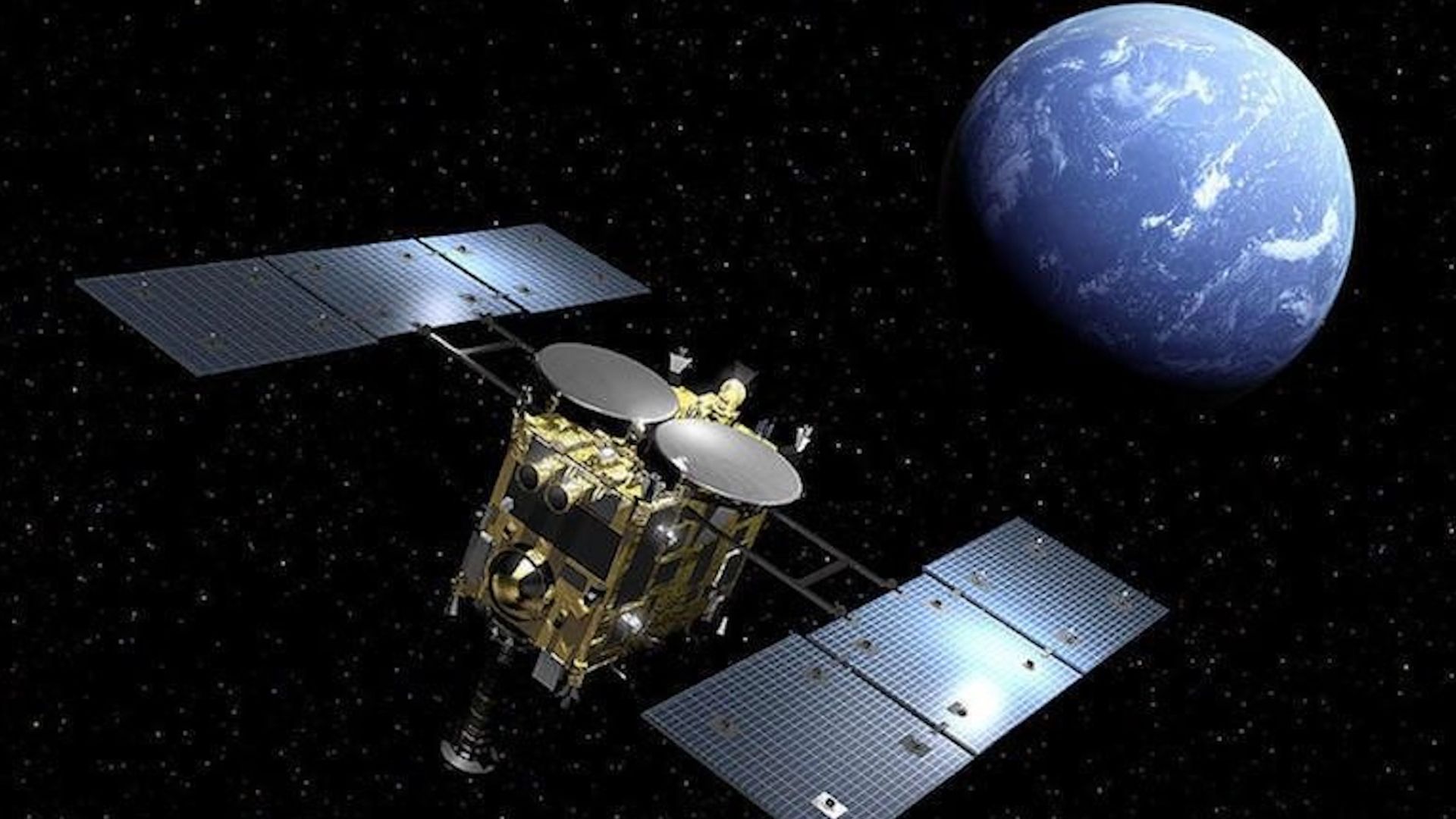
No more asteroid landing: Engine trouble forces Japan's Hayabusa2 probe to change plans

Japan's space agency has decided to switch destinations and objectives for the final act of its Hayabusa2 asteroid mission, due to problems with the spacecraft's ion thrusters.

Read at Space.com

GEN (Genetic Engineering & Biotechnology News) Sophia Ktori

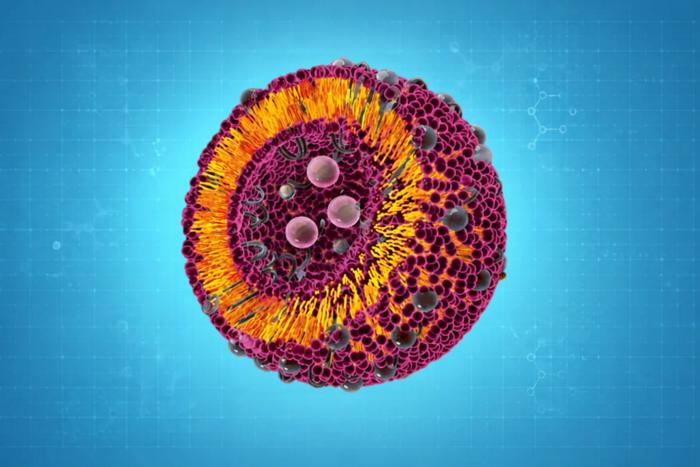
Type 1 Diabetes Delayed in Mice by Stem Cell-Derived Vesicles That Calm Immune Response

Extracellular vesicles produced by certain types of pluripotent stem cells (PSC) were found to help reduce immune attacks on insulin-producing cells in the pancreas and delay the onset of diabetes in a mouse model.

Read at GEN (Genetic Engineering & Biotechnology News)

NASA Bailey Light Space

Challenge: Public Input on Life and the World in 2075

NASA’s Transformational Tools and Technologies (TTT) is gathering public perspectives on life today and how the world may change by 2075. This challenge asks for conceptual ideas about life in 2075 across four challenge topics. Ideas should explore how future aviation or aerospace systems could: Ideas should be conceptual rather than technical. Award: $20,000 in

Read at NASA

Phys.org Space Space

NASA conducts latest RS-25 engine test in support of future Artemis missions

NASA tested RS-25 engine No. 10001 on Nov. 18 on the Fred Haise Test Stand at NASA's Stennis Space Center near Bay St. Louis, Mississippi.

Read at Phys.org Space

Space.com Andrew Jones Space

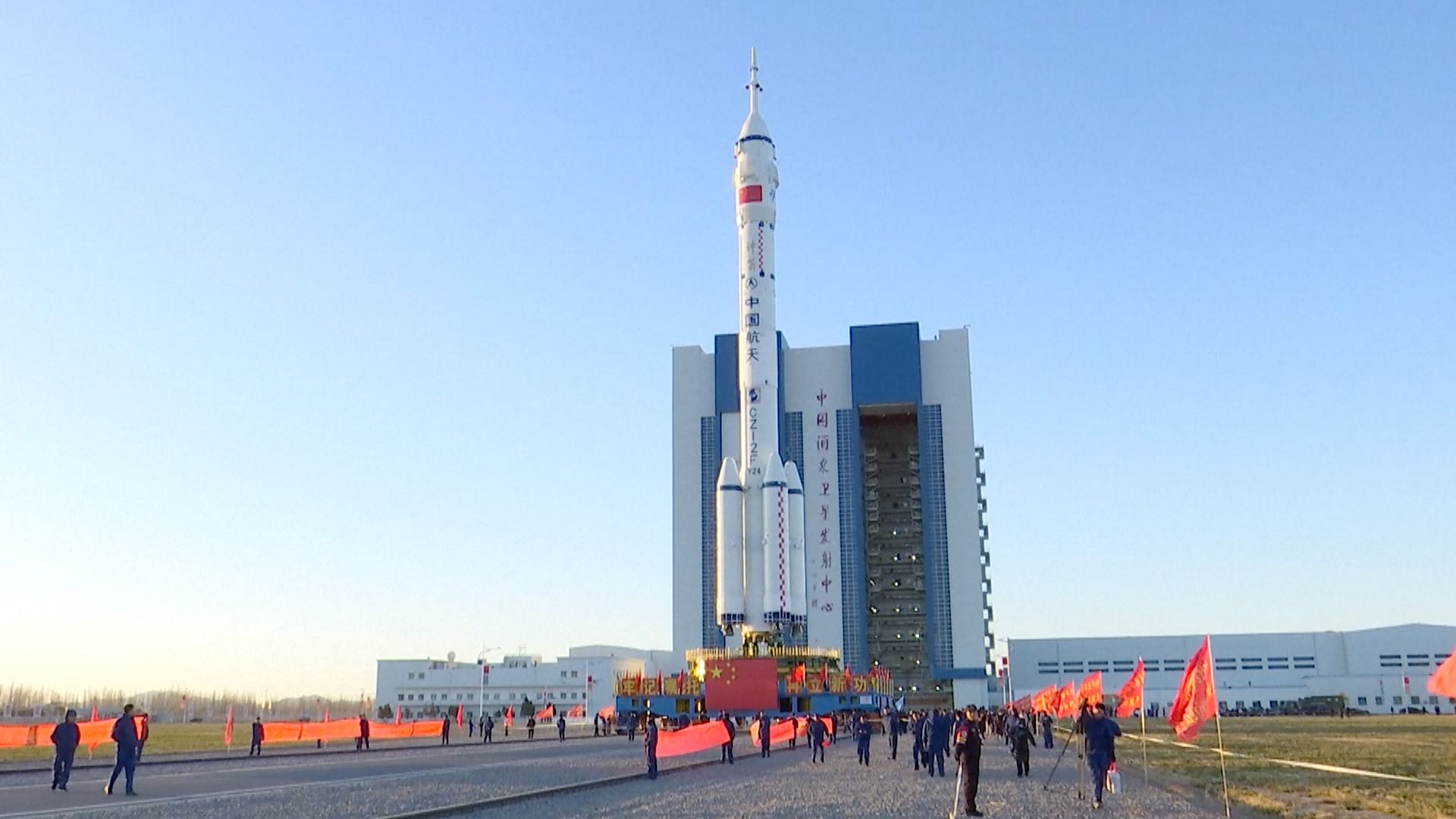
China rolls out rocket for launch of 1st international astronaut to Tiangong space station (video)

China has rolled to the launch pad the rocket and spacecraft for its Shenzhou-24 mission, which will fly the first international astronaut to the nation's Tiangong space station.

Read at Space.com

NASA Science Amanda Barnett Space

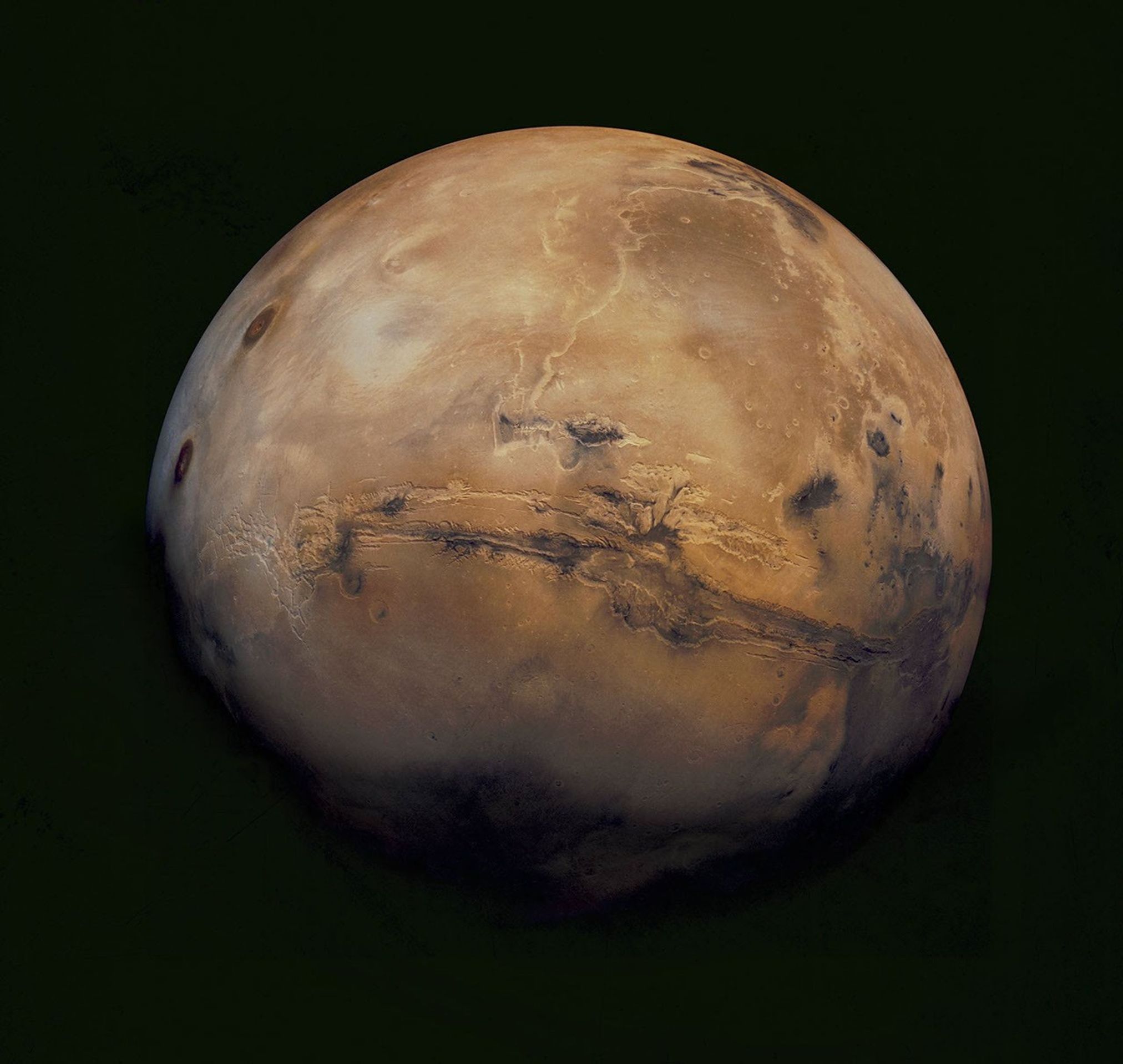
NASA’s Perseverance, Odyssey Teams Investigate Technical Issues

NASA teams supporting the agency’s Perseverance Mars rover and 2001 Mars Odyssey orbiter missions are investigating separate technical issues affecting science operations on the two missions. Out of an abundance of caution, science activities are temporarily paused for the Perseverance rover on Mars while ground teams work on issues with its two UHF radios used

Read at NASA Science

NASA Science Andrew Dollar Space

Kilonova Catcher

Use your backyard telescope to spot the most cataclysmic collisions in our Universe!

Read at NASA Science

Universe Today Evan Gough Space

Earth's Atmosphere Took Three Deep Breaths of Oxygen Before the Oceans Caught Up

The accumulation of oxygen in Earth's atmosphere and oceans was a multi-stage process that played out over geologic timescales. Scientists have worked hard to understand all the details of this complex process. New research writes a revised timeline for how it all played out.

Read at Universe Today

The Hill Eric Wargotz, opinion contributor Geopolitics

The GLP-1 blind spot: Why the FDA’s new eye stroke warning matters

It forces the medical community to treat these therapies with clinical gravity instead of casual enthusiasm.

Read at The Hill

Older stories