AWS Machine Learning Blog

Recent stories from AWS Machine Learning Blog.

AWS Machine Learning Blog Meghan Kothari SI

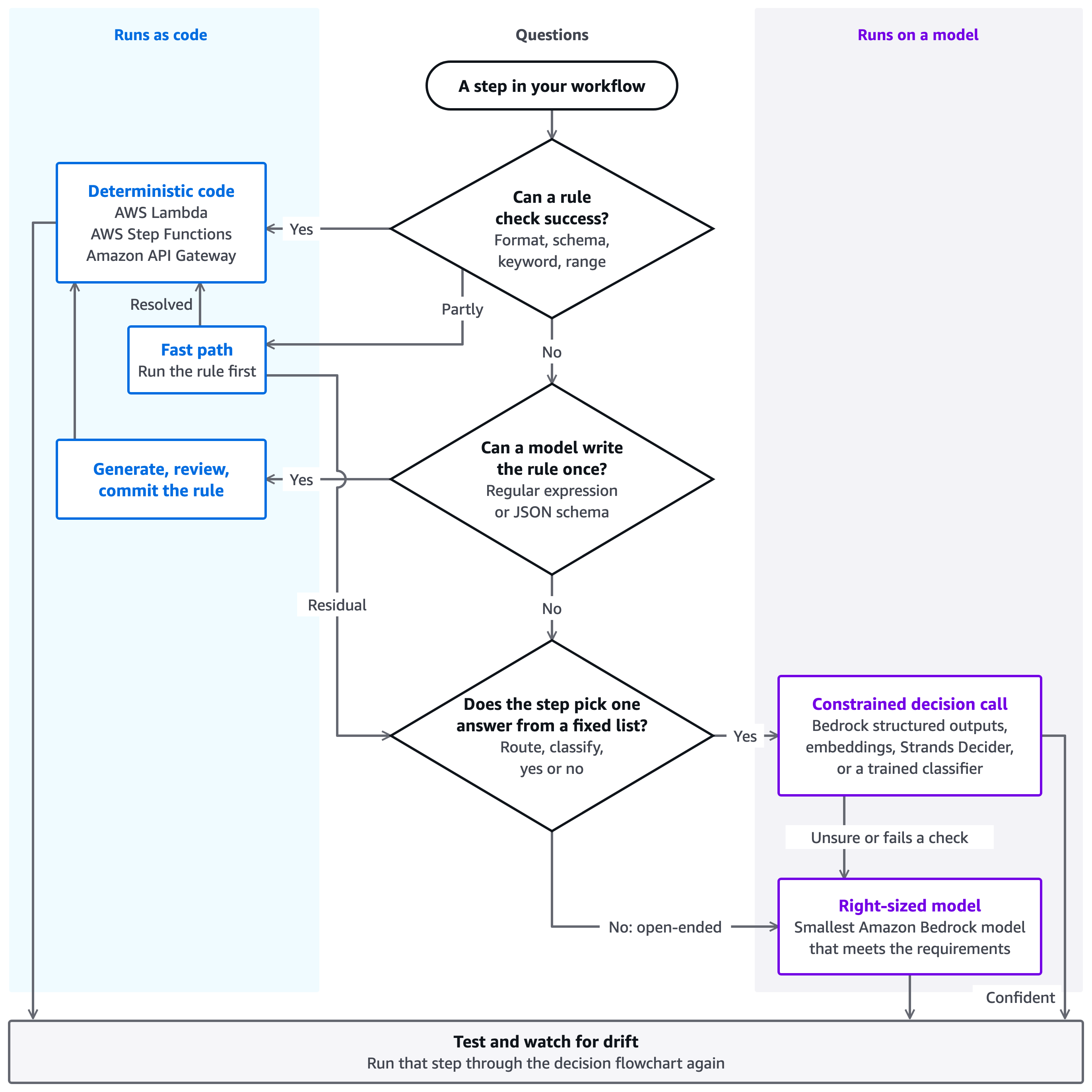
Cut generative AI costs: Code for rules, models for judgment

The biggest cost lever in a generative AI system is whether you call a model at all. Learn how to decide whether each workflow step needs a model, and map each option to AWS: deterministic code, a constrained decision call, or a right-sized model on Amazon Bedrock.
Read at AWS Machine Learning Blog

AWS Machine Learning Blog Dmitry Soldatkin SI

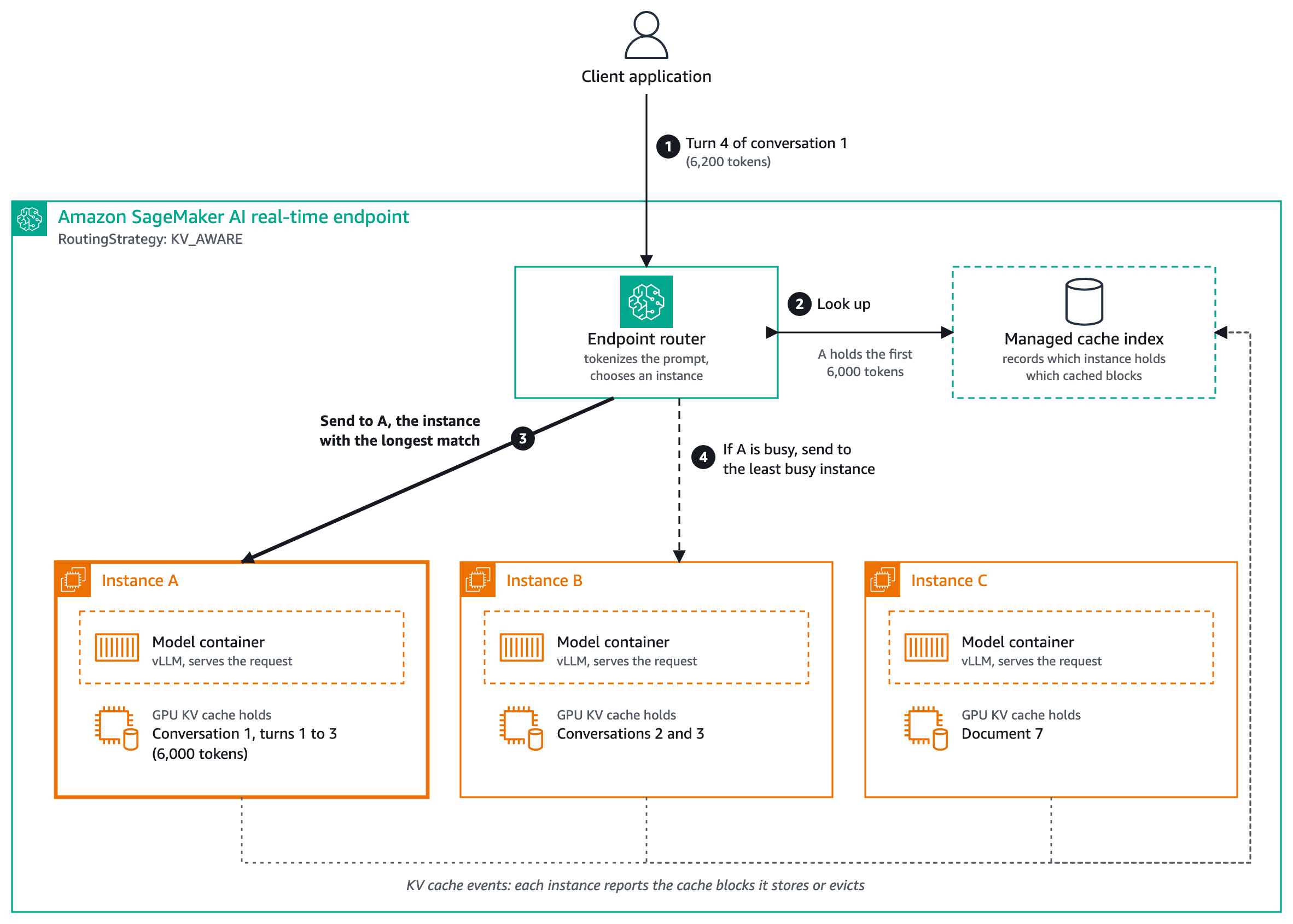
Amazon SageMaker AI real-time endpoints now support KV cache aware routing

Amazon SageMaker AI real-time endpoints now support KV cache-aware routing, a new strategy that routes each request to the instance holding the longest cached match for its prompt. Learn how it works, when to use it compared with prefix-aware routing, and how to enable, invoke, and verify it on single model and inference component endpoints.

Read at AWS Machine Learning Blog

AWS Machine Learning Blog Sana Iqbal SI

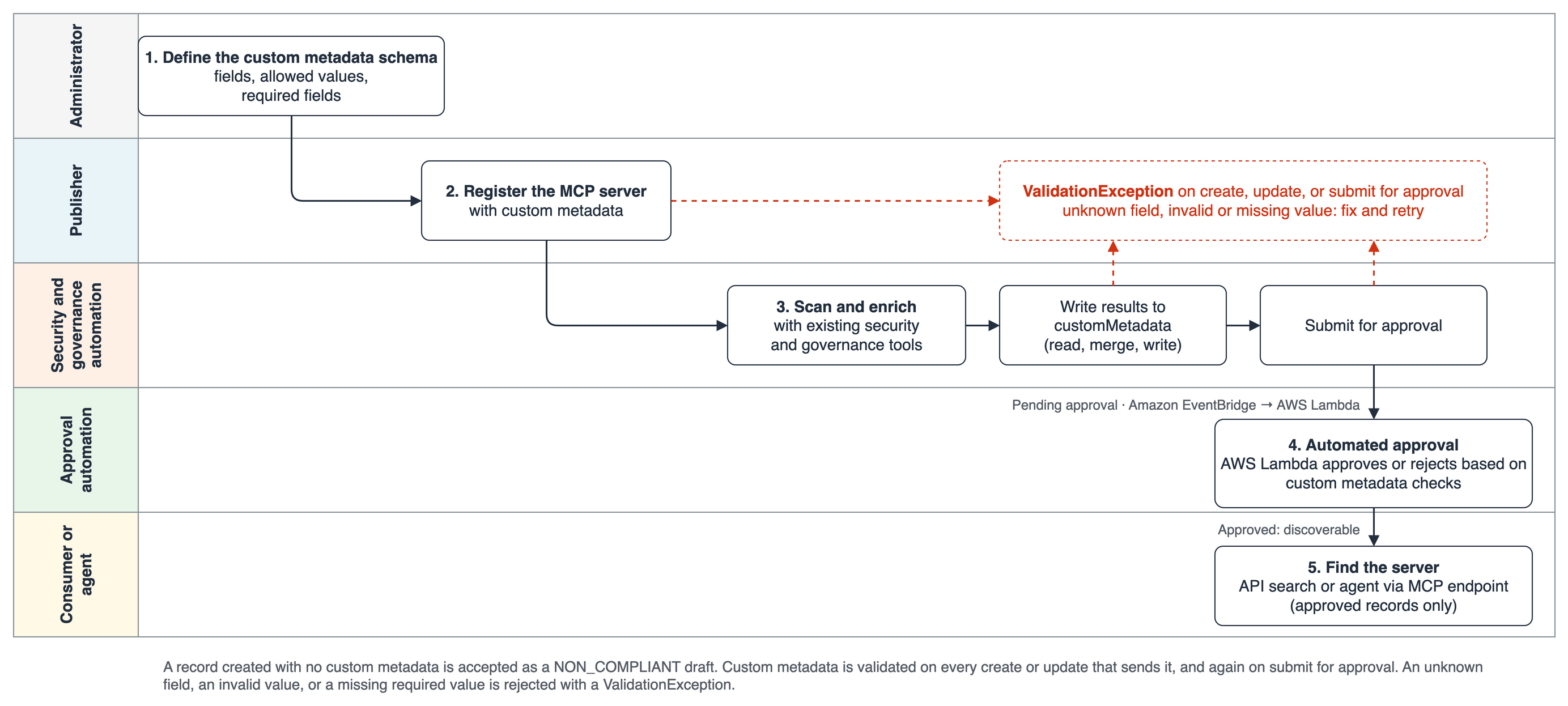
Govern and discover records with common metadata in AWS Agent Registry

Custom metadata schemas in AWS Agent Registry let an administrator define typed, validated fields that every agent, MCP server, and skill must carry. This post follows an MCP record from schema definition through registration, enrichment, approval, and discovery, so teams govern and find resources with one shared set of facts.

Read at AWS Machine Learning Blog

AWS Machine Learning Blog Nithyashree Alwarsamy SI

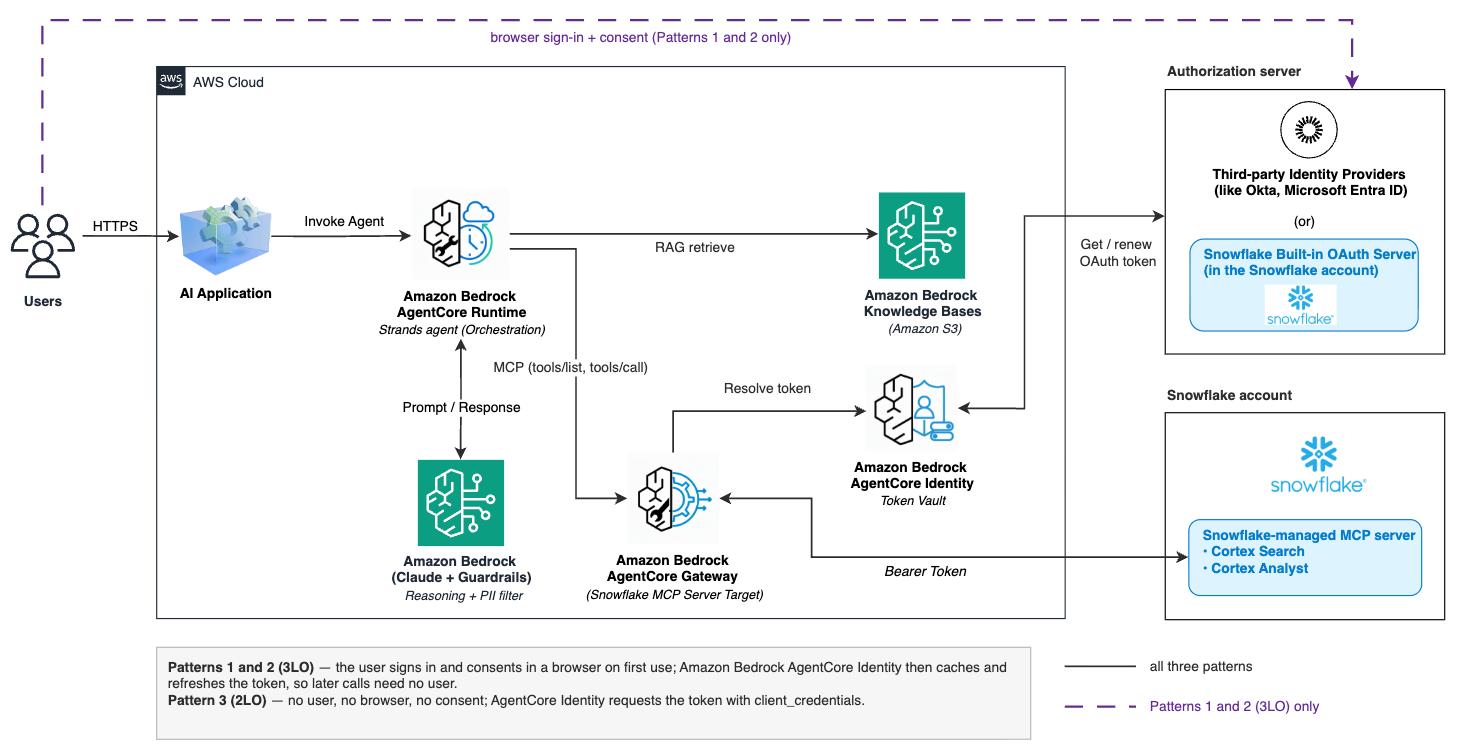
Secure OAuth patterns for Snowflake Cortex AI through Amazon Bedrock AgentCore

When an AI agent on Amazon Bedrock AgentCore calls Snowflake Cortex AI over MCP, how does it authenticate? This post walks through three OAuth patterns we tested on AgentCore Identity: Snowflake OAuth, three-legged OAuth with a corporate IdP, and two-legged OAuth, so you can match your organization's identity, audit, and compliance needs.

Read at AWS Machine Learning Blog

AWS Machine Learning Blog Varun Rajan SI

Announcing AI data preparation capabilities in Amazon SageMaker: Build high-quality datasets for model development workflows

Amazon SageMaker AI now offers AI data preparation capabilities for building high-quality training and evaluation data. Generate synthetic examples, assess and improve datasets, auto-label at scale, and bring in expert review through Python SDK APIs and an agent skill, all from your own notebook or IDE.

Read at AWS Machine Learning Blog

AWS Machine Learning Blog Dr. Asa Kalavade SI

Getting AI out of the demo and into businesses globally

Most enterprises have AI that works in a demo but stalls before production. AWS Forward Deployed Engineering closes that gap. AWS engineers embed with customer teams to take high-value workflows to production in 45-day sprints, leaving a foundation, workflows, and governance the customer owns.

Read at AWS Machine Learning Blog

AWS Machine Learning Blog Marco Larrea SI

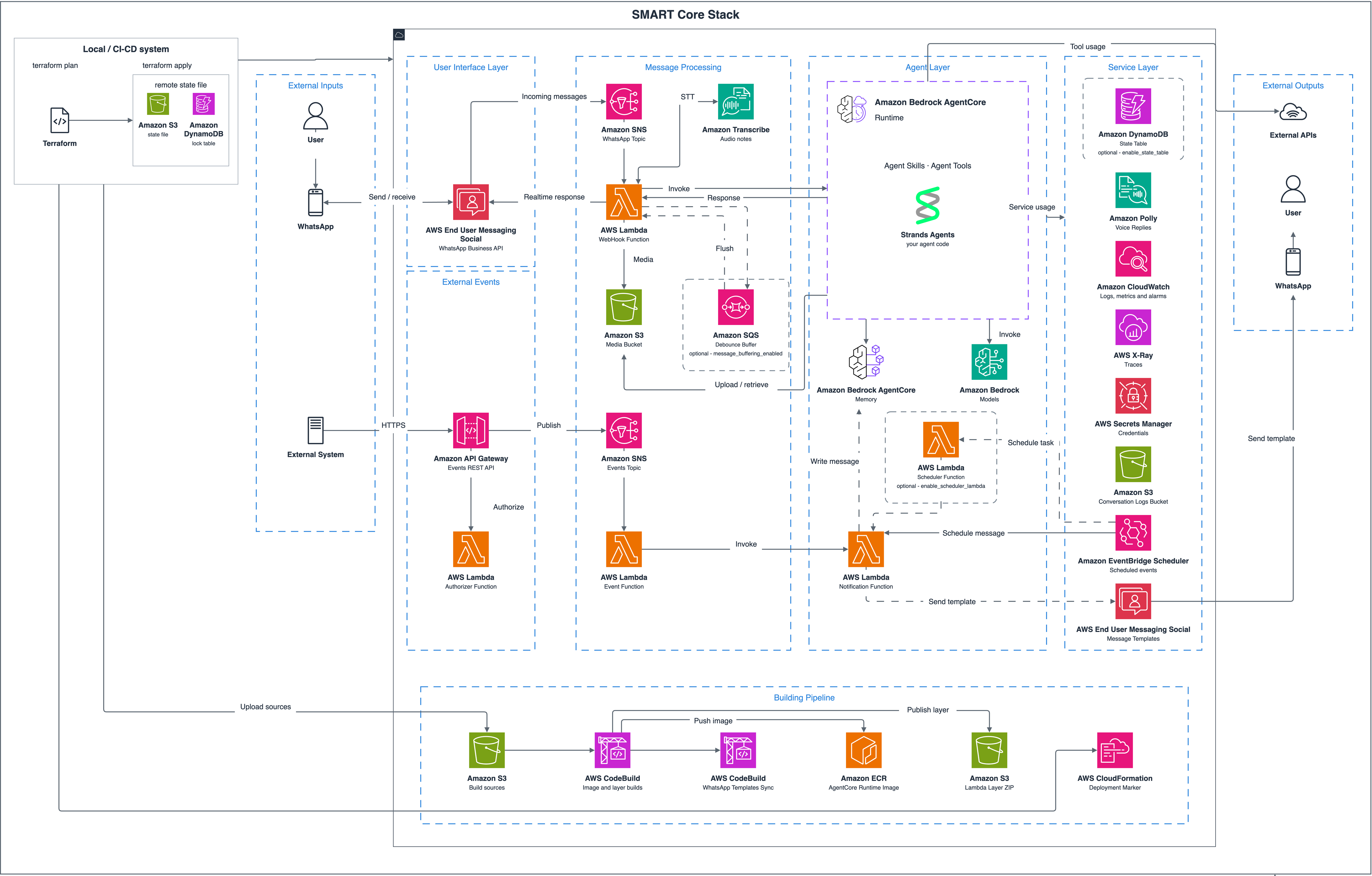
Build WhatsApp AI agents with Amazon Bedrock AgentCore

SMART, an open-source Python SDK and Terraform stack, deploys the full WhatsApp channel layer to your AWS account with one command. Bring any agent that runs on Amazon Bedrock AgentCore, and SMART handles webhook ingestion, media, conversation memory, scheduling, and Meta message templates.

Read at AWS Machine Learning Blog

AWS Machine Learning Blog Martin Maritsch SI

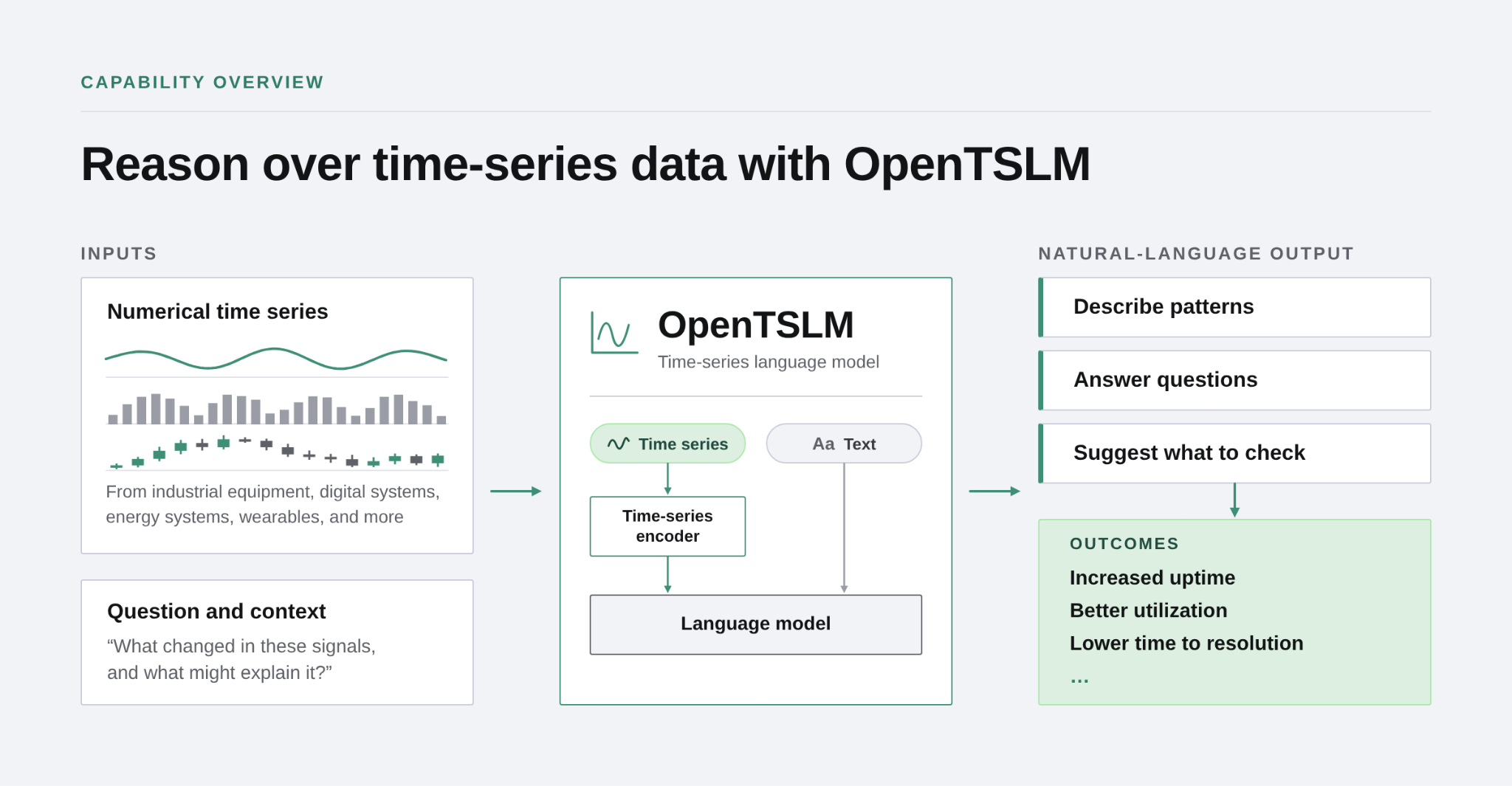
Reason over time-series data with OpenTSLM on Amazon SageMaker JumpStart

OpenTSLM, an open source family of time-series language models, is now available in Amazon SageMaker JumpStart. See how Nexthink and Aionic Labs apply it to proactive IT support, then deploy OpenTSLM to a real-time endpoint and fine-tune it on your own data with TimeNet and a SageMaker training job.

Read at AWS Machine Learning Blog

AWS Machine Learning Blog Michelle Ye SI

Your complete guide to AWS Quick at AWS re:Invent 2026

AWS Quick gives your whole organization AI that knows your business, respects your security rules, and acts on your behalf. At AWS re:Invent 2026, customers including Allianz, Cox Automotive, and Southwest Airlines share how they govern, extend, and scale Quick. Use this guide to find the sessions that fit your goals.

Read at AWS Machine Learning Blog

AWS Machine Learning Blog Mariah Miller SI

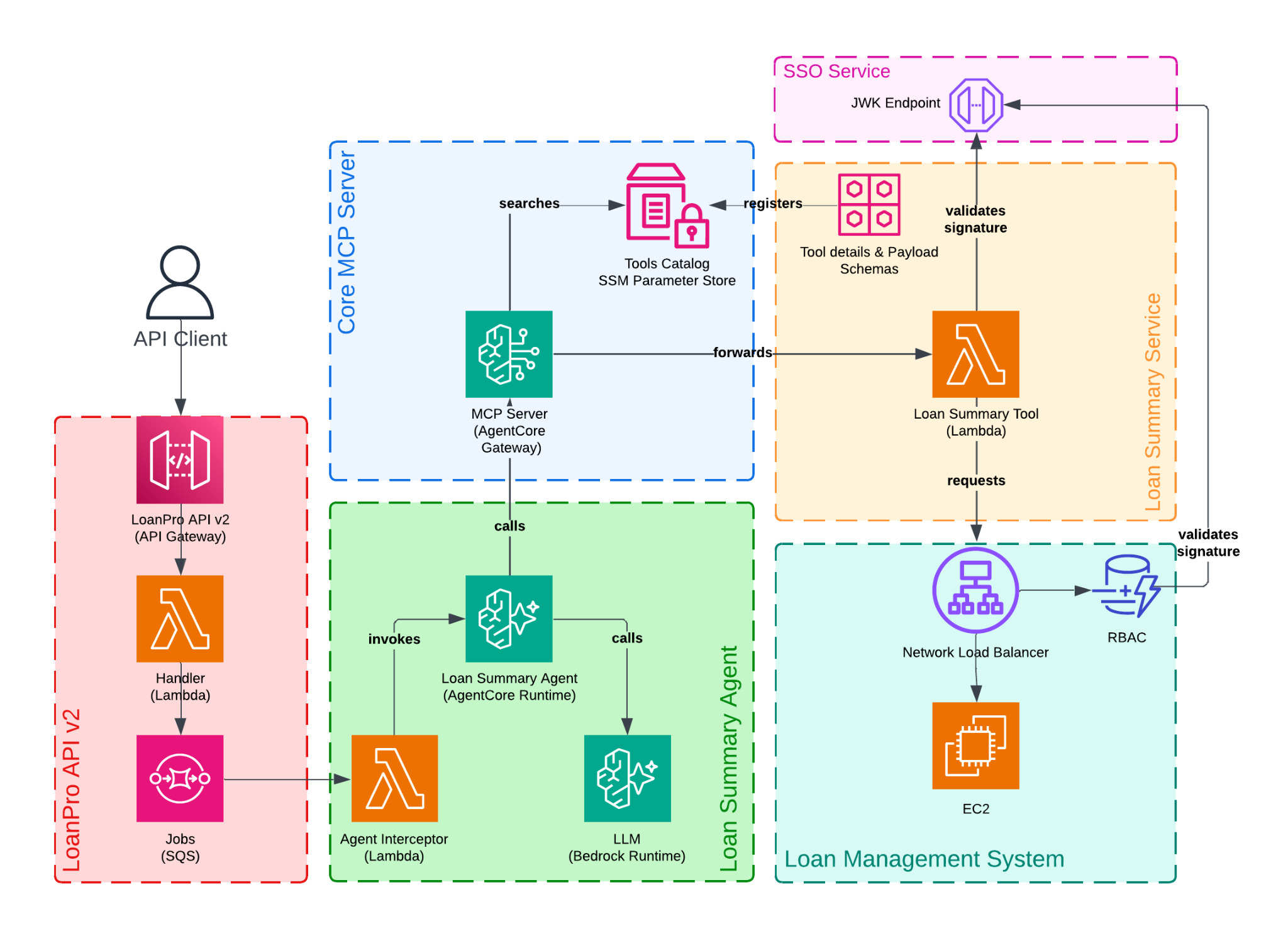
How LoanPro built an agentic AI loan servicing assistant with Amazon Bedrock AgentCore

LoanPro worked with AWS Partner AllCloud and the AWS Generative AI Innovation Center to build a multi-agent AI assistant on Amazon Bedrock and Amazon Bedrock AgentCore. It gives loan servicing agents instant borrower context and next-best-action recommendations, reducing customer call times by up to 15 percent.

Read at AWS Machine Learning Blog

AWS Machine Learning Blog Mia Chang SI

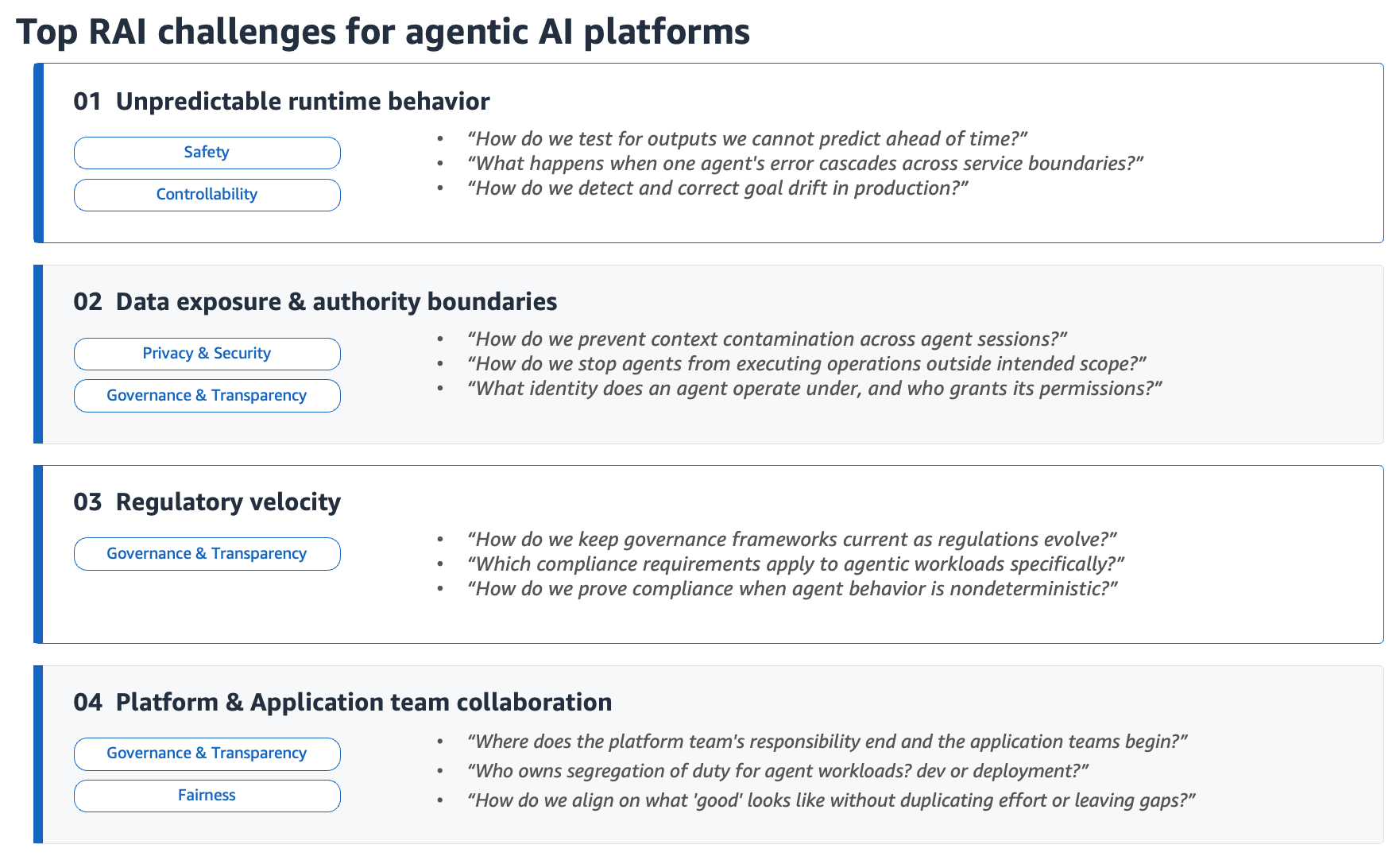
Responsible AI for agentic AI: A phased roadmap for platform and application teams

Enterprises adopting agentic AI at scale need platforms that embed responsible AI from the start. This post gives platform and application teams a three-phase roadmap (governance foundation, pilot deployment, and evaluation and hardening) that maps the AWS Responsible AI Lens pillars to each phase, with guidance on when to revisit each one.

Read at AWS Machine Learning Blog

AWS Machine Learning Blog Shubham Gupta SI

How ArisGlobal scaled generative AI inference on Amazon Bedrock

ArisGlobal runs NavaX, its life-sciences AI engine, on Amazon Bedrock. By caching the shared prompt prefix instead of each per-case document, ArisGlobal cut effective input cost by about 50% and overall monthly inference spend by about 40%, while onboarding more tenants without proportional cost growth.

Read at AWS Machine Learning Blog

AWS Machine Learning Blog Peng Yang SI

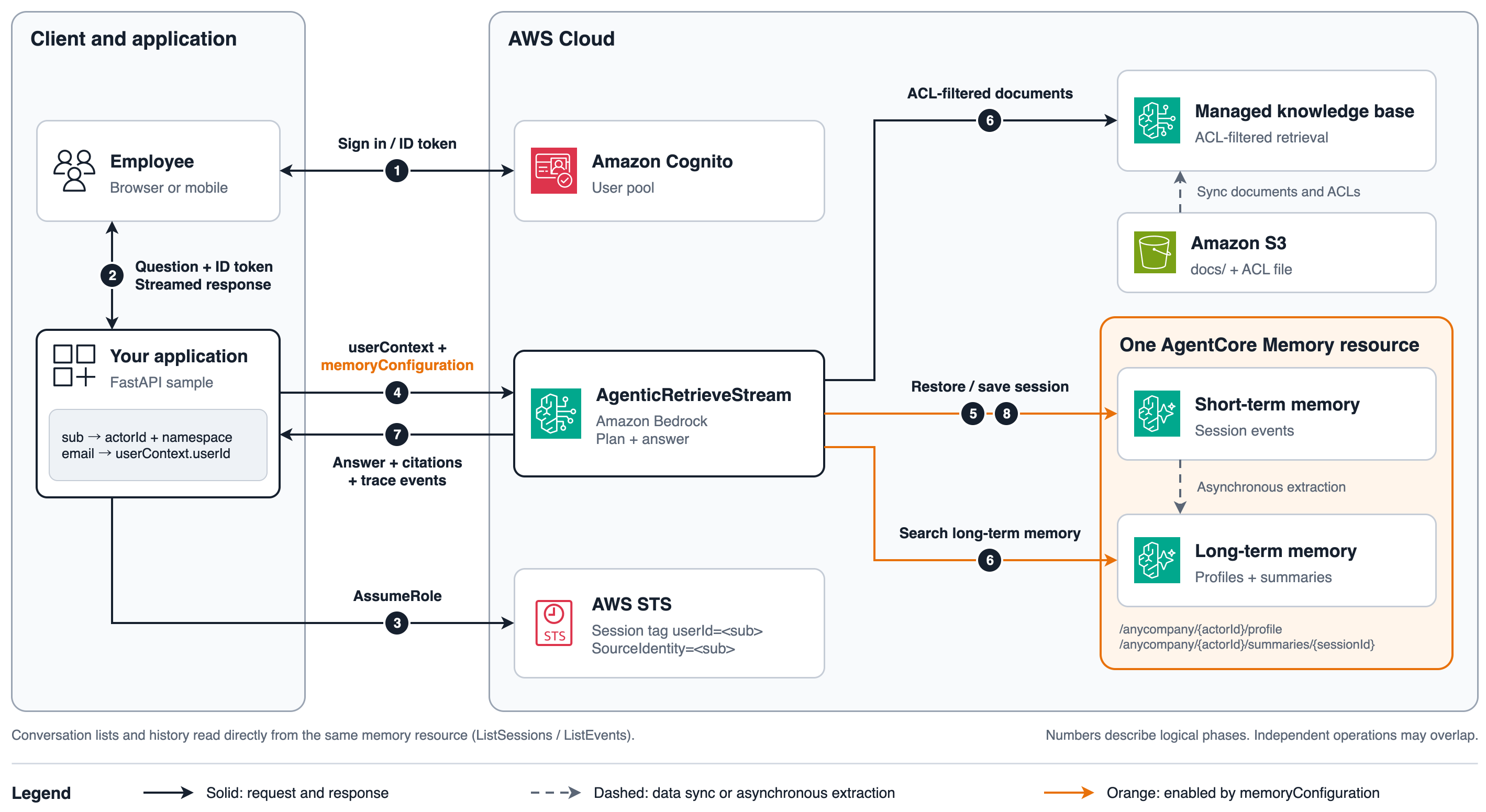
Build memory-aware AI agents with Agentic Retrieve on Amazon Bedrock Managed Knowledge Base

Amazon Bedrock Managed Knowledge Base and Amazon Bedrock AgentCore memory now store conversations, extract facts, and bring long-term memory into a single AgenticRetrieveStream call. This post shows how to build a memory-aware, multi-user assistant where each user sees only the documents they may read and each user's memory stays private.

Read at AWS Machine Learning Blog

AWS Machine Learning Blog Rob Gates SI

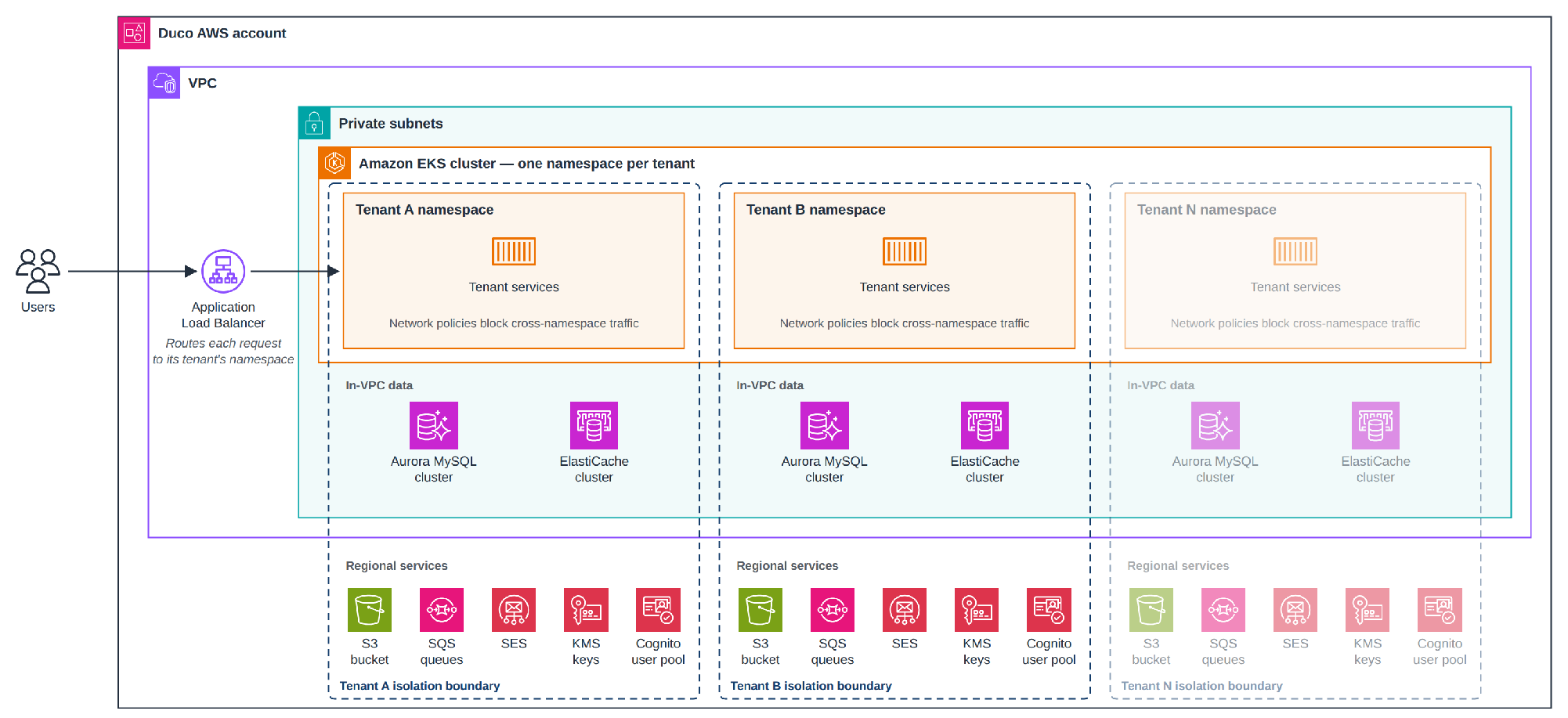
How Duco transforms financial data automation with Amazon Bedrock AgentCore

Duco, a data automation platform for tier-one banks, rebuilt its agentic AI stack on Amazon Bedrock and Amazon Bedrock AgentCore. With strict per-tenant isolation, a multi-model strategy, and an MCP skills architecture that cut context overhead by 90%, Duco cut reconciliation deployment time 10x and onboarding costs 70%.

Read at AWS Machine Learning Blog

AWS Machine Learning Blog Malini Sethi SI

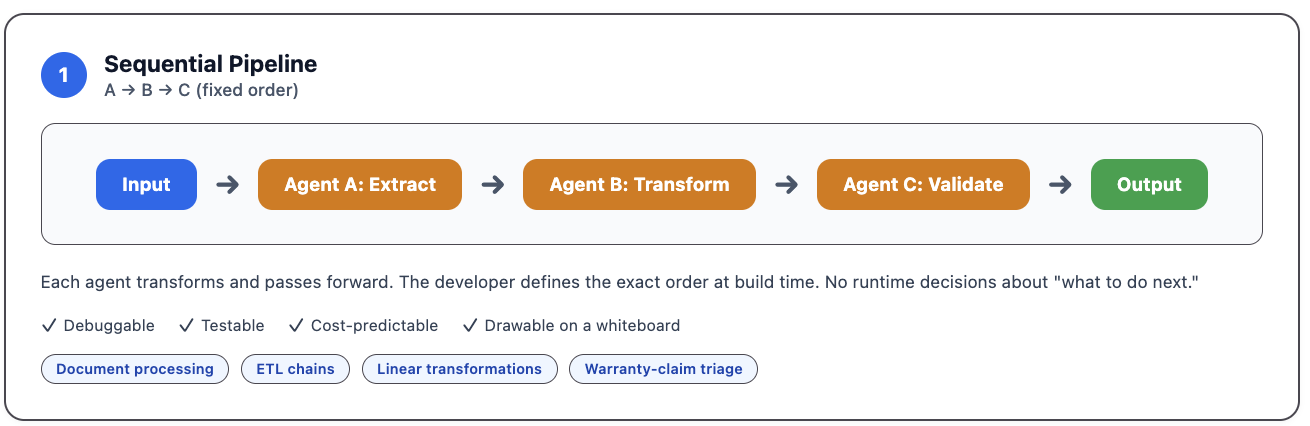
Taxonomy of multi-agent design patterns, anti-patterns, and lessons from manufacturing

Multi-agent coordination is a distributed systems problem, not a model problem. This post gives a field-tested taxonomy of multi-agent design patterns and anti-patterns, a framework for deciding when multiple agents are warranted, and how to build cost-efficient, reliable systems on AWS.

Read at AWS Machine Learning Blog

AWS Machine Learning Blog Ashwin Srinivasan SI

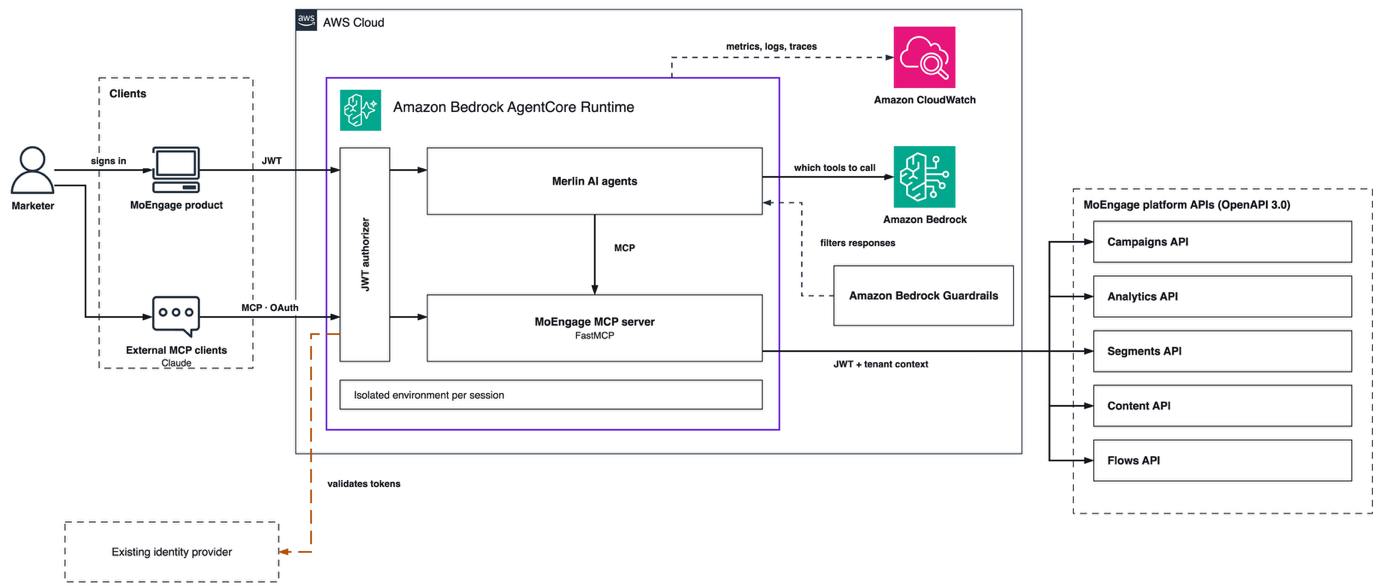
How MoEngage built agentic customer engagement on Amazon Bedrock AgentCore

MoEngage built Merlin AI, a set of AI agents on Amazon Bedrock and Amazon Bedrock AgentCore that let marketing and product teams draft, analyze, and adjust campaigns from a single conversation. Learn how MoEngage turned its existing APIs into MCP tools and kept each tenant's data isolated while giving agents secure access to live platform data.

Read at AWS Machine Learning Blog

AWS Machine Learning Blog Abhishek Ashish SI

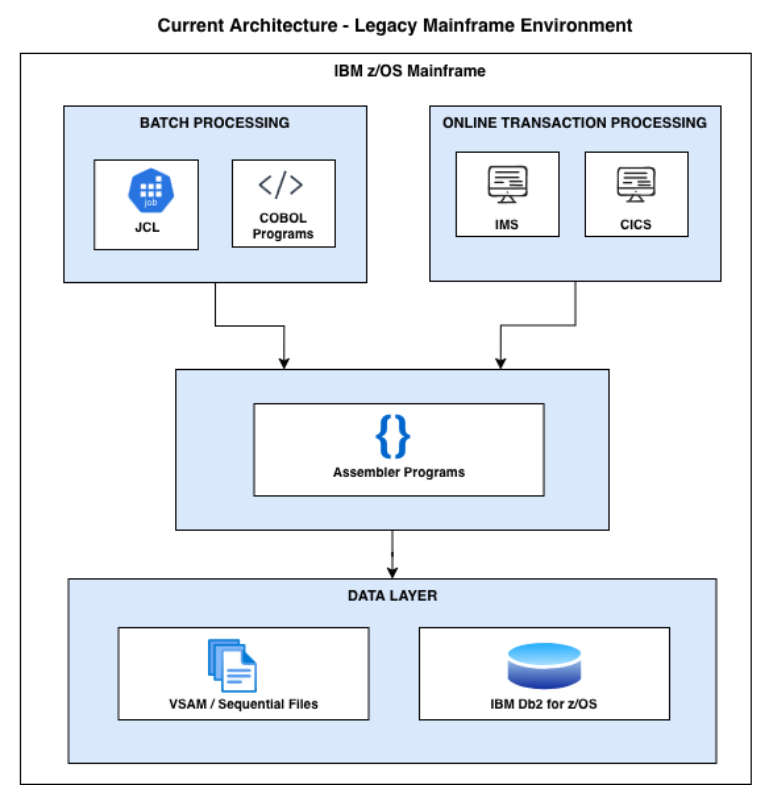
Modernizing mainframe Assembler to Java using Amazon Bedrock and AWS Transform

Legacy mainframe Assembler applications are costly to maintain and hard to staff. This post presents a multi-stage, AI-powered methodology using Amazon Bedrock, Kiro IDE, and AWS Transform to extract business rules, convert Assembler through an intermediate COBOL stage, and deploy modernized Java Spring Boot applications on AWS.

Read at AWS Machine Learning Blog

AWS Machine Learning Blog Elias Bedmar SI

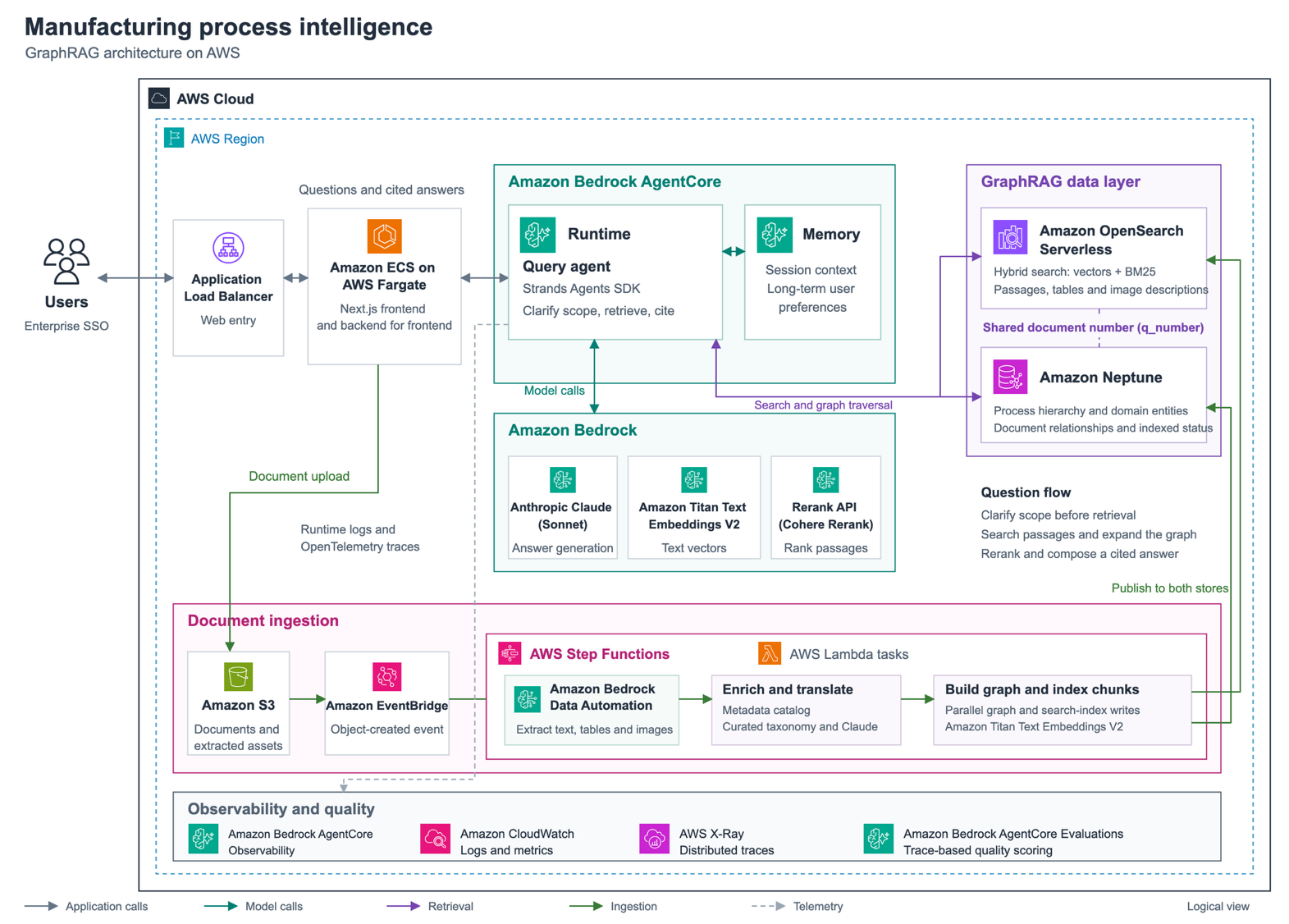
Novo Nordisk modernizes manufacturing process documents with Amazon Bedrock AgentCore

Novo Nordisk's Manufacturing Technology team within the Tablet area team built a process-intelligence assistant on Amazon Bedrock AgentCore, using a GraphRAG architecture that pairs a knowledge graph in Amazon Neptune with hybrid search in Amazon OpenSearch Serverless to turn millions of controlled manufacturing documents into grounded, cited answers.

Read at AWS Machine Learning Blog

AWS Machine Learning Blog Josh DeMuth SI

Get answers from tables with tabular search in Amazon Bedrock Managed Knowledge Base

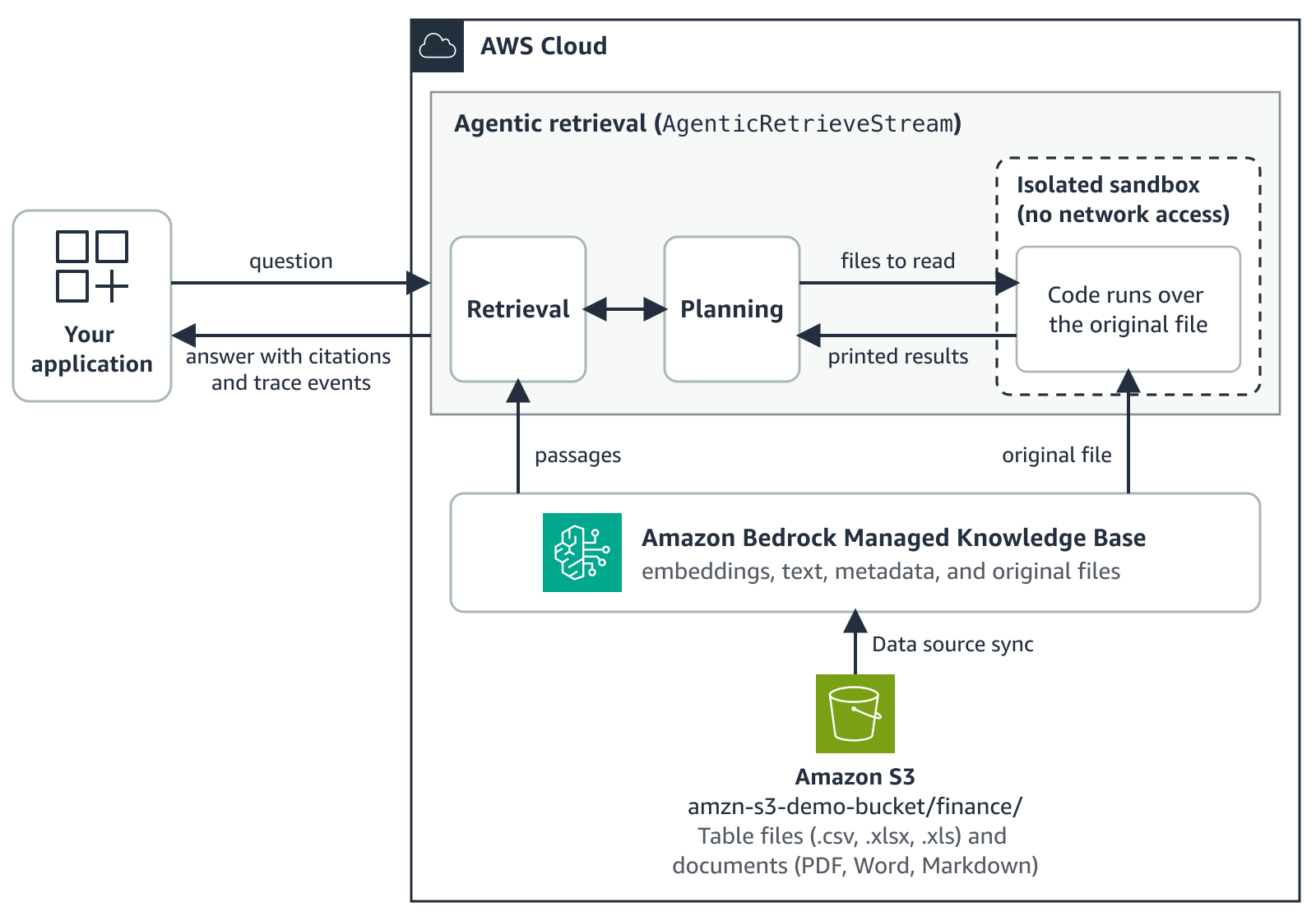
Amazon Bedrock Managed Knowledge Base now supports tabular search, so agentic retrieval can answer questions over CSV, XLSX, and XLS files. It looks up values and runs calculations across every relevant row, then combines the results with facts from related documents to answer multi-step analytical questions.

Read at AWS Machine Learning Blog

AWS Machine Learning Blog Jian Zhang SI

Best practices for writing Denied Topics in Amazon Bedrock Guardrails

With Denied Topics in Amazon Bedrock Guardrails, you block a content category by describing it in plain language, and the guardrail matches by meaning rather than keyword, which can block more than you intend. This post presents eight best practices for writing a topic precisely enough that the guardrail blocks what you mean and passes what you don't.

Read at AWS Machine Learning Blog

AWS Machine Learning Blog Josh DeMuth SI

Customize answers per tenant in Amazon Bedrock Managed Knowledge Base

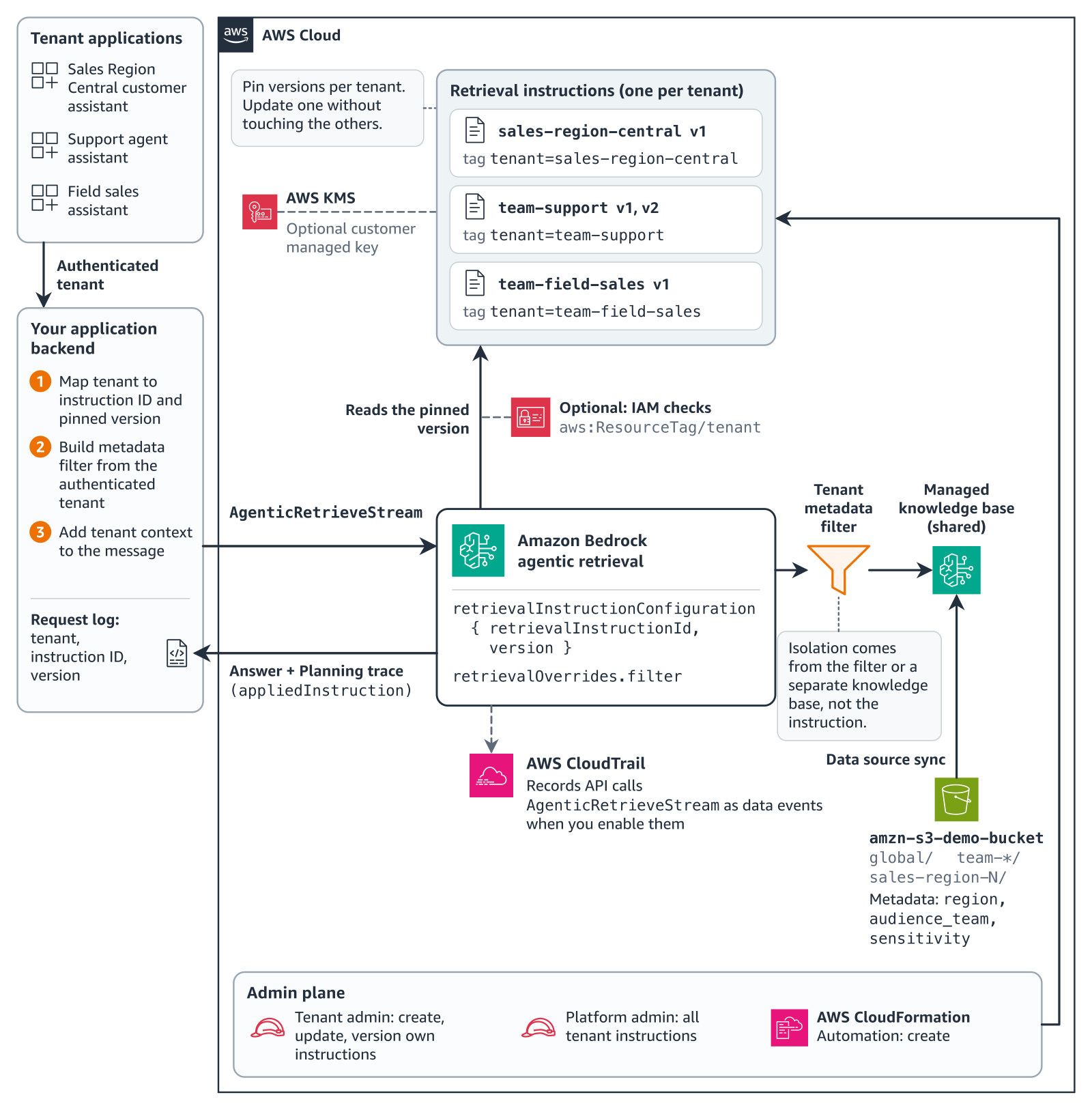
Retrieval instructions in Amazon Bedrock Managed Knowledge Base set the voice, format, retrieval guidance, and answer policy for each tenant on shared knowledge bases. This post shows how to give each tenant its own answers, keep tenant data apart with metadata filters, scope access with IAM tags, and roll out changes one tenant at a time.

Read at AWS Machine Learning Blog

AWS Machine Learning Blog Dustin Liu SI

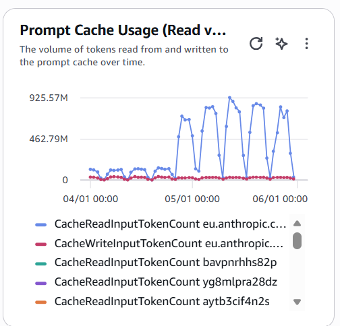
Use prompt caching with open-weight models on Amazon Bedrock

Many generative AI applications resend the same long context on every request. Prompt caching lets open-weight models on Amazon Bedrock reuse it to reduce input cost and latency. This post shows implicit and explicit caching through the Chat Completions API and applies caching to an OpenCode coding agent session.

Read at AWS Machine Learning Blog

AWS Machine Learning Blog WonGu Rho SI

Production MLOps at GS Caltex with Amazon SageMaker Canvas, part 1

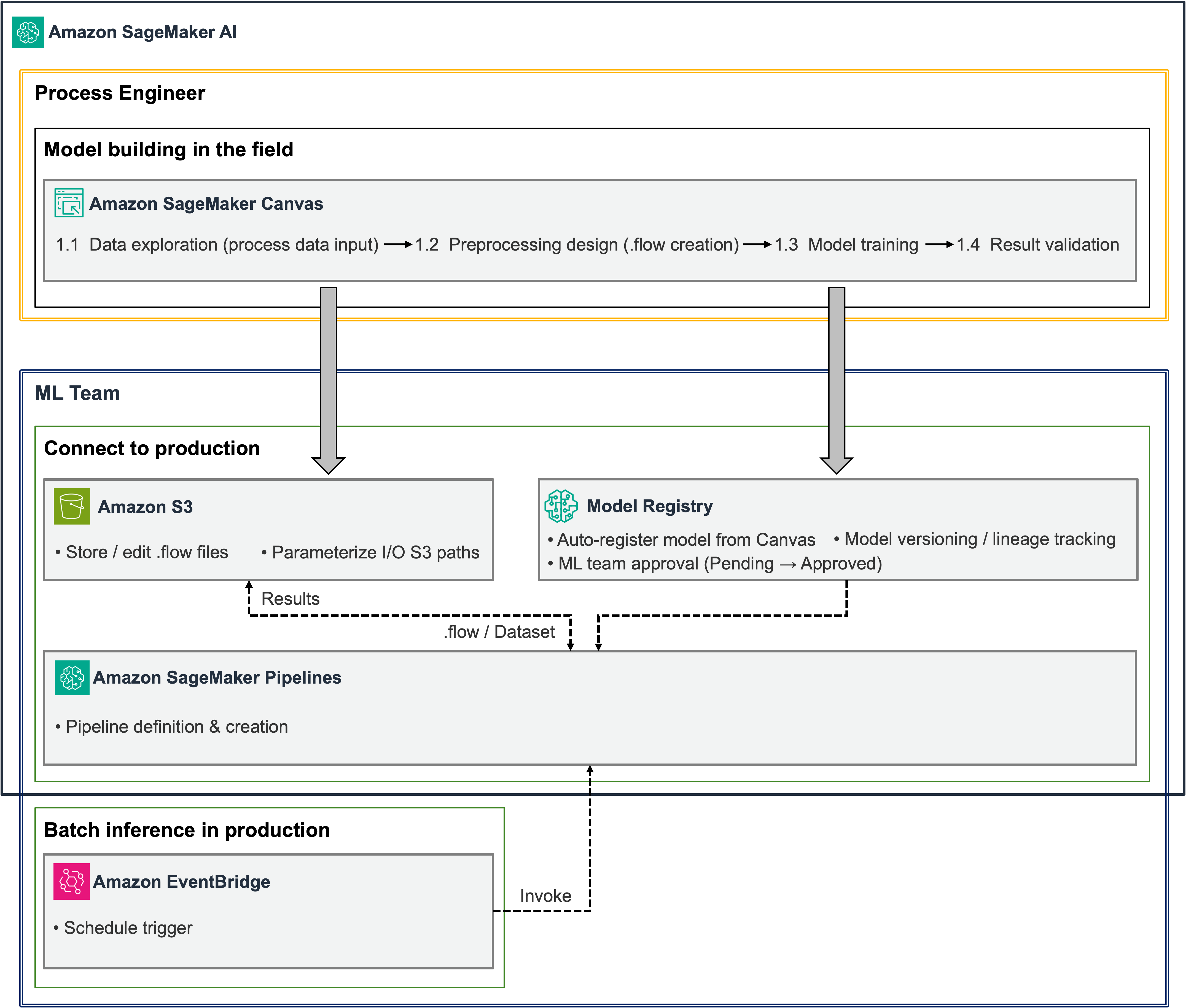
GS Caltex connects Amazon SageMaker Canvas to Amazon SageMaker Pipelines so process engineers' no-code models run in production. This post shows how ML engineers reuse validated preprocessing flows and models, cutting deployment from about a week to a few hours and running batch inference every 30 minutes.

Read at AWS Machine Learning Blog

AWS Machine Learning Blog Aswath Ram A Srinivasan SI

Route coding agent requests to the right model on Amazon Bedrock with NVIDIA NeMo Switchyard

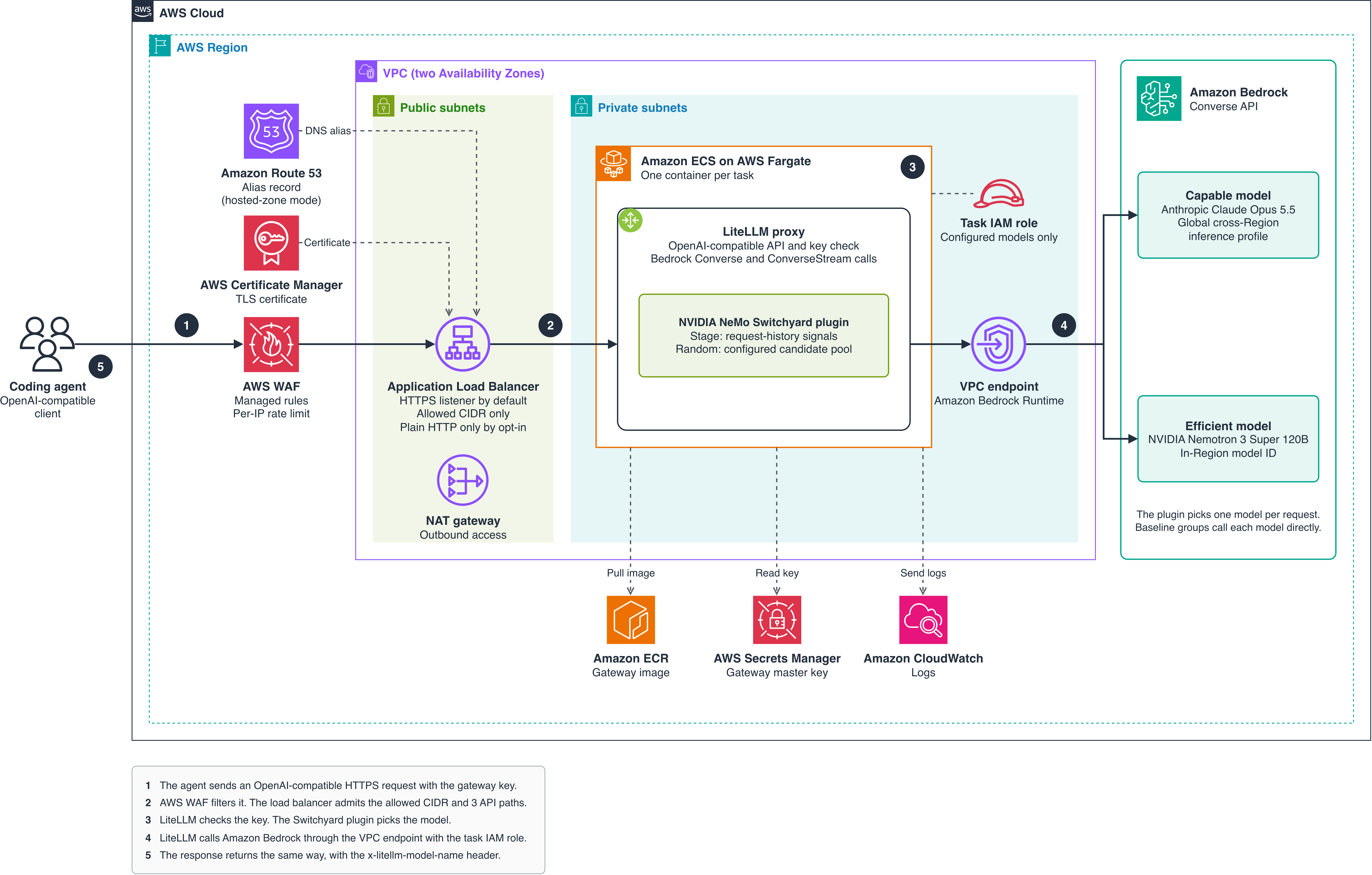
Coding agents work in tasks, and the number that matters is cost per solved task, not price per token. In this post, you use the AWS CDK to deploy LiteLLM with the NVIDIA NeMo Switchyard routing plugin on Amazon Bedrock, then measure cost per solved task for a routed model group against single-model baselines.

Read at AWS Machine Learning Blog

AWS Machine Learning Blog Evandro Franco SI

Architecture patterns for fast session startup on Amazon Bedrock AgentCore runtime

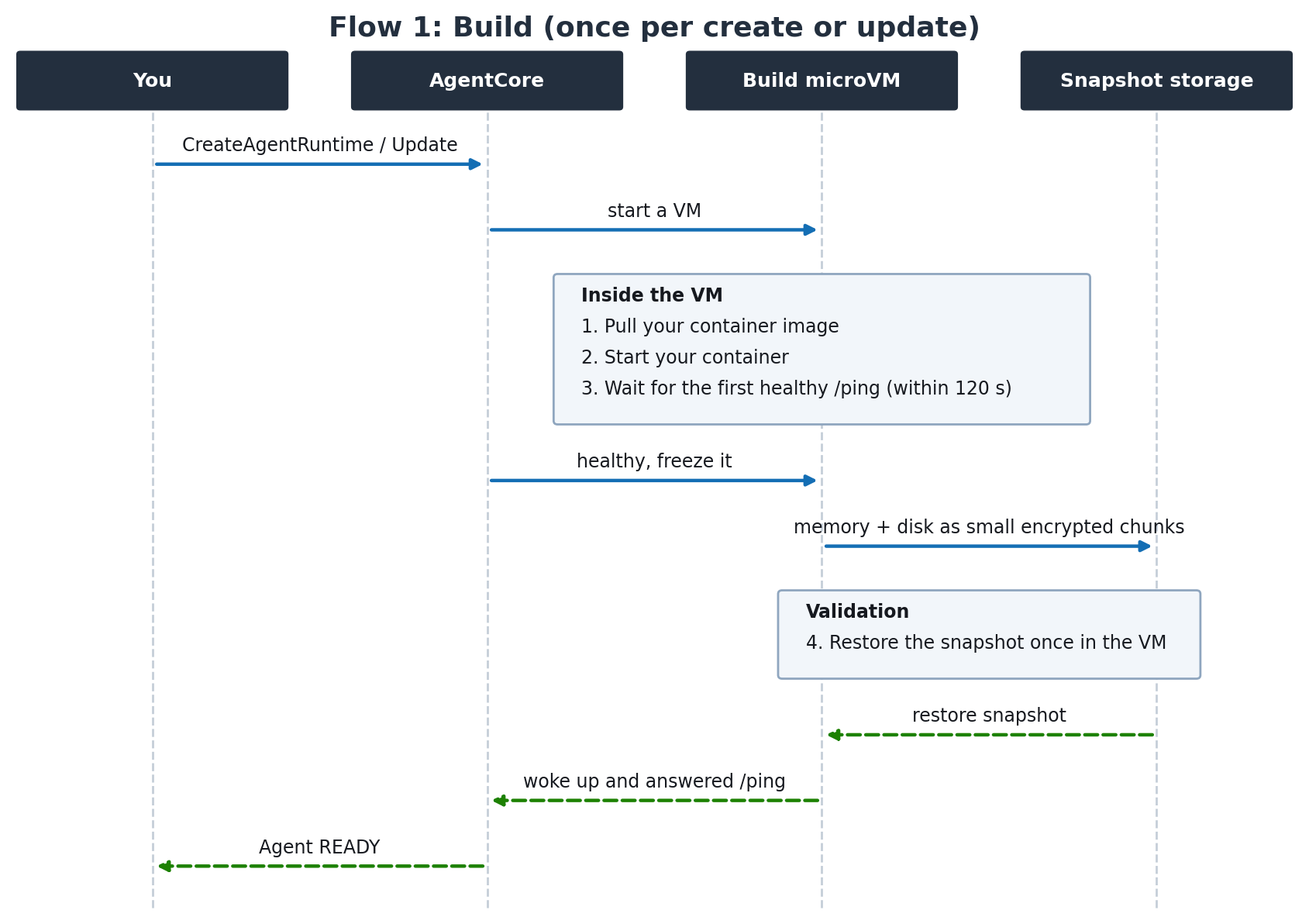
Amazon Bedrock AgentCore runtime V2 snapshots your initialized environment and restores it for each new session, so session start no longer grows with image size. This post explains how V2 starts a session, how to measure session start time, and four patterns to keep work off the first request.

Read at AWS Machine Learning Blog

AWS Machine Learning Blog Malav Shastri SI

OpenFold3 on Amazon SageMaker JumpStart: Predict biomolecular structures

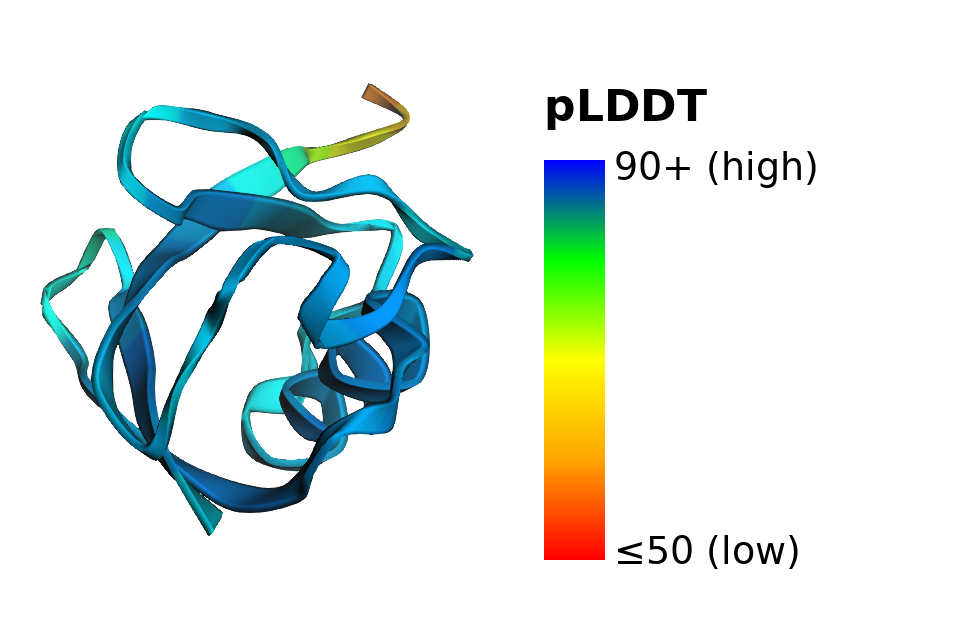
Deploy OpenFold3-preview from Amazon SageMaker JumpStart to predict 3D structures of proteins, DNA, RNA, and ligand complexes in your own AWS account. The post covers asynchronous inference, multi-GPU parallelism, bringing your own MSAs for accuracy and privacy, and scaling to zero to reduce cost.

Read at AWS Machine Learning Blog

AWS Machine Learning Blog Belair Albahagwi SI

Cost-optimizing AssemblyAI speech-to-text inference on AWS with Amazon EC2 Spot

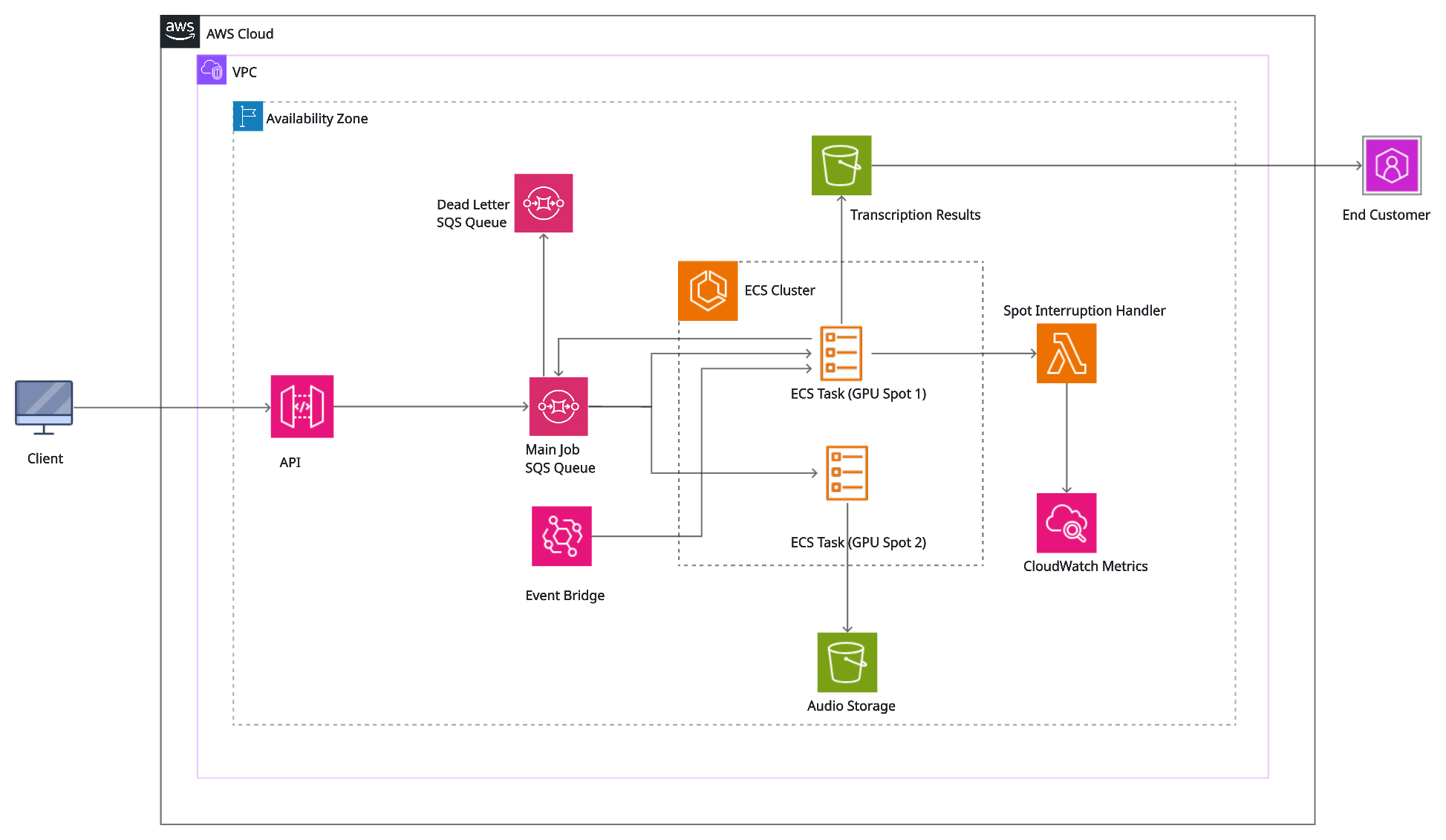
Learn how AssemblyAI runs cost-optimized speech-to-text inference at scale on AWS, using Amazon ECS, Amazon EC2 Spot GPU instances, and an Amazon SQS-based retry architecture to achieve 70% cost savings while maintaining SLA commitments across European Regions.

Read at AWS Machine Learning Blog

AWS Machine Learning Blog Aamna Najmi SI

Cost attribution and controls for AI developer and productivity tools on Amazon Bedrock

Amazon Bedrock provides built-in, zero-instrumentation cost attribution that traces every inference call back to the IAM principal that made it. This post shows how to attribute per-user Bedrock costs for AI developer and productivity tools using IAM Identity Center, session tags, and CUR 2.0, and how to enforce per-user usage limits.

Read at AWS Machine Learning Blog

AWS Machine Learning Blog Shantanu Tripathi SI

Build a model improvement flywheel with Amazon SageMaker HyperPod Data Capture

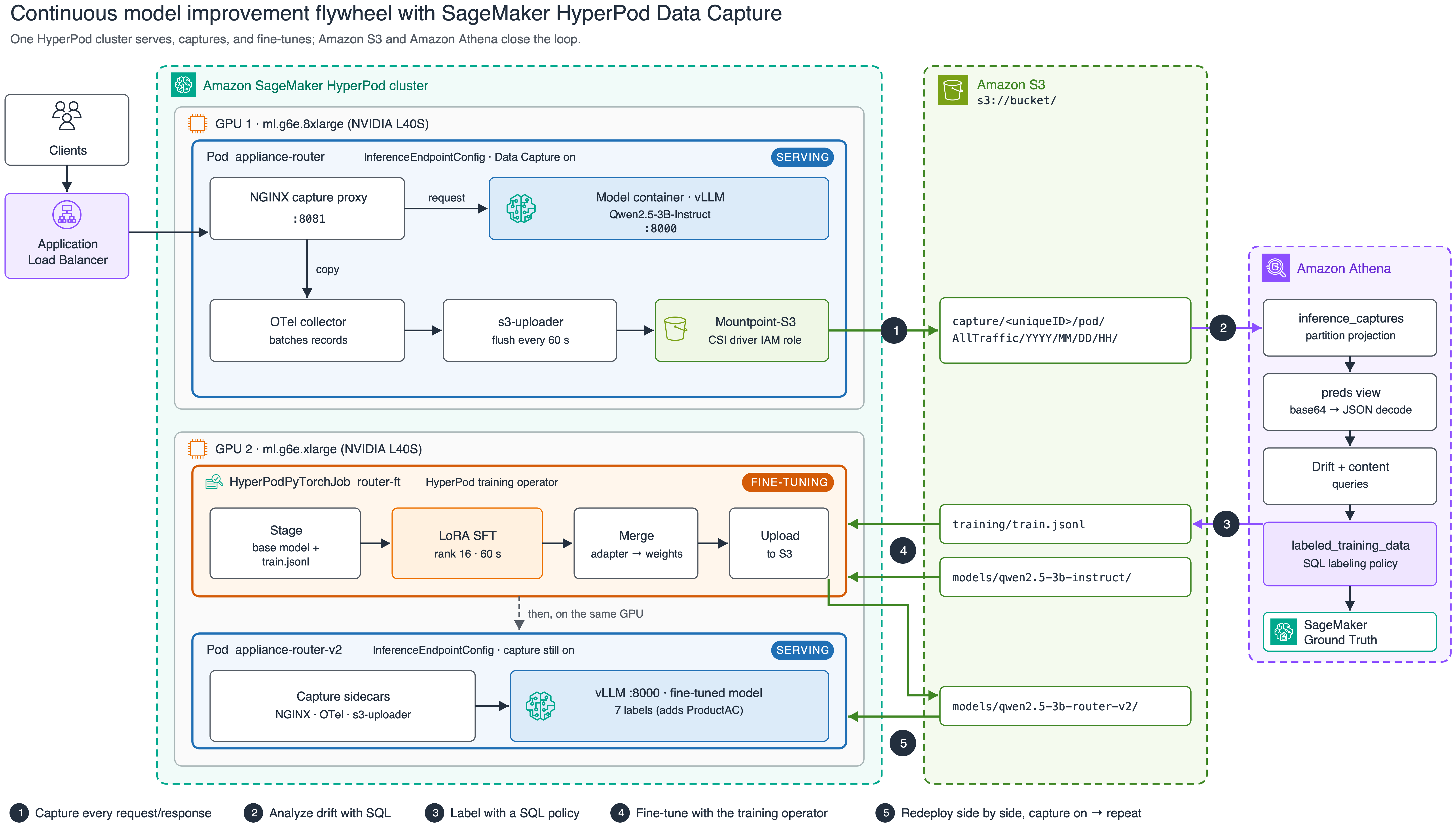
Amazon SageMaker HyperPod Data Capture records live inference inputs and outputs to Amazon S3. This post walks through one end-to-end example: capturing a support router's production traffic, surfacing a new-product blind spot with Amazon Athena, fine-tuning on the captured data with the HyperPod training operator, and measuring the before-and-after lift.

Read at AWS Machine Learning Blog

AWS Machine Learning Blog Alex Nails SI

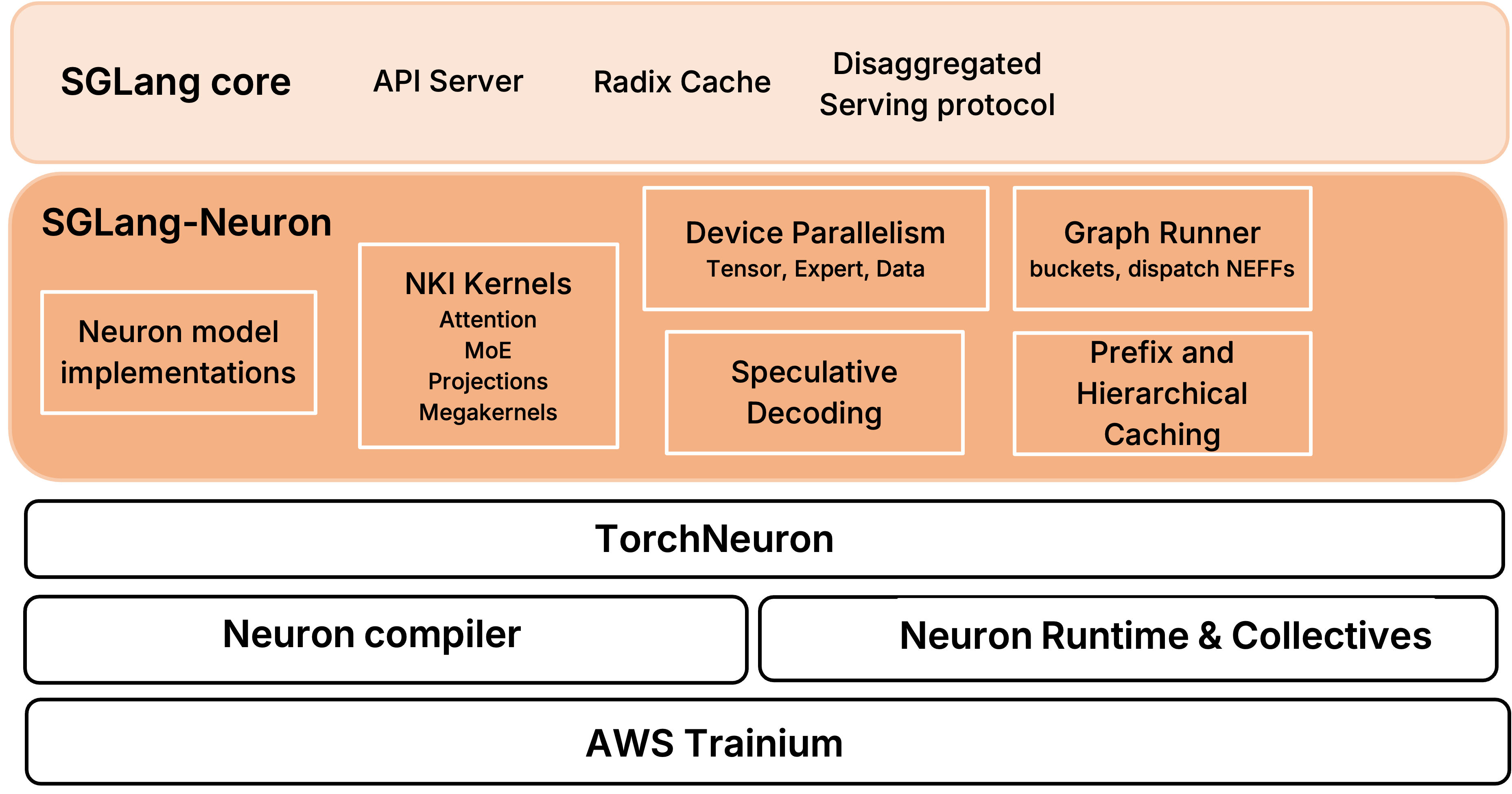
Deploy frontier AI models on AWS Trainium with SGLang-Neuron

SGLang-Neuron is now publicly available through an AWS Deep Learning Container. With SGLang-Neuron, you can serve models and generate reinforcement learning rollouts with SGLang on AWS Trainium using the same SGLang interface you already know, all running on native PyTorch.

Read at AWS Machine Learning Blog

Older stories