Fields: space, quantum, biotech, agritech, IoT and robotics

Science and technology fields in one place: space, quantum technology, biotechnology, agritech, the Internet of Things and robotics, with news from the specialist press and research from journals and arXiv. Each field has its own page in the Fields menu.

NASA Science Space

RUMMBLE

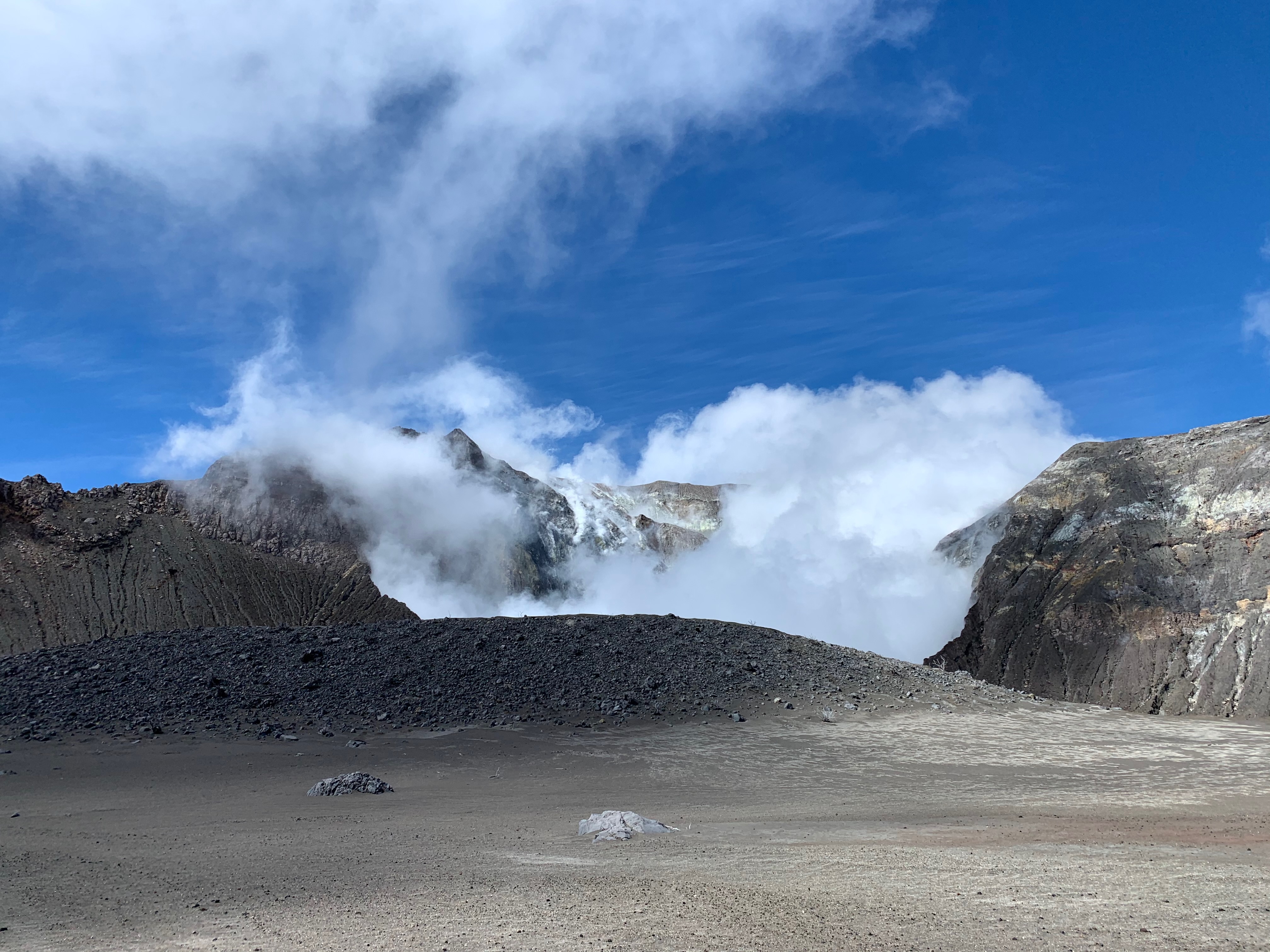
Overview RUMMBLE, which stands for Remote-sensing Underground Magma Movement Before Large Eruptions, investigates how magma movement beneath volcanoes can be detected using space-based observations. The project focuses on measuring volcanic gas emissions and improving remote-sensing techniques to identify early warning signs of eruptions. What is RUMMBLE? The goal of RUMMBLE is to improve the detection

Read at NASA Science

Phys.org Space Space

First known 'disappearing planet' has a neighbor that makes it wobble like a top

UCLA-led astronomers have discovered the first known "disappearing planet" about 1,000 light-years away. The planet, TOI-2535 b, is a "hot Jupiter," a gas giant that orbits extremely close to its host star. TOI-2535 b whips around its star in only 8.25 days—10 times faster than the 88 days that Mercury takes to go around our sun once.

Read at Phys.org Space

GEN (Genetic Engineering & Biotechnology News) Sophia Ktori

How Cancer-Associated Gene Triggers Cell Division Without Unpacking the Genome

A study showed how E2F1 can trigger cell division without having to unpack the cell’s genetic material. Instead, it takes a shortcut path by binding directly to a small area of the DNA that remains tightly packaged inside the cell.

Read at GEN (Genetic Engineering & Biotechnology News)

NASA Science Space

SeaSTAR

Overview SeaSTAR, which stands for Sea-going Sky-Scanning Sun-tracking Atmospheric Research Radiometer, is a robotic ship-mounted instrument designed to measure aerosol optical depth and aerosol optical properties across multiple wavelengths. The instrument will collect high-resolution atmospheric measurements at sea to support validation of observations from the PACE satellite. What is SeaSTAR? SeaSTAR aims to provide precise

Read at NASA Science

Space.com Robert Lea Space

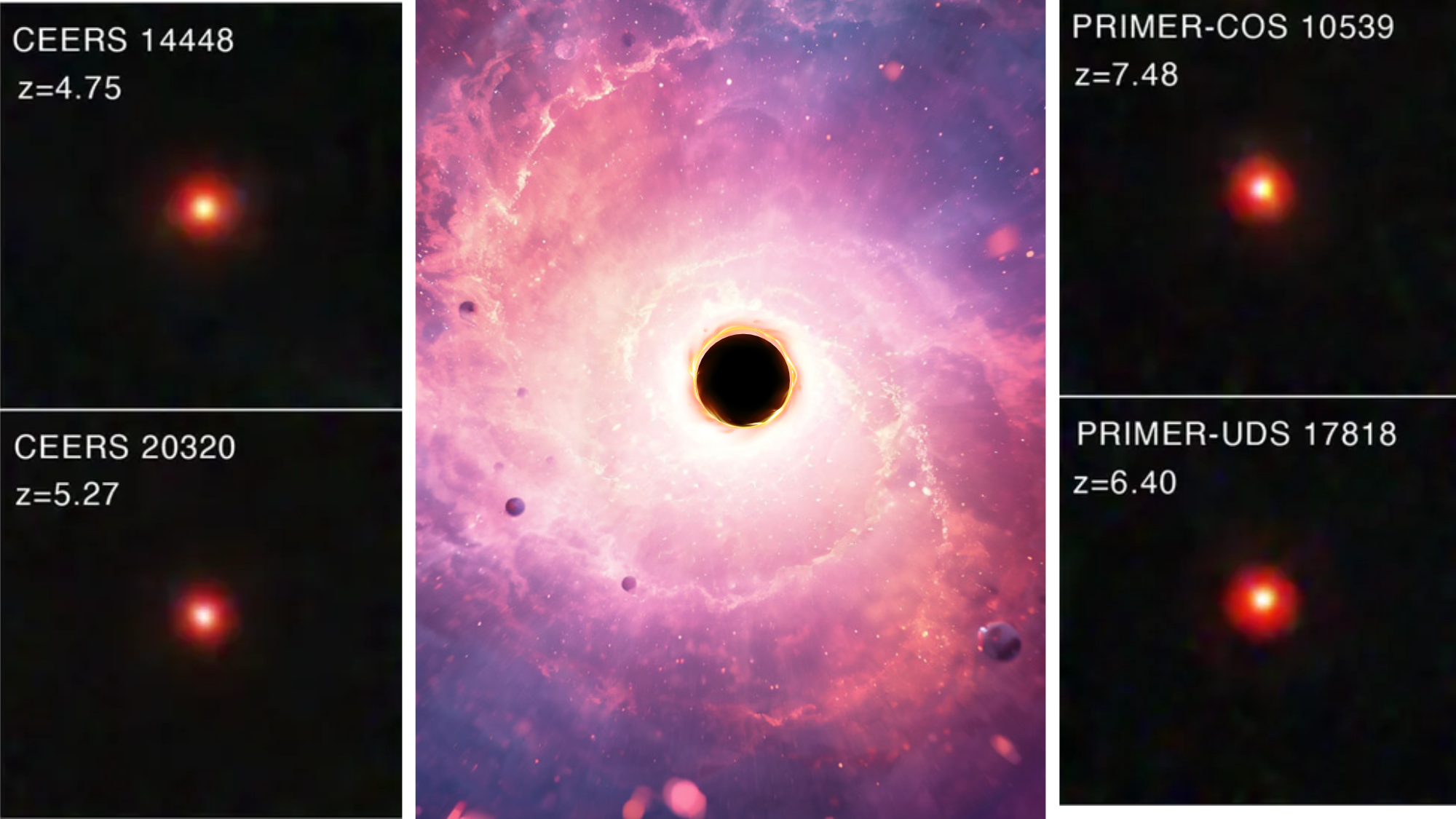
Are the James Webb Space Telescope's mysterious Little Red Dots actually tiny black holes left over from the Big Bang era?

New research suggests that Little Red Dots, which have puzzled astronomers since the JWST began discovering them, could host primordial black holes born during the Big Bang.

Read at Space.com

Phys.org Space Space

Our sun's undiscovered stellar nemesis is still out there, says physicist

Long-period, high-inclination comets of the sort that can cause extinction-level impacts here on Earth have long been thought to originate from a theoretical Oort cloud. That is, a roughly spherical cloud of icy cometary objects that number in the trillions at distances that extend up to 1.6 light-years away.

Read at Phys.org Space

Universe Today Matthew Williams Space

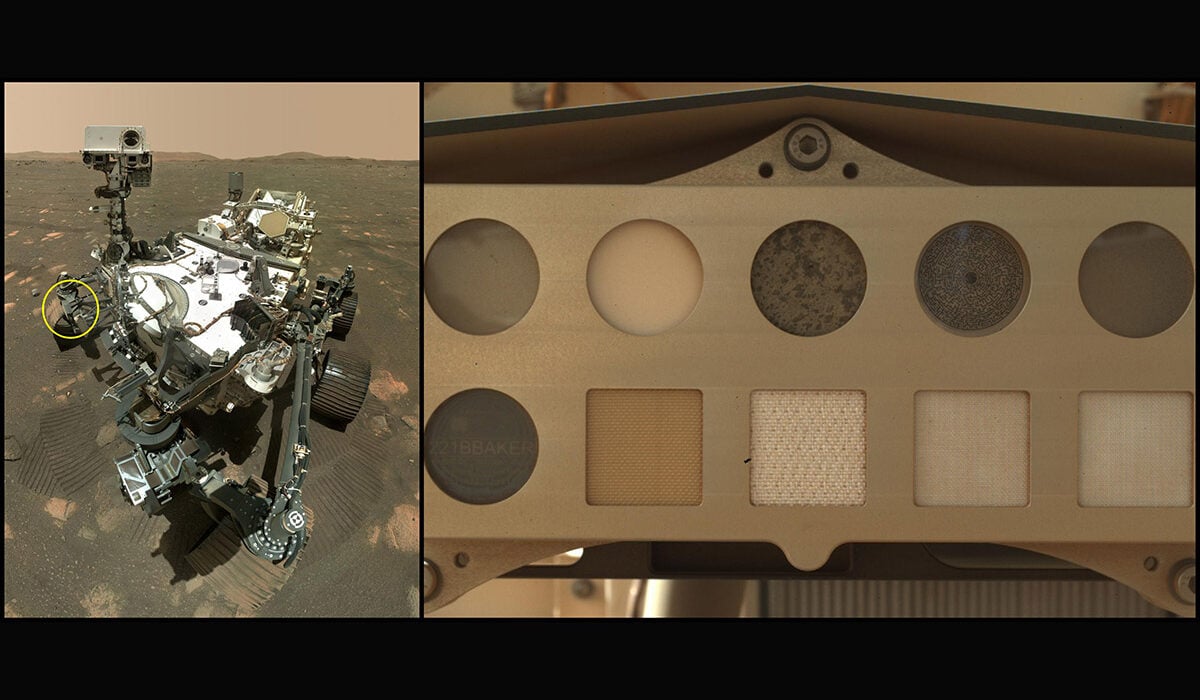
A Perseverance Experiment Could Help Astronauts Prepare for Dust Storms on Mars

Researchers at Washington University examined how dust interacts with the spacesuit swatches on the Perseverance Rover. Future missions to Mars require that planners account for the effects of dust exposure on humans and materials.

Read at Universe Today

NASA Science Space

Neyda Abreu

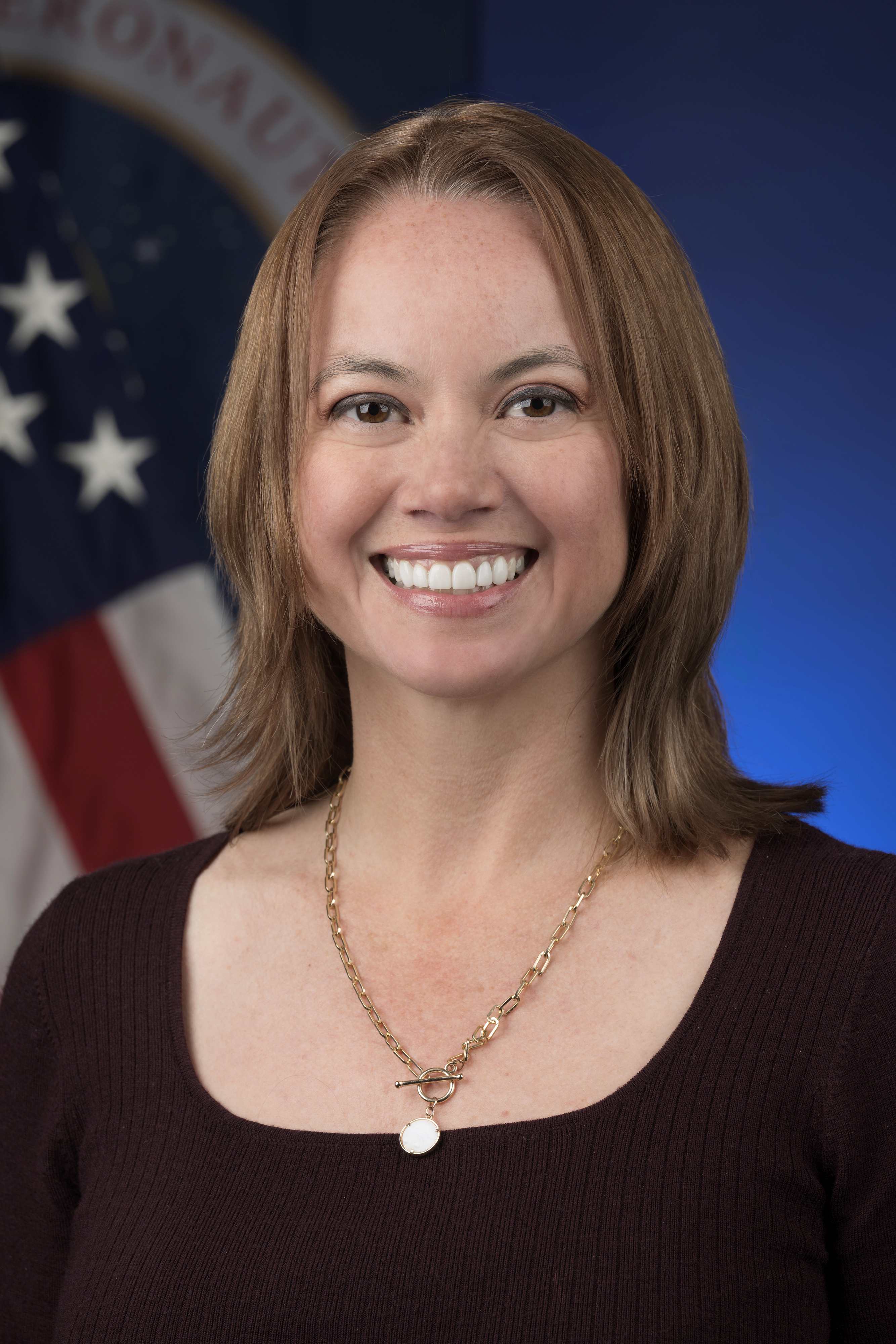
Neyda Abreu is Chief Scientist at NASA’s Langley Research Center in Hampton, Virginia. She advises center leadership on research and development in aeronautics, space exploration, Earth science, and technology development. She also serves as Center Science Integrity Officer, manages the Emeriti Langley Associates program, and is the Center POC for the NASA Postdoctoral Program. Abreu

Read at NASA Science

NASA Science Space

Crew Packing Dragon for Return with Experiments and a Spacesuit

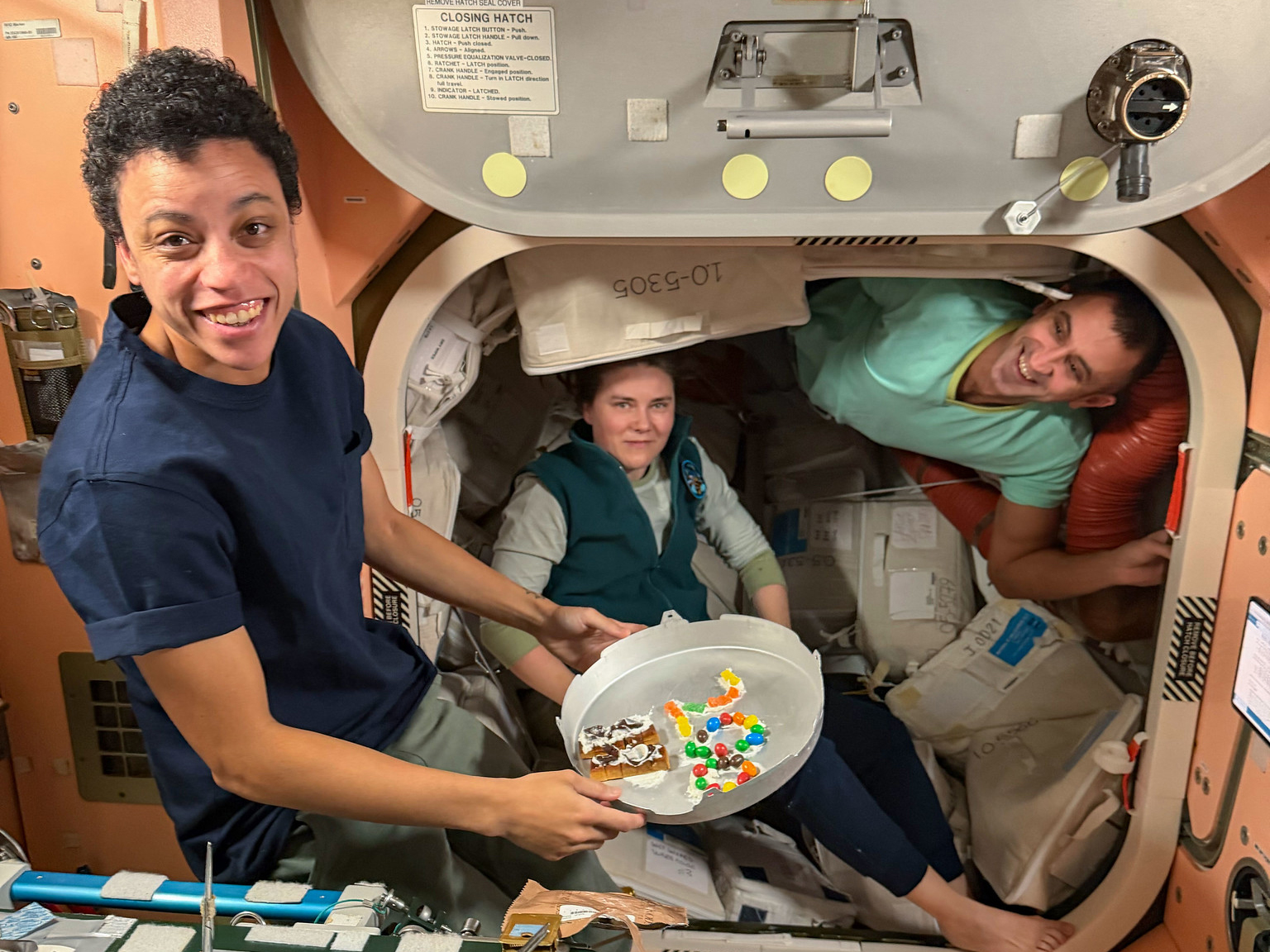
Expedition 75 kicked off the week processing microbe samples and swapping spacesuits for return to Earth soon inside a U.S. cargo craft. The International Space Station crew members also studied breathing in microgravity and photographed Earth landmarks.

Read at NASA Science

Phys.org Quantum Physics

Atomic defects leave telltale optical fingerprints in quantum material

The tiny atomic defects so important for future quantum technologies can be difficult to spot. Fortunately, they leave behind some clues. The defects can alter how a material responds to light, producing a distinctive optical fingerprint that scientists can measure. The challenge is figuring out which fingerprints belong to which defects.

Read at Phys.org Quantum Physics

Farm Progress Brian Basting, Cesar Cruz

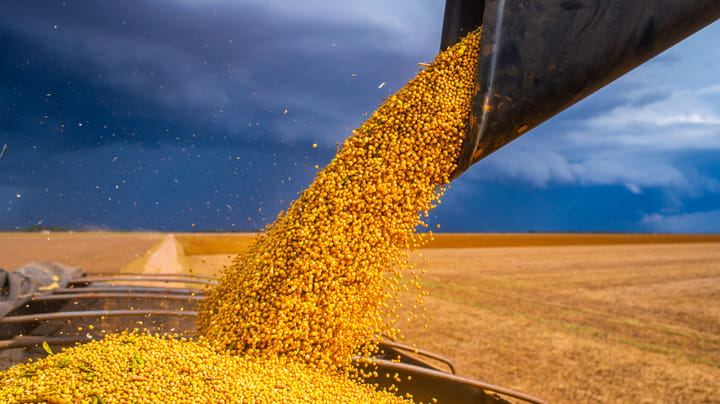
Soybean prices fell $1 in 6 weeks — what to do now

Ag Marketing IQ: The recent $1-per-bushel price dip is a warning to market your 2026 soybean crop. Brazil’s record crop and strong exports are knowns. Weather impacts on the next crop are uncertain.

Read at Farm Progress

NASA María José Viñas Space

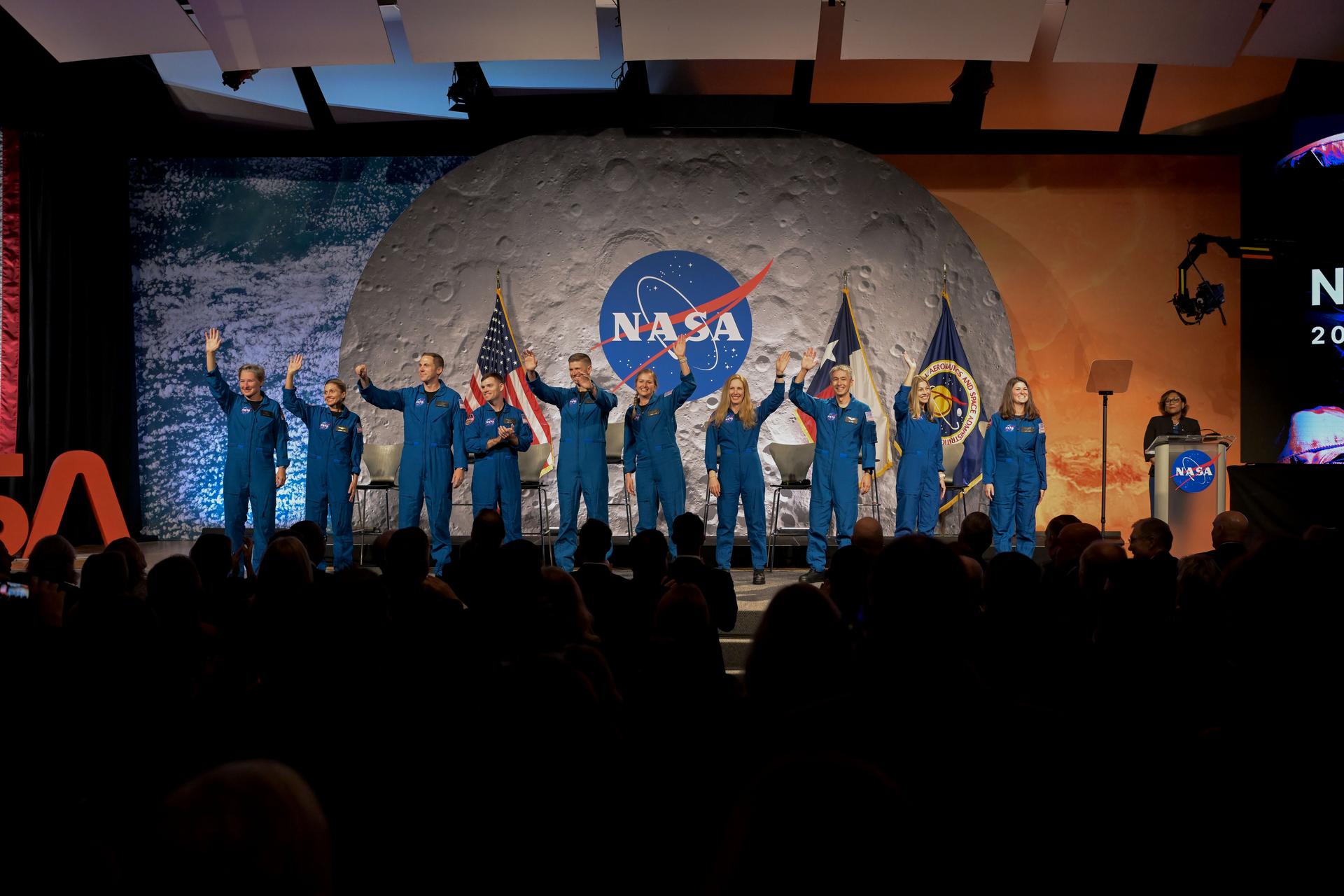
La NASA busca a la próxima generación de astronautas

Read this release in English here.La NASA busca a los exploradores que ayudarán a escribir el próximo capítulo de los vuelos espaciales tripulados. Ya está abierto el plazo de inscripción para la próxima promoción de astronautas de la agencia, que se incorporarán a la NASA en un momento en el que Estados Unidos regresa a

Read at NASA

Phys.org Space Space

Long-lived mineral grains can be invaluable for reconstructing impact events, but the stories are complex

Reconstructing impact events on Earth and other planetary bodies, including the moon, is crucial for understanding how the solar system evolved and how planets develop.

Read at Phys.org Space

Ars Technica Stephen Clark Space

Pentagon mulls placing fleet of military satellites around the Moon

"Please jump on my cislunar bandwagon because I need some more friends here."

Read at Ars Technica

Farm Progress Bryce Knorr

What matters in Nov. 10 WASDE report?

Ag Marketing IQ: Model suggests tighter corn supplies, higher piles of soybeans and lower prices for both grain crops than USDA’s forecast.

Read at Farm Progress

NASA Space

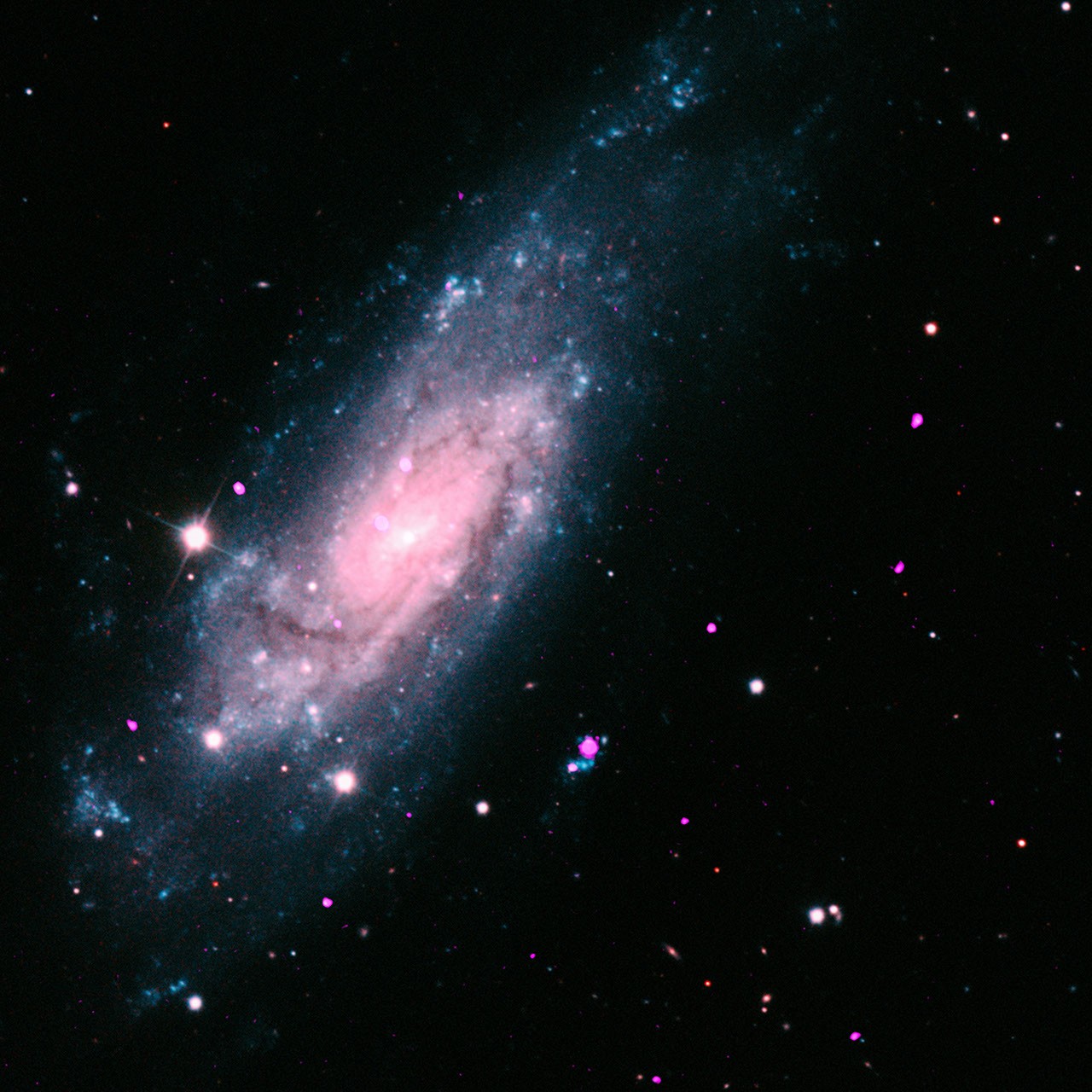
NASA’s Chandra Finds Source of Star’s Mysterious Outbursts

Using NASA’s Chandra X-ray Observatory, astronomers have discovered what is triggering repeated outbursts from a giant, unstable star. A new study, published Monday in the latest issue of The Astrophysical Journal, details the discovery of a previously hidden companion object that keeps pulling material away from the massive star every 113 days as they orbit

Read at NASA

Universe Today Evan Gough Space

An Artificial CORTEX to Guide Satellite Rescue Missions

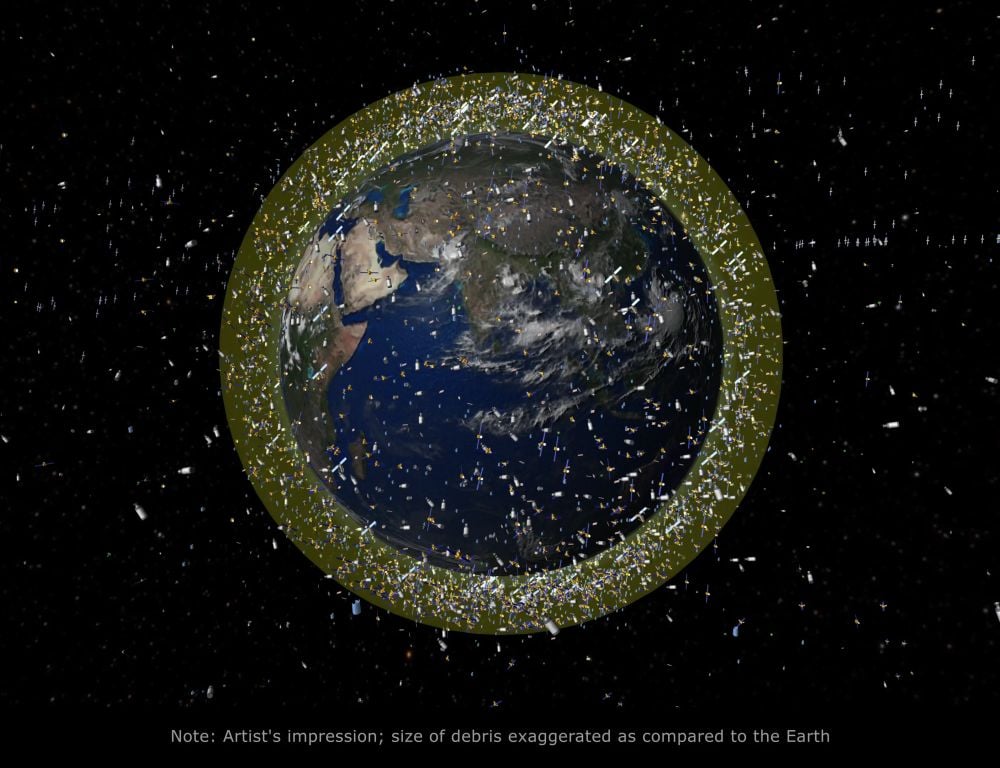
Thousands of so-called zombie satellites orbit Earth in the critical Low-Earth Orbit regime. They're either inactive or have stopped alerting other satellites to their presence. Researchers are building a system called CORTEX that can guide a repair satellite to autonomously dock with these zombies.

Read at Universe Today

NASA Science Patricia Tyler Space

Upcoming SIG and SAG Activities, 9 – 16 Nov 2026

Upcoming Science Interest Group & Science Analysis Group Activities, 28 Oct - 6 Nov 2026

Read at NASA Science

Phys.org Quantum Physics

Quantum interference keeps two atoms bound despite enough energy to break apart

How can something remain intact when it should naturally break apart? This question has been addressed by researchers at RPTU. Their work has led to the experimental observation of an unusual quantum state in which two atoms remain bound together even though they possess enough energy to separate. The results have been published in the journal Nature Physics.

Read at Phys.org Quantum Physics

Space.com Mike Wall Space

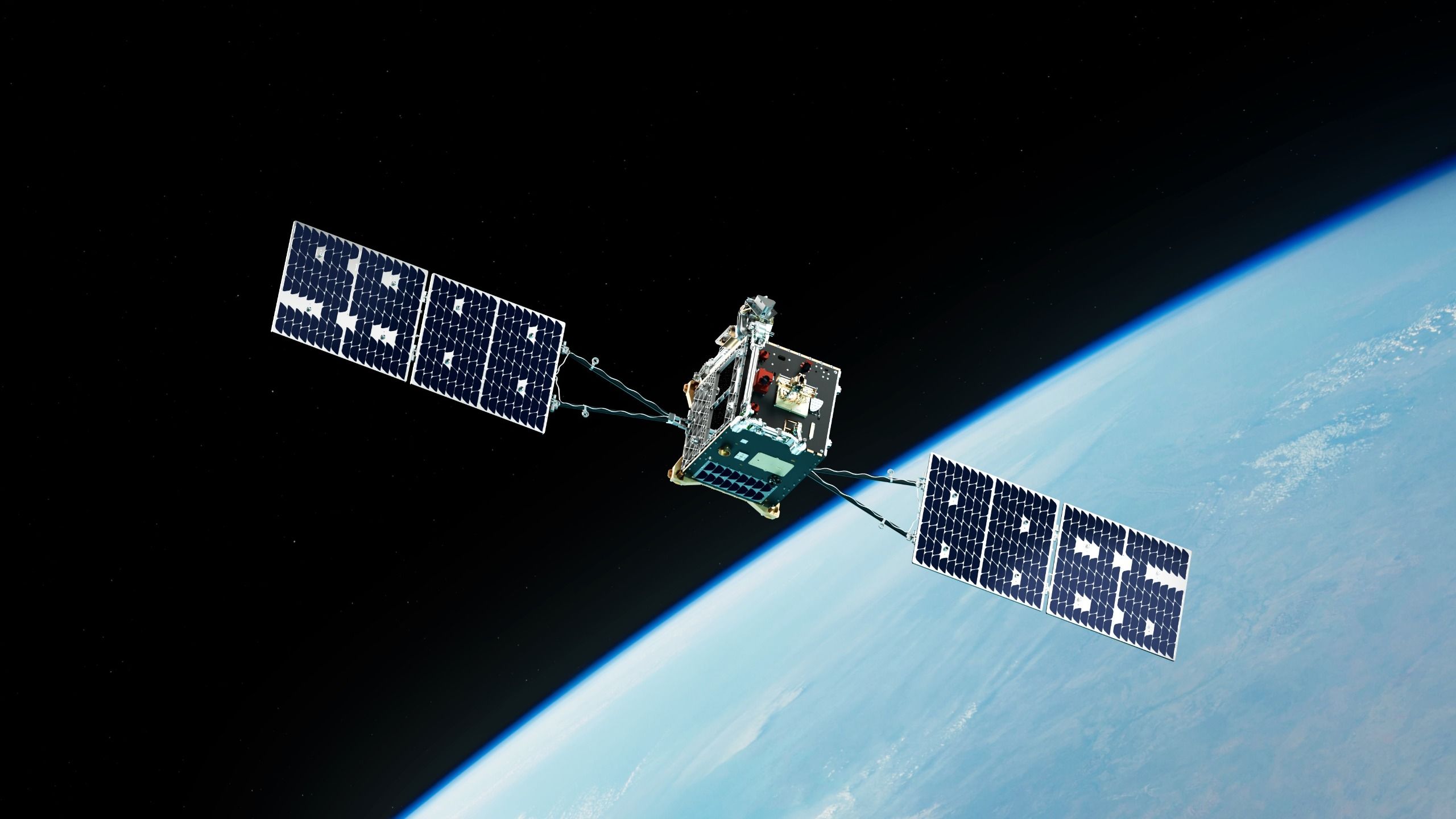
Starfish Space loses contact with 1st 'Otter' servicing spacecraft, ending NASA tech-demo mission

Starfish Space's first Otter servicing spacecraft suffered a glitch in orbit recently, ending its technology-demonstrating mission for NASA.

Read at Space.com

NASA Bailey Light Space

NASA Advanced Mid-Power Electric Rocket Challenge

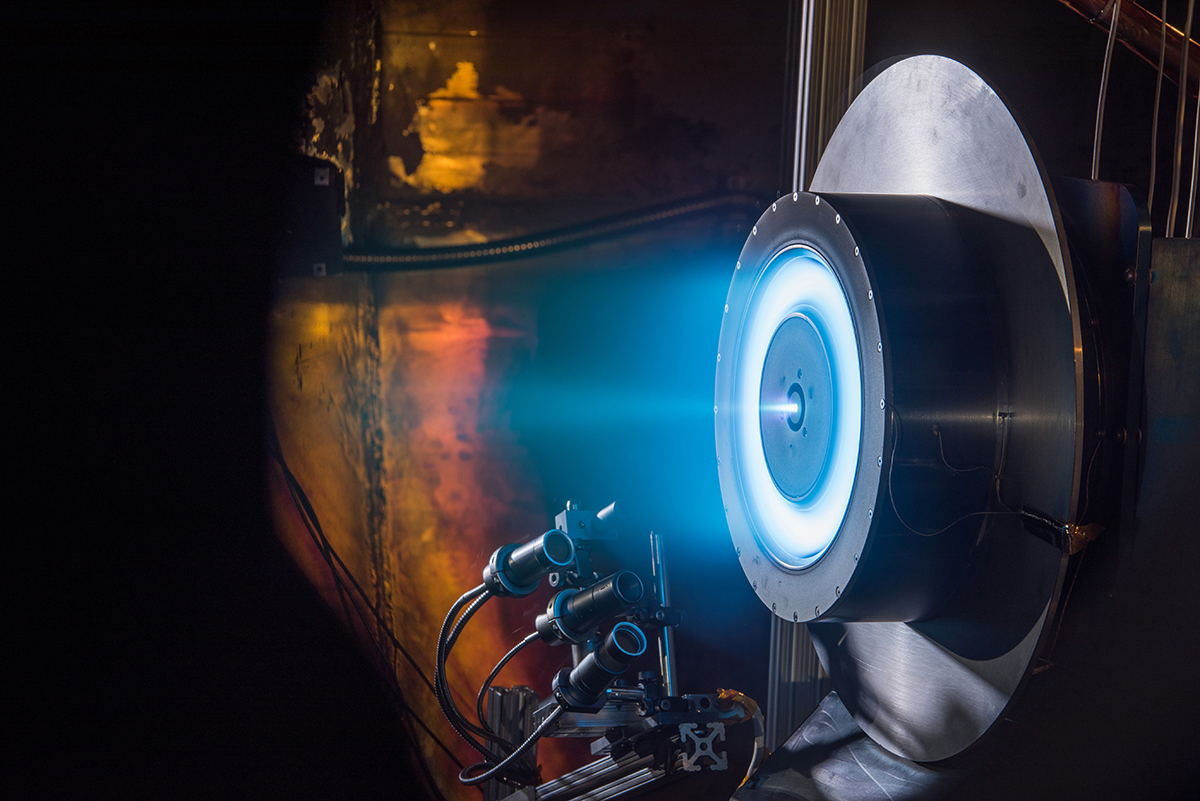
Mid-power (3-7 kW) Hall effect thruster systems have been identified by government and industry stakeholders as critical capabilities for satellite, defense, and exploration missions. Given the need for this capability, NASA is launching the Advanced Mid-Power Electric Rocket (AMPERE) Challenge. The NASA AMPERE Challenge invites U.S. commercial companies to develop and demonstrate mid-power Hall effect

Read at NASA

Phys.org Space Space

Two nearby rocky worlds could offer alien astronomers views of planets appearing to reverse course

Aliens have long been a staple of science fiction. Yet the possibility of intelligent life beyond Earth is more than a matter of imagination—it is also a subject of serious scientific inquiry. Professor Woong-bae Zee of Sejong University's School of Liberal Studies has recently published an astronomy paper that places the word "alien" front and center.

Read at Phys.org Space

AgFunderNews Stephen Wood and Steve Rosenzweig

Guest article: A landscape-scale strategy for regenerative agriculture

Growth of regenerative agriculture depends less on scaling a single model and more on understanding how change unfolds in different places.

Read at AgFunderNews

NASA María José Viñas Space

La NASA destina un millón de dólares al reto estudiantil Base Lunar

Read this release in English here.El domingo 8 de noviembre de 2026, la NASA anunció la convocatoria del reto estudiantil Base Lunar, dotado con un millón de dólares, durante un acto de MAX POWER celebrado en el Complejo de Visitantes del Centro Espacial Kennedy, en Florida. En el marco de una edad de oro de

Read at NASA

Phys.org Quantum Physics

The fastest levitated spinning magnet ever made might help physicists search for dark matter

Tiny levitated magnets are able to avoid contact friction, making them useful for detecting extremely weak forces and magnetic fields and acting as ultralow-noise quantum sensors and precision measurement tools. Combining levitation with extreme cold further reduces unwanted motion that can make faint signals hard to detect.

Read at Phys.org Quantum Physics

Universe Today Andy Tomaswick Space

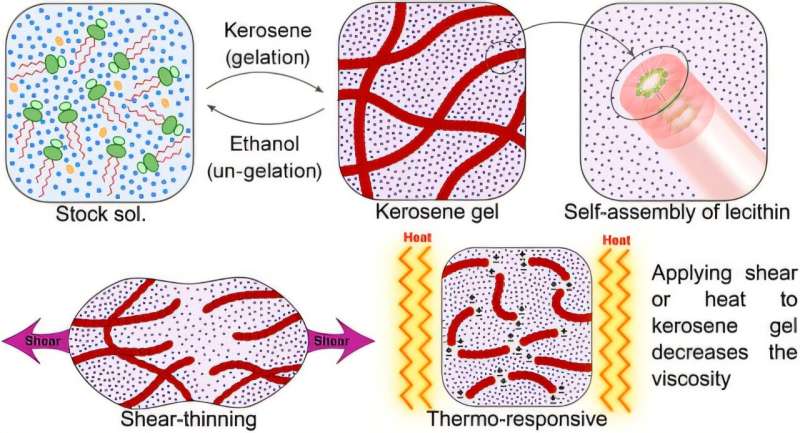
A Common Food Emulsifier Could Solve One of Rocketry’s Oldest Fuel Problems

In propulsion system design, engineers have long faced a trade-off between solid and liquid rocket fuels. Each has advantages and disadvantages, and in an effort to try to min/max the efficacy of different types of fuel, researchers have long placed an emphasis on a hybrid between solids and liquids - in other words they’ve been working with gels. Unfortunately, gels have their own sets of problems to deal with. But a new paper published by Pranay Mudaliar and Jerin John of…

Read at Universe Today

Dark Reading Kristina Beek Security

PwC's CISO on AI, Robots & What's Next for Security

As AI accelerates change across the enterprise, PwC's James Shira explains why security teams must rethink their approach to risk and adapt their strategies.

Read at Dark Reading

BioPharma Dive Delilah Alvarado

Vir hepatitis D drug succeeds in first pivotal study

A program that’s survived Vir’s pivot away from infectious disease research hit all of its study objectives and appeared more potent than a rival drug also in late-stage development.

Read at BioPharma Dive

NASA Science Patricia Tyler Space

THIS FRIDAY: ASD Community Meeting

This two-hour community meeting will be hosted virtually and is open to all Astrophysics community members, academia, and the public.

Read at NASA Science

Older stories