Fields: space, quantum, biotech, agritech, IoT and robotics

Science and technology fields in one place: space, quantum technology, biotechnology, agritech, the Internet of Things and robotics, with news from the specialist press and research from journals and arXiv. Each field has its own page in the Fields menu.

Payload Kepler Communications (Payload Partner) Space

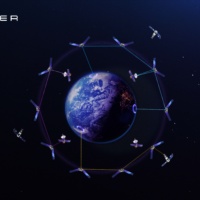
Connecting Constellations: The Shift to Real-Time Space Operations

After years of development and demonstrations, optical communications are reshaping how the space industry approaches mission architectures. Kepler’s optical space data relay constellation gives government and commercial customers opportunities to connect previously isolated systems, strengthen resilience, and move mission data more quickly and efficiently. For Caitlin Marsh, the recently appointed president of Kepler U.S., that…


Read at Payload

Green Queen (alternative protein) Anay Mridul

Taipei: Govt Urged to Add Plant-Based Diets to Net-Zero Plan & Push Low-Carbon Food in Schools

4 Mins ReadAdvocacy groups led a city march to demand the inclusion of plant-based diets in Taipei’s net-zero strategy and to urge the government to promote sustainable eating in schools and corporate cafeterias. Plant-based food is dramatically better for the planet, and should be part of Taipei’s efforts to reach net zero by 2050, according to more

Read at Green Queen (alternative protein)

NASA Science Lauren Dauphin Space

The Last Ice on Puncak Jaya

Ice near the summit of the Indonesian mountain peak has shrunk to scattered patches too small to flow like glaciers.

Read at NASA Science

Tech in Asia Adinda Pryanka Startups

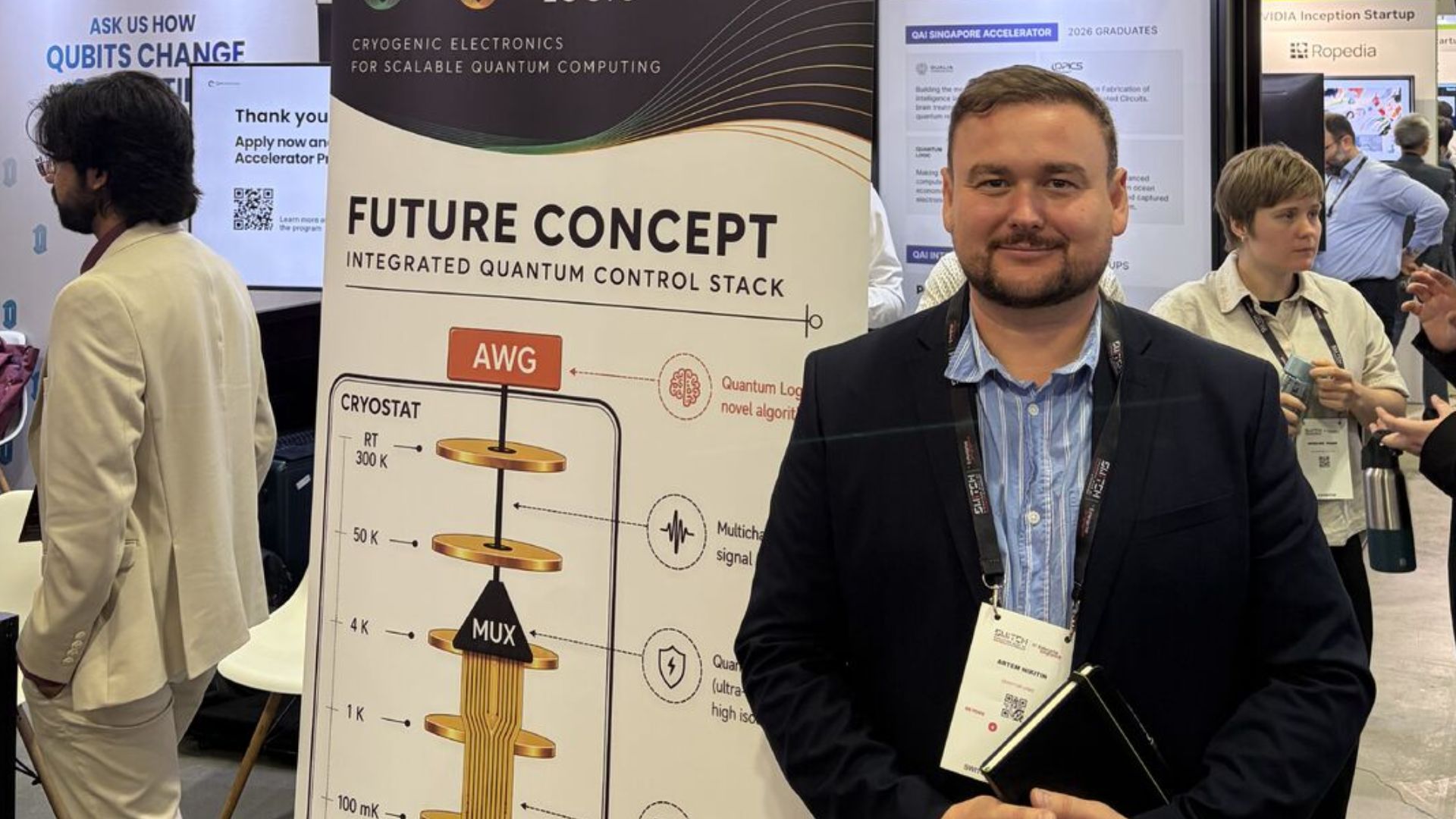
New hardware for the billion-dollar quantum computing race

Quantum Logic aims to capitalize on the AI-driven quantum boom by solving the cryogenic limitations preventing massive qubit scaling.

Read at Tech in Asia

The Register Simon Sharwood Space

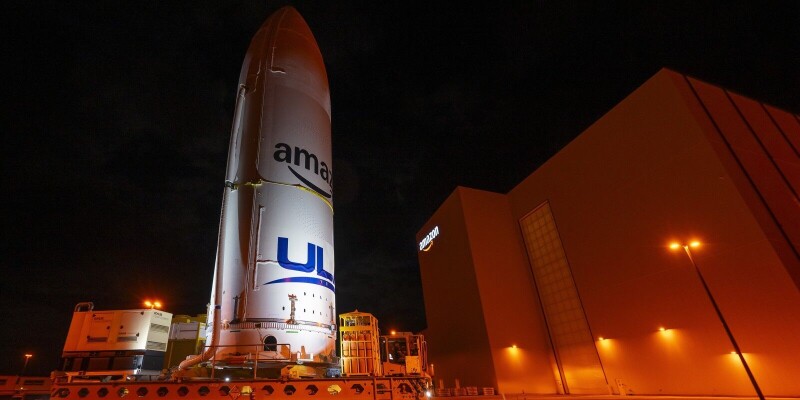
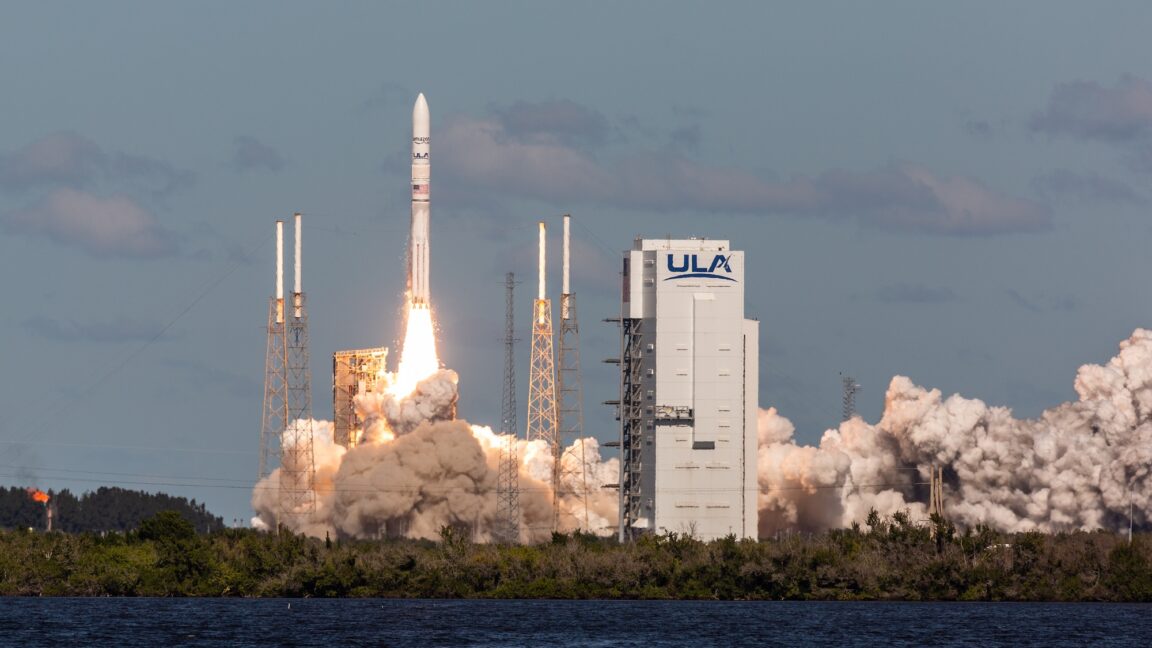
Amazon loses first batch of broadband satellites launched on custom rocket

United Launch Alliance’s Vulcan LEO didn’t reach orbit

Read at The Register

Phys.org Space Space

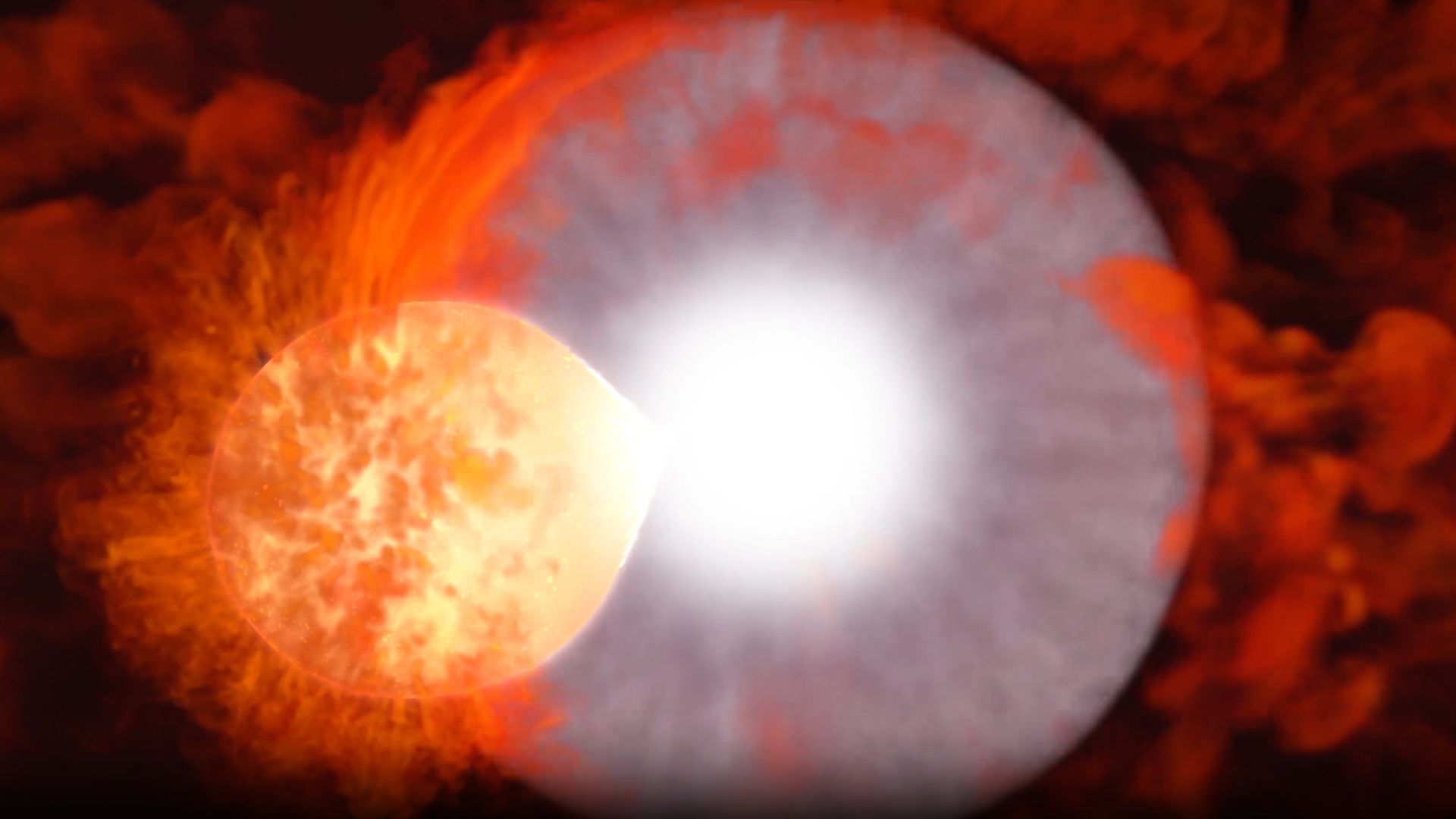
Why aging stars suffer a sudden luminosity dip

From a naked-eye perspective, stars are stable and predictable. Not much goes on but shining. The sun itself is fairly plain and nondescript and will shine relatively steadily for billions of years. It's considered a low-mass star compared to the most massive stars, which are rarer and contain many times its mass.

Read at Phys.org Space

Green Queen (alternative protein) Anay Mridul

Thailand’s Deevana Hotels & Resorts to Make 45% of Proteins Plant-Based by 30%

4 Mins ReadDeevana Hotels & Resorts, one of southern Thailand’s leading hospitality chains, has committed to ensuring that 45% of the protein it buys comes from plant-based sources by 2030. Building on the Thai hospitality industry’s food sustainability commitments, Deevana Hotels & Resorts has pledged to make 45% of the protein it purchases plant-based by the end

Read at Green Queen (alternative protein)

Quantum Computing Report Mohamed Abdel-Kareem

Qatar Ministry of Communications and Information Technology Signs Post-Quantum Readiness Agreement with SignQuantum and QANplatform

The Ministry of Communications and Information Technology of Qatar has partnered with SignQuantum and QANplatform to explore post-quantum cryptography for public-sector data, aligning with Qatar's National Vision 2030. This collaboration, announced at MWC26 Doha, aims to enhance long-term data integrity by using SignQuantum's PQC document signing and QANplatform's quantum-resistant blockchain for secure, auditable digital records. The agreement focuses on knowledge sharing…

Read at Quantum Computing Report

Quantum Computing Report Mohamed Abdel-Kareem

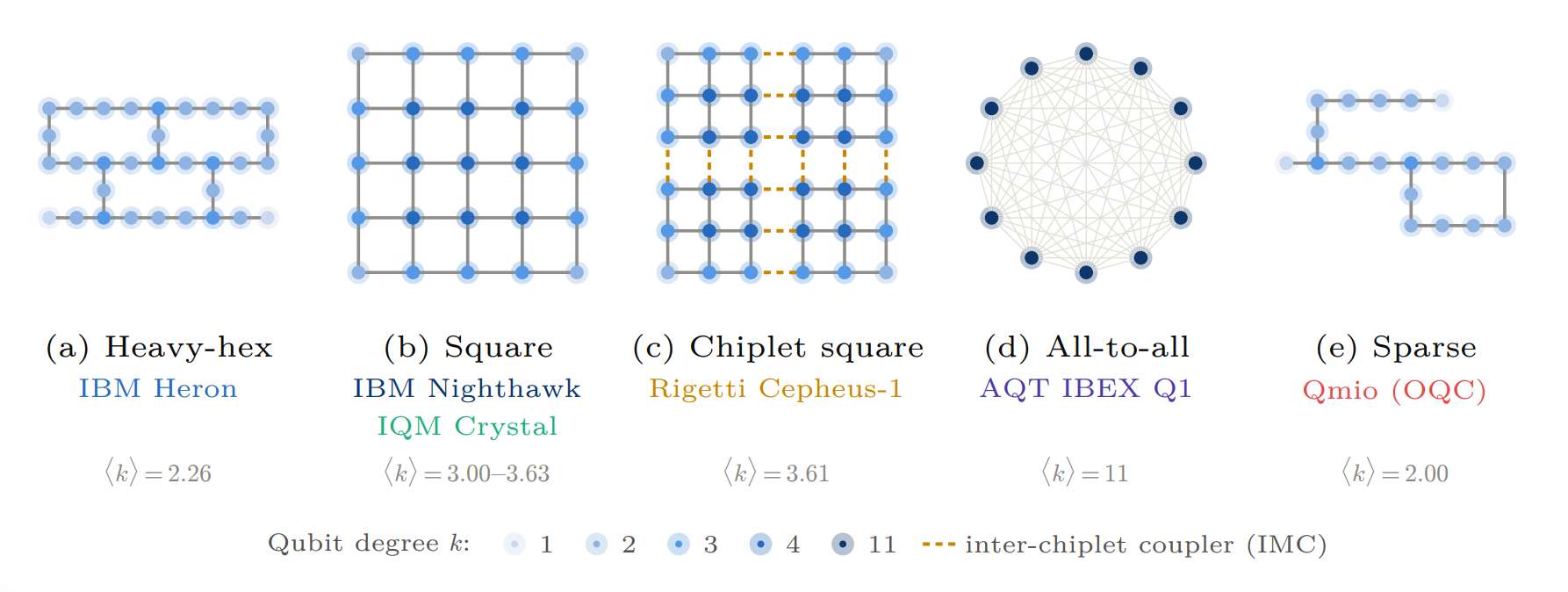
Cross-Platform Cloud Benchmark Reveals Wide Gap Between Physical Qubit Counts and Entangled GHZ State Sizes

A new study benchmarked nine cloud-accessible quantum processors, revealing a significant gap between the number of physical qubits and the size of entangled GHZ states achievable without error mitigation. The research, which utilized standard remote cloud workflows, found that large superconducting processors only maintain multipartite entanglement across a small fraction of their physical registers. This highlights the challenges in achieving high-fidelity multipartite…

Read at Quantum Computing Report

NVIDIA Blog NVIDIA Writers SI

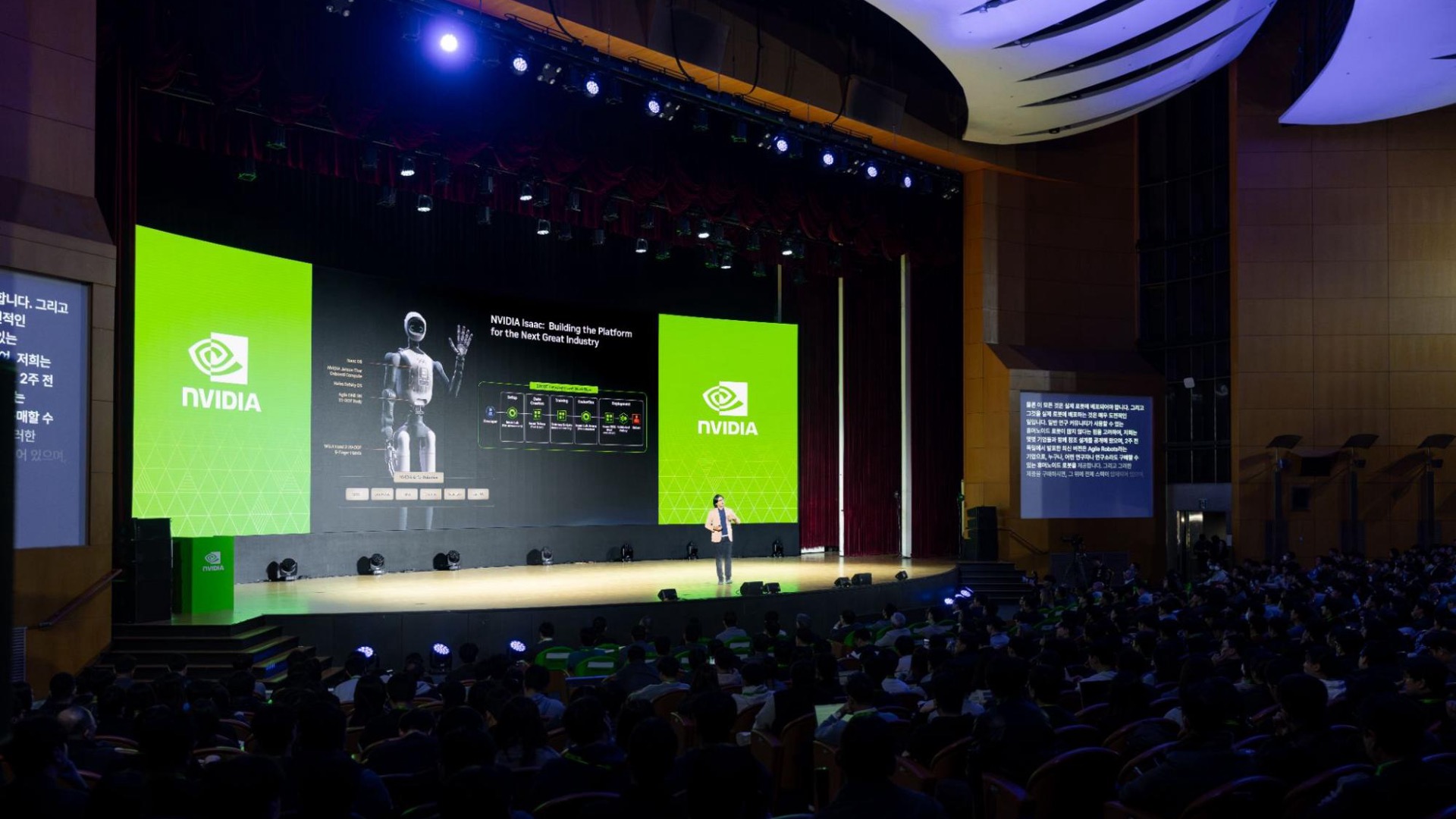
AI Day Seoul Brings Together Korea’s Industry Leaders, Startups and Developer Communities

Over two days at COEX, more than 2,000 attendees converged for AI Day Seoul, bringing together Korea’s industry leaders, startups and developer communities advancing physical AI and AI agents. At the plenary sessions, Deepu Talla, vice president of robotics and edge AI at NVIDIA, said Korea is “punching above its weight,” with Doosan Robotics, Hyundai

Read at NVIDIA Blog

SpacePolicyOnline Marcia Smith Space

What’s Happening in Space Policy November 15-21, 2026

Here is SpacePolicyOnline.com’s list of space policy events for the week of November 15-21, 2026 and any insight we can offer about them. The House and Senate are in session

Read at SpacePolicyOnline

Ars Technica Stephen Clark Space

Vulcan rocket fails during launch, dealing major blow to SpaceX competitors

This was the first total mission failure in United Launch Alliance's 20-year history.

Read at Ars Technica

SpacePolicyOnline Marcia Smith Space

Vulcan’s Return-to-Flight Fails

The United Launch Alliance’s eagerly awaited return-to-flight of the Vulcan rocket today did not go as planned. An anomaly 10 minutes after launch meant the 40 Amazon Leo satellites did

Read at SpacePolicyOnline

GEN (Genetic Engineering & Biotechnology News) Alex Philippidis

StockWatch: Amid Nvidia Turmoil, What Happens to Its Life Sciences Collaborations?

While Nvidia doesn’t develop new therapies, instruments, or reagents, its AI technology powers numerous collaborations with biopharma and lab tools giants stretching back at least five years.

Read at GEN (Genetic Engineering & Biotechnology News)

GeekWire Todd Bishop Space

Amazon loses 40 Leo satellites in ULA Vulcan launch failure — a new setback for its Starlink rival

ULA's Vulcan rocket failed about 10 minutes into flight Sunday, the company's first total mission failure, losing 40 satellites for Amazon's Leo internet service and disrupting Amazon's plans for a second Vulcan launch within weeks.

Read at GeekWire

The Verge Terrence O’Brien Space 2 publishers

Vulcan rocket fails, destroying 40 Amazon Leo satellites

United Launch Alliance (ULA) suffered what is reportedly its first mission failure in its 20-year history, failing to deliver 40 Amazon Leo satellites to orbit. Leo is Amazon's competitor to SpaceX's Starlink, but it has struggled to get off the ground so far, putting only a small portion of the necessary satellites to challenge Starlink

Read at The Verge

Also at Spaceflight Now

Phys.org Space Space

Dark matter–hunting satellite Euclid reveals record number of cosmic 'magnifying glasses'

UBC researchers have helped uncover 15,000 new potential strong gravitational lenses—the largest collection of these cosmic tools that help astronomers investigate dark matter.

Read at Phys.org Space

Space.com Sergio Pereira Space

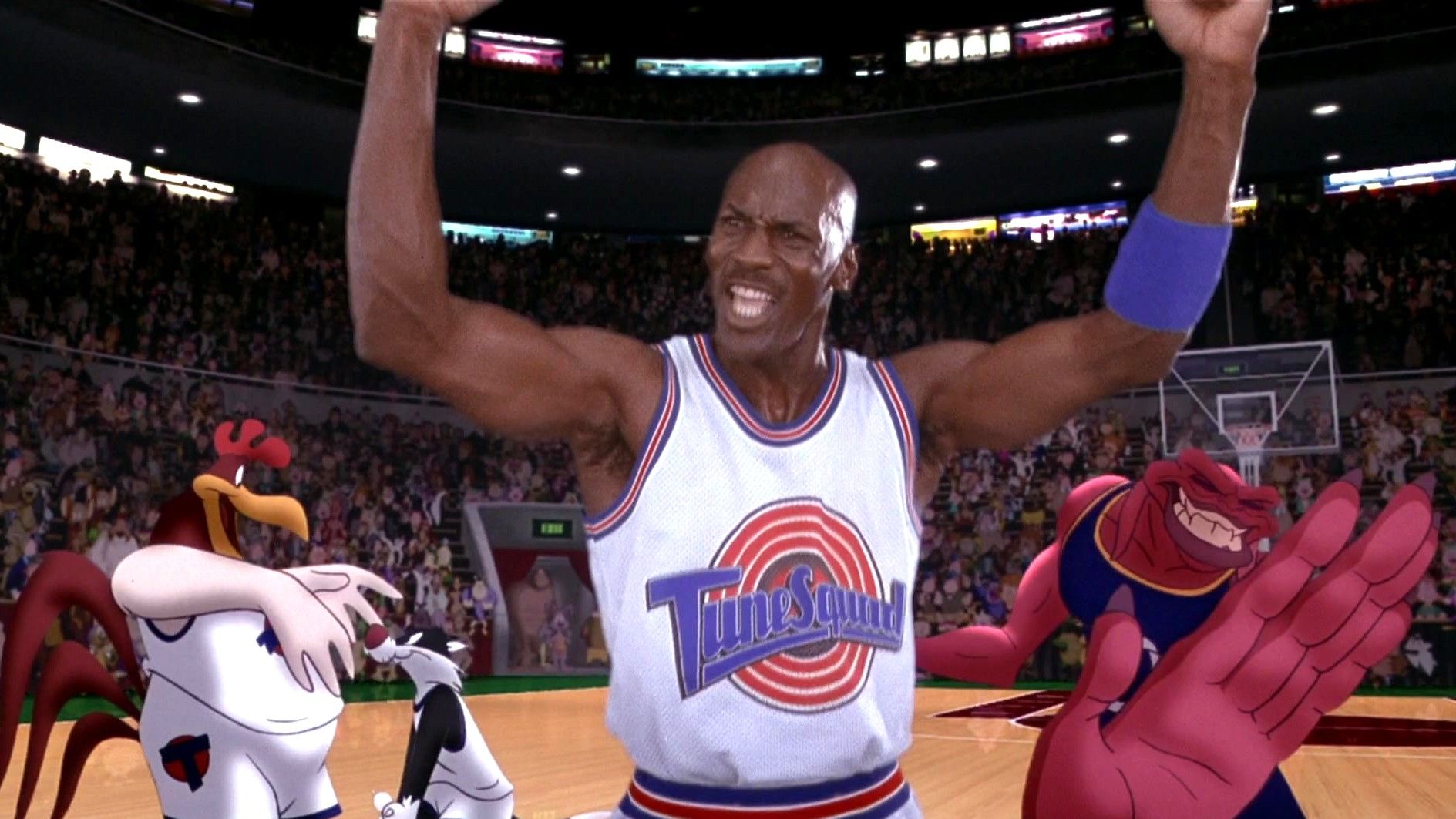
30 years ago, 'Space Jam' proposed the best way to resolve interplanetary disputes

Sufferin' succotash! The Monstars and Tune Squad interplanetary slam arrived 30 years ago, and it's still a clinic in interplanetary conflict resolution.

Read at Space.com

Phys.org Quantum Physics

Tangled quantum whirlpools caught unraveling in an ultracold gas

When a cloud of atoms is cooled close to absolute zero, its atoms can merge into a Bose–Einstein condensate (BEC): an exotic fluid in which atoms across the whole cloud share a single quantum state. Current theories predict that as a disordered quantum gas settles into this ordered state, a tangle of tiny vortices should form and gradually unravel.

Read at Phys.org Quantum Physics

Space.com Hanneke Weitering Space

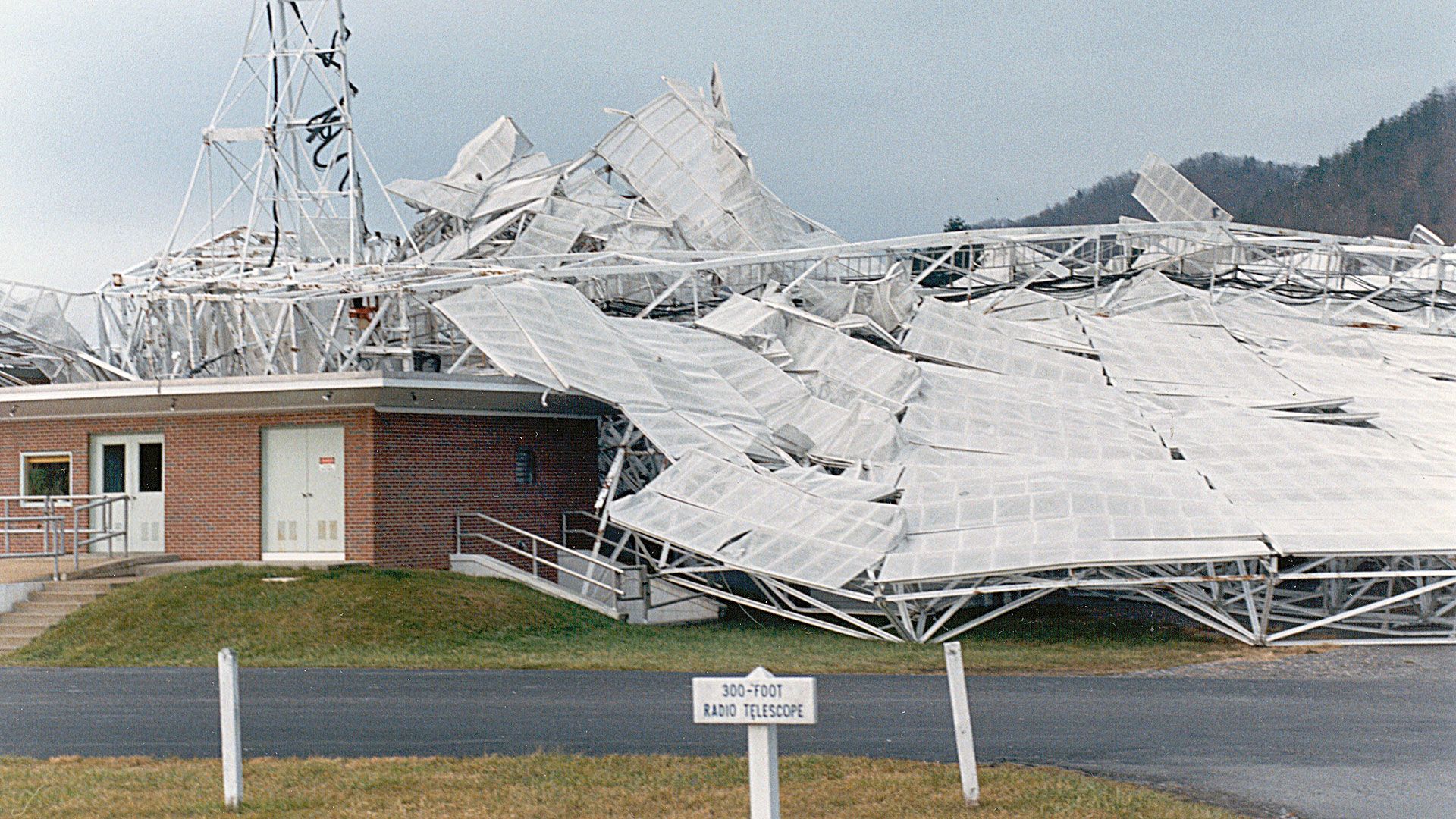
On this day in space! Nov. 15, 1988: The 300-foot Green Bank Telescope collapses suddenly, leaving a huge pile of wreckage in West Virginia

On Nov. 15, 1988, a 300-foot radio telescope in Green Bank, West Virginia suddenly collapsed. Here's why it mattered.

Read at Space.com

STAT Biotech Adam Feuerstein

STAT+: FDA rejects lung cancer treatment ivonescimab from Summit Therapeutics

The FDA has rejected ivonescimab, a treatment for a type of lung cancer developed by U.S. biotech Summit Therapeutics and the Chinese drugmaker Akeso.

Read at STAT Biotech

Space.com Anthony Wood Space

Why hasn't the 'Blaze Star' exploded yet? Astronomers weigh in on what to expect

"T CrB *will* erupt sometime soon. Everyone is very confident on this."

Read at Space.com

Phys.org Space Space

New observations challenge evidence for an 'outsize' black hole in the early universe

A recent reanalysis of the outsize black hole galaxy UHZ1 using existing X-ray data and new infrared observations challenges a previous groundbreaking claim. Three years ago, this galaxy made news for hosting an unusually massive and heavily dust-obscured black hole formed through direct collapse. Led by Fan Zou of the University of Michigan, the new study reports no signs of hidden black hole activity. The paper, published in The Astrophysical Journal on Oct. 14, suggests…

Read at Phys.org Space

IEEE Spectrum Robotics Evan Ackerman

Why Skydio Built a Lopsided Drone

Skydio’s drones have always been magical. From MIT research and early prototypes to what I would argue is still the most advanced consumer drone ever made, this is a company that makes very cool stuff. Sadly, Skydio no longer makes cool stuff for consumers, instead focusing on drone platforms for public safety, inspection, and other things that, on a good day, don’t affect me personally. Even so, a new drone from Skydio is worth paying attention to, especially when it’s as…

Read at IEEE Spectrum Robotics

The Verge David Pierce

The Sony Aibo was a robot revolution dressed like a dog

In the 1990s, Sony was absolutely convinced that we were on the precipice of a robot takeover. Pretty soon, the company decided, we'd all be living among countless humanoid robots. Some would be our coworkers; others would be our friends; and at least one would be our pet. And "pet" was exactly what Sony was

Read at The Verge

Universe Today Andy Tomaswick Space

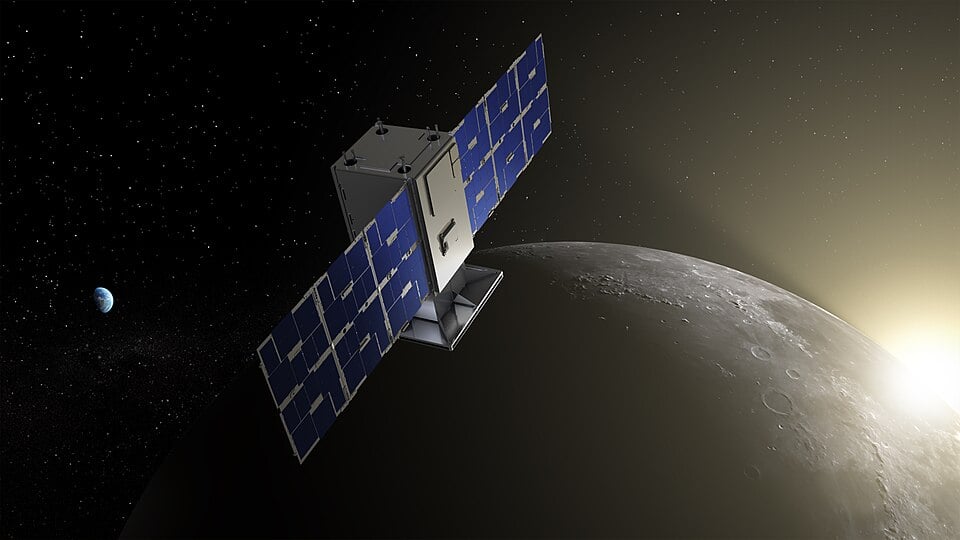
Navigating Lunar Orbit Using Nothing But Shadows And A Power Meter

Humanity is quickly starting to saturate our ability to track all of the satellites we have in deep space. NASA’s Deep Space Network (DSN) has been the workhorse for tracking such things for decades, but is quickly being overwhelmed by the number of requests it receives. Which in turn makes it harder to track some of the missions that have been launched recently. A new paper, available in pre-print on arXiv, from Ian Down, James McElreath, and Manoranjan Majji, of Advanced…

Read at Universe Today

Phys.org Space Space

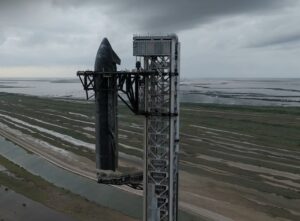
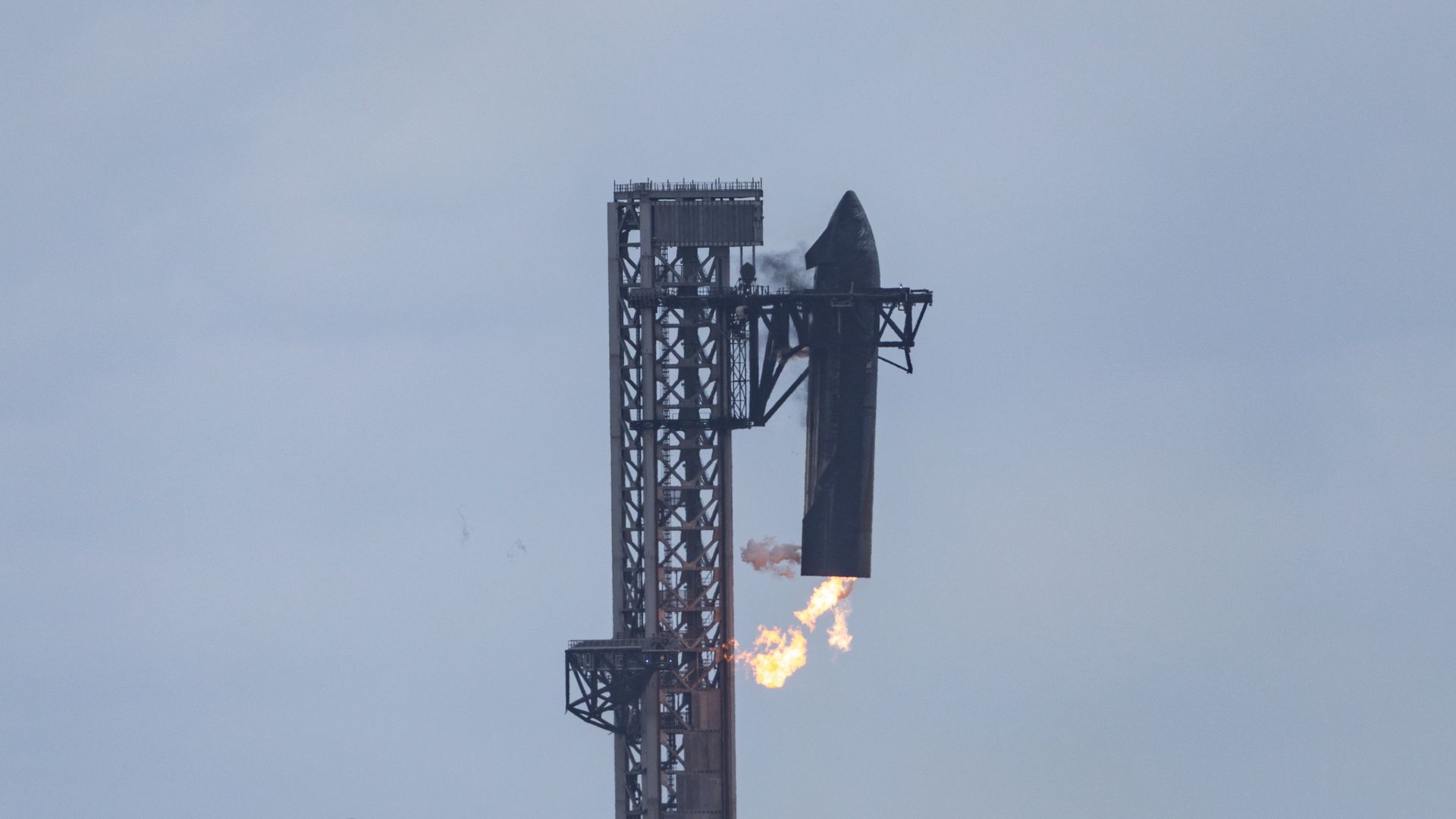
SpaceX's Starship returns from orbit and is captured by launch pad arms in a dramatic first

SpaceX's Starship made a triumphant return to Earth on Saturday, caught in midair by giant mechanical arms where its journey began 22 hours earlier.

Read at Phys.org Space

Phys.org Space Space

ALMA reveals three star-forming cores at different stages inside one gas clump

Astronomers have revealed three dense cores at different evolutionary stages within the massive star-forming region G40.282−0.219, shedding light on the physical and chemical differences among cores within the same massive dense clump.

Read at Phys.org Space

Space.com Keith Cooper Space

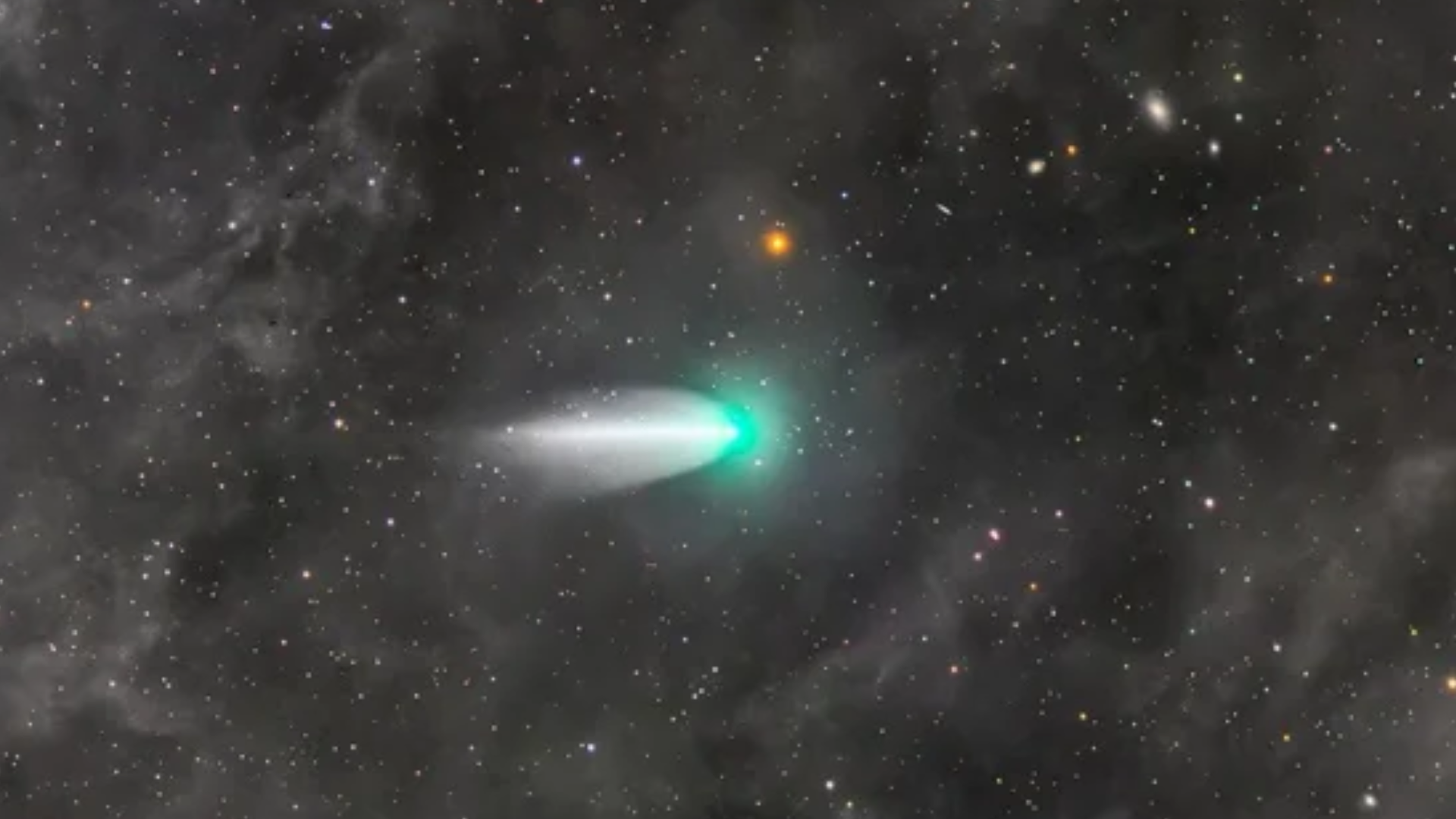
How escaping gases ripped apart a comet and caused it to become thousands of times brighter

This summer, comet 220P/McNaught burst into life out of nowhere to become one of the year’s highlights for amateur astronomers.

Read at Space.com

Space.com Mike Wall Space

What's next for SpaceX's Starship after epic Flight 15 chopsticks catch?

SpaceX just made spaceflight history, catching the upper stage of its Starship megarocket when it returned to Earth. But Starship still has some pretty big boxes left to check.

Read at Space.com

Older stories