How AI is pushing satellites to evolve
During the first day of Space Tech Expo Europe, SpaceNews’ Mike Gruss sits down with Pieter van Duijn, the chief technology officer of Loft Orbital. They discuss the growing level
Science and technology fields in one place: space, quantum technology, biotechnology, agritech, the Internet of Things and robotics, with news from the specialist press and research from journals and arXiv. Each field has its own page in the Fields menu.
During the first day of Space Tech Expo Europe, SpaceNews’ Mike Gruss sits down with Pieter van Duijn, the chief technology officer of Loft Orbital. They discuss the growing level
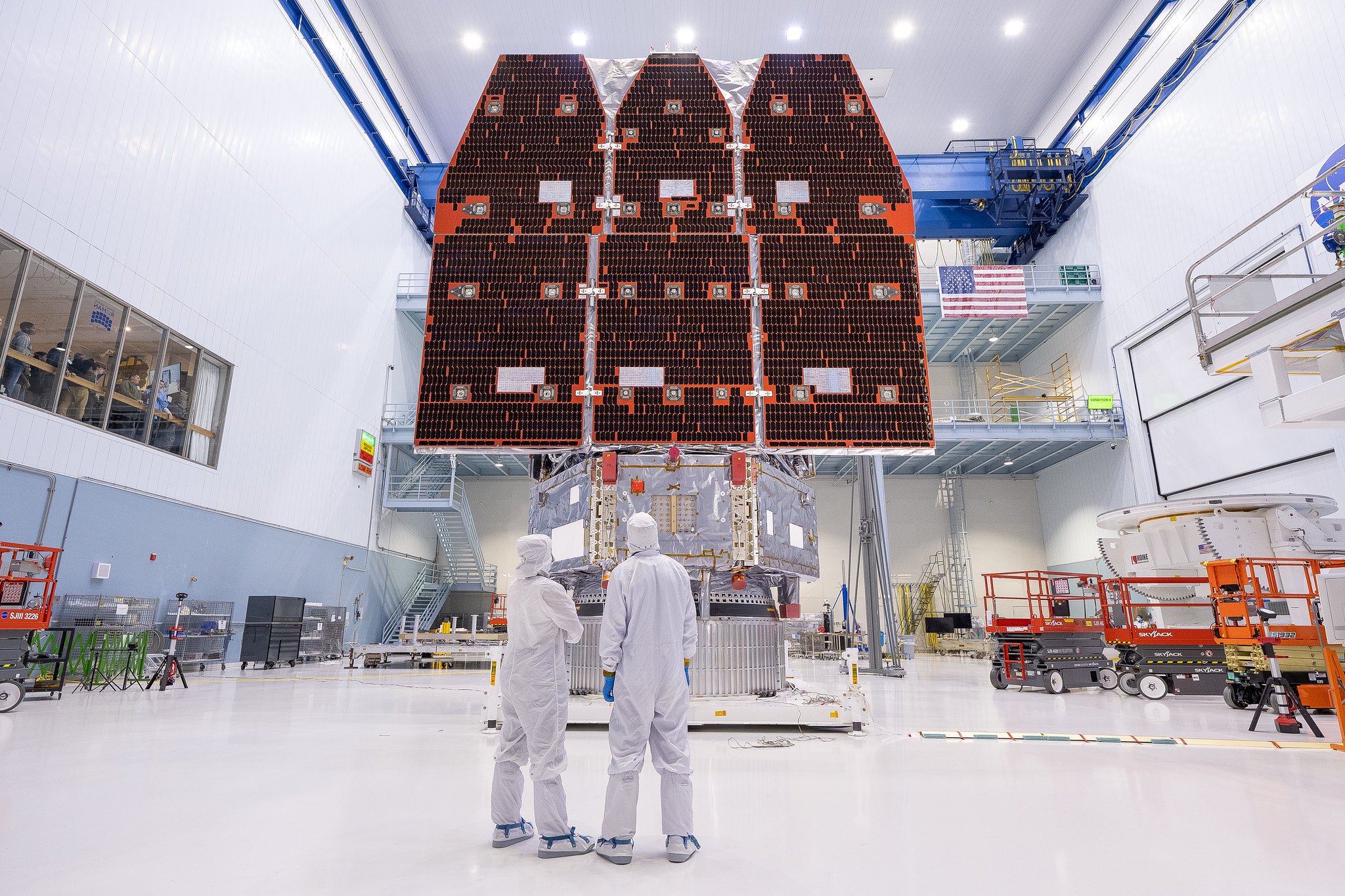
NASA will release the first images from its Nancy Grace Roman Space Telescope during a live stream from the American Geophysical Union (AGU) Annual Meeting in San Francisco at 3:30 p.m. EST (12:30 p.m. PST) Monday, Dec. 7. The images will showcase the unique scientific capabilities of Roman, which will soon capture deep, panoramic, never-before-seen
As of Oct. 30, the Sentinel-6B satellite has been calibrated to serve as the world's go-to data source on sea level rise. The satellite has now passed all its initial system checks to ensure that its data meet the strictest quality and accuracy standards. In January, it will become the reference satellite that other sea-level missions use to calibrate their data.
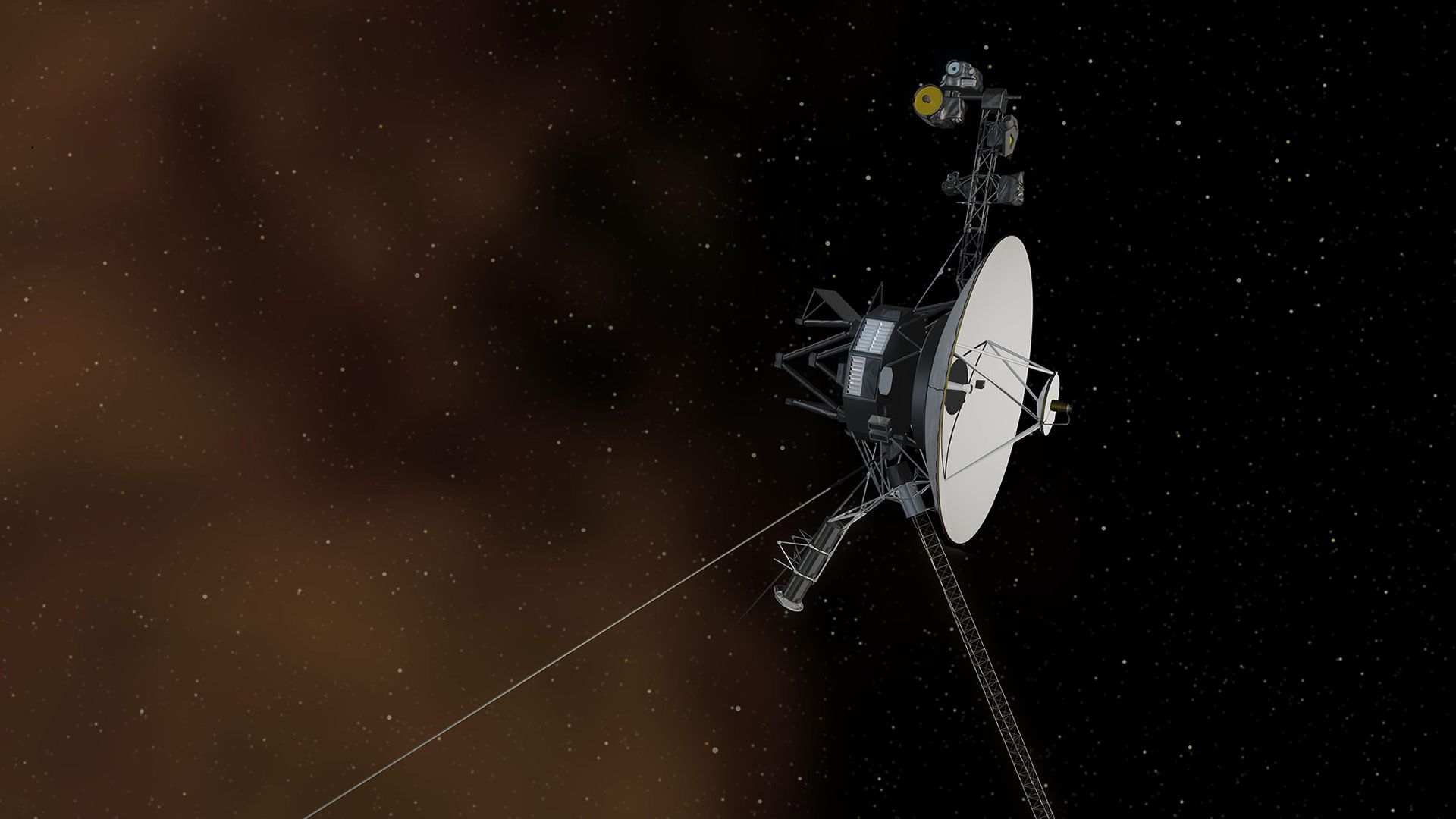
NASA invites the public to shine lights in Morse code after sunset today (Nov. 17) to celebrate Voyager 1 reaching a historic distance of one light-day from Earth.
ULA says early data suggests Vulcan's first stage underperformed just after liftoff Sunday, leaving the rocket unable to put 40 Amazon Leo satellites in orbit. ULA didn't say what caused it or whether the stage's Blue Origin BE-4 engines played a role.
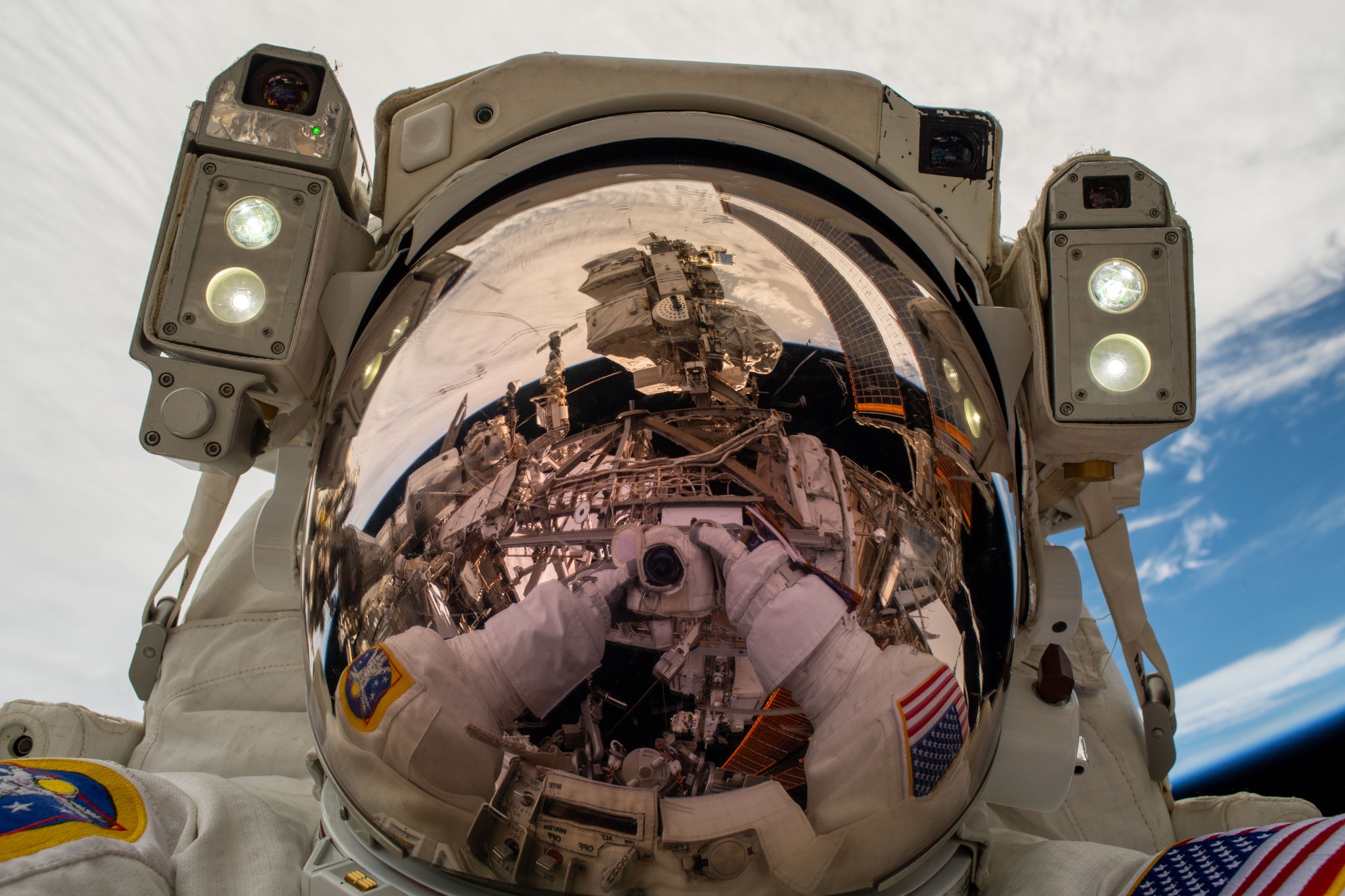
NASA astronaut Anil Menon took this selfie during a spacewalk on Oct. 29, 2026. He and CSA (Canadian Space Agency) astronaut Joshua Kutryk installed a new roll-out solar array on the International Space Station. Get daily updates from the space station. Image credit: NASA/Anil Menon
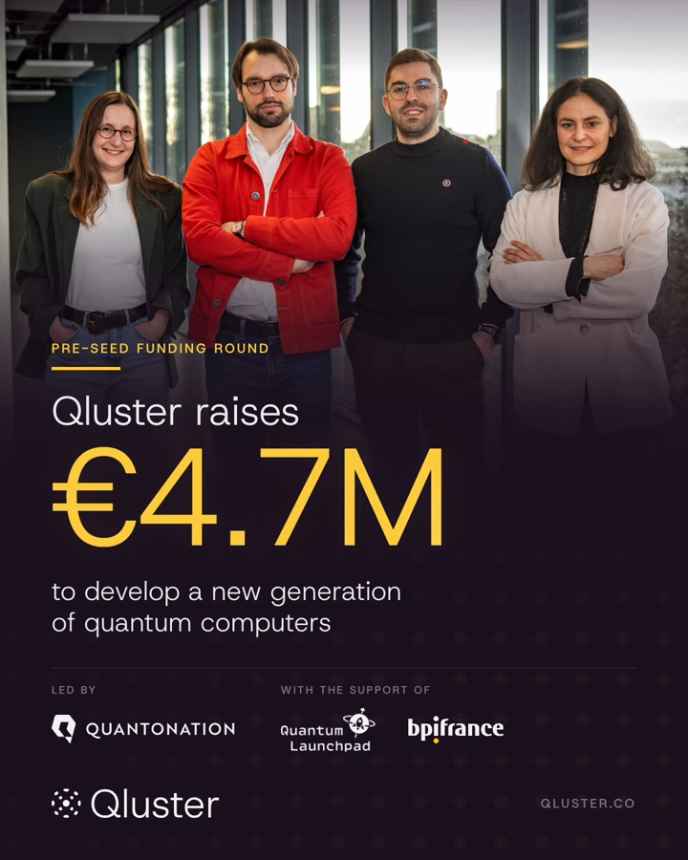
Qluster, a Paris-based photonic quantum computing startup, has secured €4.7 million in pre-seed funding. Led by Quantonation, the investment will be used to establish an R&D laboratory and expand its teams. Qluster's technology utilizes continuous-variable cluster states with the goal of eliminating cryogenic infrastructure and simplifying data-center integration, aiming for an intermediate-scale quantum system by 2032 and a large-scale fault-tolerant universal processor by…
Moth Quantum has developed Tessa, a hardware-native data encoding scheme for quantum processors that significantly reduces overhead by eliminating SWAP gates and ancilla qubits. This method, detailed in a technical preprint, allows for encoding and retrieval of a large number of real-valued parameters across qubits, outperforming previous methods. Tessa is now integrated into Moth's Atlas platform, offering quantum-driven creative tools for various media.
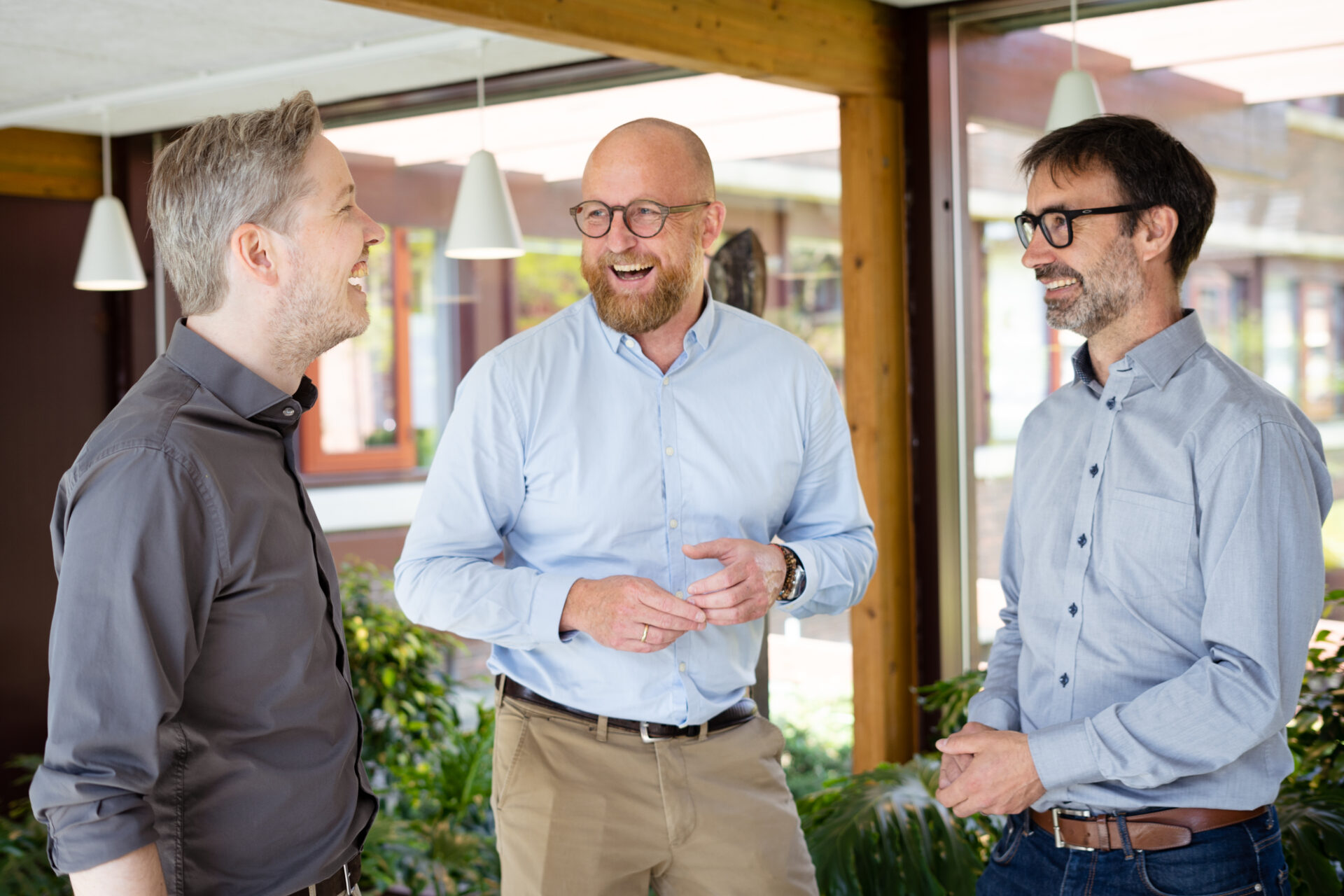
Liquid C2 and Graphiant have partnered to launch a managed Post-Quantum Network-as-a-Service (NaaS) across Africa. This service provides quantum-resistant tunnels for secure communication between various organizational infrastructure, using advanced cryptographic standards. It also offers solutions for governance risks associated with AI agents and connected devices, ensuring data sovereignty and auditable transit logs.
Dr. Meghan Saephan is the Associate Chief for Research and Technology in the Intelligent Systems Division at NASA Ames Research Center. In this role, she supports multidisciplinary research and technology development focused on creating intelligent tools and capabilities that enable NASA missions to operate in increasingly complex, autonomous, and data-rich environments. This work spans artificial
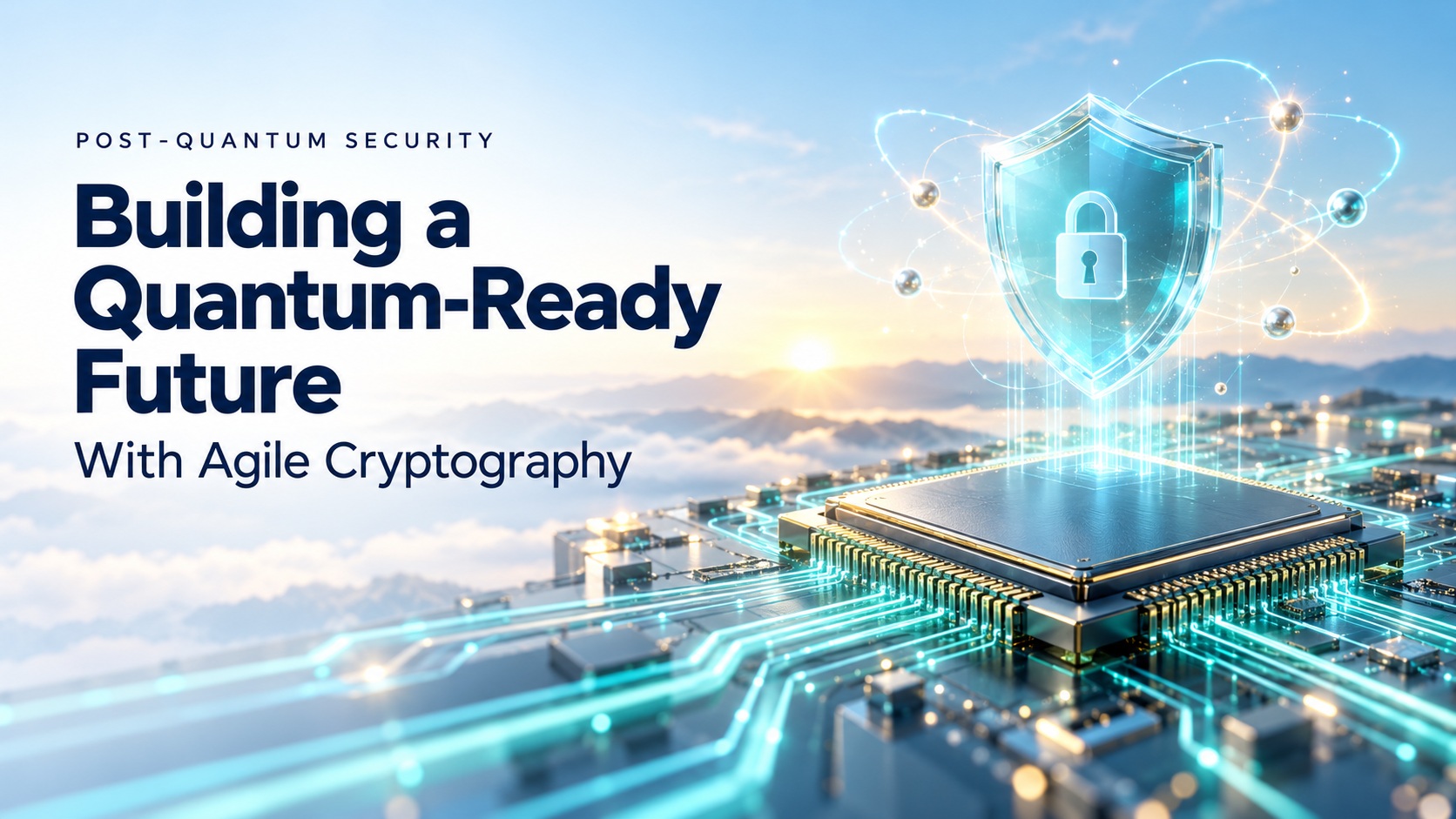
Quantum computing opens exciting possibilities for solving difficult problems, advancing research, and enabling new technologies. Preparing security for that future is an opportunity to strengthen the digital foundations supporting everyday life. Synopsys’ Agile PQC Public Key Accelerators offer chip designers a practical…
Even as the larger AI industry faces turmoil, investors have given Isomorphic the two largest cash infusions in the biotech sector this year.
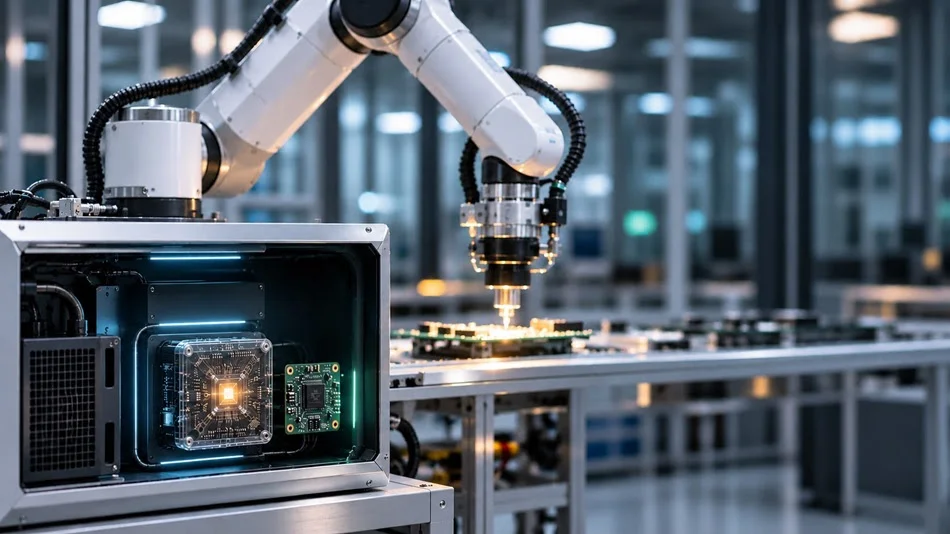
Insider Brief PRESS RELEASE — SAXON Q, a leader in NV-center quantum computing, today announced the Quantum Watchdog, a patented safety system that monitors a quantum computer and puts it into a safe mode if it fails. The system is designed for quantum computers operating in research environments and upcoming industrial applications — including robotics,
“We can develop traits very, very fast, and we are not bound by specific organisms,” says Traitomic CEO Gustav Hambraeus.
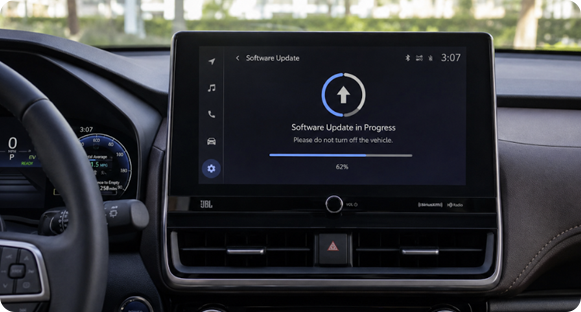
Over-the-Air updates are the lifeblood of the modern connected vehicle. However, these critical campaigns are often executed in a blind spot. OPEN PDF IN BROWSER Once a global OTA campaign … Continued
Sitting here on the outskirts of our Milky Way galaxy, it's hard to imagine the galactic machinations that led to our Goldilocks spot around a very welcoming yellow dwarf star. But for decades, astronomers have suspected that the internal dynamics of massive galaxies like ours play an outsized role in regulating star formation.
The two companies want to make one million deliveries per day using Zipline drones by the end of 2029.
Insider Brief PRESS RELEASE — QUDORA Technologies, a German-based developer of ion-trap quantum computers, has integrated NVIDIA CUDA-Q into its software development kit, enabling developers to write hybrid quantum-classical programs and run them on Qamelion, QUDORA’s quantum emulator with adaptive noise modeling. The integration gives CUDA-Q users access to an environment for developing and testing
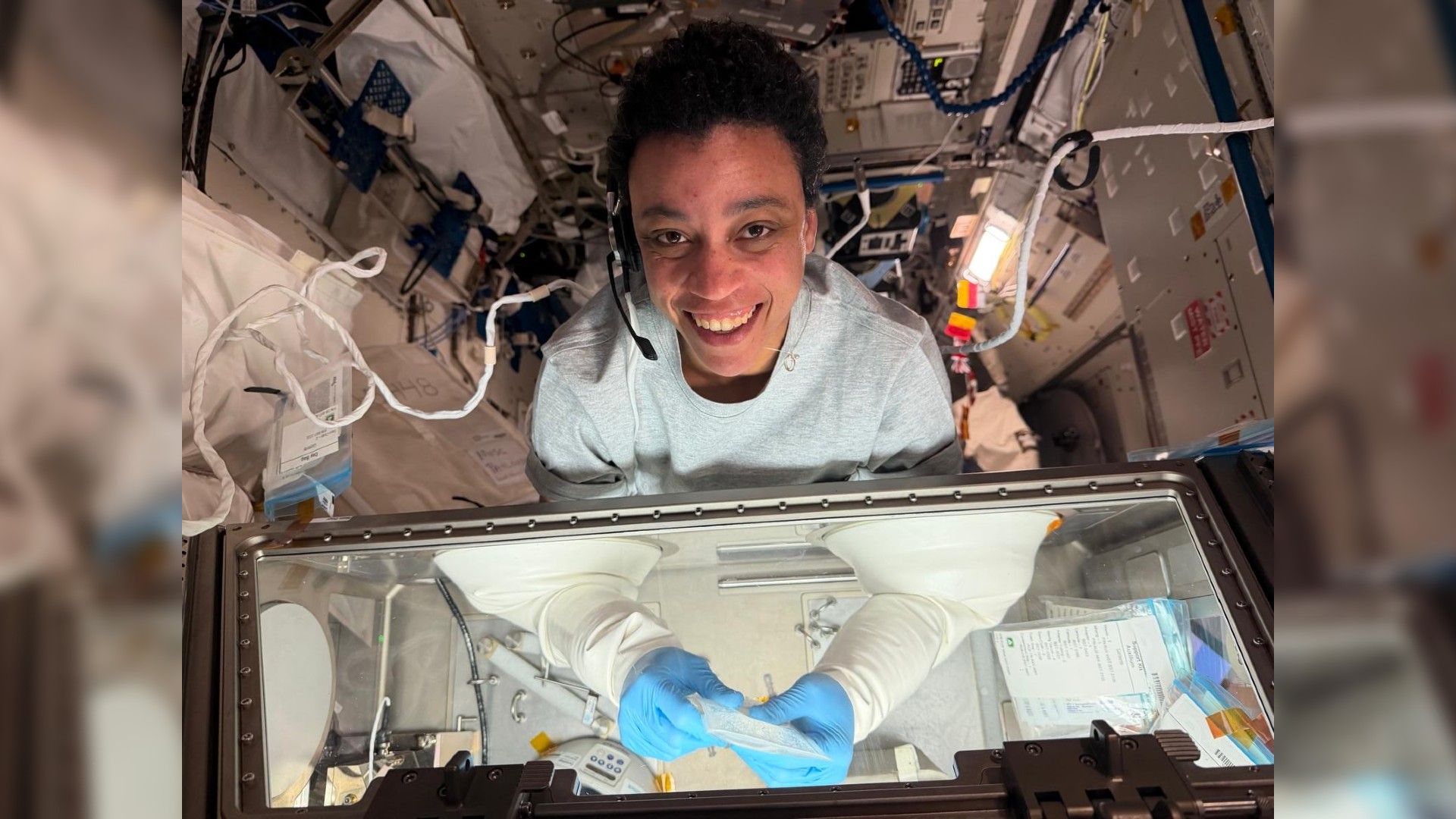
NASA astronaut Jessica Watkins works in the Life Sciences Glovebox on the ISS.
Faresin unveils electric Eramix feeding robot at Eima Italian machinery manufacturer Faresin is
The quark-gluon plasma of the early universe experienced Brownian motion, but a new theory predicts how a particle moving at close to the speed of light is likely to be pushed and pulled by a fluid as it flies through it. The result shows that Brownian statistics doesn't always apply.
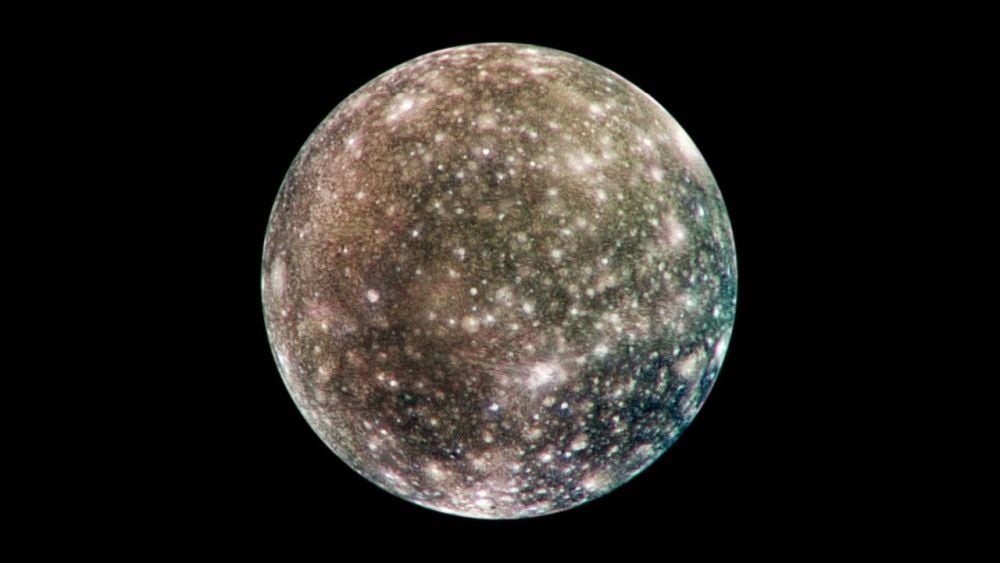
China is outlining plans to place a small lander on the surface of Jupiter's moon Callisto, the outermost of the four Galilean moons. It's an ambitious plan, and would be only the second time anything's landed on a Solar System body beyond Mars. But the payoff would be huge, even if the lander only carries its two proposed instruments.
Thales and BR Captura have published a joint paper examining what the SGP.32 eSIM standard could mean for IoT connectivity in Brazil and wider Latin America, arguing that it could give businesses greater control over how connected devices access mobile networks throughout their operational lives. The paper explores how organisations could adapt connectivity as coverage,…
NASA relies on the science community to identify and prioritize leading-edge scientific questions each decade
Almost 50 years after launch, NASA’s Voyager mission is exploring space beyond the Sun’s protective bubble. No other human-made object has traveled that far. Now, Voyager 1 reaches a new milestone: it will be one light-day from Earth. Explore the distant shores of interstellar space with Jamie Rankin, the Voyager deputy project scientist. Jamie helps us understand what Voyager is revealing about our corner of the universe and how NASA keeps a nearly 50-year-old mission…
Researchers identified over 116,000 gut viral groups, revealing previously unknown relationships between viruses, bacteria, and metabolism, with findings offering new insights into gut health and irritable bowel syndrome (IBS).
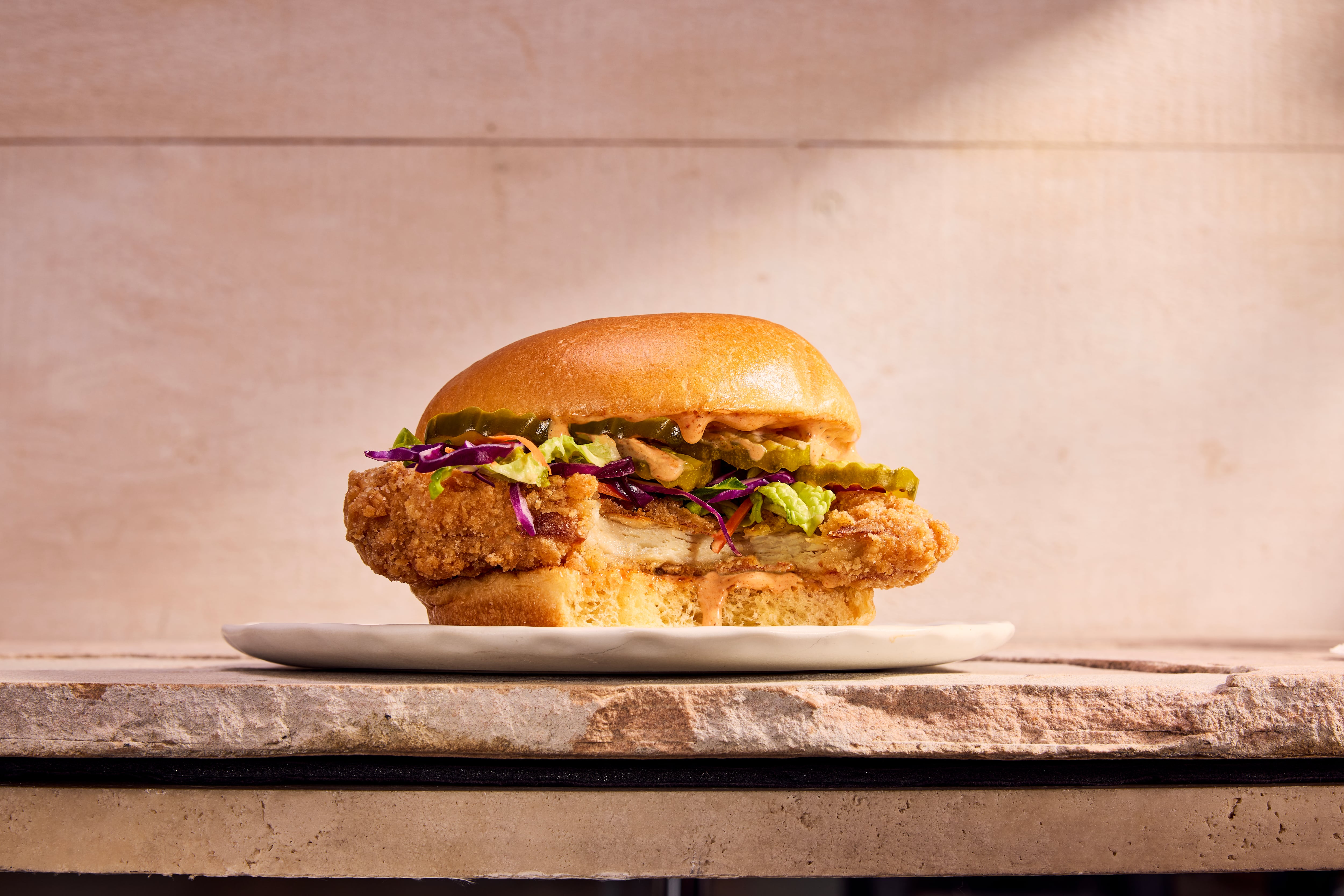
Upside Foods introduces its cultivated chicken to restaurants, corporate campuses and university dining programs, marking a commercial-scale expansion even as the industry faces state-level restrictions.
Massive stellar companions can be difficult to detect because they emit little visible light or show no obvious signs of accretion. Their gravitational pull, however, can be traced through the motion of nearby stars. In pulsating stars, regular brightness variations act as natural clocks, offering a way to find these hidden objects.
"At this point we have more than $15 million in early demand from pizzerias and foodservice operators of all sorts," says VP commercial Benjamin Friedman.