Fields: space, quantum, biotech, agritech, IoT and robotics

Science and technology fields in one place: space, quantum technology, biotechnology, agritech, the Internet of Things and robotics, with news from the specialist press and research from journals and arXiv. Each field has its own page in the Fields menu.

Phys.org Space Space

Over a decade of atmospheric data from NASA's Curiosity rover hints at small amounts of surface water on Mars

NASA's Curiosity rover has been collecting data about Mars' thin, carbon dioxide–rich atmosphere since 2012. Now, a study published in the Proceedings of the National Academy of Sciences has analyzed over a decade of this data to determine whether the daily and seasonal changes in Mars' atmosphere could be explained by known processes, including the freezing and release of carbon dioxide at its poles. What they found suggests a process involving water either attached to soil…

Read at Phys.org Space

Space.com Jeff Spry Space

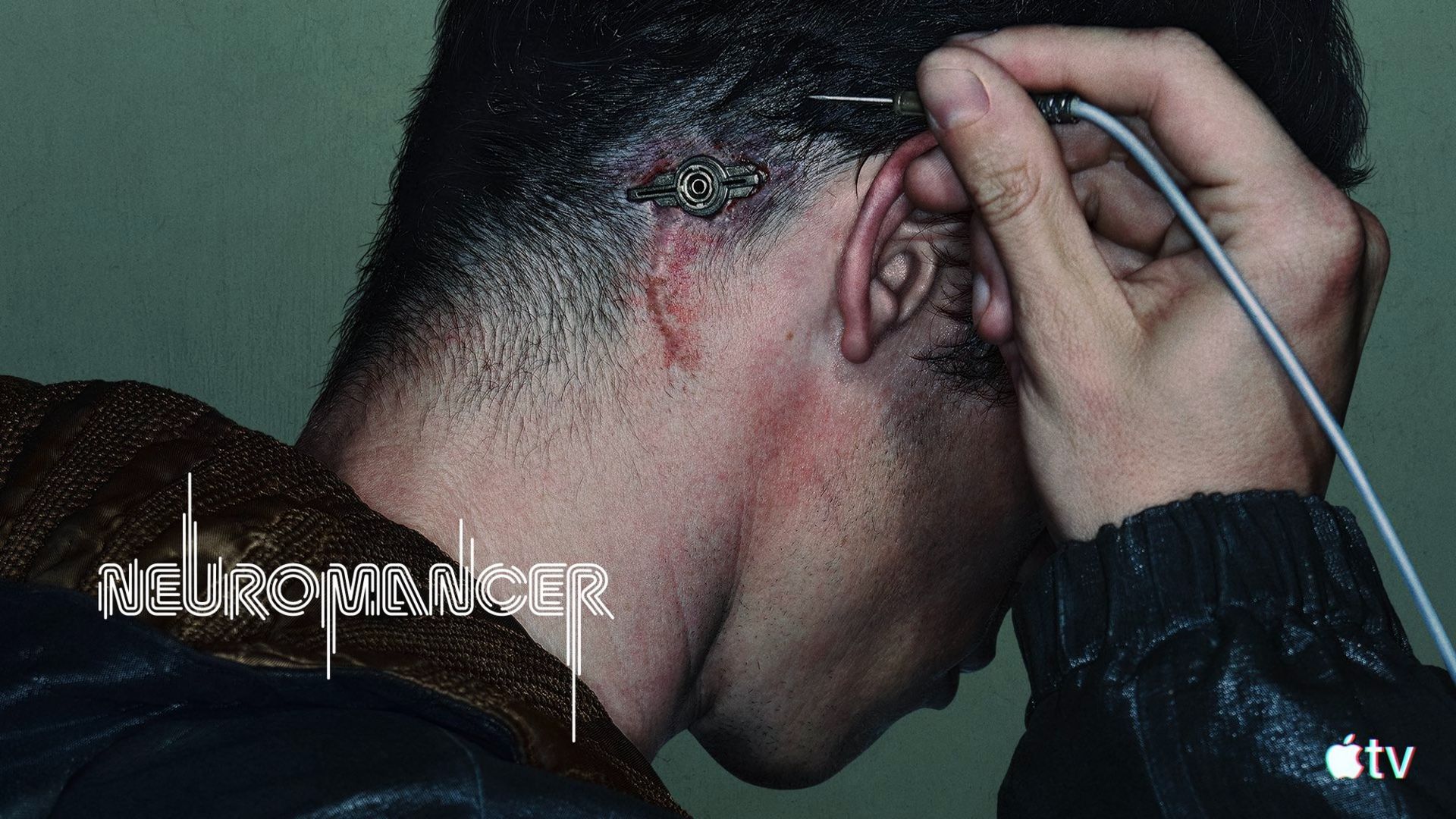
'Neuromancer:' Release date, cast & everything we know about Apple TV's new cyberpunk series

Hack into our handy guide to this electrifying adaptation of William Gibson’s cult ‘80s novel.

Read at Space.com

The Planetary Society Space

Together, We Explore

The Planetary Society's strategic vision to explore more, discover more, and understand more about the Cosmos and our place within it.

Read at The Planetary Society

NASA Science Patricia Tyler Space

AMMB STIG Seminar, 30 Nov 2026

Moon Radio Interferometer for Science and Exploration (MoonRISE) Speakers Saptarshi Bandyopadhyay, Alex Hegedus, and Marin Anderson Seminar Connection TBA

Read at NASA Science

NASA Science Patricia Tyler Space

ASTRA Initiative Presentation, 11 December 2026

The chairs of the three associated Program Analysis Groups – PhysPAG, COPAG, and ExoPAG – will jointly present community prioritizations to the head of the NASA Astrophysics Division.

Read at NASA Science

Al Jazeera Geopolitics

Can a robot pianist upstage a human musician?

A 53-fingered robot pianist is taking on a human virtuoso in Italy.

Read at Al Jazeera

GeekWire Kurt Schlosser

Seattle police unleash dog-like robot whose best trick is bomb dispoal

The Seattle Police Department’s bomb squad is using a Boston Dynamics Spot robot to inspect and move suspected explosives from a distance. SPD says it won’t carry weapons, record video or use facial recognition.

Read at GeekWire

Phys.org Space Space

How one nuclear blast could cripple nearly every satellite in low Earth orbit

We rely on satellites every day for communications, weather forecasts and security, and more than 13,000 are currently circling the planet in low Earth orbit. But they could be more vulnerable than previously thought. Researchers have found that a single nuclear explosion in space could disable almost all of them.

Read at Phys.org Space

The Quantum Insider Mohib Ur Rehman

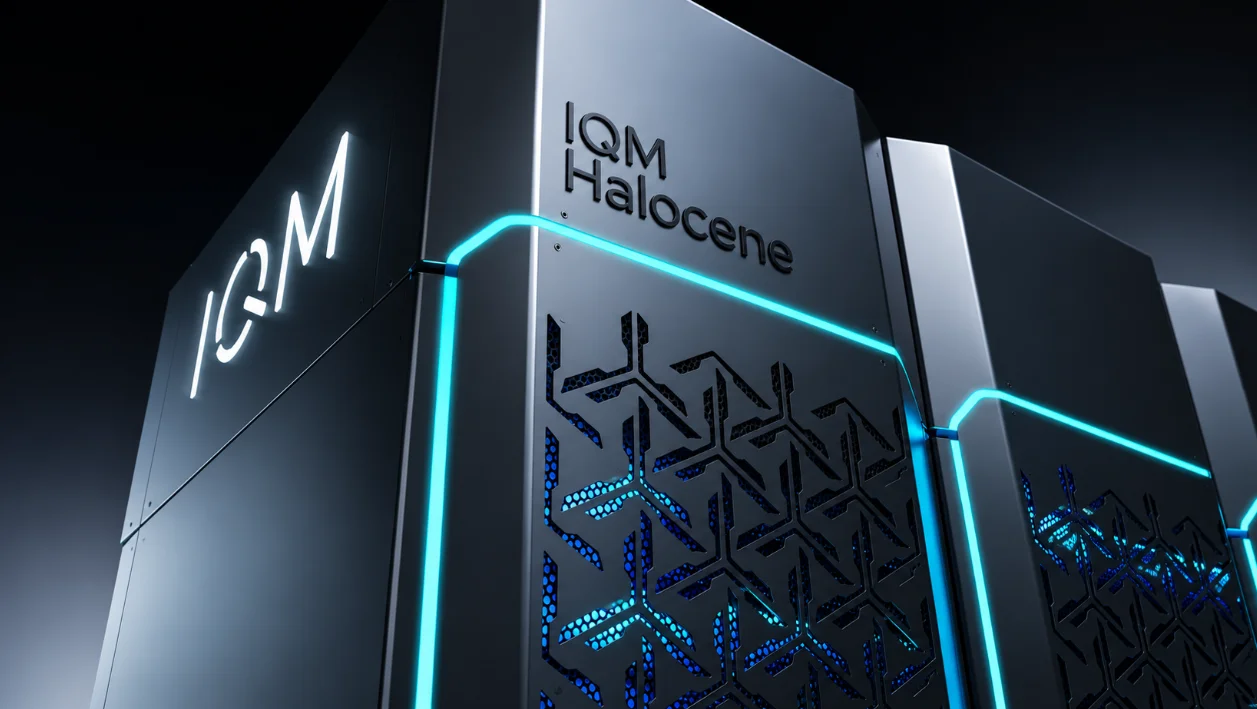
IQM Introduces Upgrade Programme for Halocene Quantum Systems

Insider Brief PRESS RELEASE — IQM Quantum Computers (Nasdaq: IQMX), a global leader in integrated quantum computing, today announced an upgrade program for IQM Halocene, its error-correction product line, that gives customers a path from the 150-qubit system of today to the over 1,000-qubit system of the future. Customers can run hybrid workloads today alongside

Read at The Quantum Insider

Quantum Computing Report Mohamed Abdel-Kareem

QUDORA Integrates NVIDIA CUDA-Q into Qamelion Emulator and Launches German-Funded QUANDA HPC Energy Consortium

QUDORA Technologies has integrated NVIDIA CUDA-Q into its Qamelion emulator, allowing developers to execute hybrid quantum-classical workflows and benchmark circuits under realistic trapped-ion noise. Additionally, QUDORA launched the QUANDA consortium, a German-funded project to automate trapped-ion access within high-performance computing centers for quantum machine learning applications in the energy sector.

Read at Quantum Computing Report

Phys.org Quantum Physics

Quantum observers can 'agree to disagree,' but within limits, new theorem shows

Two observers can start with the same description of a quantum system, follow the same probability rules and still disagree about the chance of the same outcome—even while being certain of each other's assessments.

Read at Phys.org Quantum Physics

NASA Lauren E. Low Space

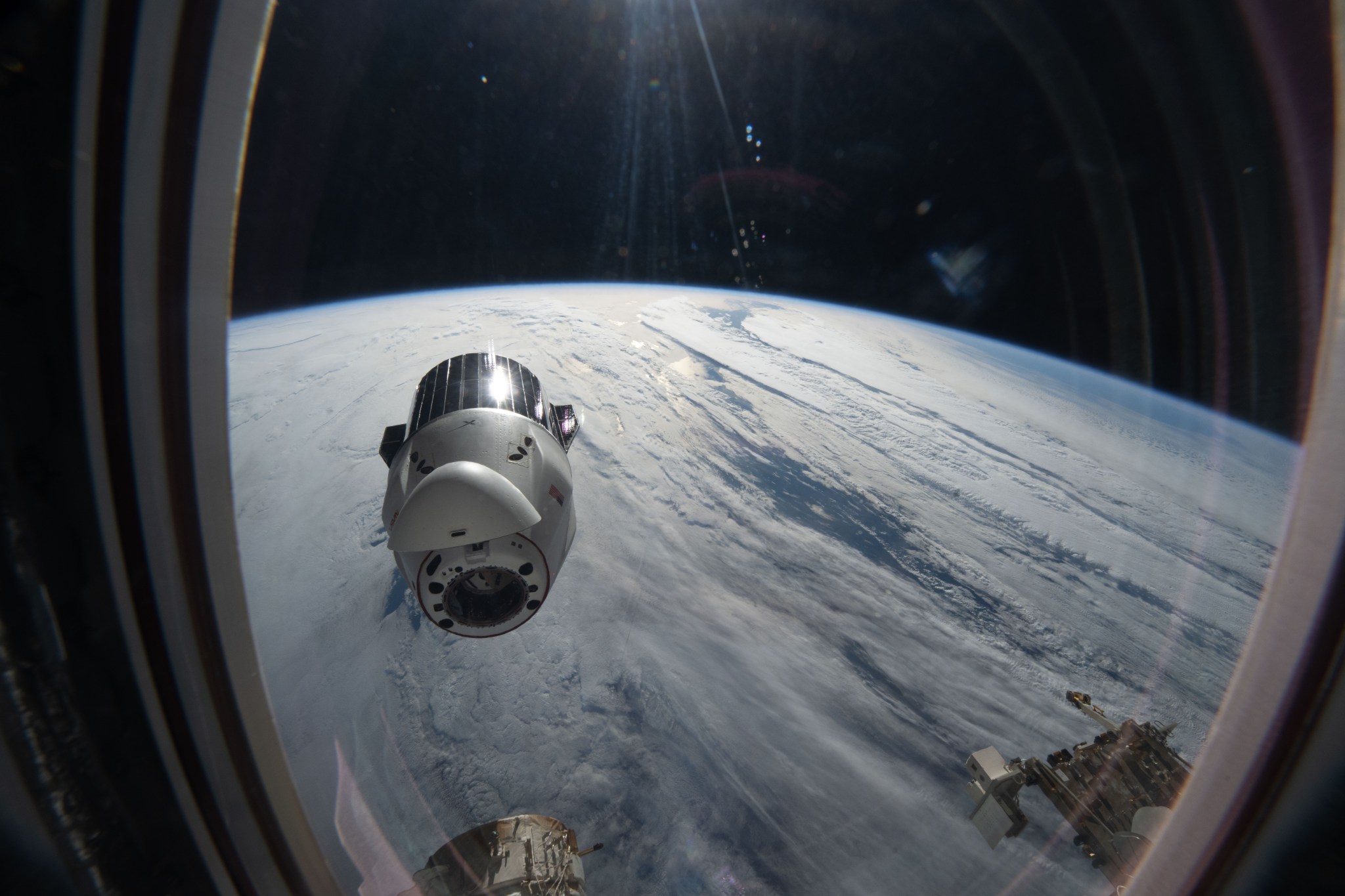
NASA to Cover 35th SpaceX Resupply Mission Space Station Departure

NASA and its international partners are set to receive scientific research samples and hardware as a SpaceX Dragon spacecraft departs the International Space Station no earlier than Wednesday, Nov. 18, for its return to Earth. Pending weather conditions, the Dragon spacecraft will undock from the Harmony module’s space-facing port at 11:05 a.m. EST, following a

Read at NASA

Quantum Computing Report Mohamed Abdel-Kareem

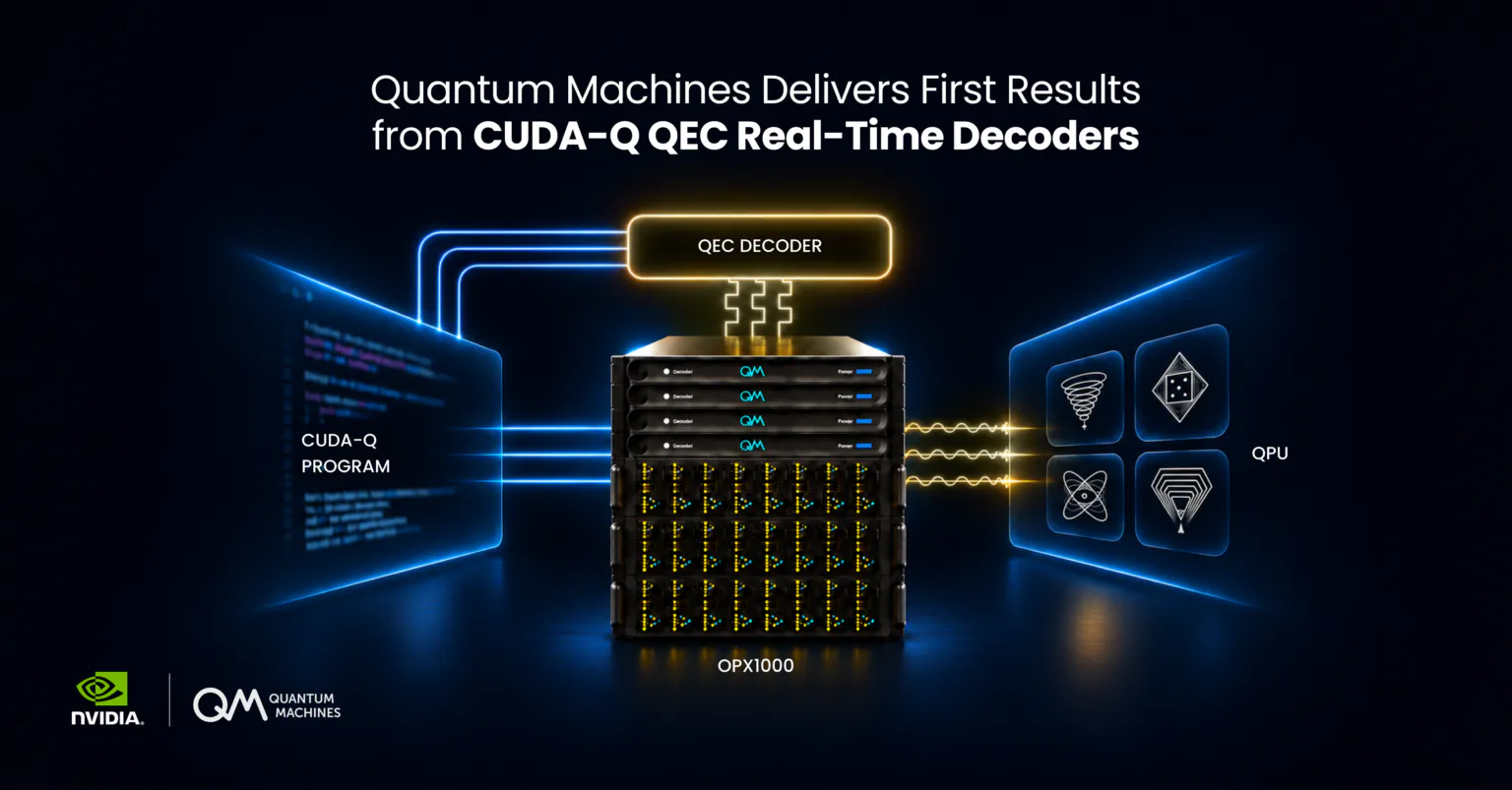
Quantum Machines Demonstrates Sub-Microsecond Surface-Code Decoding on OPX1000 Using NVIDIA CUDA-Q QEC and NVQLink

Quantum Machines demonstrated sub-microsecond surface-code decoding on its OPX1000 platform by integrating NVIDIA CUDA-Q QEC and NVQLink. This achieved a 2.4 μs round-trip communication latency and sub-microsecond per-round decoding for code distances 7 and 11. Early access to this integration will be available to customers in December 2026.

Read at Quantum Computing Report

Phys.org Space Space

Astronomers track a flaring dwarf-star duo with exceptional precision

Astronomers have measured the orbit, masses and distance of a pair of small, active stars with extraordinary precision, using the U.S. National Science Foundation's Very Long Baseline Array (NSF VLBA), operated by the U.S. National Science Foundation National Radio Astronomy Observatory (NSF NRAO). The observations provide a remarkably detailed picture of DG CVn, a binary system in which two red dwarf stars orbit each other about 59 light-years from Earth.

Read at Phys.org Space

Space.com Robert Lea Space

Astronomers discover rare black holes that formed when stars failed to go supernova

Gravitational waves have revealed a population of black holes that may have been born when masssive stars failed to go supernova.

Read at Space.com

Space.com Mike Wall Space

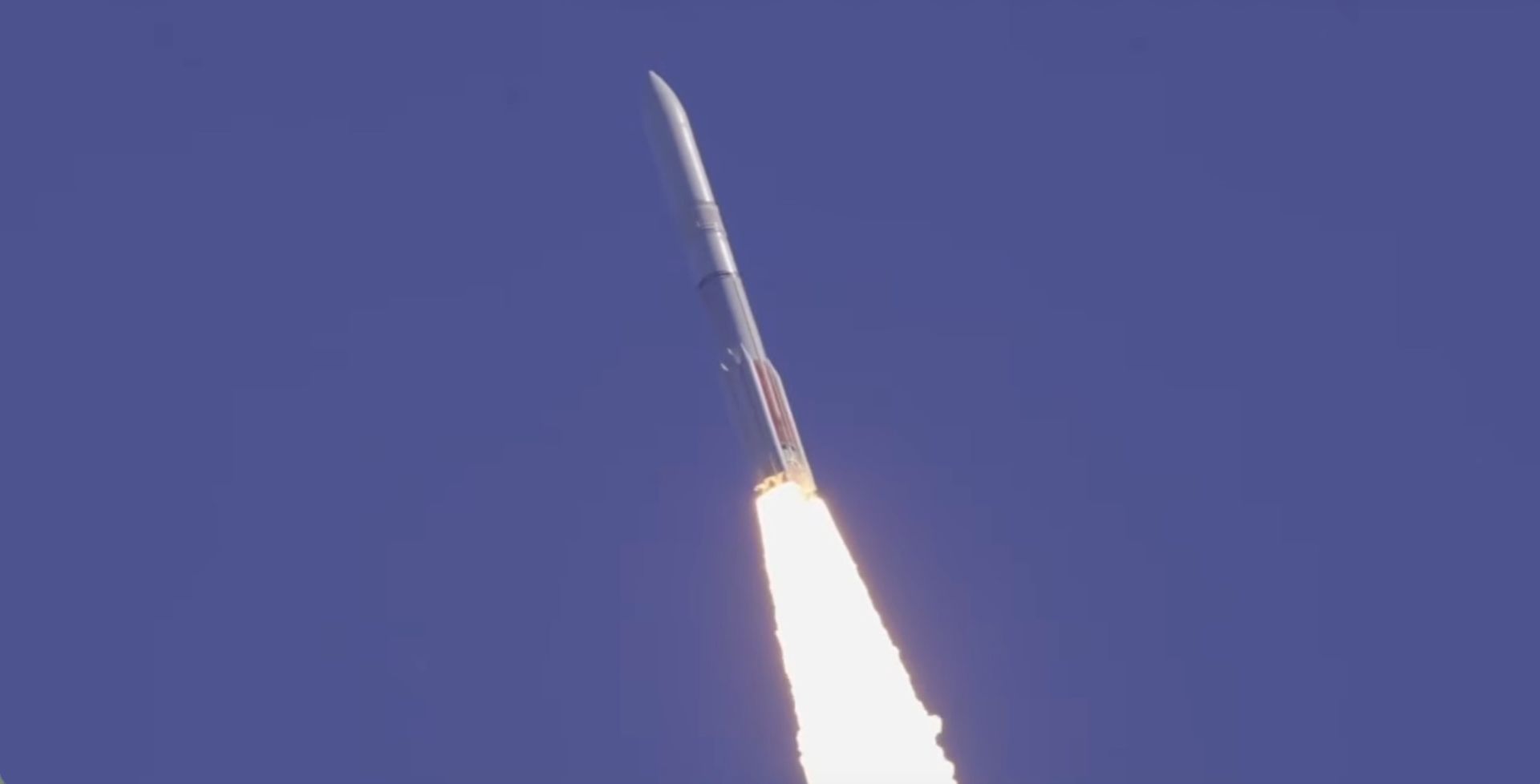
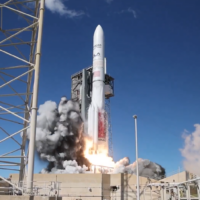
ULA lost a Vulcan Centaur rocket carrying 40 Amazon satellites 10 minutes after launch — but the failure began just after liftoff

United Launch Alliance's Vulcan Centaur rocket failed during its launch on Sunday (Nov. 15) because of an issue with its first-stage booster, according to the company.

Read at Space.com

Quantum Computing Report Mohamed Abdel-Kareem

Aqarios Launches Constraint-Native Quantum Optimizer in the IBM Qiskit Functions Catalog

Aqarios GmbH has launched its Constraint-Native Quantum Optimizer in the IBM Qiskit Functions Catalog, offering a managed solver for discrete combinatorial optimization. This optimizer uses Iterative Warm-Start XY-Mixer QAOA (IWS-QAOA) to enforce constraints natively at the circuit level, reducing QPU compute times significantly. Benchmarks on IBM Heron processors demonstrate its ability to find optimal solutions for complex problems with high feasibility and reduced runtime.

Read at Quantum Computing Report

Payload Jacqueline Feldscher Space

ULA Vulcan Anomaly Has Pentagon Implications

The company announced Tuesday morning that the mission was lost 10 minutes into the flight, but that the problems started just after liftoff.

Read at Payload

Space.com Hanneke Weitering Space

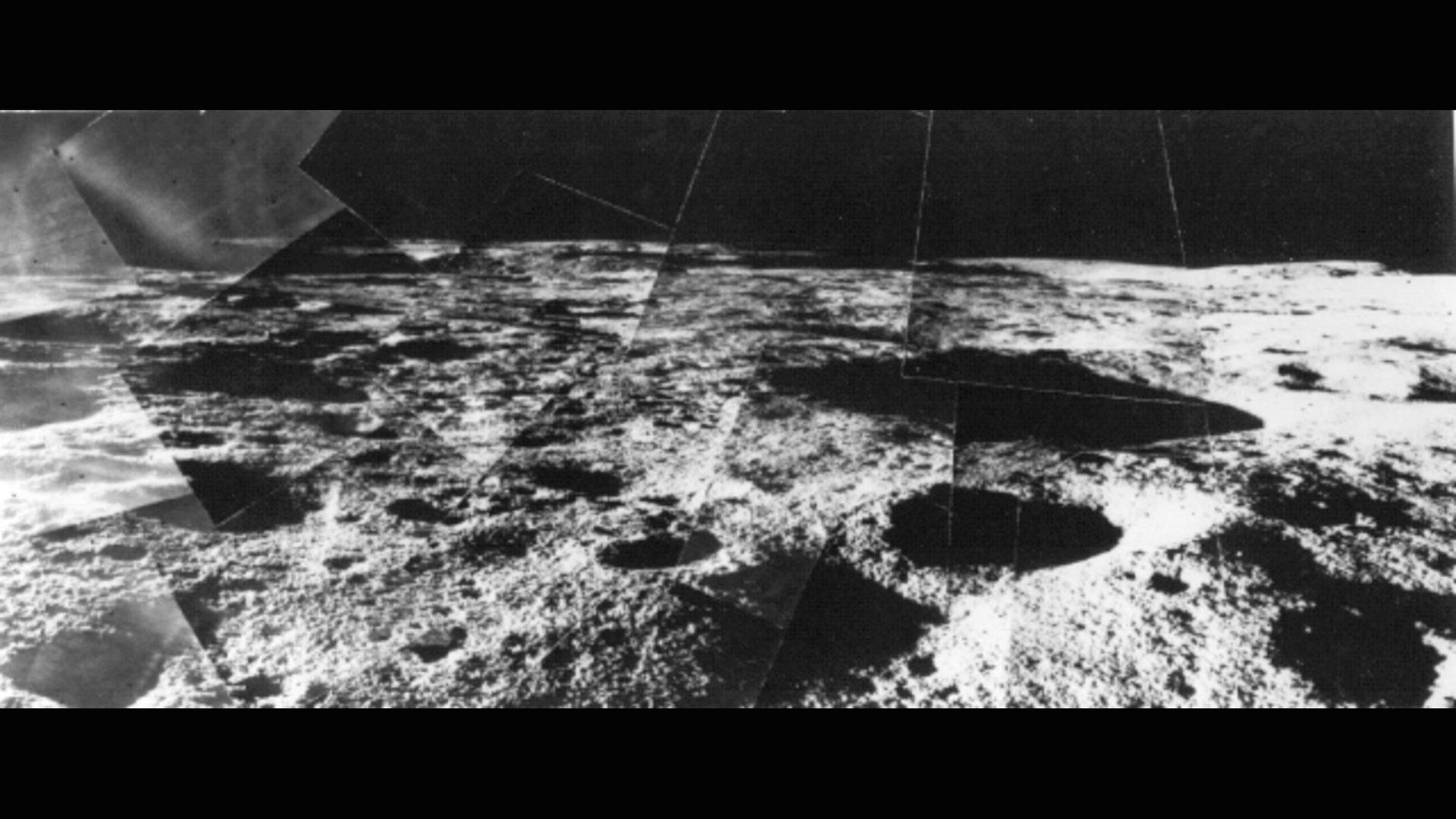
On this day in space! Nov. 17, 1967: NASA's Surveyor 6 moon probe makes 1st-ever successful launch and hop from the lunar surface

On Nov. 17, 1967, NASA's Surveyor 6 spacecraft made the first liftoff from the lunar surface. Here's how it helped Apollo astronauts.

Read at Space.com

NASA Jeanette Kazmierczak Space

NICER Status Updates

November 17, 2026 NASA’s NICER Telescope Ends Science Operations After studying the universe for six and a half years beyond its initial mission, NASA’s NICER (Neutron star Interior Composition Explorer) telescope on the International Space Station has ended science operations. The mission and space station teams are now focused on plans to finalize NICER’s 8-year

Read at NASA

Quantum Computing Report Mohamed Abdel-Kareem

Altera, OQC, and NVIDIA Demonstrate Direct-RF FPGA Quantum System Controller Reference Design at SC26

Altera, OQC, and NVIDIA showcased a quantum system controller reference design at SC26, utilizing an Altera Agilex 9 Direct RF FPGA. This design integrates real-time FPGA control with an OQC superconducting processor and NVIDIA GPUs via NVIDIA NVQLink, simplifying quantum control stacks by reducing the need for discrete components. The system enhances qubit control, calibration, and machine learning readout classification, with a general release planned for January 2027.

Read at Quantum Computing Report

Universe Today Evan Gough Space

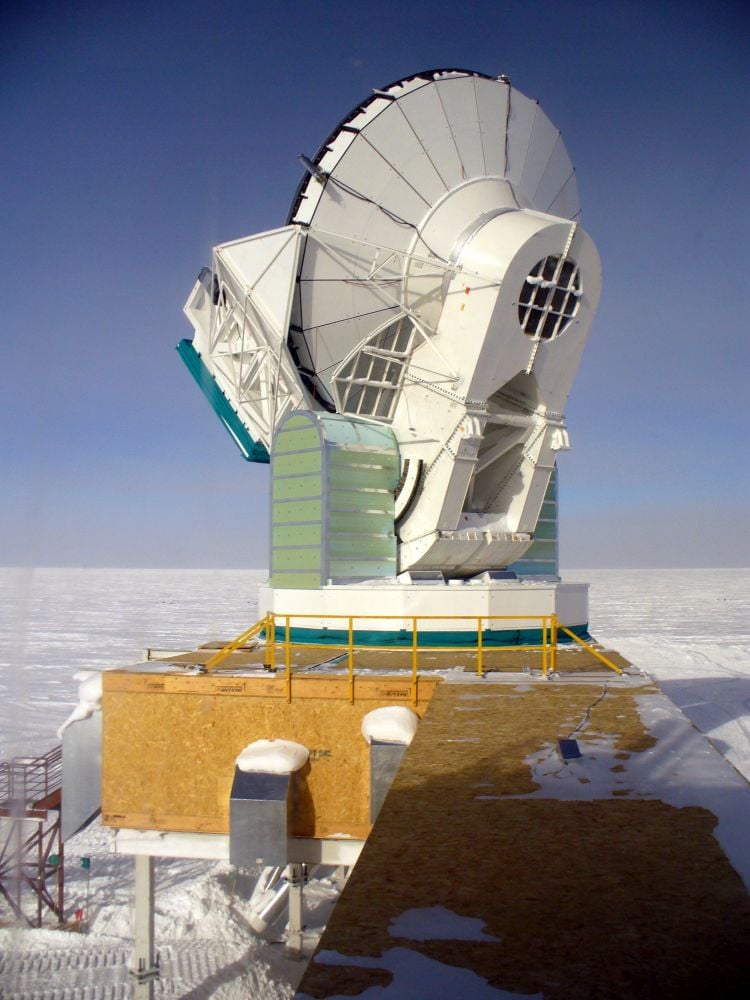
Searching for Elusive Signals in the Cosmic Microwave Background from the South Pole

As the Universe's very first light, the Cosmic Microwave Background holds clues to the very foundation of the cosmos. But, of course, the cosmos doesn't give up its secrets to a casual observer. Only years of work by dedicated scientists with purpose-built tools can make progress.

Read at Universe Today

NASA Science Kate Ramsayer Space

NASA’s Terra Mission to End

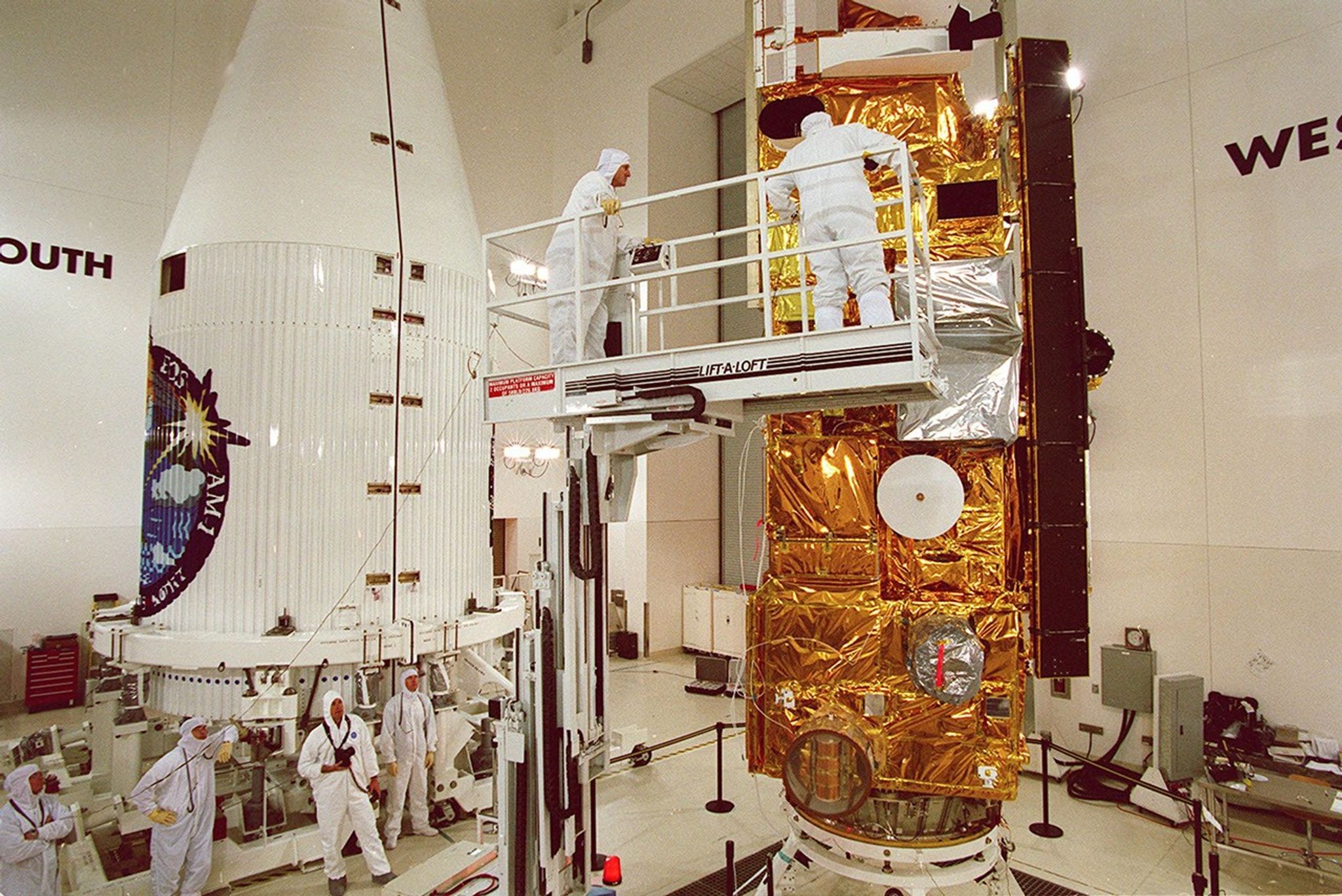
After 27 years of providing insights into Earth’s interconnected atmosphere, lands, oceans, and biology, NASA’s Terra satellite will stop collecting science data on Dec. 1. Terra, a workhorse of the Earth Observing System, was designed for a six-year mission. After operating for more than four times that, the spacecraft’s systems are aging and its orbit is

Read at NASA Science

The Quantum Insider Matt Swayne

Q.ANT Demonstrates Hybrid Photonic-GPU System for Language Models

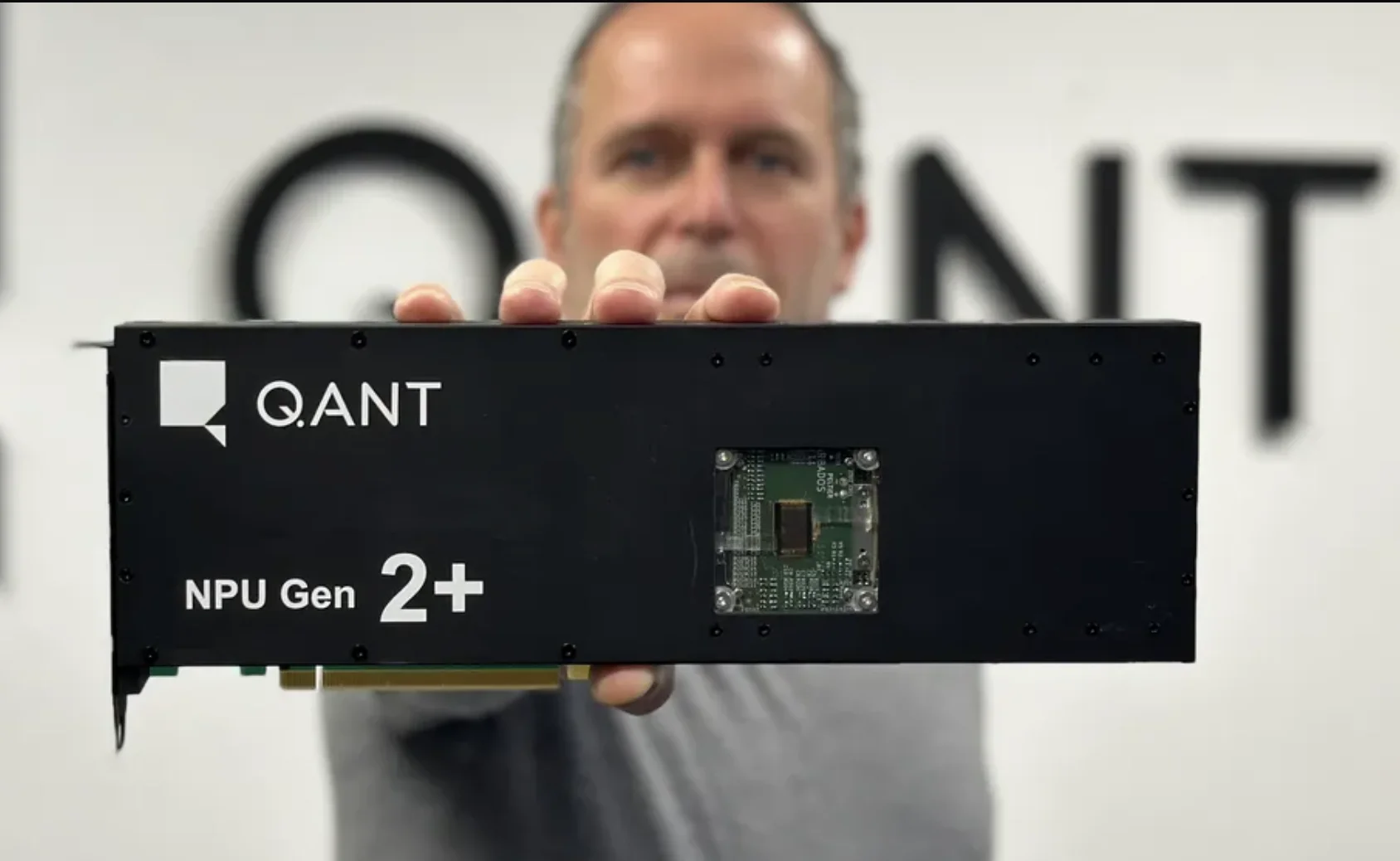
Insider Brief PRESS RELEASE — Q.ANT, the pioneer in commercial photonic computing, today unveiled the NPU Gen 2+, the latest generation of its Native Processing Unit (NPU) technology, at SC26 in Chicago. The NPU Gen 2+ adds optical Discrete Fourier Transforms (DFTs), which expands the set of mathematical functions developers can run directly in light

Read at The Quantum Insider

Phys.org Space Space

This supernova is 50 million light-years away, but that's close enough for astronomers

A new supernova has been spotted in NGC 1433, a spiral galaxy about 50 million light-years away. That's pretty close for supernova observations, and it's an opportunity for detailed follow-up study. It's not a core-collapse supernova, in which a massive star burns through its fuel, collapses and explodes. It's a Type Ia supernova. That means it's happening in a binary star system, where the exploding star is a white dwarf.

Read at Phys.org Space

BioPharma Dive Delilah Alvarado

Roche breast cancer pill cleared by FDA

Wilserdly’s U.S. approval is seen by analysts as a “key first step” in an important launch for Roche, which has claimed the drug could become its top-selling product.

Read at BioPharma Dive

NASA Science Space

NASA to Conduct Low-Altitude Flights Over Texas Farmland

Editor’s Note: This article was originally published on Oct. 15, 2026, and has been updated to correct the location and update the duration of the flight deployment. A NASA Dynamic Aviation A200 aircraft will conduct low-flying research flights over farmland near Amarillo, Texas, from Thursday, Oct. 22, through Monday, Nov. 2. These flights will measure

Read at NASA Science

NASA Science Ryan Smernoff Space

Curiosity Blog, Sols 5072-5076: The Return of the Polygons

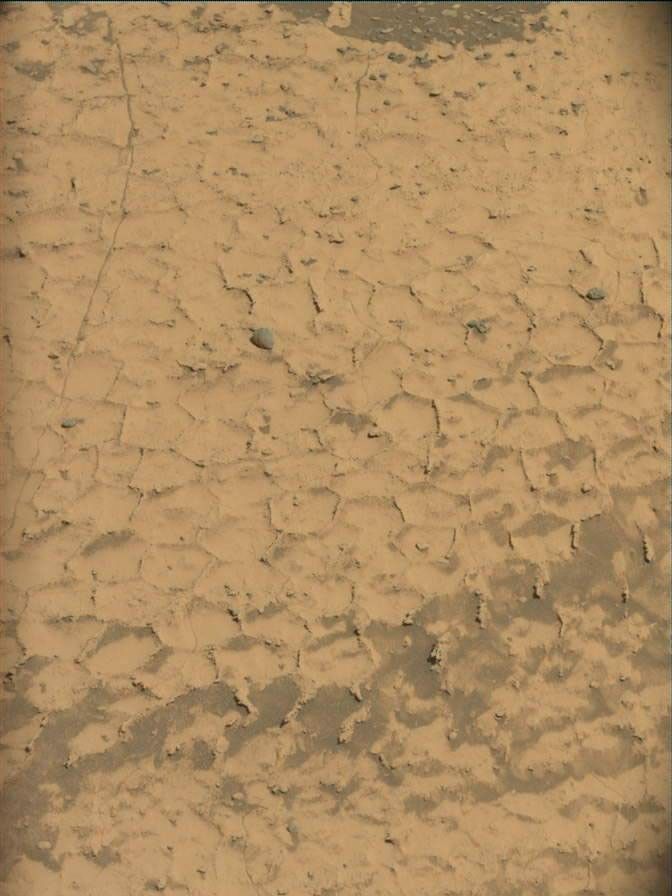
Written by Abigail Fraeman, Deputy Project Scientist, Jet Propulsion Laboratory, California Institute of Technology Earth planning date: Friday, Nov. 13, 2026 Curiosity’s past several weeks have been very focused on drilling and analysis of the “Basque Lakes” and “Nazca” samples. We learned a lot from those drilled samples, but it’s time to hit the Martian

Read at NASA Science

STAT Biotech Elaine Chen

STAT+: Flagship opens biotech-creation outpost in the U.K.

Flagship is putting up 100 million pounds to start “AI-native platform companies" focused on human and planetary health in the U.K.:

Read at STAT Biotech

Older stories