Results for “GPU”

Quantum Computing Report Mohamed Abdel-Kareem

IQM and AMD Demonstrate Reproducible Hybrid QPU-GPU Chemistry Workflow Using ROCm

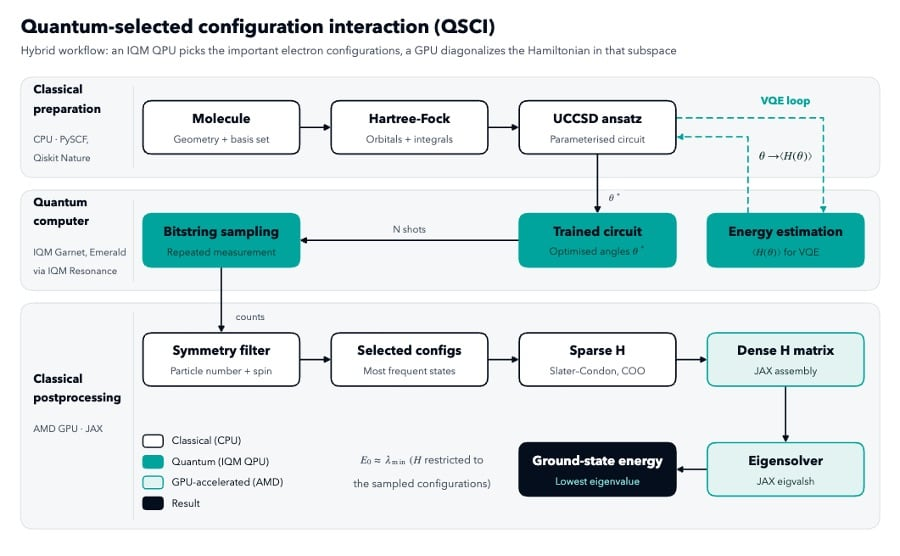
IQM Quantum Computers and AMD have successfully demonstrated a hybrid quantum-classical computational chemistry workflow. This workflow utilizes IQM's 20-qubit Garnet processor and AMD Instinct GPUs with ROCm software to perform molecular ground-state energy calculations. The collaboration provides a multi-vendor solution for supercomputing centers and is available as an open-source Jupyter notebook for further development.

Read at Quantum Computing Report

Tech in Asia Glenn Kaonang Startups

Who gets to use America’s AI chips now?

The US tightens its grip on rented GPUs. Also: Anthropic’s costly compute commitments and a Databricks executive on AI adoption in Southeast Asia.

Read at Tech in Asia

The Register Tobias Mann

GPU giants throw HPC users some tasty crumbs

Nvidia unveils an HPC-optimized Rubin GPU to challenge AMD's 288 teraFLOPS MI430X

Read at The Register

Semiconductor Digest Shannon Davis

Lambda Announces World’s First Large-Scale CPO Deployment of NVIDIA Photonics Switches

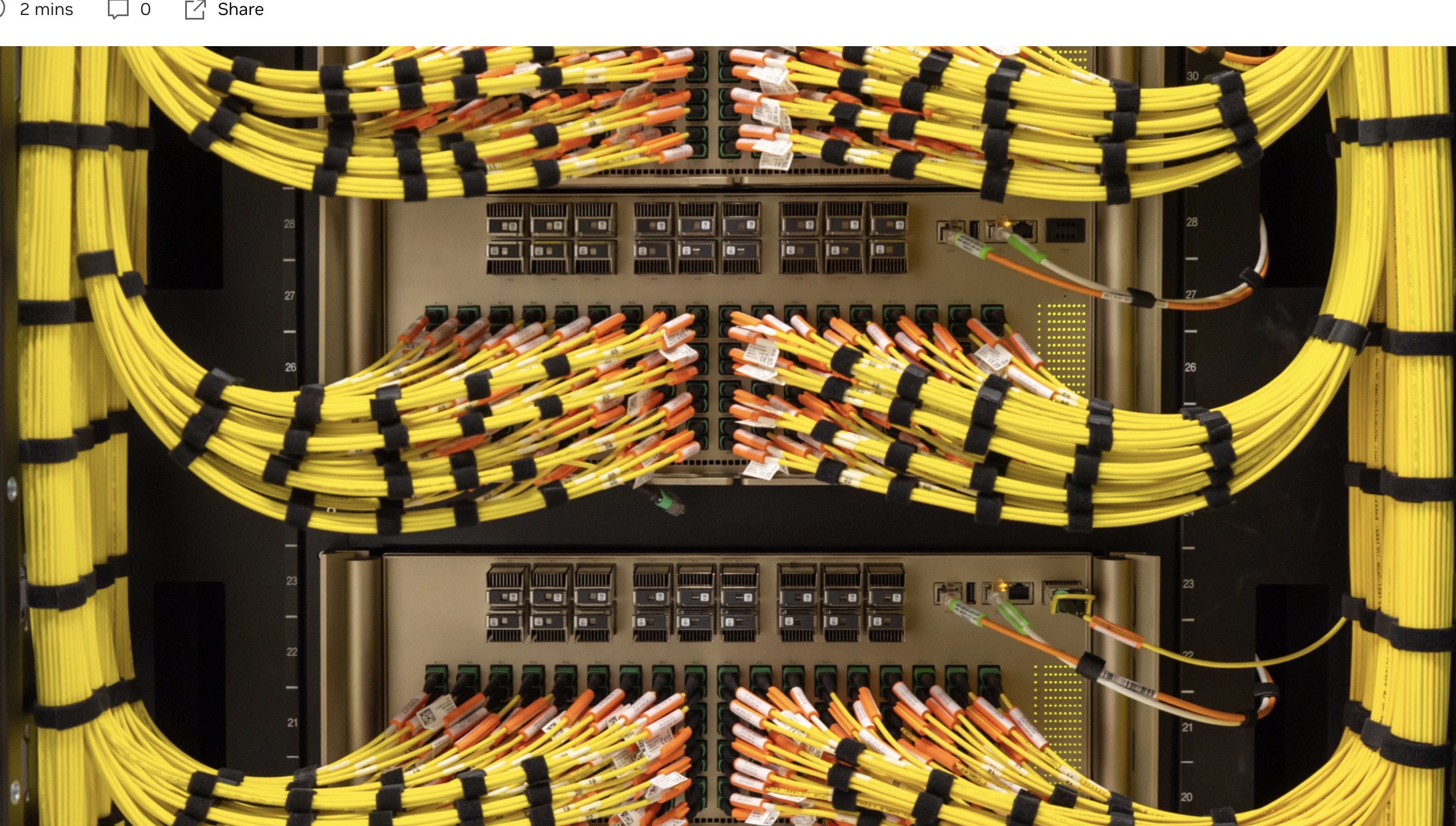
Lambda, the Superintelligence Cloud, today announced the world’s first large-scale deployment of co-packaged optics (CPO) networking, connecting 10,000+ NVIDIA Blackwell Ultra GPUs using NVIDIA Photonics networking switches at its Quebec campus.

Read at Semiconductor Digest

TechPowerUp DrUsmanSaleem

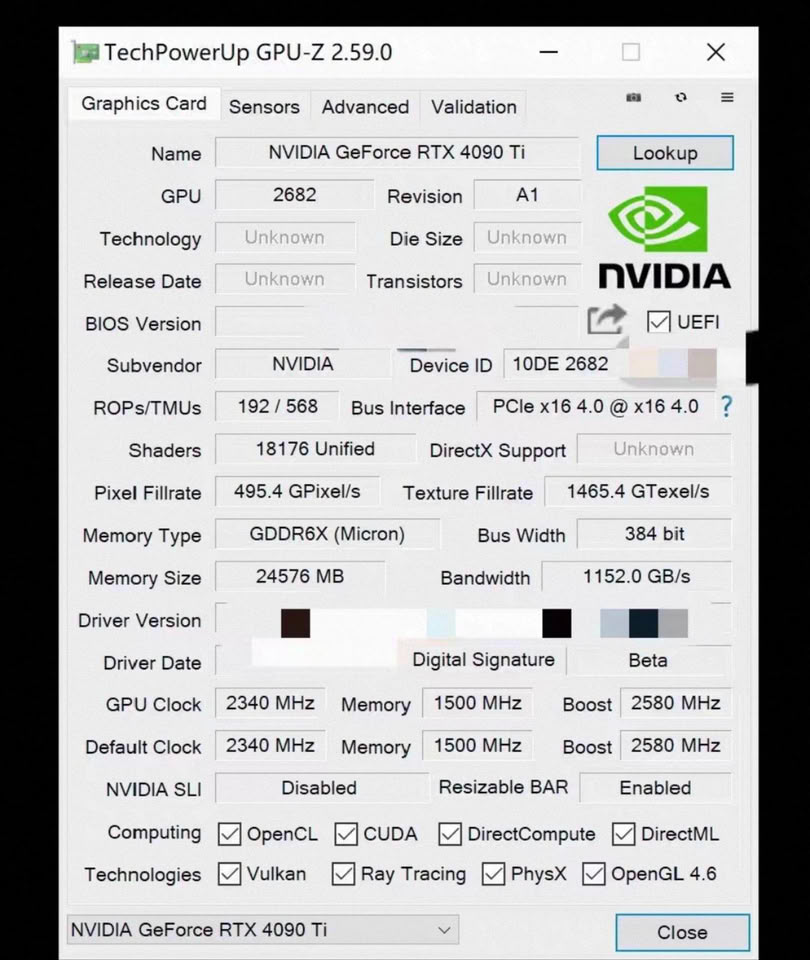
NVIDIA's Canceled RTX 4090 Ti Resurfaces as an Engineering Sample in China

A bare PCB that appears to be a GeForce RTX 4090 Ti engineering sample has turned up on Xianyi, which is Alibaba's second-hand marketplace. The listing was shared on X by user 明永, spotted by Videocardz, and it includes a few photos as well as a GPU-Z screenshot of the card. Going through the GPU-Z data, this card apparently has 18,176 CUDA cores, 192 ROPs, and 568 TMUs. That's up from 16,384 CUDA cores, 176 ROPs, and 512 TMUs on the standard retail RTX 4090. There's also a…

Read at TechPowerUp

arXiv (research papers) Mehmet Altan Toksöz SI

Fine-Tuning Gemma 4 Edge Models for MATLAB Signal-Processing Code with SFT and QLoRA on a Laptop iGPU

Small language models that run on a laptop are attractive for writing signal-processing code offline, but they make systematic errors on digital signal processing (DSP) conventions. We apply supervised fine-tuning (SFT) to the Gemma 4 edge models E2B and E4B with 66 checked examples covering 11 signal-processing MATLAB subtasks, using low-rank adaptation (LoRA) and quantized LoRA (QLoRA) on the integrated GPU (iGPU) of a laptop, and deploy the 8-bit integer (int8) models…

Read at arXiv (research papers)

Quantum Computing Report Mohamed Abdel-Kareem

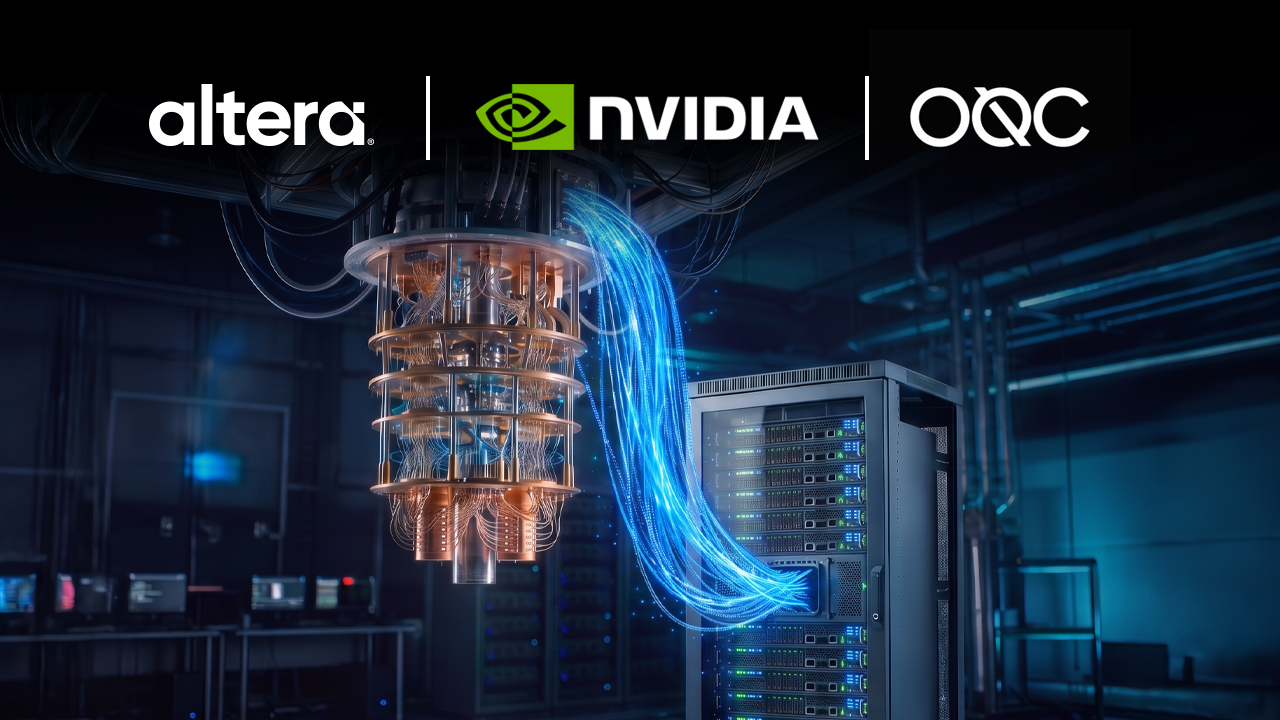
Altera, OQC, and NVIDIA Demonstrate Direct-RF FPGA Quantum System Controller Reference Design at SC26

Altera, OQC, and NVIDIA showcased a quantum system controller reference design at SC26, utilizing an Altera Agilex 9 Direct RF FPGA. This design integrates real-time FPGA control with an OQC superconducting processor and NVIDIA GPUs via NVIDIA NVQLink, simplifying quantum control stacks by reducing the need for discrete components. The system enhances qubit control, calibration, and machine learning readout classification, with a general release planned for January 2027.

Read at Quantum Computing Report

The Quantum Insider Matt Swayne

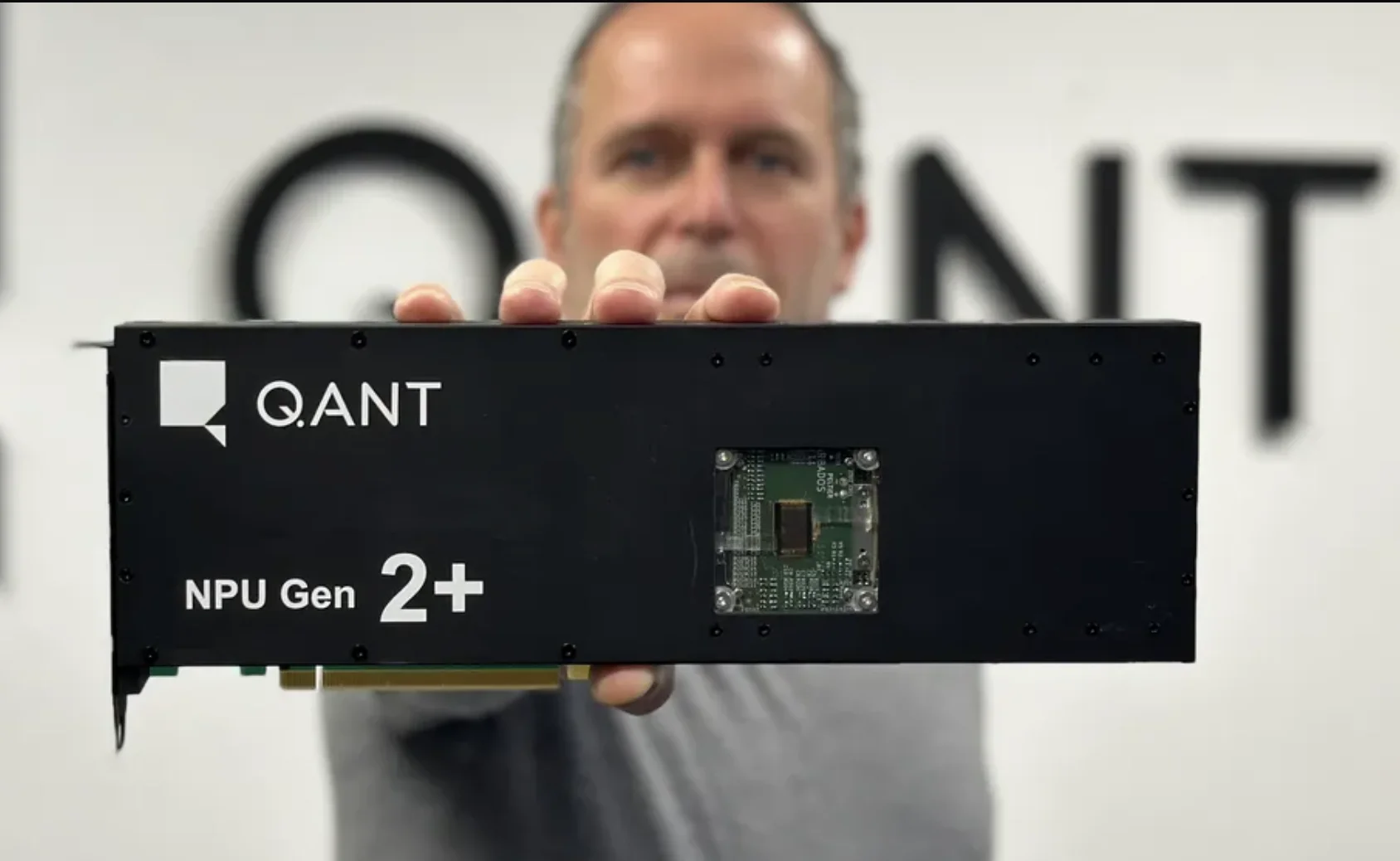
Q.ANT Demonstrates Hybrid Photonic-GPU System for Language Models

Insider Brief PRESS RELEASE — Q.ANT, the pioneer in commercial photonic computing, today unveiled the NPU Gen 2+, the latest generation of its Native Processing Unit (NPU) technology, at SC26 in Chicago. The NPU Gen 2+ adds optical Discrete Fourier Transforms (DFTs), which expands the set of mathematical functions developers can run directly in light

Read at The Quantum Insider

arXiv (research papers) Joyjeet Singh

Auditing a Learned Simulator for Legged Robots: The Robotic World Model on ANYmal D

A legged robot can learn to walk inside a learned simulator: a neural network that predicts the robot's next state and is run forward on its own predictions. They are usually trained and checked one step ahead, although a policy uses them for a hundred steps or more. We audit one published system end to end, without a GPU: the dynamics model of the Robotic World Model (RWM) for the ANYmal D quadruped, and the uncertainty estimate of its follow-up, RWM-U. We rebuilt the model…

Read at arXiv (research papers)

arXiv (research papers) Wenbo Han Security

Dissecting the GPU Load/Store Unit and Exposing Its Security Risks

GPUs are the main platform for large-scale machine learning and power the largest supercomputers. Their load/store units (LSUs) often determine kernel performance and have been exploited in prior attacks. Yet what is known about the LSU is only a few isolated mechanisms and parameters, and even a single one has been enough for an attack. In particular, it is still unknown what a load costs, where loads contend, and even whether a warp can starve due to contention. Until each…

Read at arXiv (research papers)

ServeTheHome Ryan Smith

NVIDIA Announces Rubin HPC: Science-Focused Server GPU to Arrive in 2028

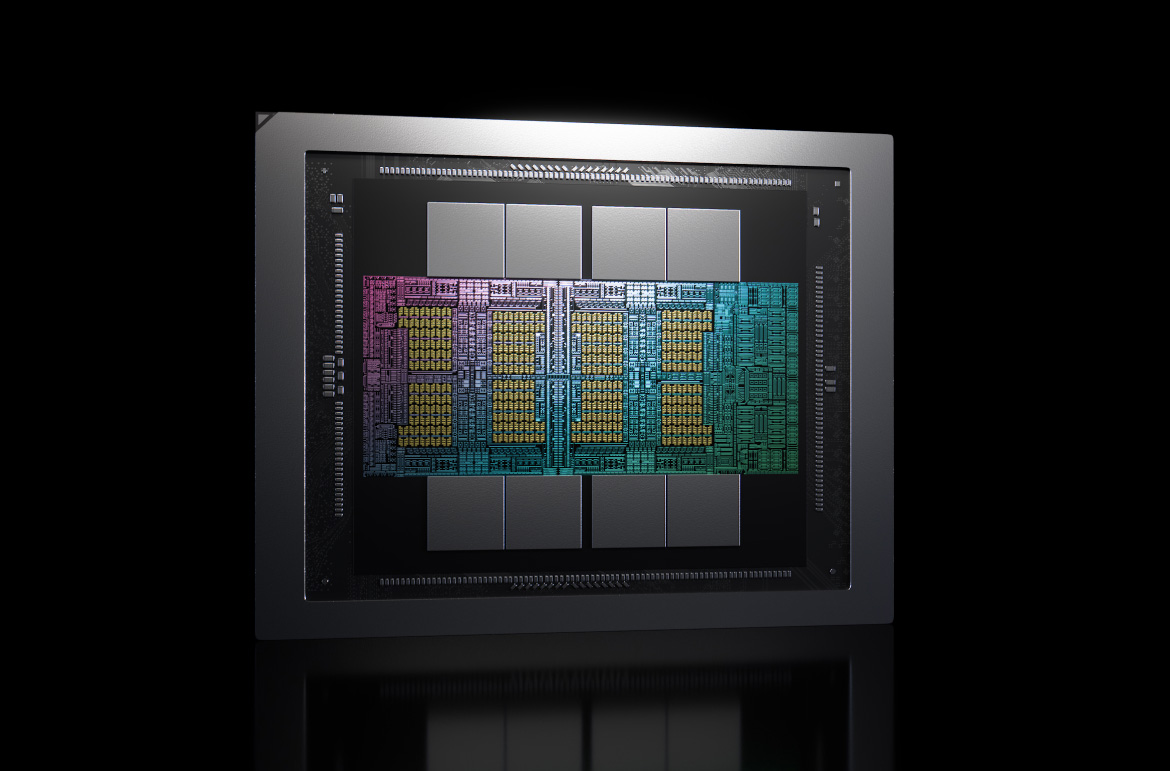
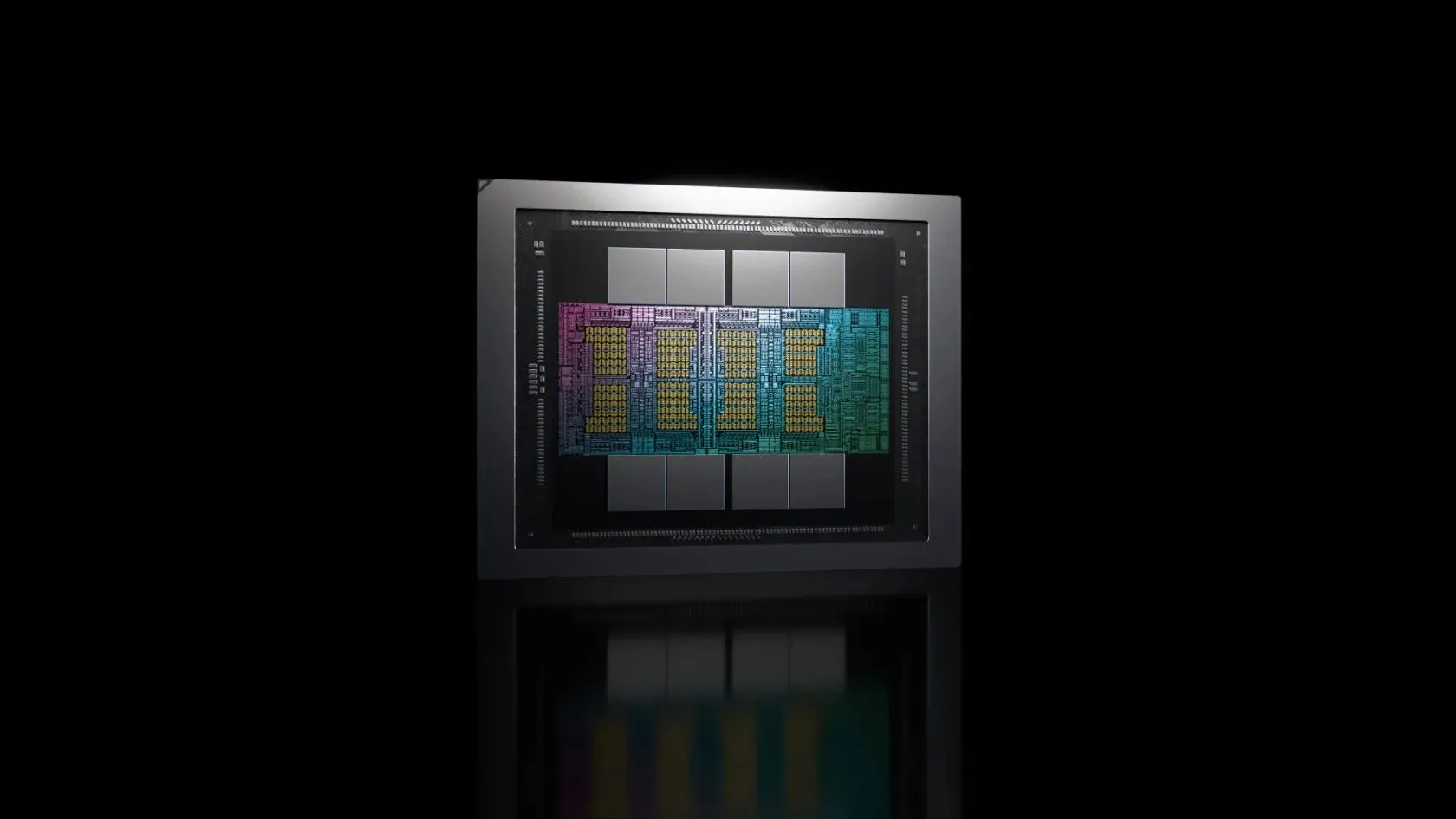
Marking their return to the HPC market, at SC26 NVIDIA has announced the Rubin HPC chip. The science and engineering-focused GPU will have over 50,000 CUDA cores and will be released in 2028

Read at ServeTheHome

TechPowerUp DrUsmanSaleem SI

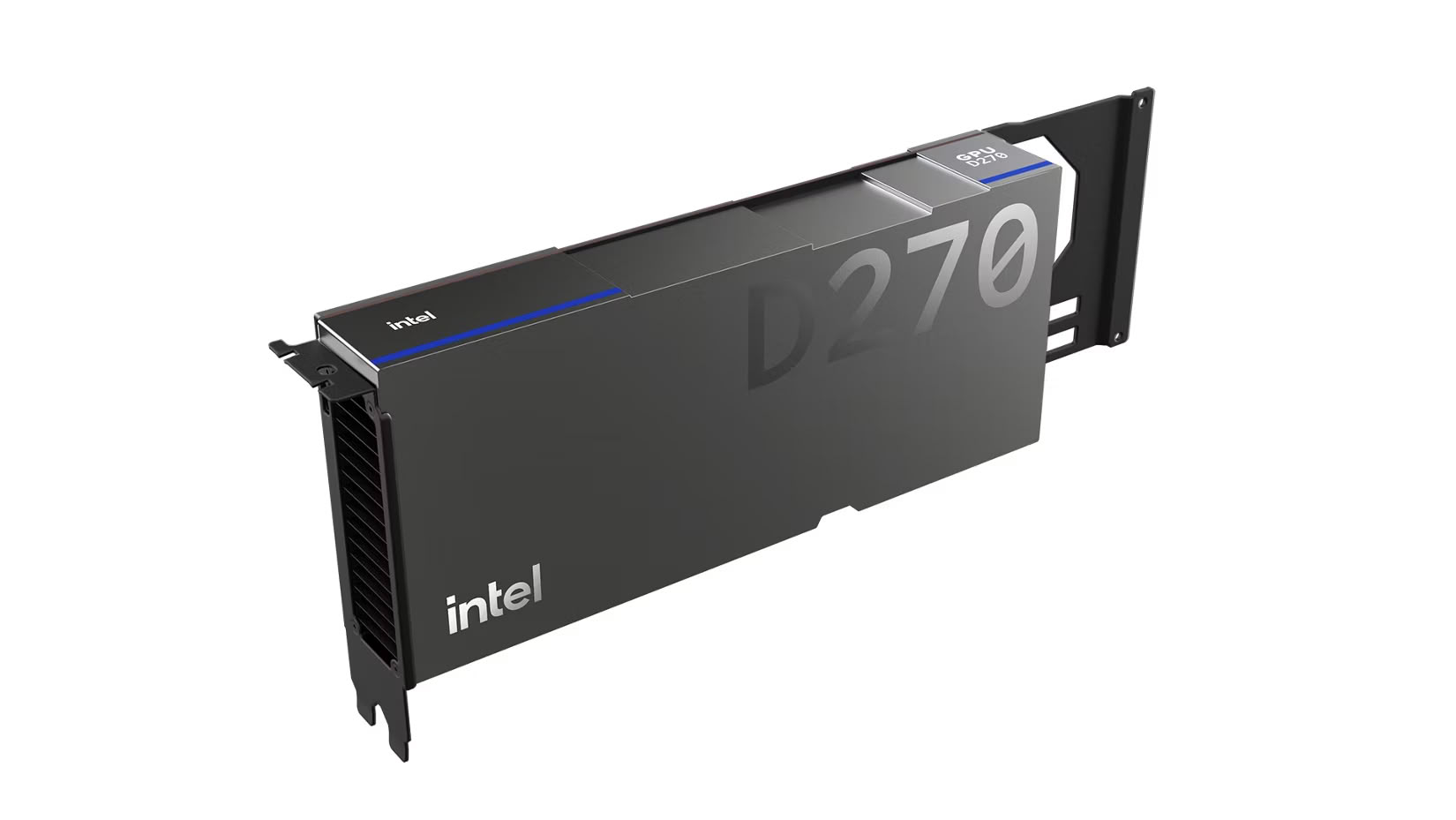
Intel Publishes Benchmarks for D270 "Crescent Island" GPU, Claims Wins Over RTX PRO 6000

Intel's GPU D270 AI accelerator card, previously known as "Crescent Island," just got some first-party benchmarks. According to Intel, the GPU is up to 5.9 times faster than NVIDIA's RTX PRO 6000 Blackwell Server Edition in FP64 financial workloads. Going through the individual test results, the D270 system posted a 5.6x lead in European Black-Scholes, 4.6x in Binomial, and 1.92x in American Black-Scholes. Intel also points out the fact that the D270 runs at 350 W, while the…

Read at TechPowerUp

The Register Dan Robinson

Nvidia places chip exports under boardroom supervision after Huang's exit

Standing committee will oversee export compliance following allegations its GPUs were diverted to China

Read at The Register

NVIDIA Blog Brian Caulfield SI

Ian Buck Kicks Off NVIDIA’s Week at SC26 as Science Enters the Age of Agents

NVIDIA’s Ian Buck kicked off the company’s week at SC26 in Chicago on Monday with new tools for AI agents, software that can plan experiments, run code and check results on researchers’ own systems. In NVIDIA’s special address, Buck announced Nemotron for Science, the Rubin HPC GPU and an expanded Vera CPU platform for high-performance

Read at NVIDIA Blog

Tech in Asia Glenn Kaonang Startups

US chip curbs on China put Southeast Asia in a bind

China helped fuel Southeast Asia’s data center boom. A new US chip rule could slow its buildout and test demand for the GPUs already there.

Read at Tech in Asia

MarkTechPost Asif Razzaq SI

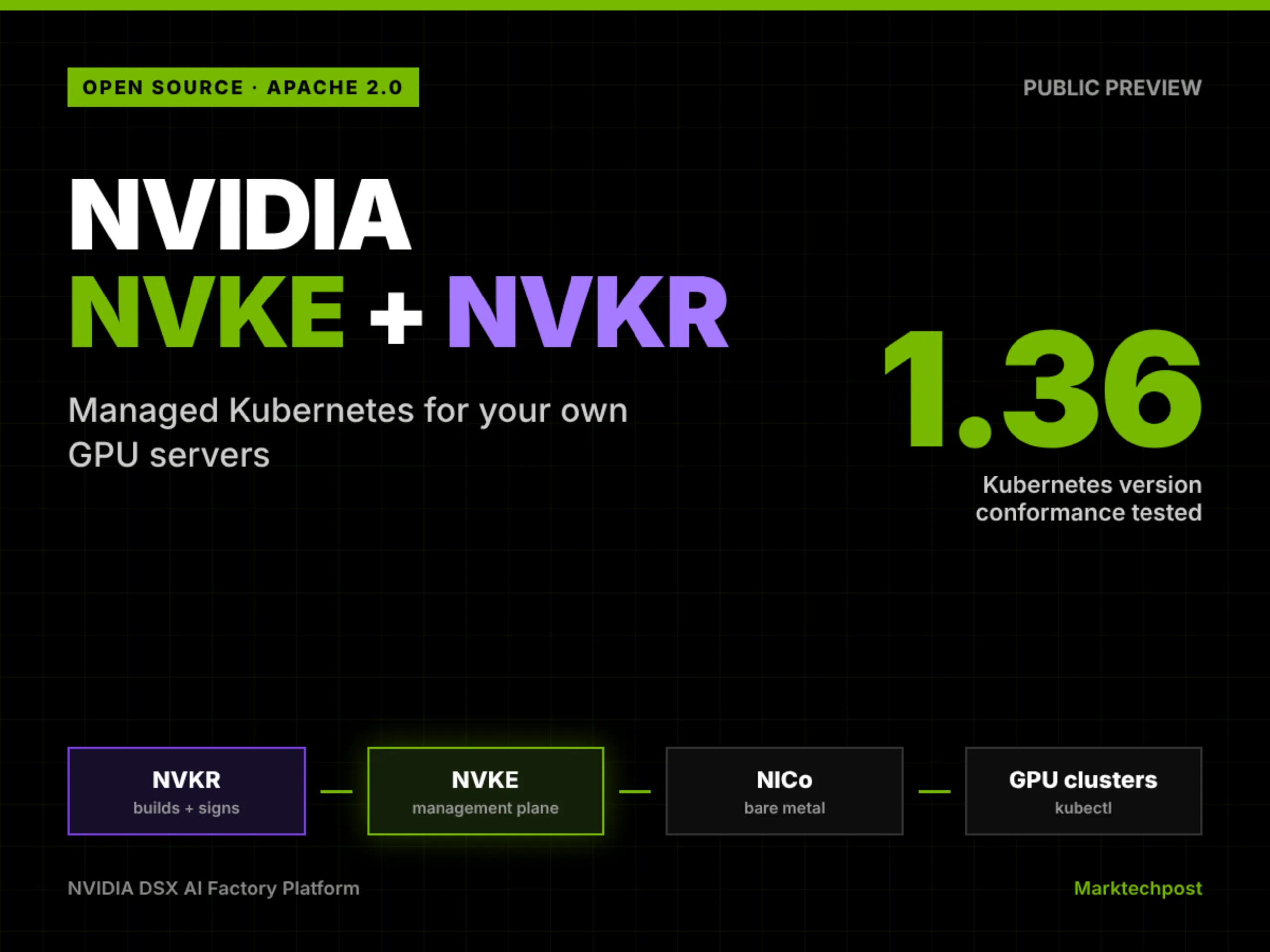
NVIDIA Open-Sources NVKE and NVKR for Managed Kubernetes on GPU Infrastructure

NVIDIA has open-sourced NVIDIA Kubernetes Engine (NVKE) and NVIDIA Kubernetes Recipes (NVKR) under Apache 2.0. Together they let AI factories run a managed Kubernetes service on their own bare-metal GPU servers. Both are in public preview.

Read at MarkTechPost

TechPowerUp AleksandarK SI

U.S. Cracks Down on China Renting AI GPUs Through Overseas Data Centers

Yesterday, the U.S. Commerce Department's Bureau of Industry and Security (BIS) released an interim final rule to address remote access to advanced AI chips and servers. This rule significantly addresses a long-standing gap in U.S. export controls, where Chinese companies that are barred from accessing NVIDIA's latest GPUs have been renting overseas computing power instead of purchasing the chips outright. Notably, BIS states that the rule was written by and at the direction…

Read at TechPowerUp

MarkTechPost Asif Razzaq SI

Sarvam Launches Sarvam Token Factory: Bringing India-Hosted Inference to 8 Open Models

Sarvam Token Factory is now open to everyone. It serves Sarvam 105B, GLM 5.3, DeepSeek V4.1 Flash, Kimi K3.1 Pro and Gemma 4 31B from GPU clusters in India through one OpenAI-compatible API.

Read at MarkTechPost

arXiv (research papers) Wenbo Zhu

Manufacturing Differential Sparsity: Planner-Hardware Co-Design for Efficient World Model Planning

JEPA-style latent world models let embodied agents plan toward new goals with model predictive control, but they are still too slow for real-life embodied control: sampling-based MPC repeats predictor inference tens of thousands of times per plan, and even on high-end GPUs one planning step can take tens of seconds. We observe substantial latent locality in this repeated-inference workload: the predictor maps close actions to close latents, and inside a quantized predictor…

Read at arXiv (research papers)

TechPowerUp btarunr SI

U.S. Departments of Commerce and Justice Issue Rare Joint-Statement on the NVIDIA-Megaspeed Investigation

The U.S. Department of Commerce and Department of Justice just issued a rare joint-statement on their ongoing investigation into NVIDIA's dealings with Singapore-based Megaspeed Corporation, a cloud computing firm that had been buying cutting-edge AI GPUs and is alleged to have been involved in the diversion of these GPUs to entities in China, in violation of U.S. export controls for AI compute processors. In their statement, the two Government departments provide a brief…

Read at TechPowerUp

Electronics Weekly David Manners SI

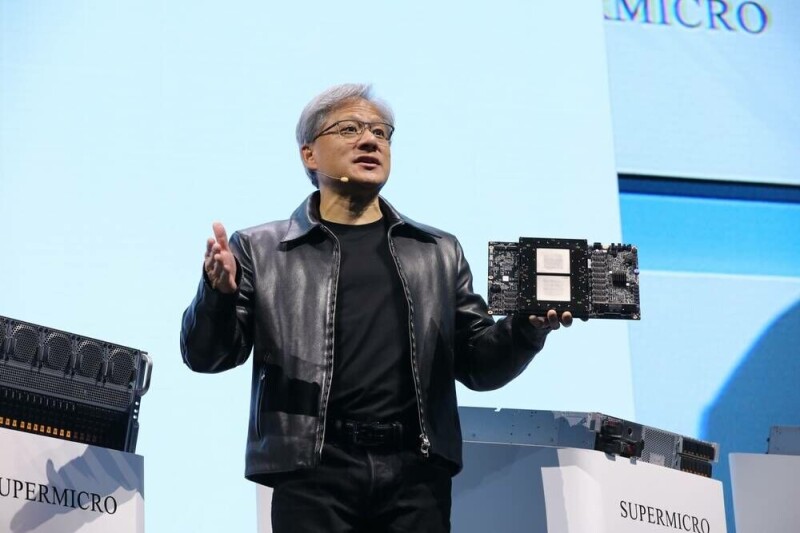
Now’s the time to rethink the GPU/datacentre model says Penn

“Jensen Huang’s spectacular demise could not have come at a worse time for the growing divide between investor optimism about AI’s long-term potential and concern over the timing and scale

Read at Electronics Weekly

Electronics Weekly David Manners

Nvidia launches Rubin HPC with 50k CUDA cores

Nvidia has launched Rubin HPC – a new GPU in the NVIDIA Vera Rubin platform with more that 50,000 CUDA cores – expected to be available in 2018. it is

Read at Electronics Weekly

arXiv (research papers) Yuji Yamamoto Security

From Token Changes to Task Failures: Bit Flips in a Shared KV-Cache Block

In LLM serving systems with prefix caching, each KV block of a shared system prompt is held in GPU memory as a single physical copy, which every request with that prompt reads. Our earlier work measured change and showed that one bit flip in such a block changes many later responses without making them visibly degenerate. This paper extends that work by measuring how often the changed responses are wrong. Using software fault injection into vLLM serving Qwen3-8B, we flip the…

Read at arXiv (research papers)

Quantum Computing Report Mohamed Abdel-Kareem

Pasqal Demonstrates Hybrid GPU-to-QPU Workflows Using Slurm 26.11 Hierarchical Resources, QRMI, and CUDA-Q

Pasqal has developed an integration that allows Slurm 26.11 to schedule jobs across both GPUs and QPUs (quantum processing units), utilizing NVIDIA's Slurm Hierarchical Resources and the Quantum Resource Management Interface (QRMI). This system automates the management of neutral-atom QPUs alongside classical GPUs, enabling multi-stage batch pipelines that can validate quantum simulations on GPUs before executing them on physical quantum hardware. This advancement…

Read at Quantum Computing Report

Semiconductor Engineering Technical Paper Link SI

Reducing High-Bandwidth Flash Latency In GPU Systems (Georgia Tech, Nvidia, Stanford)

Researchers at Georgia Tech, NVIDIA Research, and Stanford University published “SlipStream: Enabling HBF for GPU Systems by Mitigating the Latency and SRAM Overheads.” Abstract Excerpt “Large language model (LLM) inference demands ever more memory capacity for larger models and batch sizes. High-Bandwidth Flash (HBF) replaces the DRAM dies of HBM with NAND flash and provides... »

Read at Semiconductor Engineering

arXiv (research papers) Jacob Z. Williams

Accelerating auxiliary-field quantum Monte Carlo with mixed-precision random propagators

We develop an algorithm to propagate auxiliary-field quantum Monte Carlo (AFQMC) wavefunctions in mixed precision. We target NVIDIA Tensor Cores using the TensorFloat-32 (TF32) format. We approximate each full-precision array by a TF32 leading term and a TF32 residual, and each full-precision matrix product by three TF32 products accumulated in full precision. Benchmarks on hydrogen chains show that mixed-precision propagation is consistently faster than double-precision GPU…

Read at arXiv (research papers)

ServeTheHome Patrick Kennedy

NVIDIA and Lambda Disclose First Production Co-Packaged Optics Cluster… It is FINALLY real

Lambda is the first to disclose it has co-packaged optics deployed in a production cluster with over 10,000 GPUs

Read at ServeTheHome

Quantum Computing Report Mohamed Abdel-Kareem

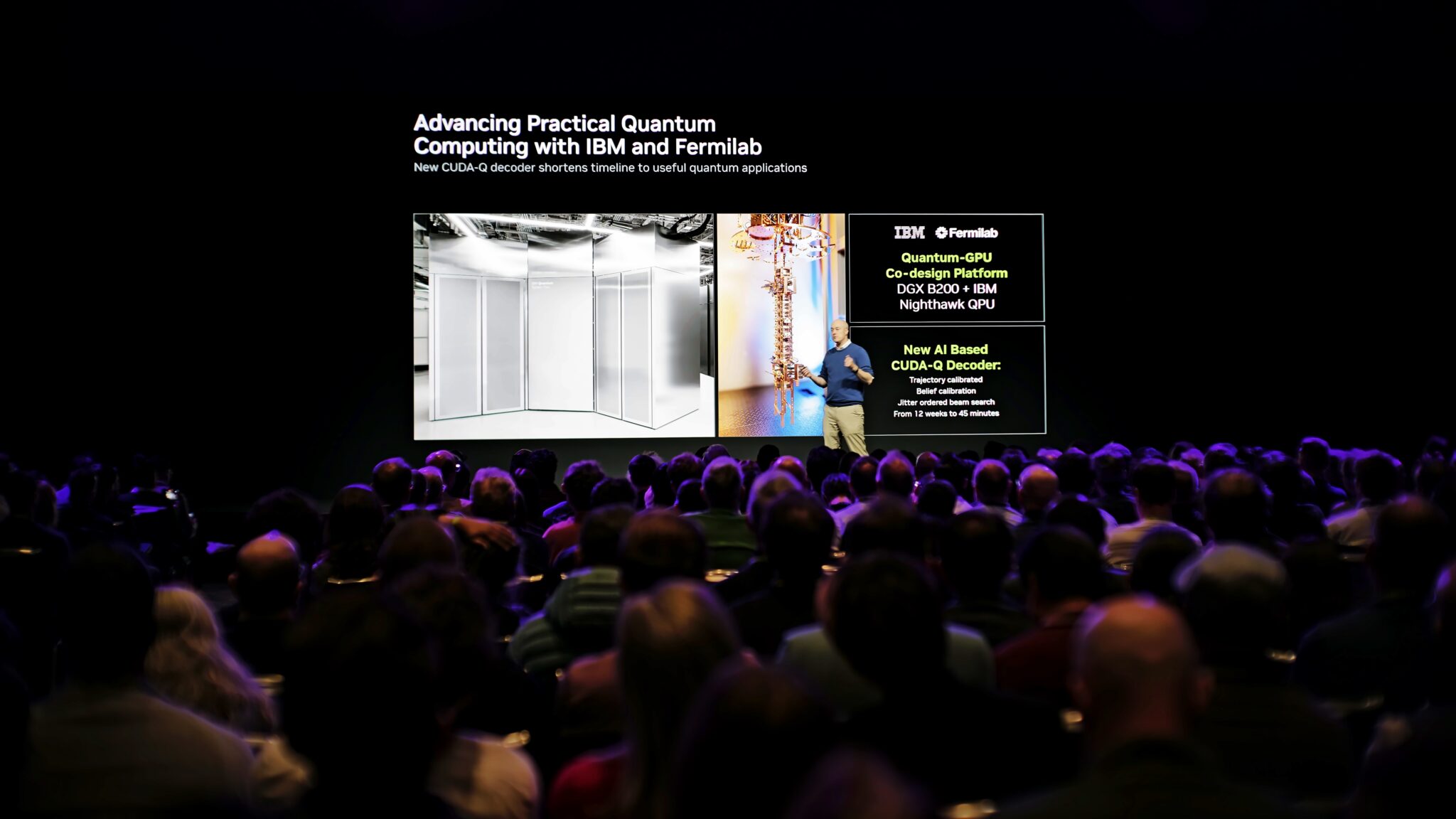
IBM, Fermilab, and NVIDIA Unveil Modular Quantum Co-Design Platform, Slurm HRES Integration, and GPU QEC Tools at SC26

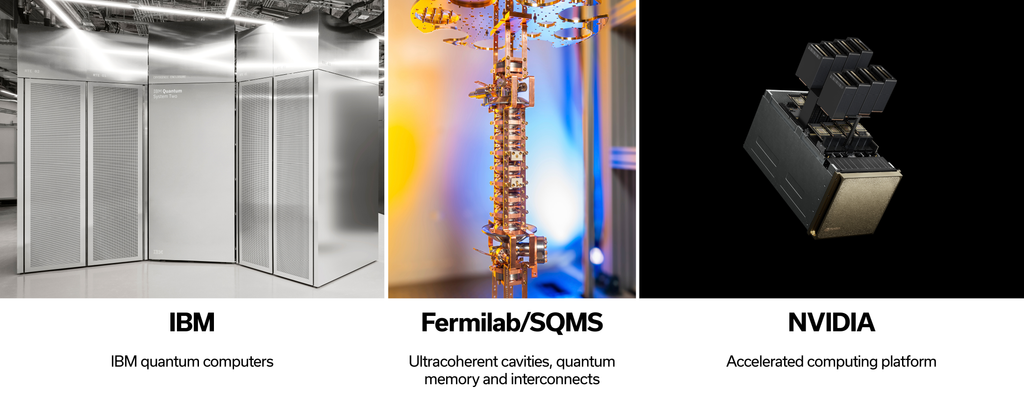
At SC26, IBM, Fermilab, and NVIDIA unveiled a modular quantum-classical co-design platform, integrating GPUs with quantum processors. They also announced native quantum resource scheduling in Slurm 26.11 and new GPU-accelerated quantum error-correction (QEC) software, including the TCBP-JOBS algorithm and CUDA-Q QEC 0.9.0. These advancements aim to improve quantum computing workflows, error correction, and resource management in supercomputing environments.

Read at Quantum Computing Report

Quantum Computing Report Mohamed Abdel-Kareem

IBM and AMD Open-Source Pelagos GPU Decoder Framework for Large-Scale qLDPC Error Correction Simulations

IBM and AMD have open-sourced Pelagos, a GPU-accelerated quantum error-correction (QEC) decoding framework for evaluating qLDPC codes at supercomputing scale. This release, announced at SC26, aims to advance quantum computing through vendor-neutral, efficient error correction, building on a joint QEC co-design platform. Pelagos offers significant speedups and efficient multi-GPU orchestration, enabling large-scale simulations crucial for fault-tolerant quantum computing.

Read at Quantum Computing Report

TechPowerUp Nomad76

(PR) NVIDIA Announces Rubin HPC GPU to Accelerate Agents for Science, Engineering and Analytics

Announced today at SC26, NVIDIA Rubin HPC is a new GPU in the NVIDIA Vera Rubin platform designed to accelerate simulation and data processing for science, engineering and analytics workflows. As agents help scientists and engineers explore more candidate materials, molecules and designs, they rely on simulations to test those ideas and guide their next steps. Rubin HPC will accelerate those simulations, shortening the path from exploration to scientific discovery and…

Read at TechPowerUp

Older stories