Middle powers and the Global South look for room to manoeuvre as US–China rivalry, energy and AI reshape a multipolar world.
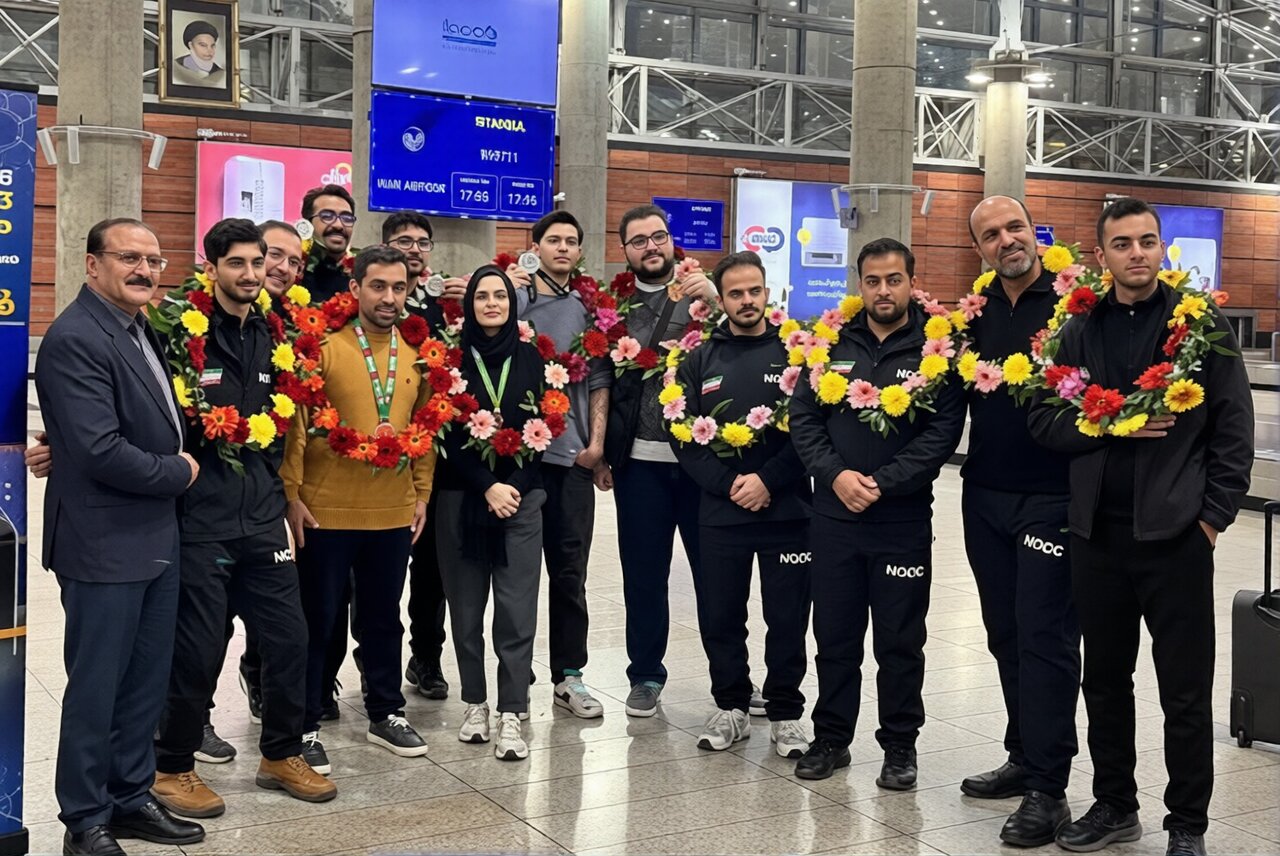
Coverage of the Global South over the past two weeks is mostly analysis and research rather than breaking news. Commentators describe how middle powers try to stay 'plugged in, not locked in' to the US and Chinese AI ecosystems, and argue that energy, not military force, is America's real weapon in a multipolar world. The Lowy Institute asks whether India is a middle power 'more or less'. Research examines China's discourse power in shaping the BRICS agenda, RCEP as coordination without a hegemon, India–China relations in a multipolar order, and how middle powers use minilateral groups. A BRICS+ film festival award to an Iranian film is a small sign of the bloc's cultural ambitions.
Essay
What 'Global South' and 'multipolarity' mean
The 'Global South' is less a place than a political identity: the countries of Asia, Africa, Latin America and the Middle East that were colonised or marginalised in the post-1945 order and that now seek a larger voice. Multipolarity describes a world with several centres of power rather than one or two. The two ideas often travel together, because many Global South governments see a multipolar world as one in which they have more choice.
This week's research shows how contested both terms are. One study traces great-power competition in the Central Sahel as part of a multipolar order 5; another argues that the fall of liberalism and the rise of 'civilisation states' change the options of middle powers 9.
BRICS as a club and a platform
BRICS began as an investment-bank acronym and became a forum of Brazil, Russia, India, China and South Africa, now expanded with new members. Its appeal lies in offering an alternative to Western-led institutions, through the New Development Bank and talk of trading in local currencies. But its members disagree on much, and China is by far the strongest. Research shows Beijing using its 'discourse power' to shape the BRICS governance agenda 7, which raises the question of whether BRICS is a platform for the Global South or for China.
The bloc also builds soft power, as the BRICS+ film festival award to an Iranian film shows 1.
Middle powers and multi-alignment
Middle powers such as India, Indonesia, Brazil, Turkey, Saudi Arabia and South Africa practise what is often called multi-alignment: deepening ties with several great powers at once. In technology, they try to stay 'plugged in, not locked in' 2. In trade, Asia's RCEP shows 'coordination without hegemony' 10. Minilateral groups, small coalitions on specific issues, give them flexibility 12. India is the most debated case: the Lowy Institute asks whether it is a middle power 'more or less' 13, and research examines how its relations with China reshape regional order 11.
Viet Nam's bamboo diplomacy belongs to the same family of strategies.
Power and its limits
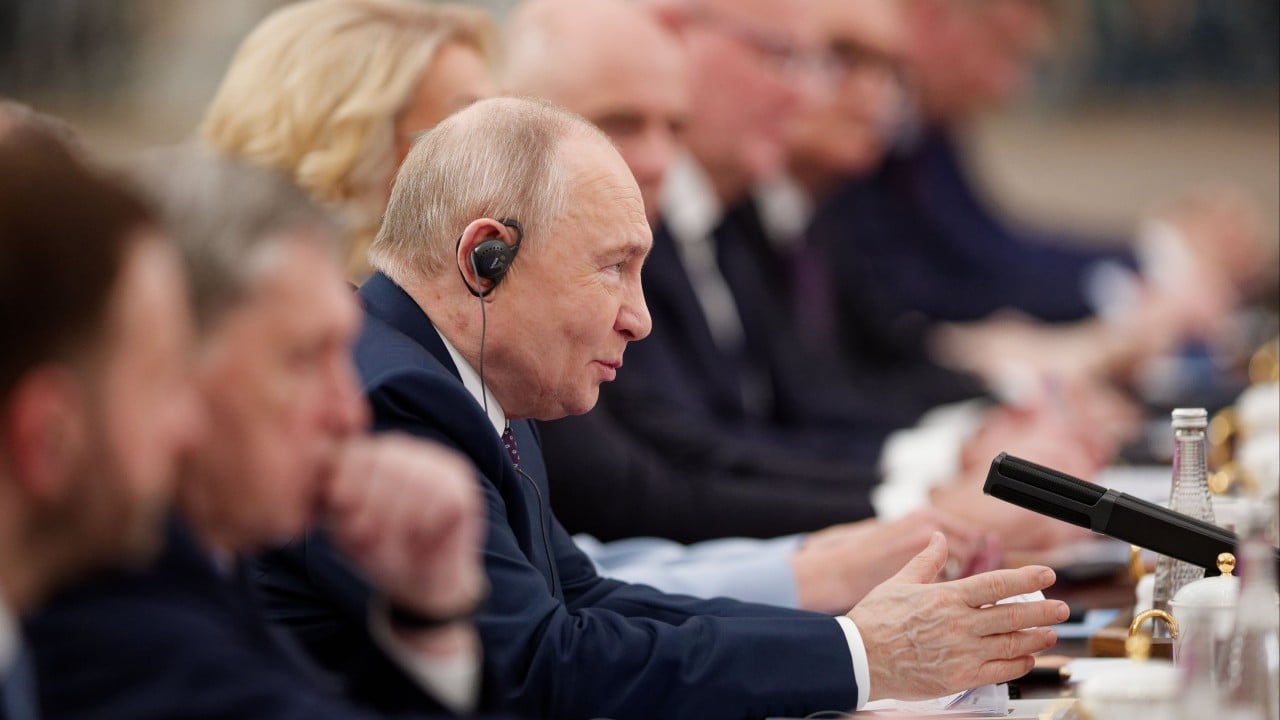
Multipolarity does not mean equality. The US still holds unique tools, and commentators argue that energy exports may be its most effective weapon in a multipolar world 3. China's economic weight shapes BRICS. For Global South states, the challenge is to use competition between the powers to win investment and voice without becoming dependent on any one of them. Climate debates show the stakes: developing countries argue that they cannot accept the same obligations as rich countries that industrialised first 6.