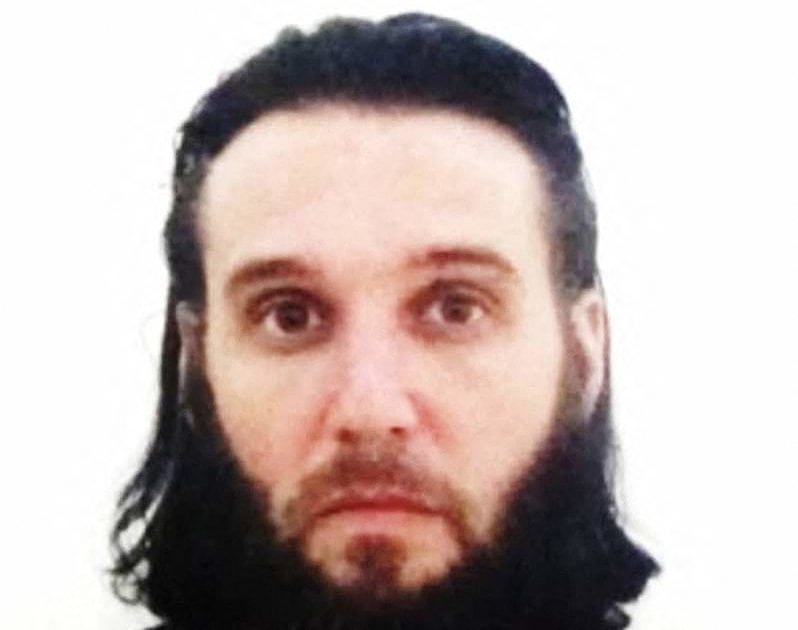
Iraq sentences six French nationals to life in prison for joining ISIL
Trials began in September for 47 French citizens who were transferred from Syria last year.
Also at Al-Monitor, The National (UAE)
Jihadist insurgencies in Africa and Asia: Islamic State and al-Qaeda affiliates from the Sahel and Somalia to Mozambique, Nigeria and Afghanistan, how they govern and recruit, and the counterinsurgency responses, from the news and journal research. Kept for a year as an archive.
47 news articles and 64 research items in this section, back to 21 November 2025. Browse the news ↓ Research ↓
3 stories from 3 publishers in the last 24 hours, 17 from 11 this week; 1 story was covered by more than one newsroom.
Trials began in September for 47 French citizens who were transferred from Syria last year.
Also at Al-Monitor, The National (UAE)
Adrien Guihal, the voice ISIS chose to broadcast its claim of responsibility for the 2016 Nice lorry attack that killed 86 people, stood in a Baghdad courtroom on Thursday and insisted he was not a…
The Islamic State’s affiliate in Afghanistan, Islamic State Khorasan Province (ISIS-K), has acquired modern tactical equipment, including drones, and is seeking to carry out attacks within…
A senior United Nations counterterrorism official has warned that Islamic State Khorasan Province (ISIS-K) is rebuilding its operational capabilities in Afghanistan and has gained access to modern…
Most mentioned in Jihadist insurgencies in Africa and Asia headlines, last 3 days: Iraq 3Afghanistan 3ISIS 2ISIS-K 2Drones 2Attacks 2Warns 2French 2Al-Shabaab 2Somalia 2
Most active this week: Al-Monitor (3), The National (UAE) (2), Khaama Press (2), AllAfrica (2). Built automatically from headlines; the top items are the stories the most newsrooms covered in the last three days.
Islamic State's affiliates fight on from Somalia to Afghanistan and Iraq, inspire plots in the United States, and shape the Sahel's security order through local deals.
Over the past month, the Islamic State's regional branches have shown their reach. US air strikes targeted Islamic State positions in Somalia's Puntland, an Iraqi commander was killed by the group after Iraqi air strikes, and Turkish intelligence arrested an ISIS-K member on the Afghanistan-Pakistan border. Analysts describe ISIS-Khorasan as a real threat to Afghans and a political opportunity for the Taliban, who present themselves as the only force able to contain it. In the United States, three separate Islamic State-linked plots led to arrests and an 18-year sentence, showing the group's continuing power to inspire. Research examines where jihadism is gaining ground, how local dialogues with jihadist groups have become part of governance in the Sahel, how a former jihadist leader rose to the top of Syrian politics, women's roles and the group's cyber ambitions.
The Islamic State lost its territory in Iraq and Syria in 2019, but the movement did not die. It became a network of regional branches, from West Africa and the Sahel to Mozambique, Somalia and Afghanistan, plus a global brand that inspires lone plots. Analysts mapping jihadism's global struggle find it gaining ground above all in the Sahel 9, where weak states, coups and the departure of French and UN forces have opened space.
This month's news shows the pattern. US air strikes targeted Islamic State positions in Somalia's Puntland 2, an Iraqi commander was killed by the group after Iraqi strikes 7, and Turkish intelligence arrested an ISIS-K member on the Afghanistan-Pakistan border 4.
Jihadist groups and the governments they fight sometimes need each other. Analysts describe ISIS-Khorasan as a real threat to Afghans and a political opportunity for the Taliban 3: the Taliban present themselves to Russia, China and the West as the only force able to contain ISIS-K, and win engagement in return. In the Sahel, research finds that local dialogues with jihadist groups have become part of the security order 8: communities and even officials negotiate access, taxes and truces with groups the state cannot defeat. This 'return of the local' blurs the line between counterinsurgency and coexistence.
The most striking case is Syria, where a former leader of al-Qaeda's affiliate now governs. Research describes this as 'political laundering': rebranding, rhetoric and recognition that turned a designated terrorist into a head of state 10. Iraq offers a different ending: a 'victor's peace' in which the state defeated ISIS but mediates with the communities that sheltered it 11. Both cases show that jihadism is a political movement as much as a security threat, and that its endings are negotiated, not only fought.
The group's power to inspire remains. In the United States, an Idaho man received 18 years for an Islamic State support plot 1, a Florida teenager was arrested in an IS-linked bomb plot 5, and the FBI arrested an alleged supporter plotting to assassinate a Texas congressman 6. None of these men had been to a battlefield. Research on ISIS's cyber ambitions 14 and ISKP's use of QR codes to evade text-based monitoring 15 shows the movement adapting to online surveillance, while studies of female terrorists in digital evidence 12 and the repatriation of Indonesian former fighters and families 13 show its membership is broader than the stereotype.
Three lessons follow. Air strikes can degrade branches but not end them while the local grievances remain. Engagement with governments that host or fight jihadists, from the Taliban to Syria's new rulers, is now unavoidable, and should be judged by results rather than labels. And the online front matters as much as the battlefield, because inspiration travels faster than fighters.
Written by Claude (Anthropic), based on 15 recent headlines and excerpts in this section, Nov 11. AI analysis can misread or miss things: the numbers link to the original reporting, which is the authority.
Journal articles, academic blogs, think-tank reports and papers, kept apart from the news below.
Across global digital subcultures, extremist networks are increasingly weaponising edgy internet humour and memes to spread covert propaganda. In the West, the far-right extremist movement has successfully exploited the culture of shitposting and internet memes to normalise hate speech in the public sphere. This practice of meme hijacking and the exploitation of pop culture has also been used by ISIS
This article examines how dialogue with jihadist groups in Mali and Niger operates as both a mechanism of governance and a site of ideological translation. It explores how competing Islamic repertoires, reformist-Salafi and Sufi-Maliki, are localised, resisted or refracted through Sahelian religious and socio-political orders. Drawing on ethnographic research, it introduces transactional governance to capture how insurgencies impose, then bargain over, zakāt, sharīʿa-based…
In 2018, Barak Mendelsohn wrote, “Bound to Fail: Transnational Jihadism and the Aggregation Problem,” where he argued that transnational jihadist groups like al-Qaeda and the Islamic State would continue failing to turn local victories into a lasting caliphate, allowing counterterrorism forces to contain them without costly U.S.-led interventions. Eight years later, we asked Barak to revisit his arguments.Image: Adam Jones/FlickrYour article opened with al-Baghdadi’s 2018…
Armed organisations seek legitimacy as they move from insurgency to governance, yet the perspectives of rivals who experienced jihadist violence remain underexplored. Drawing on 16 interviews, this article examines how senior Kurdish political and military officials in the Autonomous Administration of North and East Syria (AANES) in Rojava (Rojavayê Kurdistan; Western Kurdistan), interpret the political normalisation of former jihadist-affiliated Hayat Tahrir al-Sham (HTS)…
On this week’s episode of the podcast, Jacob Eriksson of University of York joins Marc Lynch to discuss his book, A Victor’s Peace in Iraq: ISIS and the Mediated State. This book explores the nature of the prevailing peace in Iraq and the peacebuilding processes behind it, focusing on political power-sharing, security provision, transitional justice,
Criminal evidence is the key to prosecution. Yet, a UN report found that the collection of “sufficient and admissible” (p. 3) evidence has been a central challenge in prosecuting ISIS returnees. In a conflict zone, such as the ISIS ’Caliphate’, evidence collection can be severely limited. Opportunities to retrieve relevant evidence from the battlefield may be restricted, judicial cooperation agreements
Adrien Guihal, the voice ISIS chose to broadcast its claim of responsibility for the 2016 Nice lorry attack that killed 86 people, stood in a Baghdad courtroom on Thursday and insisted he was not a leader, only a translator. Mr Guihal, code-named Abu Osama Al Faransi inside ISIS, is among 47 French ISIS members transferred from north-eastern Syria to Iraq in July 2025 to face trial under Iraq’s Anti-Terrorism Law. For much of his hearing session, he argued, interrupted and…
The Islamic State’s affiliate in Afghanistan, Islamic State Khorasan Province (ISIS-K), has acquired modern tactical equipment, including drones, and is seeking to carry out attacks within Afghanistan and beyond its borders, a senior UN counterterrorism official has warned.
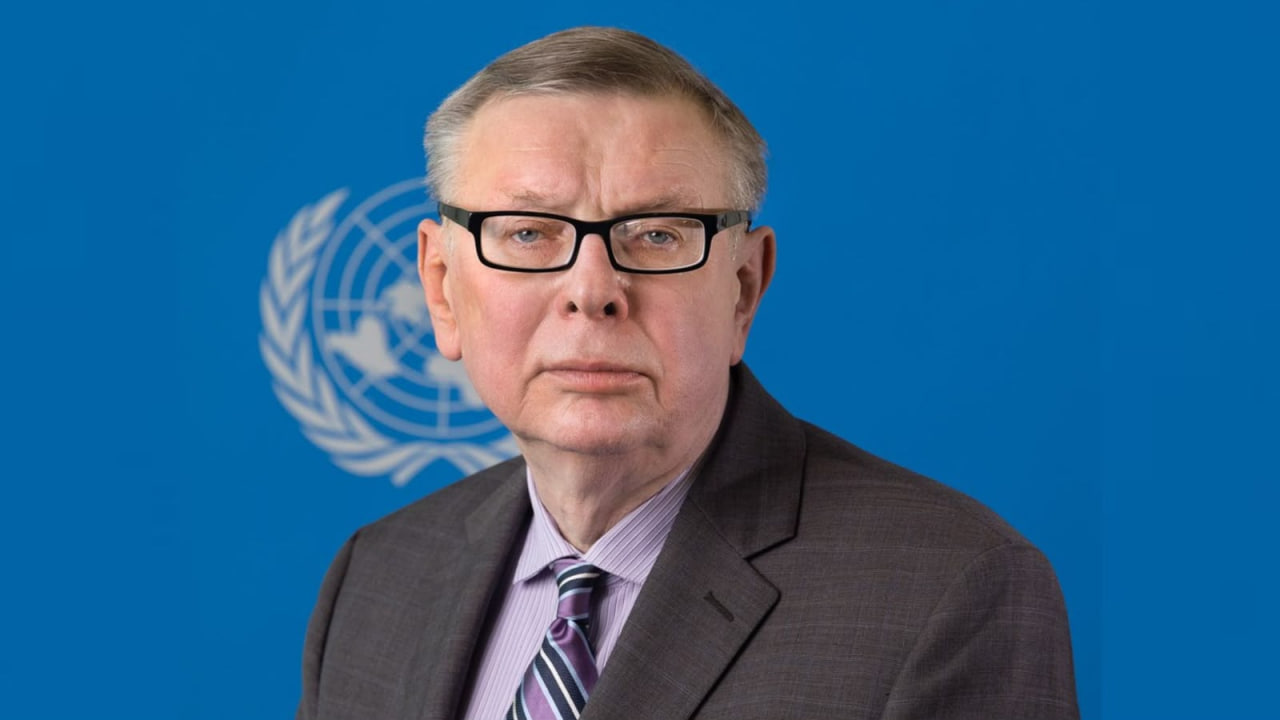
A senior United Nations counterterrorism official has warned that Islamic State Khorasan Province (ISIS-K) is rebuilding its operational capabilities in Afghanistan and has gained access to modern military equipment, including drones, raising concerns about potential attacks inside and beyond the country. Alexander Zuev, Acting UN Under-Secretary-General for Counter-Terrorism, made the remarks in an interview with
Alexander Zuev, Acting Deputy Head of the United Nations Office of Counter-Terrorism, has said that the group known as the Islamic State Khorasan Province (ISKP) is seeking to carry out operations both inside Afghanistan and beyond its borders. TASS reported early Thursday, November 19, that Zuev made the remarks in an interview with the news
Trials began in September for 47 French citizens who were transferred from Syria last year.
Also at Al-Monitor, The National (UAE)
Militants fired mortars at a Puntland army base in Somalia’s Bari region on 18 November 2026. Troops chased the attackers and no casualties are reported.
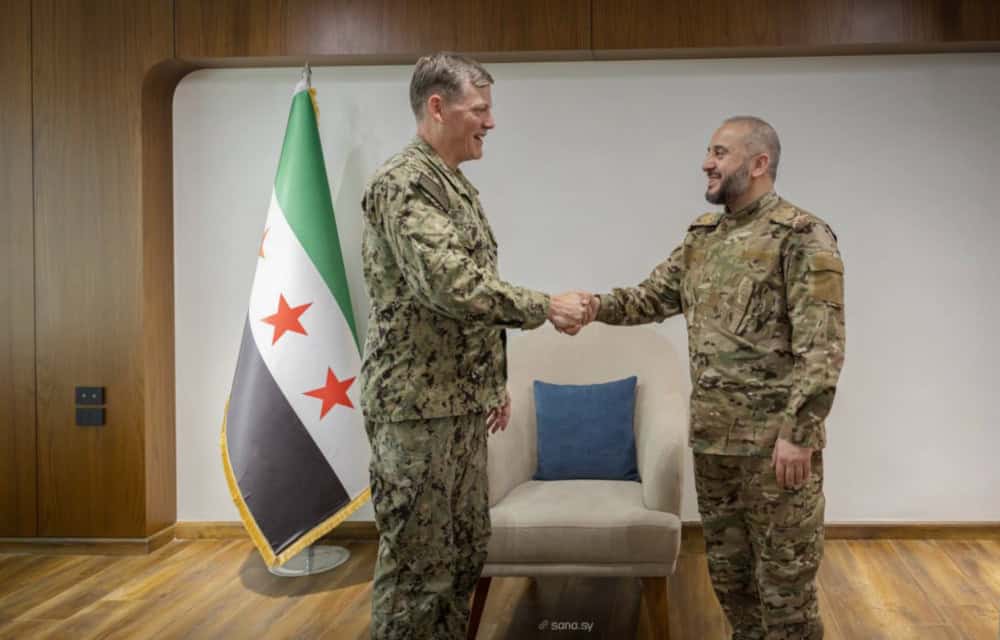
Syria expanded diplomatic and military engagement with Western countries in mid-November, hosting a European Union coordination forum, a French naval delegation, and a senior US anti-Islamic State coalition commander. The outreach comes as Damascus faces continued Islamic State threats, Kurdish protests over university integration, and tensions with Israel along the Golan border.
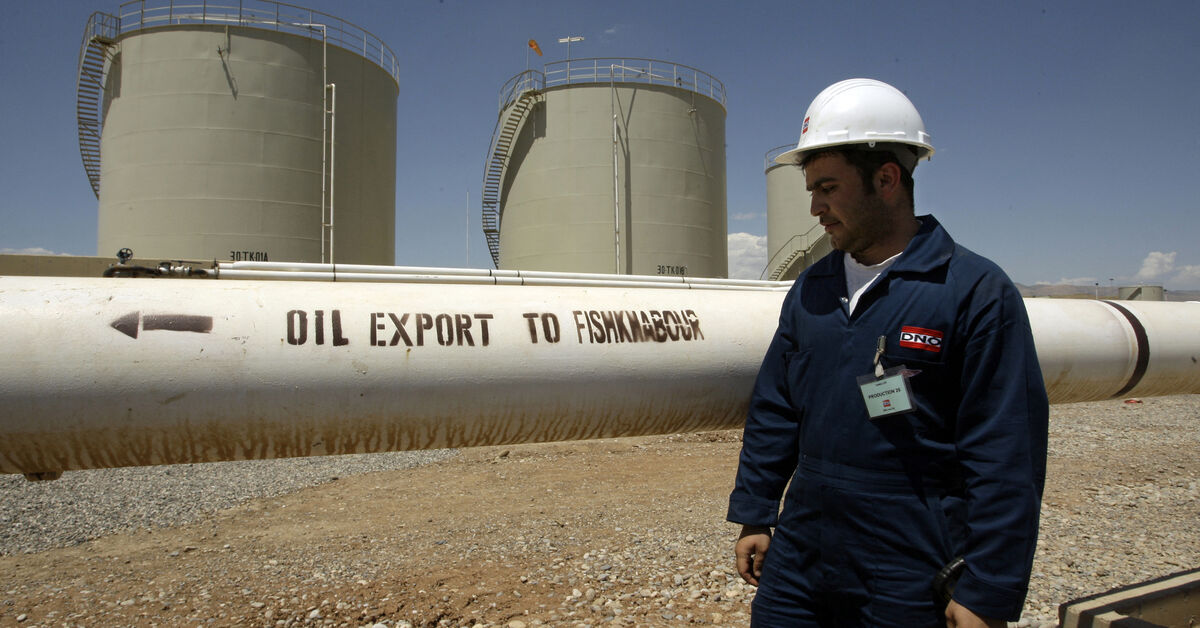
The restart follows Iraq increasing its oil exports via another pipeline to Turkey and the Strait of Hormuz after major losses related to the war.
[Shabelle] Hudur, Somalia -- Somali government forces have killed an Al-Shabaab commander during a planned military operation near Moora Hagar Guudale, about 20 kilometres south of Hudur in the southwestern Bakool region, the Defence Ministry said.
[Shabelle] Lower Shabelle -- International partners carried out airstrikes targeting locations allegedly used by Al-Shabaab to store weapons and explosives in Leego village in Somalia's Lower Shabelle region, following planned military operations by Somali special forces.
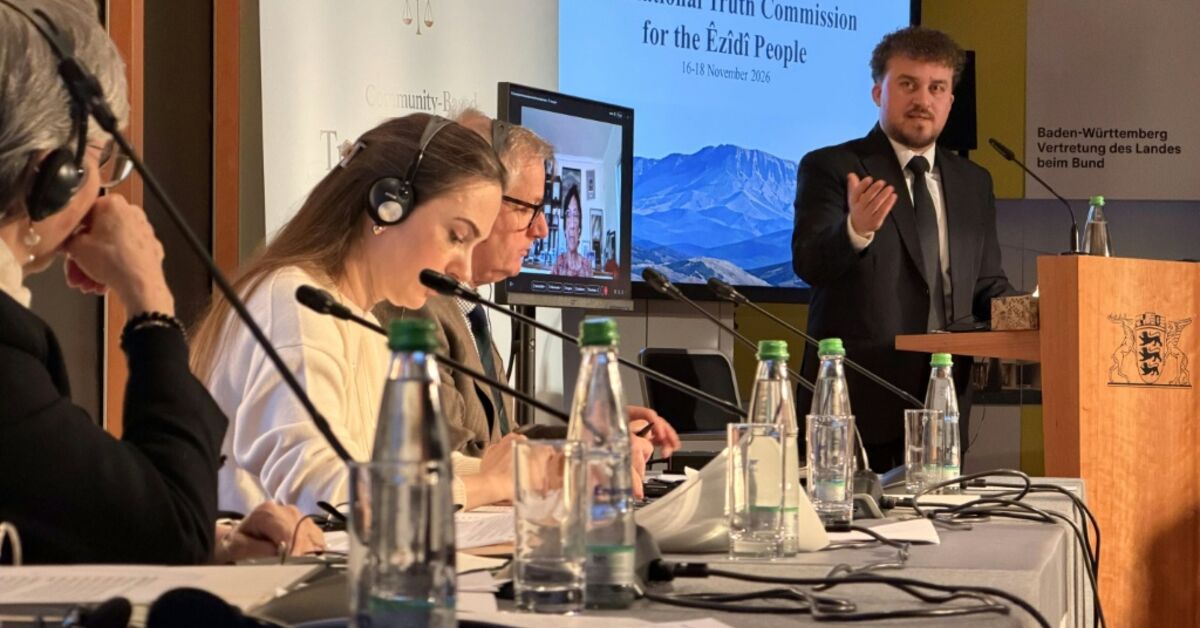
Ardawan Abdi was just 14 when Islamic State (IS) group jihadists seized the ancestral homeland of his Yazidi people in northern Iraq's Sinjar Mountains and locked him up for seven months. "In that time, I saw everything, from blood to death," he told AFP in Berlin on Monday on the sidelines of a first-of-its-kind "truth commission" for survivors of the Yazidi genocide that started in 2014.
The Al-Qaeda-linked Al-Shabaab has been fighting the Somali government for two decades and continues to control large swathes of central Somalia despite the African Union military campaign, which was unlikely to be able to continue without UNSOS support.
The International Criminal Court (ICC) has suspended part of its investigation into alleged war crimes in Afghanistan, including accusations against US forces and Islamic State Khorasan (IS-K), prompting an appeal from the court’s prosecution. The judges’ decision concerns a case involving allegations against US forces and IS-K. The partial suspension of the investigation was made
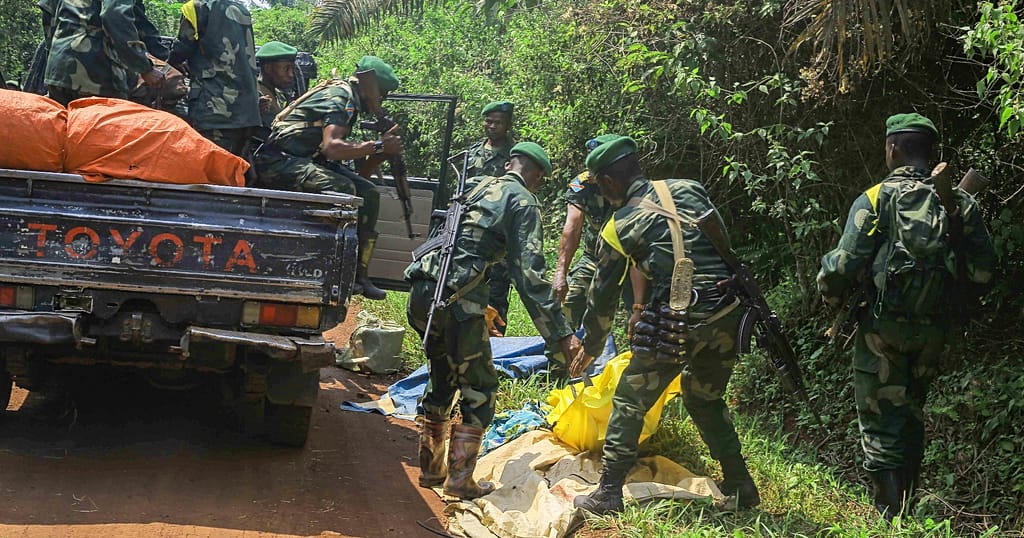
The latest raids by the Allied Democratic Forces come just days after the notoriously brutal group killed 66 people in North Kivu.
Ruled by a military junta since a 2023 coup, Niger is battling violence by jihadists linked to Al-Qaeda and the Islamic State group. Thousands have been killed in the violence over the last decade
JNIM and ISIL intensify their fight for control as Burkina Faso struggles to contain the wider armed conflict.
[ISS] Rather than launching opportunistic ambushes, the Boko Haram faction targets military bases in return for payment from Islamic State.
Between October 9 and November 10, authorities in five countries announced the arrests or indictments of eight individuals in Islamic State-related cases. The incidents highlight the terrorist group's continued ability to radicalize and recruit supporters online despite the loss of its territorial caliphate.
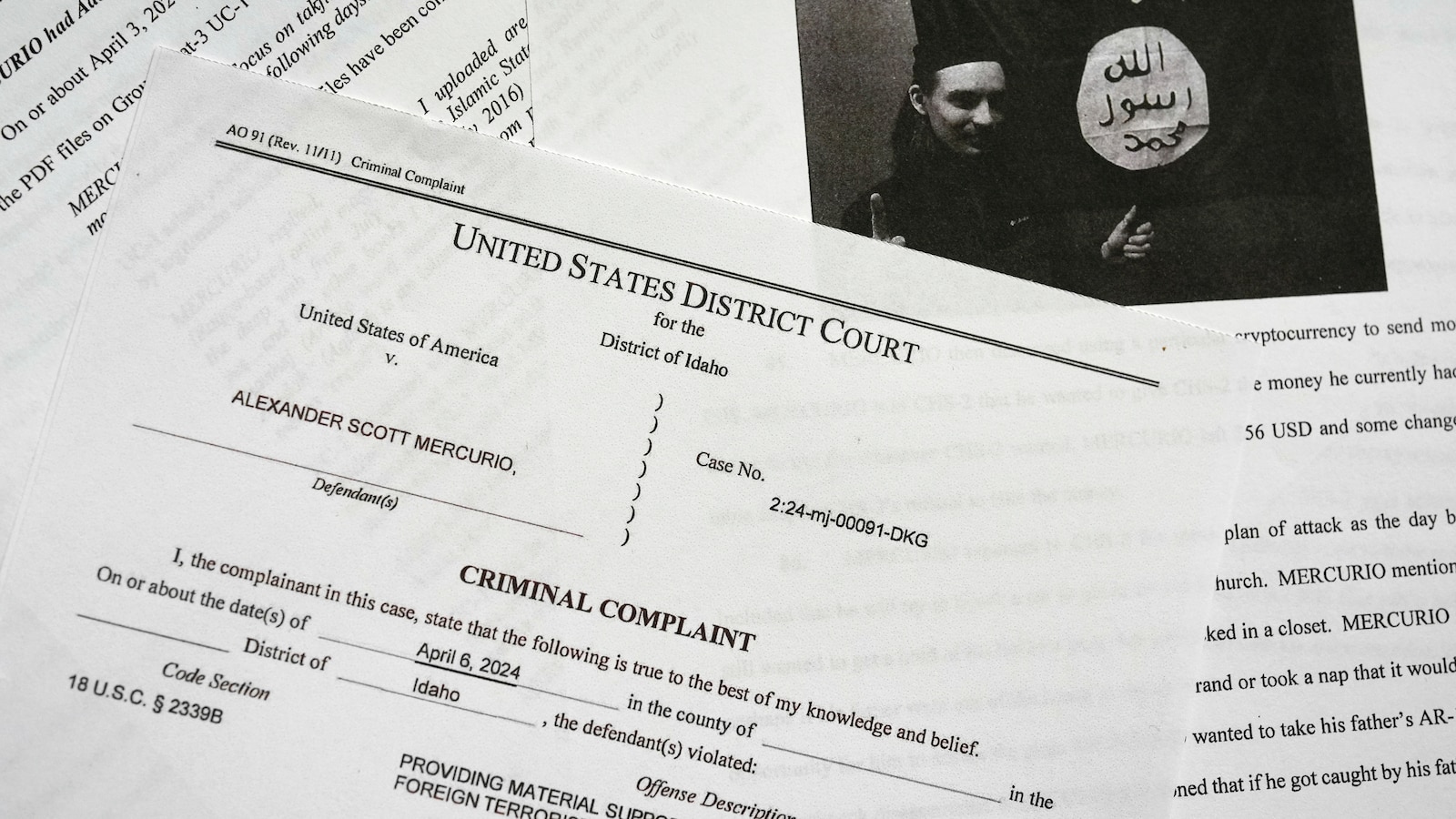
An Idaho man has been sentenced to 18 years in federal prison for attempting to support the Islamic State group
[Shabelle] Bosaso -- A series of airstrikes targeted suspected Islamic State positions in Somalia's northeastern Puntland region overnight, with the strikes hitting areas in Qandala district, security sources said.
ISIS-Khorasan in Afghanistan is a real security threat. However, examining this threat without taking the Taliban’s political and security behavior into account does not provide a complete picture of the situation. The issue is not merely the presence and activities of this group, but also how the Taliban deals with it, how it uses the
Click to expand Image Ouahigouya, Burkina Faso, October 25, 2021. © 2021 Nicolas Maeterlinck/Belga Mag/AFP via Getty Images An Al-Qaeda-linked armed group killed at least 27 civilians in two attacks in Burkina Faso’s northern Yatenga province in September 2026.The group’s relentless, unlawful attacks put civilians across Burkina Faso at grave risk. The laws of war prohibit attacking civilians, and those who order, commit, or assist serious violations of the laws of war with…
Turkey’s National Intelligence Organization (MIT) has arrested a member of Islamic State Khorasan Province (ISIS-K) in the Afghanistan-Pakistan border region and transferred him to Turkey, Turkish media reported on Friday.
A 15-year-old student in Gainesville, Florida, allegedly sought guidance from Islamic State members and supporters on building drones and explosives to attack people at an unidentified indoor location.
A 17-year-old Texas teenager allegedly plotted to assassinate Republican US Representative Keith Self at a veterans’ fundraiser as part of a broader Islamic State-inspired terrorist plot. Federal agents arrested the suspect after he acquired a firearm.
An Iraqi brigadier general and two other military personnel were killed by an explosive device linked to the Islamic State near Kirkuk on October 14, a day after Iraqi F-16s carried out airstrikes against Islamic State positions in the area. The incident underscores the continued threat posed by the remnants of the jihadist group in northern Iraq, where militants have exploited security gaps.
Authorities detained suspected Islamic State fighters, dismantled an alleged criminal network, and disrupted a suspected poison-and-explosives plot between September 25 and October 8 in eight distinct cases spanning Europe, Turkey, Georgia, and Israel.
Sheikhdoon Abdullahi Mohamud, 18, an American citizen of Somali descent, allegedly intended to attack an arts festival at the Mall of America in Bloomington, MN, in late October. Mohamud’s arrest marks the seventh Islamic State-linked terrorism case or incident in the United States this year.
Syria has restored a sabotaged gas pipeline near Deir Ezzor and is repairing another line near Damascus as authorities confront threats to the country’s energy infrastructure. The repairs come amid wider challenges, including Islamic State activity and electricity, water, and fuel shortages, even as Syria expands energy trade with Iraq and works to restore regional oil and gas links.
US and other anti-Islamic State coalition forces completed their withdrawal from Iraq on September 30, ending Operation Inherent Resolve as Baghdad marked what it called a restoration of Iraqi sovereignty. The departure comes amid concerns about Iran-backed militias, air-defense gaps in the Kurdistan Region, and the future of US-Iraq security cooperation.