China's coast guard shadows Philippine resupply missions and Taiwan drives off 'maritime harassment', as the Philippines adds US surveillance aircraft to see the grey zone.
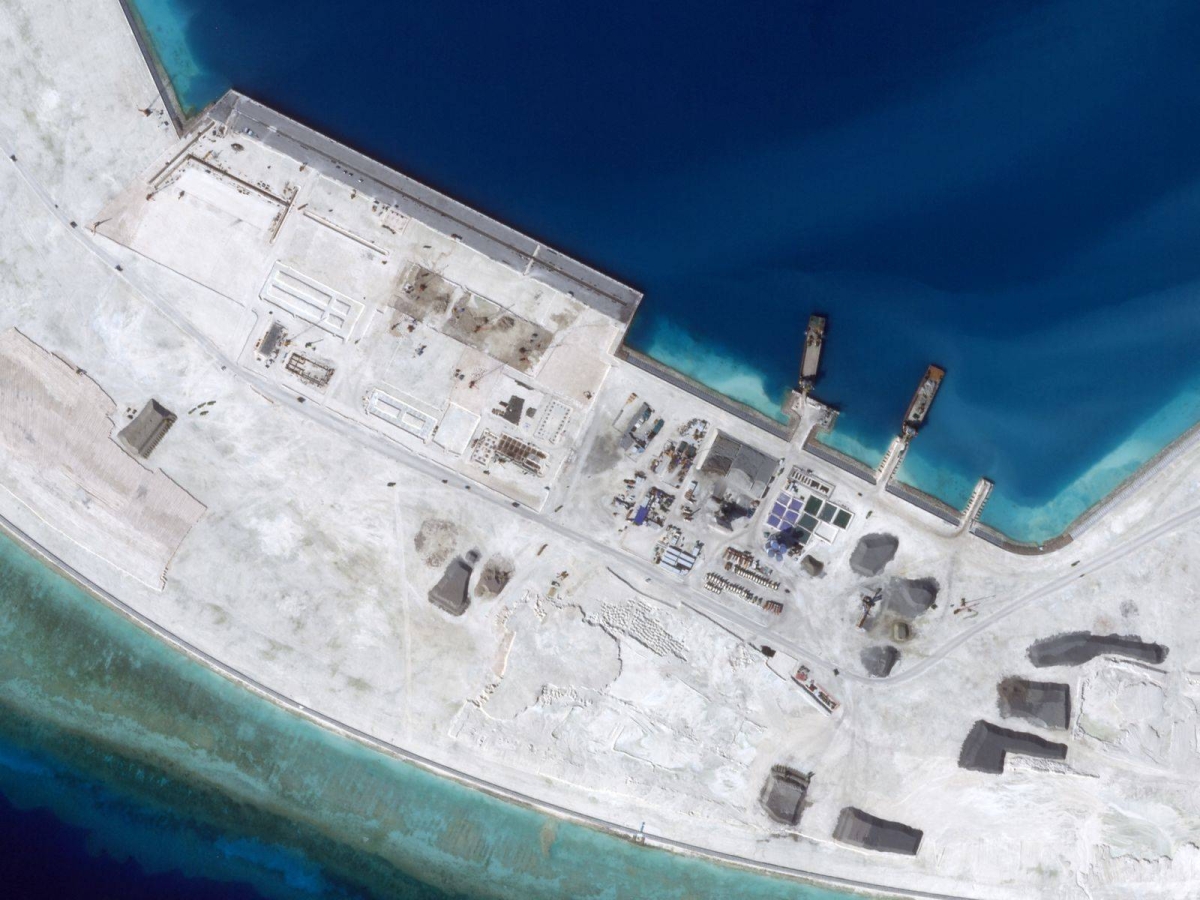
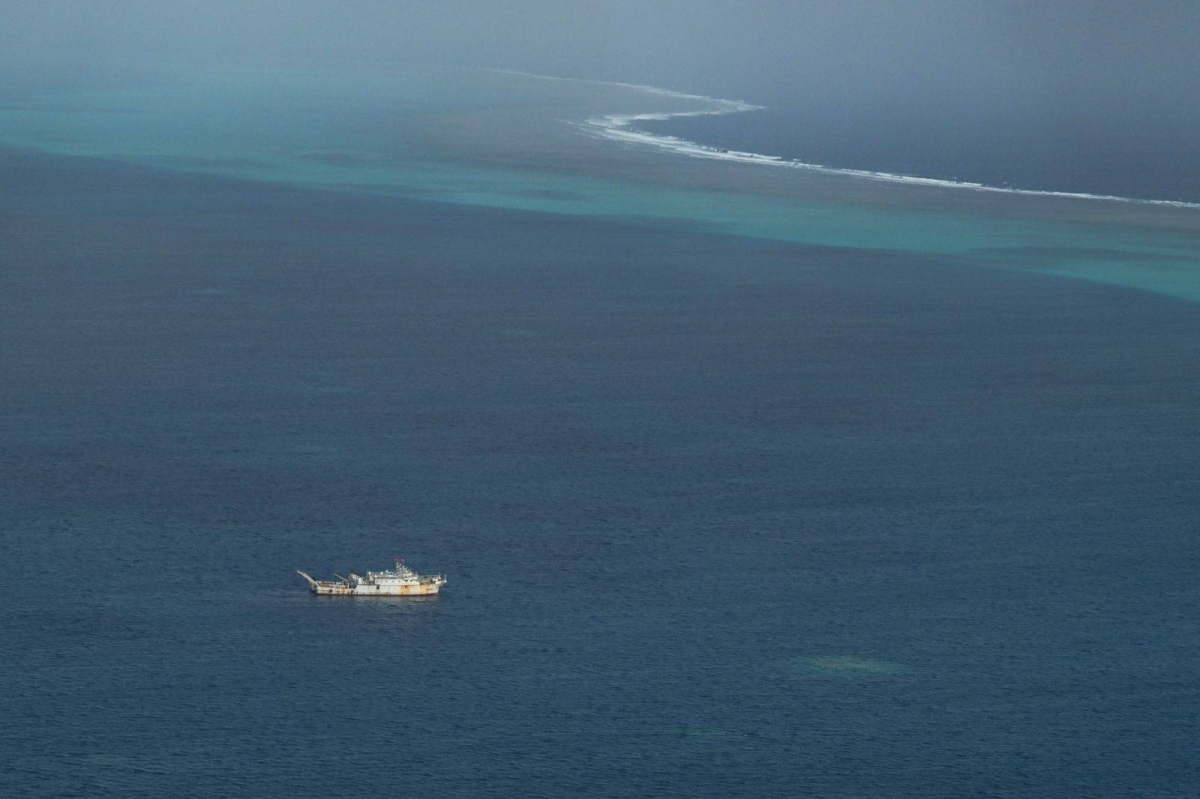
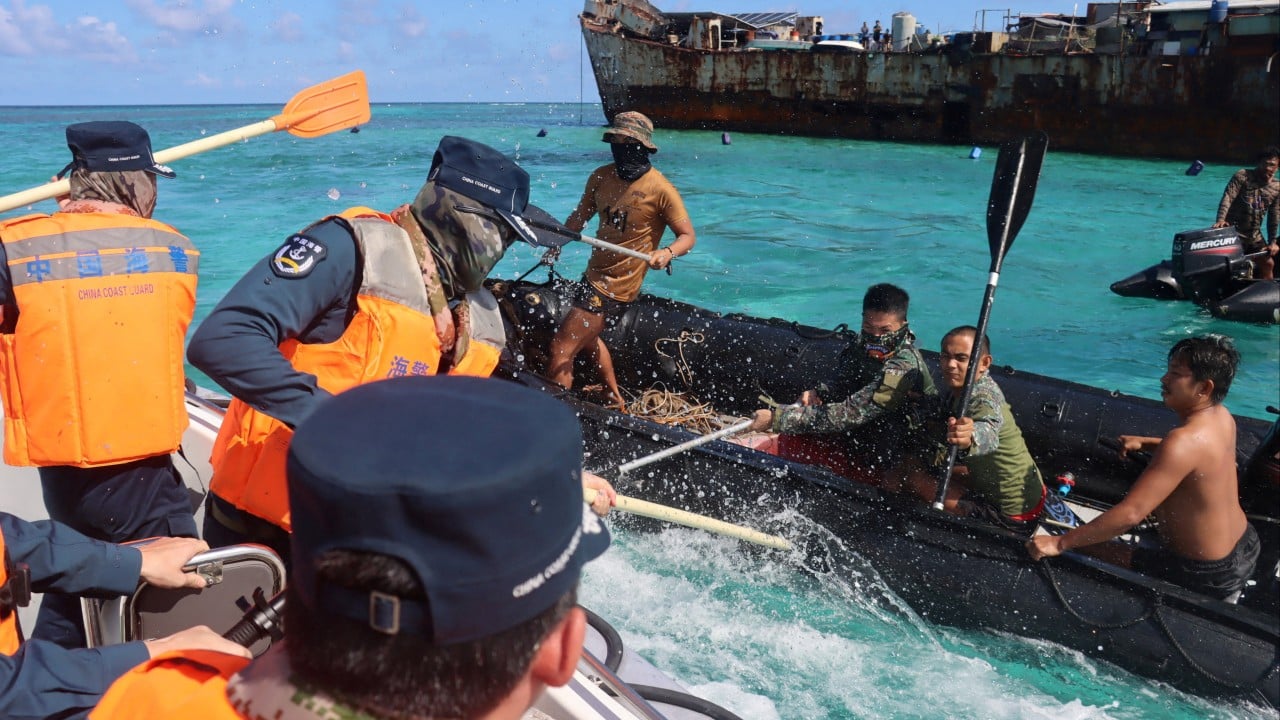
Grey-zone coercion at sea means using coast guards, maritime militias and harassment rather than warships to change facts without starting a war. This month's news shows the pattern across East Asia. The China Coast Guard says it monitored a Philippine resupply mission at a contested shoal, the latest in a long series of confrontations at Second Thomas and Scarborough shoals. Taiwan says it drove away 16 Chinese ships involved in 'maritime harassment'. The Philippine Coast Guard is strengthening surveillance with turboprop aircraft from the United States, so that it can document what happens at sea. Research adds depth: a study of 'anchors as weapons' examines Chinese grey-zone operations and their limits, a functionalist framework asks whether coast guards are police or military forces, and a paper on 'orbital blind spots' shows how satellites enable maritime coercion.
Essay
What the grey zone is
Grey-zone coercion is the use of force below the threshold of war. At sea it means coast guard cutters rather than destroyers, water cannon rather than missiles, fishing boats crewed by militia rather than marines, and anchors, lights and sheer numbers rather than gunfire. The aim is to change control of waters and reefs so gradually that no single incident justifies a military response. China has refined this method in the South China Sea for more than a decade, and now applies it around Taiwan and the Senkaku Islands.
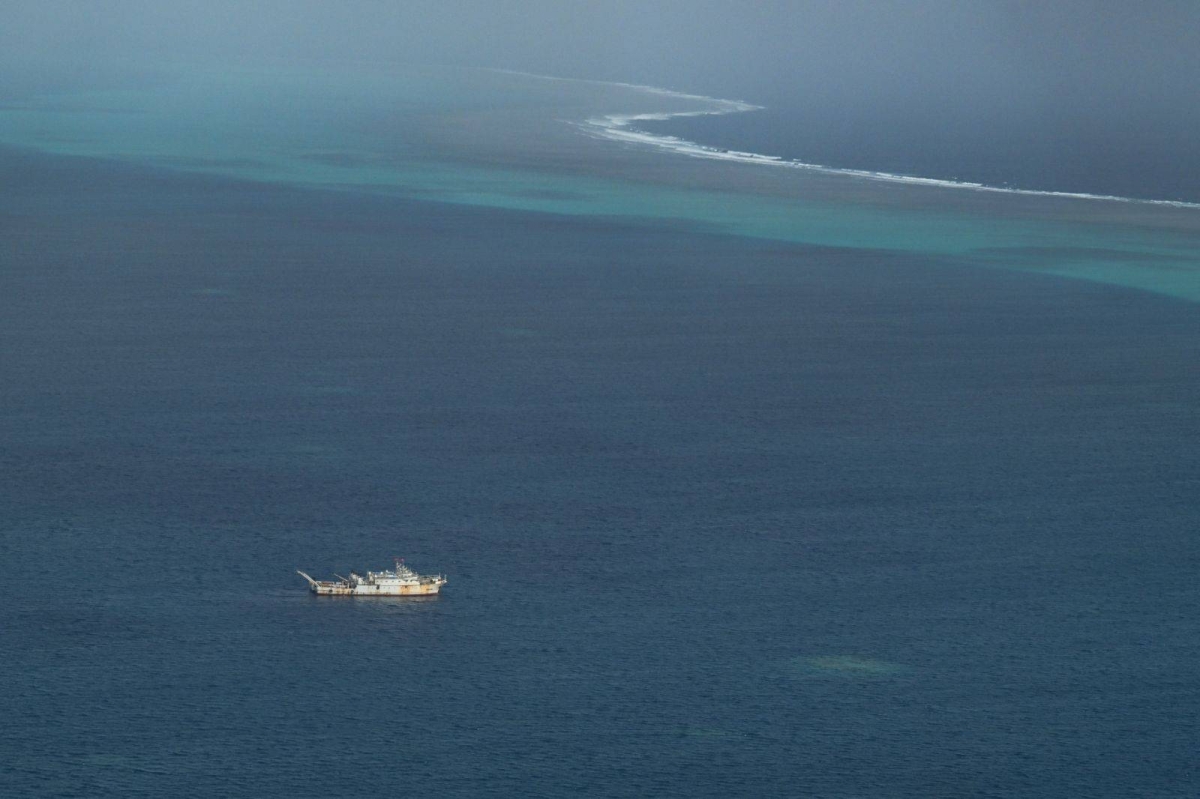
This month's news is typical. The China Coast Guard says it 'monitored' a Philippine resupply mission at a contested shoal 3, a word that covers shadowing, blocking and, in past incidents, ramming and water cannon. Taiwan says it drove away 16 Chinese ships engaged in 'maritime harassment' 4.
Police force or military force?
The ambiguity is deliberate. Research proposes a functionalist framework for the South China Sea that asks whether a coast guard is acting as a police force, enforcing domestic law, or as a military force, asserting control against another state 6. China presents its coast guard as police enforcing Chinese law in Chinese waters, which makes any armed response by the Philippines look like an attack on law enforcement. The 2016 arbitral award rejected China's claims, but China ignores it, and the award has no enforcement mechanism.
A study of 'anchors as weapons' examines these operations in detail and finds limits to their effectiveness 5: coercion wins reefs but loses friends, pushing the Philippines, Japan and others closer to the United States.
The counter: see and show
The weaker side's best answer is transparency. The Philippines has pursued an 'assertive transparency' policy, filming and publishing every confrontation so that the world sees who uses water cannon. New turboprop surveillance aircraft from the United States 1 extend that ability to see. Research on 'orbital blind spots' shows the other side of the same contest: satellites enable maritime coercion by letting a navy track targets, and gaps in coverage become opportunities 7. The grey zone is fought with cameras and sensors as much as with ships.
Why it matters beyond the shoals
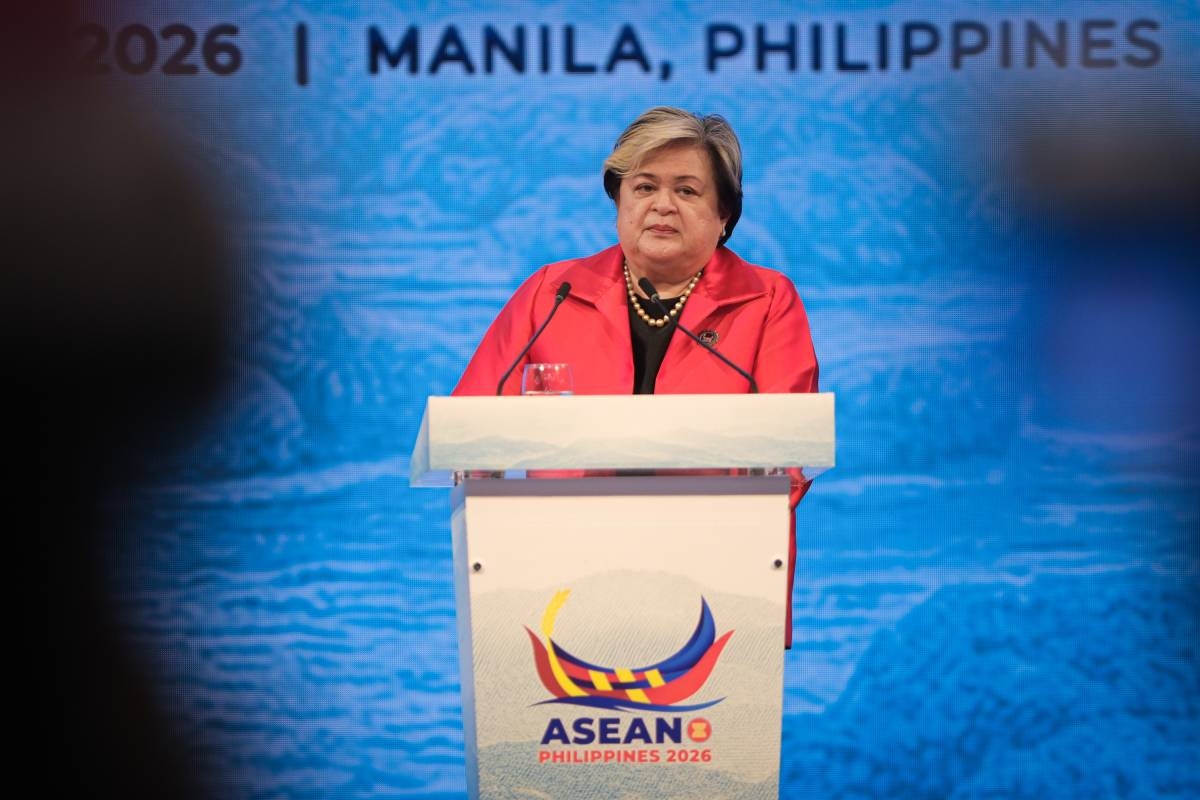
Grey-zone tactics test whether the law of the sea still governs. If a strong state can take control of disputed waters by harassment alone, every coastal state's exclusive economic zone becomes negotiable. Viet Nam, which has faced Chinese survey ships and militia in its own waters, watches the Philippine cases closely; the ASEAN Code of Conduct talks, now under Philippine chairmanship, are the diplomatic front of the same contest. The lesson of this month is that coercion at sea is a slow, documented, daily struggle rather than a crisis, and that the side that keeps its nerve and its cameras rolling holds the line.