Kast's foreign policy mixes ideological alliances in Spain with pragmatic deals with Bolivia, the UK and China, while his security agenda turns to prisons and organised crime.
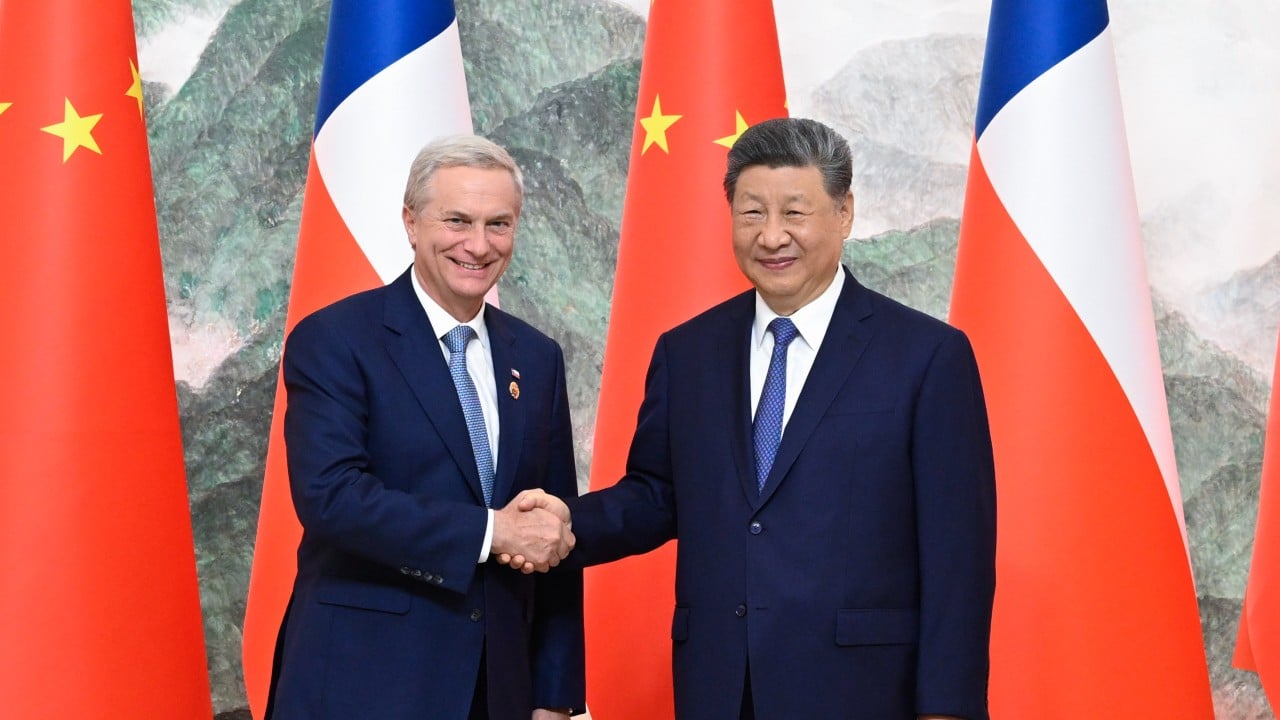
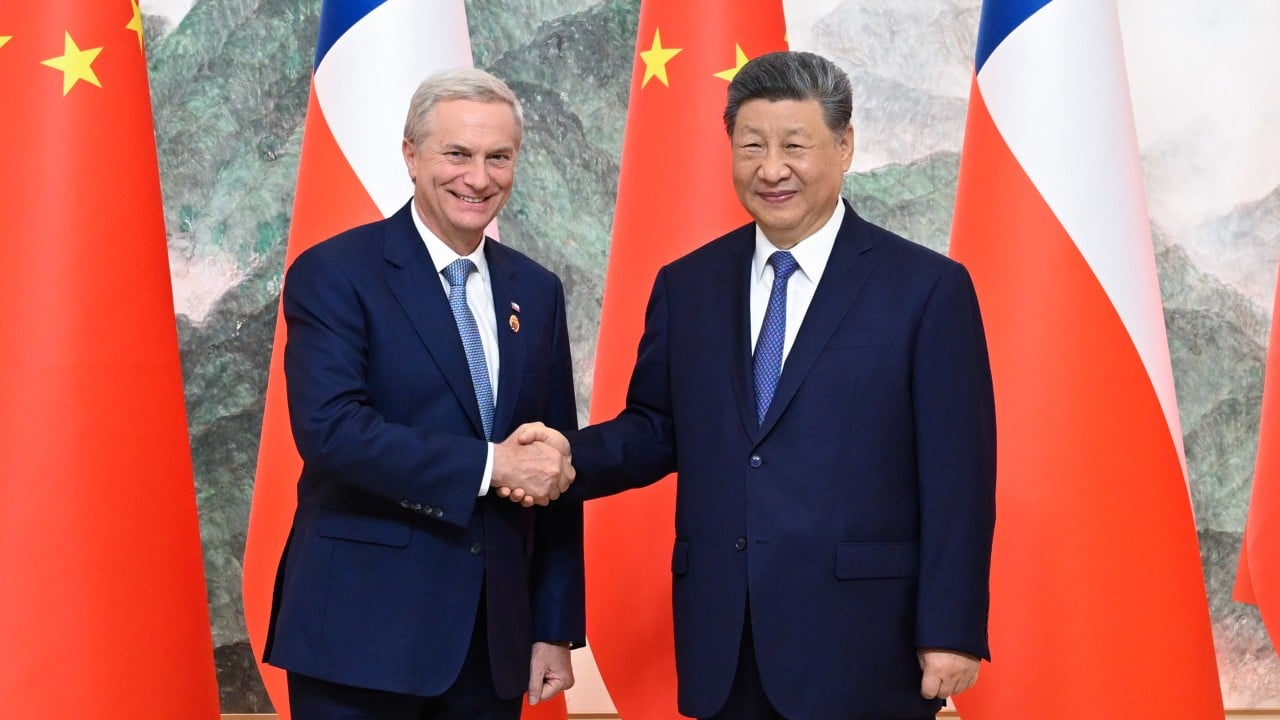
Over the past month, President José Antonio Kast's foreign policy has combined ideology and pragmatism. In Madrid he was honoured by Isabel Díaz Ayuso and met the King before the Ibero-American Summit, signalling his place on the international right. Yet his government congratulated Lula on his re-election while Milei stayed silent. He also made a state visit to Bolivia that opened the way to normalising relations, with five accords. With the UK he discussed defence, trade and the Falklands, and Chile renewed its US$7.5 billion currency swap with China. On security, the government suspended all prisoner sentence reductions, and a suspect in the murder of an officer was found in Peru. Chile took an ambivalent stance at the UN vote on the US embargo of Cuba.
Essay
A right-wing president and a pragmatic foreign policy
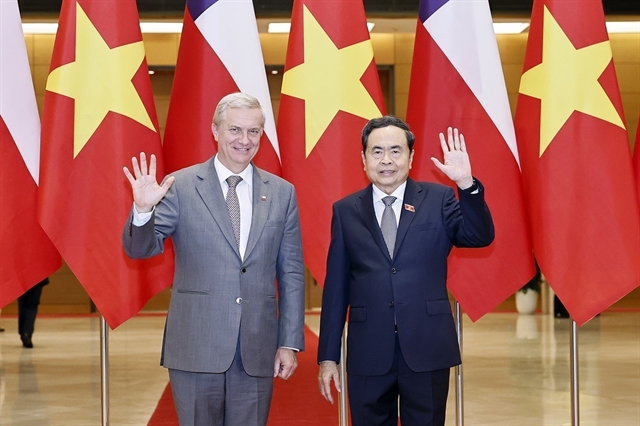
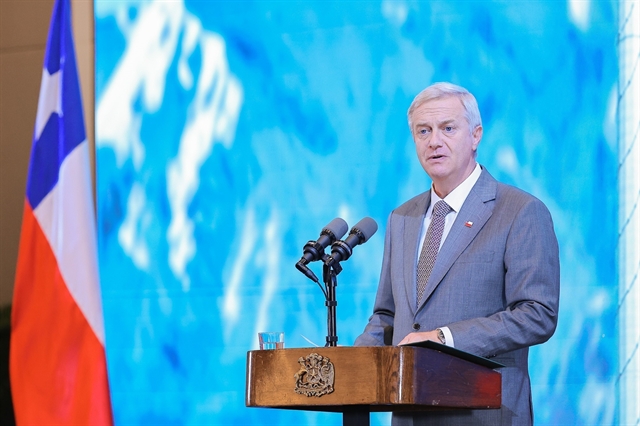
José Antonio Kast took office in March 2026 as the most right-wing president since Chile's return to democracy. His foreign policy in the past month shows two faces. Ideologically, he is close to the international right: Madrid's Isabel Díaz Ayuso awarded him her region's International Medal, saying 'we defend the same things' 8, and he met Spain's king, whose country has a US$20.7 billion stake in Chile 6. Practically, however, his government congratulated Lula on his re-election, when Argentina's Milei stayed silent 1718, and it renewed Chile's US$7.5 billion currency swap with China 21.
This combination fits a long Chilean tradition. Since 1990, governments of the left and right have kept a foreign policy built on open trade, many free trade agreements and good relations with all major powers. Kast has changed the tone and the political alliances, but not the economic foundations.
Neighbours: Bolivia, Argentina and Peru
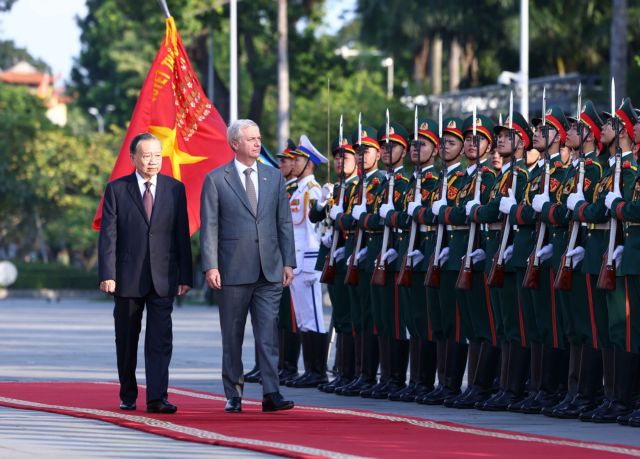
The most important foreign policy step was Kast's state visit to Bolivia, the first by a Chilean president in decades 27. He and President Rodrigo Paz signed five accords, including terms to modernise the ACE 22 trade pact 25, and pledged to move towards normalising diplomatic relations, broken since 1978 24. Paz is betting on trade and dialogue with Chile 26. This could ease one of South America's oldest disputes, over Bolivia's loss of its coastline.
With Argentina, relations are friendly but sensitive: Kast said a minister apologised for a jibe at Milei 23, and a call with UK prime minister Burnham covered the Falklands and defence 1920, a subject Buenos Aires watches closely. With Peru, cooperation on crime is central: a suspect in the murder of a Chilean police officer was found in a Peruvian prison 3.
Defence and security: crime as the main threat
Kast's security agenda is focused inward. His government suspended all prisoner sentence reductions after a public storm 2, and Americas Quarterly describes his search for a security breakthrough after a failed reform and falling approval ratings under growing US pressure 9. Ketamine now makes up nearly 90% of synthetic drugs seized in Chile 7, a sign of changing organised crime. Legal scholars warn that broad definitions of organised crime can be stretched to fit almost any group 31.
In the language of securitisation theory, crime and irregular migration have been framed as existential threats that justify exceptional measures. Research on immigration and nationalistic attitudes in Chile shows that sudden, large-scale migration has fuelled nationalism 34, which helps explain the political demand for a tough line. Defence policy proper, including the armed forces' role at the borders and in Antarctica 22, is shaped by this domestic priority.
Between Washington and Beijing
Chile is a test of how a US-friendly government manages its dependence on China, its largest trading partner and the main buyer of its copper. The renewal of the central bank swap with China 21 shows that Santiago is not willing to sacrifice that relationship. At the same time, the government faces problems at Codelco, the state copper giant, where lawmakers want legal action over false output figures 4, and Latin American companies are becoming more American as trade and geopolitical tensions grow 30.
On Cuba, Chile took an ambivalent stance at the UN, rejecting unilateral sanctions in principle while keeping its distance from Havana 14. Civil society groups and the Communist Party urged a clear vote against the embargo 1116. The position signals that Kast's government will not lead regional opposition to US policy, but it will not abandon Chile's traditional defence of international law either.
Implications for Viet Nam
For Viet Nam, the Kast government offers both continuity and new risks. Continuity: Chile's economic pragmatism, shown in its deals with China and Bolivia 2125, suggests that the Viet Nam–Chile free trade agreement and Chile's role as a gateway to Latin American markets will remain stable. Chile needs Asian demand for copper, fruit and wine, and Viet Nam is a growing market and investor.
Risks: Kast's ideological closeness to the anti-communist right in Spain and the US 8, and his distance from Cuba 14, mean that political dialogue on party-to-party or ideological grounds will be limited. Viet Nam should therefore frame relations in economic, technological and multilateral terms, such as APEC and the CPTPP, where both countries are members. A second lesson concerns security: Chile's experience shows how quickly crime and migration can dominate politics and reshape foreign policy, a reminder for Viet Nam to keep cooperation on transnational crime and labour migration on its agenda with Latin American partners.