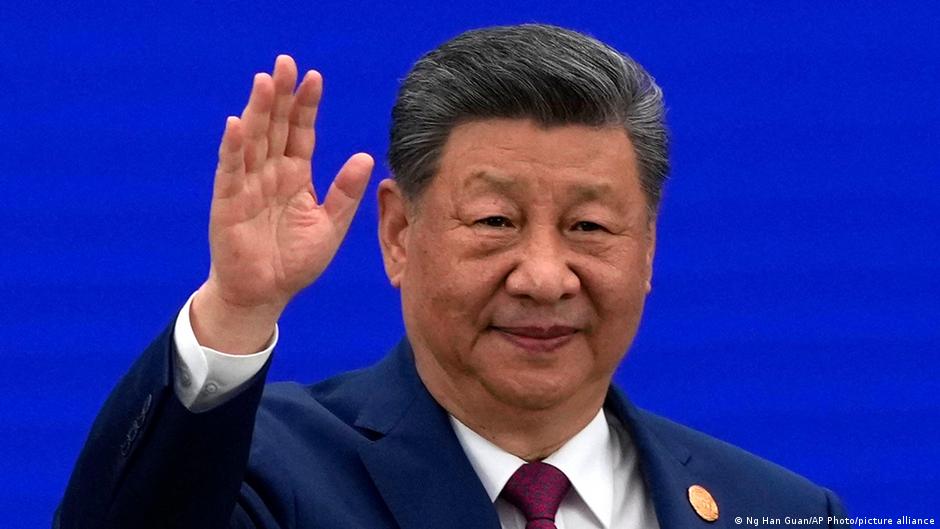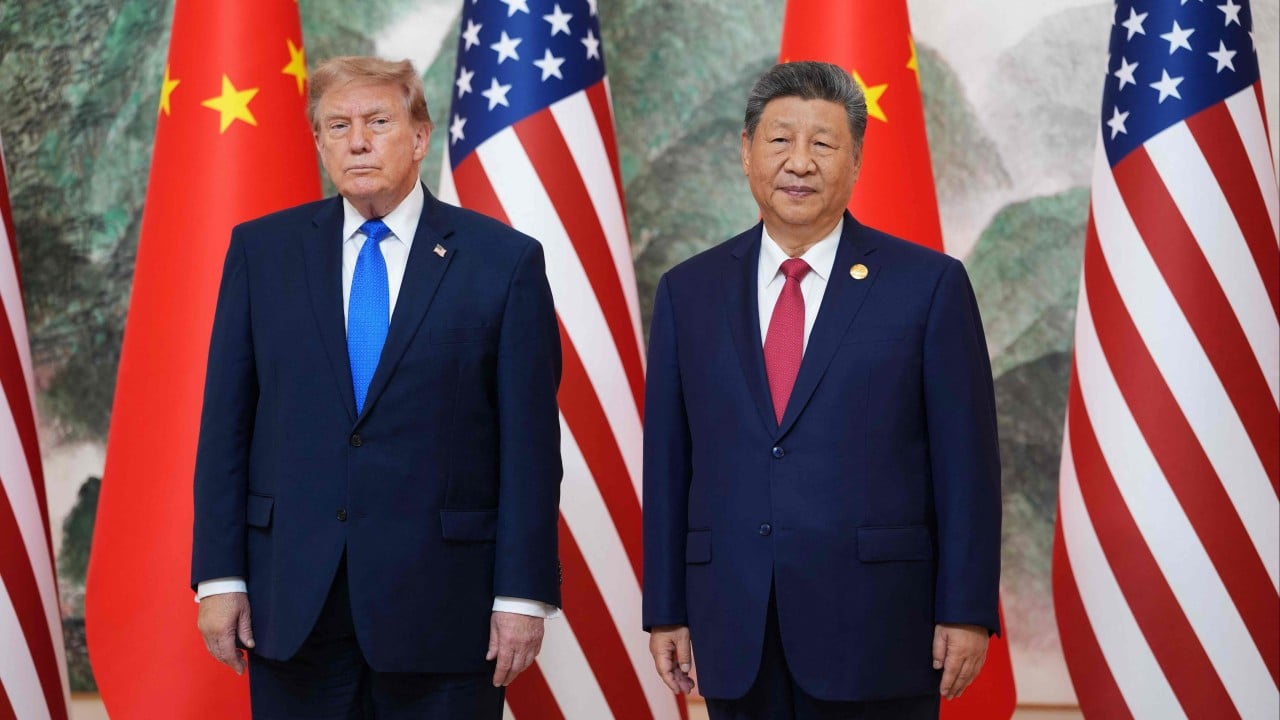
As talks with Xi get under way, Trump asks China to do more for US farmers
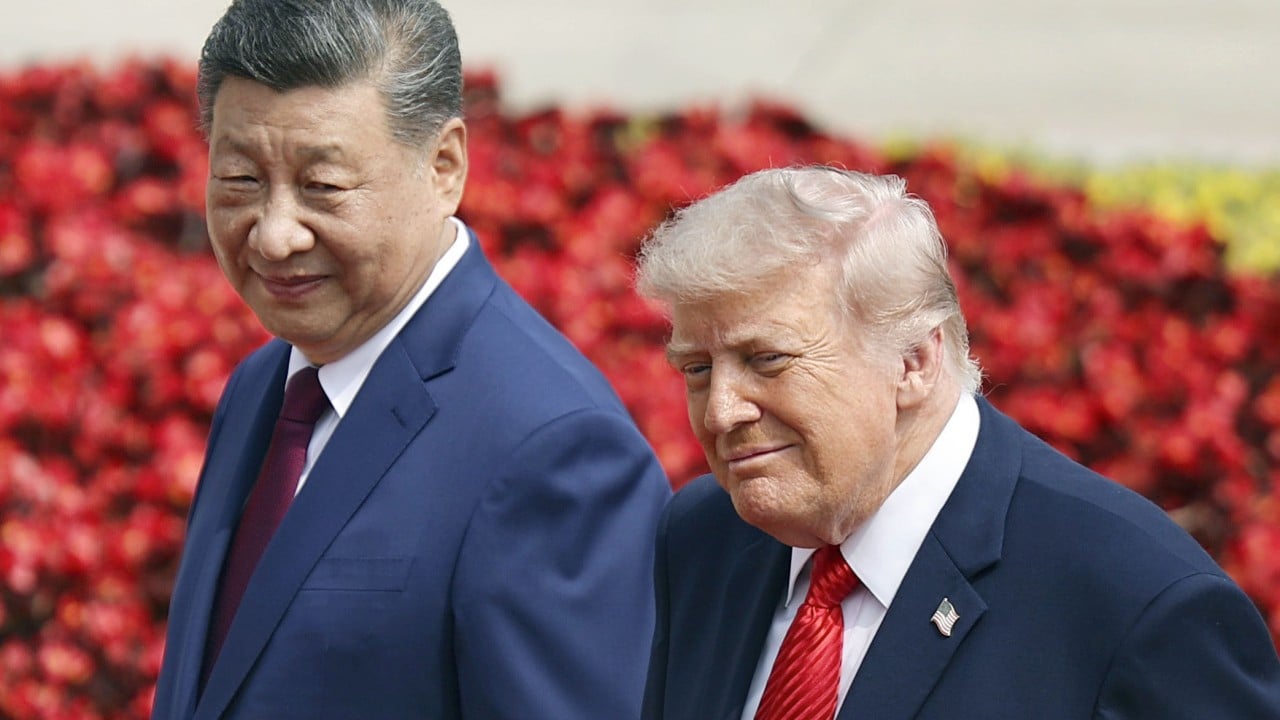
US President Donald Trump says he will press China on agricultural purchases as talks begin with his counterpart Xi Jinping on Thursday.
Taiwan: deterrence, coercion and the risk of war across the Strait: PLA drills and grey-zone pressure, Taiwan's defence and politics, US policy and arms sales, the chip industry's role, and what a conflict would mean for the region, from the news and journal research. Kept for a year as an archive.
90 news articles and 33 research items in this section, back to 13 December 2025. Browse the news ↓ Research ↓
2 stories from 1 publisher in the last 24 hours, 21 from 12 this week.
US President Donald Trump says he will press China on agricultural purchases as talks begin with his counterpart Xi Jinping on Thursday.
This live article is freely available to our registered users.
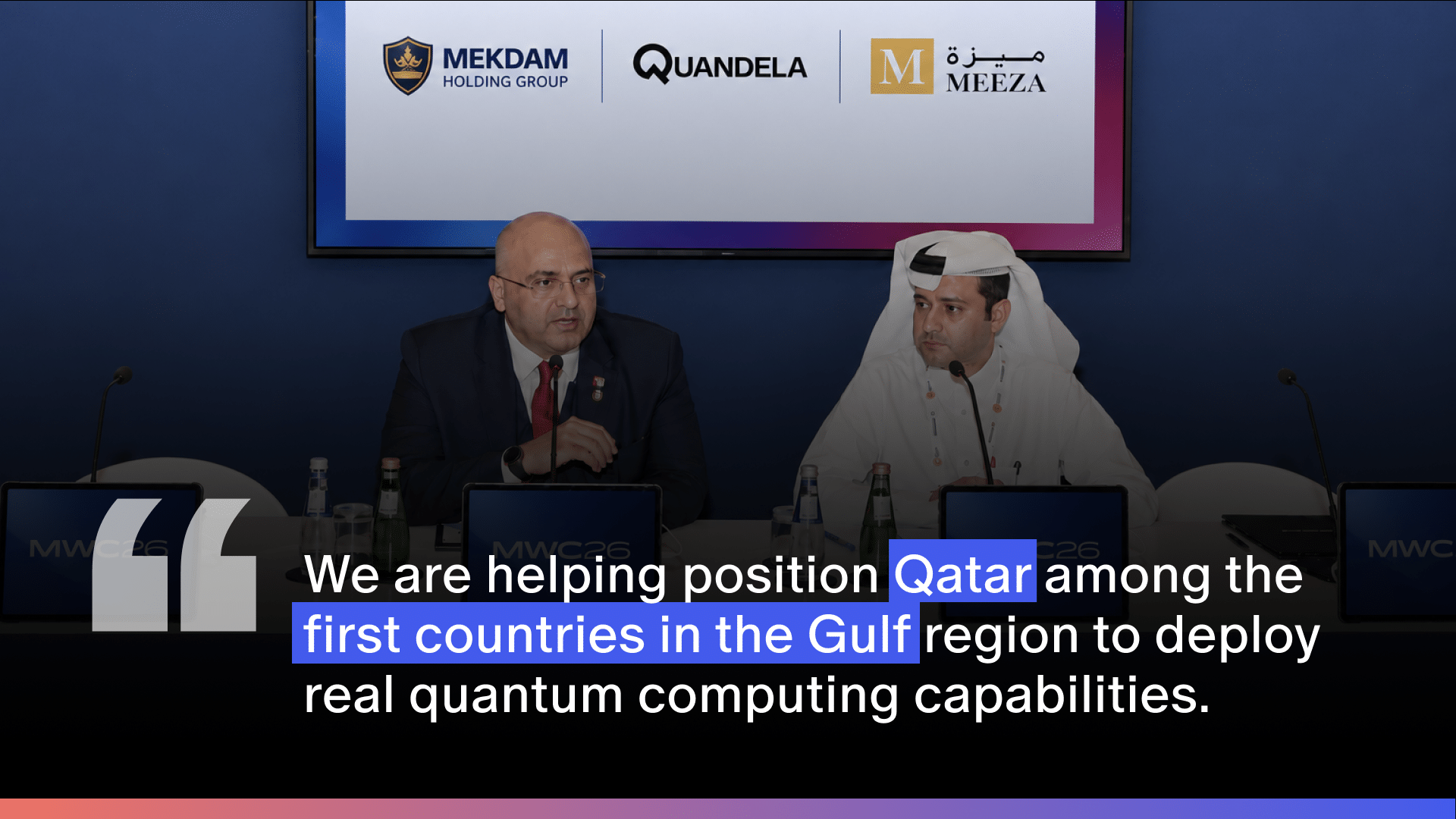
On November 18, 2026, Quandela announced two international collaborations: a tripartite partnership in Qatar with Mekdam Holding Group and MEEZA to deploy photonic quantum systems across GCC states…
Insights from Pekka Virkki.
Most mentioned in Taiwan: deterrence, coercion and the risk of war headlines, last 3 days: Taiwan 7China 4Apec 3Trump 2trade 2remains 2Japan 2Photonic 2Russian 2
Most active this week: Nikkei Asia (4), South China Morning Post (3), The Diplomat (2), SCMP China (2). Built automatically from headlines; the top items are the stories the most newsrooms covered in the last three days.
China steps up drills and squeezes Taiwan's diplomatic space, as analysts weigh the 'silicon shield', the hard arithmetic of an invasion and a US policy that may harden after the midterms.
Over the past two weeks, the pressure on Taiwan has come on every front. China ramped up military drills, prompting G7 diplomats to speak out, and analysts ask whether the PLA is rehearsing operations to keep US forces out of a conflict, even as China's amphibious surge confronts the hard maths of an invasion. Diplomatically, Taiwan closed its office in Papua New Guinea and blamed China, Lithuania is talking about renaming Taiwan's office, and Pakistan briefly closed its airspace to Taiwanese flights citing 'One China'. Economically, the chip industry is both shield and trap: Micron reportedly suspended a $4.5 billion plant, Taiwan will criminalise smuggling Nvidia chips to China, and sea-drone makers compete for investment. Analysts expect Trump's midterm loss to harden China policy on Taiwan and chips. Taiwan's voters, meanwhile, are choosing neither independence nor unification.
Taiwan is the most dangerous flashpoint in great-power politics because three things meet there: China's claim that the island is part of its territory and must be unified, by force if necessary; the United States' ambiguous commitment to help Taiwan defend itself; and Taiwan's own democracy, whose voters have no wish to be ruled from Beijing. Deterrence holds as long as Beijing believes an attack would fail or cost too much.
This fortnight's news shows the balance being tested. China ramped up drills, prompting G7 diplomats to speak out 4. Analysts ask whether the PLA is rehearsing operations to keep US forces out of a conflict 8, the 'anti-access' strategy at the heart of Chinese planning. Yet China's amphibious surge still confronts the hard maths of an invasion 19: landing and supplying an army across 130 kilometres of sea against a prepared defender is among the hardest operations in war.
Because invasion is so hard, China relies on coercion short of war: drills that rehearse a blockade, pressure on countries that host Taiwanese offices, and psychological warfare. Taiwan closed its representative office in Papua New Guinea and blamed China 12; Lithuania, once a champion of Taipei, is talking about renaming Taiwan's office 5; Pakistan briefly closed its airspace to Taiwanese flights, citing 'One China' 27. Each step shrinks Taiwan's international space without firing a shot.
The aim is to convince Taiwanese that resistance is hopeless. Commentators warn that Taiwan should not rush to surrender under this psychological campaign 24, and polling shows that Taipei's voters are choosing neither independence nor unification 14: the status quo remains the majority's preference.
Taiwan makes most of the world's advanced chips, which gives other countries a reason to defend it, the so-called silicon shield. But commentators warn the shield can become a 'silicon trap' 1 if the United States pressures TSMC to move production to America, reducing Taiwan's importance. Micron's reported suspension of a $4.5 billion Taiwan plant 18 and a rare strike exposing labour unrest beneath the AI boom 17 show the industry's strains. Taiwan's move to criminalise smuggling Nvidia chips to China 23 and its lessons for South Korea on Chinese technology theft 25 show that chips are now a security matter as much as an economic one.
US policy is the biggest uncertainty. Analysts expect Trump's midterm loss to harden China policy on Taiwan and chips 16, as a Democratic Congress presses for tougher export controls and more support for Taipei. Research assessing the rising Taiwan risk for the United States 28 points to a narrowing window in which American forces could intervene successfully. Japan, Taiwan and China face what one analyst calls a 2028 strategic test 13, a reference to the years in which China's military build-up is expected to peak.
Three indicators matter most. First, the scale and realism of PLA exercises, especially those that practise blockades 48. Second, whether more countries downgrade ties with Taipei under Chinese pressure 512. Third, Taiwan's own investment in asymmetric defence, from sea drones 22 to the reserve force, which does more to deter than any single American statement.
Written by Claude (Anthropic), based on 28 recent headlines and excerpts in this section, Nov 11. AI analysis can misread or miss things: the numbers link to the original reporting, which is the authority.
Journal articles, academic blogs, think-tank reports and papers, kept apart from the news below.
But Taiwan’s own firms limit how hard it can press Malaysia.
Indigenous farmer Banu Ismahasan walks through a golden field of tall stalks in southeastern Taiwan, harvesting by hand the grain heads of an ancient crop resistant to extreme weather.
This study examined whether the Chinese government could guide nationalism to its benefit in a sovereignty-related incident. To answer this question, it used the case study of the visit to Taiwan in 2022 by the former Speaker of the US House of Representatives, Nancy Pelosi, and an innovative framework that combines framing theory and social identity theory, alongside indicators to measure the extent to which the government achieves its goals in guiding nationalism. Based on…
This article explains the changing logic of US Taiwan policy amid intensifying US–China competition. Moving beyond the binary debate between strategic ambiguity and strategic clarity, it argues that Washington has increasingly transformed the Taiwan question into an amplifier of strategic containment against China. Drawing on neoclassical realism, the article develops a cross-level framework in which US–China positional competition functions as the systemic stimulus, US-led…
Since the 2022 Russia–Ukraine war, scholars and political commentators have drawn parallels between Ukraine and Taiwan. Yet no comparable conflict has occurred in the Taiwan Strait. This article applies a realist lens of power transition and a constructivist lens of legitimacy and identity to reassess the analogy. It asks why Russia has used force against Ukraine while the PRC has not, and whether the conditions that shaped Ukraine’s wartime experience could be reproduced in…
US President Donald Trump says he will press China on agricultural purchases as talks begin with his counterpart Xi Jinping on Thursday. The request on the sidelines of the Apec summit in Shenzhen comes as Trump stresses that the two leaders have made their relationship “fair”. In his opening remarks of their meeting, Trump said he would ask Xi to “do some more for our farmers”, citing China’s “insatiable appetite”. He also cited the Ukraine war, energy security and Iran in…
This live article is freely available to our registered users. Please log in or create an account. World leaders are gathering in Shenzhen on Thursday for the Asia-Pacific Economic Cooperation (Apec) plenary, looking for ways to promote trade and investment at a time of rising global uncertainty. Chinese President Xi Jinping, US President Donald Trump, Russian President Vladimir Putin, Canadian Prime Minister Mark Carney and Australian Prime Minister Anthony Albanese are…
On November 18, 2026, Quandela announced two international collaborations: a tripartite partnership in Qatar with Mekdam Holding Group and MEEZA to deploy photonic quantum systems across GCC states, and a memorandum of understanding with Taiwan-based Hermes-Epitek Corporation to co-develop and industrialize integrated photonic quantum hardware. These agreements aim to advance sovereign quantum infrastructure in the Middle East and photonic component industrialization in Asia.
Insider Brief PRESS RELEASE — QuiX Quantum, a Dutch-German developer of universal photonic quantum computers, together with Taiwanese partners Artilux Inc. and its affiliate Brillink Inc., has been awarded funding under the TechBridge Taiwan Call 2026 – Photonics Integrated Circuits, a joint programme of the Netherlands Enterprise Agency (RVO) and Taiwan’s Industrial Development Administration (IDA).
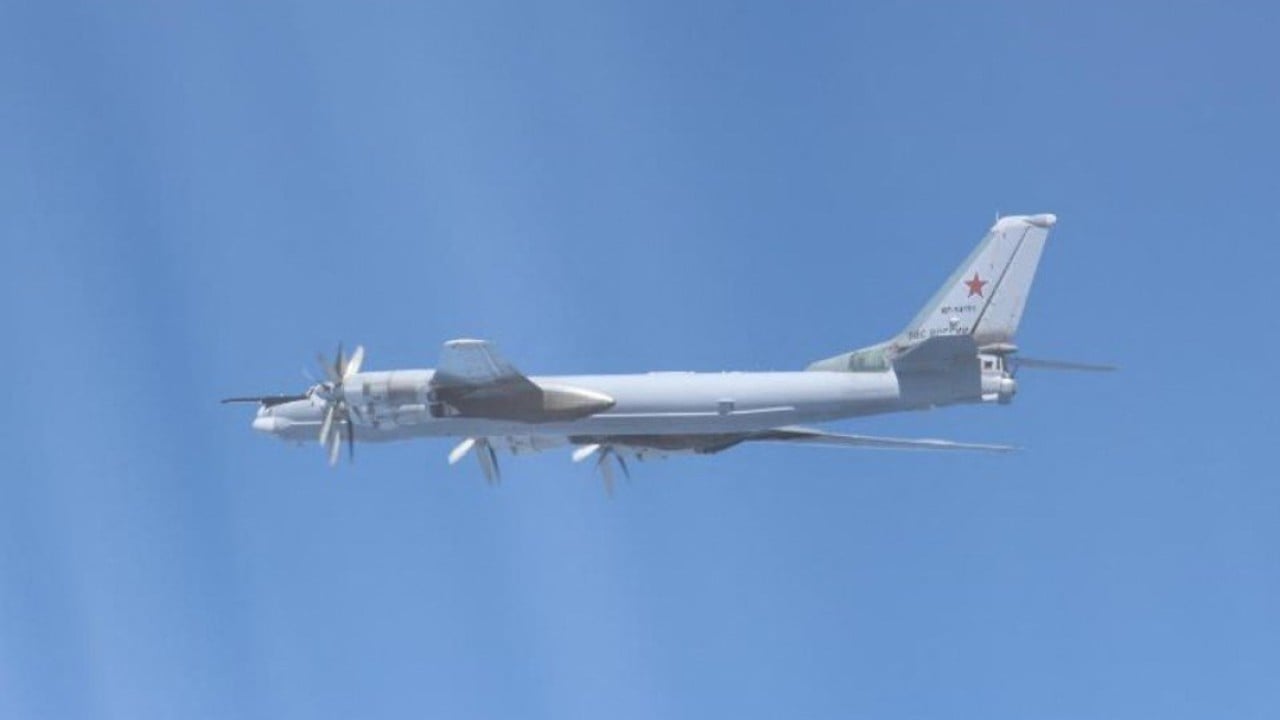
Taiwan’s military said it closely monitored two Russian warplanes flying near the island on Tuesday, the same day that Moscow’s military aviation activity prompted fighter jet scrambles in Japan and South Korea. The aircraft were detected early in the day approaching from the northeast before flying along the island’s eastern coast and departing to the southeast of Taitung county, according to the Taiwanese defence ministry. “The armed forces used joint intelligence…
China’s integration of upgraded short-range air-to-surface missiles onto its frontline fighters exposes a critical vulnerability in a Taiwan conflict: if Taiwan’s air defenses survive initial barrages and exhaust China’s long-range stockpiles, jets forced closer with shorter-range weapons risk severe losses, mirroring US experience in Iran. This month, the South China Morning Post (SCMP) reported that
Taiwan said it detected two Russian military aircraft flying off its east coast on Tuesday, while Japan protested to Moscow after two aircraft believed to be Russian violated its airspace the same day.
An expert on China’s military has advanced an intriguing thesis that should interest soybean growers. In a recent article in Foreign Affairs, Joel Wuthnow of the National Defense University in Washington maintains China’s dependence on imported soybeans could deter it from trying to take Taiwan by force. His reasoning? In a shooting war over Taiwan,
It's not about the First Island Chain, or semiconductors. There's a more basic interest at stake for the CCP.
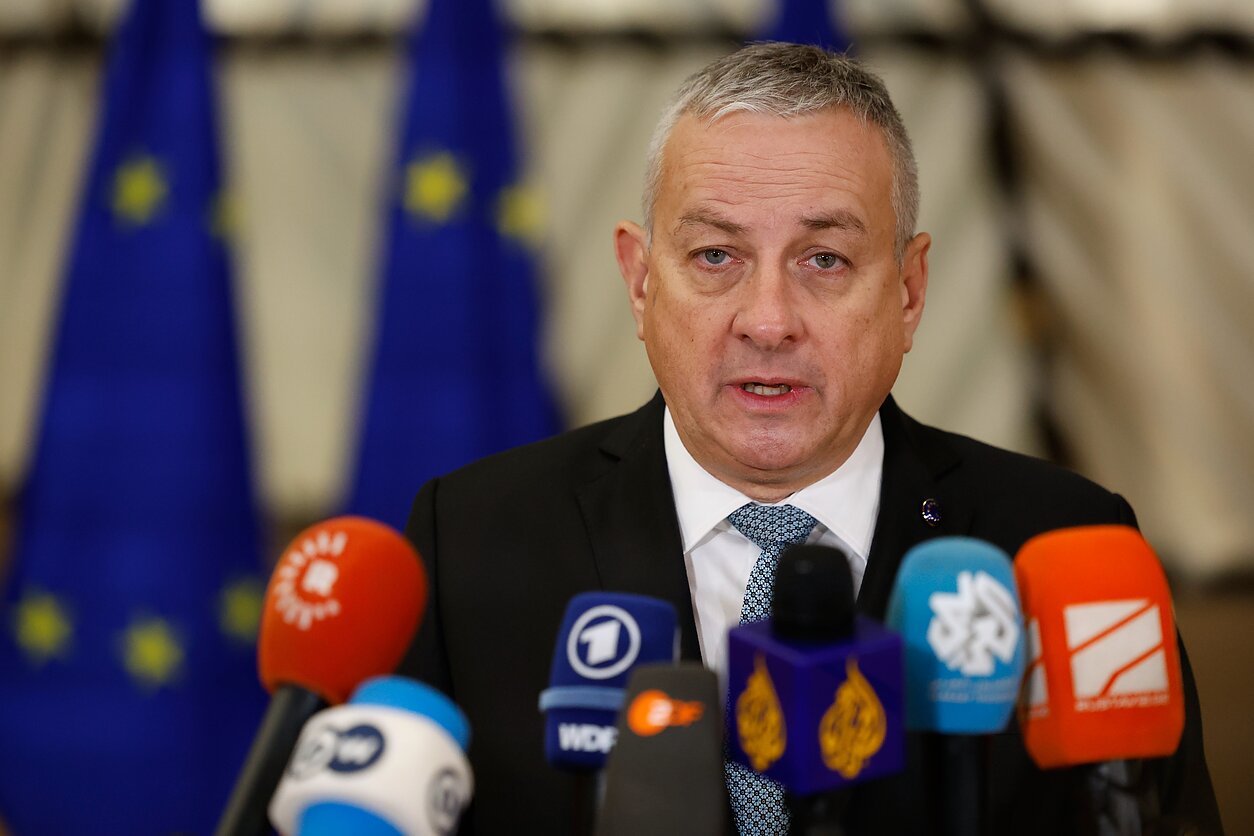
The naming of Taiwan’s representative office in Vilnius is an internal political matter for Lithuania, while the European Union faces broader challenges in its economic relations with China, EU Commissioner for International Partnerships Jozef Síkela said.
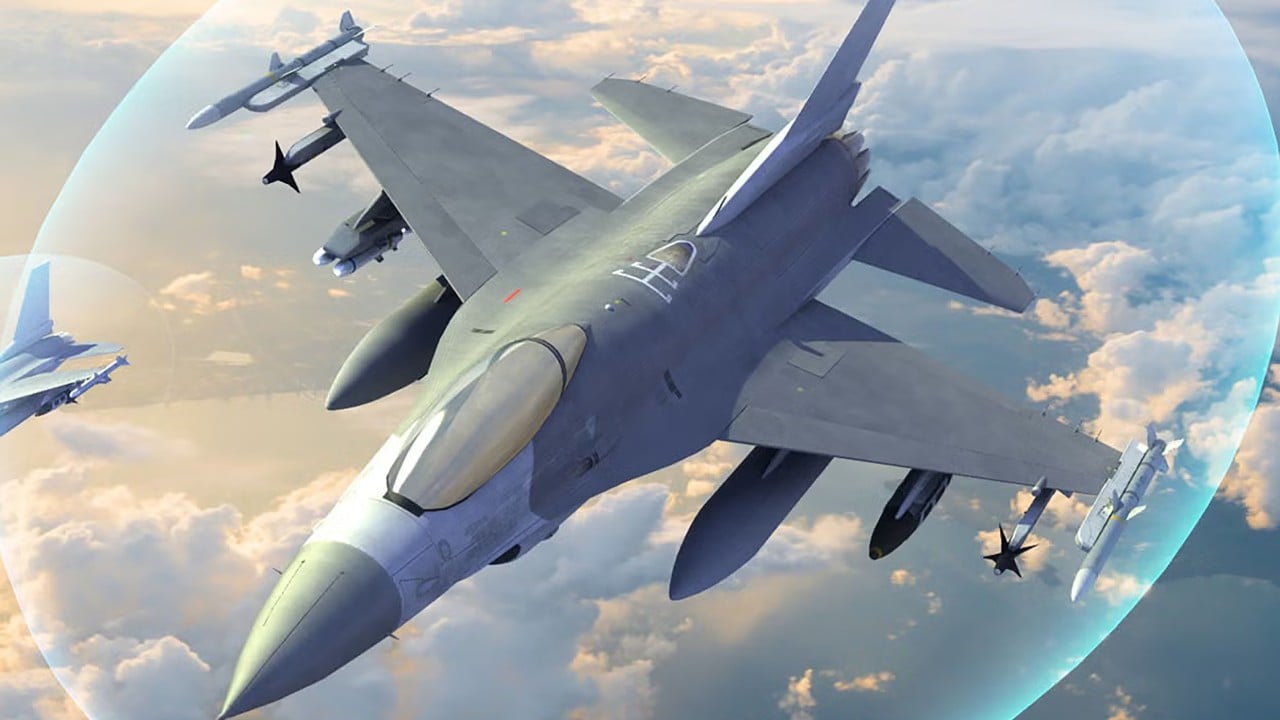
Taiwan has earmarked an additional NT$42.8 billion (US$1.4 billion) for electronic warfare upgrades to all 66 of its new US-made F-16V fighters. The extra allocation represents an increase of about 17 per cent over the original fighter procurement budget, pushing the programme’s total cost to NT$290 billion. The funding push is part of Taiwan’s broader drive to sharpen combat readiness through advanced avionics and more realistic drone drills, including nighttime raids and…
A Taiwanese lawmaker wanted by police in China is running for Taipei mayor in an unexpectedly close race in the heartland of the Kuomintang party, which favours closer ties with Beijing. Campaigning in night markets, temples and motorcades is underway for the November 28 elections that will decide races for mayors, magistrates and other posts
4 Mins ReadAdvocacy groups led a city march to demand the inclusion of plant-based diets in Taipei’s net-zero strategy and to urge the government to promote sustainable eating in schools and corporate cafeterias. Plant-based food is dramatically better for the planet, and should be part of Taipei’s efforts to reach net zero by 2050, according to more
Indigenous farmer Banu Ismahasan walks through a golden field of tall stalks in southeastern Taiwan, harvesting by hand the grain heads of an ancient crop resistant to extreme weather. Once grown by Indigenous farmers in Taiwan in case their staple crops died, oil millet largely disappeared from fields more than 60 years ago as rice
Before mainland Chinese troops could attempt a landing on Taiwan, they would first have to assemble vehicles, weapons and supplies along the coast – potentially exposing them to Taiwanese drone, rocket and missile attacks. A nighttime drill reported by state broadcaster CCTV on June 11 offered a glimpse of how the People’s Liberation Army could shield those amphibious forces as they prepared to cross the Taiwan Strait. As soldiers headed into open water aboard amphibious…
A newly identified spying group used hacked equipment inside Asian mobile operators to intercept the calls and texts of selected people, mostly in Taiwan. Enea, a telecom and cybersecurity software company based in Stockholm, found the group's attack sources in at least six Asian countries and named it SilentAir this week. It assessed with high confidence that SilentAir is a state-level actor,
Enea linked SilentAir and Liminal Panda to attacks on Asian mobile operators
Xi Jinping said that reunification was inevitable, but stopped short of mentioning military force. Taiwan though swiftly rejected Beijing's demands as tensions continue over the island's future.
Also at Al Jazeera, South China Morning Post
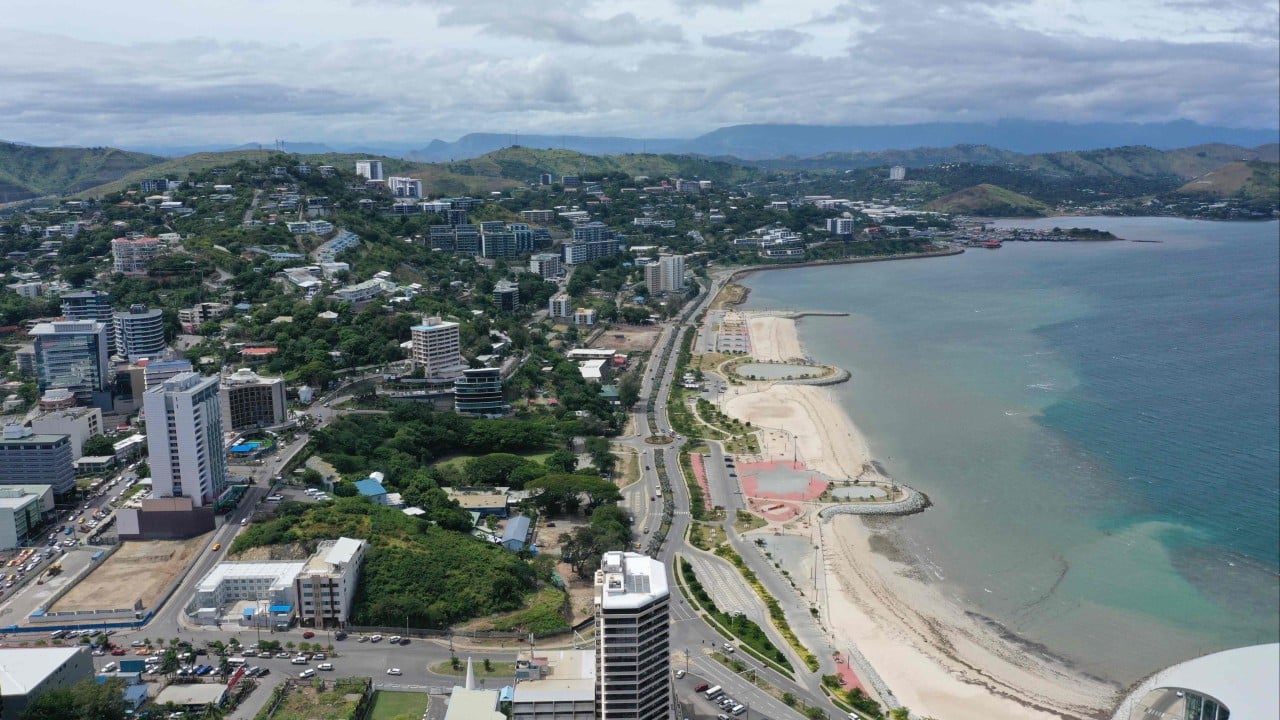
Taiwan will close its representative office in Papua New Guinea later this month after the Pacific island country repeatedly demanded its closure, citing its “one-China policy”. The withdrawal will cut off Taiwanese technical assistance and end decades of cooperation with PNG, including halting spot-market purchases of the country’s liquefied natural gas (LNG) – a move Taipei said could deal a blow to the nation’s export earnings. “It is deeply regrettable that, under…
Taiwan, a dominant player in the global semiconductor industry, sits at the centre of strategic competition between the United States and China, which claims the self-ruled island as part of its territory
Read at The Hindu International
Also at Hong Kong Free Press