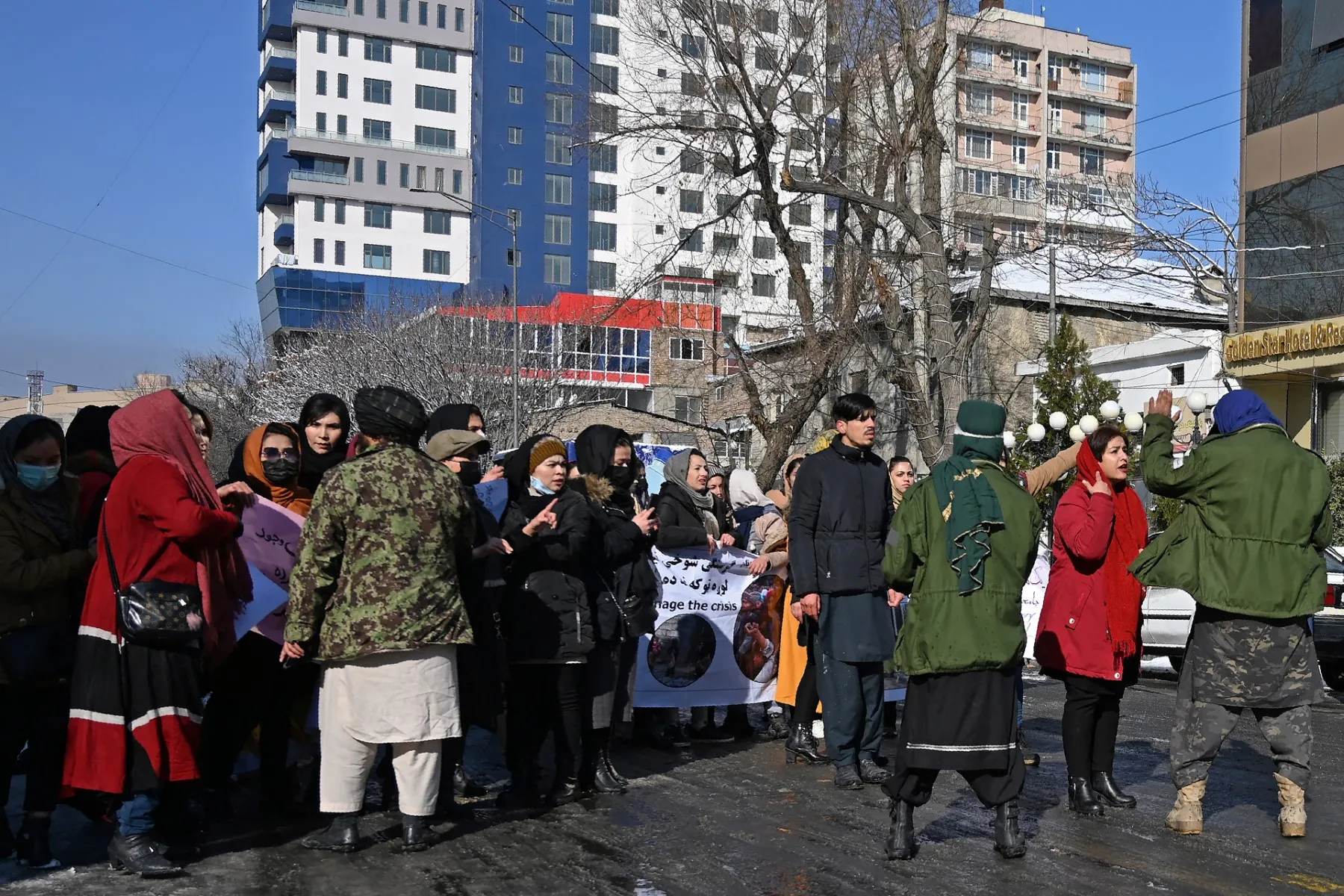
Afghanistan's gender apartheid deepens as Iran arrests women over hijab, while US voters defend abortion rights in some states and lose them in Idaho.
This fortnight's news on women's rights runs from the most repressive regimes to the ballot box. UN Secretary-General Guterres says restrictions on Afghan women and girls are intensifying, Afghan women won the Chatham House Prize for resisting them, and a pro-Taliban cleric challenged the ban on women's medical education from within Hanafi law. An Afghan writer argues Europe has left Afghan women to fight gender apartheid alone. Iran arrested several people in a hijab crackdown on a popular Tehran street. In the US, voters rejected a Missouri abortion ban and protected reproductive freedom in three states, but Idaho's Prop 1 failed and a federal court ruled against abortion rights there. South Korea approved abortion pills, and Cameroon saw anti-femicide protests. Research examines gender equality law and norms, violence against women and women's representation.
Essay
Why women's rights are a measure of political order
Women's rights are not a sideline of politics: they track the character of a regime. Where governments restrict women's education, movement and work, they almost always restrict other freedoms too, and where women enter parliaments and courts, institutions tend to open. This week's news supports the point. The most closed regime in the world, Taliban Afghanistan, is intensifying restrictions on women and girls 10, while democracies argue over abortion at the ballot box 96.
The concept of 'gender apartheid', used by Afghan activists 7, captures a system in which women are excluded from public life by law. It is now discussed as a possible crime under international law, alongside racial apartheid.
Afghanistan: repression and its critics
Four years after the Taliban's return, girls are barred from secondary school and university, women from most work and from travelling far without a male guardian. Guterres says the restrictions are intensifying 10, and Science and Peace Week drew attention to the education ban 5. Yet resistance continues. Afghan women won the 2026 Chatham House Prize for defending their rights 4, and a history of Afghan women writing their own rights shows that this struggle predates the Taliban 1.
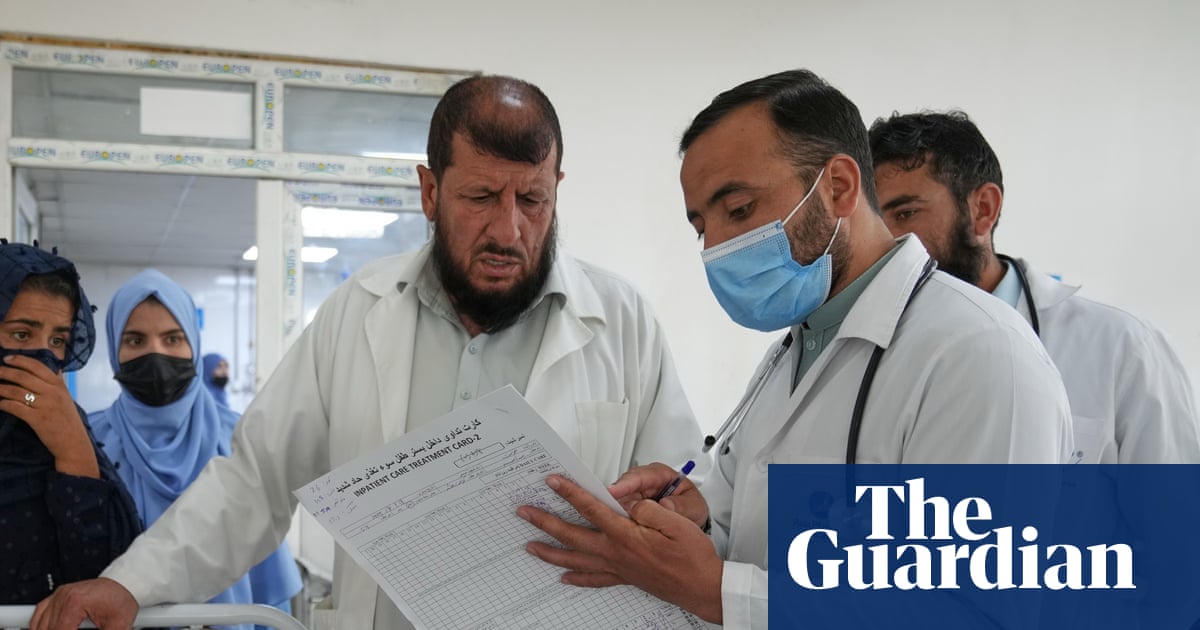
The most interesting development is internal. A pro-Taliban cleric has challenged the ban on women's medical education using Hanafi jurisprudence 2, arguing that the Taliban's own school of law requires women doctors. Change in closed systems often starts with such arguments from inside, rather than from outside pressure, which an Afghan writer says Europe has largely abandoned 7.
Iran and the politics of the veil
Iran's arrests in a hijab crackdown on a popular Tehran street 3 show that, three years after the Mahsa Amini protests, the state still polices women's dress as a symbol of its authority. Compulsory hijab is less about religion than about who controls public space. Each round of enforcement and quiet defiance is a test of the regime's strength, which matters more during a war with the United States.
Democracies: rights won and lost at the ballot box
In the United States, abortion has become the clearest case of rights decided by direct democracy since the Supreme Court ended the federal right in 2022. Voters rejected a Missouri ban and protected reproductive freedom in three states 9, while Idaho's Prop 1 failed and a federal court sided against abortion rights 6. The pattern since 2022 is that abortion rights win most referendums, even in conservative states, but lose where courts and legislatures decide.
Elsewhere, South Korea's approval of abortion pills 8 completes a long shift after its constitutional court struck down the abortion ban in 2019, and anti-femicide protests in Cameroon point to the violence that remains the most common abuse of women's rights everywhere: tens of thousands of women and girls are killed each year by partners or relatives 8.
What research adds
Studies of gender equality in development show that laws change faster than social norms 11, which explains why rights on paper and rights in practice diverge. Work on Afghan men's attitudes finds that education and urban residence predict support for equality 16, a reason why the Taliban's school bans are so damaging in the long run. Research on gender equality plans in and beyond the EU 13, on women's retention in institutions 12 and on Southern Africa's democracies 17 suggests that representation and institutional design, not only legal rights, decide whether equality lasts.