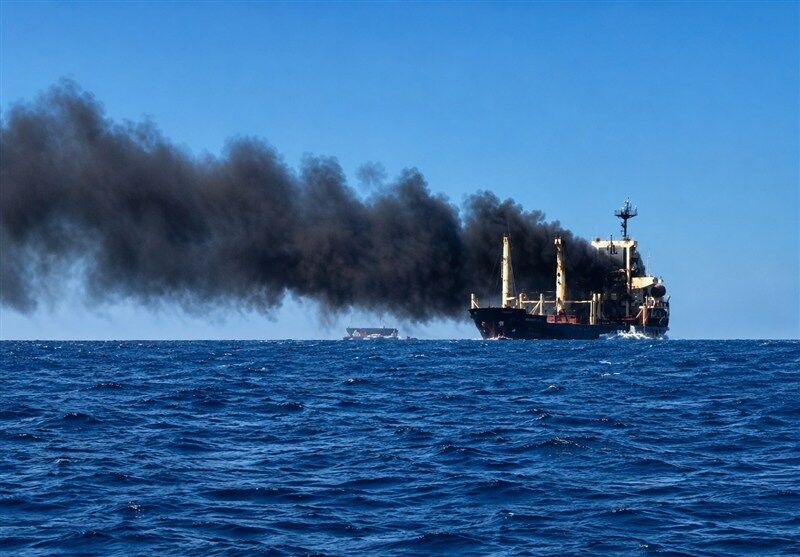
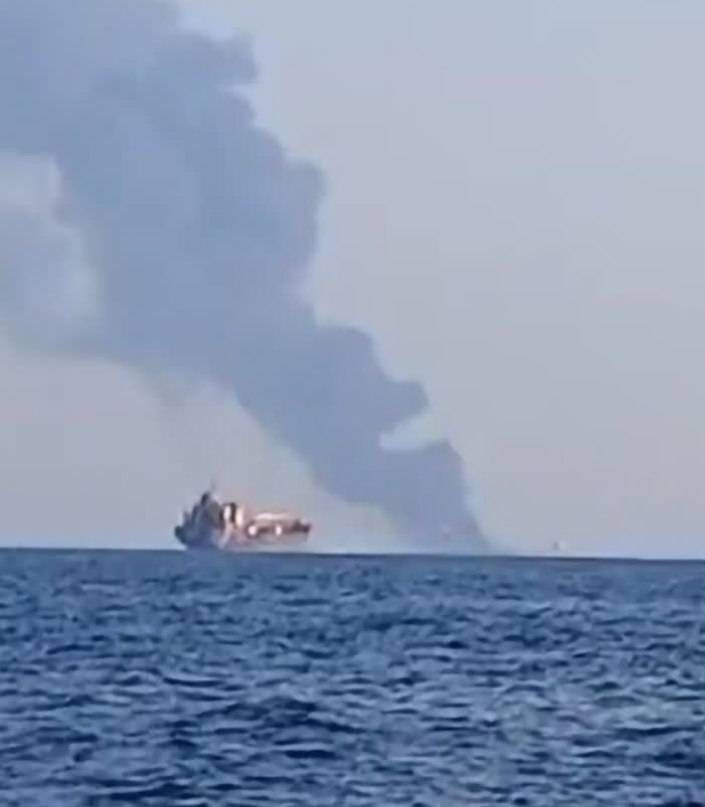
Tankers burn in the Strait of Hormuz as Iran uses the chokepoint for leverage, while oil prices fall on talk that the US war is 'effectively over'.
The Strait of Hormuz, through which a fifth of the world's oil passes, is the economic centre of the US-Iran war. This week Iran's Revolutionary Guards reported blasts on a third tanker, two more tankers exploded, and Iran says ships were destroyed after hitting mines; a Filipino seafarer was killed in a drone attack on a Gulf tanker. Iran describes the strait as leverage, floats a 'two-day proposal' to restore security and a toll regime that would hit Asian allies of the US, and a Qatari plan would reopen the strait in exchange for nuclear inspections. South Korea is sending a naval mission to keep the strait open. Yet oil prices fell to their lowest since August as Trump said the war was 'effectively over', giving relief to fuel prices, inflation and even carbon emissions. A separate Trump-Putin deal to ship Russian diesel to the US faltered as tankers turned back.
Essay
Why a strait decides a war
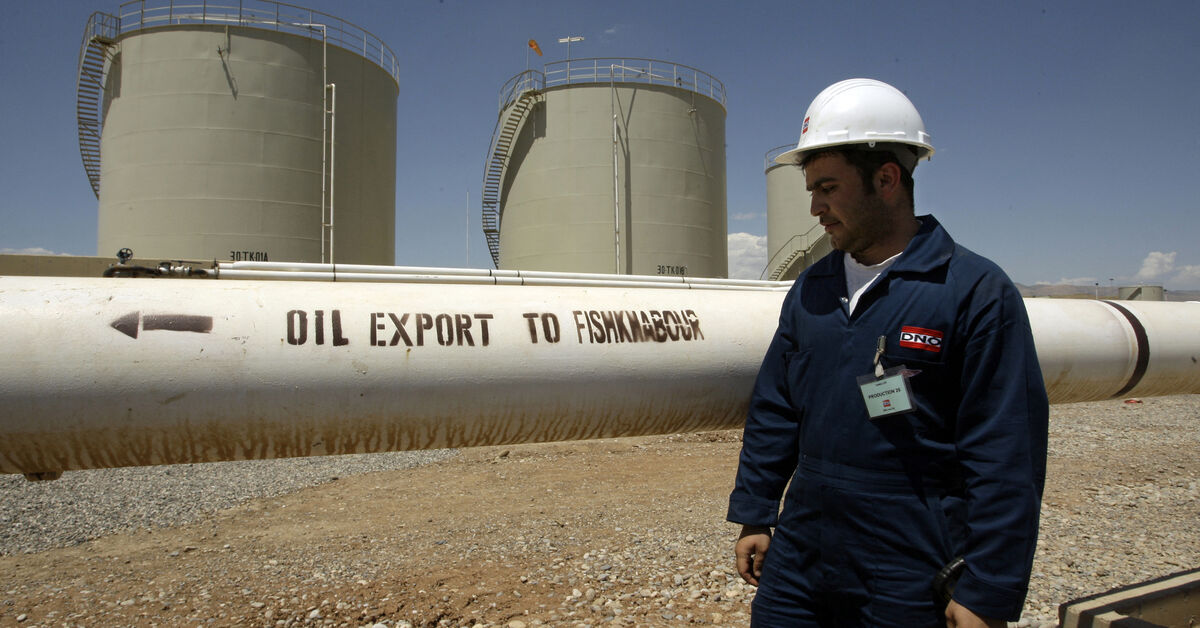
About a fifth of the world's oil and a large share of its liquefied gas pass through the Strait of Hormuz, a channel barely 40 kilometres wide between Iran and Oman. No pipeline network can replace it. This makes the strait Iran's strongest card in its war with the United States: it cannot defeat the US navy, but it can make shipping dangerous enough to raise insurance, divert tankers and push up prices worldwide. Analysts call it a lasting source of leverage 21.
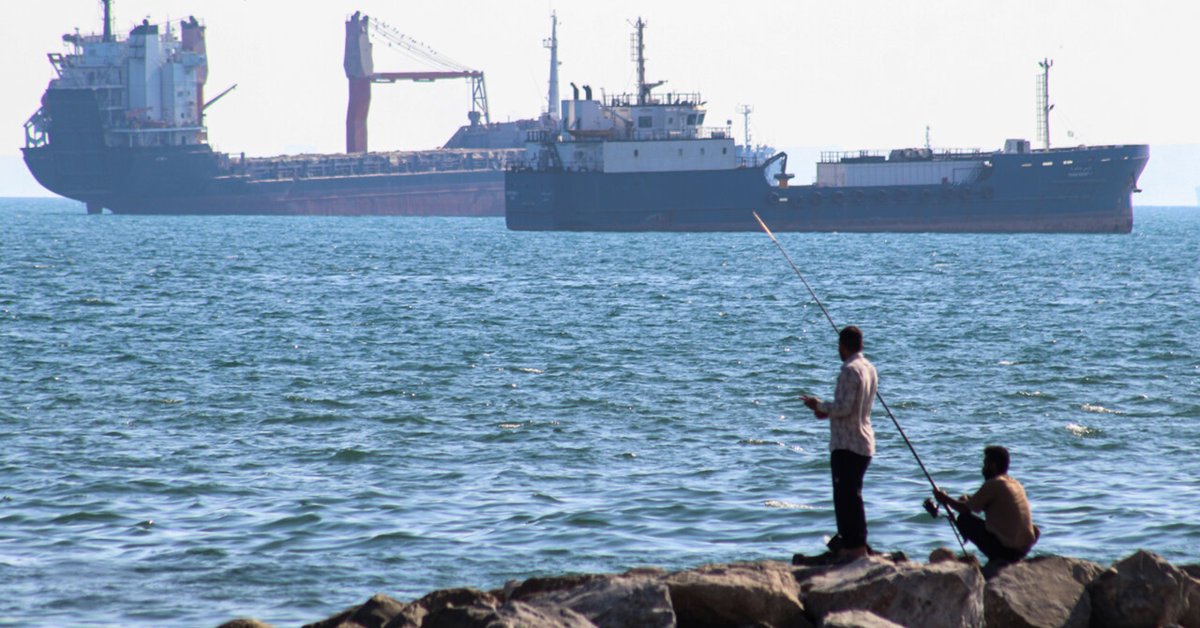
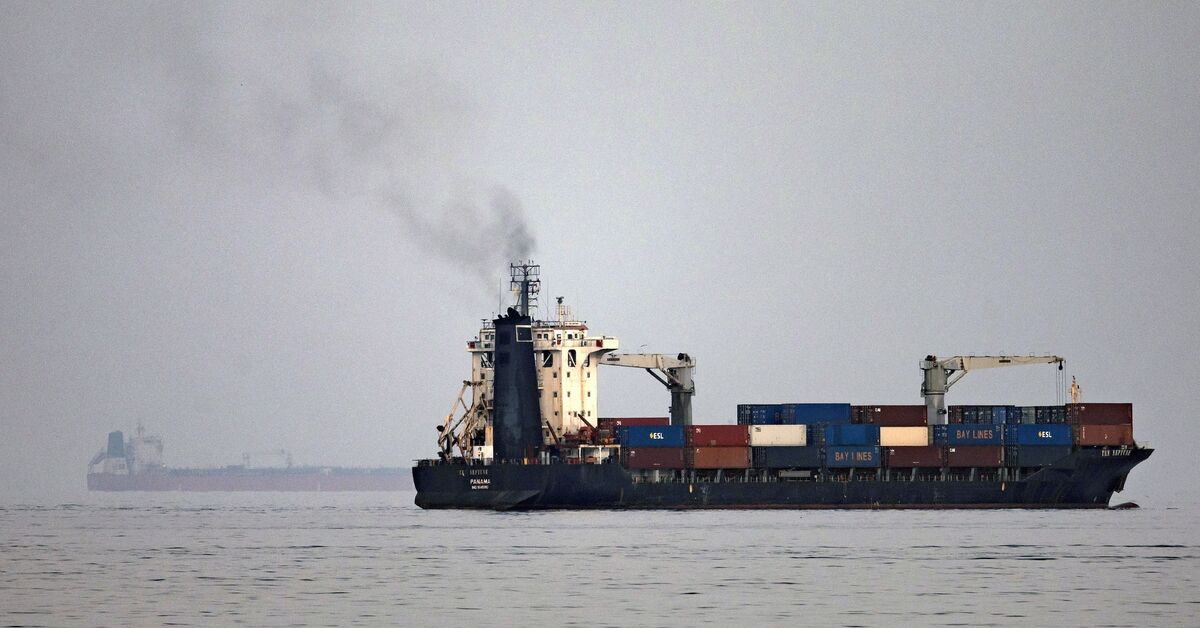
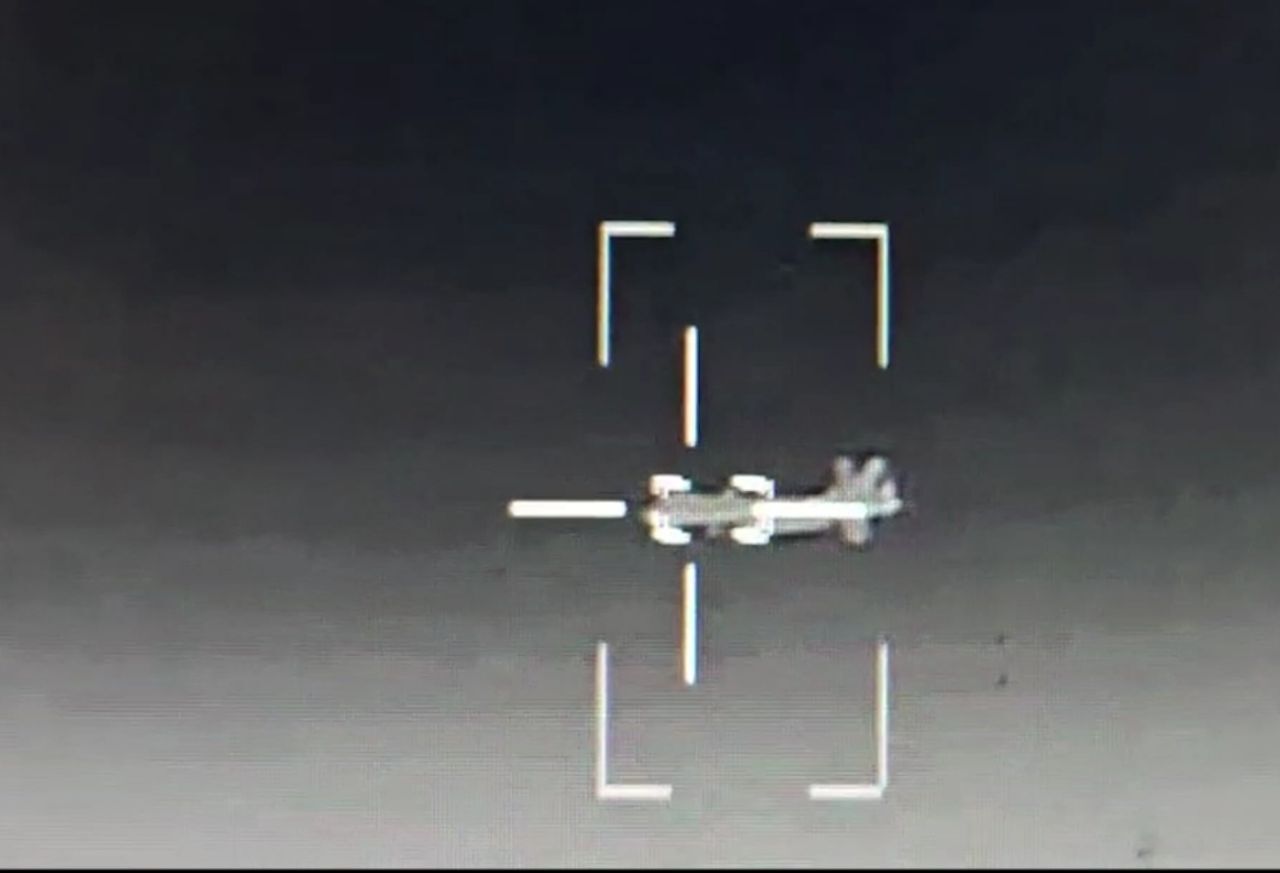
This week showed the card being played. The Revolutionary Guards reported a blast on a third tanker 4, two more tankers exploded and burned 1210, and Iran said ships were destroyed after hitting mines 32. A Filipino seafarer was killed in a drone attack on a Gulf tanker 26, a reminder that the crews bearing the risk are mostly from Asia.
Coercion with a price list
Iran's tactics are calibrated. Rather than closing the strait outright, which would invite a full US response and anger China, Tehran attacks selectively and proposes terms: a 'two-day proposal' to restore security 19, and a toll regime that analysts say is designed to punish the Asian allies of a weakened Trump 28. This is coercion with a price list. It keeps oil flowing to friends while making enemies pay.
The response from Asia shows the pressure working. South Korea, dependent on Gulf oil, will deploy a military mission and expand naval operations closer to the strait 2931. European ministers are cautious after G7 briefings 11, unwilling to be drawn into escorting ships.
Markets bet on peace
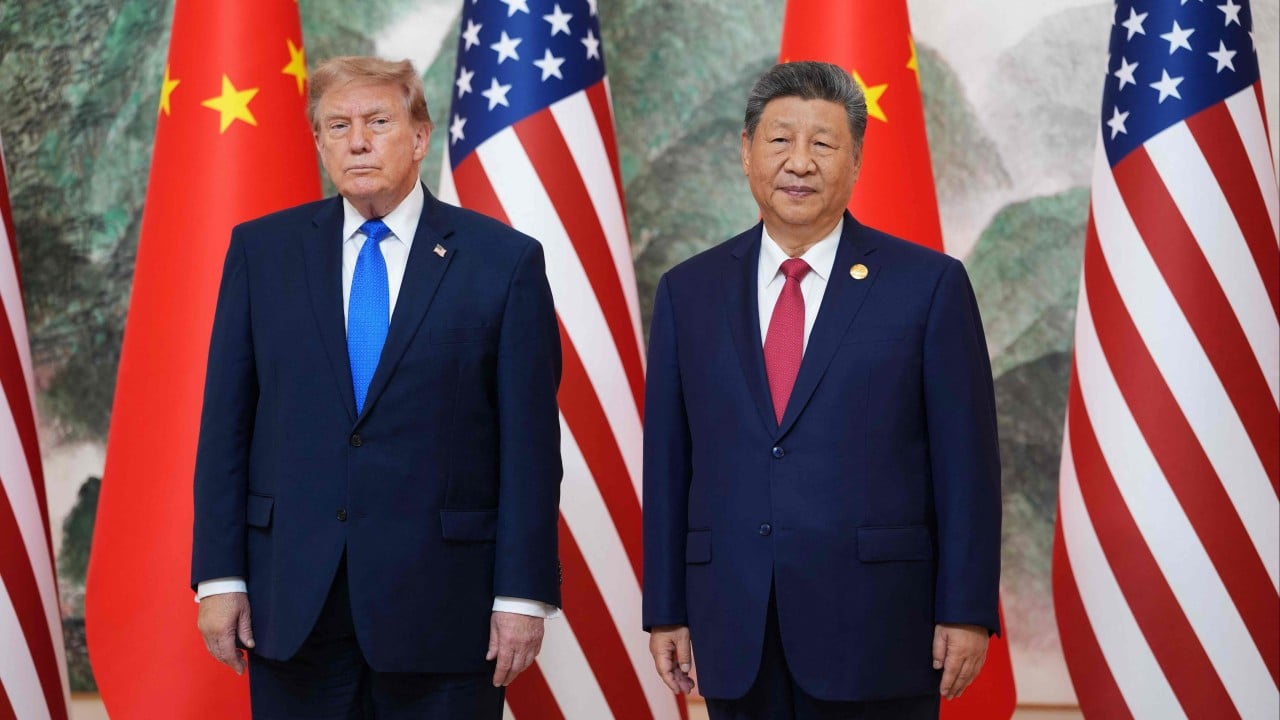
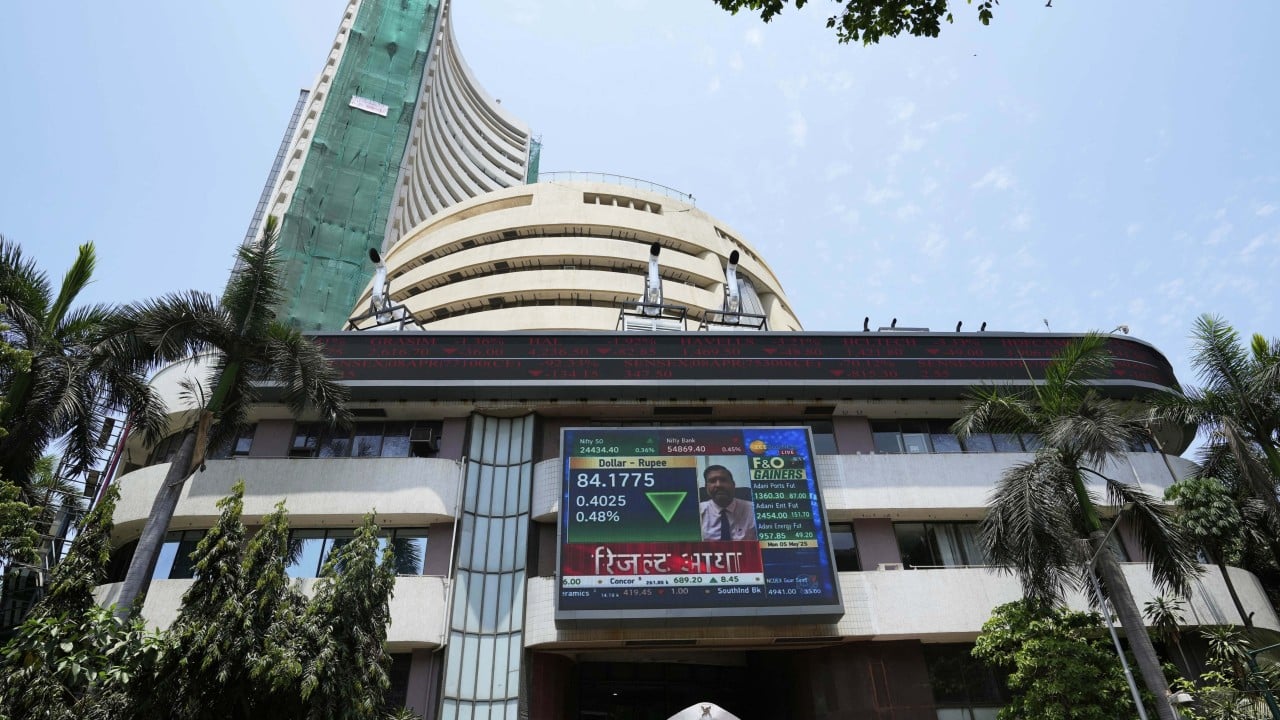
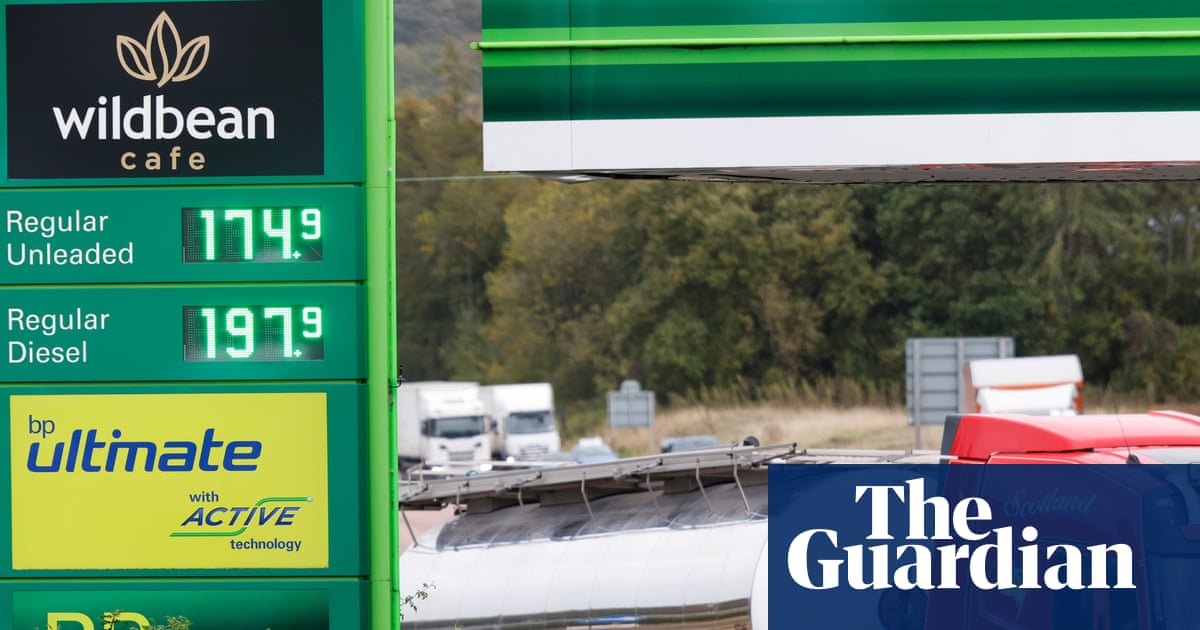
Paradoxically, oil prices fell to their lowest since August as Trump declared the war 'effectively over' 1413. Markets have learned that threats to Hormuz rarely become a full closure, and they price the probability of a deal: a Qatari plan would reopen the strait as part of nuclear inspections 27, and Trump signals openness 23. Lower fuel prices gave inflation a breather 18 and even cut global carbon emissions 7. But the costs are uneven: Japan's and Europe's electricity futures hit a four-year high on fuel costs 2, and in Kabul rising fuel prices squeeze taxi drivers and passengers 15.
Research on oil prices and bond yields finds they no longer move together 20: investors now treat oil shocks as supply disruptions rather than signals of global growth.
Russia's diesel and the limits of deals
A side story shows how sanctions and deals interact. Under a Trump-Putin arrangement, tankers carrying Russian diesel sailed for the United States, but the first found no buyer 9, others changed course 301, and the last turned back. Buyers feared legal and reputational risk even where politics had cleared the way. Energy flows follow trust and law as much as presidential agreements.
What to watch
The strait's future turns on three things: whether the Qatari plan produces inspections and a reopening 27; whether mine and drone attacks continue, which would raise insurance costs even without a formal closure 32; and whether Asian navies' deployments change Iran's calculus 29. For importers such as Viet Nam, Japan and Korea, the lesson is that energy security now depends on diplomacy in the Gulf as much as on contracts with suppliers.